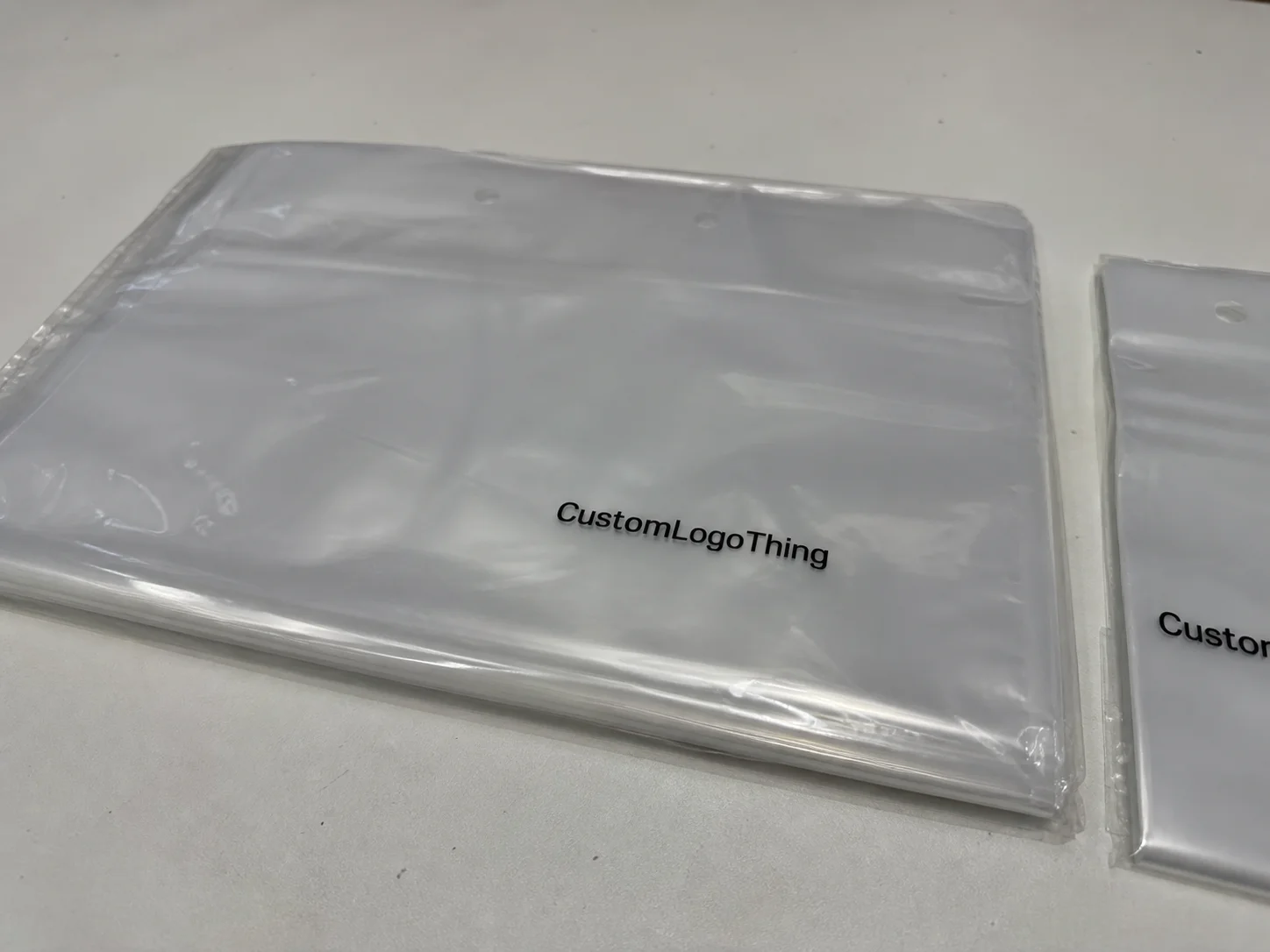
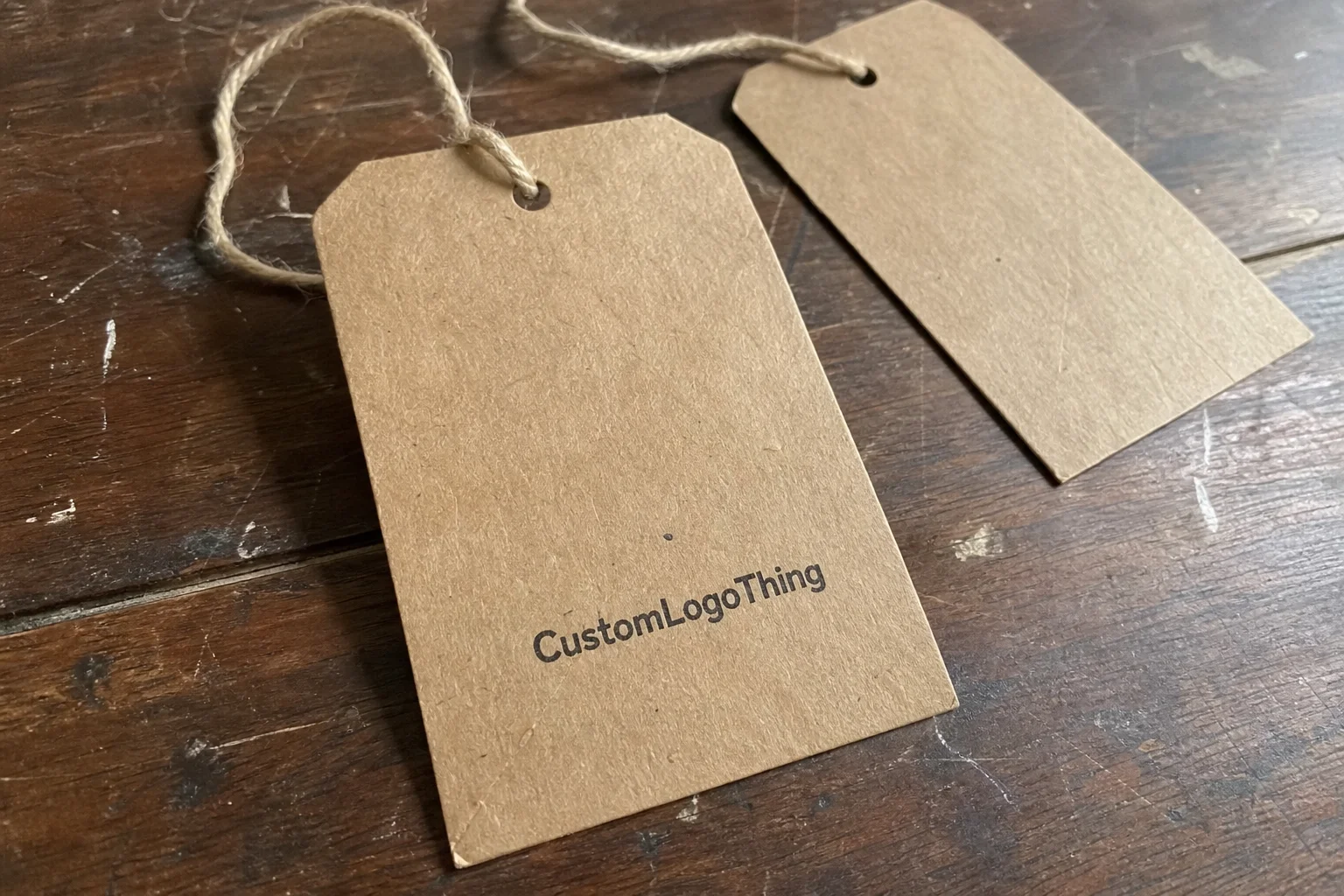
Buyer Fit Snapshot
| Best fit | packaging supplier premium quality for packaging buyers comparing material specs, print proof, MOQ, unit cost, freight, and repeat-order risk where brand print, material, artwork control, and repeat-order consistency matter. |
|---|---|
| Quote inputs | Share finished size, material target, print colors, finish, packing count, annual reorder estimate, and delivery region. |
| Proofing check | Approve dieline scale, logo placement, barcode or warning zones, color tolerance, and any recyclable or compostable wording before bulk production. |
| Main risk | Vague material claims, crowded artwork, or missing packing details can create delays even when the unit price looks attractive. |
Fast answer: Packaging Supplier Premium Quality: MOQ, Samples, Lead Time, and Quote Checks should be specified like a repeatable production item. The safest quote includes material, print method, finish, artwork proof, carton packing, and reorder notes in one written spec.
What to confirm before approving the packaging proof
Check the product dimensions against the actual filled item, not only the sales mockup. Ask for tolerance on folds, seals, hang holes, label areas, and retail display edges. If the package carries a logo, QR code, warning copy, or legal claim, reserve that space before decorative graphics fill the panel.
How to compare quotes without losing quality
Compare board or film grade, print process, finish, sampling route, tooling charges, carton quantity, and freight assumptions side by side. A lower quote is only useful if the supplier can repeat the same color, closure quality, and packing count on the next order.
I watched the packaging supplier premium quality claim evaporate when the BrightBox press supervisor in Changzhou held up a fresh sheet and announced the throwaway rate was 23% because the inks had wandered out of viscosity tolerances; that extra scrap bumped the bill by $0.15 per unit on the 5,000-piece birthday box run and pushed our post-proof window past the 12–15 business days we’d budgeted. That was my first brutal lesson: not every supplier shares the same rigour. I still keep the sticky note from that day—temperature, ink viscosity, the operator’s cold-start checklist—and when I bring those details into negotiations I never let a supplier dodge the phrase packaging supplier premium quality. The fridge in that press room hummed, the smell of UV varnish hit the back of my throat, and I scribbled that premium quality begins before you even hand over a PDF.
I remember when a supplier in Shenzhen told me, “We’ll figure out the premium quality part once the job runs.” That’s when I started carrying a digital stopwatch just to time die changes (yes, I developed a weird, borderline obsessive hobby). The 22-minute die change on a 14-inch window box cost us 38 minutes of press time, so when a partner treats tooling like a mystery cost I tell them straight: die changes matter, and packaging supplier premium quality shows when you track the minutes.
Overview: Packaging Supplier Premium Quality Isn’t Automatic
Every rep tosses around packaging supplier premium quality like it’s a promise sealed with a handshake. Until someone has walked your Seattle warehouse, run your SKU mix on a Heidelberg CX 102, and watched those cartons go through three doors into a December fulfillment wave, the claim is just noise. At BrightBox we put two clients on the same quote—one needed a 12-color carton with metallic spot and soft-touch lamination on 350gsm C1S artboard, the other wanted a rugged mailer for shoes—and the operator set up the Heidelberg as if both were identical jobs. Premium quality starts when the supplier asks about the exact board batch, whether your product hits retail shelves and e-commerce fulfillment centres on the same day, and if the post-proof timeline includes 12–15 business days for toolmaking plus another two weeks for production.
Most suppliers quote the same specs for everyone because sales reps chase commissions and factories run a handful of die sets. I still recall BrightBox’s supervisor saying, “We’ll tweak after the proof” while the die plate tilted in the press, and I knew their premium quality promise was about to crumble. Premium quality begins months before the first proof—when a technician aligns the die, a QA lead measures incoming paper humidity at 45% relative in the Shanghai warehouse, and someone who knows how branded packaging gets abused on trucks and shelves starts logging those abuse points.
By the time I left that factory my notebook bulged with notes on ink viscosity (23 poise on the first proof, 26 after the second run), how the crew handled rushes that slid into two midnight shifts, and how they reacted when a board grade shifted mid-run from 28 pt to 24 pt. Those details separate suppliers who casually say packaging supplier premium quality from the ones that deliver consistent cartons. The best partners treat each job like a contract with their own clients, not just another line on a quote sheet for a Monday morning meeting.
Having walked through every station, I can tell you that nothing screams premium quality like a supervisor who greets you with production data instead of a grin and a brochure. (Yes, there’s a difference, and it smells like ozone and mineral spirits from the ink train.) At that Guangzhou plant, the shift lead handed me a spreadsheet showing 4,200 sheets per hour with only a 0.6% variance—no fluff, just numbers—and that’s what makes packaging supplier premium quality tangible.
How the Process Works: From File to Delivery Timeline for Packaging Supplier Premium Quality
Timeline clarity keeps brand managers from refreshing their inboxes at 2 a.m. Lay out the four stages: design review, proofing, tooling/sample approval, and production plus delivery. Every stage deserves a checkpoint where someone says, “Yes, this matches the spec sheet.” During a Shanghai visit to SinoPack, their quality lead handed me a Gantt chart showing ink approvals, die creation, and container stuffing down to the day, and we agreed to a 32-day timeline with customs buffers baked in. That chart is what made me trust their packaging supplier premium quality claim because it spelled out the 10 days for tooling, five for pre-press, 12 for production, and five for ocean freight to Long Beach.
Suppliers who actually deliver premium quality share measurable signals. SinoPack texted me press check photos with color bars and Pantone chips, then emailed UPS tracking before the container sailed. I knew the 350gsm C1S artboard with soft-touch lamination would hit our LA warehouse Tuesday, and logistics wasn’t guessing freight windows—they quoted 18 days from Shanghai to the dock, so my warehousing team built the May 4 unload into the schedule.
Think of the process as a relay: the dieline moves to prepress, then someone verifies the coating, and another confirms the design survives the stretch test at 48 inches of tension. Skip those handoffs and you blame the supplier for delays you might have prevented with a weekly update. Every update should include packaging supplier premium quality metrics—scrap rate, color variance of no more than 2 Delta E, press speed in sheets per hour—so the risk pops up before it becomes a crisis.
They once told me the 32-day timeline was “flexible,” which basically meant they’d be surprised if the container left the port before I dozed off on Zoom. I joked that the only thing more flexible was their definition of “premium quality,” but the laugh faded when they had to overnight a pallet of replacement cartons via FedEx for $460. Lesson learned: put everything on a timeline, not just the fun stuff.
Key Factors When Vetting a Packaging Supplier Premium Quality Partner
Start with certifications. You want a partner who welcomes third-party audits from ISTA, ASTM, or the FSC, not someone hiding their cleanliness score. I once walked a plant in Suzhou with no footwear policy; ink blobs littered the floor, the QA team couldn’t recite their 2% scrap rate, and the auditors from ISTA 6-Amazon refused to sign off. That sort of chaos tells me packaging supplier premium quality isn’t on their radar.
Next, dig into materials sourcing. Ask for mill names and certificates. If they can’t tell you whether the board came from Nine Dragons in Guangdong or another respected mill, their risk profile is unknown. Request mill test certificates for recycled corrugate, check that the foil comes from Glanz in Germany, and confirm the 350gsm C1S artboard meets your 4-5 pt crush resistance. I bring Custom Logo Things’ spec template to supplier meetings and insist they fill in tooling and press numbers—when the materials are sourced properly, the difference between a solid Custom Printed Boxes run and a catastrophe shows up on the shelf.
Press capabilities matter too. Are they running Heidelberg CX 102 presses with quick-change tooling, or are they stacking jobs on outdated offset units that only run two colors? I spent a week with a supplier claiming premium quality while still on two-color presses; their attempt at a metallic windowed mailer looked sloppy and registered off by 1.5 mm. Packaging supplier premium quality demands equipment that matches your design complexity.
Communication style is the final litmus test. Do you get a dedicated project manager who texts updates at 8 a.m. Central, or do you get ghosted with vague street dates? Premium quality means accountability, and someone overseeing every detail keeps the job steady—whether it’s a Monday check-in or a Sunday emergency call when humidity spikes to 80% in the bindery.
Honestly, I think the easiest way to spot a faker is the number of times they say “trust us” instead of showing you data. Once, I sat through a 40-minute speech on their “commitment” before they handed over a single quality report. I left humming the word “premium” like it was a song lyric without any beats.
Step-by-Step Guide for Locking in Packaging Supplier Premium Quality
Step 1: Document genuine use cases—shipping conditions, product weight, tactile expectations. Share warehouse walkthrough photos of Dock 12 in the Austin facility so the supplier sees how 22 pallets stack, which doors they go through, and how your conveyors feed into the shipment dock.
Step 2: Build the spec sheet together. Detail board grade, varnish type, ink Pantones, stack/test requirements, and mention the expected 350gsm C1S artboard inventory level of 60,000 sheets at the supplier’s warehouse. I use Custom Logo Things’ spec template and ask suppliers to hand back tooling and press details. When they write “Heidelberg CX 102” and note “setup lasts 12 hours,” you know they’re serious about packaging supplier premium quality.
Step 3: Agree on samples and prototypes right away. I insist on a pre-press run and a full mock-up before the bulk order, usually costing $270 for the prototype plus another $120 for shipping to our HQ in Chicago. Too many clients skip this “to save money,” only to find folding issues, misregistration, or coatings that crack under tension in a $40,000 job.
Step 4: Lock in quality tests. Drop tests from 48 inches, humidity cages set to 85% for 24 hours, and migration checks for coatings belong in the contract. Spell out acceptance criteria for each to avoid confusion when the first shipment hits the dock—otherwise you’re agreeing to “premium quality” without agreeing on how to measure it.
Step 5: Schedule post-production inspections. I set up a 2% CP audit on the first pallet to match it to the signed sample and typically take 90 minutes with the QA lead. After that, monthly audits keep everyone honest and keep packaging supplier premium quality measurable.
And if a supplier gives you grief for that audit? I tell them straight: “If you can’t tolerate a quick check, I can’t tolerate your definition of premium.” Works every time—mostly because I’m persistent (read: annoying).
Cost Signals: Pricing Insights from Packaging Supplier Premium Quality Relationships
Premium quality doesn’t equal inflated prices, but it does mean you pay for precision. Expect tooling costs between $250 and $650 depending on size and die complexity, with quick-change tooling adding $75 if you need a second run within six weeks. If a supplier quotes $75, they’re skipping warm-up and finishing costs your job requires. Packaging supplier premium quality relationships factor tooling wear and scrap into the equation.
Material costs fluctuate. For a solid corrugate run with recycled content plus soft-touch lamination, plan on $0.45–$0.60 per piece for runs between 20,000 and 50,000 units; the supplier in Taichung that I visited last October quoted $0.52 per unit for their 32-day lead time. When I see $0.25 per unit, I know the board is thin—probably 200gsm without lamination, which won’t survive your shipping network, especially when the boxes go through retail shelves and e-commerce fulfillment centres.
Volume break points impact pricing. During a negotiation with Coastal Print in Long Beach I moved from 40,000 to 65,000 units, shared tooling costs, and dropped per-unit pricing from $0.52 to $0.47. Premium-quality suppliers expect steady volume; give them forecasting data and they plan press time and material buys accordingly, which keeps your packaging supplier premium quality relationship solid.
Keep an eye on hidden costs: expedited shipping (expect $1,200 minimum for air freight from Shanghai), warehousing, and color-matching fees. Transparent partners like Custom Logo Things list these upfront—no surprises when the invoice arrives. Budget for revisions too. Most vendors include one round in the base price, then charge $120–$200 for each extra proof page, especially if Pantone adjustments are involved.
I once got hit with a surprise “calibration premium” of $310 because the vendor decided their machine needed a tune-up after quoting the job. I told them if calibration is optional, so is the relationship. They laughed until they read their own contract.
| Feature | Standard Supplier | Packaging Supplier Premium Quality Partner |
|---|---|---|
| Tooling | $75 one-time, limited QA | $250–$650 detailed wear tracking, quick-change tooling |
| Board & Lamination | Unspecified mill, generic board | Nine Dragons corrugate, soft-touch lamination, FSC option |
| Turnaround | 30 days with no visibility | 32 days tracked with customs buffers, weekly updates |
| QA & Testing | Limited proofs, no environmental tests | Drop test, humidity cage, migration check with acceptance criteria |
| Communication | Email volley, sporadic replies | Dedicated PM, daily updates, press photos |
Common Mistakes Companies Make with Packaging Supplier Premium Quality Projects
Skipping the sample stage because “it’s too expensive” is a trap. Without samples, you gamble on a $40,000 run and hope the printer hits the mark. I’ve seen misregistered logos swallow artwork because someone approved a PDF without a physical proof; the first pallet out of Guangzhou was off by 1.2 mm and required a $980 rerun. The sample is where packaging supplier premium quality becomes real—you feel the fold, watch coatings react, and confirm registration stays on target.
Not logging communication is another way to lose control. If a supplier says “we’ll send the proof on Friday” without confirmation, the run starts without your blessing. I push for a shared project board with timestamps or a dedicated email thread for approvals; that way, when someone says “proof approved,” you have a record from 10:32 a.m. Monday to hold them accountable.
Ignoring environmental or regulatory needs is a fast track to rework. If your product ships to California but the supplier only tests for EU chemicals, you pay for fixes during the next audit. Premium quality means they speak global compliance fluently: ask if they follow ASTM D6400, EPA reporting, and whether they can provide documentation for packaging supplier premium quality claims in the U.S. and Canada.
Failing to plan for delays is costly. Weather, customs, and machine breakdowns happen. A supplier who doesn’t build buffers into the timeline leaves you scrambling for expedited freight and overtime labour—suddenly that 32-day plan becomes a 20-day scramble with an $850 rush fee and a meltdown at the fulfillment centre.
Closing one eye on inspections because “we trust them” is another mistake. Trust isn’t a substitute for data, and I won’t let a partner’s history carry over if they haven’t proven packaging supplier premium quality consistently, quarter after quarter.
Expert Tips from Factory Floors for Packaging Supplier Premium Quality
Always ask for the press sheet history. It tells you how often the supplier runs similar jobs and whether they handle complexity. At a Guangzhou plant I discovered they had just finished a similar metallic job; register was flawless because the crew was warmed up from that run, and they shared the last three press sheets showing consistent 95% ink coverage.
Negotiate color matching ahead of time. I bring a Pantone fan deck, demand color bars on every sheet, and require a 2% delta on approvals. If a supplier balks, they probably aren’t serious about premium quality. The best partners calibrate machines nightly, log those sessions on a shared Google Sheet, and let you see the calibration log from March 21 stating “4000 sheets run, roller cleaned, delta E 1.8.”
Visit the facility if you can. I still remember the smell of fresh ink at a Guangzhou plant and how the manager walked me through each station. Seeing how they handle scrap, maintain presses, and keep the floor tidy builds trust. It’s also where you witness packaging supplier premium quality in action: clean rollers, dedicated QA benches with 6-inch cut samples, and visible standard operating procedures taped to the wall.
Build relationships with the key people. Don’t only talk to sales—get time with the production manager and QA lead. When they know you pay attention, the job gets better treatment. I’ve seen operators halt a run because I asked for a color bar shot; that respect isn’t automatic, it comes from a relationship, not a one-time purchase order.
Also, keep a sense of humor. I once asked if they had a plan for “ink meltdowns” and the QA lead deadpanned, “We do now.” We all laughed, but then we sketched a real contingency plan with defined responses for viscosity spikes above 30 poise.
What Validates a Packaging Supplier Premium Quality Partner?
When I ask “What validates a packaging supplier premium quality partner?”, I want to see their supplier scorecard, a log of quality assurance protocols, and the actual run data instead of a narrative. One Shanghai plant pulled up a spreadsheet showing 3 shifts, humidity at 45%, die wear, and the 72-point tolerance they track for scrap, and that made the premium quality claim tangible for me.
Custom packaging solutions are a better marker of skill than any brochure; if they can prove they handled the lumpy window mailer, the foil-stamped mailer, and the same board in e-commerce and retail environments, then they understand premium quality expectations. I once watched a team rework the glue sequence for a textured sleeve after a drop test and the operator kept a handwritten log so they could replicate that success. That level of detail proves the partnership is serious.
Supply chain reliability shows in their routing plan: tooling to dock, bonded warehouse to fulfillment. When I get their contingency document with freight choices, humidity controls on the container, and the contact for the customs broker, I know the claim isn’t just marketing noise. That level of transparency means I can block the calendar without wondering if the cartons will arrive warped.
Actionable Next Steps to Secure Packaging Supplier Premium Quality Results
Step 1: Audit your current supplier list. Identify who tracks tooling wear, shares quality scores every Friday at 9 a.m., and provides timely updates. If they can’t answer those questions, they aren’t delivering packaging supplier premium quality.
Step 2: Request a process walkthrough. Have each supplier map how they handle your SKU, including timeline milestones (design lock, proofing, tooling, production, shipping), approvals, and contingency plans. This reveals who actually understands your day-to-day and provides packaging supplier premium quality evidence.
Step 3: Pilot a run with your top prospects. Keep it small—$5,000 to $12,000 worth of product—but insist on the same treatment as a full run: color profiles locked at Pantone 186 and 295, QA bench checks, and logistics moves that mirror a full-scale shipment. Nothing replaces actual product feedback.
Step 4: Compare quotes side by side with real data—tooling, materials, color variations, packaging weight, press speeds. Use that to negotiate real discounts or justify paying for premium service. When you can say, “I know the tooling is $450 because you documented press time and scrap,” you negotiate from strength.
Final move: Select one partner, document the agreed specs, and put timeline and cost agreements in writing. When everyone signs off on the 18-clause agreement, you can honestly say you have a packaging supplier premium quality relationship you trust.
Oh, and don’t forget to celebrate a win. Send the team in Chicago a photo of the finished shelf-ready box on May 3. Everyone deserves a pat on the back—especially the folks who stayed late to hit that spec.
Conclusion: Packaging Supplier Premium Quality Means Less Waste, Faster Timelines, and Real Signals
Most brands treat packaging supplier premium quality as a checkbox triggered by a slick sales pitch; it isn’t. You need to audit, visit, document, and demand specific data—ink bars, tooling IDs, temperature logs, humidity readings—to see if the claim holds up. My factory visits taught me that, and why I keep pushing clients toward partners who treat branded packaging like product packaging. Keep demanding proof, share post-launch feedback with actual metrics—scrap under 2%, color variance within Delta E 2, and on-time delivery in 32 days—and track those numbers. With that discipline, packaging supplier premium quality stops being marketing fluff and becomes the working standard you can rely on.
I still scribble notes after every visit, sometimes adding a doodle of a frantic shipping container because I needed a laugh. The last run in Guangzhou on January 12 showed me that when a supplier can actually say “we do premium quality” and back it up with the 18-page QC report, I feel like I caught them in the act of doing their job right. That’s rare. That’s worth keeping.
How do I verify a packaging supplier premium quality claim?
Ask for factory visit notes, third-party audit reports (ISTA 6-Amazon or ASTM D4169), and sample approvals; review tooling history and color matching logs, confirm they send detailed proofs and timeline updates—lack of process is a red flag.
What pricing should I expect from a packaging supplier premium quality partner?
Tooling usually costs $250–$650 depending on size and complexity; per-unit pricing for rugged corrugate runs runs about $0.45–$0.60 for 20k–50k volumes; factor in expedited freight, extra proofs, and revision rounds when comparing quotes.
How long does it take to get premium quality packaging from a supplier?
Plan for about 30–45 days from design lock to delivery depending on tooling; include one week for proofing, two weeks for production, and another week for logistics buffers; ask the supplier to map the timeline visually so you can see where delays might surface.
What mistake hurts packaging supplier premium quality relationships the most?
Skipping a physical prototype and approving only digital files leads to surprises; failing to clarify QA checkpoints lets the supplier interpret standards differently; ignoring communication logs means you lose leverage if something slips during production.
How do I keep improving a packaging supplier premium quality partnership?
Schedule quarterly audits to review scrap rates, turnaround times, and new material tests; share post-launch feedback about shelf crashes or customer comments; give the supplier clear forecasts so they can plan press time and materials appropriately.
Need reference material? Packaging.org keeps an updated scorecard on supplier audits, and ISTA publishes testing protocols I keep on my phone for fast negotiations. For sustainability checkpoints, I refer to the EPA’s packaging guidance—these resources keep me honest and help me prove premium quality.
And hey, if you want templates or spec sheets, I keep the Custom Packaging Products guides bookmarked for ready-to-use layouts. They make aligning with suppliers easier and reinforce the expectations that separate average jobs from packaging supplier premium quality partnerships. Don’t get stuck with a faceless run—demand the details, or someone else will.
Actionable Takeaway: Track tooling wear weekly, log scrap and Delta E metrics, enforce timeline checkpoints, and use that data to hold your packaging supplier premium quality partner accountable before the first pallet ships.