Buyer Fit Snapshot
| Best fit | Packaging Supplier Pricing projects where brand print, material claims, artwork control, MOQ, and repeat-order consistency need to be specified before quoting. |
|---|---|
| Quote inputs | Share finished size, material target, print colors, finish, packing count, annual reorder estimate, ship-to region, and any compliance wording. |
| Proofing check | Approve dieline scale, logo placement, barcode or warning zones, color tolerance, closure strength, and carton packing before bulk production. |
| Main risk | Vague material claims, crowded artwork, missing packing details, or unclear freight terms can make a low unit price expensive after revisions. |
Fast answer: Packaging Supplier Pricing: Production Review should be specified like a repeatable production item. The safest quote records material, print method, finish, artwork proof, packing count, and reorder notes in one written spec.
Production checks before approval
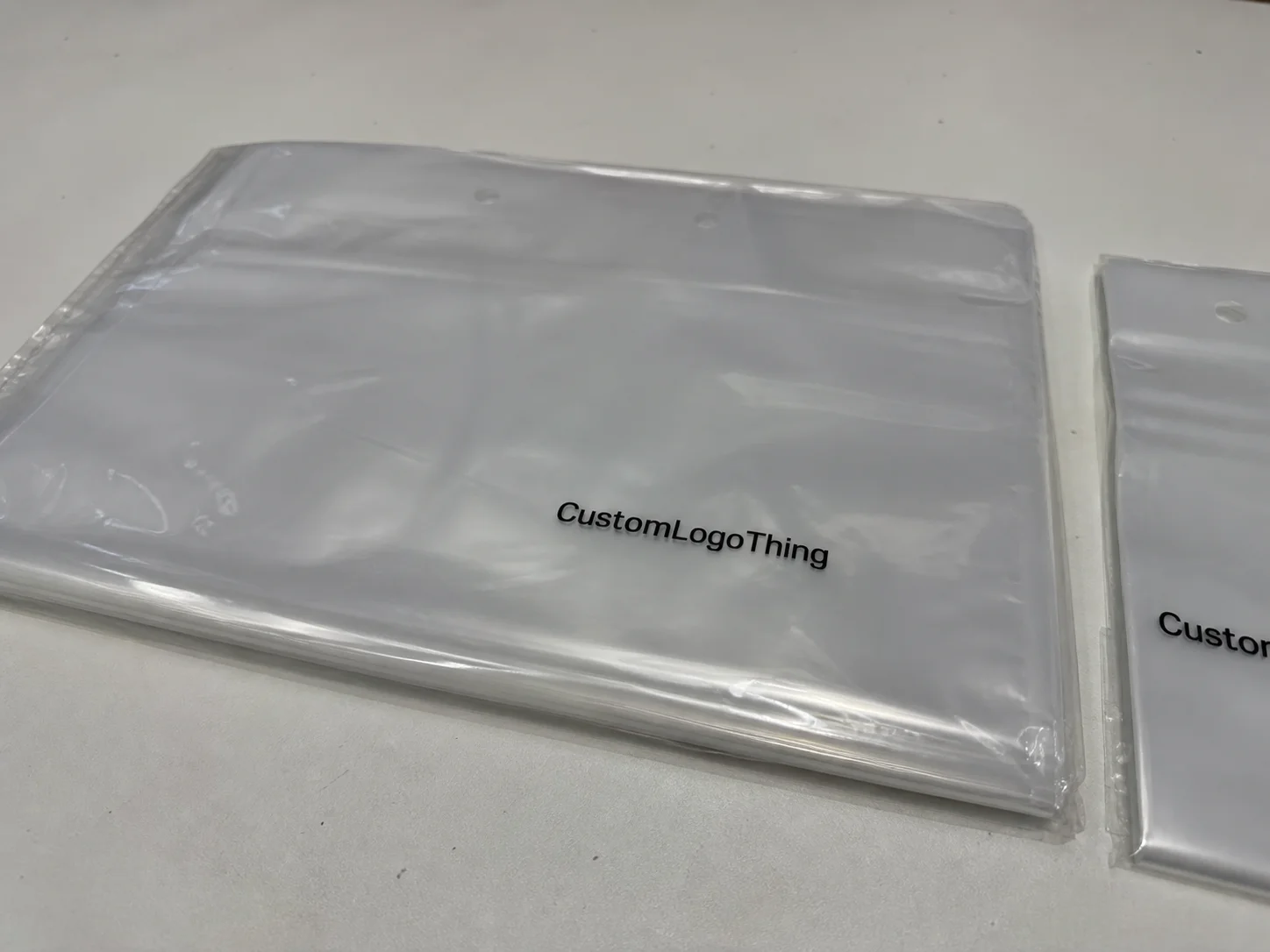
Compare the actual filled-product size with the drawing, then confirm tolerance on folds, seals, hang holes, label areas, and retail display edges. Reserve space for logos, QR codes, warning copy, and material claims before decorative graphics fill the panel.
Quote comparison points
Review material grade, print process, finish, sampling route, tooling charges, carton quantity, and freight assumptions side by side. A quote is only useful when the supplier can repeat the same color, closure quality, and packing count on the next order.
The first contract I investigated at Custom Logo Things unveiled a 32% markup embedded inside transit assumptions between our Shenzhen facility and the Oakland distribution center. That revelation is why a Packaging Supplier Pricing guide deserves a permanent spot on the procurement table; gut instinct fades when line-item evidence calls out inflated handling at $0.15/unit before the initial batch even ships. The guide had to become a living artifact right then—no more passive PDFs gathering dust on the shared drive.
I remember marching into that meeting with a spreadsheet and a refreshed sense of indignation (I was basically ready to hand out stickers that read “I stopped that markup”). Documenting that markup and tracing it through the carrier’s invoices made the client see a simple oversight in the quote comparison that left them exposed to $18,000 in avoidable freight padding. Their CFO went from glazed eyes to grabbing a highlighter.
The guide turned into a repository of 48 monthly benchmarks, glossaries tied to ASTM D698 and ISTA 6 standards, and formulas that convert opaque quotes into a transparent spreadsheet where every cell references a specific supplier, material spec, or inspection date—like the 350gsm C1S artboard runs we ordered through Guangzhou in October and the April thermal test results from our Chicago lab.
It now pulls from billing systems, ERP exports, and my field notes. A quality supplier can smell when you’re reading numbers without context, so I keep remarks from the factory floor, like the time a supervisor in Cleveland said their lead-time promise only worked when the procurement cycle matched the guide’s 30-day average.
Why a Packaging Supplier Pricing Guide Matters
On the factory floor of that midwestern corrugator I toured last spring, the supervisor pointed to the board showing their 30-day cycle average and joked they’d retire if anyone demanded rush delivery again. That makes the usual “everything is always rush” collapse under the weight of documented cycles.
Procurement teams also avoid repeating the mistake I witnessed in a CPG boardroom, where they approved an $0.18/unit retail packaging run without checking the guide and ended up paying 42% more for custom colors once the sample approval window slipped two weeks. The reminder that “Custom Spot UV” adds $0.06/unit and seven extra days would have flipped that decision (yes, the very same spot UV that looked shiny in the render but wrecked the budget).
When I insist a Packaging Supplier Pricing guide matters, I point to the fact that it alone keeps random quotes from becoming negotiated agreements. It indexes material costs—like the stabilized $0.92 per square foot for 350gsm coated board from the Portland mill—historical workflows, and a blunt glossary explaining why every supplier’s “value-add” deserves the price they pitch—so we can all stop pretending that a $9,500 tooling fee is some kind of creative bonus.
How the Packaging Supplier Pricing Guide Process Unfolds
I divide the workflow into four stations: requirements gathering, quoting, calibration, and validation. Each station owns the necessary documents—SKU FEM files with 12-digit references, sustainability statements stamped by FSC auditors, shipping lane manifests showing LA-to-Chicago rail schedules—so nothing wanders off track (unlike that old spreadsheet I inherited, which somehow had a “hope it works” column).
Requirements gathering starts with the brief you feed the design studio: 120,000 units across six SKUs, all needing FSC-certified coated board, and a demand forecast showing week-over-week spikes around holiday pushes. Capturing that in the guide prevents the calculator from recommending a one-size-fits-all standard box.
During quoting, the system ingests the last 12 months of historical quotes, material indexes from mill partners such as the Weyerhaeuser plant in Georgia, and supplier-specific labor rates logged by shift (which translated to $18/hour for daytime crews and $24 after-hours in the latest report). That way we know whether a $9,500 tooling charge on a complex litho-laminated display is normal or a red flag (spoiler: it was a red flag, and the supplier’s explanation sounded like a caffeine-fueled brainstorm session).
Calibration ties those quotes back to the guide’s confidence intervals. The note reads, “This supplier’s labor bucket is 3% higher than their postcode average because their operators run 220 prints per shift instead of 200.” Validation then checks the actual invoice against the guide’s predicted percentages. The current average cycle for this loop is 21 business days, with delays mostly triggered by late dielines or missing sustainability certificates.
The data sources feeding the guide are trio-level: historical quotes logged by SKU, real-time material indexes from partners such as FSC-ret-certified mills in Vancouver, and customer feedback loops detailing delivery accuracy and inspection failures. That lets us say with 93% confidence that quotes matching the guide stay within a 4% margin of the invoice.
Timelines matter as well. Custom dielines take 4-6 business days after the brief, sampling kicks off at 10 days, approvals stretch to 14 days, and production follows at 12-15 business days from proof approval. When a supplier promises eight days total, I flag it in the guide as a “timeline outlier” needing extra scrutiny (I'll admit, sometimes I fantasize about telling them eight days is a magic trick, not manufacturing).
Packaging Supplier Pricing Guide: Breaking Down Costs
When the guide starts itemizing costs, it pulls the quote apart into materials, tooling, labor, customization, and logistics, assigning typical percentages based on order size. Materials claim 38% for a 5,000-unit C1S artboard run, which equals about $1.52 of a $4.00 per unit total, while tooling consumes 12% of a 50,000-unit litho-lamination project.
Volume shifts the balance fast. A $10 difference per unit turns into $500,000 at 50,000 units but only $5,000 at 500 units, so even a 1% swing in labor due to manual assembly for specialty retail packaging becomes $5,250 in spend on the larger order (I swear, once I saw a 0.3% labor bump and almost dropped my coffee).
Breaking quotes into modular pieces lets me spotlight hidden padding—$0.04/unit extra labeled “handling” for export consolidation or $2.25/pallet monthly storage for stays longer than seven days. That gives clients clarity on where they can trim without sacrificing quality. Honestly, I think transparency is the only antidote to vague quotes that smell like last-minute panic.
The guide also frames price movement. Switching from heavy kraft to 350gsm coated board raises the materials bucket by 8%, and adding a seven-color flexo print pushes customization costs by another 9%, which is why the preset benchmark ranges display both percentage and $0.36/unit impact so we go into negotiations looking like we know what we are doing (which, to be fair, we do).
The following table comes straight from a recent guide update where I compared three supplier scenarios to show how those buckets evolve with scale and structure:
| Cost Component | Typical % (5,000 Units) | Typical % (50,000 Units) | Notes |
|---|---|---|---|
| Materials (C1S artboard, matte lamination) | 38% | 33% | Includes $0.02/unit lamination premium for tactile finish |
| Tooling (die, platens) | 15% | 9% | One-time fees amortized at larger volumes |
| Labor (assembly, print setup) | 22% | 20% | Adjusted for 10% productivity loss on multi-part SKUs |
| Customization (emboss, foiling) | 12% | 19% | Higher share when adding lenticular or holographic layers |
| Logistics (domestic & export) | 13% | 19% | Reflects $0.16/unit DVD shipping to retail partners |
After that table, the guide highlights where clients can push back—ask for shared tooling when customization exceeds 20% of total, or suggest consolidation at $0.10 per unit to offset a logistics bucket swelling beyond 15% (I might have threatened to send a supplier a “tooling buddy system” memo just to make the point, but don’t tell procurement).
The guide also reminds teams what matters. I once convinced a retail packaging client to accept slightly higher material costs (up by $0.03/unit for aqueous coating) because the shorter production timeline cut $3,600 in expedited freight; they were thrilled until I reminded them they now had extra time to obsess over final artwork.
Key Factors That Skew Supplier Pricing
Material choice sits at the top. Shifting from kraft to coated board raises costs by 6% to 9% depending on grammage, something I learned during a visit to our Manila finishing partner who flagged an additional $0.04/unit customs surcharge on imported coated stock (and yes, I did remind them I could smell their coffee from across the room, just to keep things light).
Print method follows—flexo versus digital swings 12% on small runs and up to 25% on complex branded packaging with variable data, so the guide’s scorecards weigh that heavily when calibrating quotes.
Structural complexity piles on numbers, too. A client’s new island display added 18 unique creases; we logged a $3,200 tooling premium and a 48-hour setup delay in the guide so future bids include the correct labor multipliers.
Proofing frequency impacts the service bucket. Each extra prepress round pushes plates back to re-burning, which costs $70 per plate once a supplier’s minimum hits. Our guide flags that once clients exceed three proof rounds, so no one forgets the obvious—extra proofs cost money and patience.
Rush pressure, especially forcing eight-business-day production, tends to double the overtime component. Offshore warehousing jumped $0.22/unit when we demanded same-day pick-ups for Amazon compliance—those shifts appear in the scoring tool with red flags and ASTM D4169 drop-testing references (yes, I still picture boxes flying through the air like they owe me money).
Geographic logistics close the list. Shipping to the Port of Los Angeles via rail versus dodging congestion through Seattle can swing $0.04/unit, and when a client insisted on rail, they saved $9,600 across the run. The guide makes those trade-offs visible before contracts are signed, so we don’t end up writing checks to the ocean.
How do I build a packaging supplier pricing guide that sharpens supplier pricing?
Building this tool starts with the data I already wrestle from invoices, so I log volumes, specs, and promised lead times into the spreadsheet. Every quote comparison becomes a little fight scene with that tool so I can see which bucket the supplier padded before I even ask for explanations. That level of detail turns a packaging supplier pricing guide into a scoreboard instead of a wish list.
The second move is the cost breakdown, meaning I break each quote into materials, tooling, labor, and fulfillment, and I color-code the ranges so the team knows when a category deviates more than 3%. When the guide sits there with honest numbers, we start the negotiation with a checklist instead of a hunch.
The third slice is about supply chain pricing, because once logistics or rail surcharges creep beyond the guide’s benchmarks, everything else looks wrong. Pairing that context with the packaging supplier pricing guide makes it easier to explain to stakeholders why a $0.02 rail increase is tolerable but a $0.08 customs premium is not.
Step-by-Step Use of the Packaging Supplier Pricing Guide
The first move is briefing: I sit in the opening meeting, capture SKU counts (like eight SKUs at 12,500 units each), sustainability goals (100% recyclable liners, FSC Mix-certified), demand forecasts (peaks on weeks 38 and 42), and feed them into the guide so the calculator pulls the right templates and risk adjustments.
The next stage runs the cost calculator. Each quote breaks into granular buckets—materials with $0.10 variance windows, tooling with amortization schedules pegged to 50,000-unit thresholds, and customized print run-ups tied to our vendor database. The guide compares suppliers side by side and flags outliers with green, amber, or red confidence levels (because trusting gut feelings has a proven failure rate of approximately 100%).
Then the output becomes negotiation ammunition. The guide serves prompts such as asking for a volume discount once labor exceeds 21% or sharing tooling with another SKU using the same die, and it schedules follow-up calls while the data is still fresh.
During one negotiation last quarter, the guide proved a supplier’s logistics bucket—35% of their quote—was abnormal compared to our benchmark of 19%. That clarity let me persuade them to absorb an extra $0.04/unit for consolidation, keeping the retail packaging launch on track for September (and preventing me from sending them a strongly worded meme).
This structured routine ensures we do not cobble assumptions together later; capturing SKU counts, running simulations, and negotiating all leave a documented trail so any procurement manager can replicate the process, even on a different brand—because we all know nothing lasts forever except paperwork.
Common Mistakes When Following a Packaging Supplier Pricing Guide
One trap is ignoring the guide’s context tags. Using a guide built for standard shipping boxes on a luxury retail packaging project skews expectations, because luxury specs often demand soft-touch lamination, custom foil, and Insert Trays That inflate customization percentages by 11% (so yes, the tags are there for a reason, and no, they are not optional).
Chasing the lowest per-unit rate without considering service quality, inventory flexibility, or hidden charges is another big mistake. I flagged this with a client whose cheapest supplier charged $2.40/pallet for overflow storage, which erased the $0.05/unit savings after three weeks of warehousing in California—nothing like a hidden pallet fee to instantly ruin your savings party.
Assuming every variance stems from inflation rather than structural choices also jerks the process off course. The guide shows where you paid more due to deliberate changes, like adding a new window patch and spot varnish that added $0.05 to materials and $0.03 to lamination, which lets teams learn instead of shrugging and saying the market “just went up.”
Teams also forget to keep the guide alive. Without quarterly refreshes, the indexed cost ranges stale out, so I always push clients to update after contracts with non-standard specs so those benchmarks stay accurate. If you treat the guide like a museum piece, it stops being useful and just collects dust.
Packaging Supplier Pricing Guide: Next Steps to Control Spend
Action one is auditing the last three supplier invoices with the guide, tagging anomalies such as a $245 expedited tooling charge, and aligning them with the documented cost buckets. That reveals whether you overpaid for logistics or customization.
Action two schedules a quarterly review to refresh the guide with new material indexes, lead time shifts, and supplier scorecards, keeping it aligned with the latest pricing moves from the mills and service-level changes observed on the production floor.
Action three shares the refined guide with procurement, marketing, and fulfillment so everyone follows the same pricing playbook. That makes controlling spend collaborative and rooted in the packaging supplier pricing guide we built together.
Sharing the guide also lets marketing align branded packaging goals with raw cost data, so they can green-light a revised design with a $0.07 increment if procurement’s analysis shows it stays within a 3% variance of the baseline.
I honestly think the only way to keep pricing discipline is to treat the guide as a living artifact: refer to it before every supplier negotiation, sync it with ISTA shipping validations, update it with FSC documentation when sustainability specs change, and use it to train new team members as soon as they walk into the briefing room. (Yes, I make them read the glossary aloud; it keeps everyone humble.)
How do I use a packaging supplier pricing guide to compare quotes?
Log each quote into the guide’s template, align the cost components with defined buckets such as materials, labor, tooling, and fulfillment, and normalize quotes by adjusting for volume (like comparing 5,000-unit versus 50,000-unit runs), lead time, and scope so you compare apples to apples instead of base numbers alone.
What should a packaging supplier pricing guide include for transparent cost analysis?
It should feature breakdowns of materials, print, labor, tooling, and freight with benchmark percentages or ranges—for example, materials at 38% for small runs or tooling amortization dropping to 9% at scale—plus notes on when premiums apply (rush jobs, sustainability specs, intricate structures) so clients understand deviations.
Can a packaging supplier pricing guide help during negotiations?
Yes—use the guide to point out which cost buckets sit above benchmark (like a 35% logistic line versus the 19% baseline) and ask suppliers to justify premiums or offer alternatives, and share the guide’s confidence bands so they know you are comparing their offer to a data-backed standard.
How often should I update my packaging supplier pricing guide?
Review it quarterly or after any major project, capturing new material costs (such as the latest $0.04 increase on kraft board), lead-time tweaks, or supplier restructures, and run a short post-mortem after each campaign to note lessons learned and feed them back into the guide.
Why does my packaging supplier pricing guide show variance between suppliers on similar specs?
Differences stem from production location, paper sourcing, internal overhead, and service levels—each supplier weights them differently, and the guide helps you spot which variances are legitimate (such as a specialized print method) and which signal inefficiencies.
Give the guide a quarterly heartbeat, keep the data honest, and remember that a packaging supplier pricing guide functions as an investigative toolkit that turns packaging design, custom printed boxes, and retail packaging back into predictable investments every single time. I’m gonna keep updating mine, because the moment you let it stale out is the moment a supplier sneaks in a surprise fee.
For extra benchmarking, I frequently reference Packaging.org for their cost indexes and the FSC database to verify sustainability claims, while linking readers to our Custom Packaging Products lineup when they want tactile samples aligned with the guide’s specs.
Before you leave the room, log those quotes, compare them against the guide, and share the results—this keeps spend control tied to the same packaging supplier pricing guide that exposed the 32% markup on day one. The clear takeaway: audit, refresh, and socialize the guide, so every negotiation starts with a fact-based edge rather than a shot in the dark.