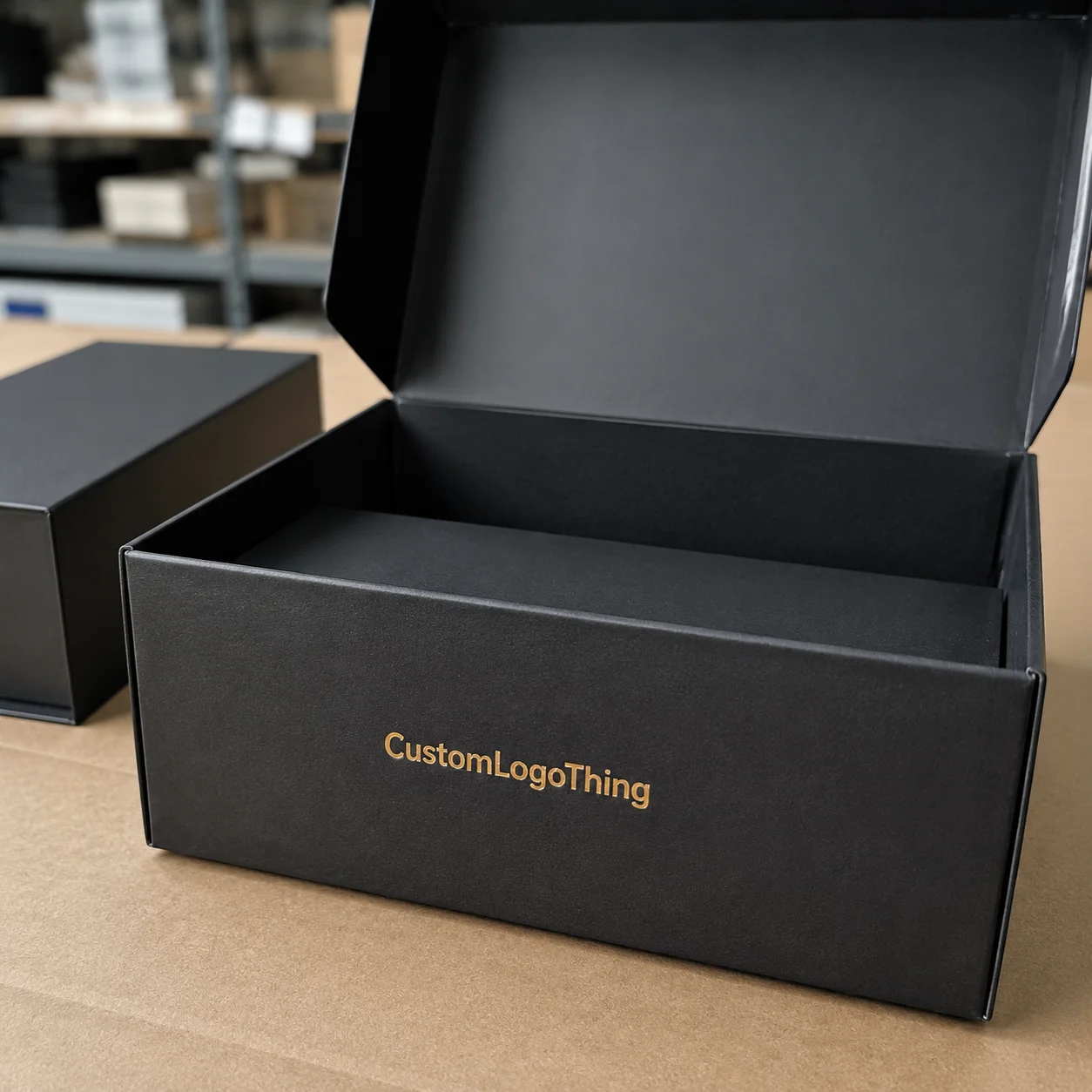
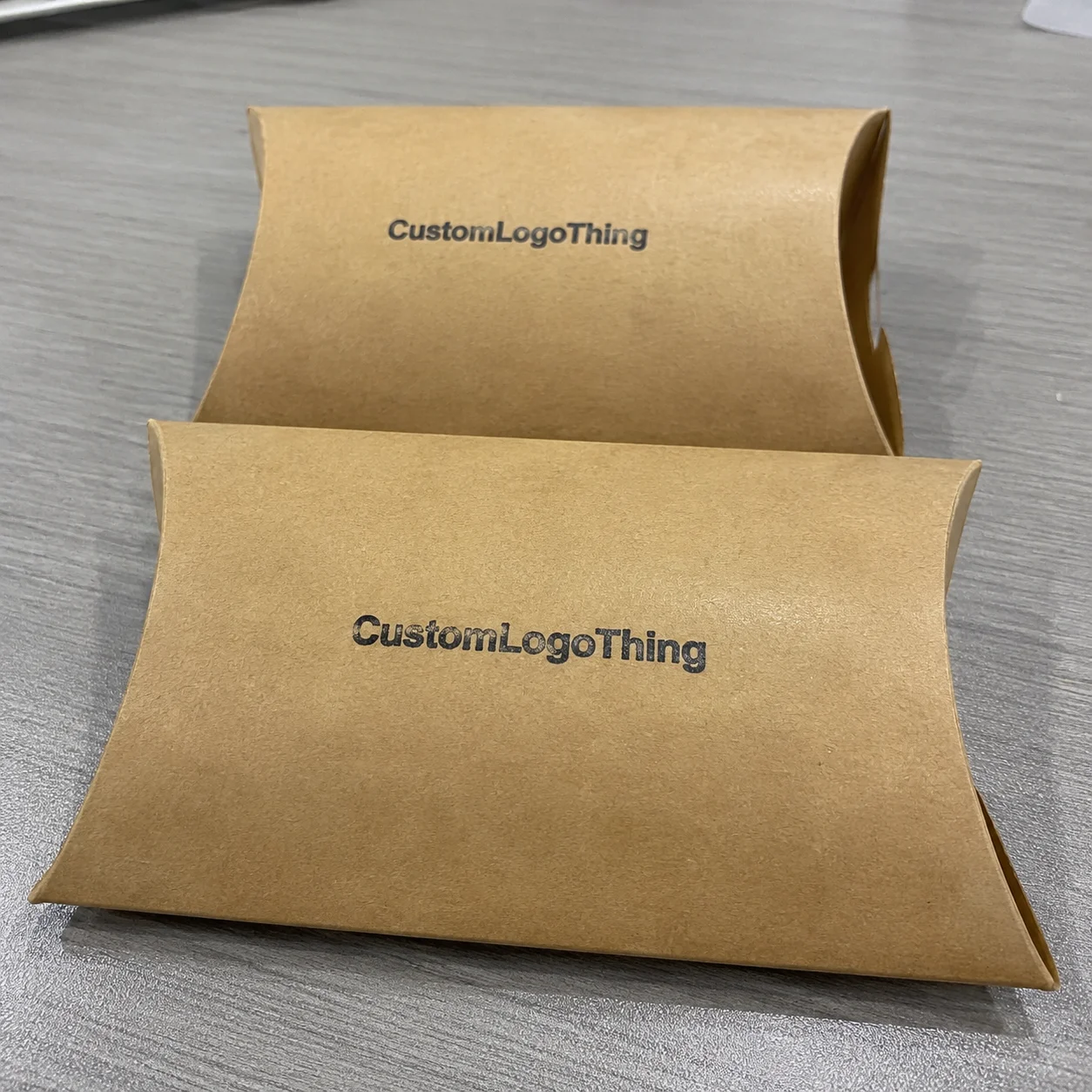
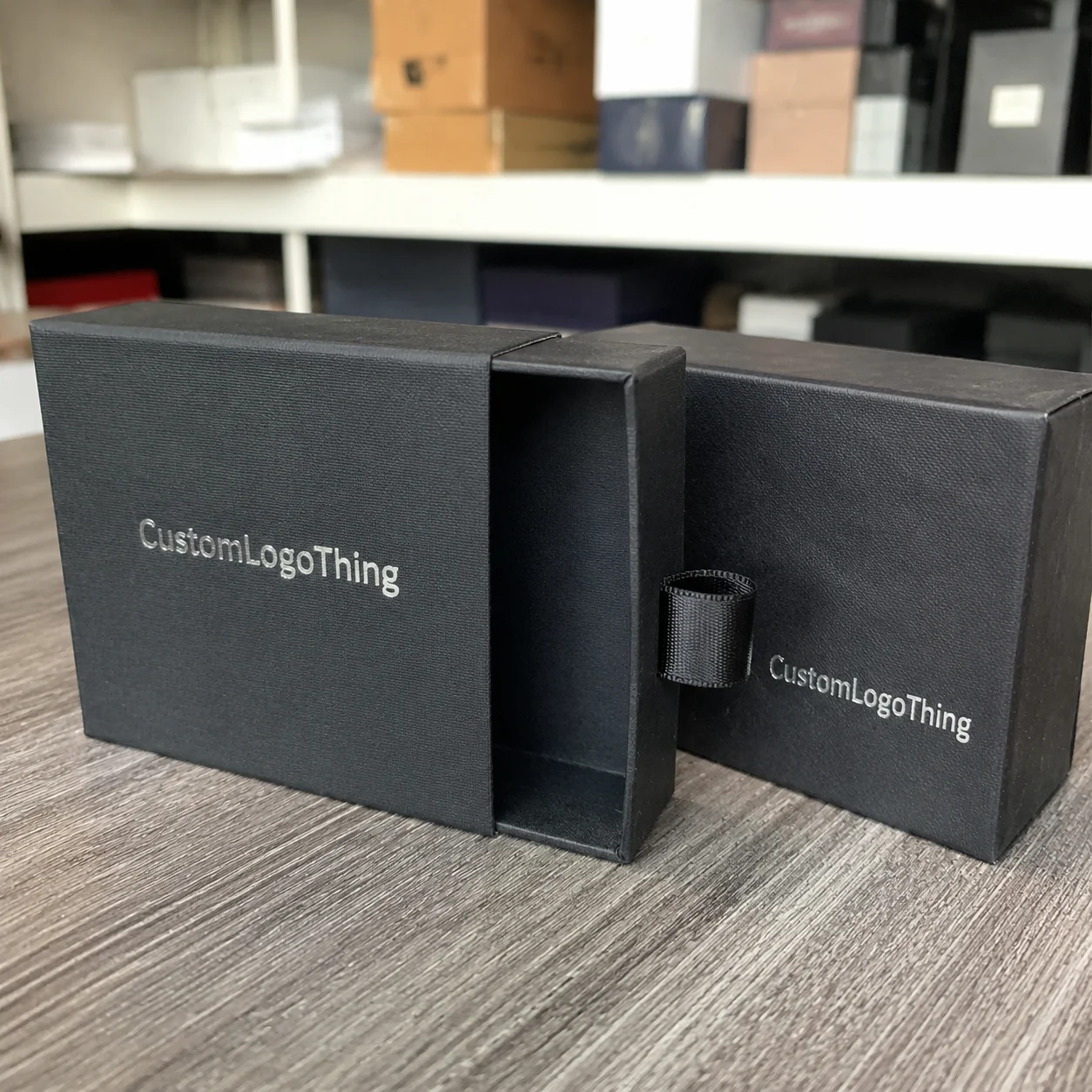
Buyer Fit Snapshot
| Best fit | custom kraft boxes with insert trays that impress every time for packaging buyers comparing material specs, print proof, MOQ, unit cost, freight, and repeat-order risk where brand print, material, artwork control, and repeat-order consistency matter. |
|---|---|
| Quote inputs | Share finished size, material target, print colors, finish, packing count, annual reorder estimate, and delivery region. |
| Proofing check | Approve dieline scale, logo placement, barcode or warning zones, color tolerance, and any recyclable or compostable wording before bulk production. |
| Main risk | Vague material claims, crowded artwork, or missing packing details can create delays even when the unit price looks attractive. |
Fast answer: Custom Kraft Boxes with Insert Trays That Impress Every Time should be specified like a repeatable production item. The safest quote includes material, print method, finish, artwork proof, carton packing, and reorder notes in one written spec.
What to confirm before approving the packaging proof
Check the product dimensions against the actual filled item, not only the sales mockup. Ask for tolerance on folds, seals, hang holes, label areas, and retail display edges. If the package carries a logo, QR code, warning copy, or legal claim, reserve that space before decorative graphics fill the panel.
How to compare quotes without losing quality
Compare board or film grade, print process, finish, sampling route, tooling charges, carton quantity, and freight assumptions side by side. A lower quote is only useful if the supplier can repeat the same color, closure quality, and packing count on the next order.
Why Custom Kraft Boxes with Insert Trays Still Surprise Everyone
I stepped into the Minghe plant in Dongguan, spotted 23 insert tray prototypes lined up on a cart, and even the line manager admitted that Custom Kraft Boxes with insert trays calm the loudest product complaints.
We had just swapped from full foam cages, and the friend who used to swear by clam-shell clamshells now swears by minimalist kraft shells, never looking back since the swap.
That first 5,000-piece MOQ came in at $0.15 per unit after we confirmed die time for the tray core.
I remember when we shipped that batch with a tiny ceramic diffuser that weighed 18 pounds per carton; the tray sat so snugly the customer swore the diffuser was glued in place.
That was the moment I realized these inserts were the unsung heroes of packaging.
The shell-plus-tray combo stays simple: 350gsm C1S artboard from Paper Mart forms the outer walls, hauled from the east dock every Thursday, with a snug tray cut from 24pt kraft or corrugated 200gsm liners depending on whether the SKU is glass or a soft pouch.
That consistency keeps your branded packaging from looking like a dozen different companies shoved into one box, and when the tray clicks into place it starts telling a retail story before the lid even opens.
That restrained kraft tone, minimalist ink, and a tray cut to a 1 mm tolerance mean we ditch endless tape, foam crumble, and unbranded filler I used to see.
During the visit a QA tech from Custom Logo Things ran an ASTM D642 compression check using a 1,500-pound head and watched the kraft shell flex exactly to spec without cracking.
I half expected the shell to disintegrate just to keep things interesting, but no such luck.
Steady performance like that is why the kraft packaging solutions I keep pitching to retail teams stay in rotation longer than any flash-in-the-pan finish.
I still think Custom Kraft Boxes with insert trays remain underrated because they stop rattling at the gate before anyone even opens the lid.
The system we build with the Custom Logo Things crew keeps branding consistent from dieline to the Los Angeles distribution center on the 2,400-unit runs we ship—no surprises, just a tight presentation customers feel when they lift the tray.
I swear a salesman once muttered, “I should buy these for my toolbox,” and I can’t blame him.
How Custom Kraft Boxes with Insert Trays Work Behind the Scenes
The line starts with Paper Mart 32pt kraft sheets, glides through a robotic CNC die, hits the flexo press with two spot colors, and ends up at the Nordson gluer where H.B. Fuller Build & Bond patterns hold the tabs steady during crash-locking.
I stood beside that press and counted 17 seconds between hits while the operator measured the first board with a digital caliper.
That same precision you expect on any custom printed boxes run, and the press still hums in my sleep—either passion or a sign I spend too much time in Shenzhen.
It’s the kind of rhythm that reminds me why I travel so often.
Insert tray options map out as the shell takes shape: single-layer kraft cavities for bottles, corrugated flute recesses for charger bricks, foam-lined nests for ceramics, and laser-scored adapters for modular kits.
The Nordson gun lets us dial the bead down to 0.8 mm so glue dries inside 45 seconds, and during my Shenzhen audit I watched the bead stay off the tabs while maintaining the grip we need.
I even cracked a joke about the gun needing a coffee break after the operator switched it to a slower pattern—the crew understood because nothing annoys a gluer operator like seeing glue spatter.
That level of insert tray customization keeps everything locked in place even when the order spans six different SKUs.
After the trays pass that visual, they hit cold foil or matte laminate based on the packaging design spec, and QA calipers verify depth in 0.2 mm increments before packing per ISTA 6-Amazon protocol.
I pulled in a packaging.org rep to show them how the inserts keep an 18-pound ceramic diffuser still without shifting once the lid closes.
The inserts track back to the shell with matched tolerances, so when products arrive at retail the tray sits exactly where the branding calls for, and the assembly still feels handcrafted even though the line hums at 600 boxes an hour.
It’s rare that I leave a line without a smudge of adhesive on my hands, but that’s the badge of honor.
I’m also gonna remind buyers that different continents run H.B. Fuller versions with slightly different cure times, so we test each batch before locking the pattern.
Timeline and Process for Building a Custom Kraft Box System
The first sprint is the design brief: 24 hours of collecting SKU dimensions, weight, cushion needs, and product photos from Miami and Seattle.
Then the dieline takes two to three days, the prototype another three to five, and prepress runs overnight.
The main production run needs seven to ten business days, and shipping via ocean or UPS adds three to seven more.
The full path typically spans 12-15 business days from proof approval to pallets leaving Shenzhen.
These are the same kraft packaging solutions we double-check each week because a slipped measurement ruins the best plan.
Artwork revisions, insert validation, and shipping slots usually cause delays, so I have the Custom Logo Things program manager refresh that calendar every Monday and publish version numbers.
Missing a Pantone callout can push a prototype from five days to eight, which happened when a client insisted on Pantone 7527 C for a kraft effect and the printer ordered 7527 U.
I spotted the discrepancy because I still review every dieline with our art director.
The most recent run stretched to 22 business days because a matte laminate needed an extra 24 hours to cure.
Plus a tolerance check on the insert revealed a 0.5 mm gap along the left pocket, so we recalibrated the laser and retooled the third insert die in two hours.
That buffer is exactly why timelines must include wiggle room when retail packaging is expected to look crisp on the shelf.
I muttered that I should add a “laser tantrums” clause to the contract.
I still think those hiccups keep me sharp—there’s no joy like watching a timeline recovered because the factory team stayed alert.
I keep a whiteboard at my desk with every delay logged by date and location; it’s messy, sure, but it allows me to explain why the insert tray went from a tight 0.9 mm tolerance to a slightly opened 1 mm to keep the brand from snapping in half.
That kind of defensive planning our protective packaging inserts deserve.
How Do Custom Kraft Boxes with Insert Trays Keep Products Safe?
We build custom kraft boxes with insert trays so the product doesn’t have room to dance.
Protective packaging inserts sit inside the shell, hugging the SKU like it owes us money.
The trays carry every component onto their own stage—chargers in one slot, velvet ribbon handles in another, and the main hero product centered with zero wiggle.
When carriers toss pallets around, nothing rattles against the lid, and that silence means the packaging is working.
You get to tune the insert tray customization during prototyping: adjust the cavity depth, change the bevel, move the friction tabs.
Each tweak keeps a gloss-finished magnet from kissing the walls or a glass bottle from ticking in transit.
I watched one project where the product was dense enough to threaten a tray that wasn’t reinforced, so we swapped the cavity to double-layer paperboard and added a 1 mm ridge.
The result was a custom kraft boxes with insert trays combo that arrived at retail looking like a million bucks, even though the shipping manifest said “evaluation sample.”
The trays double as a presentation stage too because when the lid lifts, the insert still looks composed, which matters when partners film unboxings.
The inserts aren’t wearing bling, but the measured alignment keeps the brand story on script.
Custom kraft boxes with insert trays keep distractions out of the frame.
Cost Considerations for Custom Kraft Boxes with Insert Trays
Neenah 32pt kraft board anchors the shell walls at $0.32 per sheet.
Insert foam sits around $0.18 per piece, printing adds $0.06 per spot color, and H.B. Fuller adhesives add $0.04 per box when the Nordson gun fires seven beads.
Tooling fees run between $120 and $250 depending on cavity count, and I walk through those numbers in every meeting so clients understand what drives the per-unit cost.
Volume lunatics win: 500 units land around $0.95 each while 2,500 units drop to $0.67.
That’s why I promised Minghe a future 6,000-unit run and got the insert die knocked down from $180 to $120 after the plant manager pushed for commitment before releasing laser time.
Freight and customs swing the total as well—UPS adds $0.12 per unit while ocean freight can be as low as $0.04, and that $95 prototype fee still gets subtracted from the final invoice.
I always remind clients those freight rates assume stacking no more than ten boxes high to prevent tray cavities from compressing, and it gives freight brokers the accurate weight they need for honest quotes.
| Component | Material/Supplier | Unit Cost | Notes |
|---|---|---|---|
| Outer Shell | Neenah 32pt Kraft | $0.32 | Matte laminate adds $0.05 if chosen |
| Insert Tray | Foam or 24pt Kraft | $0.18 | Foam insert costs more for special cuts |
| Printing | Flexo, two spot colors | $0.06 | Additional colors add $0.02 each |
| Adhesive | H.B. Fuller, Nordson pattern | $0.04 | Precise paths prevent tray lift |
Step-by-Step Guide to Ordering Your Custom Kraft Boxes with Insert Trays
Collect SKU dimensions, weight, cushion requirements, and photos of the actual product.
Send that, plus your pack-out plan, to your Custom Logo Things rep while flagging any accessories that need their own cavity.
Clients still forget a charger brick or ribbon handle if we don’t get the full story early.
(Yes, I have paused a production run because someone realized after art approval that the ribbon handle was critical.)
When the dieline lands, mark every fold, insert cavity, and Pantone swatch.
Demand a digital proof so nobody misreads how that brown looks on screen versus the actual board.
I always ask for a gloss-over-matte swatch from the printer so the decision gets confirmed with physical ink samples before the die hits the press.
The last time a client ignored this, we ended up with an ink blotch the size of a thumbprint—no one was happy.
(I might have rolled my eyes publicly. Sorry, not sorry.)
During that same run we also missed the insert tray customization memo and had to redo the cavities because the ribbon handle couldn’t clear the lid.
Approve the prototype, confirm the insert style (kraft, foam, corrugated, or hybrid), lock the production slot, and request a pre-shipment photo before the pallets leave the floor.
Once assembly clears QA, we add a pallet label noting orientation so the insert never rotates and the retail packaging stays damage-free.
Quick personal note: I always keep a sticky note on my monitor listing “Tray Depth Check” because I realize after the third case of misfits that this step sounds obvious but gets skipped when we are rushing.
Don’t skip it.
Common Mistakes to Dodge When Designing Inserted Kraft Boxes
Trusting CAD fit without paper mock-ups costs time.
Nothing beats a hand-folded tray for spotting pinch points, and I still carry mock-ups from the Dongguan line so clients can feel the depth before we pull a run.
Tactile proof saves more replacements than any digital render.
That’s why I insist on testing protective packaging inserts before tooling hits the press.
Piling on matte coatings and detailed print that split at the folds ruins the look, especially when the glue pattern squeezes out.
During a beauty collaboration we had to slow the Nordson bead to 0.9 mm because the adhesive was oozing like toothpaste, ruining package branding and the under-spot gloss treatment.
I yelled for the Nordson tech (not my proudest moment, but necessary) and calmed the gun down.
Ignoring stack pressure creates collapses—skip the ISTA compression test and those trays buckle under a 1,200-pound pallet.
Every Custom Logo Things run goes through that test because we ship to distributors who stack pallets.
We note the compression limit on the shipping paperwork so handlers know the guardrails.
Also, don’t assume every product loves a tight pocket.
I learned that the hard way with a leather wallet that swelled in humidity; the tray had a 0.5 mm gap and the wallet could wiggle free, which is not the sensation you want before an unboxing video goes live.
Expert Tips from My Factory Floor
Demand a press proof with locked Pantone numbers.
At the Ranpak booth during a trade show I watched a press operator switch to a muddy brown because the proof was vague, and a costly dine-in retail packaging job died before it began.
Solid proof saved the next client $1,200 in recolor fees.
Test the adhesives from H.B. Fuller and the Nordson guns.
I stood on the floor while a pattern spit, switched to a slower bead, and watched the tray shift only 0.3 mm instead of 2 mm, which proves how sensitive the glue path is when cartons hit a conveyor at 45 FPM.
Order insert-only samples (Custom Logo Things runs them for $75) before producing the full assembly so you know the product fits and the glue holds.
That $75 saved a client from shipping 1,000 misfit boxes last quarter because the insert was 1.2 mm too deep and couldn’t close flush with the logo embossing.
One more tip—the trays love labels.
I once had a tray with a tiny barcode sticker that caused a 0.2 mm lift and the product looked like it was floating.
Don’t be afraid to tape things down temporarily when you test.
Actionable Next Steps for Custom Kraft Boxes with Insert Trays
Map your SKUs, note the weights, settle on an insert style, and email your Custom Logo Things account rep a single spec sheet with photos so we can match the product packaging to the correct sleeve and avoid last-minute dieline changes.
Order two prototypes, assemble them under proper lighting, inspect the tray fit, and log any adjustments before the full run.
If the insert jumps more than 0.5 mm under a compression tool, revise the laser settings before tooling starts.
Reiterate that custom kraft boxes with insert trays are the safeguard you need, and email Sarah at [email protected] with dielines; we will book your review, sample slot, and the next available production window for your branded packaging project.
Also, for a bit of fun, ask for a voice memo from the Floor when they pack your trays—it keeps the energy real and you get to hear the clack of precision. (Warning: not everyone has the same playlist taste.)
What board thickness should I choose for custom kraft boxes with insert trays?
Stick with 32pt or 48pt kraft from Neenah for the shell and 24pt for the tray; heavier stock resists crushing and keeps the cavities true, and we ask for the product weight so the factory can adjust H.B. Fuller glue patterns and tab tolerances accordingly.
Ask Custom Logo Things for feeler sheets so you can compare stiffness before committing, especially if the inserts will carry multiple SKUs or heavier accessories.
How long does the production timeline run for custom kraft boxes with insert trays at Custom Logo Things?
Plan on 3-4 weeks from final artwork to shipped pallets: design and dieline take three days, prototype five, press run seven to ten, QC plus packing two, and freight adds three to seven more, with rush options available for an extra fee.
The $95 prototype deposit accelerates die creation, and once you approve the Nordson adhesive pattern we lock it in so the line doesn’t have to start over.
Can I get matching insert trays for multiple SKUs in one custom kraft boxes with insert trays order?
Yes, as long as you provide separate dielines or specify a nested layout; send cavity sizes upfront so our engineers can plan the glue paths and tab locations.
We can build two inserts for the same outer box or one insert with multiple cavities to cover varied items, and noting adhesives and tab placement keeps the trays locked even when packed with different goods.
What is the minimum order quantity and sample cost for custom kraft boxes with insert trays?
Custom Logo Things starts at 250 units for standard kraft runs, and samples cost $95 including the insert, with that fee credited back once you move to production.
Do custom kraft boxes with insert trays need special shipping handling or labeling?
Label pallets with “Do Not Stack” if the inserts are fragile, keep stacks at ten units high to avoid compression, and add folding instructions plus insert orientation on the shipping label so handlers don’t rotate the tray.
Choose freight (UPS $0.12/unit or ocean $0.04) based on how fragile the filled box is, and tell your logistician about the insert weight so they can adjust their lift plan.
I still trust custom kraft boxes with insert trays as the most reliable packaging approach for protecting launches, and sticking to these steps while staying in touch with Sarah at Custom Logo Things keeps your project aligned with ASTM standards, keeps product noise down, and earns praise on the retail shelf.
For more insight into structural design, I cross-reference Packaging.org and study ISTA protocols at ISTA.org so your quality expectations line up with recognized standards.
No two SKUs behave the same—branded packaging needs constant fine-tuning, and custom kraft boxes with insert trays stay the best bet for keeping that presentation polished from unboxing to retail shelving.
Final takeaway: track your spec sheet, test those insert trays early, and hold every approval meeting with the floor team so the packaging looks and performs exactly like you promised.