Buyer Fit Snapshot
| Best fit | Packing Materials Affordable projects where brand print, material claims, artwork control, MOQ, and repeat-order consistency need to be specified before quoting. |
|---|---|
| Quote inputs | Share finished size, material target, print colors, finish, packing count, annual reorder estimate, ship-to region, and any compliance wording. |
| Proofing check | Approve dieline scale, logo placement, barcode or warning zones, color tolerance, closure strength, and carton packing before bulk production. |
| Main risk | Vague material claims, crowded artwork, missing packing details, or unclear freight terms can make a low unit price expensive after revisions. |
Fast answer: Packing Materials Affordable: Quote Scope should be specified like a repeatable production item. The safest quote records material, print method, finish, artwork proof, packing count, and reorder notes in one written spec.
Production checks before approval
Compare the actual filled-product size with the drawing, then confirm tolerance on folds, seals, hang holes, label areas, and retail display edges. Reserve space for logos, QR codes, warning copy, and material claims before decorative graphics fill the panel.
Quote comparison points
Review material grade, print process, finish, sampling route, tooling charges, carton quantity, and freight assumptions side by side. A quote is only useful when the supplier can repeat the same color, closure quality, and packing count on the next order.
Finding packing materials affordable is rarely about buying the cheapest carton or the lowest-cost roll of wrap. On factory floors in Shenzhen, Dongguan, and Ningbo, the real savings show up when the packaging fits the product, freight class stays under control, and the pack-out crew can close orders in fewer seconds per unit. I’ve watched a client save $0.06 on a box and lose $0.42 on damage, rework, and returns. Honestly, that kind of math makes my eye twitch. So yes, packing materials affordable has to be judged by total cost, not sticker price.
Most buyers get trapped by the first quote they see. A 32 ECT corrugated carton, a 2.6 mil poly mailer, or a 1/2-inch bubble roll can look cheap on paper. If the size is off by even 2 inches, dimensional weight and void fill can erase the saving quickly. I remember one supplier meeting in Guangzhou where the rep kept bragging about a “low unit price,” and I kept staring at the oversized box sample thinking, Great, you saved me four cents and cost me a shipping headache. The best packing materials affordable solutions protect the product, keep shipping predictable, and repeat consistently on every re-order.
Why Packing Materials Affordable Can Cost Less to Use
I remember standing beside a case erector at a fulfillment center outside Chicago where the team was using oversized cartons for compact parts. The packers were stuffing each box with two fistfuls of kraft paper just to stop movement. The box itself was inexpensive, but the labor, the filler, and the extra cubic inches on the parcel label were quietly pushing the true cost far higher than anyone expected. That is the first rule I teach buyers looking for packing materials affordable: cheap unit cost does not always mean low total spend. Sometimes it means you’re paying the “we didn’t think this through” tax later.
In real shipping operations, packing materials affordable should be measured as total landed cost. That includes the carton or mailer price, freight into your warehouse, storage space on the pallet, damage risk, pack-out speed, and return handling if the shipment fails. I’ve seen a box that cost $0.19 become a $1.12 problem once a brittle ceramic item cracked in transit and triggered a replacement shipment, a restock task, and customer service time. That’s the kind of surprise nobody puts in the quote.
Hidden costs show up in small, annoying places. Oversized packaging increases dimensional weight on parcel carriers like UPS and FedEx. Loose void fill slows workers at the bench. Weak board creates corner crush and claims. If a pallet of packing materials affordable arrives with inconsistent caliper or glue quality, the line slows down. Suddenly the “economical” buy is causing downtime, which is always more expensive than a few cents of board. I’ve had packers look at me like, “You want us to use this again?” and honestly, they were usually right.
Right-sizing matters more than most teams admit. A box made from the correct flute profile, such as E flute for smaller retail goods or B flute for slightly heavier items, can reduce filler consumption and improve compression strength without overbuilding the pack. I’ve negotiated with suppliers in Ningbo and Suzhou who wanted to sell a heavier board grade “just to be safe,” but unless the product weight, stacking pattern, and ship method justify it, that extra board is often wasted money. Packing materials affordable is not about stripping protection away; it is about matching protection to the load.
For buyers shipping at scale, consistency matters just as much as cost. A stable carton spec, predictable lead times, and repeatable dimensions let you build a pack station around known numbers. That is how packing materials affordable stays affordable month after month, especially for e-commerce, wholesale distribution, and subscription box programs where the same SKU may ship 2,000 units in a week or 20,000 units in a month.
“The lowest quote I ever saw was not the cheapest packaging we bought,” a fulfillment manager told me during a plant visit in Shenzhen, “because the damage rate told the real story by the second truckload.”
Packing Materials Affordable: Product Options That Work
The best packing materials affordable choice depends on the product, the channel, and the failure mode you want to prevent. In the plants I’ve worked with in Dongguan and Guangzhou, the winning setup usually combines one main structure with one simple protective layer, rather than trying to solve every problem with a single expensive material. Simple is not boring. It is usually cheaper, and less annoying to pack at 6:00 a.m. when the line is already behind.
Corrugated cardboard is still the workhorse for a reason. Single-wall cartons are often the best fit for light to medium retail goods, especially when the product has a stable shape and does not need heavy compression resistance. A common spec might be 350gsm C1S artboard for inserts or printed sleeves, paired with 32 ECT or 44 ECT corrugated board for the outer shipper. Double-wall cartons make more sense for denser items, mixed-SKU shipping, or stacked warehouse handling. If the box spec is aligned to the load, corrugated board remains one of the most packing materials affordable options in circulation today.
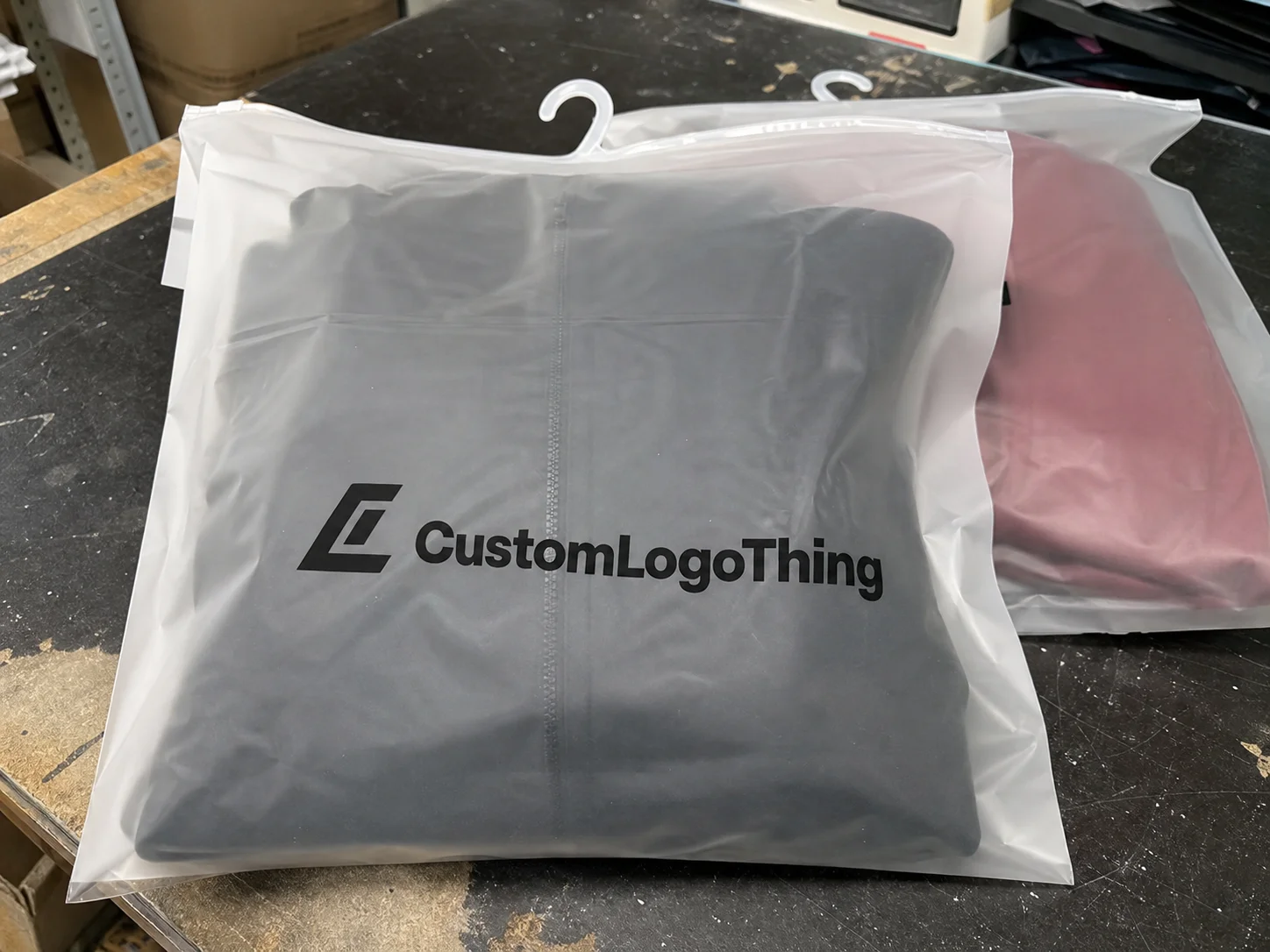
Mailers are a strong choice for compact, flat, or soft goods. Kraft mailers, rigid mailers, and poly mailers can reduce both material cost and parcel volume. I’ve seen apparel brands switch from a box to a reinforced mailer and cut total pack cost by 18% on a 4,000-unit run, mostly because they eliminated excess air and reduced tape use. For the right item, that is exactly what packing materials affordable should deliver. No drama. No extra tape. No giant carton around a T-shirt.
Bubble wrap still earns its keep for fragile surfaces, painted parts, and small components that need cushioning around corners and edges. Kraft paper is another reliable option, especially where customers prefer paper-based protection or where the warehouse wants cleaner disposal. I’ve also seen recycled materials perform well when the product is not moisture-sensitive and the board spec is chosen correctly. For clients who want a lower environmental footprint, FSC certified linerboard and paper-based fills can be a practical route without pushing costs out of reach.
Air pillows are useful when you need fast void fill, low shipping weight, and a compact footprint at the packing bench. They do not replace structural protection, but they can be an economical fit inside the Right Box Size. Poly bags are still a smart choice for dust protection, bundling, and multi-pack containment, while stretch film keeps pallet loads stable and reduces transit losses. In many warehouses, the most packing materials affordable configuration is not one product, but a small system built around the item’s real shipping behavior.
Here is a practical view of where common materials fit best:
| Material | Best Use | Typical Strength | Affordability Notes |
|---|---|---|---|
| Single-wall corrugated cardboard | Light retail items, books, accessories | 32 ECT to 44 ECT | Low unit cost when sized correctly; can become expensive if oversized |
| Double-wall corrugated cardboard | Heavier goods, stacked shipments, fragile items | 48 ECT to 61 ECT | Higher board cost, lower damage risk for dense loads |
| Kraft paper | Void fill, surface protection, wrapping | Varies by basis weight | Often lower than bubble on paper-based programs; clean to handle |
| Air pillows | Void fill for parcel shipments | Light cushioning | Very low weight, but needs the right film and inflation setup |
| Poly mailers | Apparel, soft goods, flat items | 2.5 mil to 4.0 mil | Very affordable for low-bulk products; no carton assembly required |
Packaging add-ons also affect whether the final result stays packing materials affordable. A standard brown carton with one-color print is usually far less expensive than a full-bleed premium finish. Simple closures beat specialty adhesives when the product allows it. Using standard sizes that fit common pallet patterns can also reduce freight waste and storage headaches. I’ve seen companies spend more on “pretty” packaging than on protection, and that approach almost always loses money after the first shipment wave. Pretty does not cover replacement shipments, sadly.
Specifications That Keep Packing Materials Affordable
Good specs are the difference between a quote that works and a quote that explodes later. When I review a packaging brief, I want exact product dimensions, unit weight, surface fragility, and the shipping mode, because those details determine whether the most packing materials affordable solution is a mailer, a carton, or a nested kit. If the brief is vague, the quote will be vague too. And vague pricing is how budgets wander off a cliff.
The critical measurements are simple, but they matter a lot: length, width, depth, unit weight, and the amount of movement allowed inside the shipper. For corrugated boxes, ask about edge crush test, burst strength, flute profile, and board caliper. For films and cushions, ask about thickness, roll width, puncture resistance, and whether the material suits manual packing or an automated line. A 2.0 mil film may be fine for lightweight apparel, while a 3.0 mil film is more realistic for sharper edges and rougher handling. The wrong spec can raise cost by 10% to 20% before the item even leaves the dock. That’s not a small mistake. That’s a margin leak.
Over-specifying is one of the most common traps. If a product weighing 1.2 lb is packed in a 61 ECT double-wall carton “just in case,” the buyer often pays for board strength that never gets used. Under-specifying is equally dangerous, because weak cartons collapse under stacking, especially in humid facilities or during cross-dock handling in coastal cities like Xiamen, Guangzhou, or Miami. The most packing materials affordable option is usually the one that passes the actual ship test, not the one with the biggest number on the data sheet.
Carton style matters too. Regular slotted containers, or RSC boxes, remain the default for many shipping programs because they are easy to manufacture, easy to stack, and widely available. Die-cut inserts can reduce shifting for kits, but they add tooling and setup cost. Mailers are excellent for smaller products, and kit packaging can be efficient when multiple items must ship together in a single configuration. I’ve watched a subscription client in Los Angeles cut 14% off total packaging spend by moving from a custom two-piece setup to a standard RSC with a simple insert, which is exactly the kind of practical change that keeps packing materials affordable over time.
Performance factors should always be tied to the shipping environment. Moisture resistance matters in coastal warehouses and summer freight lanes. Compression strength matters when pallets are double-stacked. Compatibility with Automated Packing Lines matters when the machine has a fixed case size or a specific tape head tolerance. If your operation uses print-and-apply labeling or auto-bagging equipment, tell the supplier before quoting. That one detail can keep packing materials affordable by preventing misfits and rework.
- Measure the product in finished packaging form, not just raw item size.
- State the ship method: parcel, LTL, palletized, or mixed.
- Provide damage history if the item has already been shipping in another format.
- Ask for two spec options so you can compare cost versus protection.
I also recommend collecting samples before committing to production. A real product sample, packed and drop-tested, shows whether the structure truly supports packing materials affordable performance or whether the quote only looks good on paper. For higher-risk items, test against common procedures such as ISTA handling profiles and general ASTM-based packaging checks. If you want a neutral reference point, the standards pages from the ISTA and Packaging Machinery Manufacturers Institute are useful starting points for terminology and performance expectations.
Packing Materials Affordable: Pricing, MOQ, and Cost Drivers
Pricing is where many buyers get frustrated, because the quote usually reflects more than one variable. Board grade, print complexity, order volume, tooling, freight class, pallet pattern, and whether the item is stock or custom all shape the final number. That is why packing materials affordable is not a single price point; it is a range built from production reality. If someone tells you otherwise, they’re probably leaving something out.
For stock items, minimum order quantities are often low enough for smaller brands to buy without tying up too much cash. Custom packaging, especially when it includes specific die-cut dimensions or printed artwork, usually requires a larger MOQ because the factory has to cover setup time, material waste, and run efficiency. In practical terms, a stock mailer might start at 300 to 500 pieces, while a custom printed carton may need 1,000 to 5,000 pieces or more depending on size and finish. The more repeatable the structure, the easier it is to keep packing materials affordable.
When I sit in supplier negotiations in Dongguan or Shanghai, I always ask for four numbers: unit price, freight, sample cost, and re-order pricing. That tells me whether the quote is truly competitive or just attractive on the first run. Buyers should also ask whether the price changes with pallet quantity, because a full pallet often lands much better than a mixed or partial pallet shipment. If the supplier can provide tiered pricing at 1,000, 3,000, and 5,000 units, you can map the economics more clearly and keep packing materials affordable as volume rises. And yes, I have had suppliers try to dodge that question. Usually because the answer is inconvenient.
Here is a practical pricing comparison using common packaging choices. These figures are directional examples from recent buying patterns in China and Southeast Asia, and actual numbers depend on size, spec, and freight lane, but they show how the math usually works:
| Option | Sample Unit Price | Typical MOQ | Best For | Cost Note |
|---|---|---|---|---|
| Standard single-wall RSC box | $0.18/unit at 5,000 pieces | 500 to 5,000 | Light retail goods | Very competitive if size matches product closely |
| Custom printed mailer | $0.31/unit at 3,000 pieces | 1,000 to 3,000 | E-commerce branding | Print adds cost, but can reduce need for inserts or labels |
| Poly mailer | $0.08/unit at 10,000 pieces | 1,000 to 10,000 | Soft goods, apparel | Very low material cost, but no rigid crush protection |
| Kraft paper void fill roll | $14.50/roll at 24 rolls | 12 to 24 rolls | Manual packing stations | Affordable when used with a right-sized carton |
| Air pillow film | $0.004/pillow equivalent | Case quantities | High-throughput parcel packing | Low weight, but requires inflation equipment |
Cash flow matters as much as unit price. A large run can lower the per-piece cost, but if it sits in storage for six months, the business may pay in warehouse rent and tied-up working capital. I’ve seen a customer in Atlanta choose a slightly higher unit price for a smaller, more frequent buy because it reduced inventory pressure and kept packing materials affordable in the real operating sense. That choice made sense because their sales pattern was seasonal and unpredictable.
Freight class can also change the equation dramatically. A bulky but light item may ship cheaply as a carton unit price but expensive as a transport charge. If the packaging can be nested or flattened, freight becomes easier to control. Recycled materials can help on certain programs, and FSC certified options may support retailer requirements without forcing a premium structure. Where customers care about end-of-life disposal, biodegradable packaging or paper-based alternatives can help, though I always remind buyers to verify the actual performance and disposal claims rather than assuming every “green” option is automatically economical.
Packing Materials Affordable: Ordering Process and Timeline
Ordering the right packaging is a process, not a single purchase order. The smoother the process, the more likely you are to secure packing materials affordable without sacrificing fit or consistency. On a clean production run, I like to move from product review to sample approval, then to controlled production, and finally to quality check and delivery. Basically: fewer surprises, fewer headaches, fewer “why is this carton suddenly three inches too wide?” moments.
The fastest quotes always come from buyers who send complete information. Product dimensions, actual weight, storage limits, annual usage, target freight method, and acceptable price range let the supplier propose the most economical structure up front. If the item has sharp edges, fragile faces, or cold-chain exposure, say so early. That one note can prevent a bad design and preserve packing materials affordable pricing through fewer revisions.
Stock items often move quickly because the factory already has paper, board, or film in standard configurations. Custom packaging takes longer because artwork approval, die setup, and sample validation must happen before production. In a typical corrugated run from proof approval, I’ve seen delivery land in 12 to 15 business days for a straightforward spec, while more complex printed work can take 18 to 25 business days if the customer requests multiple revisions. If tooling is needed, that timeline expands further, and buyers should plan accordingly if they need packing materials affordable at a fixed launch date.
Factory-side checks are where quality gets protected. We verify board caliper, glue application, print registration, cut accuracy, and compression performance. For film-based products, we check thickness consistency and seal behavior. If a supplier skips those checks, small defects can slip through and create expensive warehouse headaches later. I once watched a line in a Guangdong plant lose half a shift because the box blank score was off by a few millimeters, and the packers had to fight every fold by hand. That was a long day. The kind where everyone gets quiet and the tape gun suddenly sounds louder than it should. Reliable QC is part of packing materials affordable sourcing.
Rush orders are possible, but they should be used carefully. A partial shipment might keep a launch moving, yet split freight can add cost. Repeat production on recurring SKUs is usually easier and cheaper because the factory already knows the spec, the carton layout, and the expected quantity. If your program runs month after month, ask for a replenishment plan that protects both inventory and pricing. That is one of the best ways to keep packing materials affordable over a long sales cycle.
If you want to follow a responsible sourcing mindset, the EPA sustainable materials resources are worth reviewing, especially if your team is trying to reduce waste, improve recyclability, or evaluate recycled content claims. That guidance does not replace a packaging spec, but it helps buyers ask better questions when they compare suppliers.
Why Buyers Choose Us for Packing Materials Affordable
Custom Logo Things earns repeat business because we focus on value That Actually Survives shipping, storage, and pack-out, not just a low first quote. When buyers ask us for packing materials affordable, we start by studying the product and the shipping method, then we recommend the structure that gives the best balance of price, protection, and repeatability. Not glamorous. Just practical. Which is kind of the point.
From my side of the table, the biggest advantage is production discipline. In our Shenzhen facility, material sourcing is controlled to keep board grades, liner quality, and print consistency within spec from batch to batch. That matters when you are ordering a carton every month or a mailer every quarter, because inconsistent material turns a cheap buy into a problem fast. Good packing materials affordable programs depend on repeatable results, not just a low invoice.
I’ve spent enough time in converting rooms to know how much can go wrong when the supplier treats packaging like a one-off art project. The best plants run with a practical mindset: standard die lines where possible, clear print limits, sensible closure methods, and verified dimensions before the run starts. That approach saves time and reduces waste. It also keeps packing materials affordable for buyers who need to order again and again without renegotiating every detail.
We also help customers right-size their packaging. That might mean moving from a bulky custom carton to a standard RSC with a simple insert, or shifting from bubble-heavy packing to a paper-based wrap paired with an optimized box. I once helped a wholesale client trim their outer dimensions by 1.5 inches on each side, and the change reduced freight volume enough to offset the minor increase in board grade. Those are the kinds of practical wins that make packing materials affordable a real operating advantage.
Support matters too. Buyers do not just need boxes; they need responsive answers, samples that show actual construction, and transparent pricing that makes comparison easy. When a supplier can give you clear options side by side, you can decide faster and reduce internal back-and-forth. That is especially valuable for purchasing teams managing multiple SKUs and limited storage. In our experience, fast communication is often the difference between a program that stays packing materials affordable and one that gets delayed by confusion.
For customers who care about material sourcing and certification, we can discuss recycled content, FSC certified board, and paper-based alternatives that align with specific retail or marketplace requirements. When a project calls for environmental claims, we confirm the details carefully, because trust is built on documentation, not slogans. If a buyer needs simple, dependable, packing materials affordable options, we will usually recommend the structure that delivers the lowest practical cost over the life of the program.
Next Steps to Order Packing Materials Affordable
The easiest way to start is to gather the facts. Before requesting a quote, prepare product dimensions, unit weight, annual volume, packaging problems you have seen, and the budget range you need to hit. If you can provide photos of the current pack, even better. That gives the supplier enough detail to propose packing materials affordable Options That Fit the actual use case rather than a guess. I’m always happier with a messy phone photo of the current mess than a polished brief with half the details missing.
I recommend asking for two or three structure options whenever possible. One can be the lowest-cost build, one can be the balanced option, and one can be the more protective choice. That side-by-side view helps you compare unit price against freight cost and damage risk, which is the only sensible way to decide. Many buyers discover that the middle option is the most packing materials affordable once the full order economics are counted.
Start with samples. Run them through a pilot shipment, ideally with real warehouse staff using normal packing speed and normal materials handling. If the sample passes, approve a small production run before going to full scale. That approach protects cash flow and reveals issues early, while still keeping the path open to packing materials affordable repeat orders later.
After the first cycle, track what actually happened: how many boxes were used, how much void fill was consumed, whether damage claims appeared, and whether pack-out time changed. Real usage data beats assumptions every time. If a carton is too large, or a mailer is too small, the second order should reflect that. The best packing materials affordable program is the one that keeps improving with actual shipment data instead of repeating a guess.
For buyers who want to keep the budget tight while staying practical, this simple checklist helps:
- Measure the product in finished shipping form.
- Record weight, fragility, and ship method.
- Request stock and custom pricing.
- Compare freight, damage risk, and storage needs.
- Approve samples before committing to volume.
- Review actual consumption after the first shipment cycle.
That is the disciplined path to packing materials affordable purchasing. Not flashy. Not complicated. Just a steady process that protects the product, supports the warehouse, and keeps the numbers honest.
What are the most packing materials affordable for small shipments?
For small, light items, kraft mailers, single-wall corrugated cartons, and poly mailers are often the lowest-cost choices when matched to the product size. The cheapest option is usually the one that fits well and avoids excess void fill or oversizing charges, because a $0.10 mailer that fits correctly can outperform a $0.06 box that needs $0.08 worth of filler.
How do I compare packing materials affordable by total cost?
Compare unit price, freight, damage risk, storage needs, and pack-out labor, not just the per-box or per-roll number. A slightly better-fitting material often lowers total cost by reducing returns, breakage, and shipping volume, and in my experience that total-cost view is the one that protects margin most reliably.
What MOQ should I expect for packing materials affordable?
Stock items usually have lower MOQs, while custom sizes or printed packaging often require higher minimums. A supplier should be able to quote both stock and custom options so you can choose the most economical path, whether that means 500 cartons, 2,000 mailers, or a larger repeat run.
Can custom packaging still be packing materials affordable?
Yes, if the design is kept simple, the size is optimized, and the order volume supports efficient production. Standard structures, limited print coverage, and repeatable dimensions usually keep Custom Packaging Cost-effective, especially when freight savings and lower damage claims offset the custom setup.
How fast can packing materials affordable be delivered?
Stock packaging can often move quickly, while custom orders take longer because of sampling, approval, and production steps. For a straightforward corrugated run from proof approval, delivery is typically 12 to 15 business days, while more complex printed items may take 18 to 25 business days depending on revisions, tooling, and freight method. It is best to confirm timing during quoting and plan ahead if your launch date is fixed.
If you want packing materials affordable without gambling on protection, start with the product size, the shipping path, and the actual pack-out process, then build the quote around that reality. That is how we approach it at Custom Logo Things in Shenzhen, and it is the approach I trust after years on factory floors, in supplier meetings, and beside packing benches where every extra cent shows up somewhere. When the spec is right, packing materials affordable stops being a marketing phrase and becomes a dependable way to buy packaging that performs.