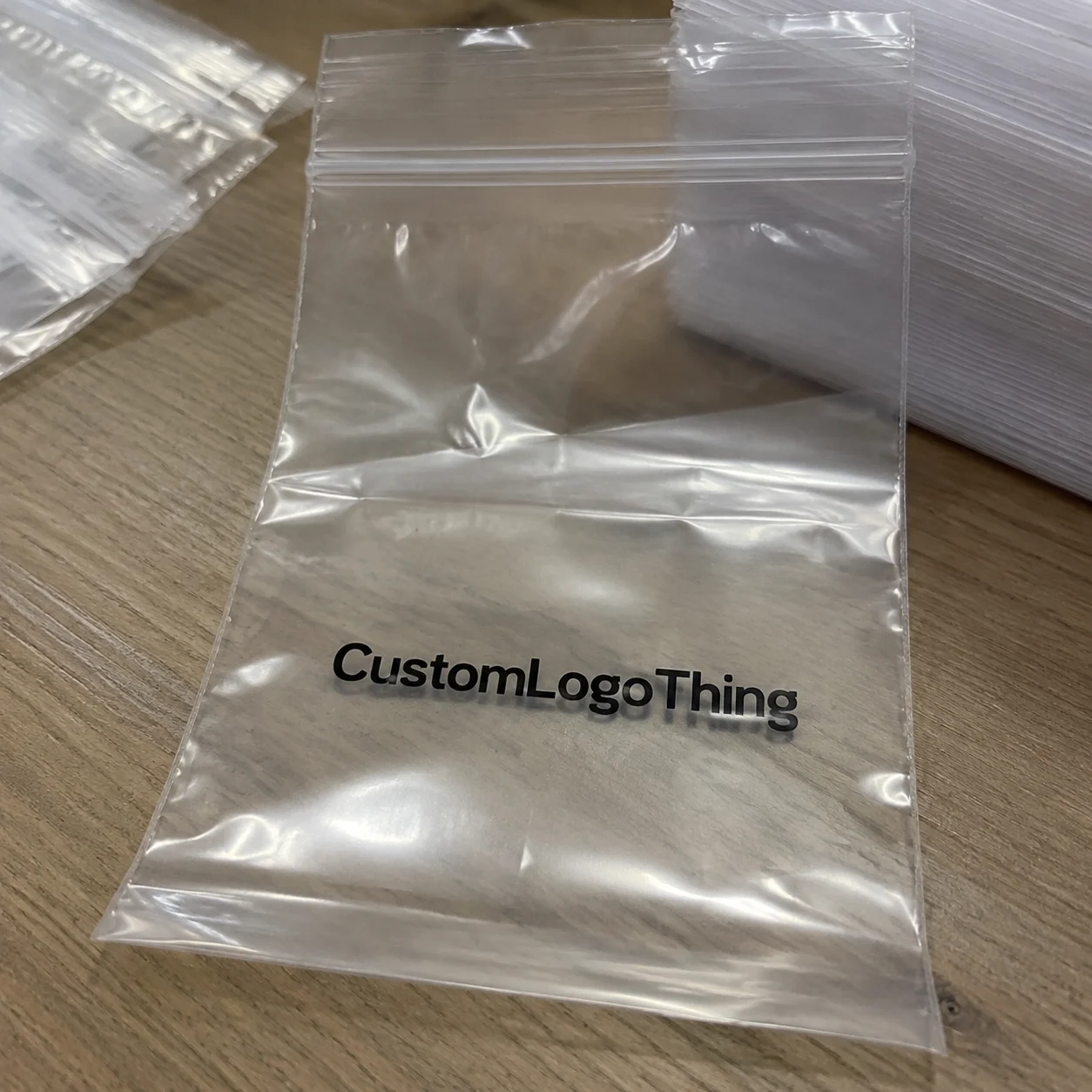
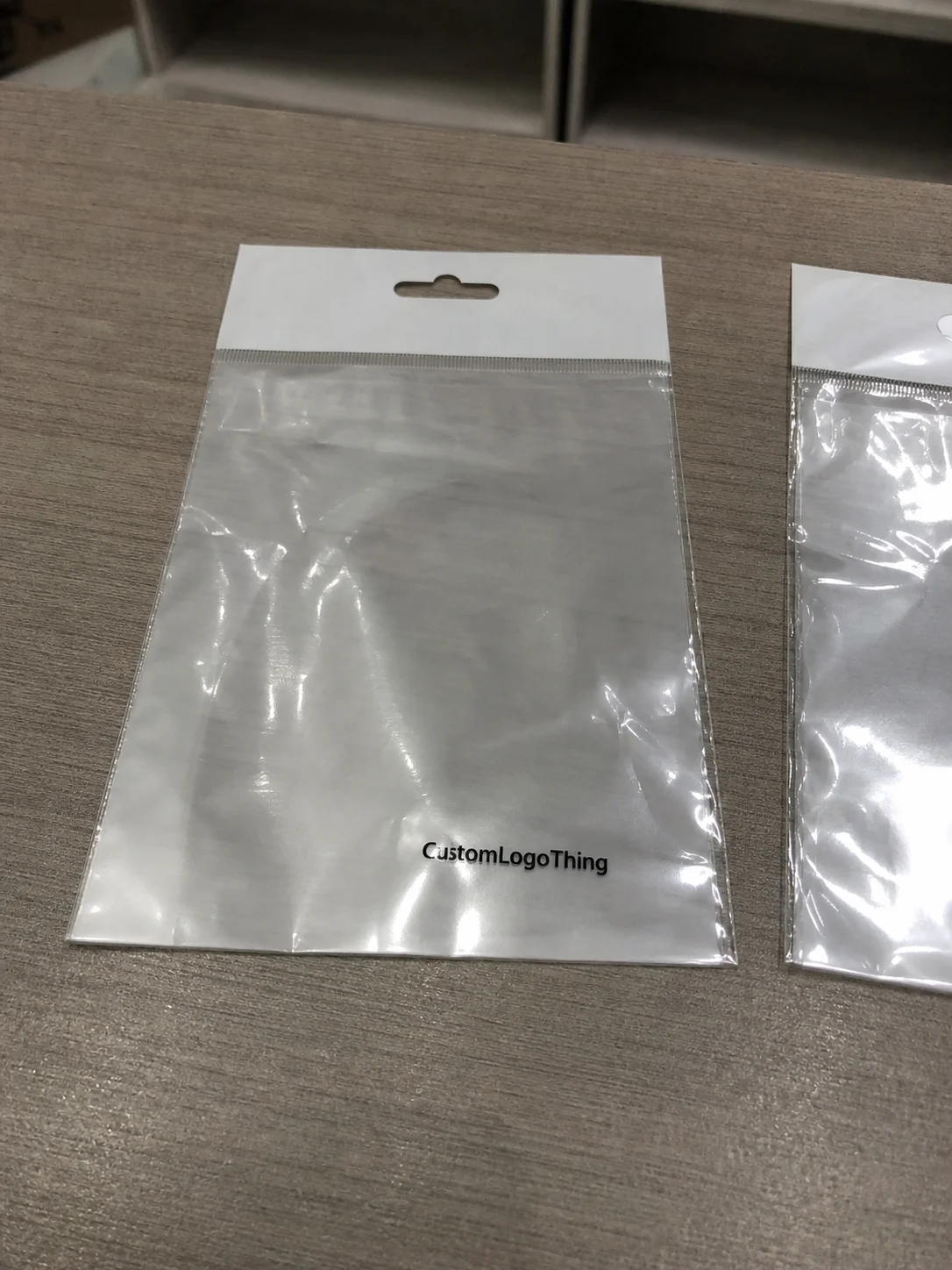
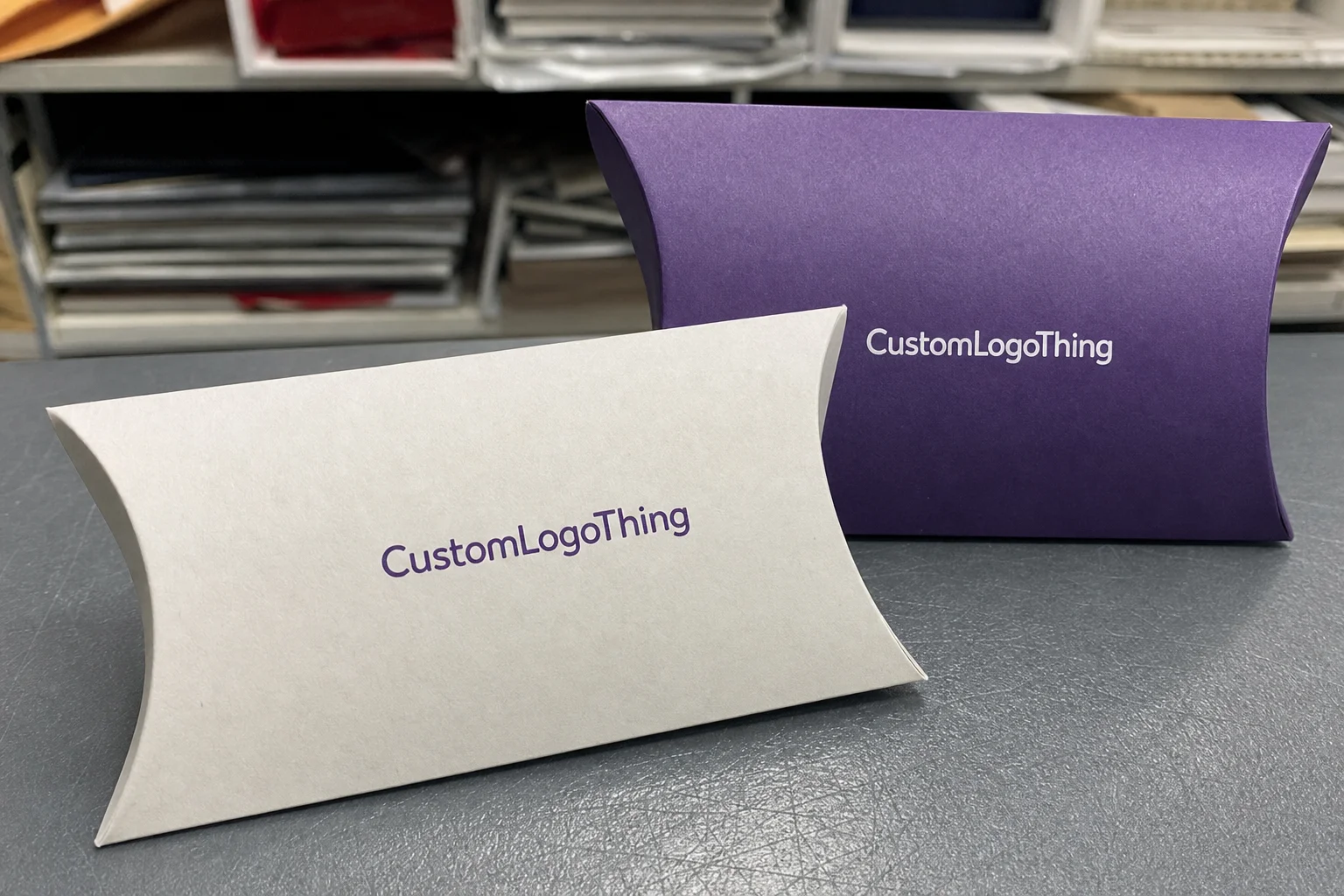
Buyer Fit Snapshot
| Best fit | packing materials for small business cost playbook for packaging buyers comparing material specs, print proof, MOQ, unit cost, freight, and repeat-order risk where brand print, material, artwork control, and repeat-order consistency matter. |
|---|---|
| Quote inputs | Share finished size, material target, print colors, finish, packing count, annual reorder estimate, and delivery region. |
| Proofing check | Approve dieline scale, logo placement, barcode or warning zones, color tolerance, and any recyclable or compostable wording before bulk production. |
| Main risk | Vague material claims, crowded artwork, or missing packing details can create delays even when the unit price looks attractive. |
Fast answer: Packing Materials for Small Business Cost Playbook should be specified like a repeatable production item. The safest quote includes material, print method, finish, artwork proof, carton packing, and reorder notes in one written spec.
What to confirm before approving the packaging proof
Check the product dimensions against the actual filled item, not only the sales mockup. Ask for tolerance on folds, seals, hang holes, label areas, and retail display edges. If the package carries a logo, QR code, warning copy, or legal claim, reserve that space before decorative graphics fill the panel.
How to compare quotes without losing quality
Compare board or film grade, print process, finish, sampling route, tooling charges, carton quantity, and freight assumptions side by side. A lower quote is only useful if the supplier can repeat the same color, closure quality, and packing count on the next order.
Packing Materials for Small Business shape what customers think faster than most founders realize. After that Charlotte plant line froze when foam inserts arrived at 5/16" thickness instead of the specified 7/32", we learned reputations outpace rush fees. The account team was slapped with a $5,000 rush fee and a 15-minute uncomfortable call to the buyer, and when the plant manager and I muttered through that “please forgive us” script together, it felt almost comical. But the buyer took the line and my nerves very seriously, and that panic call reminded me that shipping supplies are negotiable but reputations are not, so I treat every foam insert as if it carries my signature.
Packing Materials for Small Business: Why It Matters
You need a clear definition: packing Materials for Small business means the corrugate, fillers, tape, labels, and protective components that cradle every product and carry your brand story, whether that story is printed in Pantone 186 on a 350gsm C1S sleeve or sprayed with three coats of rust-inhibiting primer from the Greenville powder-coat shop. Brands underestimate how consistent materials drive perception, reduce damage, and actually slow shipping cost creep—when our 42 ECT board from the Charlotte WestRock line dropped to a 32 ECT equivalent during a supplier shuffle, freight class jumped from 70 to 85 on the paperwork, adding almost $0.12 per carton to the freight bill because carriers flagged the lower burst strength, and that corrugated packaging shift forced me to rework the dim-weight spreadsheet until the numbers sang again. On my last supplier visit to International Paper’s Atlanta mill, the quality engineer showed me a 12-drop ISTA test where cheap tape peeled off after 12 drops at 16 psi with a 3" peel test, so I still audit suppliers before I commit; I even keep a digital photo of the rig from that day when I explain to clients why margins hinge on peeling numbers—honestly, that photo has more miles on it than my passport.
When customers ask me, “What’s the biggest win in packing materials for small business?” I tell them: consistency. It’s easier to forecast freight when your corrugated cardboard is predictable and easier to quantify risk when each SKU knows its cushioning regimen, and I still keep a folder full of “good spec” photos proving we once hit a 0.2% damage rate after swapping to a 42 ECT board with a 200 lb/ft² burst rating (and yes, I keep bragging rights when I walk into a meeting with that stat and the supporting test certificate). Most founders assume their fulfillment partner will just “figure it out,” and that gamble gets paid for with returns and angry reviews; when I hear “Can’t you just reuse some bubble wrap?” one more time, I might tip over the nearest pallet rack in the Greensboro fulfillment hall.
How Operations Flow with the Right Packing Supplies
Trace a simple timeline: forecast volume, gather samples, lock specs, and then move to production; a typical Custom Logo Things order—even for short-run labels—takes three days for quoting, five days for sample proofs, and 10 to 14 business days for presswork from proof approval, so our standard lead time runs 18 to 22 days from the moment the art hits the shared Box.com folder, and every corrugated packaging approval gets logged beside that forecast so we can call out supply gaps before they hit the floor. Coordinate cross-functional teams—sales, warehouse, and customer success—to approve dimensions, cushioning requirements, and barcode placement before anything hits the die-cutters; the time we skipped that step with a new apparel client in Raleigh resulted in someone forgetting UPC placement, and we reprinted 2,400 sleeves after the boxes hit the slitter, which still makes the printer’s operator groan about overtime whenever the story comes up, so now the fulfillment materials board gets updates every Tuesday without fail. Lock in lead times with suppliers like WestRock for corrugate and 3M for adhesives, because double-checking their calendars during factory visits kept me from losing two weeks when a rotary die cutter in Berlin needed a mandatory 36-hour maintenance window; I still remember the plant engineer showing me the red flag on their MES system, and thankfully we had built in a three-day buffer or I’d still be apologizing.
Use the timeline to highlight buffers: add two days for quality inspection, three for shipping from the plant, and re-evaluate it every quarter when volumes shift; I literally keep a whiteboard in the operations war room with countdowns, because “we’ll deal with it later” is how a $29,000 rush invoice happens, and the board still gets a sarcastic “don’t you love surprise fees?” note written with a red Expo marker. The lifeline for packing materials for small business starts with process, so tie every decision to a milestone in the calendar, especially when vendors handle corrugated cardboard from Memphis, kraft paper wraps from a Huntsville converter, and biodegradable packaging inserts made in the Portland, Oregon molding facility—if you’re not scheduling those quarterly check-ins, you’re basically playing “guess the order weight” with a $0.20 per pound variable.
How do packing materials for small business keep costs and quality in balance?
Start with the same timeline you already mapped out and pin down the shipping supplies cadence: when corrugated blanks show up a day late or when adhesives like 3M Scotch 371 approach the bottom of the reel, both labor and customer confidence erode, so I track those consumption rates alongside damage metrics to prove that packing materials for small business decisions are less about style and more about predictable math. Factor in the real cost of rework—speedy assembly might seem like a win until you realize the carton needed a heavier board or the void fill failed to absorb a drop, so the smart move is to authorize small pilot orders, document the materials’ performance and labor minutes, and then use that data to push suppliers for better pricing instead of hoping the next shipment “feels” right. I’m gonna add that tracking this data monthly keeps the finance team honest because they see the impact of a 0.2% damage rate in real dollars.
Key Factors in Choosing Packaging Components
Match material strength to product weight; lightweight apparel needs a different board grade than ceramics, and I still cringe thinking about the last time a $900 order left in single-wall from an inexperienced supplier in Monterrey and arrived like a bent accordion—customers actually heard our apology over the phone before the package did. Consider protection needs: void fill, blister packaging, or just kraft paper? Factory visits taught me that overpacking adds cost while underpacking adds returns, and the middle ground comes from HDR tests and ISTA drop sequences before the first shipment ships, so any plant that lets you skip ISTA needs a motivational poster about quality by the door. Factor in sustainability—the buyers we serve at Custom Logo Things ask for recycled materials with at least 30% post-consumer waste content, which is why we built a tracker that matches FSC-certified board with each SKU inside our ERP system, tying the cert number to every purchase order line so we avoid explaining why an “eco-friendly” box crumpled in transit.
Speed of assembly matters; the wrong insert slows fulfillment and triggers overtime, so ask your team how many minutes they spend sealing each box—doubling that time across 2,500 orders per week costs real dollars in labor, and I still remember the day a fancy tuck-fold insert added 35 seconds per unit and my fulfillment lead looked at me like I’d asked him to knit the boxes by hand under a $32/hour labor rate. Design for the actual fulfillment floor, not your studio window—you can fall in love with a complex folding carton only to discover it takes 90 seconds per unit to set up on a $32/hour pack line, and that prototype usually ends up tucked away like a failed art project. Matching the right board, the right amount of kraft paper, and the right cushioning won’t just protect the product—it keeps the whole box from getting flagged as overweight at the carrier’s dock, which is how you start taming freight cost creep that could add $0.25 per unit if the DIM weight spikes.
Cost & Pricing Decisions for Packaging
Begin with a per-unit baseline: a 6-pack mailer from WestRock ran me about $1.20 each after a Custom Logo Things volume adjustment, but the same spec jumped to $1.95 overseas when the freight class shifted and handling fees piled on—shipping math has become my least favorite math class because that $0.75 spread can erase a week’s worth of margin. Break down the expenses: corrugate, fillers, tape, labels, print, and tooling. When I negotiated with a Shanghai supplier, we shaved $0.08 per lid by standardizing hole patterns and avoiding expensive CNC trims that were costing us $350 per tool change; I’ll spare you the dramatic reenactment, but sweat definitely happened in that conference room. Don’t ignore storage costs. Paying $90 a pallet-month at the regional fulfillment center negated the savings from buying bulk tape rolls that supposedly came “free” with the crate order—by the time we moved 30 pallets, that “free” offer turned into a $2,700 storage penalty.
Anticipate hidden fees like color matching, die changes, and rush charges. I once accepted a “free” sample that triggered a $250 camera charge after proof approval because I hadn’t locked the contract; I stared at that invoice in disbelief and then added a big red note to the procurement playbook. The comparison table below earns its keep when clients ask whether to stay domestic or try the offshore run.
| Material Bundle | Supplier | Per-Unit | Lead Time | Key Notes |
|---|---|---|---|---|
| Double-wall kit w/ dieline | WestRock Charlotte | $1.42 | 14 days | Includes ISTA-tested corrugate, FSC certified, 2-day inspection hold |
| Single-wall + soy-based print | Custom Logo Things Shenzhen | $1.10 + $0.12 freight | 20 days | Post-consumer waste board, add $0.05 carbon offset for air freight |
| Mailer + printed label wrap | Local flexo partner (Raleigh) | $0.95 | 10 days | Built for lightweight apparel, avoids die costs but limited cushioning |
Every decision about packing materials for small business should circle back to that per-unit baseline plus those “what ifs”—rush charges, reprints, and labor overruns—and keeping that baseline sticky is half the job.
Step-by-Step Procurement Process
Audit what you already have: count felt liners, tape lengths, wheat-board boxes, and slack in your inventory to avoid duplicate buys; I once bought 12,000 feet of tape because nobody told me the SVP had already ordered 6,500 feet the week before, making that week feel like a thrilling inventory reconciliation (yes, sarcasm included). Develop a spec sheet with dimensions, material grade, adhesives, and print requirements, then send it to at least two suppliers—Custom Logo Things and a second printer I vet during factory tours; don’t trust photos, insist on actual samples because leaves of paper can be deceiving. Approve physical samples. I insist on approving actual corrugate samples because photos lie; once, a run of boxes arrived with a 10% variance in board thickness and the packaging line ground to a halt for three hours while we rigged extra inside supports, which felt like a crash course in improvisational engineering.
Negotiate pricing, confirm lead times, and put the specs on an official purchase order. Include penalties for delays—my supplier now owes $500 if any shipment is more than 48 hours late, a clause I added after a late holiday rush, and it doubles as my favorite contract conversation opener. Document the adhesives (like 3M Scotch 371 corner tape), their VOC content, and confirm whether they’re compatible with the kraft paper or biodegradable inserts you’re pairing them with. That level of detail turns vague agreements into enforceable contracts; you avoid the “I thought you meant” conversations that used to stall the lines. Every packing materials for small business project needs that procurement discipline; it’s the difference between a consistent shipping bill and a surprise invoice that cuts your margin in half.
Common Mistakes to Avoid
Buying generic bulk quantities without matching the packaging to the product leads to swelling freight costs and poor presentation, especially when you pay for double-wall corrugate but ship a lightweight accessory—the warehouse team still jokes, “Would you like a pickaxe too?” whenever we overbuild a package. Skipping proofing in favor of speed—one of my clients did this and ended up with a batch of misprinted logos on their mailing envelopes, wasting $650 in replacements and costing two extra days of fulfillment to reprint; I acted like a mad scientist waving proofs until they agreed to slow down. Assuming all suppliers have the same quality controls. I once changed vendors to save $0.05 per box and paid double in damage claims because the new plant skipped moisture testing on recycled materials, which taught me painfully that cost-cutting isn’t always so cute.
Ignoring the assembly labor—flat-packed boxes that require complex folding drive up fulfillment time, so keep the design simple and ask the packers what they think; they’re the ones sweating over those dielines. Slack on those details and every nuance of packing materials for small business comes back to bite you. You can’t afford to lose track of adhesives, specs, or human errors like mislabeled dielines; the freshmen who mislabeled a die still get teased at the holiday party.
Expert Tips and Factory Insights
Bring your team on factory tours; seeing a corrugate press in action at the Memphis plant helped me convince leadership to upgrade to a double-wall board that resisted the scrapes we kept seeing on the loading dock, and the plant floor noise still sounds like a great soundtrack when I need to prove strength equals fewer claims. Bundle buys with related materials—ask your supplier about a combo order with tape, fillers, and printed labels to unlock better pricing and reduce shipping charges. I negotiated a bundle that includes 3M Scotch 371, Kraft Paper Sheets, and biodegradable packaging filler, and we now save $0.15 per unit, which is my favorite humble-brag when finance hears the number. Document every supplier promise; I keep a spreadsheet of adhesives, certifications, and turnaround times so we can call out deviations immediately—nothing beats a spreadsheet named “Hope This Never Goes Wrong,” except maybe seeing it work when a supplier slips up. Ask for test results. When I spent a week with the lab technician at International Paper, he shared compression and burst certificates that validated the specs, and the document went straight into our procurement folder; it was basically our packaging bible for the next quarter.
Those moves keep packing materials for small business firmly within margin targets, rather than leaving you guessing about whether the next shipment will arrive on time or not.
Next Steps: Buying Packing Materials for Small Business
List your current SKUs and pairing materials, then match each to the right board grade or cushioning level; when a new SKU emerges, don’t assume the existing packaging fits—it usually doesn’t, which is why I call that the “don’t let the new toy break the box” rule and record it in every onboarding checklist. Request three quotes, insist on samples, and log every timeline with your procurement lead so you’re not caught off guard; planning packing materials for small business as a project keeps it from turning into a weekend scramble, and yes, I have lived through those chaotic Sundays when we paid $450 in rush labor, so trust me when I say they’re overrated. Schedule a 30-minute call with your fulfillment and sales teams to align on the final specs; they will flag the real-world needs you can’t see from the office, like which boxes fit on the pallet or whether kraft paper smudges easily after 72 hours in humid Pensacola summers. Place a test order with Custom Logo Things or your chosen partner, track the Costs, and Use that data to negotiate better terms; none of that happens without locking in those first measurable steps, so treat packing materials for small business as a project, not an afterthought. I’ve seen the difference between a sloppy setup and a well-documented procurement flow, so keep hammering on the details and the freight, quality, and customer satisfaction numbers will follow—no, you can’t just “wing it” anymore unless you enjoy telling customers “Oops, we didn’t plan that.”
For any questions about standards, reference ISTA for testing protocols, and check FSC for certified board sourcing.
What are the best packing materials for small business orders with fragile contents?
Start with double-wall corrugate from a supplier like WestRock’s Charlotte line rated at 44 ECT and add foam inserts or molded pulp; use die-cut trays to immobilize items and layer kraft paper as a cushion, while shock-absorbing tape such as 3M's Scotch 371 reinforces corners.
How do I calculate packing materials for small business shipping costs?
Add up the per-unit price of each material—box, filler, tape, label—and divide by the order quantity; include labor time for assembly multiplied by your fulfillment rate ($32/hour in our Carolina warehouse) and factor in storage and shrinkage, logging those totals monthly so forecasts adjust accordingly.
Can packing materials for small business be sustainable without breaking the bank?
Yes—request recycled materials and soy-based inks from suppliers like International Paper, buy lighter gauges when possible, and recycle void fill; negotiate a blended price that offsets higher material costs with lower freight, such as agreeing to ship in 40-foot containers from Savannah to save $0.08 per unit on ocean freight.
When should I redesign my packing materials for small business shipments?
Redesign when damage rates spike above 0.5%, when you introduce new SKUs, or when fulfillment reports slow assembly; use customer feedback or returns data as trigger points and schedule quarterly reviews during slower seasons like January and July to plan updates.
How can I ensure my packing materials for small business projects stay on schedule?
Build in a timeline with buffer days—3 for quoting, 5 for samples, 10 to 14 for production—and include penalty clauses for late shipments (our clause is $500 after 48 hours late) while rewarding fast turnarounds; keep an open channel with your supplier and visit the plant if anything seems off in the shared Slack channel.
Packing materials for small business are worth sweating over; every detail you lock down now saves you from costly surprises later, and that’s something you can’t automate away, even if I’m a little obsessive—I’d rather be nerdy about packing than field another angry carrier call from the courier in Cincinnati. Takeaway: inventory your materials, document every spec, and treat procurement like a multi-step project so you can spot risks before they show up on the dock.