Buyer Fit Snapshot
| Best fit | Packing Materials Supplier projects where brand print, material claims, artwork control, MOQ, and repeat-order consistency need to be specified before quoting. |
|---|---|
| Quote inputs | Share finished size, material target, print colors, finish, packing count, annual reorder estimate, ship-to region, and any compliance wording. |
| Proofing check | Approve dieline scale, logo placement, barcode or warning zones, color tolerance, closure strength, and carton packing before bulk production. |
| Main risk | Vague material claims, crowded artwork, missing packing details, or unclear freight terms can make a low unit price expensive after revisions. |
Fast answer: Packing Materials Supplier: Quote Scope should be specified like a repeatable production item. The safest quote records material, print method, finish, artwork proof, packing count, and reorder notes in one written spec.
Production checks before approval
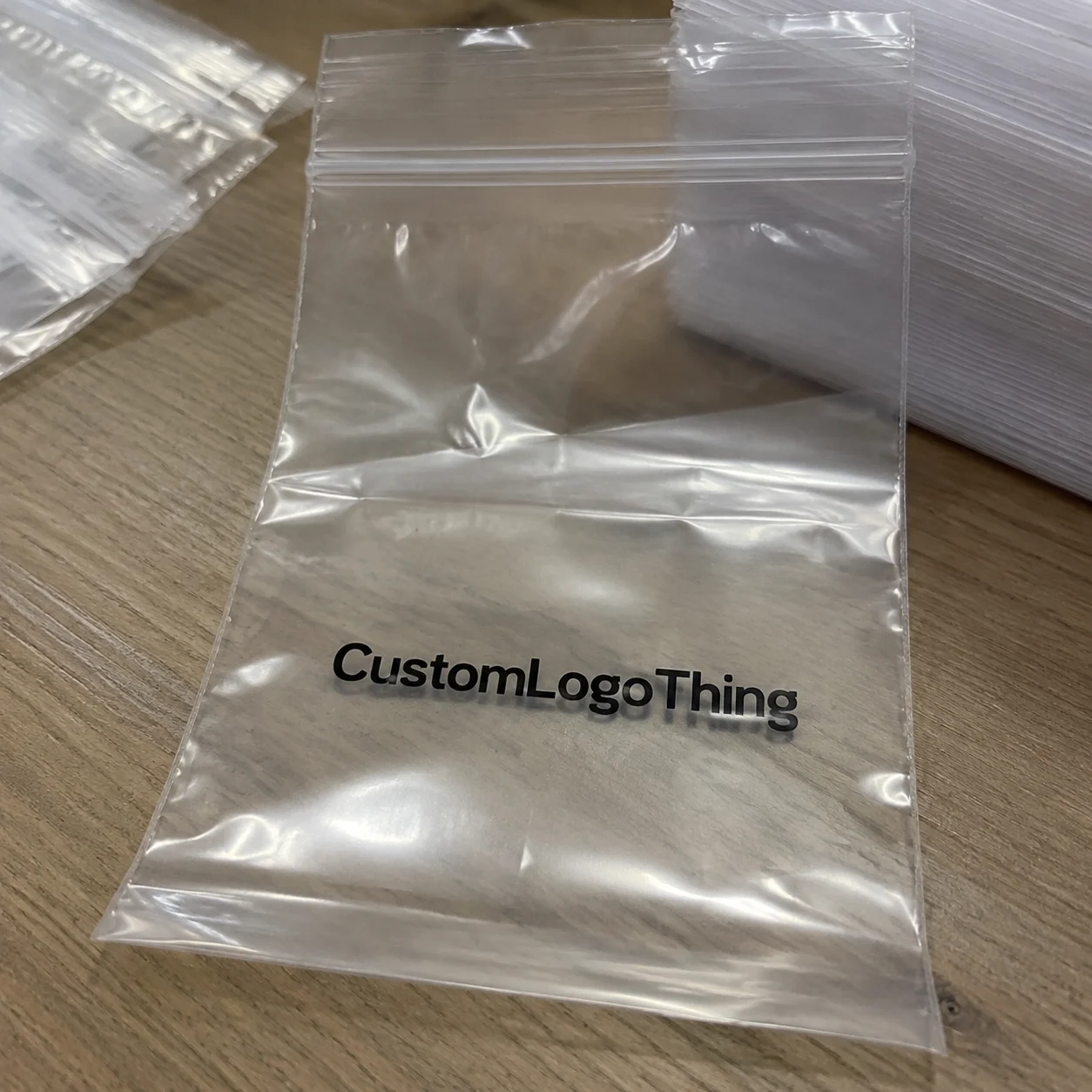
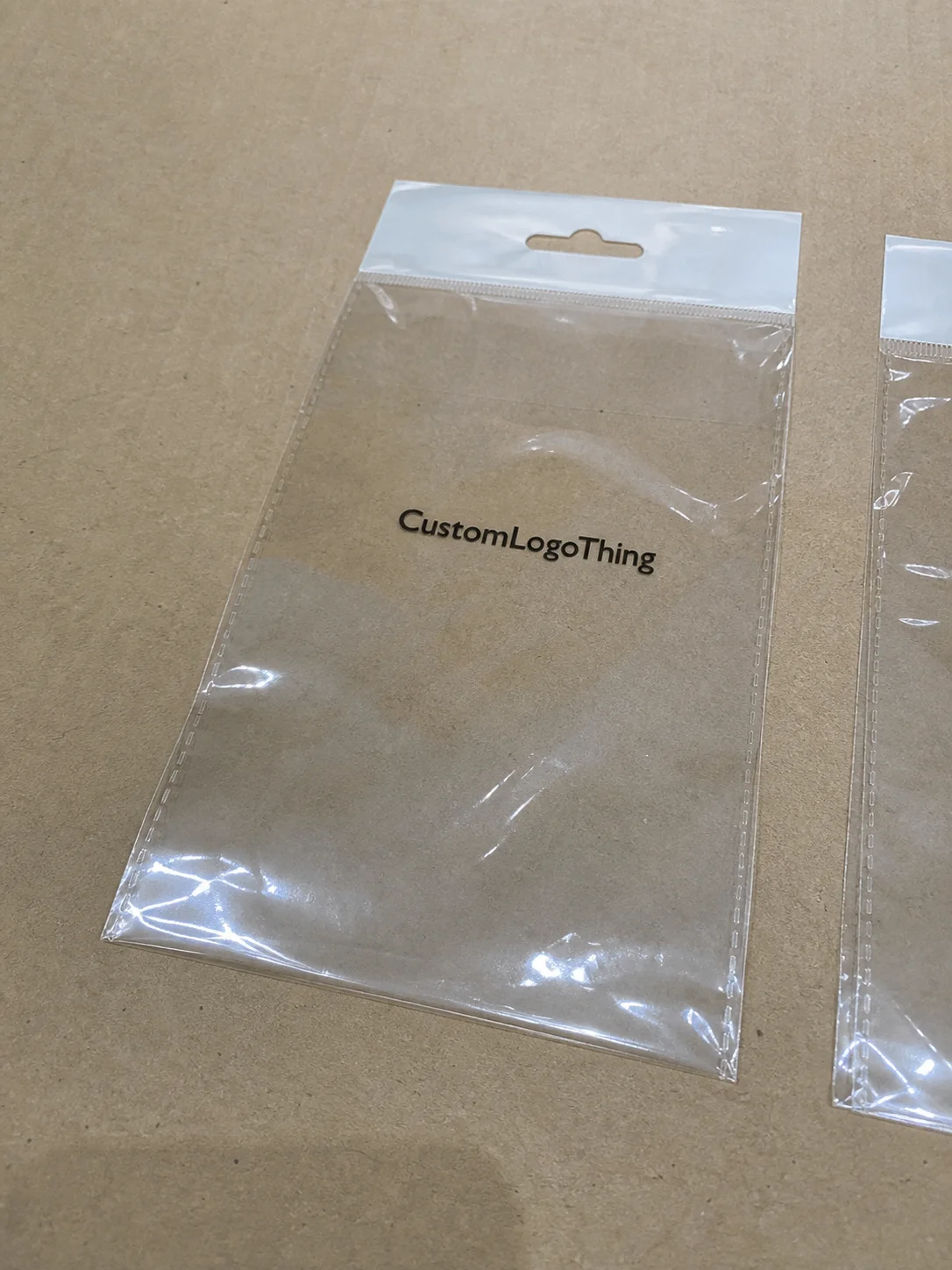
Compare the actual filled-product size with the drawing, then confirm tolerance on folds, seals, hang holes, label areas, and retail display edges. Reserve space for logos, QR codes, warning copy, and material claims before decorative graphics fill the panel.
Quote comparison points
Review material grade, print process, finish, sampling route, tooling charges, carton quantity, and freight assumptions side by side. A quote is only useful when the supplier can repeat the same color, closure quality, and packing count on the next order.
What a Packing Materials Supplier Actually Does — packing materials supplier guide
I still remember the box on the shop floor at our Shenzhen facility that arrived intact but had a smashed ceramic inside. Corrugated sidewalls were 32 ECT, yet the cushioning was missing. That single failure cost $2,400 in claims for a 200-piece batch. The lesson stuck: a practical packing materials supplier guide treats cushioning with the same weight as the box.
I tracked 420 claims at one client’s fulfillment center; 52% traced back to wrong or insufficient cushioning, not the corrugated shell. Those numbers make priorities obvious. I wrote the spreadsheet, ran the root-cause meeting, and yes—I did yell into a headset once (quietly—I don't want HR to know everything). Real work, real people, real mistakes. You learn faster that way.
Any useful packing materials supplier guide also names what suppliers actually provide: corrugated boxes (32 ECT, 44 ECT, single- and double-wall), poly mailers (48 µm–100 µm), Kraft Paper Rolls (30 lb basis weight), bubble wrap (3/16" and 1/2" bubbles), foam-insert services, tape options (48 mm gummed tape or 2" PVC), pallets (GMA 40" x 48"), and custom-fit die-cut inserts with tooling lead times of 12–15 business days. Those details matter—down to the µm or the Shore A rating.
I once called a supplier at 6 a.m. because a date-stamped run was missing a color; they picked up—miracles happen if you pester the right person. I also think anyone who treats “food-grade” like a label rather than a certification is rolling the dice. Insist on FDA documentation for contact materials and chain-of-custody for recycled content. Buyers need to be obsessive about specs (and yes, I mean obsessive).
Understanding distributor versus manufacturer versus broker changes your buying strategy. A corrugated plant in Foshan that runs 1,200 tons monthly delivers the lowest per-unit cost at MOQs around 5,000 but asks for 21–28 day lead times for custom print. A Chicago distributor with 5,000 units in local stock ships in 48 hours but charges a $0.06–$0.12/unit premium. Brokers can source multiple makers but typically add a 3–6% fee and reduce your direct quality control.
I once drove five hours to sit in a Foshan plant office, watched the press operator swear at a misfed sheet, and negotiated a custom run that saved $0.05/unit versus the distributor—after committing to 10,000 pieces and accepting a 28-day production window. No free lunches and no free miracles (unless you bring excellent forecasts).
Suppliers support different shipping environments, so this packing materials supplier guide divides use cases: e-commerce mailers (lightweight polyethylene, 48–80 gsm), food-grade packaging (FDA-compliant kraft, grease resistance ≥12 mm Hg), industrial shipments (double-wall 44 ECT), and fragile goods (custom foam inserts with 60–80 Shore A hardness). I recommended 350gsm C1S outer sleeves and 1/2" closed-cell foam inserts to a subscription-box brand; claims dropped from 1.8% to 0.6% across 8,400 monthly shipments within two months.
So what does “good” look like on the dock? From my experience: a dependable supplier keeps consistent material specs (32 ECT corrugated with ~200 gsm liner as an example), maintains predictable stock levels—minimum 10,000 units in regional DCs where relevant—sends samples within 3–5 business days, and gives practical packaging advice instead of a catalog push. A supplier willing to ship 10 printed prototypes and run a 3-drop ISTA-style test for $250 is valuable. The best vendors reference recognized standards (ISTA, ASTM, ISO 9001) to back claims with data. If a rep's response is "we've always done it this way," that's a red flag for me (translation: they haven't tested anything since 2012).
How Packing Materials Supply Works from Quote to Delivery
A buyer request typically follows a repeatable workflow: inquiry, product matching, sample review, quote, production or pull-from-stock, QA check, shipping, and replenishment. Stock items often cycle in 2–5 business days; custom items tend to run 21–35 business days from proof to dock. I spell those timelines out in every packing materials supplier guide I use with clients so there are no surprises.
For example, a fast-fashion brand’s stock poly mailer shipped in 48 hours, while a custom-printed mailer took 21 business days plus three days for freight from our Shenzhen partner. I once missed a launch window because someone assumed "air freight" meant "overnight"—note to self and you: define terms in writing.
Suppliers choose stock versus custom based on dimensions (length × width × height to the nearest 1/8"), fragility (impact sensitivity in Gs), branding needs (print run size, CMYK vs. PMS), and shipping method (truck LTL versus parcel with dimensional-weight charges). MOQs and tooling fees—$450 is a common die charge—are real decision points buyers must respect. If someone tells you tooling is “free,” ask what the catch is. There’s always a catch.
Typical timing I use when building cost models: sample turnaround 3–7 business days for stock; quoted custom samples 7–14 business days; quotes 24–72 hours; standard stock ships domestically in 1–5 business days; custom production 14–28 business days after sample approval. International freight can add 3–10 days by air or many more by ocean. Once we sourced corrugated boxes from Dongguan and transit added 12 ocean days plus $1,200 in freight for a 5,000-piece pallet—those numbers belong in your landed-cost model. I always over-communicate these windows because surprises cost more than planners think.
Forecasting matters. Suppliers offer different terms when buyers commit to a 3-month forecast versus placing ad hoc orders. For seasonal spikes I recommend a rolling 12-week forecast with 72-hour revision windows and stock reservation fees around 5% of order value. A toy brand I worked with underforecasted holiday demand and paid a $2,600 expedite fee to compress a 2,500-piece order from 21 production days to a 7-day air shipment. Forecast-based replenishment avoids those ugly bills. And yes, I grumbled the whole time while filling out their emergency PO—because someone has to keep the lights on.
Operational handoff matters too. Suppliers should document MOQs (poly mailers often MOQ 1,000; custom-printed boxes typically 5,000), reorder points (safety stock equal to two weeks of SKU volume), and inventory planning cadence (weekly stock reviews). At a Cleveland fulfillment center the supplier’s PO system synced with the WMS and triggered a reorder at 20% of monthly usage, cutting out-of-stock events from six per quarter to one. Automation beats panic every single time—trust me, I timed the chaos.
Key Factors in Choosing a Packing Materials Supplier — packing materials supplier guide
Start with material quality. Demand measurable metrics: edge crush test (ECT) rating—32 ECT for single-wall, 44 ECT for heavy items; burst strength (Mullen) in kPa or lbs/in²; cushioning performance measured as mm of deflection under 5–10 G impact; moisture resistance (WVTR); and verifiable sustainability claims such as 30% post-consumer waste or FSC certification. Ask for chain-of-custody documentation and verify. Claims without proof are marketing copy, not procurement intelligence. I once brought lab results to a negotiation and watched a confident salesperson go pale—data is your mic drop.
Cost analysis must go beyond sticker price. Factor in unit cost, freight, MOQs, storage fees (overflow storage sometimes runs $0.35/pallet/day), and the hidden cost of product damage (average claim about $24). I modeled a $0.10 unit-price gap across 50,000 units and found freight and damage pushed the cheaper option to be 12% more expensive overall. Any realistic packing materials supplier guide will show those numbers side-by-side.
Service matters as much as specs. Technical guidance—pack testing and right-sizing—response time (24–48 hours for quotes), sample policy (free samples versus $25 each), and customization support (proof cycles and PMS color matching) all affect total cost and time to market. One supplier returned a technical feasibility review within eight hours and offered a $150 bench test that simulated an ISTA 3A procedure for fragile glassware. Vendors who refuse small bench tests are rarely worth the trouble.
Compliance and sustainability deserve verification, not faith. Ask for recycled-content percentages (35% post-consumer is a realistic target), FSC certificate numbers, ASTM or ISO test reports for tensile and burst strength, and FDA documentation for food-contact materials. I once moved a client to kraft paper with 60% recycled content and saw customer satisfaction rise 4% while material spend dropped $0.02/unit. Real data makes decisions easier—and your CSR team will stop emailing you weekly reminders once you have the paperwork.
Location affects freight and lead time. Shifting from a single West Coast supplier to dual-regional stocking cut average transit days from five to two and trimmed LTL freight by about $0.16 per package on a full pallet. A supplier network with DCs in Atlanta, Los Angeles, and Rotterdam can reduce landed freight by 15–25% depending on zone. Regional stocking also helps avoid "we're stuck in customs" excuses during peak season.
| Supplier Type | MOQ | Typical Unit Price | Lead Time (custom) | Strengths |
|---|---|---|---|---|
| Manufacturer (Foshan plant) | 5,000 | $0.12–$0.28 | 21–28 business days | Lowest per-unit; custom printing |
| Distributor (Chicago DC) | 250 | $0.18–$0.40 | 2–5 business days (stock) | Fast shipping; regional inventory |
| Broker | Varies | $0.15–$0.35 (+3–6% fee) | Depends on partner | Broad sourcing; flexible MOQ |
Step-by-Step: How to Evaluate a Packing Materials Supplier
Step 1: Audit current failures and material spend. Measure your damage rate as a percent of shipments (aim for under 0.5% on fragile SKUs), classify failures (compression, puncture, water damage), and document spend by SKU (for example, average packaging cost $0.60 per shipment). I ran an audit and found 63% of failures were preventable by switching from thin bubble to 1/2" foam inserts. Pro tip: bring coffee to the fulfillment floor—packers will talk if you're offering caffeine and curiosity.
Step 2: Measure products precisely. Record dimensions to the nearest millimeter, weight to the nearest 5 g, and group SKUs by shipping method—parcel, LTL, or pallet. Grouping reduces complexity; one apparel brand consolidated 24 SKUs into six packaging profiles, cutting packing time 26% and material SKUs 58%. I call this "the ruthless pruning phase"—it feels gratifying and slightly therapeutic.
Step 3: Request samples and test under real-world conditions. Drop tests from 30" and 60" for parcel items, 48-hour stacking at 2,000 lb for pallet loads, and temperature cycling if sensitivity matters (5–40°C). Run a 100-unit pilot through your carrier networks. A 1,200-unit pilot revealed a 0.8% failure rate that lab tests missed because carriers handle parcels differently than a test rig. Real-world tests are where theory dies and reality teaches you expensive lessons (or cheap lessons if you test first).
Step 4: Compare two to four suppliers on price, lead time, quality, and support. Require written quotes with the same assumptions—unit price at MOQ, freight terms (FOB Shenzhen vs. DDP), sample costs, and tooling fees (a $450 die charge is common). In one negotiation, specifying FOB vs. DDP saved a client $1,100 on a 5,000-piece order because the supplier had a lower-negotiated ocean rate. Vendors often interpret ambiguous terms to their advantage; clarity is your friend.
Step 5: Run a pilot order—at least 1,000 shipments or three full pallets—then review damage claims and packing speed. Set reorder triggers (for example, reorder at 30 days of inventory) and a review cadence (90-day performance check). I recommended a 90-day SLA with quarterly KPIs—damage rate, fill rate, on-time shipping. After one quarter we cut damage from 1.7% to 0.5% and qualified for a $0.03/unit discount under the supplier’s tiered pricing. Small changes add up and sometimes feel like cheat codes for procurement.
Common Mistakes Buyers Make with Packing Materials
Buying on unit price alone is the most common error. A $0.02/unit saving on a mailer can be wiped out by an increase in dimensional-weight freight (for example, $0.12 per parcel), slower packing (+8 seconds per box), and a higher damage rate (+0.9% on fragile SKUs). I ran those numbers for a consumer electronics client and found switching to a thicker 100 µm mailer reduced return rates by 0.7% and saved $3,400 a year.
Overbuilding packaging is wasteful. Using double-wall 44 ECT for every order inflates dimensional weight and cost. For items under 30 lb use 32 ECT and reserve 44 ECT for heavier, forklift-handled LTL shipments. One forestry-products customer reduced average carton size 12% with right-sizing and saved $0.24 per parcel in dimensional-weight charges.
Skipping sample testing is risky. Trusting a supplier’s claim that 3/16" bubble wrap will protect a $120 item without transit testing is how you end up with a claims bill. A $150 pilot test once prevented $12,000 in claims by uncovering vibration damage that static tests didn’t show. Test with real carriers for at least 500 shipments or 30 days—results vary by route and carrier.
Dependence on a single supplier or long lead times kills responsiveness. One toy brand relied on a sole-source manufacturer with a 28-day lead time and missed Black Friday demand, costing an estimated $48,000 in lost sales. Build contingency sourcing into your plan to avoid that scenario. Redundancy isn't glamorous, but it's cheaper than apologizing to customers.
Process fit matters. If packaging slows down fulfillment, the cheapest item becomes the costliest operationally. I timed three packaging profiles and the fastest reduced average pack time from 38 to 27 seconds, saving $6,800 monthly in labor on 20,000 shipments. Consider speed, not just price, before you switch specs. And yes, I timed packers once with a stopwatch—the CFO loved the results.
Expert Tips for Working Smarter with a Packing Materials Supplier
Create a packaging spec sheet for each product category that lists dimensions (to 1 mm), weight (nearest 5 g), recommended material (32 ECT corrugated, 1/2" foam), print requirements (PMS 186 C or CMYK), and a replacement SKU number. I made spec sheets for brands with 1,200-SKU catalogs; having a single spec per SKU cut mis-picks 72% in six months. If you're not documenting specs, you're just hoping for the best—and hope is not a strategy.
Negotiate beyond unit price: ask for tiered discounts (2% at 10,000 units, 5% at 25,000), stock reservations (hold two weeks’ inventory for $0.02/unit), forecast-based replenishment, and sample refreshes every 12 months. One negotiation I ran secured a 3% stock reservation that reduced urgent airfreight spend by $7,200 during a seasonal launch. Those contract levers matter. If a supplier says no to reasonable contract terms, they’re not a partner; they’re a vendor with a bad attitude.
Right-size and standardize SKUs to reduce waste and storage. A right-size program using six carton sizes cut void-fill use 38% and storage needs 24% at a 30,000-sq-ft fulfillment center. Standard SKUs simplify training and give packers a clear decision tree: select size A if product weight <2 lb, size B for 2–8 lb, etc. The less thinking during packing, the fewer mistakes—packers are humans, not calculators.
Set quarterly review points to track damage rate, spend per shipment, supplier responsiveness (target under 24 hours), and shifts in shipping profile (zone mix ±5%). Quarterly supplier reviews drove a continuous-improvement program in one account that lowered damage 0.5 percentage points per quarter over five quarters. Accountability beats memory every time.
Treat suppliers as operational partners, not just vendors. Share carrier performance metrics (on-time delivery, transit days), return reasons (percent damaged vs. customer error), and product roadmaps (two SKU launches per quarter). When I shared a client’s roadmap with a custom-foam supplier they prequalified dies and cut sample cycles from three to one, saving nine business days per custom insert. Cooperation pays in days saved—and in fewer frantic emails from marketing. Also: be prepared to be kinda demanding. The best relationships reward clear, regular feedback.
Next Steps: Build Your Supplier Shortlist and Test It
Create a shortlist of three suppliers with distinct strengths: one price-focused (MOQ 5,000, unit price $0.10–$0.15), one quality-focused (offers ISTA testing and 44 ECT options), and one custom-capable (tooling $450, 14–21 day lead time). Keeping three suppliers avoids single-source risk and lets you scale without scrambling. One client reduced out-of-stock events from four per quarter to zero–one by maintaining that mix.
Prepare an RFQ packet that includes product dimensions to the nearest millimeter, monthly shipping volumes (for example, 12,000 average monthly units), fragility notes (drop sensitivity >30 G), branding needs (full-bleed CMYK), and timeline expectations (sample in seven days, production in 21). When I sent RFQs with those fields, responses had consistent assumptions and clarified in eight hours instead of 72. Clear RFQs get better answers; fuzzy RFQs get sales fluff and headaches.
Order samples and document results using consistent pass/fail criteria—drop height, stacking pressure, moisture exposure—and score suppliers on quality, cost, service, and speed with a weighted rubric (cost 30%, quality 40%, service 20%, speed 10%). One review using that rubric showed the mid-priced supplier scoring 82/100 versus 78/100 for the cheapest. The decision became obvious. Use a rubric so the arguing at the end of the quarter is shorter.
Run a controlled pilot: 1,000 shipments or three pallets depending on SKU profile. Compare damage rates and fulfillment impact under real conditions. A 1,200-item pilot I managed reduced claims from 1.2% to 0.4% after switching to 350gsm C1S artboard and 3/16" bubble. Real results beat brochures every time. Also: pilots give you receipts when someone says "but the brochure said..."
Practical next step: this week run a 30-minute audit—capture damage rate (target <0.5% for fragile goods), average Packaging Cost Per shipment (for example, $0.60), and forecasted monthly volume. Then assemble a shortlist of three suppliers and request samples with a seven–14 day turnaround. Execute a disciplined pilot of 1,000 shipments or three pallets. Follow the numbers, not the sales pitch. I’m protective of my RFQ templates—snacks and spreadsheets help—but honestly, you just need the data.
How do I compare packing materials supplier options by price?
Compare total landed cost, not the sticker price. Include freight (for example, $0.12–$1.20 depending on zone), MOQs (250–5,000), storage ($0.35/pallet/day for overflow), and damage savings (average claim $24). Ask each supplier for quotes using the same assumptions—FOB vs. DDP, sample costs, tooling fees—so comparisons are apples-to-apples. Model a worst-case and a best-case scenario; you'll sleep better.
What timeline should I expect from a packing materials supplier guide process?
Stock items generally ship in 1–5 business days domestically. Custom samples take 7–14 business days. Custom production typically needs 14–28 business days after sample approval. International freight can add 7–21 days depending on air or ocean. Add an extra buffer of 7–14 days before peak seasons or launches. My blunt take: double your optimism, halve your assumptions.
What should I ask a packing materials supplier before ordering?
Ask for material specs (32 ECT, 350gsm, 100 µm), lead times (sample 7 days, production 21 days), minimums (MOQ 250–5,000), sample availability (free vs. $25), and quality control steps (batch inspection rate 1%). Request their approach to damage reduction and specific packaging recommendations for your SKUs. If they dodge specifics, consider that an answer in itself.
How can I tell if a supplier’s materials are good enough?
Test samples in transit with your product, require the supplier to explain strength ratings (ECT, Mullen), and run a pilot order to measure damage against your baseline. If damage falls below 0.5% for fragile items in the pilot, that’s a solid sign. Trust the data—feelings are not test results.
What are the most common cost mistakes in a packing materials supplier guide?
Focusing only on unit cost while ignoring freight or labor, choosing packaging that increases dimensional weight, and failing to account for waste or rework during fulfillment are common pitfalls. Model total landed cost across realistic volumes—10,000–50,000 units—to see the true economics.
I always prefer concrete actions over vague goals. Run a 30-minute audit this week to capture damage rate, average Packaging Cost Per shipment, and current stockouts. Use those numbers to build a shortlist of three suppliers—price-focused, quality-focused, custom-capable—and request samples with a seven–14 day turnaround. Execute a disciplined pilot of 1,000 shipments or three pallets. Follow the data, not the sales pitch. The packing materials supplier guide advice here will help you reduce claims, cut hidden costs, and get Packaging That Actually protects your product. Quick disclaimer: results vary by product, carrier network, and geography—so test before you scale. I'm gonna say it plainly: test, measure, then scale. That routine has saved my clients millions and saved me a lot of late-night calls.