Personalized Beach Bags for Women: Buyer's Ordering Guide
Personalized beach bags for women have to do more than carry sunscreen and a towel. They need to survive sand, wet fabric, salty air, sharp bottle corners, and a customer who will notice if the handle twists or the print peels after one weekend. That sounds basic. It is not.
From a buying perspective, the best version is rarely the prettiest render. It is the one that balances structure, decoration area, wipe-clean surfaces, packing efficiency, and a unit cost that still works after freight and labels are added. If the bag is for retail, it also has to photograph well and look intentional on a shelf. If it is for gifting, it can be softer around the edges. If it is for promotions, price usually wins. Same product family. Different job.
That is why personalized beach bags for women should be specified like functional goods, not treated like decorative accessories with a logo slapped on. The details matter. Size matters. Handle geometry matters. So does the way the print behaves when the material flexes. A bag that looks premium in a mockup can still fail once it is loaded with a towel, water bottle, and a phone pouch nobody wants to lose in the sand.
What the product actually needs to do
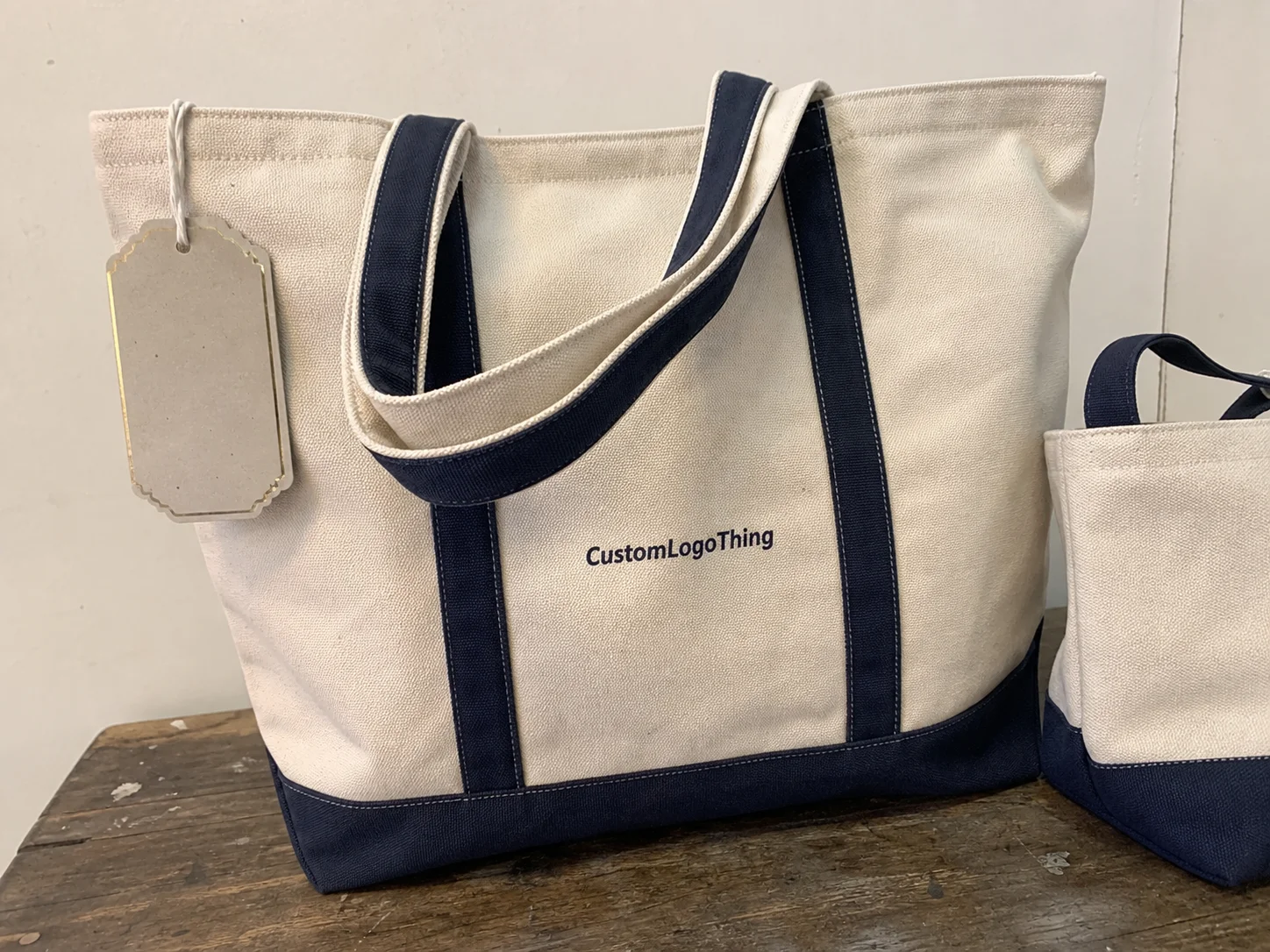
The beach is a rough test environment. Sand gets into closures, sunscreen transfers onto panels, and damp fabric can sit in the bag longer than anyone planned. That means the first question is not decoration. It is whether the base product can survive repeated use without looking tired.
For most buyers, the useful definition is simple: a carry bag built for beach conditions, then customized with a name, initials, logo, or artwork for retail, gifting, or promotion. The base bag can be a tote, a clear fashion-style carry, a more structured shell, or a hybrid with a firmer body and softer trim. The right choice depends on what the customer is actually carrying and how long the bag needs to stay in circulation.
If the product needs to handle real use, prioritize wipe-clean materials, reinforced stress points, and a bottom that stays flat under load. A pretty silhouette is not enough. A beach bag with weak stitching and a sagging base is just a short-lived accessory with optimism issues.
Capacity is one of the first traps buyers fall into. A bag that fits a towel and a sunscreen bottle is fine for one person. It is not fine for a parent, a resort guest, or a retail customer expecting to pack shoes, snacks, and a second outfit. The spec should describe what the bag needs to hold, not just its external dimensions.
How customization works without the fluff
Customization starts with the base material and shape. A flat-front tote gives you a cleaner print field. A gusseted or curved surface needs tighter placement control, because seams, folds, and zippers compete with the artwork. That is why a serious supplier asks about both the bag style and the design before quoting. If they do not, you end up doing the engineering for them.
The next decision is the decoration method. Screen print is usually the most efficient choice for simple logos and short color counts. Heat transfer can handle finer detail, but it has to match the substrate or the finish looks awkward. Embossing works on certain plastics when you want a lower-key premium feel. Applied patches and woven labels are useful when the brand needs texture and the rest of the design stays restrained.
Not every method works on every surface. Transparent PVC, for example, can look sharp with a minimal logo, but scratches and scuffs show more easily than they do on opaque materials. EVA gives a cleaner, more structured feel, but it costs more and needs the right wall thickness to avoid feeling flimsy. Woven PP is practical and strong, though it only feels premium if the print and trim choices are disciplined. Laminated nonwoven is often the lowest-cost route, but it can read as disposable if the design tries too hard.
Artwork prep matters more than most buyers expect. Clean vector files, limited colors, and good contrast usually print better and cost less than layered graphics with tiny type. Thin lines, gradients, and shadow effects increase proofing time and raise the odds that the final product will need compromise. A supplier can work with imperfect files. The bag will still expose the problems.
Ask for a digital mockup before production. It is the fastest way to catch logo size, placement, and obvious color mistakes. It is not a substitute for a sample, though. A mockup shows intent. It does not show handle feel, stiffness, seam quality, or how the print behaves when the material bends.
A mockup confirms the design direction. It does not tell you whether the bag carries weight comfortably or whether the print will crack after a few weeks of real use.
If the bag is meant for retail, think about the whole presentation. A barcode label, insert card, or hang tag often does more for shelf appeal than extra print coverage. That is especially true when the product already has a strong silhouette. Clear packaging notes also help the factory avoid guesswork later.
Materials that hold up, and ones that don't
There is no single best material. There is only a material that matches the use case and price target.
Common options include PVC, EVA, woven PP, and laminated nonwoven structures. In practical terms, PVC is attractive when you want a clean, fashion-forward look and water resistance. It can scratch and show wear sooner than buyers expect if the wall thickness is too light or the finish is too glossy. EVA is a better fit when the bag needs more structure and a slightly softer hand feel, but the cost rises with thickness and finish quality. Woven PP is strong, stable, and usually efficient for medium-price retail or promotional programs. Laminated nonwoven tends to be the budget choice, which is fine as long as the design does not pretend to be something it is not.
For reference, common production specs often sit in these bands: PVC around 0.3 to 0.5 mm for lighter fashion builds, EVA around 1.0 to 2.0 mm for more structure, woven PP around 80 to 120 gsm depending on the target price, and laminated nonwoven in roughly the 80 to 140 gsm range. These are not fixed rules. They are starting points. Handle reinforcement, seams, and gussets can matter more than raw thickness if the bag is supposed to carry real weight.
The finish also changes how the product reads. Matte surfaces hide scuffs better than glossy ones. Clear materials show contents, which is useful when the customer wants a visible, modern look, but it also means the inside has to be tidy. A messy interior kills the premium effect fast. So does a crooked zipper. So does uneven edge sealing. These are the details buyers notice once the samples are in hand.
Some materials tolerate heat and moisture better than others. That matters if the bag is going into a hotel shop, a resort program, or a summer retail launch where it will sit in warm conditions before sale. Cheap plastics can soften, warp, or smell off if the formulation is poor. If the supplier cannot speak clearly about the material grade and finish, that is a warning sign, not a curiosity.
Spec details that change comfort and shelf appeal
Handle design changes the customer experience more than most decorative features do. Wider straps spread weight better. A longer drop helps with shoulder carry. Reinforced stitching at the anchor point matters if the bag is going to hold bottles, shoes, or a damp towel. A beautiful handle that digs into skin is still a bad handle.
Closures deserve more attention than they get. Open-top bags are simple and usually cheaper, but they are also easier to spill and harder to secure in transit. Zippers add cost and labor, and they can become a weak point if the pull, tape, or stitching is under-spec. Magnetic snaps, hook-and-loop closures, and drawstring tops each have their place, but only if the beach conditions make sense for them. Sand and moisture are not friendly to fiddly hardware.
Interior structure is another quiet cost driver. A bottom insert keeps the bag standing and stops the base from sagging when it is loaded unevenly. Inner pockets are useful when the bag is sold as a lifestyle piece, but they can also add sewing complexity and raise the rejection rate if the factory is rushing. If the customer only needs one big open compartment, do not invent extra features to justify the design.
Shelf appeal still matters, and overdecoration is the fastest way to ruin it. One clean hero panel usually looks better than print on every exposed surface. Buyers notice balance. They also notice clutter. A design with a clear focal point tends to read as more premium than one that is trying to fill every inch of material with brand assets.
For transit performance, ask how the bags will be packed and tested. Carton compression, corner crush, and drop resistance all affect what arrives at the warehouse. If the packaging is being used for retail display, the outer carton still has to survive shipping. Testing aligned with common transit benchmarks such as ISTA-style drop and vibration checks is a sensible way to avoid discovering damaged stock after the freight is paid for.
Build a quote-ready spec
Better quotes come from better briefs. Vague instructions produce vague pricing, and then everyone pretends the missing details were obvious. They were not.
- Define the use case. State whether the bag is for retail, gifting, promotional resale, resort sales, or event use. The quality target changes with each one.
- Lock the dimensions and capacity target. Give the supplier the type of items the bag needs to hold, not just width and height.
- Choose the decoration zone. Specify front panel, side panel, both sides, or a limited logo area. Add the color count and file type if you have it.
- Confirm the build details. Handle style, strap length, closure type, gusset depth, bottom insert, and pocket count should all be named up front.
- Send the packaging requirements. If you need retail polybags, hang tags, barcode labels, master carton markings, or palletization rules, include those before the quote goes out.
- Request proofing and sampling. A digital proof gets the layout right. A physical sample tells you what the bag actually feels like.
The strongest brief includes quantity, size, material preference, decoration method, artwork files, lead time target, packaging requirements, and shipping destination. That is enough to get a useful number back. Anything less and the supplier is filling in the blanks with assumptions.
If sustainability claims matter, make sure they are supported by the actual build. A brand story about responsible packaging does not hold up very long if the bag itself is fine but the shipping pack is overwrapped and the inserts are oversized. Buyers see the contradiction immediately. So do consumers.
Pricing: real ranges and what moves them
Material choice is the main cost driver. Simple laminated nonwoven and lighter woven PP builds usually sit at the low end. Structured EVA and polished PVC move up quickly. That is normal. Better finishes, stronger walls, cleaner edge work, and more complex decoration all cost money.
Decoration complexity is the next variable. One-color screen print is usually the cheapest route. Multi-color art, special inks, embossed details, and all-over coverage raise setup and labor costs. If the artwork is busy, the supplier may also need more proof rounds. That adds time even when the quote does not make it obvious.
MOQ affects pricing in a blunt way. Lower quantities almost always mean a higher unit cost. The real question is whether the landed cost still works after sampling, freight, packing, and any setup charges. A low sticker price is not helpful if the final number comes apart after freight gets added.
Here is a practical pricing snapshot for common Custom Beach Tote structures:
| Option | Typical unit cost at 1,000 | Typical unit cost at 5,000 | Best use case |
|---|---|---|---|
| Laminated nonwoven tote | $0.65 - $1.25 | $0.38 - $0.78 | Promotions, entry retail, lighter carry loads |
| Woven PP beach bag | $1.20 - $2.10 | $0.72 - $1.25 | Stronger carry, simpler branding, value retail |
| PVC clear tote | $1.80 - $3.50 | $1.05 - $2.20 | Fashion-led programs, visible contents, water resistance |
| EVA structured bag | $2.20 - $4.25 | $1.40 - $2.80 | Premium retail, better shelf shape, cleaner finish |
Ask for tiered quotes at several quantities. That exposes the breakpoints. Sometimes the drop from 1,000 to 3,000 units is meaningful enough to justify a bigger order. Sometimes it is not. You cannot know from one line item in one email.
Also ask what the quote actually includes. Is it ex-works, FOB, or delivered? Are samples charged? Is the setup fee included? Does the price cover cartons and labels or only loose goods? The headline number means very little until those details are pinned down.
Timeline and production checkpoints
The process usually runs in this order: brief, proof, sample, production, inspection, packing, shipping. If a supplier cannot explain those steps clearly, keep moving. Good production should be boring. Predictable beats dramatic.
Simple stock shapes with standard print methods move faster than custom molds or detailed decoration. A straightforward order may take 12 to 18 business days after proof approval. More customized work can stretch several weeks longer, especially if the material needs sourcing or the artwork needs rework. If the order is tied to a summer launch, leave room for sampling and freight. That buffer disappears faster than buyers expect.
Most delays are avoidable. Missing artwork files, slow approvals, and late changes to placement or color cause far more trouble than the factory usually does. Once the proof is approved, the supplier is building to that version. If the team keeps shifting the brief, the schedule slides. That is not bad luck. It is process.
A useful quality-control checklist covers seam strength, print adhesion, handle reinforcement, zipper function, color tolerance, material thickness, and carton labeling. For larger runs, ask about inline checks and final inspection criteria. AQL-style inspection is common in many categories because it gives both sides a clearer standard. If the supplier cannot tell you how defects are counted, that is another warning sign.
Sampling deserves more respect than it usually gets. Even a basic physical sample can expose problems with handle comfort, stiffness, edge sealing, or print alignment. It is much cheaper to fix one sample than to fix a thousand finished units. That is the part people understand after the mistake, not before it.
Mistakes that make good bags look cheap
The biggest mistake is choosing style before function. A cute shape that cannot hold weight or resist moisture is a short-term win and a long-term problem. It may look good on a mockup. It will look less good when the bottom bows out and the zipper catches sand.
Skipping samples is another expensive habit. A mockup cannot tell you how the material flexes, how the print adheres, or whether the handle feels thin under load. If the order matters, sample it. If the order is large, sample it twice if needed. The cost of checking is lower than the cost of replacing bad stock.
Overcomplicated artwork also hurts the product. Tiny type, too many colors, crowded layouts, and competing logos all reduce readability. Beach bags need distance readability. If the branding only works when someone is standing six inches away, the design is doing the wrong job.
Ignoring the use environment causes avoidable damage. Beach use means heat, salt, sand, and moisture. That is a different world from dry indoor retail display. Materials, closures, and hardware need to reflect that reality. Cheap components can fail in ways that are obvious and embarrassing. Rusted metal, weak bonding, and warped surfaces are easy to spot.
Packaging mistakes are just as visible to a warehouse as design mistakes are to a consumer. Wrong carton counts, missing barcode labels, loose inner packing, and inconsistent markings create receiving delays and add labor. Those are not small problems when the shipment is going straight into retail distribution.
Practical buying notes
One strong hero panel is usually enough. It keeps the bag readable, avoids visual clutter, and reduces decoration cost. That simple decision often improves the final product more than adding another print location ever would.
Ask for a quote ladder instead of a single number. Comparing pricing at 500, 1,000, 3,000, and 5,000 units makes the economics easier to read. A buyer who can see the breakpoints can make an actual decision. A buyer who gets one price gets an opinion with decimals.
If the product is going to retail, align the bag, insert, hang tag, and outer pack with the same brand level. A premium bag stuffed into low-effort packaging undermines itself. If the product is utility-first, keep the package simple and cost-controlled. Either route works. Mixed signals do not.
For personalized beach bags for women, the best orders usually start with a clear use case, a clean material choice, one controlled decoration area, and a sample approved before production ramps up. That is the shortest path to a product that looks intentional, holds up under use, and does not turn into an inventory problem.
What materials work best for custom beach bags for women?
Wipe-clean materials such as PVC, EVA, woven PP, and laminated nonwoven are the common choices. The best option depends on whether the bag is meant for promotional use, retail, gifting, or heavier daily carry. Structure, finish, and price all move together.
How do I keep personalized beach bag pricing under control?
Limit color count, keep the decoration to one main panel, and avoid unnecessary special finishes. Ask for tiered pricing so you can see how the unit cost changes at different volumes. That is usually where the real buying decision lives.
What MOQ should I expect for personalized beach bags for women?
MOQ depends on the material, decoration method, and whether the bag is stock or fully custom. Stock styles usually support lower minimums. Custom shapes, special hardware, and detailed decoration tend to push the minimum higher.
How long does production usually take for custom beach bags?
Simple orders can move through proofing and production in roughly 12 to 18 business days after approval. More customized work takes longer, especially if materials need sourcing or the artwork needs revision. Sampling and freight should be built into the schedule.
What should I send before requesting a quote?
Send the target quantity, bag dimensions, use case, artwork file, material preference, decoration method, packaging needs, and deadline. If you have label or carton requirements, include those too. A complete brief gets a cleaner quote and fewer surprises later.

