Buyer Fit Snapshot
| Best fit | Personalized Candle Boxes with Sleeve projects where brand print, material claims, artwork control, MOQ, and repeat-order consistency need to be specified before quoting. |
|---|---|
| Quote inputs | Share finished size, material target, print colors, finish, packing count, annual reorder estimate, ship-to region, and any compliance wording. |
| Proofing check | Approve dieline scale, logo placement, barcode or warning zones, color tolerance, closure strength, and carton packing before bulk production. |
| Main risk | Vague material claims, crowded artwork, missing packing details, or unclear freight terms can make a low unit price expensive after revisions. |
Fast answer: Personalized Candle Boxes with Sleeve: Design and Use should be specified like a repeatable production item. The safest quote records material, print method, finish, artwork proof, packing count, and reorder notes in one written spec.
Production checks before approval
Compare the actual filled-product size with the drawing, then confirm tolerance on folds, seals, hang holes, label areas, and retail display edges. Reserve space for logos, QR codes, warning copy, and material claims before decorative graphics fill the panel.
Quote comparison points
Review material grade, print process, finish, sampling route, tooling charges, carton quantity, and freight assumptions side by side. A quote is only useful when the supplier can repeat the same color, closure quality, and packing count on the next order.
When a retailer picks up Personalized Candle Boxes with sleeve, the first thing I notice is usually not the print, not the foil, and not even the candle itself. It is the friction of the sleeve sliding over the inner carton, that small controlled resistance that tells the hand, “this is a premium piece.” I have watched buyers in showrooms go quiet for a second when that fit feels right, and honestly, that tiny detail can do more to lift perceived value than a loud graphic ever will. The funny part? People will spend three weeks arguing about a logo shade and then fall in love with the box because the sleeve feels expensive. Humans are weird like that, and in a 5,000-piece candle launch, that little tactile moment can be the difference between a $0.42 box and a $1.18 one.
At Custom Logo Things, I think the real strength of Personalized Candle Boxes with sleeve is how they handle presentation and protection without trying too hard. You get a branded outer face, a snug inner carton, and a reveal moment that works beautifully for jar candles, tumbler candles, and seasonal gift sets. It is a format that keeps earning shelf space because it does three jobs at once: it looks polished, it protects the product, and it gives the customer something memorable to open. I like that. Packaging should earn its keep, especially when a 350gsm C1S artboard sleeve can be printed, scored, and delivered from Shenzhen or Dongguan in a fairly tight production window.
I have seen this play out on factory floors from small offset jobs in Guangdong to higher-end rigid packaging lines where a sleeve was the difference between “nice box” and “luxury package.” One buyer once told me the sleeve felt like “the jacket on a good suit,” and that stuck with me because it is exactly how many brands use it. The box does the structural work; the sleeve tells the story. I remember standing beside a finishing line in Dongguan while a plant manager ran his thumb along a sample and said, “If it catches here, it catches in retail too.” He was right, annoyingly so. That same plant was turning around mid-tier orders in 12-15 business days from proof approval, which is the kind of timeline procurement people actually plan around.
Personalized Candle Boxes with Sleeve: What They Are and Why They Work
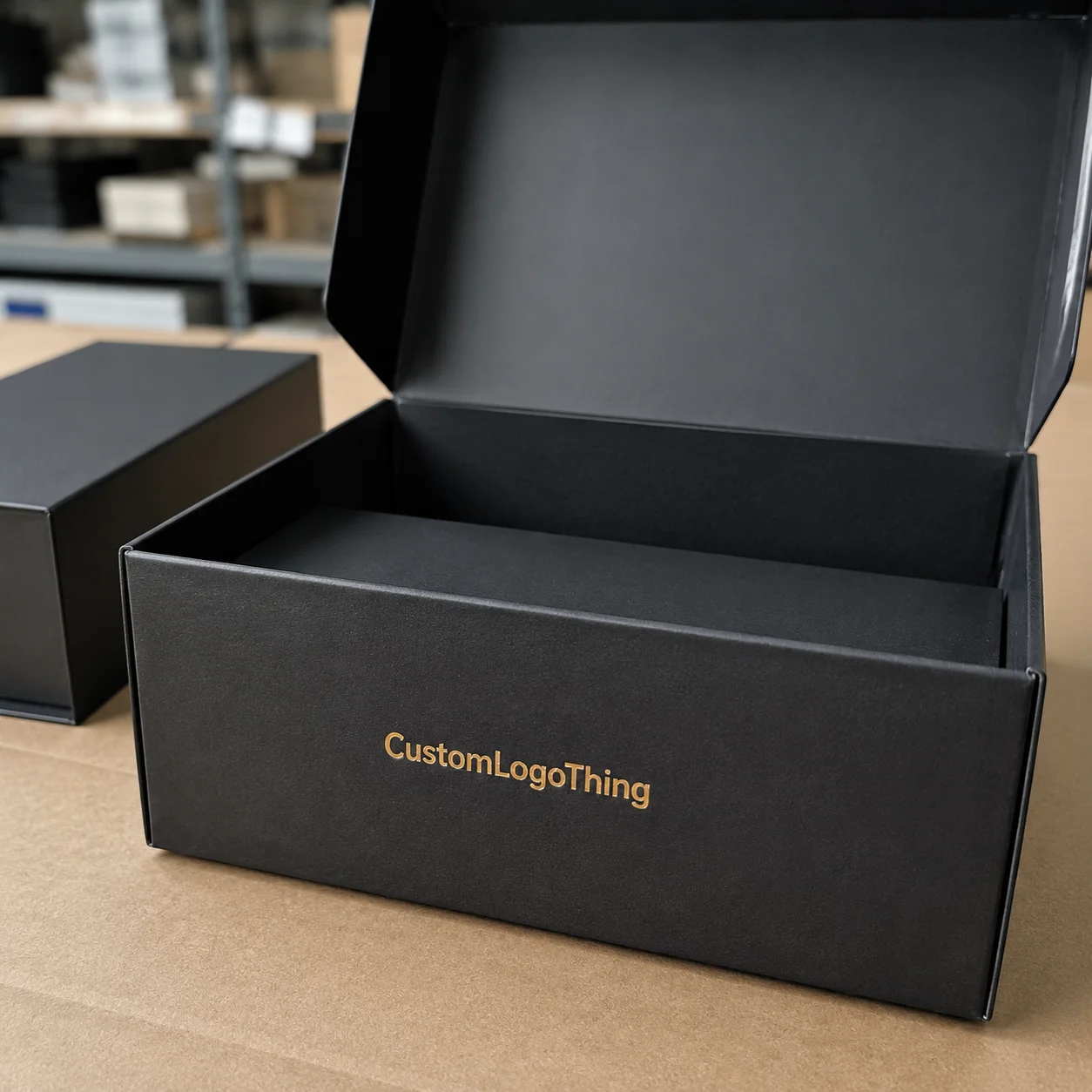
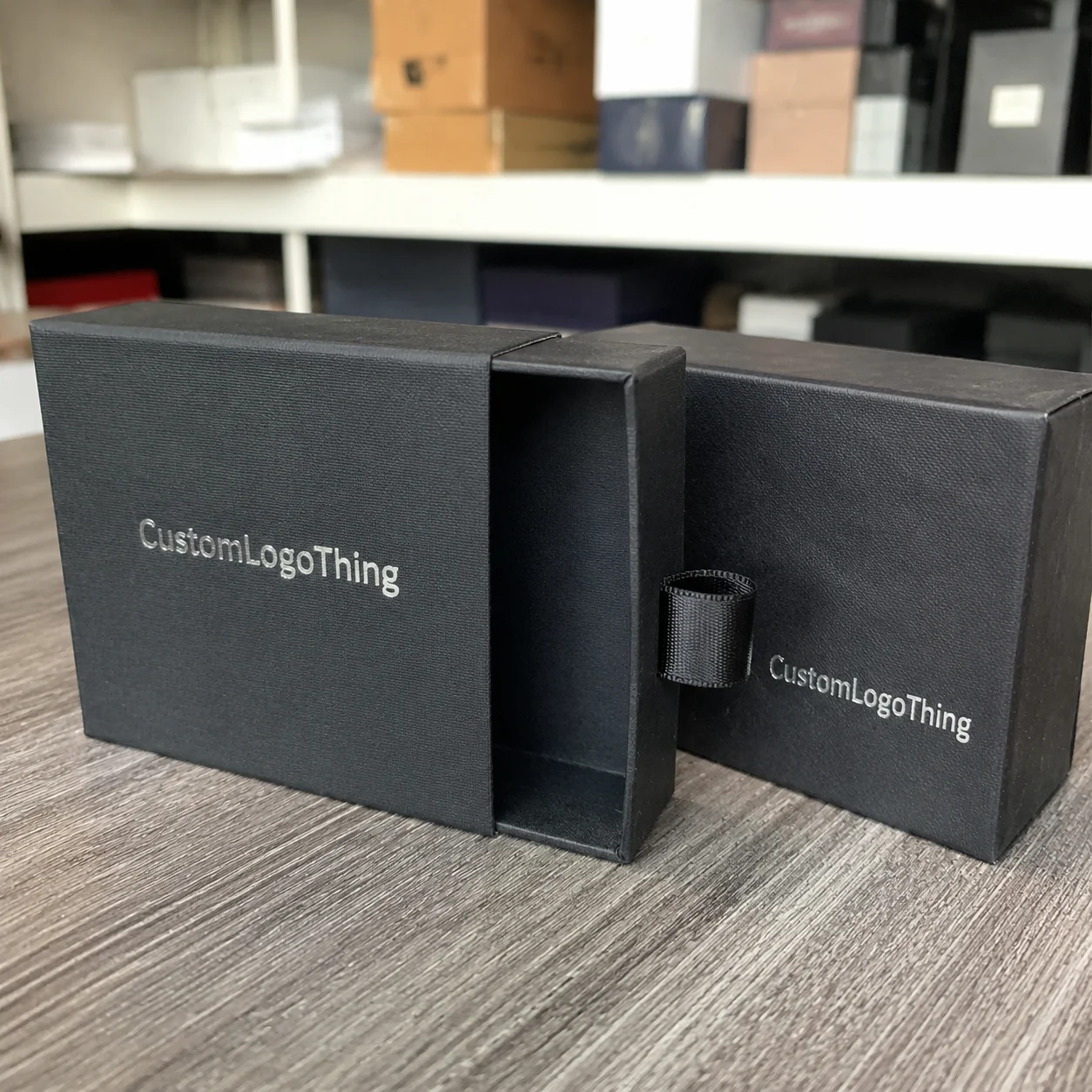
Personalized candle boxes with sleeve are a two-part packaging format: an inner carton or rigid box holds the candle, and an outer sleeve slides around it to add branding, protection, and visual impact. That sleeve can be printed on one side or all sides, and because it moves independently from the main box, it gives designers plenty of room to create a reveal that feels deliberate rather than accidental. On the line, that structure also helps with dust protection and stacking, especially for candles stored in warehouse conditions where cartons can sit for 30 to 60 days before shipping. I’ve seen warehouses that looked neat on Monday and like a cardboard tornado hit them by Friday, so yes, that dust protection matters.
In my experience, the reason this style works so well for jar candles and tumbler candles is simple: candle buying is emotional. People buy scents for mood, gift-giving, home styling, and seasonal displays, so the packaging has to do more than survive transit. personalized candle boxes with sleeve create a moment of anticipation, and that matters whether the candle is headed to a boutique shelf in Austin, a subscription box in Chicago, or a holiday display endcap in New York. Honestly, the unboxing is part of the product now. Pretending otherwise is just bad retail math, and bad retail math gets you stuck with too much inventory in Q4.
Here is what most people get wrong: they think the sleeve is just decoration. It is not. It is the visible part of the packaging system, the place where the brand story, fragrance cue, compliance copy, and visual identity all meet. A well-fitted sleeve can make personalized candle boxes with sleeve feel premium before the lid is even opened, and that is why luxury fragrance houses and boutique candle makers use this format so often. I’ve had buyers tell me they could “feel the price” before they even saw the candle. That’s the sleeve doing its job, especially when the print is on 157gsm art paper wrapped over a 400gsm inner carton.
“On a good candle pack, the sleeve should feel like it belongs there by 0.5 mm, not by luck.” I heard a senior die-cutter say something like that in a Shenzhen plant, and after 20 years on factory floors, I still agree with him.
The format also gives brands more flexibility. If you sell a core candle line with seasonal scents, you can keep the inner carton consistent and swap sleeves for holiday artwork, limited-edition collaborations, or retail promotions. That saves inventory headaches and makes personalized candle boxes with sleeve especially attractive for brands with multiple SKUs. I’ve sat through enough supplier meetings to know that inventory simplicity is not glamorous, but it keeps procurement people from developing eye twitches. In practical terms, one standardized carton and three sleeve designs can cut tooling and storage complexity by 20% or more compared with three fully separate box builds.
For brands wanting a broader packaging program, I often recommend reviewing Custom Packaging Products alongside sleeve boxes, because the sleeve rarely stands alone in a real production schedule. It usually needs matching inserts, shipping cartons, labels, and sometimes display-ready outer packs, especially if you are building a 2,500-piece launch for a regional retailer in California or Texas.
According to industry resources from the ISTA, packaging should be tested as a system, not as a single component. That matters here because a beautiful sleeve is only useful if it still performs after vibration, compression, and drop handling on a route from Shenzhen to Los Angeles or from Ningbo to Rotterdam.
So yes, personalized candle boxes with sleeve look elegant. More than that, they are practical, scalable, and easier to brand consistently than many people realize.
How Personalized Candle Boxes with Sleeve Are Made
Making personalized candle boxes with sleeve starts long before ink hits board. It begins with a dieline, and that dieline has to account for the candle vessel, the carton board thickness, the sleeve wrap, and the actual behavior of the materials once they are folded and glued. I have watched teams make the mistake of approving artwork before checking the structural fit, and that is how you end up with sleeves that bind, scuff, or hang too loose on the shelf. It drives me nuts every time because it is such a preventable mess, especially when a 2 mm error turns into a 20,000-unit headache in a plant outside Dongguan.
For the inner box, common material choices include SBS paperboard for sharp print quality, kraft board for a natural handmade look, and rigid chipboard when the brand wants a heavier, more gift-like presentation. For the sleeve, printed paper stock is common, often 157gsm art paper wrapped around a board or carton base depending on the style. If the design calls for crisp color and strong brand imagery, coated stock usually holds fine detail better than uncoated paper. I personally prefer coated stock for bold shelf graphics, but if the brand wants that earthy, artisan thing, kraft can look great too—as long as they don’t try to cram a neon rainbow onto it. Please don’t. A better middle ground for many brands is 350gsm C1S artboard for the outer sleeve, which prints cleanly and still folds with enough stiffness to feel substantial.
The production sequence is usually straightforward, though the precision matters. First, the design team confirms the finished size. Then the plant creates the cutting die and scoring rules. After that, printing happens through offset for larger runs or digital for shorter runs and variable artwork. Once sheets are printed, they move into lamination, foil stamping, spot UV, embossing, or debossing if specified. Then comes die-cutting, gluing, folding, and sleeve fitting. Sounds simple on paper. On the floor, it is a thousand tiny decisions and one very loud machine, usually running in shifts from 8 a.m. to 10 p.m. in a packaging plant near Shenzhen.
When I visited a folding-carton plant near Suzhou, the supervisor kept a caliper on the packing table and measured every tenth sleeve because the board thickness was drifting by just 0.08 mm between batches. That sounds small, but in personalized candle boxes with sleeve, it can be enough to change how the sleeve slides. Small deviations create big headaches when you are building tens of thousands of units. I remember one batch where everyone swore the drawings were right. They were. The humidity wasn’t. Packaging loves to punish optimism, especially in coastal factories where the relative humidity can jump from 55% to 78% in a single afternoon.
Good sleeve fit depends on tolerance control. The sleeve usually needs a touch of clearance, but not so much that it feels loose or cheap. A properly engineered personalized candle box with sleeve will glide without rattling, and that balance comes from clean score lines, stable humidity during production, and a board thickness spec that stays consistent from one lot to the next. I usually ask for a tolerance window of ±0.5 mm on the sleeve width and ±1 mm on the finished carton, because that is tight enough to feel premium without making assembly miserable.
Finishing choices are where these boxes really start to separate themselves. A matte lamination can calm the design and make colors feel richer. Soft-touch coating gives the sleeve a velvety hand feel that works especially well for boutique candle brands. Foil stamping adds a crisp metallic accent, while spot UV can highlight a logo or scent name without flooding the entire panel with shine. Embossing and debossing add tactile depth, which is useful if you want personalized candle boxes with sleeve to feel special even before the candle is removed. I’m biased, but a small foil hit on the logo usually beats a giant shiny mess trying to scream “luxury.” Subtle wins, and on a 10,000-piece order that subtle finish often adds only $0.07 to $0.18 per unit, which is a lot easier to swallow than a full metallic flood.
The print workflow also matters for color consistency. Offset printing is still the best choice for large production runs when Pantone matching matters, especially if your candle line has fixed brand colors that must look identical from one fragrance to the next. Digital printing is often better for smaller batches, test launches, or seasonal artwork where changing graphics are expected. I have seen brands save both time and money by printing the sleeve digitally while keeping the structural carton standardized. That combo is practical, not flashy—and practical is good when deadlines are staring at you. On a 500-piece test run, digital can be the difference between a $0.95 unit and a $0.62 unit, depending on finish and supplier location in Guangdong or Zhejiang.
For packaging standards and materials guidance, the Institute of Packaging Professionals is a useful reference point, especially when you are comparing board grades, print methods, and test requirements. I also like to remind clients that FSC-certified paper options are available if the sustainability story matters to the brand. The right certification can support both marketing and procurement goals, provided the supply chain paperwork is in order. And yes, the paperwork will absolutely show up at the worst possible time if you ignore it, usually two days before final approval in a plant outside Guangzhou.
In practice, personalized candle boxes with sleeve are made best when the design, the substrate, and the production method are all chosen together, not separately. That is where a lot of packaging programs succeed or fail. Separate decisions are how people end up with a gorgeous concept that cannot survive a real production line.
Key Factors That Affect Cost, Pricing, and Lead Time
The cost of personalized candle boxes with sleeve can vary a lot, and anyone who gives you a single blanket price without asking size or finish questions is guessing. Material choice is usually the biggest driver. A simple kraft sleeve over a folding carton will price very differently from a rigid chipboard set with foil, embossing, and a custom insert. Print coverage matters too, because a full-bleed four-color design costs more than a one-color logo on natural board. A basic 3,000-piece run in Guangdong can start around $0.28 to $0.45 per unit, while a premium rigid version out of Dongguan can land closer to $1.65 to $3.90 per unit depending on inserts and finishing.
Quantity is another major factor. A run of 3,000 units often carries a higher unit price than 20,000 because setup, die-making, proofing, and press calibration are spread across fewer boxes. In one buyer meeting I remember, the unit price dropped almost 28% when the order went from 5,000 to 15,000 pieces, simply because the tooling and press setup were no longer being amortized over a small run. That is standard packaging economics, not a sales trick. It is also the part no one wants to hear when they’re hoping for a miracle quote. For example, one Shenzhen supplier quoted $0.15 per unit for 5,000 pieces on a simple sleeve-only structure, then $0.11 per unit at 10,000 pieces after the die and press setup were already absorbed.
| Option | Typical Material | Relative Unit Cost | Best Use Case |
|---|---|---|---|
| Simple retail sleeve box | 350gsm SBS, 4-color print | $0.30-$0.70/unit | Entry-level boutique candles and mass retail |
| Branded premium sleeve box | 450gsm board, matte lamination, spot UV | $0.75-$1.40/unit | Mid-tier gift candles and seasonal sets |
| Luxury rigid sleeve set | Chipboard rigid box, soft-touch, foil, insert | $1.80-$4.50/unit | High-end fragrance lines and holiday gifting |
Those numbers are directional, not universal, because freight, carton dimensions, and finish complexity can move them up or down. Still, they give a realistic feel for how personalized candle boxes with sleeve scale from economical to luxury. If you need a specific quote, the plant will need your exact size, artwork coverage, and target quantity. If someone doesn’t ask those questions, I’d be suspicious. Very suspicious. I would also ask whether the factory is in Shenzhen, Dongguan, or Ningbo, because location changes labor, material access, and shipping cost in ways buyers often forget.
Lead time is affected by more than printing speed. Dieline approval can take 1-3 business days if the structure is simple, or longer if the candle vessel is new and needs a few fit revisions. Artwork revisions can also add time, especially when legal text, scent copy, and barcode placement are still being finalized. Then you have proofing, printing, finishing, die-cutting, assembly, and packed-carton inspection. A straightforward job might ship in 12-15 business days from proof approval, while a more complex luxury order may need 20-30 business days. If the factory is in East China and the finish package includes foil plus soft-touch coating, I usually tell clients to plan on the longer end, not the optimistic one.
There are also hidden cost triggers. Custom inserts add material and labor. Window cutouts increase tooling complexity. Multiple SKUs increase setup time if each fragrance uses different artwork. Last-minute changes to scent names, safety warnings, or UPC placement can slow everything down because the press or die lines may need to be reset. I have seen a seemingly small label update push a candle order back five days simply because the barcode zone moved 8 mm and had to be rechecked on every panel. Packaging is deeply offended by “just one small change.”
If you are building personalized candle boxes with sleeve for retail, it is smart to ask for a full landed estimate that includes packaging, inserts, and shipping cartons. A low quote on the outer box alone can be misleading if the rest of the system is not priced yet. I usually push for a complete landed cost from the factory in Shenzhen or Ningbo, plus ocean freight to the destination port, because a beautiful quote that ignores freight is not a real quote.
My honest opinion? The cheapest option is not always the best value. A slightly stronger board and a better-fitting sleeve can reduce returns, improve shelf appearance, and make assembly faster, which is worth real money on the packing line. I would rather pay a little more than explain to a buyer why the sleeves are sticking like glue in humid weather. If a 0.2 mm increase in board thickness keeps a 20,000-unit run from warping in July, that extra cost pays for itself fast.
Step-by-Step Guide to Designing Personalized Candle Boxes with Sleeve
Designing personalized candle boxes with sleeve should start with the candle, not the artwork. Measure the jar height, diameter, lid style, and any extra clearance needed for a dust cover, wick snuffer, or insert. I always tell clients to measure with a caliper if possible, because a candle vessel that looks “about 3 inches wide” on a desk can actually vary by 2 to 4 mm across suppliers, and that difference matters when the sleeve has to fit cleanly. Guessing here is how people end up with a box that looks perfect in a PDF and miserable on a table, especially if the product is moving between manufacturers in Guangzhou and a fulfillment center in California.
Once the product dimensions are locked, choose the structural format based on use case. A folding carton with sleeve is often ideal for retail and higher-volume programs. A rigid box with sleeve makes more sense for premium gifting and seasonal collections. Subscription brands may prioritize flat-packed efficiency, while boutique candle makers may prefer a slightly heavier board that feels more handcrafted. There is no single correct answer; the right choice depends on how the candle will move through the supply chain. For a 5,000-piece run, a folding carton might save $0.20 to $0.40 per unit compared with rigid board, which is a real difference when the margin is thin.
Next, map the graphics. The front panel of the sleeve should usually carry the brand mark, scent name, and the visual hook. The back panel can hold compliance details, fragrance notes, and brand story. Side panels can extend a pattern, a texture, or a color field, but I would avoid cluttering every surface. Strong personalized candle boxes with sleeve usually have one dominant idea and enough white space to let it breathe. If everything is shouting, nothing is selling. I have seen a 4-color artwork file ruin a good box because nobody had the nerve to leave 15% of the panel quiet.
For brands aiming at a natural look, kraft stock with black or dark brown ink can feel honest and warm. For boutique luxury, coated art paper with foil accents and soft-touch lamination works well, especially on floral, amber, oud, or sandalwood lines. The finish should match the fragrance story. If the scent is herbal and earthy, a bright mirror foil may feel off. If the candle is positioned as a high-end gift, a matte sleeve with restrained metallic detail often looks more expensive than glossy printing everywhere. I’ve had to talk brands out of “more shine” more times than I can count, and the better-looking boxes almost always used fewer effects, not more.
Then comes the structural proof. This is the part I never skip. A prototype or sample tells you whether the sleeve binds, whether the carton bulges, whether the candle rattles, and whether the retail shelf presentation matches what was mocked up on screen. It also lets you check whether the opening action feels smooth enough for the brand experience you want. For personalized candle boxes with sleeve, that reveal needs to feel controlled, not fussy. In most factories, I ask for a physical sample after the dieline is approved and before the final press run starts, because fixing the issue at that stage costs maybe $25 to $80, not thousands.
Here is a simple design sequence I use with clients:
- Confirm candle dimensions and weight.
- Choose carton style and sleeve board.
- Set artwork zones for front, back, and sides.
- Review finish options and Pantone targets.
- Request a sample and test the fit.
- Approve final dieline and production proof.
I worked with one home-fragrance brand that sold 9 oz glass jars in a holiday market, and the owner kept wanting to enlarge the logo until the scent name was nearly unreadable. We fixed it by shifting the logo to the top panel and using the sleeve’s side face for a subtle pattern repeat. The result looked calmer, and the boxes moved faster at retail because the name of the fragrance was visible from three feet away. That is the kind of practical improvement good packaging makes. Sometimes the smartest design decision is the one that lets the customer read the dang thing, especially when the shelf set in Denver is already crowded with ten similar jars.
For the actual print file, remember to leave enough bleed, keep barcode contrast high, and use vector text for small legal copy. It sounds basic, but I have seen more packaging delays from tiny copy errors than from structural issues. Personalized candle boxes with sleeve need both the romance and the compliance to be right. If a safety line is off by one word or the UPC is shifted 4 mm too far left, the whole run can stall at proof stage.
If your packaging vendor offers FSC papers, ask for documentation early, especially if your retailer requests sourcing proof. A candle box can look beautiful and still fail procurement review if the paperwork trail is incomplete. That happens more often than people admit, usually right before a launch in a chain store with a very unfun compliance team.
Common Mistakes to Avoid with Personalized Candle Boxes with Sleeve
The most common mistake with personalized candle boxes with sleeve is making the sleeve too tight. When the fit is overly aggressive, it can scuff print, slow down packing, and turn what should be a satisfying reveal into a frustrating tug-of-war. On a hand-assembly line, that can reduce output in a very real way, especially if workers have to force each unit open and closed. I’ve seen people get genuinely annoyed by a box. That is not the brand emotion you want, particularly if your line is supposed to ship 8,000 units from a factory in Dongguan in less than two weeks.
Another mistake is overdesigning every panel. A sleeve is not a billboard. If every face carries a different texture, slogan, icon, and pattern, the package starts to feel busy instead of premium. I have seen brands spend money on five design elements when one strong visual and one crisp logo would have done the job better. For personalized candle boxes with sleeve, restraint usually reads as confidence. Loud doesn’t always mean luxurious. Sometimes it just means someone had too much coffee and no editor, which is apparently a very common marketing strategy.
Board selection also gets ignored more often than it should. A lightweight board can look fine in a render and fail in real handling, especially if the candle is heavy or the shipper is rough. Crushed corners, warped sleeves, and sagging cartons are not just cosmetic problems; they can lead to returns and a bad first impression. If the candle is glass and the shipping route is long, a better board grade is usually the safer bet. I would rather have a slightly thicker carton than an inbox full of angry photos, and a 400gsm board often survives a lot better than 300gsm stock on export routes through humid ports.
Adhesive and coating compatibility are another technical trap. Textured papers, rich dark colors, soft-touch coatings, and foil layers all behave differently during production. If the glue is not matched correctly, a sleeve might lift at the seam or show a slight wrinkle after curing. The same goes for ink on uncoated stock, where deep black coverage can look uneven if the substrate drinks too much pigment. I once watched a plant in Shenzhen scrap 600 sleeves because the glue line and coating finish disagreed with each other like two suppliers in the same meeting.
Finally, do not finalize artwork before checking the legal copy. Candle warning statements, country of origin, scent labeling, and barcode placement all need to be verified before the print run starts. I once saw a batch of 8,000 boxes held because the warning language was approved from a different fragrance line and failed the client’s compliance review at the last minute. The printing was fine. The information wasn’t. That kind of error makes everyone stare at the ceiling like the answer might magically appear there. It does not.
One of the reasons I trust a sample-first approach is that it exposes these problems early. A good supplier will make room for that. A rushed one will promise the moon and then ask questions in the middle of production, usually after the machine has already been booked for three other jobs in Shanghai or Suzhou.
Expert Tips for Better Branding, Protection, and Shelf Appeal
If you want personalized candle boxes with sleeve to work harder for your brand, start by treating the sleeve as a storytelling surface, not just a print area. I like to see one strong image, one clear logo, and one memorable line that tells the customer what kind of experience the candle promises. That could be “warm cedar and smoked vanilla” or “hand-poured citrus for bright mornings,” depending on the line. Clarity sells better than decoration alone. People do not need a poetry slam on the box. They need to know what they are buying, and they need to know it fast when they are standing three feet from a shelf in a store in Dallas.
Material tone should match the scent and the brand promise. For herbal, apothecary, or minimalist brands, uncoated kraft or natural board feels honest and tactile. For luxury florals, amber blends, and polished gift sets, coated paper with soft-touch lamination can elevate the perception immediately. The feel of personalized candle boxes with sleeve matters almost as much as the visual, because buyers handle packaging before they read it. That thumb-first judgment is real, and it is merciless. If the sleeve has a velvety finish and weighs around 18 to 25 grams on its own, it will usually feel more substantial than a flimsy 120gsm wrap.
I am a fan of selective finishing. A little foil on the logo, or a spot UV accent on the scent name, often looks more refined than covering the entire sleeve with effects. Overuse can flatten the design and make it feel busy under retail lighting. In a showroom in Los Angeles, I once saw two candle lines side by side: one used matte paper with a single gold foil mark, and the other used foil on every panel. The first one looked more expensive because it had discipline. The second one looked like it had fought with a glitter cannon and lost. The disciplined version also cost $0.14 less per unit at 10,000 pieces, which is exactly the kind of number a buyer remembers.
For protection, do not rely on appearance alone. Test the complete packaging system under real shipping conditions. That means vibration, compression, and temperature swings, not just a desk drop. The EPA’s packaging and materials guidance can be helpful when brands are weighing sustainability and waste reduction choices, especially if they are trying to reduce excess material without losing protection. For those references, see EPA recycling and materials information. A clean-looking box is nice; a box that survives transit is better, particularly if the route runs from a factory in Ningbo to a warehouse in New Jersey during summer humidity.
Build the packaging system as a set. The sleeve, inner carton, insert, label, and shipper should all support one another. Personalized candle boxes with sleeve become much stronger when the insert prevents movement, the label speaks the same visual language as the sleeve, and the outer carton protects the retail pack during transit. That kind of consistency also makes warehouse operations easier because every unit packs the same way. I know that sounds boring. It is. It is also the reason pallets arrive in one piece, and why a 12-unit shipper can save a retailer from a very annoying receiving dock problem.
Here are three practical checks I use before approving a candle packaging run:
- Shelf test: place the box next to competing candles and check whether the fragrance name reads clearly from 3-6 feet away.
- Hand-feel test: slide the sleeve 10 times and make sure the board does not fray or catch at the edges.
- Transit test: pack 6-12 units in a master carton and inspect for corner crush after a short courier route.
One more thing: if your candle line has multiple scents, keep some design logic consistent. A fixed logo position, a recurring border element, or a stable layout makes the collection easier to shop. It also helps your buyers and distributors recognize the range at a glance. Personalized candle boxes with sleeve work best when they feel like a family, not a pile of unrelated designs. A collection should look related, not like everyone showed up in different costumes. In a 6-SKU range, that consistency can also reduce artwork production time by a full day or two.
Honestly, the best packaging programs I have seen are usually the simplest ones that were refined carefully. That is where quality lives: in the details, the fit, and the restraint.
Next Steps for Planning Personalized Candle Boxes with Sleeve
If you are ready to plan personalized candle boxes with sleeve, gather three things first: exact candle measurements, your brand assets, and a realistic quantity estimate. That sounds basic, but it saves a lot of back-and-forth. A supplier can quote much faster when they know the vessel size, the target finish level, and whether the run is 2,500 units or 25,000 units. I wish I could say that people always show up prepared. They do not. Which is why every clean briefing feels like a small miracle, especially when it comes with a finished spec sheet and not just a Pinterest board.
I also recommend writing a one-page brief before you request pricing. Include the target customer, the retail channel, the fragrance style, and the budget range. If the product is going into a premium gift market, say that upfront. If it needs to survive subscription shipping, say that too. The clearer the brief, the more accurate the quote for personalized candle boxes with sleeve. If you can add a target unit cost like $0.42 at 10,000 pieces or $1.25 at 3,000 rigid sets, the factory can tell you quickly whether the idea is realistic or fantasy.
When possible, ask for a structural sample or prototype before full production. That matters most if you are using a new candle vessel, changing suppliers, or moving from folding cartons to rigid boards. A sample lets you check fit, reveal feel, print clarity, and shelf presence before committing to the full run. It is a small delay that can save a much larger one later. I have had clients thank me for “slowing things down” after the sample caught a problem that would have cost them thousands. Love that for us, and love it even more when the sample arrives in 5 to 7 business days from a plant in Shenzhen or Guangzhou.
Here is the production checklist I like to use:
- Confirm product dimensions and board spec.
- Approve the dieline.
- Review artwork at 100% scale.
- Check copy, warnings, and barcode placement.
- Approve print proof and finish samples.
- Test the sample for fit and opening feel.
- Schedule receiving space before the cartons land.
That last step matters more than many brands expect. I have seen beautiful shipments arrive at a warehouse that had no pallet space ready, and the receiving team ended up moving products twice before they ever hit the shelf plan. Good packaging deserves good logistics. Personalized candle boxes with sleeve should be treated as part of the launch plan, not just a purchase order line. If the box is ready but the warehouse isn’t, everyone gets to enjoy a very expensive traffic jam, usually on a Thursday afternoon when no one has the patience for it.
If you are comparing structural options, browse Custom Packaging Products and think in systems rather than singles. A candle box, sleeve, insert, and shipper all need to work together, especially if you want retail readiness and safe transit in one package. That is true whether the factory is in Shenzhen, Dongguan, or Ningbo.
My advice, after years of seeing what survives production and what falls apart on the line, is simple: start with the product, protect it properly, and let the sleeve carry the brand voice. That is how personalized candle boxes with sleeve become more than containers; they become part of the product experience itself.
FAQs
What are personalized candle boxes with sleeve used for?
They package candles with an inner carton plus a printed outer sleeve that improves branding, protection, and shelf appeal. They work especially well for retail candles, gift sets, seasonal collections, and subscription packaging where presentation matters as much as product safety. A common setup uses a 350gsm or 400gsm carton with a printed sleeve made in Guangdong or Shenzhen for launch runs of 1,000 to 10,000 pieces.
How much do personalized candle boxes with sleeve usually cost?
Pricing depends on size, material, print coverage, finish, quantity, and whether inserts or specialty effects are included. Simple kraft styles cost less, while rigid boxes with foil, embossing, or soft-touch coating cost more per unit. For reference, a straightforward sleeve box can run about $0.15 per unit for 5,000 pieces, while a premium rigid version can land around $1.80 to $4.50 per unit depending on the factory, location, and finish package.
How long does it take to produce candle boxes with sleeves?
Typical timelines include design approval, sampling, printing, finishing, die-cutting, and assembly. Simpler digital-print jobs can move faster, while complex luxury packaging usually needs more time. A straightforward run may ship in 12-15 business days from proof approval, depending on workload and finishing steps. If the project needs foil, soft-touch lamination, or multiple SKUs, plan for 20-30 business days.
What size should the sleeve be for a candle box?
The sleeve should be sized from the finished carton dimensions, with enough tolerance for smooth sliding but not so much that it feels loose. The best way to confirm fit is to test a structural sample before approving full production, especially when the candle vessel is new or has unusual dimensions. Most suppliers will build in a tolerance window around ±0.5 mm for sleeve width and about ±1 mm for the finished carton, depending on the board spec.
Can personalized candle boxes with sleeve include inserts?
Yes, inserts can hold glass jars, reduce movement, and improve the unboxing experience. Common insert options include paperboard, molded pulp, and foam, and the right choice depends on protection needs, branding style, and shipping method. For a 9 oz jar candle shipped from a factory in Dongguan or Guangzhou, a paperboard insert is often the most cost-effective choice for runs of 2,500 to 10,000 units.