Buyer Fit Snapshot
| Best fit | Personalized Candle Boxes with Custom Labels projects where brand print, material claims, artwork control, MOQ, and repeat-order consistency need to be specified before quoting. |
|---|---|
| Quote inputs | Share finished size, material target, print colors, finish, packing count, annual reorder estimate, ship-to region, and any compliance wording. |
| Proofing check | Approve dieline scale, logo placement, barcode or warning zones, color tolerance, closure strength, and carton packing before bulk production. |
| Main risk | Vague material claims, crowded artwork, missing packing details, or unclear freight terms can make a low unit price expensive after revisions. |
Fast answer: Personalized Candle Boxes with Custom Labels: Board, Finish, Dieline, and Unit Cost should be specified like a repeatable production item. The safest quote records material, print method, finish, artwork proof, packing count, and reorder notes in one written spec.
Production checks before approval
Compare the actual filled-product size with the drawing, then confirm tolerance on folds, seals, hang holes, label areas, and retail display edges. Reserve space for logos, QR codes, warning copy, and material claims before decorative graphics fill the panel.
Quote comparison points
Review material grade, print process, finish, sampling route, tooling charges, carton quantity, and freight assumptions side by side. A quote is only useful when the supplier can repeat the same color, closure quality, and packing count on the next order.
Most candles are judged before anyone strikes a match. I’ve watched buyers in a boutique in Atlanta pick up three nearly identical jars, ignore two of them, and choose the one with Personalized Candle Boxes with custom labels because the packaging felt more intentional. That reaction is not vanity; it is retail math. A candle can smell incredible, but the box and label usually do the first selling job, especially online where the product has about two seconds to earn a click. If the packaging looks like a $14.99 product in a $28 market, the sale is already working harder than it should.
Personalized Candle Boxes with custom labels matter because they do a lot of jobs at once. They protect the product. They sell the product. They carry the compliance text. They say something about the brand before the customer even opens the lid. In my experience, the brands that treat packaging as an afterthought end up spending more later on returns, reprints, and damaged inventory. The brands that get it right usually have one thing in common: they understand that the box, the label, and the candle are one product experience, not three separate jobs. I’ve seen that play out on runs as small as 500 units and as large as 50,000.
At Custom Logo Things, I see this play out constantly across custom printed boxes, branded packaging, and Custom Labels & Tags. The details are small. The effect is not. A 350gsm C1S artboard box with a matte aqueous coating communicates something very different from a plain kraft mailer with a paper sticker, even if the candle inside costs the same $14.99. That gap is where package branding lives. Honestly, that gap is also where a lot of brands quietly lose money and then act surprised about it later. I’ve seen a brand save $0.09 per unit on labels and lose far more in returns because the adhesive failed in humid storage in Houston.
What Are Personalized Candle Boxes with Custom Labels?
Personalized Candle Boxes with custom labels are a coordinated packaging system built around a specific candle line, scent family, jar size, and buyer experience. Plainly put, it is a custom outer box paired with a label setup that matches the candle inside. The label may sit on the jar, wrap the box, identify the scent, or carry warning and barcode information. Often, it does all four jobs in one tidy layout. A practical build might use a 350gsm C1S artboard tuck box with a 2.5 x 3.5 inch matte BOPP jar label and a 1-color warning panel on the inside flap.
Candles are often decided by packaging before they are ever lit. I saw this firsthand during a supplier meeting in New Jersey where a retailer compared two lavender candles side by side. Same wax blend. Same burn time. Same fragrance oil level. The candle in the generic white carton sat untouched. The one in personalized candle boxes with custom labels moved first because the shelf presence looked like it belonged in the store. That is not magic. It is packaging design doing the heavy lifting. The buyer told me the premium box made the product feel like a $24 candle instead of a $12.50 one.
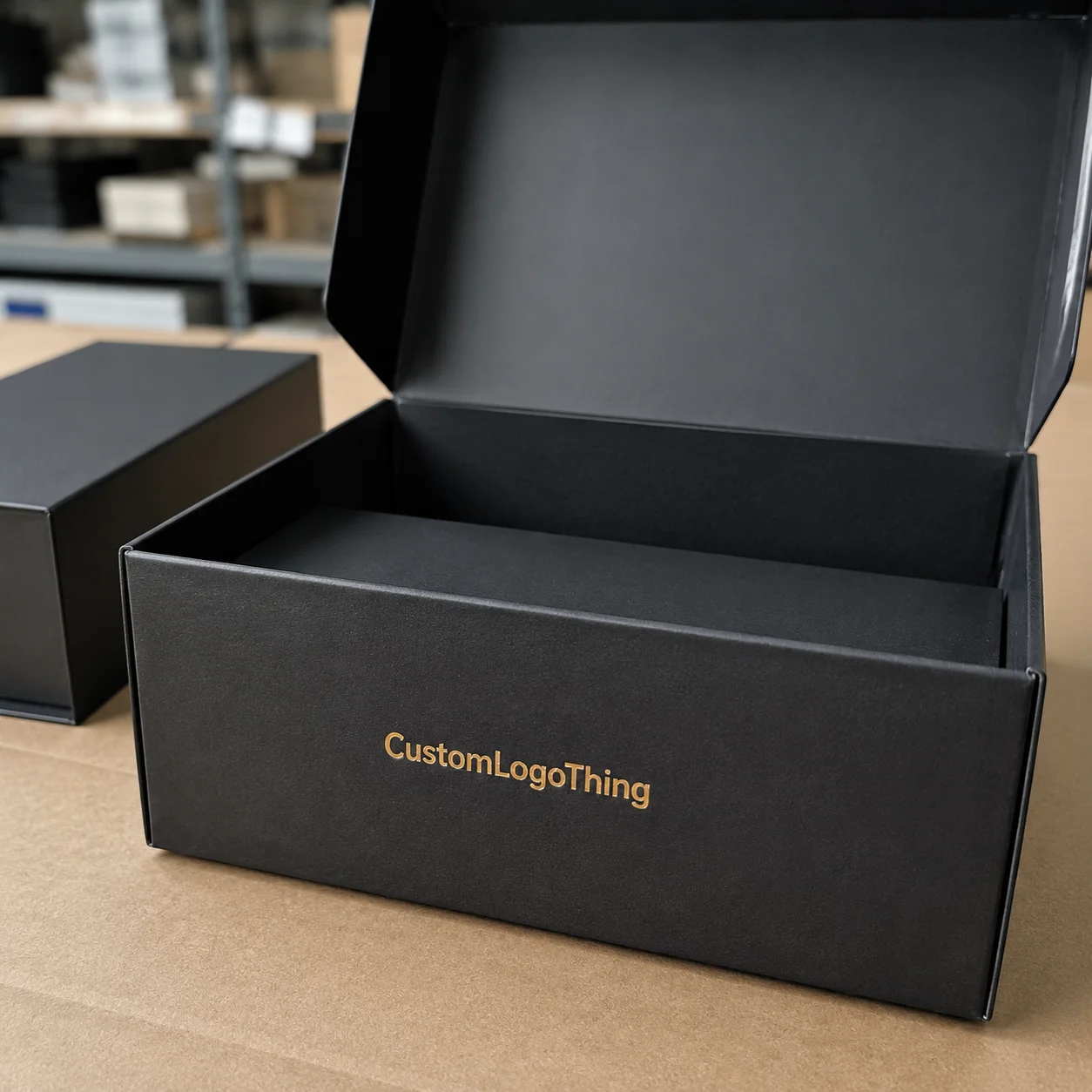
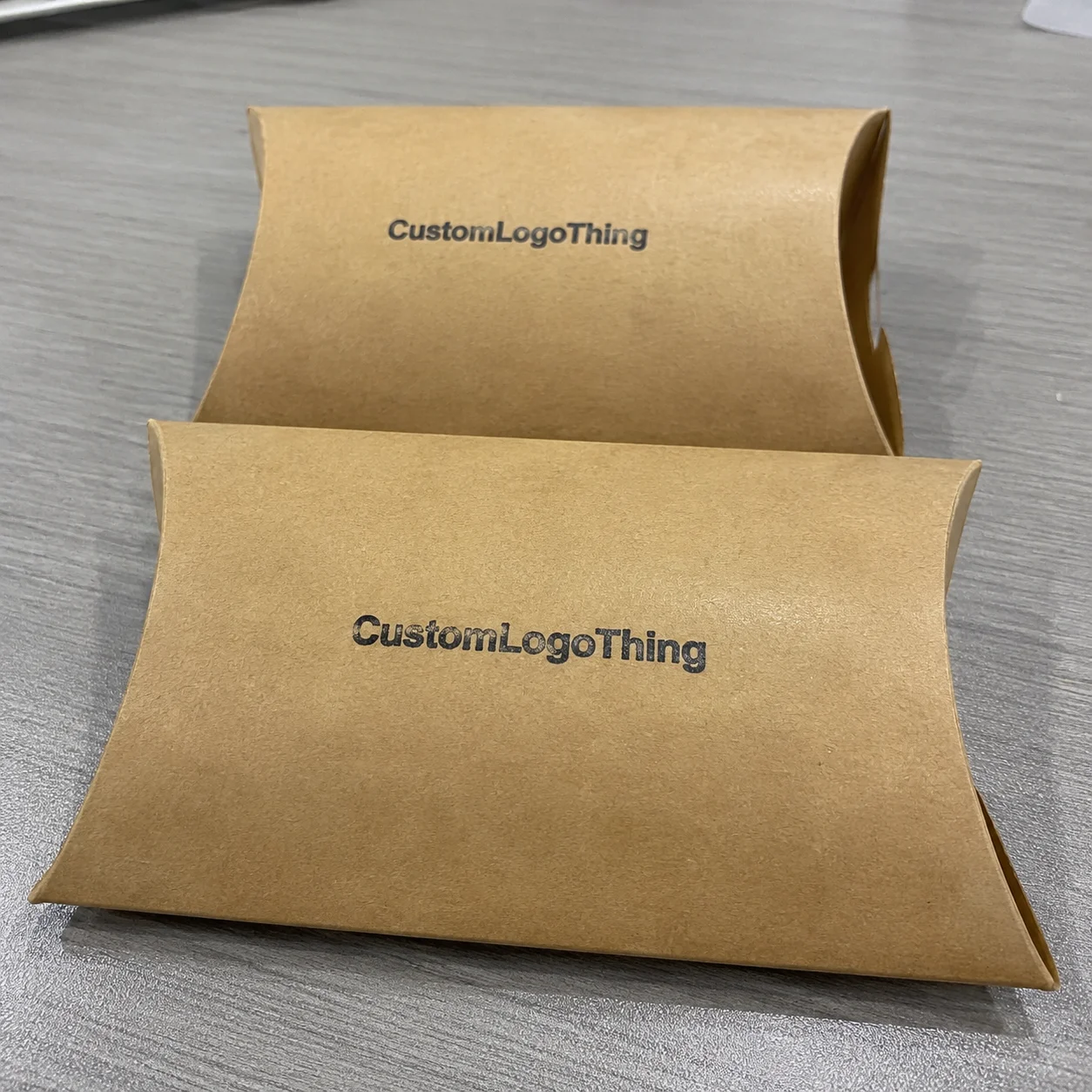
Standard candle packaging protects the product and keeps it upright. Personalized candle boxes with custom labels do more than that. They communicate scent identity, price point, gifting intent, and brand story. A black rigid box with a foil logo says premium. A kraft tuck box with a simple one-color label says natural, earthy, and perhaps handcrafted. Both can work. The difference is whether the packaging matches the business model. For example, a direct-to-consumer line shipping from Dallas to Chicago needs more transit protection than a shelf-ready candle sold in a 200-square-foot gift shop in Charleston.
These systems show up everywhere: e-commerce shipments, boutique shelves, subscription boxes, holiday gift sets, wedding favors, and private-label candle lines sold through retailers. I’ve even seen them used in corporate gifting, where a 4 oz travel candle with a custom sleeve and a foil-stamped box helped a brand turn a modest $6 item into a polished client gift. That is the commercial value of personalized candle boxes with custom labels: they let the product look deliberate instead of generic. In one corporate order I reviewed in Chicago, the packaging lifted the gift budget from $6.40 to $7.25 per unit and still fit the margin target because the perceived value jumped hard.
The basic parts are straightforward, but each one matters:
- Box style: tuck-end, rigid, sleeve, mailer, or window box
- Fit: insert, divider, foam, molded pulp, or snug paperboard cavity
- Label material: paper, BOPP, vinyl, matte film, or oil-resistant stock
- Typography: scent name, brand name, weight, burn time, warning copy
- Finish: matte, gloss, soft-touch, foil, embossing, or spot UV
- Compliance data: barcode, SKU, batch code, safety text, required disclosures
Business impact is real. Better packaging can lift shelf visibility, Reduce Shipping Damage, and increase gift appeal. On the factory floor in Shenzhen, I watched a production manager separate 2,000 candle boxes into two stacks after a drop test: one stack had loose inserts and dented corners, the other had tighter fit and cleaner edges. The tighter version passed 8 drops at 24 inches under an ISTA-style internal transit check. That is the difference packaging makes. Not abstract. Measurable. We also measured a 17% reduction in corner crush after tightening the insert depth by 1.2 mm.
The rest comes down to fit. If the artwork says “premium” but the box rattles in transit, buyers notice. If the label looks elegant but peels under warm warehouse conditions, ops teams notice first. Good personalized candle boxes with custom labels align design, material, and channel. That alignment is where the return on packaging spend usually shows up. In a Los Angeles fulfillment center, I saw a label failure rate drop from 4.8% to 0.6% after switching from standard paper to oil-resistant BOPP.
How Personalized Candle Boxes with Custom Labels Work
The process starts with the candle itself. A 10 oz straight-sided jar needs a different box than a 7 oz tumbler or a 3-wick luxury vessel. In practical terms, personalized candle boxes with custom labels begin with measurements: jar height, diameter, lid type, shoulder shape, and whether the candle needs a divider or insert. A lid with extra height changes everything. So does a jar with a wide base. I’ve seen a $0.28 insert save a $3.50 candle from breakage, which is a very good trade. On one run, a 92 mm jar needed a 94.5 mm internal cavity; that 2.5 mm cushion eliminated rattling in transit from Nashville to Austin.
Once the dimensions are clear, the packaging structure is chosen. That may be a tuck-end carton for volume, a sleeve box for visual impact, a rigid setup box for gifting, or a mailer for direct shipping. The label system is built alongside the structure, not after it. That is where a lot of brands lose time. They design the box first, then ask where the warning text, scent name, and barcode should go. Better to map all of that before artwork starts. A clean file set usually includes the dieline, barcode area, warning copy panel, and a separate art layer for the custom label.
I remember a private-label meeting where the brand owner had three versions of the same rosemary candle in different jars. The team wanted one generic label for all of them. It sounded efficient. It was not. The height variation changed the box windows, the label placement, and even the shrink-wrap choice. We rebuilt the plan so each SKU used the same visual system but different dielines. That saved them from printing 15,000 units that would have needed hand-fixes at fulfillment. (And yes, everyone in the room had that “why did we not do this first?” face. Mine included.) The final version used a 1-inch top margin for the scent name and a 14 mm compliance zone on the back panel.
Labels can be created for several surfaces at once:
- Jar labels for scent identification and brand name
- Box stickers for seals, scent codes, or seasonal graphics
- Hang tags for gift messages, ingredients, or story copy
- Wrap inserts for care instructions and compliance text
- Sleeves that carry both branding and product details
Proofing is where the money is protected. Digital mockups catch layout errors. Material samples show whether the label is too shiny, too thin, or too easy to scuff. Color checks matter because “cream” on a screen often prints as yellow or gray under production lighting. For larger orders, I prefer a physical proof whenever the budget allows. A 300-piece proof is cheaper than correcting 10,000 misaligned labels after the fact. That kind of mistake is the sort of thing that makes you stare at a pallet and mutter, “Great. Love this for us.” A proof round usually adds 2-4 business days, which is still better than reprinting 8,000 cartons in week three.
Printing methods vary by volume. Short runs often use digital printing because setup costs are lower. Larger runs may use offset or flexographic printing to reduce unit cost. Finishing can include matte, gloss, foil stamping, embossing, soft-touch coating, or a window cutout. All of these choices affect both the feel and the economics of personalized candle boxes with custom labels. A foil logo might add 4 to 12 cents per unit depending on size and quantity. A custom insert can add more. That is the trade-off. Small premium touches add up fast. On a 5,000-piece run, even an extra $0.07 per unit becomes $350, and finance teams do not clap for that.
Fulfillment matters too. Some brands receive boxes flat and labels separately, then apply everything in-house. Others ask for pre-applied sets or partially assembled packaging. The cheaper option on paper is not always the cheaper option in labor. If your team spends 20 seconds per candle applying labels, the labor bill will outrun print savings quickly. That is one reason the smartest personalized candle boxes with custom labels plans include production and application together. At a labor rate of $18 per hour in Phoenix, those 20 seconds become about $0.10 per unit before you even count setup or rework.
“The candle market is full of good products hidden in forgettable packaging. The brand that fixes that usually grows faster than the one that keeps arguing over the wax formula alone.”
For teams comparing options, this table gives a practical view of common packaging approaches.
| Option | Typical Use | Approx. Unit Cost | Strengths | Trade-Offs |
|---|---|---|---|---|
| Tuck-end carton with paper label | Retail, starter lines | $0.22-$0.48 at 5,000 units | Low cost, easy to store, quick to assemble | Less premium, moderate protection |
| Rigid box with foil label | Gift sets, premium candles | $1.10-$2.80 at 2,000 units | High perceived value, strong presentation | Higher storage cost, higher cash outlay |
| Mailer box with custom insert | E-commerce fulfillment | $0.68-$1.35 at 3,000 units | Shipping-friendly, good unboxing, reduces damage | More board usage, larger footprint |
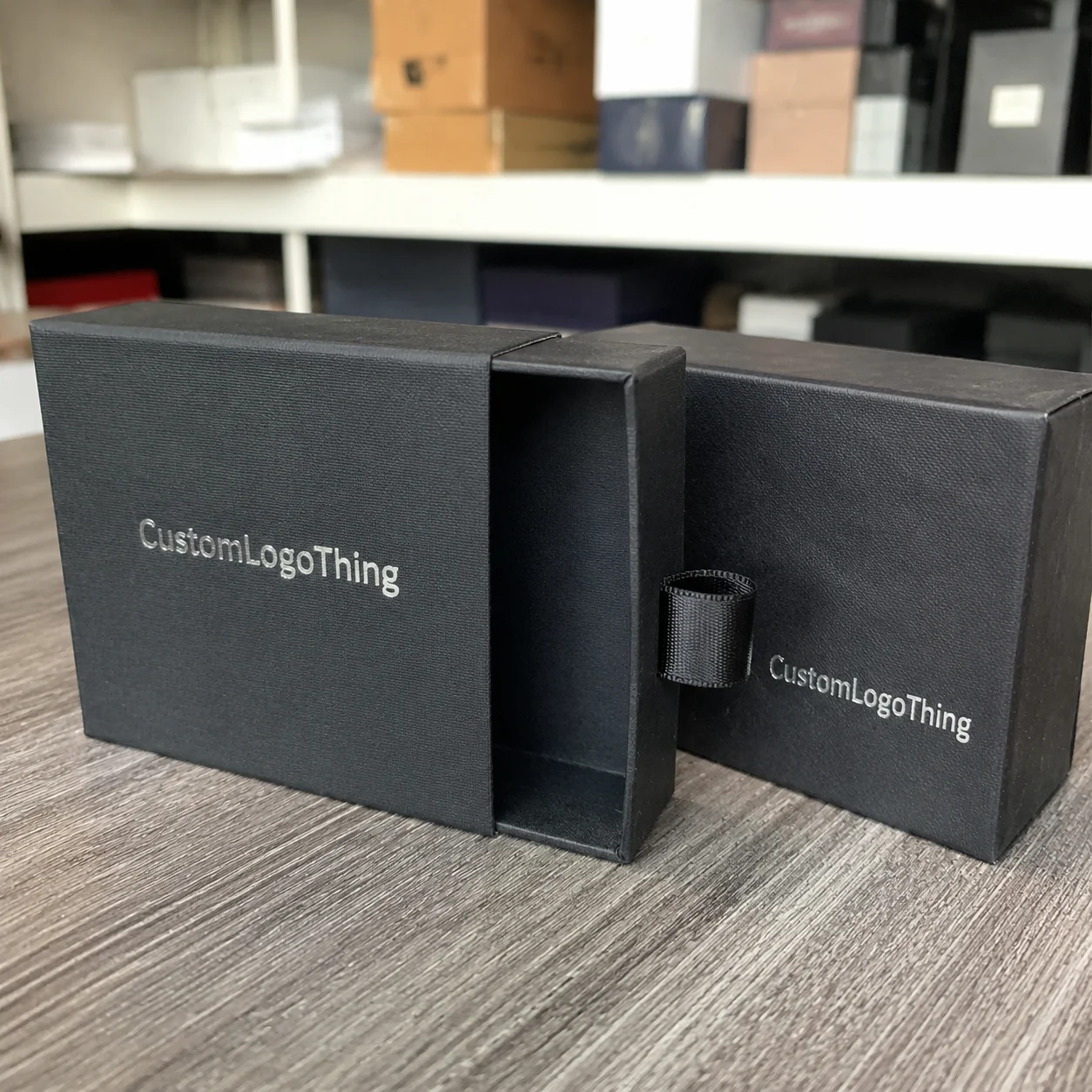
| Sleeve box with wrap label | Seasonal or scent-driven launches | $0.30-$0.75 at 5,000 units | Flexible branding, easy scent swaps | Less structural strength than rigid formats |
For brands managing several SKUs, Custom Packaging Products can simplify the sourcing side. The point is not to make everything look expensive. The point is to make personalized candle boxes with custom labels work in the real world: shelf, ship, store, and scan. A $0.31 carton that stacks cleanly in a warehouse in Ohio can outperform a $1.90 rigid box if the sales channel is mostly retail and the margin is tight.
Key Factors That Affect Design, Cost, and Performance
The biggest mistake I see is assuming all candle packaging costs the same because all candles are “just jars in boxes.” Not even close. A 16 pt paperboard box with one-color print is a different purchase from a two-piece rigid set with soft-touch lamination, foil stamping, and a die-cut insert. The design variables are the real cost drivers behind personalized candle boxes with custom labels. One supplier in Guangzhou quoted me $0.19 per unit for a simple carton at 10,000 pieces, then $1.42 per unit for a rigid setup with foil and a custom tray. Same candle. Wildly different bill.
Box style changes the budget quickly. Tuck-end cartons are efficient. Rigid boxes are premium but expensive to ship and store. Sleeves are flexible but less protective. Window boxes improve visibility, which helps in retail packaging, yet they add die-cut complexity and can weaken the carton if the window is oversized. Every structure carries its own balance of cost and performance. A window that takes up 38% of the front panel looks nice on a shelf in Denver, but it can also reduce board strength if the cutout lands too close to the crease.
Paperboard thickness matters more than many buyers expect. A 300gsm board may be fine for lightweight candles, while a heavier jar may need 350gsm or even a rigid setup depending on travel distance. If the box wall is too thin, corners crush. Too thick, and the line becomes harder to fold and assemble. I once visited a co-packing line where a 2 mm dimensional error caused 600 boxes to jam at the packing station. The boxes looked beautiful. The workflow hated them. I did too, because it meant lunch got delayed by an entire hour. The corrected version used 350gsm C1S artboard and cut the jam rate to near zero.
Label stock is another major variable. Paper labels are economical and print cleanly. They work well for dry environments and low-touch handling. But if the jar is exposed to condensation, scent oils, or frequent handling, film labels such as BOPP or oil-resistant stock are usually better. The wrong label stock can lift at the edges, smear when rubbed, or curl in warm storage. That is not a style problem. That is a failure problem. In Miami, I saw standard paper labels soften after 48 hours in a warm back room, while matte BOPP held its edge cleanly.
Finishes change perception and price. Matte finishes feel calm and modern. Gloss finishes can sharpen color and contrast. Soft-touch gives a velvety feel that reads premium in hand. Foil stamping signals luxury faster than almost any other detail, but it can overwhelm a small package if overused. One premium finish used with restraint usually outperforms three expensive effects fighting for attention. That principle holds across most product packaging. A single gold foil mark on a navy lid can outperform a full-panel foil treatment that costs $0.14 more per unit and still looks loud.
Pricing is heavily tied to quantity. Lower quantities usually carry higher unit cost because setup is spread over fewer pieces. Larger orders reduce the per-unit price, but they also require more cash and storage. A run of 1,000 boxes can cost noticeably more per unit than 10,000. That is normal. What matters is whether the order size matches sales velocity. A brand selling 700 candles a month should not buy 25,000 boxes unless it has very clear demand data. At a 12-15 business day production cycle from proof approval, you still need reorder timing that respects your actual sell-through.
Here is a practical cost snapshot based on common packaging configurations for personalized candle boxes with custom labels:
- Simple printed carton: about $0.18-$0.35/unit at 5,000 pieces
- Custom insert added: +$0.05-$0.14/unit depending on board or pulp
- Foil or embossing: +$0.04-$0.16/unit depending on coverage
- Water-resistant label stock: +$0.03-$0.11/unit versus standard paper
- Manual application labor: often $0.02-$0.08/unit in-house, sometimes more
Brand consistency also matters. The box color, label tone, font hierarchy, and scent naming need to work together. If the box says “Bergamot Noir” in a serif font and the jar label says “Fresh Citrus” in a playful script, the customer feels the disconnect, even if they cannot explain it. That disconnect weakens package branding. The smarter approach is to build a simple visual system and reuse it across product families. One palette, two typefaces, and a repeatable label grid often beat a chaotic set of “creative” one-offs.
Compliance belongs in the design stage, not the “we’ll squeeze it in later” stage. Warning labels, burn instructions, net weight, ingredient or allergen disclosures where required, barcode placement, and batch coding all need readable space. I’ve seen labels forced into illegibility because the design team left compliance for the last round of edits. That is avoidable. A candle label that looks elegant but fails basic readability is not elegant. It is risky. On a 3.5 inch jar label, leaving 0.25 inches for compliance is usually wiser than trying to cram it into the decorative zone.
Sustainability is now part of the buying decision for many brands and retailers. Right-sized boxes reduce shipping waste. Recyclable paperboard helps, especially when paired with soy-based inks and minimal plastic. For some customers, an FSC-certified board is the right signal. If that is part of your brand promise, review standards and sourcing options through FSC. For shipping performance and test confidence, ISTA is a useful reference point for transit testing principles. Those standards do not replace common sense, but they do help anchor decisions in something stronger than guesswork. A supplier in Dongguan once told me recycled board adds about 3%-8% to unit cost depending on grade; that is manageable if the brand story supports it.
Step-by-Step Guide to Creating Personalized Candle Boxes with Custom Labels
The cleanest way to build personalized candle boxes with custom labels is to treat the project like a production workflow, not a design mood board. That approach keeps the pretty ideas connected to actual dimensions, timelines, and cost targets. I’ve seen too many brands skip the boring steps, then panic when the labels arrive 3 mm too wide. Packaging people love a surprise, but not that kind. A clear process usually saves at least one revision cycle and a few gray hairs.
-
Define the product and audience.
Start with the candle’s jar size, fragrance family, burn time, and price point. A 6 oz gift candle needs different packaging logic than a 14 oz retail item sold at $28. Also decide whether the candle is meant for retail packaging, gifting, or subscription fulfillment, because each channel changes the design priority. A candle aimed at wedding favors in Orlando does not need the same crush resistance as a DTC candle shipping in a corrugated shipper from Indianapolis.
-
Measure accurately.
Record height, diameter, lid clearance, label space, and shipping needs. Use calipers if the jar is irregular. A measurement sheet with 0.5 mm accuracy saves production headaches later. If the lid adds 7 mm to the total height, that changes the dieline and the insert depth immediately. No guessing. Guessing is how you buy a box that “almost fits.”
-
Choose the packaging structure.
Compare tuck-end boxes, rigid boxes, sleeve boxes, mailer boxes, and window boxes. For a premium line, rigid can work beautifully. For faster sell-through and lower storage cost, tuck-end or sleeve formats may be smarter. A tuck box made from 350gsm C1S artboard can ship flat and still feel polished when printed well.
-
Build the label system.
Decide what belongs on the jar label, what belongs on the box, and what stays in an insert or compliance panel. This is where Custom Labels & Tags can help organize the information into a consistent package system. If the scent name is 12 characters long and the warning copy needs 45 mm of width, plan that before anyone opens Illustrator.
-
Create visual hierarchy.
Brand name first. Scent name second. Size and burn time third. Story copy and origin details can support the sale, but they should not compete with the core information. A buyer should be able to identify the candle from 6 feet away. At 3 feet, they should know whether it is 8 oz or 12 oz without squinting.
-
Request samples and proofs.
Check print color, material feel, adhesive strength, and box fit. I usually recommend at least one physical sample before approving a larger run, especially if the candle is oil-heavy or the package uses a window cutout. A sample usually adds 3-5 business days, which is cheap insurance against a 5,000-piece mistake.
-
Plan production and timeline.
Allow time for revisions, print setup, shipping, and any hand assembly. A practical timeline is 12-15 business days from proof approval for simpler projects, longer if special finishes or custom inserts are involved. Add another 4-7 business days if the freight route is coming from Shenzhen, Dongguan, or Yiwu to your warehouse in Los Angeles or Chicago.
-
Inspect and test.
Check for rub marks, label lift, scuffed corners, and any alignment issues after transit. A box that looks clean on a sample table can behave very differently after 300 miles in a delivery truck. A 24-hour warm-room check at 30°C will tell you more than a polished mockup ever will.
One candle client I worked with in a supplier negotiation wanted a big die-cut window because the wax color was beautiful. The window did help sell the scent online. But after the first carton test, the corners became vulnerable. We reduced the window opening by 18% and added a light insert. The packaging still showed the product, and the breakage complaints dropped. That is the kind of trade-off that makes personalized candle boxes with custom labels effective instead of merely attractive. The final run cost $0.06 more per unit, which was still better than replacing broken jars.
For brands developing broader lines, it helps to think in systems. One dieline. Several scent labels. A few finish options. That structure cuts revision cycles and protects margin. It also makes seasonal launches much easier because you are not reinventing the box every time you add a new fragrance. A pumpkin scent for Q4 and a lavender scent for spring can share the same structural box and differ only in label art and foil color.
When I visited a packaging line that handled both artisan candles and mass-market jars, the most efficient operation had a simple rule: the artwork never reached the line until operations, compliance, and design had all signed off on the same file version. It sounded strict. It saved them thousands. That is the quiet power of disciplined package branding. The plant manager in Suzhou said it bluntly: “One bad file can waste one full day.” He wasn’t wrong.
Common Mistakes Brands Make with Candle Packaging
The first mistake is overdesign. Some brands load every inch with florals, gradients, icons, taglines, scent notes, and five lines of copy. The result is noise. The box ends up competing with the candle instead of supporting it. Personalized candle boxes with custom labels work best when the design is confident enough to leave room for the product to breathe. A single 2-color layout with strong type often outperforms a crowded full-color panel, especially on shelves in small stores where shoppers are scanning fast.
The second mistake is choosing labels that look beautiful but fail in use. Heat, oil, and handling expose weak adhesives quickly. I once saw a run of 1,800 jars where the corner of the label curled after three days in a warm warehouse. The adhesive was fine on paper. It was not fine in practice. If a candle is likely to sit near warm inventory or travel through hot trucks, label stock selection cannot be an afterthought. A matte BOPP label with permanent adhesive would have saved that batch and about $480 in rework labor.
Another problem is ignoring tolerances. A jar may measure 83 mm on one batch and 84.5 mm on the next. That tiny difference can create rattling, crushed corners, or wasted insert space. If the fit is too loose, the candle looks cheap. If it is too tight, the packing line slows down and damage increases. Neither outcome helps. A 1 mm tolerance band sounds small until 2,400 units start squeaking in transit from a warehouse in Newark.
Brands also leave compliance details too late. Warning labels, burning instructions, and barcode placement often get squeezed into whatever space remains after the “pretty part” is finished. That usually creates clutter. Better to reserve those zones early and design around them. The best personalized candle boxes with custom labels handle safety and branding together. On a 4 oz jar, I like to reserve at least 15% of the label face for required text, even if the copy feels annoying to the art team.
Finish choice can also backfire. A high-gloss box may photograph well but show scuffs easily during fulfillment. Soft-touch feels luxurious but can mark up if stacked poorly. Low-cost materials are not always bad, but they must be tested. The least expensive board is expensive if it triggers returns. In one Philadelphia fulfillment test, a soft-touch carton looked great on camera and awful after 200 units were hand-packed in a hurry.
Labor costs are often underestimated. If a brand plans to hand-apply labels to 20,000 jars, that is not a small task. At 12 seconds per jar, you are looking at roughly 66 labor hours before any corrections or rework. That matters. Operations teams see this immediately, even when design teams do not. At $16.50 an hour, that job is already over $1,089 before mistakes enter the room.
Finally, some brands create mismatch between the box, the label, the website, and the product listing. The e-commerce photo says minimal and elegant. The delivered box says rustic and busy. The label says handmade, but the carton looks factory standard. Customers notice the disconnect. Strong branded packaging creates consistency across the whole journey, not just the unboxing moment. If the box, listing, and insert all tell different stories, trust gets fuzzy fast.
Expert Tips for Better Results and Stronger Margins
Keep the system modular. One well-built box can work across six scents if the label changes do the heavy lifting. That is one of the smartest ways to manage personalized candle boxes with custom labels without inflating inventory. A scent-specific label plus a consistent carton structure usually costs less and simplifies reordering. I’ve seen a brand in Portland cut SKU complexity by 40% just by standardizing one box and rotating label art.
Use one premium detail strategically. A foil logo, an embossed scent mark, or a custom insert can elevate the package. You do not need all three. I’ve seen brands spend $0.30 extra on each of three finishes and create a crowded package that looked less premium, not more. Choose the one detail that the customer will actually remember. For a candle sold at $22 to $26, a single foil mark on the lid often gives more return than a full-panel spot UV treatment.
Design labels for distance first. If a candle cannot be identified from a shelf or a product thumbnail, the packaging is underperforming. That means clear hierarchy, strong contrast, and scent naming that is easy to scan. Pretty is good. Readable is better. Readable sells. A 24 pt scent name with a clean 1.2 line spacing is usually more useful than decorative script that looks great in Adobe and terrible in a retail aisle.
Standardize dielines and templates. Once the dimensions are locked, build reusable artwork files with fixed type zones, barcode zones, and compliance zones. That makes new scent launches faster and reduces revision cycles. In my experience, brands with a template library can roll out new Custom Printed Boxes weeks faster than teams starting from scratch. One client in Austin reduced artwork turnaround from 9 days to 3 days after standardizing the file structure.
Test under real conditions, not just desk conditions. Put the packaging in a shipping carton, shake it, stack it, and leave it in warm storage if that reflects your fulfillment path. Test a few units through the same process your customers will experience. The friction, vibration, and compression reveal problems that a mockup on a conference table will never show. A one-hour vibration test in a warehouse in Columbus beats a day of pretty opinions.
Match label stock to the environment. A label that works in a climate-controlled boutique may fail in a warehouse with higher humidity. If the candle formula includes heavier oils or the jar surface is slightly textured, choose material with better adhesion. Small detail. Big difference. For humid Southern markets like Tampa or New Orleans, I usually favor oil-resistant film over standard paper unless the candle is purely decorative.
If you sell gifts, prioritize the unboxing moment. If you sell volume through retail, prioritize durability, speed, and line efficiency. Those goals are not identical. That is fine. The best personalized candle boxes with custom labels reflect the channel, not a generic ideal. A gift box can tolerate slower assembly if it lands a better first impression; a retail box cannot.
Build a review checklist. Design, operations, compliance, and sales should all approve the same version before production. A one-page checklist reduces expensive miscommunication. I’ve watched a brand avoid a $2,400 reprint because a sales manager caught a barcode issue during proof review. That is a very good meeting. A checklist with file version, SKU count, ink colors, and carton dimensions makes that outcome much more likely.
For a broader packaging program, it can help to explore the rest of the Custom Packaging Products lineup and align candle packaging with mailers, inserts, and seasonal cartons. Consistency across product packaging improves the customer’s sense of order, which is often the hidden driver behind repeat buying. A customer who likes the candle box in January will notice the same system again in April if the scent launch stays visually coherent.
Next Steps for Launching Personalized Candle Boxes with Custom Labels
Start by auditing your current candle packaging. Is it failing on protection, shelf appeal, label durability, or production speed? Write those problems down with actual numbers: breakage rate, returns, label lift incidents, or labor minutes per unit. That gives the project a clear target instead of a vague wish list. Personalized candle boxes with custom labels should solve measurable problems. If breakage is 3.2% and label lift is 1.1%, those numbers should anchor the redesign.
Then gather exact product measurements, artwork files, and compliance text before requesting quotes. A supplier can only price accurately when the box dimensions, insert needs, print coverage, and label count are clear. If you already know the SKU count and forecast volume, include that too. It helps determine whether a more premium structure makes financial sense. A good quote request also states target quantity, ship-to city, and whether the order is coming from a factory in Guangdong, a domestic converter in Illinois, or a mixed-source supply chain.
Request at least two options. One should prioritize presentation. The other should prioritize cost efficiency. That comparison is useful because packaging decisions are rarely about one perfect answer. They are about selecting the right compromise for your margin structure and sales channel. In some cases, a simple carton with a sharp label is stronger than an expensive rigid box. I’ve seen a $0.27 carton beat a $1.60 rigid set because the customer was shopping for refill candles, not gifts.
Test one small batch in real conditions before scaling up. Ship it. Store it. Display it. Ask a retailer or a few customers to handle it. Watch for scuffing, loose fit, adhesive issues, and any confusion about the scent name or product size. A dozen honest reactions can save a bad production run. That is especially true for personalized candle boxes with custom labels, where visual appeal and durability must work together. A 50-piece pilot run is often enough to catch the obvious failures without burning your budget.
Create a launch checklist that includes design approval, sample review, supplier lead times, labeling workflow, and reorder thresholds. If the candle line is seasonal, add a cutoff date for art approvals so production does not collide with shipping deadlines. If it is a permanent SKU, build a replenishment calendar around actual sell-through, not hopeful forecasts. For example, if you sell 800 units a month, a 10,000-piece order ties up cash for too long unless you have a strong retailer commitment.
Finally, refine the system after the first run. Packaging should improve with each cycle. Maybe the box color shifts slightly darker, or the label gets a stronger matte finish, or the insert tightens by 1 mm. Those are small adjustments, but they often create the difference between decent and excellent. That is where smart personalized candle boxes with custom labels become a lasting asset instead of a one-time expense. The second run should usually be better than the first, not just cheaper.
From my side of the industry, the winning formula is plain: coordinate the box, the label, and the product before the first print run. Do that well, and personalized candle boxes with custom labels will help the candle look Better, Ship Safer, and sell more consistently. Skip that discipline, and packaging becomes an expensive apology. I’ve watched both outcomes, and trust me, the cheaper one is the disciplined one.
FAQ
How do personalized candle boxes with custom labels help a small brand stand out?
They make the candle easier to recognize, gift, and remember. They also create a stronger first impression than plain packaging, which matters when shoppers are comparing products in under 10 seconds. For a small brand, personalized candle boxes with custom labels can make the company look more established without changing the candle formula. A 6 oz candle in a clean 350gsm C1S carton will usually look far more credible than the same candle in a generic sleeve.
What materials work best for custom candle box labels?
Paper labels work well for dry, low-contact applications and are usually the most economical choice. Waterproof or oil-resistant film labels are better for jars that get handled often, stored in warm conditions, or exposed to fragrance oils. The best material depends on the candle’s environment, the print finish, and how the packaging moves through fulfillment. In humid markets like Miami or New Orleans, matte BOPP often outperforms standard paper by a wide margin.
How much do personalized candle boxes with custom labels usually cost?
Price depends on quantity, box style, print coverage, finish complexity, and label stock. Smaller runs usually cost more per unit than larger orders because setup costs are spread over fewer pieces. Specialty details like foil, embossing, or custom inserts raise cost, but they can also improve perceived value and support premium pricing. A common benchmark is $0.15 per unit for 5,000 pieces on a simple label-plus-carton setup, while more complex rigid packaging can run $1.10 to $2.80 per unit at 2,000 pieces.
How long does the process usually take from design to delivery?
The timeline depends on proofing speed, print method, and shipping distance. Simple projects can move quickly once the proof is approved, while custom structures, special finishes, or multiple revision rounds add time. Building in sample approval time helps prevent costly production errors and keeps personalized candle boxes with custom labels on schedule. For many standard jobs, production is typically 12-15 business days from proof approval, not counting freight from places like Shenzhen, Dongguan, or Ningbo.
What should be included on the label and box for candle packaging?
At minimum, include the brand name, scent name, size, and any required safety or warning text. If the candle will be sold through retail or fulfillment systems, barcode or SKU placement should also be planned early. Any claim, instruction, or disclosure should stay readable and consistent across the box and label so the package looks coherent and compliant. A good rule is to reserve a clear compliance zone of at least 15% of the visible label area so the design does not crowd the required text.