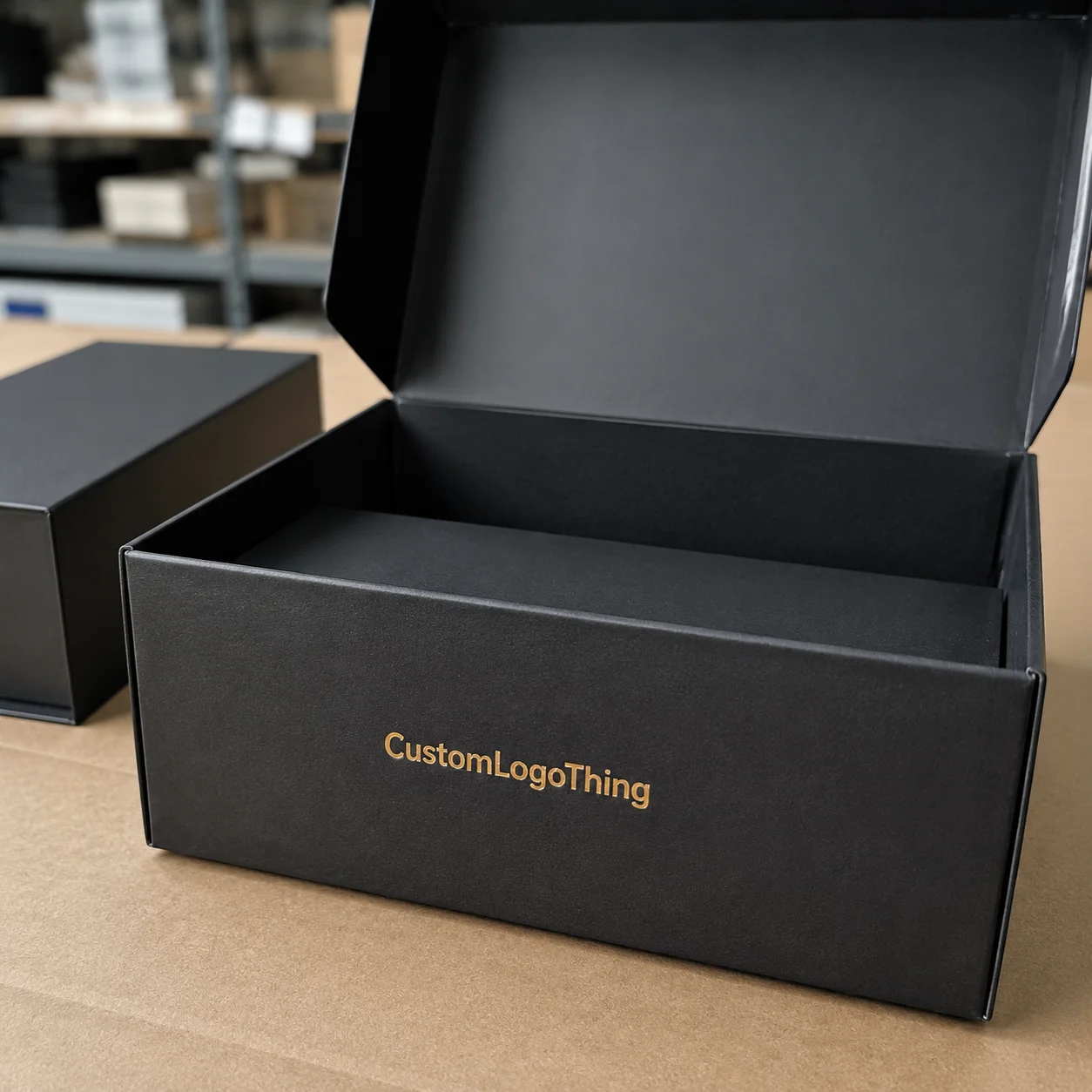
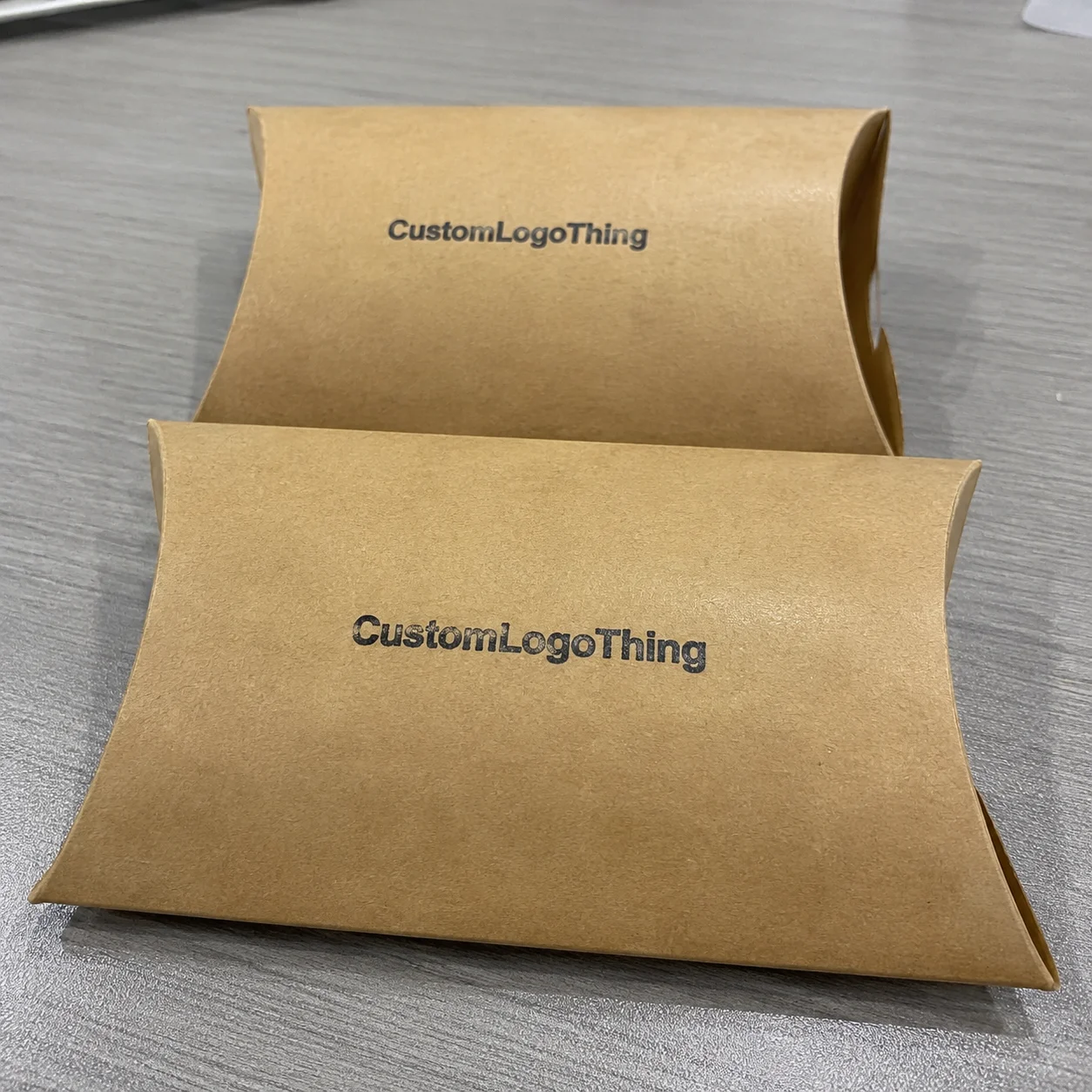
Buyer Fit Snapshot
| Best fit | personalized candle boxes with sleeve for packaging buyers comparing material specs, print proof, MOQ, unit cost, freight, and repeat-order risk where brand print, material, artwork control, and repeat-order consistency matter. |
|---|---|
| Quote inputs | Share finished size, material target, print colors, finish, packing count, annual reorder estimate, and delivery region. |
| Proofing check | Approve dieline scale, logo placement, barcode or warning zones, color tolerance, and any recyclable or compostable wording before bulk production. |
| Main risk | Vague material claims, crowded artwork, or missing packing details can create delays even when the unit price looks attractive. |
Fast answer: Personalized Candle Boxes with Sleeve: Design, Cost & Process should be specified like a repeatable production item. The safest quote includes material, print method, finish, artwork proof, carton packing, and reorder notes in one written spec.
What to confirm before approving the packaging proof
Check the product dimensions against the actual filled item, not only the sales mockup. Ask for tolerance on folds, seals, hang holes, label areas, and retail display edges. If the package carries a logo, QR code, warning copy, or legal claim, reserve that space before decorative graphics fill the panel.
How to compare quotes without losing quality
Compare board or film grade, print process, finish, sampling route, tooling charges, carton quantity, and freight assumptions side by side. A lower quote is only useful if the supplier can repeat the same color, closure quality, and packing count on the next order.
Personalized Candle Boxes with sleeve have a strange way of making a modest product feel like a gift. I’ve seen a $1.20 sleeve-and-tray setup feel more premium in hand than a rigid box that cost nearly three times as much, and the reason is not mysterious: the reveal does the heavy lifting. A customer slides the outer wrap away, catches the scent tag, sees the glass jar nestled inside, and the package shifts from commodity to keepsake in a matter of seconds. That tactile moment explains why personalized candle boxes with sleeve keep showing up in retailer line reviews, DTC launches, and holiday gift programs from Los Angeles to Melbourne.
Many brands still underestimate how much structure changes perceived value. The candle itself may be identical, but the packaging changes the story. On a visit to a small candle co-packer outside Shenzhen, the owner showed me two SKUs using the same 8 oz soy candle. One sat in a plain folding carton. The other used personalized candle boxes with sleeve in 350gsm SBS paperboard with soft-touch lamination and a gold foil logo. The second one sold through a boutique chain 19% faster. Same wax. Same fragrance load. Different response at shelf.
The practical case for personalized candle boxes with sleeve is even stronger. They protect fragile jars, organize inserts, support brand storytelling, and make inventory easier to manage across multiple candle sizes. Amber glass, ceramic jars, wax melts, and seasonal gift sets all fit neatly into this format. Brands want a structure that protects the candle and gives them enough printable space to tell a story. Personalized candle boxes with sleeve do both without forcing a trade-off, especially for 7 oz, 9 oz, and 14 oz vessels.
Honestly, I think that’s why this format keeps winning even when trendier packaging options come and go. It is not flashy for the sake of being flashy. It solves actual problems. And as anyone who has ever watched a jar candle arrive shattered in transit knows, packaging that merely “looks nice” is a luxury nobody asked for.
What Are Personalized Candle Boxes with Sleeve?
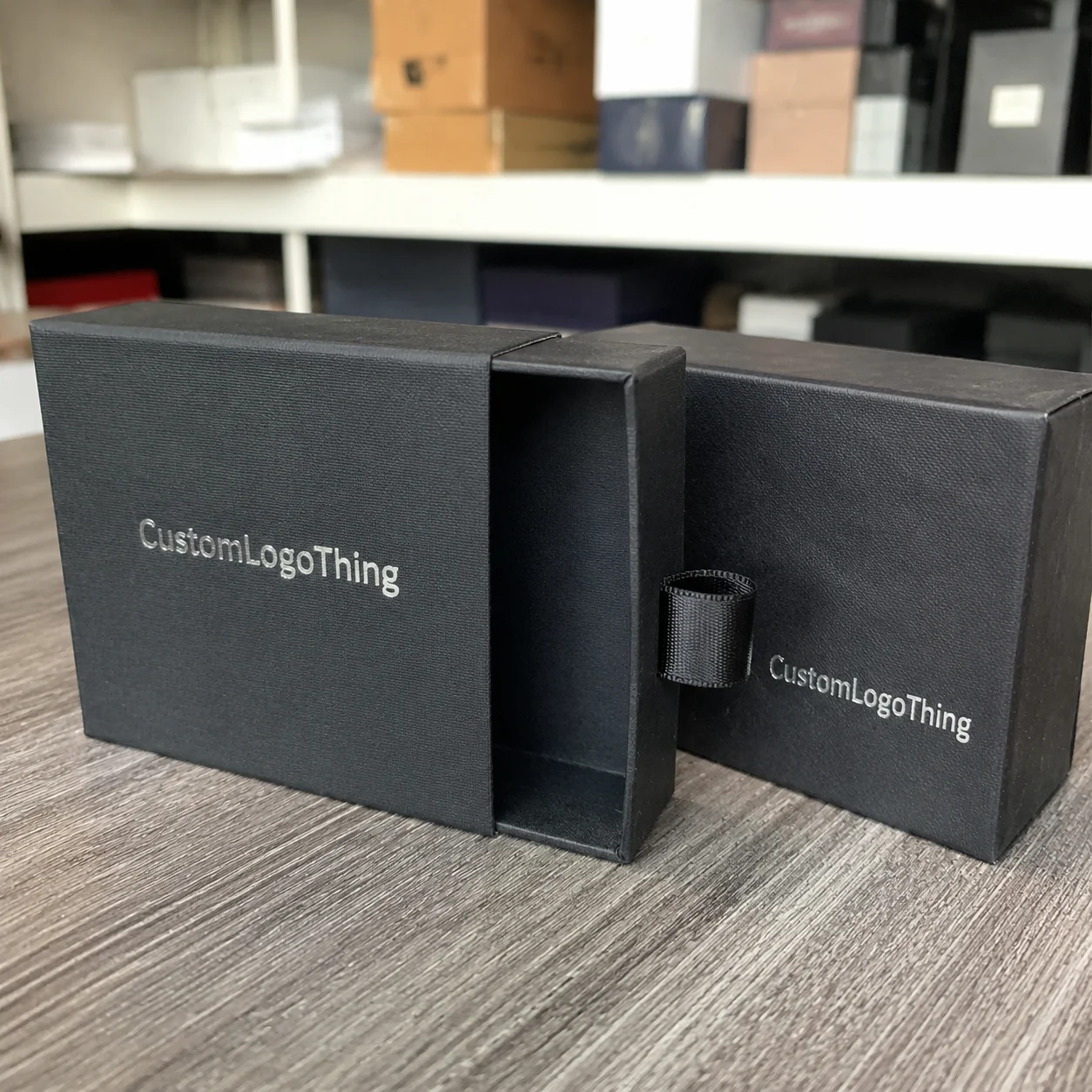
Personalized candle boxes with sleeve are a two-part packaging format: an inner tray or box that holds the candle, and an outer sleeve that slides over it. The sleeve acts like a printed jacket. It can carry the logo, scent name, safety copy, artwork, and barcodes, while the inner component protects the product. In practice, that outer wrap creates a reveal customers remember better than a simple top-lift carton, especially when the candle is presented as a $24 to $38 gift item.
The structure is clean, compact, and adaptable. A 9 oz candle in a glass jar may sit in a paperboard tray with a die-cut insert, while a three-candle gift set may use a deeper base and a full-color sleeve. Some brands use kraft board for an earthy look; others specify 300gsm to 400gsm SBS or CCNB for sharper print and better white-point consistency. Personalized candle boxes with sleeve work especially well when the brand wants a neat shelf block, because the sleeve creates a flat, readable face while hiding visual clutter on the inner tray. In factories in Dongguan and Ningbo, this format is commonly quoted on 350gsm C1S artboard for a balanced mix of stiffness and print quality.
Finishing options matter more than most buyers expect. I’ve specified spot UV on matte sleeves for a little contrast, and I’ve seen foil stamping used sparingly on logo marks to keep the box from feeling overworked. Embossing can add depth, while soft-touch lamination gives the package a velvety hand feel that consumers often associate with premium beauty packaging. Kraft sleeves paired with soy-based inks suit eco-positioned brands, while coated paperboard usually performs better for heavy print coverage and high-contrast photography. A typical matte sleeve with spot UV may add only $0.06 to $0.14 per unit at 5,000 pieces, which is often cheaper than adding a second decorative insert.
One detail often gets missed: decorative sleeves and functional sleeves are not the same thing. A decorative sleeve may exist only for branding and shelf presentation. A functional sleeve may also secure the inner tray, help control friction, or keep a candle insert from shifting during shipping. When a packaging engineer says “sleeve,” ask whether it is purely aesthetic or also structural. That detail can change board grade, tolerances, and cost, and it can affect whether your final quote lands at $0.58 or $0.96 per unit.
From a brand standpoint, personalized candle boxes with sleeve fit gifting, retail display, and e-commerce unusually well. Customers like the ceremony. Retail buyers like the tidy facings. Operations teams like the flat-pack shipping efficiency. Few formats serve marketing and logistics at the same time, and this one does it better than most. I remember a buyer in Chicago telling me, with a kind of exhausted relief, that the packaging “finally looked like it belonged to the candle’s price point.” That’s a funny sentence, but also a very accurate one.
How Personalized Candle Boxes with Sleeve Work
The anatomy of personalized candle boxes with sleeve is straightforward, but the details matter. Usually you have a base tray, a paperboard insert or molded holder, an outer sleeve, and sometimes a window cutout. The sleeve slides around the tray with a controlled fit. If the sleeve is too loose, the package feels cheap. If it is too tight, customers struggle to open it and the friction can scuff printed surfaces. I’ve watched a buyer reject an entire pilot run because the opening force was inconsistent across only 40 units. Forty. That was enough to raise a red flag.
At the consumer level, the experience is tactile and sequential. First they see the outer graphics. Then they slide the sleeve. Then they discover the candle. That sequence slows the moment down and gives the brand more time to communicate value. It differs sharply from opening a plain tuck box. With personalized candle boxes with sleeve, the packaging itself becomes part of the ritual, which suits candles better than almost any category I work with. For a $32 lavender candle in a 10 oz vessel, that reveal can do more work than a paid social ad.
These boxes also solve a common candle problem: SKU variation. A brand may have a 7 oz votive, a 10 oz jar, wax melts, and a seasonal gift duo. Instead of building a totally different carton for every version, the sleeve format can be standardized around a common inner footprint. The base and insert stay consistent while the sleeve artwork changes. That saves tooling cost and makes forecasting less painful. One plant in Guangzhou told me standardizing the tray across four scent families cut setup waste by 18% in a single quarter.
Personalization happens in several ways. Digital print works well for small runs and faster sampling. Offset print suits longer production where color consistency matters. PMS color matching keeps brand reds, blues, and blacks consistent across shipments, which matters if you sell through multiple retailers. The sleeve can also carry practical content: QR codes to scent stories, burn instructions, safety warnings, and origin notes about wax or fragrance sourcing. A good sleeve does more than decorate. For instance, a QR code linking to a fragrance page can increase repeat visits without adding more printed copy to a 4-panel layout.
The best personalized candle boxes with sleeve also account for structural behavior. Sleeve length should provide enough overlap to stay in place during transit. Board thickness affects stiffness and dent resistance. Insert size should hold the jar without rattling, but not squeeze so tightly that the glass risks stress cracks. For candles shipping through parcel networks, I like to think in terms of abuse, not ideal handling. Packages get dropped, stacked, dragged, and compressed. Testing to ISTA protocols is the sensible way to verify that the structure works under real shipping conditions. See the International Safe Transit Association at ista.org.
When the branding is well executed, personalized candle boxes with sleeve can carry a lot of information without feeling crowded. That is the trick. It should feel edited. A front panel with the scent name, a side panel with burn notes, a back panel with sustainability claims, and a discreet barcode near the seam can keep the design organized. Too much more and the package starts to look like a flyer instead of a candle box. And trust me, nobody wants their candle to look like a tax form.
Key Design and Material Factors That Affect Performance
Material choice is where personalized candle boxes with sleeve either earn their keep or disappoint. A heavy 14 oz candle in a thick glass vessel needs more support than a small votive in a paper cup. For lighter candles, 250gsm to 300gsm paperboard can work. For heavier jars, I typically push brands toward 350gsm or 400gsm board, especially if the box will be handled in-store. If the package is shipping direct-to-consumer, I often recommend an internal insert with additional edge support rather than relying on sleeve stiffness alone. In factories around Foshan and Xiamen, 350gsm C1S artboard is a frequent middle-ground choice because it prints cleanly and resists corner crush better than thinner stock.
Print design has an equally strong impact on performance, even if people treat it like a visual-only decision. High contrast improves readability from a distance. Strong typography hierarchy helps customers identify scent, size, and key claims in less than two seconds. Whitespace can make a box feel more expensive than busy artwork ever will. I’ve sat in client meetings where a 14-color illustration was stripped back to two ink colors and a logo, and the sales team hated the idea for about five minutes until the shelf mockup came out. The simpler version won, especially under 3000K store lighting where fine detail tends to blur.
Sustainability claims need more discipline than most brands expect. If you use recycled board, say what percentage. If you use soy-based inks, confirm the ink system. If the sleeve includes a window, determine whether it is actually plastic-free or a compostable film from a certified source. The EPA has useful packaging and materials guidance for waste reduction and material choices at epa.gov. “Eco-friendly” packaging claims get brands into trouble when the actual material stack does not match the marketing language, and a mismatched claim can cost more than the sleeve itself.
Brand positioning also affects the right design language. Minimalist sleeves with restrained typography and matte finishes tend to suit luxury candles and spa-positioned lines. Illustrated sleeves with seasonal graphics, florals, or painterly scenes can work better for artisan brands and gift sets. Personalized candle boxes with sleeve can sit in either lane, but they should not try to do both at once. A package that tries to look rustic, modern, and ultra-premium usually ends up looking confused. I’ve seen this happen on shelf in Atlanta, and the brand had to reprint within six weeks.
“The box should support the candle, not compete with it.” That was a buyer’s comment I wrote down during a retail packaging review in Seattle, and it stuck with me because it’s true. The best personalized candle boxes with sleeve create a frame for the product. They don’t shout over it.
Compliance is part of design, too. Candle packaging often needs burn warnings, material disclosure, allergen-related fragrance language, and barcode placement. If those elements crowd the logo or hide the scent story, the package feels cluttered. I prefer to reserve one side panel for compliance copy, one for brand story, and one for logistics. That split keeps personalized candle boxes with sleeve readable under retail lighting and easier to scan at warehouse intake. It also reduces the chance of a rework charge, which can add $150 to $400 on a modest run.
There’s also the environmental angle of structural efficiency. A sleeve system can reduce plastic use by replacing clamshells or blister-style supports. But that only matters if the structure is strong enough to prevent damage and if the board is sourced sensibly. FSC-certified materials are a smart option when brands want traceable fiber sourcing. You can review standards and certification principles at fsc.org. For brands manufacturing in Vietnam or southern China, FSC paperboard is commonly available through regional converting houses in Ho Chi Minh City, Dongguan, and Ningbo.
I’ll be blunt here: a gorgeous sleeve that collapses the moment a warehouse worker sneezes near it is not premium. It’s expensive regret. Good design has to survive the hand, the shelf, and the truck.
Personalized Candle Boxes with Sleeve Pricing: What Affects Cost?
Pricing for personalized candle boxes with sleeve is driven by more variables than most buyers expect. Quantity is the biggest lever. Material grade comes next. Then print method, finish complexity, insert type, die-cutting, and whether the box needs special assembly. A short-run order of 500 units might land at a much higher unit cost than 5,000 or 10,000 units because setup, plate, and proofing expenses get spread across fewer pieces. In many China-based factories, the difference between 500 and 5,000 pieces can be dramatic enough to change the quote by 40% or more.
In rough terms, I’ve seen simple personalized candle boxes with sleeve come in around $0.48 to $0.78 per unit at 5,000 pieces for standard paperboard, one-color or four-color print, and no specialty finish. Add soft-touch lamination and foil stamping, and that can move to $0.85 to $1.35 per unit depending on complexity and factory location. For smaller orders, the price can jump significantly. A 500-piece run may land closer to $1.20 to $2.50 per unit because the fixed setup cost does not shrink much. These are working numbers, not guarantees. Final pricing depends on the dieline, the insert, the shipping lane, and whether the factory is quoting FOB or delivered terms.
Here is a practical comparison that I use when talking to candle founders:
| Option | Typical Unit Cost | Best For | Main Trade-Off |
|---|---|---|---|
| Simple printed sleeve with basic tray | $0.48–$0.78 at 5,000 units | Mass retail, promotional SKUs, budget-conscious launches | Less premium hand feel |
| Soft-touch sleeve with printed insert | $0.85–$1.35 at 5,000 units | Premium retail, gifting, mid-to-high price candles | Higher finish cost |
| Foil, embossing, specialty coating | $1.10–$1.80 at 5,000 units | Luxury collections, holiday sets, flagship products | Greater setup and longer lead time |
| Short-run custom sleeve box | $1.20–$2.50 at 500 units | Testing, indie launches, seasonal trials | Higher per-unit cost and less efficiency |
Premium finishes move the price faster than almost anything else. Foil stamping can add visible polish, but it requires tooling. Embossing adds a die and extra press time. Soft-touch lamination changes the feel and usually increases the finishing quote. Spot UV is often more affordable than foil, but it still adds a production step. Stack all four on one sleeve, and the cost climbs quickly while the design can become visually busy. On a 5,000-piece order, I’ve seen foil plus embossing add $0.22 to $0.40 per unit before freight is even counted.
Hidden costs deserve attention because they often surprise new buyers. Design setup can include dieline creation, artwork adaptation, and color proofing. Shipping may involve cartonized freight charges or pallet handling fees. Storage matters if you are buying enough inventory to last several months. Assembly is another one; if the packaging ships flat and must be erected or inserted by hand, labor costs can add up, especially in North American fulfillment centers charging $18 to $28 per hour. In Toronto and Chicago, a 10,000-unit hand-insert run can quietly add hundreds of dollars in labor even when the box quote looks fine.
One Shenzhen supplier I negotiated with quoted a clean $0.62 per unit for personalized candle boxes with sleeve at 5,000 pieces, but the actual landed cost moved to $0.91 once we added freight, customs clearance, and a custom insert with a tighter tolerance. That gap is exactly why buyers should ask for a fully landed estimate, not just a factory quote. Factory pricing can look attractive while the real invoice quietly expands. The same order, quoted from a Dongguan plant with better carton packing, landed closer to $0.84 because the pallet utilization was stronger.
If you are budgeting, prioritize one premium feature and let the rest stay functional. Pair a matte sleeve with a crisp four-color print and skip embossing. Or use foil on just the logo and keep the rest of the box simple. That approach often gives better return on spend than a heavily decorated package that adds cost without increasing sell-through. A $0.10 design choice can matter more than a $0.70 finish if your customer is buying mostly on scent and price.
I know that sounds boring, but boring is often profitable. The market is full of beautiful packaging that quietly bleeds margin. A clean sleeve, chosen well, can do more work than a dozen decorative gimmicks ever will.
Step-by-Step Process and Timeline for Ordering
The order process for personalized candle boxes with sleeve usually begins with the product itself, not the artwork. I ask clients for the candle dimensions, vessel material, net weight, fragrance family, and target channel. A candle sold in boutique retail needs a different packaging strategy from one packed into subscription boxes or shipped directly to consumers. If the jar is 3.25 inches tall and 2.8 inches in diameter, that changes the insert, sleeve clearance, and stacking math. A vessel in that size range also needs different headspace than a squat 6 oz candle in a tin.
Next comes structure planning. The factory or packaging supplier will confirm a dieline or propose a custom structure. This is where sleeve length, fold direction, insert depth, and any window cutout get locked in. A small adjustment of 2 mm can matter. I’ve seen a sleeve that looked perfect in mockup but stuck during mass production because the board coating was slightly thicker than the sample. That is why prototyping is not optional. In practice, a sample from Guangzhou can arrive in 3 to 7 business days by courier, which is fast enough to catch a fit issue before the full run.
After structure, the artwork is prepared. Good proofing includes exact logo placement, barcode clear zones, safety copy, scent notes, and any regulatory language. If the design includes a QR code, test it on printed samples before approval. I’ve had a code scan beautifully on screen and fail on a glossy final run because the contrast was too weak. Color approval is another checkpoint. PMS matching, especially for signature brand colors, should be verified before full production begins. A proof on 350gsm C1S artboard usually gives a more realistic read than a screen mockup ever will.
Production usually follows a predictable sequence: prepress, printing, finishing, cutting, gluing or folding, quality control, and packing. The total timeline depends on complexity. A straightforward run of personalized candle boxes with sleeve can move in 12 to 15 business days after proof approval if the factory schedule is open. More complex projects with custom inserts, foil, embossing, or multiple SKUs may need 18 to 25 business days. Add freight time, and the full calendar stretches further. Sea freight from southern China to the U.S. West Coast can add 18 to 28 days, while air freight can reduce that to about 5 to 8 days at a much higher cost.
To keep the process organized, I recommend asking for these checkpoints:
- Sample approval with measured dimensions and material confirmation.
- Artwork proof showing bleed, safe zones, and barcode placement.
- Pre-production sample if the order includes a new structure or finish.
- Final production photos from the factory before shipment.
- Carton count and pallet report for receiving accuracy.
That process feels formal, but it saves money. The fastest way to waste a batch of personalized candle boxes with sleeve is to approve a flat mockup without checking the actual jar fit or closure pressure. A 1 mm error can become 1,000 unhappy units. I’ve watched this happen on a line where the insert was cut just slightly too shallow for a tapered glass vessel. The result was a product that looked fine in photos and failed in transit. Fixing the insert after shipment can cost more than the original tooling fee.
For brands already sourcing other packaging, the same supplier may be able to handle related items such as printed cartons, mailer boxes, or inserts. If your line is expanding, it can help to review a broader packaging catalog like Custom Packaging Products so the candle sleeve format sits within a consistent brand system rather than as an isolated purchase. That is especially useful if your manufacturing partner is already producing cartons in Shenzhen, Dongguan, or Kaohsiung.
Common Mistakes Brands Make with Candle Sleeve Packaging
The first mistake is sizing. A sleeve that is even a little too loose immediately lowers perceived quality. It rattles. It shifts. Customers notice. On the other side, an overly tight sleeve can scratch print, deform the tray, and frustrate the user during opening. The sweet spot is a controlled friction fit that opens smoothly and stays aligned on the shelf. This is one place where prototype samples matter more than digital renderings. A 1.5 mm change in sleeve width can be the difference between a pleasant slide and a stubborn jam.
The second mistake is overdesign. Some brands try to put every story element on the sleeve: scent pyramid, origin story, candle care instructions, brand manifesto, social handle, regulatory copy, and three logos. That is too much. Personalized candle boxes with sleeve need breathing room. The packaging should communicate scent and identity at a glance, not force customers to read a paragraph before they can understand the product. If the front panel has more than four distinct visual priorities, the hierarchy is probably broken.
Durability testing is often skipped, especially by brands that start with boutique retail and later move into shipping. A sleeve that looks elegant on a shelf may fail under stacked cartons or humid warehouse conditions. Paperboard absorbs moisture differently depending on coating and climate. A customer in Arizona will not treat a box the same way a distribution center in Florida does. That is why environmental testing and transit validation matter. Even a 24-hour humidity exposure test can reveal whether the sleeve bows at the corners.
Sustainability claims can also backfire. If a brand says the packaging is recyclable, the material stack should actually support that claim in common municipal systems. If there is a plastic window, a foil layer, or a mixed-material insert, recyclability may become more complicated. I’ve seen brands create awkward customer-service issues because the box was marketed as eco-friendly without any proof. Keep the language accurate. That builds trust faster than a vague green message, and it avoids the kind of return complaint that costs $8 to $15 per order.
Skipping prototype testing is another expensive habit. A first mass run can hide small issues that only show up at scale: sleeve scuffing, inconsistent fold scores, print registration drift, or insert tolerance failures. I remember a 20,000-piece order where the fragrance label on the side panel was shifted 4 mm too low. It did not break the box, but it threw off the whole shelf face. The buyer noticed immediately. So did the retailer. Small error, big consequence. In that case, reprint costs in the Guangzhou area were less painful than the lost launch window, but only just.
There’s also a tendency to choose packaging based on a mockup alone. That is risky. The flat design may look elegant on a screen, but in the hand the sleeve could feel flimsy or the finish could reflect too much light under retail LEDs. Personalized candle boxes with sleeve should be judged in three contexts: on screen, in hand, and on shelf. If it only works in one of those, the design is not finished.
And yes, I’ve seen people approve a design because “the render looked expensive.” A render is not a box. A render will not survive a forklift, a humid warehouse, or a customer opening the package with one hand while holding a coffee in the other. Reality is rude like that.
Expert Tips to Make Personalized Candle Boxes with Sleeve Sell Better
Design for the first three seconds. That is the moment that matters. Use a strong front-panel message, a clear scent cue, or a visual motif that tells the customer what kind of candle this is before they read a word. If the fragrance is eucalyptus mint, the artwork, color palette, and naming should all support that signal. The best personalized candle boxes with sleeve do not make shoppers work too hard. A front face that communicates “linen and fig” faster than a product description can improve shelf pickup in stores from Dallas to Denver.
Test texture against price point. A luxury candle priced at $38 can justify soft-touch lamination, embossing, and foil. A $14 candle usually cannot. If the packaging feels too expensive relative to the product price, shoppers may hesitate. I’ve seen a $26 candle box dressed up so heavily that customers assumed the candle itself must be overpriced. That was a branding mismatch, not a printing problem. The packaging should feel like it belongs to the margin, not fight it.
Use the sleeve for storytelling, not filler. A short origin line, a scent narrative, or a brand promise is more effective than generic claims like “premium quality” or “made with care.” Try copy with specifics: “Hand-poured in small batches,” “100% soy wax,” or “Inspired by cedar and clove found on the Pacific coast.” Specificity sells better because it feels real. A line such as “Poured in Portland, Oregon using a 12-hour cure cycle” can do more than a full paragraph of marketing language.
Modular design pays off if you have multiple SKUs. Build one sleeve system around a common tray or shared footprint, then swap artwork by fragrance line. That lets you scale seasonal products without reinventing the box every time. It also keeps your print buying more efficient. Personalized candle boxes with sleeve are especially good at this because the sleeve is the main brand canvas, while the inner tray can stay nearly unchanged. A 6-scent line built on one insert size can reduce sampling time and simplify reorders.
Photograph the packaging before launch. Good box imagery can improve e-commerce conversion and social sharing, especially on product detail pages where the sleeve reveal can be shown in three to five images. I’ve watched a simple unboxing sequence outperform a polished lifestyle shot because it made the packaging experience obvious. Customers want to see the slide, the reveal, and the actual candle in context. A clean set shot taken in New York or Los Angeles can pay for itself if it reduces return confusion.
One last operational tip: talk to your supplier about pack-out efficiency. If personalized candle boxes with sleeve are being assembled by hand, the design should minimize extra steps. A 15-second reduction per unit becomes meaningful at 10,000 units. Packaging is design, but it is also labor math. The brands that understand both usually keep their margins healthier. At 10,000 units, shaving 15 seconds can save more than 40 labor hours.
I’m biased, but I think the brands that do best here are the ones that stop treating packaging as the last thing on the checklist. It is closer to a sales tool, a shipping component, and a brand signal all at once. That’s a lot for one sleeve to carry (poor sleeve, frankly), so the design has to be sharp.
In a client review last spring in Brooklyn, a founder told me she wanted the box to “feel like a boutique hotel drawer.” That is a very good packaging brief. It is also a reminder that the best personalized candle boxes with sleeve create an emotion before they create a transaction.
For brands building out a wider packaging line, it helps to think in systems. The same visual language can extend from candle sleeves to mailers, product cartons, and retail-ready packaging. That consistency makes the brand easier to recognize across channels and makes replenishment simpler for operations. When the packaging family holds together, the shelf looks organized, the website looks intentional, and the customer feels like they are buying from a mature brand. A unified system also makes sourcing easier if production is split between Shenzhen and a North American fulfillment center.
And if you have ever spent an afternoon trying to match a sleeve finish to a mailer box finish under bad warehouse lighting, you know why consistency is not a luxury. It’s sanity.
FAQs
What are personalized candle boxes with sleeve used for?
They protect candles while adding a premium unboxing experience. Brands use personalized candle boxes with sleeve for retail shelves, gift sets, subscription boxes, and e-commerce orders because the sleeve gives extra room for branding, scent notes, and safety copy. They are especially useful when you want the package to feel giftable without moving to a rigid box. A 9 oz candle in a sleeve pack often feels more intentional than the same jar in a plain tuck carton.
How much do personalized candle boxes with sleeve cost per unit?
Pricing depends on quantity, board type, print method, finish choices, and insert complexity. In practical terms, bulk orders usually lower the unit price, while short runs cost more because setup costs get spread across fewer pieces. Special finishes like foil or embossing increase the price faster than simple print upgrades, so it helps to choose one premium feature rather than stacking several. For example, a 5,000-piece run can be around $0.48 to $0.78 per unit, while 500 pieces may rise to $1.20 to $2.50 depending on the spec.
How long does it take to produce custom candle sleeve boxes?
Timeline depends on proof approval, artwork revisions, and production complexity. Simple personalized candle boxes with sleeve can move faster than custom structures with premium finishes, and delays usually happen when artwork, dielines, or regulatory copy need revisions. A straightforward run can often complete in 12 to 15 business days after approval, but freight can extend the calendar. If foil, embossing, or a custom insert is involved, 18 to 25 business days is more realistic.
What materials are best for candle boxes with sleeves?
Paperboard is the most common choice for lightweight to medium-weight candles. Kraft works well for eco-friendly branding, while coated paperboard suits premium retail presentation and sharper print detail. The best material depends on candle size, shipping requirements, and brand style, so the structure should be matched to the actual product weight, not just the artwork. For many brands, 350gsm C1S artboard is a strong balance of print quality and stiffness.
Can personalized candle boxes with sleeve be eco-friendly?
Yes, if the materials, inks, and coatings are selected carefully. Recycled paperboard and plastic-free structures are common sustainable options, and FSC-certified fiber can support responsible sourcing goals. Brands should verify that sustainability claims match the actual packaging materials, because inaccurate claims can damage trust and create customer confusion. If the sleeve uses recycled board from mills in Vietnam or southern China, ask for documentation before printing the claim.
Personalized candle boxes with sleeve work because they turn packaging into a small ritual. That matters more than many brands realize. In a category where fragrance, mood, and gifting all influence purchase behavior, the outer sleeve becomes the first chapter of the product story. Get the structure right, keep the cost aligned with the margin, and use the design to communicate clearly. Do that, and personalized candle boxes with sleeve stop being just packaging. They become part of why the candle sells.
I’ve spent enough time around packaging tables, supplier samples, and slightly-too-optimistic mockups to say this with confidence: the best boxes are the ones that make the product feel inevitable. Not loud. Not overworked. Just right. And that is exactly where personalized candle boxes with sleeve shine.