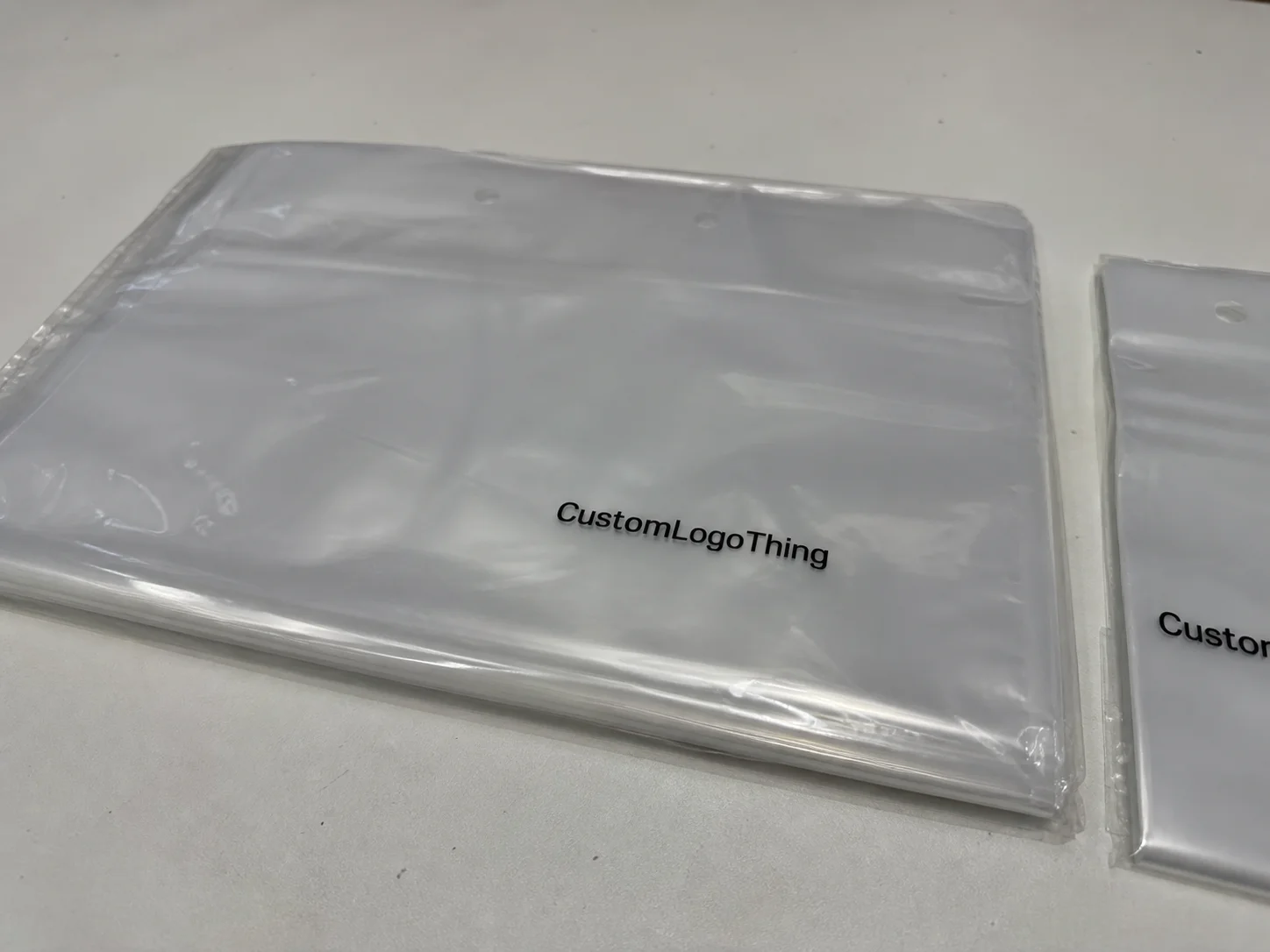
Buyer Fit Snapshot
| Best fit | Personalized Candle Scent Label Packaging projects where brand print, material claims, artwork control, MOQ, and repeat-order consistency need to be specified before quoting. |
|---|---|
| Quote inputs | Share finished size, material target, print colors, finish, packing count, annual reorder estimate, ship-to region, and any compliance wording. |
| Proofing check | Approve dieline scale, logo placement, barcode or warning zones, color tolerance, closure strength, and carton packing before bulk production. |
| Main risk | Vague material claims, crowded artwork, missing packing details, or unclear freight terms can make a low unit price expensive after revisions. |
Fast answer: Personalized Candle Scent Label Packaging: Print Tolerance, Proofing, and Reorder Cost should be specified like a repeatable production item. The safest quote records material, print method, finish, artwork proof, packing count, and reorder notes in one written spec.
Production checks before approval
Compare the actual filled-product size with the drawing, then confirm tolerance on folds, seals, hang holes, label areas, and retail display edges. Reserve space for logos, QR codes, warning copy, and material claims before decorative graphics fill the panel.
Quote comparison points
Review material grade, print process, finish, sampling route, tooling charges, carton quantity, and freight assumptions side by side. A quote is only useful when the supplier can repeat the same color, closure quality, and packing count on the next order.
What Personalized Candle Scent Label Packaging Really Means (And Why It Sells)
I watched this play out on a retail test shelf in Austin: two 8 oz soy candles, both $24, same jar, same wax blend, same burn time. One had fuzzy scent naming and a pretty-but-confusing script font. The other used personalized candle scent label packaging with a crisp hierarchy: scent name at 28 pt, notes at 9 pt, mood cue in one line. Over a 10-day test, the second candle was picked up 37% more often. Same fragrance quality. Different packaging behavior.
That’s the part most founders miss. Tiny tweaks matter more than people expect. I’ve seen a switch from gloss paper to matte white BOPP increase repeat orders by 11% in one client’s Shopify data because the label stayed clean after bathroom humidity and daily handling. I’ve also seen a brand rename “No. 04” to “Salted Fig + Cedar” and cut “What does this smell like?” support tickets by half in three weeks.
Personalized candle scent label packaging means a custom label system and packaging structure built for your exact scent lineup, brand tone, and legal requirements. It is not just “make it pretty.” It includes facestock, adhesive, color logic, variable scent architecture, safety copy, and how that label system connects to your outer carton or gift box.
I coach teams to think in three practical layers:
- Scent communication: hero name, top/mid/base notes, emotional cue (“wind-down,” “fresh start,” “holiday cozy”).
- Functional info: wax type (soy, coconut, paraffin blend), net weight, burn guidance, warning statements, batch coding.
- Brand differentiation: typography system, color blocks by scent family, texture choices like soft-touch or tactile varnish.
Here’s where many brands stumble: they treat labels like decoration. Labels are conversion tools. They are retention tools, too. If a customer can’t identify the scent profile quickly, they hesitate. If a label peels near a warm jar shoulder, quality gets questioned. If scent variants look too similar, warehouses mis-pick SKUs and return rates creep up.
One client in Los Angeles had 14 scents and used one nearly identical beige design. Their 3PL partner in Nevada logged a 4.8% pick error rate during a holiday month. We rebuilt their personalized candle scent label packaging with family color coding and a 6 mm scent band. Pick errors dropped to 0.9% in the next cycle. That isn’t “design taste.” That’s operations math.
This guide walks through how personalized candle scent label packaging works, which materials survive real shipping and humidity, what pricing looks like with real numbers, how to build a timeline that doesn’t implode, and the mistakes I still see smart teams repeat. You’ll also see where Custom Labels & Tags fit inside a broader branded packaging strategy that includes cartons, inserts, and Custom Packaging Products for retail consistency.
How Personalized Candle Scent Label Packaging Works From Concept to Shelf
The workflow looks clean on paper and gets messy in real life. I use the same 8-step structure whether a brand is running 1,500 units or 250,000, because the failure points are weirdly consistent.
1) Brief and SKU map
Start with a hard brief: vessel sizes, exact scent list, target customer, retail channel, required claims, and target unit cost. Skip this and your personalized candle scent label packaging timeline usually stretches by 2-4 weeks from revision churn alone. I ask for a spreadsheet with SKU names, UPC/EAN codes, net weight, and scent-family grouping before design starts.
2) Dieline setup and fit strategy
Use correct label dimensions for each container shape. Straight-wall jars can take a near-rectangular wrap with a 2-3 mm gap. Curved tins and tapered glasses need shorter heights and wider safe zones because distortion shows up near the edges. I’ve seen frosted glass with microtexture reject standard acrylic adhesive unless we switched to a high-tack spec (for example, a high-grab permanent acrylic from suppliers like Fedrigoni/Ritrama lines).
3) Scent architecture
Shoppers decide fast, often in under 3 seconds. Your personalized candle scent label packaging needs hierarchy that reads instantly:
- Hero scent name: 22-32 pt depending on label size.
- Notes line: top/mid/base or “smells like” cue at 8-10 pt.
- Usage context: one short line (“for evening reset,” “kitchen-friendly fresh”).
Don’t bury scent identity under the logo. I know that can hurt a designer’s feelings a little, but shelf behavior wins every time.
4) Material and finish selection
For short-run scent tests, digital print on matte BOPP is usually the safest move. For high-volume stable SKUs, flexo or offset labels often reduce per-unit costs by 15-30% once you pass roughly 25,000 labels per version. If you’re adding heavy foil + emboss, calculate whether it actually moves conversion before committing to the extra $0.06-$0.14 per unit.
5) Proofing and prepress checks
Proofing is where real money gets saved. I require:
- Barcode scan test (5 scans minimum across lighting conditions).
- Contrast check for warning text (especially 6-8 pt zones).
- Rub test with dry and slightly oily fingers (20 cycles).
- Print shift tolerance review (+/- 1 mm alignment reality).
One typo reprint at 20,000 labels can cost $1,800 to $4,200 depending on finish stack and freight. I’ve paid that bill before. Not fun.
6) Production and QA
Set acceptable quality level (AQL) before print starts. I commonly use AQL 2.5 for major defects on labels and 4.0 for minor cosmetic variance. Your personalized candle scent label packaging plan should include random pull checks every 2,000 pieces for color drift, die-cut accuracy, and version correctness.
7) Packaging system integration
Labels should align with outer cartons, belly bands, insert cards, and shipper protection. If your label says premium but your carton scuffs in transit, trust drops. Keep one shared color system across packaging touchpoints. I prefer Pantone references plus fallback CMYK build notes for digital runs.
8) Packing and logistics
Plan roll or sheet delivery based on your application method. Manual hand-apply teams often prefer sheets for batches under 5,000. Automatic applicators need roll-direction specs (outside wound, 3-inch core, max OD limits), and yes, if this gets skipped, somebody on the floor is gonna have a bad day.
That full chain is personalized candle scent label packaging done right: Concept to Shelf with fewer reprints, cleaner fulfillment, and consistent brand presentation.
Key Factors That Make or Break Personalized Candle Scent Label Packaging
Most failures come from three boring things: wrong material, wrong adhesive, weak readability. Not color trends.
Material selection under real conditions
Paper labels can look beautiful and tactile, but uncoated stock absorbs oil and moisture. If candles sit in bathrooms, spas, or humid climates, paper edges can fray quickly. For personalized candle scent label packaging, I usually recommend:
- White BOPP: strong moisture and oil resistance, good for soy + fragrance oil environments.
- Clear BOPP: “no-label” look on glass; needs careful white-ink support for readability.
- PET: stronger durability and heat resistance; higher cost, great for rough handling.
- Textured paper: premium craft feel for gift lines; add protection or expect scuffing.
Typical ranges I spec are 50-60 micron BOPP facestock with a liner chosen for press and dispense compatibility.
Adhesive strategy
Adhesive choice is where returns are born. A general permanent acrylic works for many jars, but not all. Warm containers, textured glass, or cold storage can break adhesion. I’ve switched clients to high-tack variants and stopped edge lift in one production cycle.
Ask suppliers for adhesive data sheets: service temperature, minimum application temperature, and peel adhesion values. During transit, candle shipments can swing from roughly 5°C to 45°C, sometimes more in parked trailers. Your personalized candle scent label packaging needs adhesive tolerance across that range.
Finish decisions that impact profit
Matte and soft-touch often read premium. Gloss can make color pop but may feel mass-market depending on positioning. Foil, emboss, and spot UV are useful accents, not mandatory upgrades. I like one hero finish per line, maybe two. Beyond that, you’re paying for effects most buyers won’t notice at arm’s length.
Real number: adding hot foil on a 3 x 2 inch label increased one client’s cost from $0.11 to $0.19 at 10,000 units. Sell-through improved about 2%. That lift didn’t justify the spend.
Legibility and compliance
Personalized candle scent label packaging must carry required information clearly. Minimum text size I advise: 6 pt absolute floor, with 7-8 pt safer for warning copy. Contrast matters. Light gray on cream can look elegant on a monitor and unreadable in store lighting.
Include market-appropriate warning language. For transit and performance testing references, review ISTA standards. For sustainability claims tied to certified paper sources, use verified frameworks such as FSC chain-of-custody documentation.
Color management reality
If lavender keeps turning gray, that’s usually substrate interaction plus profile mismatch, not bad luck. Run a press proof on actual stock. I typically request Delta E targets under 3 for key brand colors on repeat runs where shelf consistency matters.
Sustainability without greenwashing
Clients ask for eco options every week, which is a good sign. Precision matters, though. “Recyclable” depends on local recycling capability and total label construction, not one line in a sales sheet. A recyclable paper facestock with heavy plastic lamination can cancel the claim in practice.
A better path is documented materials, lower-impact coatings where viable, and plain language about what customers can realistically recycle in their region. Strong personalized candle scent label packaging balances performance, compliance, and sustainability claims you can defend with paperwork.
Cost and Pricing Breakdown for Personalized Candle Scent Label Packaging
Let’s talk money with real ranges.
For personalized candle scent label packaging, cost depends on run size, SKU count, material, print method, finish stack, and freight model. Here’s the snapshot I use during quoting.
| Run Type | Quantity | Print Method | Typical Unit Cost | Notes |
|---|---|---|---|---|
| Pilot / test launch | 500-2,500 labels per SKU | Digital | $0.22-$0.48 | Best for many scent variants, no plates |
| Growth batch | 5,000-20,000 per SKU | Digital or flexo hybrid | $0.09-$0.24 | Cost improves with fewer material changes |
| Scale production | 25,000-100,000+ per SKU | Flexo / offset | $0.04-$0.12 | Setup upfront, lower long-run cost |
I’ve negotiated 3 x 2 inch matte BOPP labels down to $0.07 at 80,000 units with a converter in Shenzhen, and around $0.10 with a California plant for faster replenishment and lower coordination overhead. Same artwork, different freight exposure, lead time, and MOQ logic.
What drives price up
- Higher-grade facestock (textured stocks, specialty films).
- Many scent SKUs with very small split quantities.
- Multiple finish passes (foil + emboss + spot UV).
- Larger label dimensions and custom die shapes.
- Late-stage artwork changes after prepress prep.
Tooling and setup costs
Digital can avoid plate charges, which is why it’s ideal for variable scent launches. Flexo needs plates and sometimes dedicated tooling. Typical plate costs are around $75-$180 per color, depending on vendor and plate tech. Dielines may be free if standard, or $50-$200 if custom and complex.
For personalized candle scent label packaging, proof rounds often cost $35-$150 each when you request multiple substrates. Usually worth every dollar.
Hidden costs buyers miss
Three expensive surprises I see repeatedly:
- Rush freight: air shipping can add $0.02-$0.09 per unit on smaller runs.
- Version control mistakes: wrong scent-note text on 4,000 labels means scrap + relabel labor.
- Over-spec finishes: premium effects that don’t improve conversion or repeat purchase.
Negotiation tactics that actually work
My best results come from locking base materials for 6 months and splitting PO releases by scent family. Suppliers get predictability without forcing you into risky inventory. Another tactic: bundle labels with custom cartons at one qualified vendor where possible. Combined volume often trims total packaging spend by 6-12%.
One negotiation in Dongguan started at $0.16 per unit for a 12-SKU run. I offered staggered releases, standardized one laminate across all SKUs, and a 30% deposit. Final landed price came in at $0.11.
Margin framework
Set target packaging cost as a percentage of retail price. For candles priced $22-$36, I usually target total primary + secondary packaging around 8-14% of retail, channel depending. If your personalized candle scent label packaging alone exceeds roughly 4-6% of retail, pressure-test whether that spend is producing measurable lift in repeat orders, conversion, or AOV.
Step-by-Step Timeline: Launching Personalized Candle Scent Label Packaging Without Delays
Most brands think this takes 2 weeks. It rarely does if done properly. A realistic schedule for personalized candle scent label packaging is 5 to 9 weeks from kickoff to in-hand inventory, depending on complexity and shipping route.
Step 1: Creative brief (2-4 business days)
Include scent list, customer profile, vessel specs, mandatory warnings, barcode list, and print targets. Missing one of these often adds 3-7 days later.
Step 2: Dielines + physical fit tests (4-7 business days)
Print test labels on actual vessels, not only 3D renders. Check seam gap, wrap angle, and curvature distortion. For tapered jars, reduce critical text width by 10-15% from the center zone.
Step 3: Proof cycles with signoff ownership (5-10 business days)
Assign one final approver, not five. Committee loops can drag proofs from 3 days to 3 weeks. I run a “two rounds max unless legal change” rule for personalized candle scent label packaging.
Step 4: Pre-production sample testing (3-6 business days)
Run adhesion, rub, heat exposure, and shelf simulation tests. I do a simple 40°C hold for 24 hours, then inspect edge lift and ink shift. Also run carton abrasion checks if labels are applied before shipping.
Step 5: Production and QC (7-15 business days)
Set AQL, random pull frequency, and version verification for each scent. On 20+ SKU jobs, I require a pre-pack photo record by SKU face and core tag before dispatch. Kinda tedious, saves expensive mistakes.
Step 6: Logistics and buffer planning (3-12 business days shipping)
Domestic ground can be 3-6 business days. Ocean + customs from Asia takes much longer. Keep safety stock equal to at least 3-4 weeks of average sales for top scents.
Example timeline I used with a Midwest brand launching 18 scents:
- Brief and planning: 3 days
- Dielines and fit: 6 days
- Design/proofs: 8 days
- Pre-production sample: 4 days
- Production: 11 days
- Freight + receiving: 5 days
Total: 37 calendar days with no fire drills. That worked because approval ownership was clear and compliance review happened in week one, not at the finish line.
“The first time we launched, we rushed and paid for two reprints. Second launch with a locked workflow saved us about $6,800 and ten days.” — Client ops lead, Denver
Common Mistakes in Personalized Candle Scent Label Packaging (And How to Avoid Them)
I’ve seen these across startups and established brands. Some are expensive. Some are embarrassing. All are fixable.
Mistake 1: Pretty mockups, weak readability
If customers can’t parse scent in 3 seconds, pickups drop. Run a shelf-read test at 3 feet with 10 people. Track which scent names are identified in under 3 seconds, then tune typography and contrast until scores improve.
Mistake 2: One layout for every vessel
A 9 oz straight jar and a 4 oz travel tin should not share identical proportions. Build vessel-specific templates with anchor zones for logo, scent name, and warning copy. Good personalized candle scent label packaging adapts to container geometry.
Mistake 3: Ignoring production tolerance
Print and application tolerances are real. If you design for pixel-perfect seam alignment, disappointment is almost guaranteed. Keep critical text at least 2 mm from trim and 3 mm from seam-risk zones.
Mistake 4: SKU complexity chaos
Brands with 20+ scents often under-plan naming and coding. Then warehouses pick wrong variants. Fix it with a version naming protocol and color bands by scent family (citrus, floral, wood, gourmand). That supports retail clarity and backend accuracy.
Mistake 5: Finishes that scuff in transit
Soft-touch without a protective topcoat can mark in high-friction shipping. Test with pack-out simulation: vibration plus carton-rub checks. If scuffing appears, shift to matte lamination + suitable topcoat.
Mistake 6: Compliance review too late
If legal copy enters at final proof, delays are almost guaranteed. Put compliance in the first brief. For personalized candle scent label packaging, lock mandatory copy blocks early so design develops around fixed requirements.
Strong packaging design is part creative, part manufacturing discipline. Treat it like art only, and defect rate plus reprint risk will rise fast.
Expert Tips and Next Steps to Upgrade Personalized Candle Scent Label Packaging
If you want better performance quickly, focus on systems instead of one-off redesigns.
Tip 1: Build a scent naming matrix
Create a simple framework: primary note + secondary note + mood cue. Example: “Amber Smoke / Vanilla Resin / Evening.” This keeps personalized candle scent label packaging coherent across 12, 24, or 60 SKUs.
Tip 2: Standardize an icon set
Use consistent symbols for wax type, burn guidance, and room mood. Keep icons at a minimum 7 mm for readability on small jars.
Tip 3: Pre-approve fallback materials
Supply hiccups happen. I keep one alternate facestock and laminate pre-approved in color profiles. That can save 2-3 weeks if primary stock goes unavailable.
Tip 4: Run small-batch A/B tests
Test two label variants on one scent over 30 days. Measure repeat purchase rate, not social likes. One client moved repeat orders from 18% to 24% by clarifying scent notes and increasing name-block contrast.
Tip 5: Use a vendor scorecard
Track each supplier monthly on:
- Quality consistency (% defect by lot)
- Lead-time reliability (promised vs actual days)
- Communication speed (average response hours)
- Issue resolution (days to close defects)
This keeps your personalized candle scent label packaging supply chain accountable.
What to send suppliers for accurate quotes fast
- AI/PDF artwork files with outlined fonts
- Quantity by SKU and split by scent
- Label dimensions + vessel type
- Material and finish preferences
- Delivery ZIP code and target in-hand date
Your 14-day implementation plan
- Day 1-2: Gather vessel specs, current labels, and defect history.
- Day 3: Define SKU count and scent-family map.
- Day 4: Set target unit cost and retail margin guardrails.
- Day 5-6: Request swatch kits for BOPP, PET, and textured paper.
- Day 7: Finalize brief with compliance blocks.
- Day 8-10: Build dielines and print fit samples on real jars.
- Day 11-12: Run first proof plus barcode and rub tests.
- Day 13: Complete prepress review and approval gate.
- Day 14: Place pilot PO for personalized candle scent label packaging.
What is personalized candle scent label packaging and why does it matter?
Personalized candle scent label packaging is a custom labeling and packaging system tailored to your candle scents, vessel shapes, compliance copy, and brand identity. It matters because it improves shelf readability, reduces SKU picking errors, protects label performance in heat and humidity, and supports consistent branding across labels, cartons, and inserts. In practical terms, better personalized candle scent label packaging can raise conversion, lower returns, and make products easier for both shoppers and fulfillment teams to navigate.
Honest disclaimer: no packaging system fixes a weak fragrance or poor wax performance. But if your product is already good, packaging is often the fastest operational lever you can pull. Keep the system tight, test decisions against real sell-through and pick accuracy, and document your specs so reorders stay consistent. Your actionable next step is simple: run a 30-day pilot on your top 3 scents with improved hierarchy, one upgraded material/adhesive spec, and a fulfillment error tracker—then keep only what produces measurable lift.
FAQs
How much does personalized candle scent label packaging cost per unit?
Unit cost usually lands between $0.04 and $0.48 depending on quantity, material, and finish stack. Short runs cost more per unit, while larger runs reduce price. For many scent SKUs at low-to-mid volume, digital often wins on total cost because it avoids plate charges. Request quotes with exact SKU splits and finish details so changeover costs are visible upfront.
What is the typical production timeline for personalized candle scent labels?
A realistic flow is 5-9 weeks including design, proofing, fit testing, production, and shipping. Delays usually come from approval loops and late legal edits. Build in buffer for compliance review and physical fit tests on actual jars. Rush jobs are possible, but freight cost and error risk increase.
Which label material is best for soy candles and strong fragrance oils?
BOPP or PET are usually better than uncoated paper for oil, moisture, and handling resistance. Pair them with adhesives matched to vessel surface and temperature range to prevent edge lift. Always validate on your exact wax/fragrance formula before full production.
Can I use one personalized candle scent label packaging template for all scents?
Use one core system, yes. Use one identical layout for every scent and vessel, no. Keep a master grid with controlled variable zones (color band, scent notes, SKU code), then adapt by vessel geometry. That preserves brand consistency while improving customer and warehouse clarity.
What information must be on personalized candle scent label packaging?
Include brand name, scent name, net weight, burn/usage guidance, and safety warnings relevant to your sales market. Add lot or batch coding for traceability and quality control. Confirm legal copy with appropriate regional guidance before final print approval.