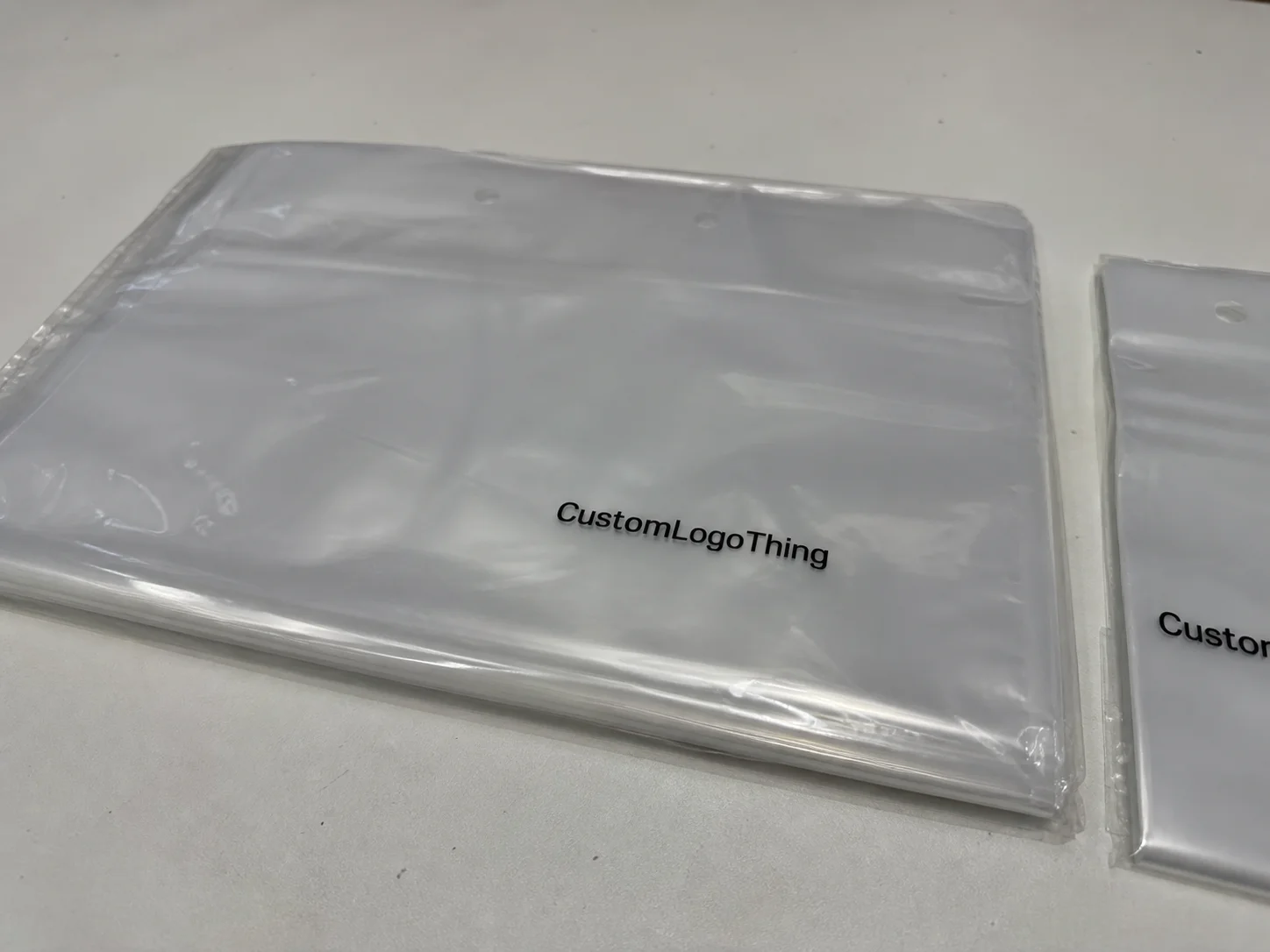
Buyer Fit Snapshot
| Best fit | Personalized Candle Scent Label Packaging projects where brand print, material claims, artwork control, MOQ, and repeat-order consistency need to be specified before quoting. |
|---|---|
| Quote inputs | Share finished size, material target, print colors, finish, packing count, annual reorder estimate, ship-to region, and any compliance wording. |
| Proofing check | Approve dieline scale, logo placement, barcode or warning zones, color tolerance, closure strength, and carton packing before bulk production. |
| Main risk | Vague material claims, crowded artwork, missing packing details, or unclear freight terms can make a low unit price expensive after revisions. |
Fast answer: Personalized Candle Scent Label Packaging: Material, Print, Proofing, and Reorder Risk should be specified like a repeatable production item. The safest quote records material, print method, finish, artwork proof, packing count, and reorder notes in one written spec.
Production checks before approval
Compare the actual filled-product size with the drawing, then confirm tolerance on folds, seals, hang holes, label areas, and retail display edges. Reserve space for logos, QR codes, warning copy, and material claims before decorative graphics fill the panel.
Quote comparison points
Review material grade, print process, finish, sampling route, tooling charges, carton quantity, and freight assumptions side by side. A quote is only useful when the supplier can repeat the same color, closure quality, and packing count on the next order.
Personalized Candle Scent Label Packaging: Why It Works
The first thing people notice on a crowded boutique shelf is often the label, not the wax, not the wick, and definitely not the scent notes tucked quietly on the back. I remember standing in a Shenzhen factory aisle, holding two nearly identical soy candles and watching a buyer pick the one with cleaner personalized candle scent label packaging because it looked more expensive by maybe $7 at retail. That wasn’t luck. It was packaging doing its job, especially when the label was printed on a crisp 350gsm C1S artboard or a matte BOPP film that felt intentional in the hand.
Personalized candle scent label packaging means the label is built around a specific fragrance, vessel size, brand story, and customer experience. It is not a generic sticker you slap on every jar and hope nobody notices the mismatch. It covers the candle name, scent family, notes, warning copy, and the visual cues that help shoppers understand what they’re buying in three seconds or less, whether the jars were filled in Guangdong or relabeled in a small studio in Portland, Oregon.
Why does that matter? Because candle buyers are buying mood, gifting potential, and home décor as much as wax. A lavender candle with soft neutrals and a matte paper stock feels different from the same fragrance in a metallic foil label. Same scent. Different signal. That signal is the whole point of personalized candle scent label packaging, and it is often what separates a $14 candle from a $28 one on a shelf in Austin or Brooklyn.
What most people miss is how quickly the label becomes the product in the customer’s mind. I’ve sat in client meetings where someone spent 40 minutes debating “ocean breeze” versus “salt air” and then sent me a label file with a 7-point font, no scent hierarchy, and an adhesive that curled on frosted glass. Brilliant strategy. Not. A label on a 3-inch diameter vessel needs enough margin, contrast, and adhesive strength to survive transit from a factory in Dongguan to a retail shelf in Chicago without looking tired.
Honestly, this is where candle brands either look confident or look like they’re still figuring it out in public. In practical terms, personalized candle scent label packaging helps buyers identify fragrance notes, mood, and use case without guessing. Citrus for mornings. Cedar and smoke for winter. Vanilla for gifting. Clean typography and a clear scent system turn those choices into instant understanding. That understanding sells candles faster, especially in retail packaging setups where the shelf is doing half the persuasion and the label has to communicate in less than five seconds.
It also improves repeat purchases. When customers remember your scent family system, they can spot the next fragrance in the line even if they only glanced at the jar for five seconds. That kind of recognition is what turns a one-off candle into a brand. I’ve seen boutique owners reorder faster once their package branding became easier to recognize from across the room, especially when every scent in the line used the same 1.25-inch top label and the same front-panel type scale.
How Personalized Candle Scent Label Packaging Works
Most personalized candle scent label packaging projects follow a very straightforward path: brief, design, proof, print, apply, ship. Simple on paper. Messy in real life if you skip measurements or keep changing the scent lineup every week. I’ve watched a six-SKU project turn into a nine-SKU headache because the client wanted “just one more seasonal variation.” That “one more” cost them two extra proof rounds and about $180 in setup and revision time, plus another 3 business days waiting on revised dielines.
The process starts with brand input. You share the scent name, notes, candle size, vessel material, label placement, and any compliance copy. Then the label designer builds a layout that matches the fragrance and the brand’s visual tone. A jasmine candle with a clean white jar and a minimal font needs a different label system than a heavy amber jar with black wax and gold foil. That’s just common sense, which is apparently rare in packaging design, especially when the vessel is a curved 7 oz glass with a 2.75-inch print zone.
Common label formats for candle jars
Personalized candle scent label packaging can take several forms, and the format changes both cost and usability. I’ve printed all of these in facilities from Shenzhen to Xiamen, and each one has tradeoffs:
- Front-only labels for simple branding and scent naming.
- Front-and-back labels for scent notes, burn time, ingredients, and warning copy.
- Wrap labels for larger storytelling panels or multi-language content.
- Top labels for lids, gift sets, or stacked retail displays.
- Tamper or warning labels where safety, batch ID, or compliance language is needed.
For a small brand, a front-only label plus a top label can be enough. For a more established line, front-and-back often works better because it gives you room for scent notes and required safety details without making the front look crowded. If you’re also using Custom Labels & Tags, you can keep the system consistent across candles, gift sets, and seasonal bundles, whether the final goods are packed in Los Angeles or kitted in a warehouse outside Atlanta.
How personalization shows up in the workflow
Personalization can happen at the SKU level, which means each scent gets its own label text, colorway, or finish. That’s useful for a six-scent core line or a 20-piece holiday rollout. It also works for custom gift sets where you want names printed for bridesmaids, corporate clients, or private-label buyers. I once helped a client ship 1,200 corporate candles with recipient-specific top labels. The per-unit label cost was only $0.14 higher, but the perceived value was ridiculous. They sold the sets at $38 each, and the labels were still under $0.26 per unit at that volume.
A realistic workflow looks like this:
- Briefing: share dimensions, scent details, and brand references.
- Layout: design team builds the first mockup.
- Revision: correct wording, hierarchy, and spacing.
- Proof approval: confirm colors, size, and die line.
- Production: labels are printed and finished.
- Shipping: packed and delivered for application or kitting.
For simple personalized candle scent label packaging, I’ve seen 12 to 15 business days from proof approval to shipment, especially when the order is printed in a Guangdong converter that keeps the same substrate in stock. Specialty finishes, like foil stamping or textured stock, can stretch that to 18 to 25 business days. If someone promises you three days for custom print with finishing, they are either guessing or selling fiction.
When I visited a label converter in Dongguan, the operator showed me how a 1.5 mm label shift on curved glass could make a premium jar look cheap. That tiny misalignment was enough to trigger a reprint on 8,000 units. That’s why measuring the vessel correctly matters. A label that looks fine on your screen can fail instantly in real life, especially on frosted glass or rounded tins with a 2.2-inch label panel and a narrow seam overlap.
| Label format | Best for | Typical cost impact | Design flexibility |
|---|---|---|---|
| Front-only | Minimal brands, small jars, scent-first SKUs | Lower setup and print cost | Moderate |
| Front-and-back | Compliance copy, scent notes, premium lines | Moderate | High |
| Wrap label | Story-driven packaging, larger vessels | Higher due to size | Very high |
| Top label | Lid branding, gift sets, stacked displays | Low to moderate | Moderate |
Key Design and Material Factors for Candle Labels
The material choice in personalized candle scent label packaging matters more than people expect. Candles live near heat, wax, glass, and sometimes bathroom humidity. A label that looks gorgeous for a week and then lifts at the edges is not premium. It’s a refund waiting to happen, especially if the product sat in a 38°C warehouse in Shenzhen before shipping to a humid market like Miami.
For most jars, I like coated paper labels for dry, controlled environments and BOPP or other waterproof films for higher-handling products. If the candles are sold in gift boxes or sit on shelves in temperature-controlled stores, a strong coated stock can work well. If the jars are handled a lot, shipped long distances, or stored in warm warehouses, film labels usually survive better. I’ve tested labels that looked perfect in a showroom and failed after two days in a hot delivery truck. Real life is rude like that, especially with glossy jars and soy wax that may bloom slightly in transit.
Material choices that actually hold up
Here’s how I break it down when clients ask for Personalized Candle Scent Label Packaging:
- Paper stock: usually better for rustic, apothecary, and eco-forward brands.
- BOPP film: useful when moisture resistance and scuff resistance matter.
- Textured stock: nice for premium storytelling, though it can reduce fine-detail readability.
- Soft-touch laminate: good for luxury feel, especially with matte branding.
- Clear labels: useful when the jar color or wax color is part of the design.
Adhesive selection matters just as much. A straight-sided glass jar behaves differently from a frosted cylinder or a metal tin. Curved vessels need labels that tolerate flex. Frosted jars can make adhesive performance unpredictable if the surface texture is too rough. I’ve had clients send me beautifully printed labels that failed because the adhesive wasn’t matched to the container. The print was fine. The glue was the problem. For 8 oz amber jars, I often recommend an aggressive acrylic adhesive; for tins in cooler markets like Toronto or Minneapolis, a standard permanent adhesive may be enough. That’s packaging, not poetry.
Finish choices and the “too much” problem
Finish can make or break personalized candle scent label packaging. Matte labels signal calm and restraint. Gloss adds shine and works better for bold, colorful lines. Foil can elevate a label fast, but only if used with discipline. Too much foil on a 2-inch candle label looks like the brand raided a craft store. Embossing can feel expensive, but only when the artwork supports it and the die depth is kept within a sensible range, usually around 0.3 to 0.6 mm for a clean tactile effect.
My usual advice is simple: choose one premium feature and let the rest behave. Maybe soft-touch plus black typography. Or gold foil on the logo with a plain cream background. That balance reads as intentional. It does not scream, “We spent the entire margin on decoration.” If your labels are printed in a facility in Suzhou or Guangzhou, that restraint also keeps registration easier and reduces the chance of misaligned metallic effects.
Readability and compliance
Typography should be large enough to read at arm’s length. On a 2 oz to 8 oz candle, that usually means keeping the scent name dominant and the notes secondary. I’ve seen labels with five font styles and three competing text blocks. You know what that does? It confuses buyers and makes the product feel cheaper, not richer. On a 6.5-ounce vessel, a scent name set at 12 to 18 pt equivalent often reads more clearly than a decorative script squeezed into a narrow column.
Your label should also account for product packaging requirements and any safety language. The details vary by market, but you often need clear warning copy, batch identifiers, or burn instructions. If you are planning a broader product packaging line, it’s smart to keep a consistent structure across your Custom Packaging Products so labels, boxes, and inserts all feel like part of the same family. If you need standards or testing references for ship-ready packaging, I point people toward the ISTA testing guidelines and the EPA for environmental and materials-related context.
For brands using FSC-certified paper or eco-positioning, the FSC site is worth reviewing before you commit to a claim you can’t support. I’m blunt about this because I’ve seen brands get themselves into trouble by printing “sustainable” on packaging without understanding what that means. A recycled-content label stock from a certified mill in Taiwan still needs documentation if you plan to print an environmental claim on the front panel.
Personalized Candle Scent Label Packaging: Cost and Pricing Factors
Let’s talk money, because everybody wants “premium” until the quote lands. Personalized candle scent label packaging pricing depends on material, size, print method, quantity, finishing, and how many design variations you need. A basic paper label at higher volume might land around $0.08 to $0.18 per unit. Add waterproof film, foil, or a short run, and that number climbs fast. For example, a 5,000-piece order of 2-inch round labels in coated paper can come in around $0.15 per unit, while the same piece in BOPP with matte lamination may land closer to $0.22 to $0.28 per unit. No surprise there. Small orders always cost more per label because setup still exists even when your quantity is tiny.
Setup charges matter. If you need die cutting, multiple SKUs, or special finishing, you may see additional costs for plates, dies, proofs, and revision time. A client once came to me with four scents, each in a different jar size. Nice idea. Expensive execution. Their label cost jumped by about 22% because the supplier had to produce four separate die lines and manage four proof approvals. That’s how personalized candle scent label packaging turns from “simple branding” into a math problem, especially when one SKU needs silver foil and another needs a 3-inch wrap label.
| Option | Typical unit cost range | Best use case | Tradeoff |
|---|---|---|---|
| Basic coated paper label | $0.06 to $0.18 | Simple candle lines, larger quantities | Less moisture resistance |
| BOPP film label | $0.12 to $0.30 | Handled often, humidity, shipping | Higher material cost |
| Foil or specialty finish label | $0.20 to $0.55 | Luxury gifting, boutique retail | Extra setup and slower production |
| Short-run custom label | $0.18 to $0.60 | Testing scents, seasonal drops | Highest per-unit cost |
There are hidden costs too. Expedited production adds fees. Multiple artwork versions add fees. Proofing errors add fees. Fancy is rarely free. A well-executed label can justify a higher retail price very quickly. I’ve seen a candle with a label cost under $0.10 sell for $24 because the package looked polished, the fragrance story felt coherent, and the branding felt credible. That is the difference between branded packaging and a sticker with confidence issues, especially when the jar is paired with a kraft dust cover or a rigid gift carton.
If you are comparing candle labels with other formats like boxes, inserts, or sleeves, think about where your margin lives. Sometimes a candle line does better with modest labels and stronger custom printed boxes for gifting. Sometimes the label carries the whole visual load. It depends on shelf placement, target customer, and whether you’re selling online or in a boutique. There isn’t one right answer. There is only the right answer for your margin, your shipping lane, and the retail price you need to hold in markets like Seattle, Dallas, or London.
Step-by-Step Process and Timeline for Ordering Labels
Good personalized candle scent label packaging starts with measuring the jar correctly. Not “eyeballing it.” Measuring. I’ve seen people guess label width from a product photo and then act shocked when the print size misses the curvature by 3 mm. That’s how you lose time and burn money on reprints, especially when the candle jar has a shoulder taper or a recessed base.
Here’s the cleanest order flow I’ve used with clients who actually want to hit launch dates:
- Finalize scent naming. Lock the fragrance name, scent notes, and any collection theme.
- Measure the vessel. Include diameter, labelable panel height, and any curve or taper.
- Choose the label style. Front-only, wrap, top label, or front-and-back.
- Select material and finish. Paper, BOPP, matte, gloss, foil, or soft-touch.
- Approve artwork. Check spelling, hierarchy, legal copy, and barcode placement if needed.
- Review the proof. Confirm size, color target, and dieline alignment.
- Print and ship. Production starts after sign-off.
For most personalized candle scent label packaging projects, the design phase takes 3 to 7 business days if the brief is clear. Proof revisions may add another 2 to 5 business days, depending on how many people are approving the same label. Production can take 7 to 15 business days for standard work, and in many Guangdong and Zhejiang factories, that becomes 12 to 15 business days from proof approval once the artwork is locked and the material is in stock. Then shipping adds whatever geography decides to do that week. If you’re ordering from overseas, build in extra days. Air freight is faster. Sea freight is cheaper. That tradeoff is not a mystery.
Timelines get delayed for predictable reasons. Missing measurements. Changed scent names. Last-minute regulatory edits. “Can we move the logo three millimeters?” Yes, you can. You can also extend your schedule. I once had a client delay approval for ten days because they couldn’t decide whether the candle line should say “linen” or “fresh linen.” That is not a production issue. That is a branding therapy session, and it added a full week to the ship date from a factory in Ningbo.
If your supplier offers design support, send them a clean file package with logo files, Pantone references, ingredient language, and exact vessel dimensions. A simple spreadsheet with each SKU, jar type, scent name, and label dimension can save hours. I like keeping all personalized candle scent label packaging specs in one document because it cuts down on mistakes and makes reorders less painful. If you’re also managing inserts, cartons, and display packaging, pairing labels with a broader package branding system keeps everything easier to scale, especially when the line expands from 4 scents to 14 scents over a 6-month launch window.
Common Mistakes in Personalized Candle Scent Label Packaging
The most common mistake in personalized candle scent label packaging is trying to fit too much into a tiny space. Brand story, scent notes, burn instructions, ingredients, logo, and a decorative pattern all fighting for attention on a 2-inch label. That’s not design. That’s a shouting match, and it gets worse when the label is printed on a narrow 1.5-inch oval with no safe margin.
Unreadable type is another classic failure. If the font is so small that a customer has to lift the jar to their face under a shop light, you’ve already lost them. Scent names should be easy to scan. Notes should be secondary but still visible. The eye needs a path. Without one, the label feels cluttered and cheap, even if the ink was laid down beautifully by a press in Xiamen.
Material and application mistakes
Here’s where things get expensive:
- Labels peel because the adhesive was wrong for the glass or tin.
- Ink smears because the stock wasn’t coated properly.
- Edges lift because the label is too large for the curve.
- Wrinkles show because the application method was inconsistent.
- Labels shift because the vessel size changed after approval.
I remember one factory visit where a client brought in a gorgeous label on matte paper for a candle sold in humid coastal retail stores. The labels looked beautiful on the pallet and terrible two weeks later. The edges curled, the corners picked up dirt, and the whole line had to be relabeled. They saved $0.04 per unit on material and lost about $1.20 per unit correcting the mistake. Smart savings. Sure. In that case, the best fix would have been a 50-micron BOPP film with a permanent adhesive tested on 2.75-inch amber jars before full production.
Design clutter and SKU confusion
Another issue is inconsistent SKU formatting. If one scent says “Rose Noir,” another says “Noir Rose,” and a third says “Black Rose Bloom,” customers won’t understand the collection logic. That makes reorders messy and weakens shelf recognition. A strong label system should make the line feel like one family, not a box of unrelated ideas. A master naming rule set, even a simple one-page sheet, can save you from a lot of headache when you’re managing 8, 12, or 24 candle variations.
Designing for screenshots instead of real shelves is a rookie move. A label might look clean in a mockup, but the store shelf, the shipping box, and the customer’s hand all change how it reads. That’s why I always ask clients to print samples and place them on actual jars before approving the final run. Personalized candle scent label packaging has to work in the hand, not just in a PDF, and it has to survive the abrasion of a corrugated mailer traveling from California to New York.
Skip the safety copy or compliance requirements, and you create a different kind of problem. Depending on your market, your candle may need burn instructions, hazard icons, or ingredient disclosure. I’m not pretending every label needs a legal team, but leaving out the basics because they make the layout “less pretty” is a bad trade. Pretty doesn’t help if the product can’t be sold, especially in retail accounts that reject cartons without the right warning language or batch code placement.
How Do You Create Personalized Candle Scent Label Packaging That Sells?
You create personalized candle scent label Packaging That Sells by making the design easy to understand, easy to trust, and easy to remember. A candle buyer should be able to scan the shelf, recognize the scent family, and feel like the product fits their home or gift list without any guesswork. That means a clear hierarchy, a consistent naming system, the right substrate for the vessel, and a finish that supports the fragrance story instead of overpowering it.
Start with the customer’s first three seconds. What do they see from two feet away? What do they notice when they pick up the jar? What do they read when they flip it? If the answer is “too many fonts” or “tiny copy,” the label is working against you. The best personalized candle scent label packaging behaves like good retail signage: it guides the eye, reduces friction, and makes the product feel finished. That is why I push brands to test labels on real glass, real tins, and real shelf lighting before production.
Then think about consistency across the line. When every scent has the same structure, shoppers can find the next fragrance faster, and store buyers trust the line more because it looks organized. Personalized candle scent label packaging also works better when it matches your boxes, inserts, and mailers, so the brand feels planned from shelf to shipping carton. That kind of alignment is what turns a candle from a one-off item into a repeatable product system.
Expert Tips to Improve Personalized Candle Scent Label Packaging
If you want personalized candle scent label Packaging That Actually Sells, build a visual system first. That means every scent family gets a consistent color, icon, or type treatment. Lavender can use muted purples. Citrus can use brighter accents. Woods can lean on dark neutrals and texture cues. Customers shop faster when they can identify the family in under two seconds, and that speed matters on shelves in New York, Nashville, and Minneapolis where buyers are scanning several brands at once.
One of my favorite practical moves is testing 2 or 3 material samples under real lighting. Not under perfect studio lights. Under shop lights, near windows, and beside the actual wax color. I’ve seen a warm beige label look elegant in a design deck and muddy in a retail fridge-style display. The sample test costs maybe $25 to $80, or about $0.50 to $1.20 per sample set if your supplier in Shenzhen includes shipping by DHL. The wrong production run can cost thousands.
Keep one feature premium and one feature quiet
This is a rule I keep repeating because brands forget it. Choose one premium feature, like foil, embossing, or a specialty stock. Then keep the rest calm. For example, a cream uncoated label with a single gold foil logo can feel more luxurious than a label with foil borders, metallic ink, and a decorative pattern fighting for attention. Too many special effects usually makes the label look overworked, especially on a 2.5-inch jar where every millimeter matters.
Another smart move: design for future fragrances. If you know the line may grow from 6 scents to 12, build a system that can expand. Leave enough room for longer names. Keep the layout grid flexible. Reserve consistent placement for icons or scent notes. I’ve watched brands repaint themselves every season because they never thought past the first launch. That gets expensive fast, and it usually means paying a second round of design fees that can run $120 to $300 depending on the studio and the number of revisions.
Use your label to support the whole product line
Personalized candle scent label packaging should fit into the wider packaging ecosystem. If you’re using Retail Display Boxes, gift sleeves, or mailer packaging, the label color palette should echo those pieces. That’s how you create a recognizable product packaging family. A candle label that matches the box insert and thank-you card feels intentional. It feels like someone planned the brand instead of improvising it at 11:47 p.m. in a warehouse in New Jersey.
When I work with clients who care about margins, I usually suggest they protect the label budget enough to keep the visual system strong, then simplify elsewhere if needed. A clean label paired with modest but sturdy cartons often beats a heavy-handed premium look on everything. If you need broader support across product packaging, the right mix of labels, tags, and boxes can do more for sales than a single flashy feature. That’s the kind of decision I make after a few too many factory meetings and one very long coffee, usually while reviewing samples on a metal table under a 5,000K inspection light.
Action steps:
- Measure your jars with a ruler and calipers, not guesses.
- Write the scent hierarchy before designing the layout.
- Request 2 to 3 sample materials.
- Compare proof versions under store lighting.
- Lock the artwork before production starts.
Do those five things and your personalized candle scent label packaging will already be ahead of a lot of candle brands I’ve seen on the market, including lines that spend $2.40 per jar on wax but only $0.12 on labels and then wonder why the shelf impact feels unfinished.
FAQs
What is personalized candle scent label packaging?
It is custom label packaging built around a specific candle scent, brand style, and jar size. In practice, personalized candle scent label packaging usually includes the fragrance name, scent notes, logo, safety copy, and any visual details that help the customer understand the product quickly. For a 4 oz tin, that might mean a 1.5-inch front label; for a 10 oz glass jar, it might mean a wrap label with a 3.5-inch panel.
How much does personalized candle scent label packaging usually cost?
Cost depends on quantity, label material, finish, and how complex the artwork is. Smaller runs and specialty finishes usually cost more per unit. For simple orders, you may see pricing around $0.08 to $0.18 per label; premium materials, foil, or short runs can climb into the $0.20 to $0.55 range. At 5,000 pieces, a coated paper label might land near $0.15 per unit, while a BOPP label with matte lamination can move higher depending on the supplier and city of production.
How long does the label packaging process take?
Most projects take a few days for design, another few days for revisions, and 7 to 15 business days for standard production after proof approval. In many factories, the full timeline is typically 12 to 15 business days from proof approval for common substrates and standard finishes. If you add specialty finishing, multiple SKUs, or delayed approvals, the timeline stretches. Accurate measurements and clean artwork are the fastest way to avoid schedule creep in personalized candle scent label packaging.
What label material works best for candle jars?
Water-resistant materials like BOPP are often a strong choice for candle jars that are handled often or exposed to humidity. Coated paper can also work well for controlled retail environments. The right adhesive depends on whether the vessel is glass, frosted, curved, or metal, so test samples before you commit to a full run. For many brands, a 350gsm C1S artboard works well for carton components, while the jar label itself may need a film face stock with a permanent adhesive.
How do I make my candle scent labels look premium without overspending?
Use one strong finish, clean typography, and a clear scent hierarchy instead of piling on every fancy feature. A simple label with proper spacing and proportion usually looks more expensive than a cluttered one. That approach keeps personalized candle scent label packaging polished without inflating the budget, and it often stays under $0.20 per unit at 5,000-piece quantities if the artwork is locked early.
If you’re building a candle line that needs stronger shelf appeal, better giftability, and fewer production headaches, personalized candle scent label packaging is one of the smartest places to start. Get the measurements right, Choose the Right stock, keep the layout clean, and don’t let style outrun function. That’s how I’d approach it after 12 years of watching packaging decisions make or break product launches, from a small labeling line in Dongguan to a high-volume print room in Ningbo.