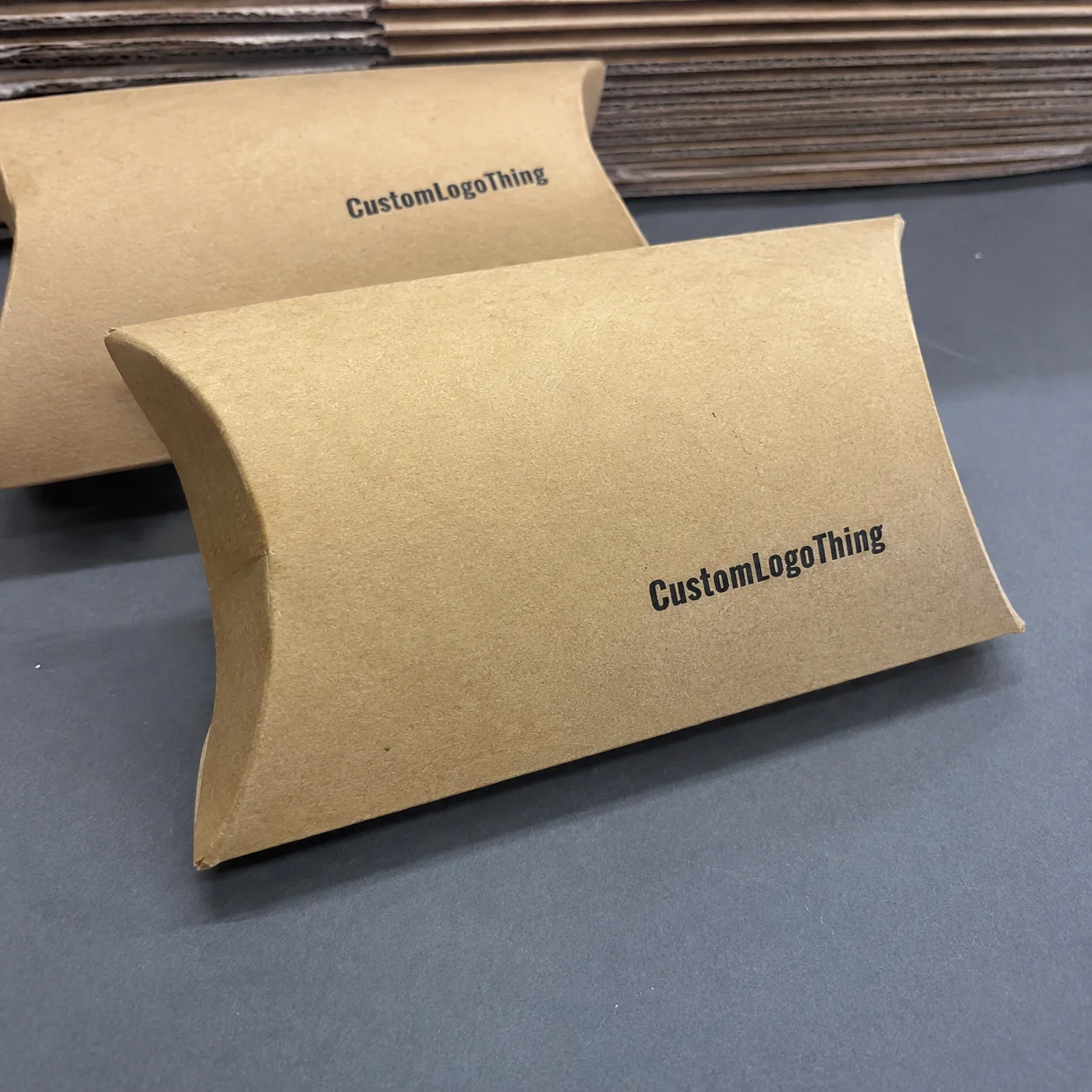
Personalized cereal boxes do a lot of work in a very small space. A shopper may only give the front panel a couple of seconds, so the carton has to communicate flavor, brand personality, and product quality almost instantly. If the box is charming but unclear, it misses the point; the strongest versions feel tailored and memorable while still being easy to read, easy to stock, and practical to print.
From a packaging buyer’s point of view, that balance is where the real decisions start. You are not just choosing artwork. You are choosing a structure, board grade, print method, finish, and layout that all need to hold together on press and on the shelf. That is true whether the boxes are for grocery retail, a subscription kit, a fundraiser, a private-label launch, or an event giveaway.
Why personalized cereal boxes stand out on shelf and online
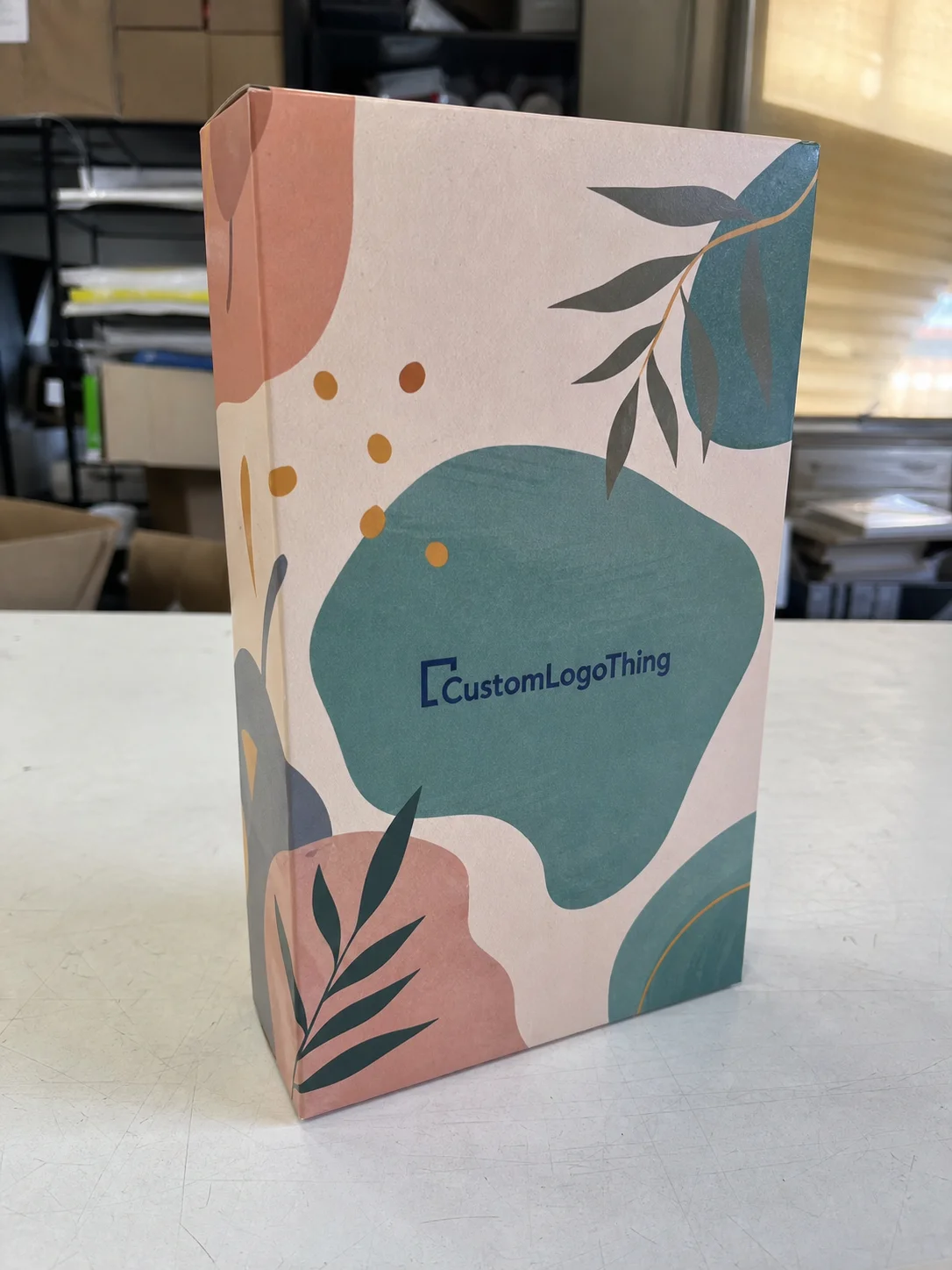
The appeal of personalized cereal boxes is straightforward: they turn a familiar package into something specific to a brand, promotion, or occasion. A standard cereal carton is built to hold product and cover the basics. A personalized one can do that too, but it can also carry custom graphics, seasonal copy, promotional messaging, variable names, QR codes, or artwork built for a retailer, campaign, or limited edition release.
That flexibility matters because cereal is often judged in seconds. In store, the front panel has to read clearly from a normal viewing distance. Online, the box has to look polished enough to hold up in product photography, social content, and unboxing videos. Packaging often gets treated as decoration first and function second, but the best results usually come from the opposite order: structure first, then visual polish, then a final check that the box still runs cleanly through production.
Personalized cereal packaging shows up well beyond grocery aisles. Brands use it for influencer merchandise, campus promotions, holiday programs, direct-to-consumer kits, and fundraisers where the carton itself becomes part of the message. In those cases, the package is not just holding cereal. It is carrying a brand experience and, often, a keepsake value that a plain box would never deliver.
A cereal box is usually the first physical touchpoint a shopper has with a brand. If that first touch feels careless, the product has to work harder to earn trust.
That is why good results depend on both design decisions and manufacturing realities. You can make a box feel playful, premium, or family-friendly, but the final build still has to fold correctly, hold its shape, protect the contents, and survive the handling that comes with real distribution.
How the printing and box-making process works
Most custom cereal box jobs follow a familiar production flow. It usually starts with concept approval, then dieline setup, artwork placement, prepress proofing, printing, cutting, folding, gluing, and final packing. The sequence sounds simple, but the details matter. A small shift in the dieline can move a barcode too close to a fold, and a dark background can show scuffing if the coating is not chosen with the final handling conditions in mind.
Two substrates show up often in this category: carton board and heavier paperboard. Cereal cartons need enough stiffness to stand up on a shelf and survive handling, but not so much thickness that the box becomes bulky, difficult to crease, or unnecessarily expensive to convert. In practice, many buyers end up somewhere in the 14pt to 24pt board-equivalent range, depending on fill weight, carton size, and the level of retail wear the package will see.
Printing usually comes down to offset or digital. Offset makes sense for longer runs where color consistency and unit economics matter. Digital is often the better fit for short runs, test launches, and jobs where artwork changes from one box to another. It can also be the smarter choice when a brand needs several versions for a regional program or a promotion, because it avoids some of the setup burden tied to long press runs.
Finishes change both appearance and durability. Gloss coating gives brighter graphics more pop and adds some moisture resistance. Matte creates a quieter, more modern look, while soft-touch lamination gives a velvety feel that reads as premium, though it can add cost and sometimes show edge wear if the cartons are handled roughly. Spot UV, foil, and embossing can improve contrast and shelf presence, but they work best when they support the design rather than overwhelm it.
For visibility or product protection, inserts, windows, or inner liners may be added. A clear window can show the cereal or a prize element inside, while a liner helps protect the contents if the product is packed directly into the carton. Not every build needs those features, and in many cases a simpler structure is the safer choice if the cartons need to move through distribution without added risk.
Key design and material factors that affect quality
Sizing comes first. The box has to fit the cereal fill weight, the inner pouch if one is used, and the shelf profile the buyer expects. Too much headspace makes the package look underfilled. Too little creates crushing risk, especially when cartons are stacked, palletized, or shipped through a distributor that handles mixed loads. For personalized cereal boxes, size choices can make the design feel intentional or awkward very quickly.
Artwork quality is the next major factor. Bright food imagery, mascots, and large colored backgrounds need strong resolution and careful color management, or the printed box will look muddy compared with the mockup on screen. A safe working rule is to keep raster images high enough for print at full size, and to build brand colors with the correct print profile rather than relying on whatever looks right on a laptop display.
Board selection also affects the final result. A stronger board improves corner integrity, folding performance, and the way the carton holds its shape after repeated handling. The print surface matters too, because some coated stocks hold fine type and detailed graphics better than rougher paper surfaces. If the design uses dark fields, the chosen stock and coating need to support clean ink laydown, or the finish can look uneven along scores and fold lines.
There is also the practical side of content. A cereal box usually needs a barcode, nutrition panel, ingredient list, storage directions, lot-coding area, and any claim language tied to the product. Depending on where the box is sold, certification marks or compliance text may also be required. If the carton is intended for a retailer or broader market, the artwork has to leave enough room for those items without making the front panel feel crowded.
Sustainability is part of the design conversation now, and for good reason. Recyclable board, FSC-certified stock, and a thoughtful approach to coatings can reduce waste without sacrificing presentation. If a job does not truly need heavy lamination or a complex finish, it is usually better to keep the structure simpler and let the graphics do the work. For buyers who care about materials sourcing, the FSC standard is a useful reference point: FSC-certified packaging options.
A few practical design rules help quality stay high:
- Keep key text away from folds, glue flaps, and score lines.
- Use strong hierarchy on the front panel: product name, flavor, then supporting copy.
- Confirm the dieline before finalizing the artwork.
- Match the outer carton and inner liner so the package feels coordinated.
Cost and pricing factors to budget before you order
Pricing for personalized cereal boxes is shaped by a handful of core variables: quantity, box size, board thickness, ink coverage, finish complexity, and whether the job needs special tooling. The more steps a carton goes through, the more the cost tends to rise. A plain one-color short run on standard board will usually price very differently from a premium carton with soft-touch coating, foil, and a custom window cutout.
Lower quantities usually cost more per unit because setup costs are spread across fewer boxes. That includes prepress work, press make-ready, die-cutting setup, and sometimes more hands-on inspection. Higher quantities can bring the unit price down because the production line becomes more efficient once the press is running steadily. That does not mean large runs are always the better move. If the product is a test launch, a smaller order can reduce risk even if the unit cost is higher.
Special features add value, but they also add cost. Foil, embossing, spot UV, interior printing, and windows can improve shelf presence, yet each one increases production steps and may require tighter registration. Here is a simple comparison to show how the spec changes the budget profile.
| Spec level | Typical features | Best use case | Relative cost pressure |
|---|---|---|---|
| Basic | Standard board, CMYK print, matte or gloss coating | Test runs, fundraisers, simple retail use | Lowest |
| Mid-range | Heavier board, higher ink coverage, spot coating, tighter color control | Brand launches, subscription kits, regional retail | Moderate |
| Premium | Soft-touch, foil, embossing, window, interior print, custom insert | Influencer merch, gifting, premium private label | Highest |
Late changes are another budget trap. If artwork changes after proofing, or if the structural layout needs revision because the fill weight changes, the job can absorb extra time and expense very quickly. That is why it helps to ask for pricing with both a target budget and a target volume in mind; a good supplier can often recommend a more efficient structure if they know what outcome you are trying to reach.
For teams comparing vendors or material options, the Custom Packaging Products page is a useful starting point for seeing how packaging formats vary before narrowing the spec.
Process, timeline, and lead time: from artwork to shipment
A realistic timeline starts with quote review and a complete artwork package. Once the buyer approves the estimate, the supplier usually moves into proofing, revisions if needed, scheduling, production, converting, inspection, and shipment. The exact pace depends on material availability, the complexity of the finish, and how quickly the buyer responds to proof questions. A slow approval cycle can add more time than the press run itself.
For a straightforward custom carton, production often moves faster once the design is locked. A typical sequence might include one or two proof rounds, then press setup, printing, die cutting, folding, gluing, and packing. More complex boxes, especially those using coatings, windows, or multiple embellishments, need more time because each added feature introduces one more place where alignment or quality can drift.
Sample approval matters a great deal. A press proof or prototype can reveal issues that are easy to miss on screen: a logo too close to a fold, a nutrition panel that feels crowded, or a shade of red that prints darker than expected on the chosen board. That small step often saves money later by catching mistakes before full production.
Rush orders are possible in some cases, but they are not magic. Tooling, press capacity, finishing requirements, and incoming material schedules all place limits on how fast the job can move. If a launch date is fixed, it is wise to build in a buffer for compliance review, color adjustment, and freight delays. Even a well-run packaging job can get squeezed by shipping weather or carrier congestion.
For buyers who want cleaner planning, the timeline usually looks like this:
- Request quote with specs and artwork status.
- Review dieline and structural layout.
- Approve proof or prototype.
- Move into print and converting.
- Inspect, pack, and ship.
Common ordering mistakes that create weak packaging
The biggest mistake is designing before confirming the final dieline and fill requirements. That can lead to artwork that looks fine on screen but falls apart at the seams, lands a logo in a fold, or crowds the barcode into a bad position. In packaging, structure is not separate from design; it is the framework that makes the design printable.
Low-resolution images are another frequent problem. A cereal box has a lot of flat color and bold graphics, which makes weak source files stand out quickly. Small text can also become hard to read once the box is folded and handled, especially if the finish introduces glare or the design places important copy too close to a score line.
Color inconsistency causes trouble too. A screen mockup may look bright and polished, but if the proofing process is skipped, the printed version can drift in ways that are hard to correct late in the schedule. Even brand colors that seem simple on a monitor can print differently across coated board, matte stock, and soft-touch lamination.
Another common miss is forgetting legal copy or market-specific labeling until the final stage. That can force a redesign, and redesigns often ripple into the proof schedule, the print plate setup, and the die layout. It is a small mistake with a big cost.
Finally, choosing a finish for appearance alone can backfire. A highly glossy surface may look energetic, but it can also create glare that makes copy harder to read under store lighting. A delicate coating can feel premium but may rub off if cartons are stacked or shipped aggressively. The finish has to suit the real handling conditions, not just the render.
Expert tips for better-looking, more efficient custom packaging
Design with the folds in mind. That one habit prevents a surprising amount of trouble. Keep critical copy, logos, and faces away from glue flaps, edges, and corners that will take stress during folding and shipping. If a detail matters to the customer, it should live on a stable part of the panel, not in a zone where the carton bends hard.
Use hierarchy aggressively on the front panel. A shopper should understand the brand, the flavor, and the product promise without hunting for the message. Strong cereal packaging usually has one clear visual focal point, then supporting details below it. Too many claims, icons, and decorative elements can make the box busy, and busy packaging often reads as less confident.
For launches, premium campaigns, or retail rollouts, order a sample or short proof run whenever possible. A prototype lets the team evaluate scale, finish, readability, and carton construction before committing to the full order. That step is especially useful if the box contains variable copy or a custom promotion.
Choose finishes based on handling conditions. Matte works well for a calmer, refined presentation. Gloss gives brighter graphics more energy and can be more forgiving in light retail handling. Protective coatings help with distribution-heavy use where cartons may be stacked, shipped, or touched often. There is no universal best answer; the right finish depends on the route the box will travel.
It also helps to coordinate the full packaging system. If the box is paired with an inner pouch, liner, or insert, the materials and graphic language should feel connected. A thoughtful system looks intentional, while mismatched components can make even a decent product feel cobbled together.
For packaging teams who want a broader category view, industry standards and best practices are worth keeping nearby. The Institute of Packaging Professionals is a solid reference point for packaging education and industry context, and the ISTA standards are useful when shipping performance matters.
Next steps for a cleaner quote and smoother production
The cleanest quote request is the one that arrives with the right details already assembled. Before reaching out, gather the box dimensions, target quantity, board preference, finish idea, artwork status, and desired ship date. If the box must fit a particular fill weight or insert, include that too, because those details affect the structure more than many buyers expect.
It also helps to prepare the support files in one place. That usually means logo files, nutrition copy, ingredient statements, barcode data, and any required compliance text. When those items arrive together, the proofing stage tends to move faster and with fewer revisions. If the legal text is still being finalized, say so early; leaving that out only slows the schedule later.
Ask for a dieline, proof, or sample before approving production. That is one of the simplest ways to verify that the panel layout, barcode placement, and carton structure all fit together properly. If the project is especially important, a prototype is worth the extra step because it reveals practical issues that mockups often miss.
Comparing proposals should go beyond unit price. A slightly higher quote may include better board, more reliable timing, or a finish that holds up better in transit. Packaging is not just a line item; it is part of the product presentation and, in many cases, part of the brand story the customer remembers.
Handled well, personalized cereal boxes can look sharp, print cleanly, and support both the marketing plan and the production schedule. Handled carelessly, they become an expensive lesson in missed measurements and rushed approvals. If the design is aligned with the manufacturing limits from the start, the result is easier to trust and much better to sell.
FAQ
How do personalized cereal boxes differ from standard cereal packaging?
They use custom artwork, dimensions, finishes, and copy tailored to a specific brand, event, or campaign. They can also be built around a specific fill weight, insert, or retail presentation instead of a generic format.
What affects the price of personalized cereal boxes the most?
Quantity, box size, board selection, print coverage, and special finishes usually have the biggest impact. Late artwork changes, structural revisions, and added compliance content can also raise cost.
How long does production usually take for custom cereal boxes?
Lead time depends on artwork readiness, proof approvals, print method, and finishing complexity. A straightforward order moves much faster than a premium box with special coatings or structural features.
Can I order personalized cereal boxes in a small quantity?
Yes, but smaller runs typically cost more per unit because setup costs are spread across fewer boxes. Digital printing or simplified specs may be the best fit for short runs or test launches.
What should I prepare before requesting a quote for personalized cereal boxes?
Have your box dimensions, target quantity, artwork files, finish preferences, and required copy ready. Including your timeline and any compliance requirements helps the supplier recommend the right structure and print approach.