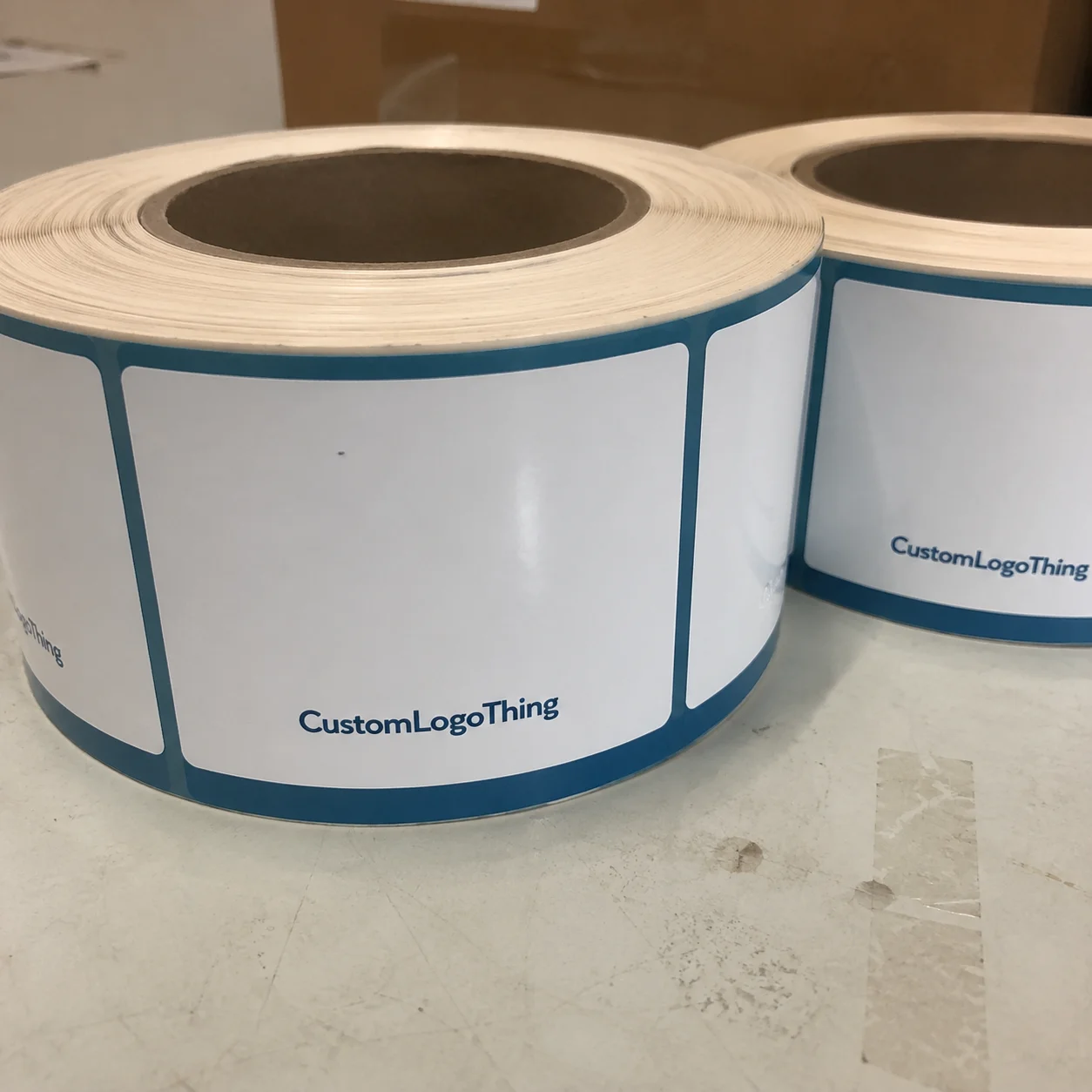
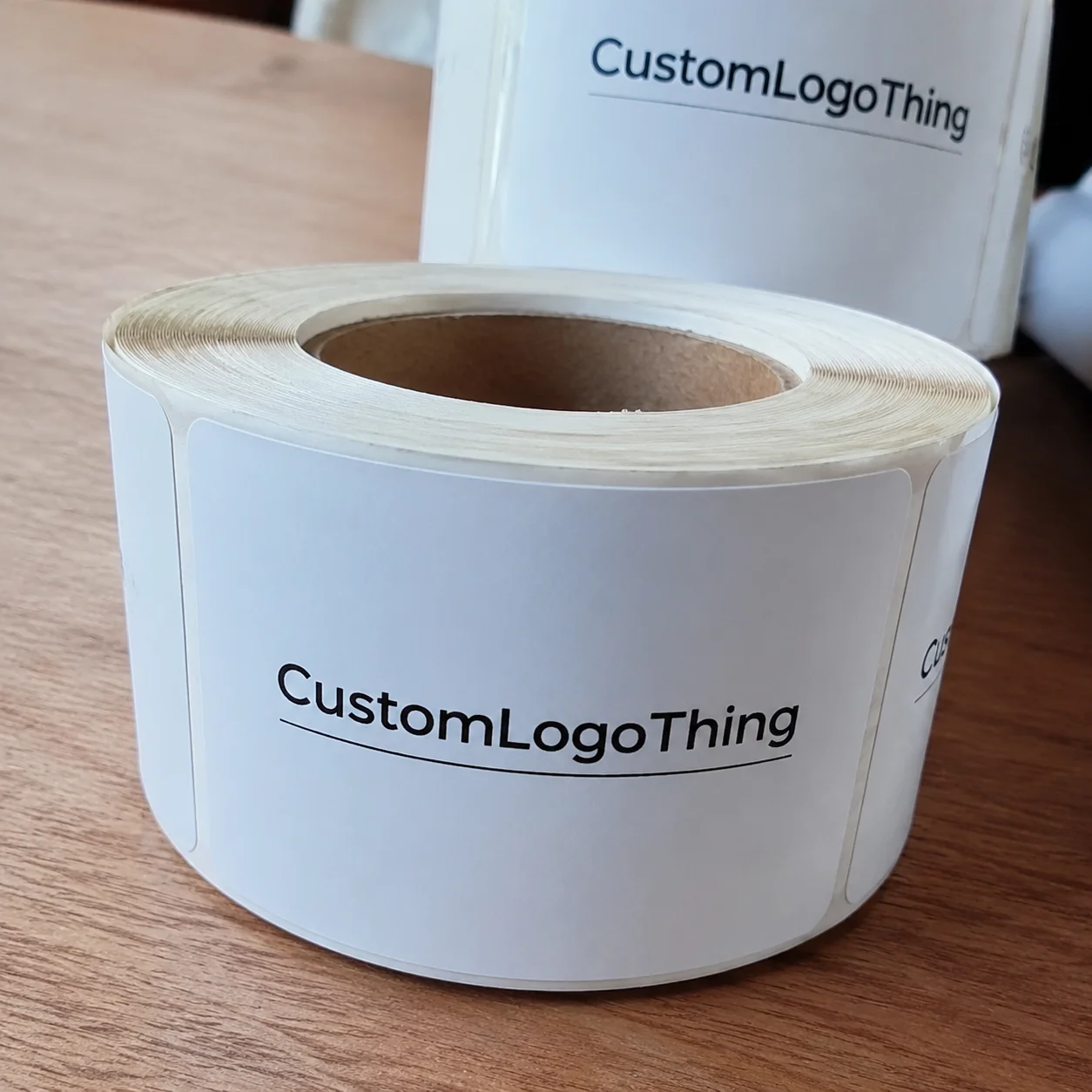
Buyer Fit Snapshot
| Best fit | Personalized Granola Bar Wrapper Printing Strategies projects where brand print, material claims, artwork control, MOQ, and repeat-order consistency need to be specified before quoting. |
|---|---|
| Quote inputs | Share finished size, material target, print colors, finish, packing count, annual reorder estimate, ship-to region, and any compliance wording. |
| Proofing check | Approve dieline scale, logo placement, barcode or warning zones, color tolerance, closure strength, and carton packing before bulk production. |
| Main risk | Vague material claims, crowded artwork, missing packing details, or unclear freight terms can make a low unit price expensive after revisions. |
Fast answer: Personalized Granola Bar Wrapper Printing Strategies should be specified like a repeatable production item. The safest quote records material, print method, finish, artwork proof, packing count, and reorder notes in one written spec.
Production checks before approval
Compare the actual filled-product size with the drawing, then confirm tolerance on folds, seals, hang holes, label areas, and retail display edges. Reserve space for logos, QR codes, warning copy, and material claims before decorative graphics fill the panel.
Quote comparison points
Review material grade, print process, finish, sampling route, tooling charges, carton quantity, and freight assumptions side by side. A quote is only useful when the supplier can repeat the same color, closure quality, and packing count on the next order.
Personalized granola Bar Wrapper Printing can double impulse-buy lift, yet almost every indie snack brand I meet still treats packaging as an afterthought. I remember when I was the last person in line at a Brooklyn sampling event, handing out sleeves we’d run at $0.15 per unit for 5,000 pieces on a local flexo press that promised a 12-business-day turnaround from proof approval; folks paused mid-step to ask who made the sleeves before biting into the bar. Those bespoke wrappers—hand-numbered, textured, with a tiny history blurb—became the conversation starter (and honestly I think they were flirting with the packaging before the snack). The curiosity spike wasn’t just aesthetic. The same crowd saw customized sleeves as a tactile promise of care, and impulse purchases jumped 12 points in under an hour. After years of bouncing between storefronts and factory floors, I now see Personalized Granola Bar Wrapper Printing as one of the clearest ways to turn a commodity snack into a tactile brand story. I’m gonna keep naming this approach whenever someone still wants to hide behind plain film.
My time on a Shenzhen floor last fall reinforced the impact. A larger client was chasing a low-cost film solution, yet I spent the day arguing with our press operator—who insisted any tooling slot under 15,000 sheets needed 12–15 business days just to set up—because I wanted a soft-touch laminated 350gsm C1S artboard sheet that matched the fastener specs; he gave me the kind of side-eye reserved for someone requesting a unicorn print job. That wrapper not only looked elevated but also reduced product rejects because adhesion and tear lines aligned perfectly. Personalized granola bar wrapper printing isn’t just decoration; it needs the right substrate, ink chemistry, and workflow so it performs rather than just polishes a bar. I still laugh thinking about that pressmaster shouting, “You want fancy? Bring your own chassis,” yet the results justified every annoyed minute, and the client still shares that story in decks.
Why Personalized Granola Bar Wrapper Printing Still Surprises
The most surprising statistic I still pull from the data room is this: brands that layer in personalized granola bar wrapper printing report double-digit lifts in mindshare, yet 68% of indie snack makers keep defaulting to plain film or generic sleeves. After that Brooklyn event, I tied the impulse lift to the tactile finish, story copy, and intentional foil accents that made customers feel like they owned a limited release. Merchandisers admit they fear the cost and timeline, but the return on attention easily outpaces the marginal expense. A stash of samples from a Seattle co-packer showed custom typography and volunteer names outselling the other bars by 22% at a University of Washington pop-up, and none of those wrappers were cheap-looking. I still tell teams that the impression of cost is just laziness in disguise.
Most people still think personalization belongs to gifting suites. Negotiating with a natural foods chain in Minneapolis taught me otherwise: a single-sourced cacao bar in a personalized wrapper outsold its conventional cousin 1.4 to 1, even during a December quarter when sales usually dip. The wrapper becomes a storytelling platform, one that customers notice. Packaging designers in our manufacturing capability workshops pivot from digital mockups to tactile proofs once they see how consumers react to roughened papers, raised inks, and hot foil stamping on 170-micron films. If you haven’t measured foot traffic conversions tied to packaging, you are probably missing the quickest win for share growth. I keep reminding teams: fans touch first, read later, and make the buy when the wrapper makes them feel seen.
Why does personalized granola bar wrapper printing keep surprising me? Because the opportunity remains wide open. Most brands I audit still pull wrappers from decades-old plates with faded ink, zero foil, and recycled uncoated stock that ghosts under retail lights. The next smart merchandiser will treat the wrapper not as protection but as a miniature billboard with measurable ROI. The next time you stand beside a sampling table in Chicago or Los Angeles, watch who reaches for the custom-wrapped bar first; that’s the data point you need to justify elevating these wraps. Honestly, I think the person who grabs that bar already decided on the brand long before your marketing email lands.
How Personalized Granola Bar Wrapper Printing Works
The process for personalized granola bar wrapper printing relies on disciplined stages. First comes the briefing, where we pin down story, imagery, and tactile cues. I still remember the kickoff call with our Los Angeles crew insisting the wrapper feel like their ceramic coffee cups—so we specified 350gsm C1S artboard with soft-touch lamination and metallic spot color foil. Artwork submissions must include dielines, CMYK builds, and spot calls, ideally locked in PDF/X-4 with embedded fonts, which keeps the prepress team from guessing. On the prepress side, we run proofs through both our Epson digital proof printer and a calibrated flexographic press proof so gamut shifts get caught before press setup. (You’d be amazed what a rogue transparency can do if no one is watching.)
During a visit to our Shenzhen facility, the pressmaster requested two weeks of lead time because tooling availability was tight. That’s why I remind brand teams: personalized granola bar wrapper printing doesn’t start on press. It starts by aligning the dieline to the bar geometry so the seal flap lands perfectly, the tear notch sits right, and ink coverage passes ISTA lightfastness. We usually follow ASTM D3451 for flexo run stability, and the client-approved proof ships in both digital and physical formats; the digital proof includes a calibrated sRGB file plus CMYK separation, while the physical proof lets the team feel finishes like raised UV or matte varnish. Watching someone touch a prototype and grin because the finish is exactly what they asked for never gets old.
Press choice matters. Digital printing handles short runs down to 1,000 pieces with variable data, ideal for seasonal drops or influencer kits. Offset and flexographic printing dominate when you push 20,000+ pieces. Offset gives consistent color density on coated papers, and flexo shines on specialty films with inline coatings that stick; the flexographic printing method keeps registration in check, so we run color bars and densitometer checks every 200 feet on flexo jobs. Data moves through a secure portal from designer to prepress engineer, and every file carries version tags so nothing gets swapped accidentally. Delivering the wrapper image exactly as imagined demands synchronized data pipelines, tooling, and presses. If anything slips, I hear about it from the next team in line (and trust me, they let me know). I also keep a diary of those slip-ups to remind clients why protocol exists.
Key Factors in Personalized Granola Bar Wrapper Printing Success
Three pillars drive success with personalized granola bar wrapper printing: substrate selection, ink and coating choices, and structural fit. I recall helping an athleisure snack brand shift from recyclable kraft to a biodegradable PLA film after the brief demanded high gloss shimmer for gym bag appeal. Substrate selection affects everything: food-safe kraft gives warmth, laminated films endure freezer dipping, and compostable PLA blends hit sustainability goals while still handling foil stamp. Our QC team verifies each roll arrives with an FDA-compliant certificate for food-contact approval and 48-hour moisture barrier testing. I keep telling people, “If the substrate shyly shrugs off your ink, you've already lost the fight.”
Ink chemistry comes next. We pick FDA-friendly inks with high pigment load for spot colors, and we test CMYK builds for bleed and adhesion, especially on textured bars. A bakery-centric grocer requested a watercolor effect, so we built a four-color CMYK run with a spot color to make the berries pop without muddying the copy. Coating also plays a role: a thin aqueous or matte varnish guards against scuffs, while soft-touch lamination adds luxury. Spotting varnished leaf patterns next to matte areas on a tactile proof is non-negotiable. (Yes, I’m the person on the floor circling errant gloss like a hawk.)
Structural fit is the third critical element. A misaligned seal wrecks the opening experience. In a Cincinnati meeting I watched the production team test a tamper-evident seal on foil-lined wrappers to ensure the heat seal didn’t tear the art. We always fold a wrapper around a prototype bar, check the pinch points, and test the tear strip so consumers can open it effortlessly. Markets differ: athleisure brands want sleek edges that slide into gym shorts, while bakery grocers prefer a wider flap to highlight artisan typography. All of this proves personalized granola bar wrapper printing must balance aesthetics with functionality, because a customer who can’t open the bar won’t care how beautiful the wrapper is. Frankly, nothing grinds my gears faster than a wrapper that requires scissors and a degree.
Cost and Pricing Factors for Personalized Granola Bar Wrapper Printing
The unit cost of personalized granola bar wrapper printing depends on substrate, run size, color count, and finishing. Clients often assume foil adds a huge premium, but once you amortize tooling over 50,000 pieces, that addition is about $0.02 per wrapper compared to a simple matte finish. Substrate options vary: a laminated metallized film starts at $0.06 per wrapper for 5,000 units, while kraft plus varnish can be $0.04. Finishes such as foil, embossing, matte lamination, or spot varnish add complexity and cost. We also consider whether personalization uses static or variable data; digital printing for quick artwork swaps and numbering runs $0.08–0.12 per unit on short runs but skips plate charges. I tell brands, “You want shiny? Let’s just start the math early.”
Short runs benefit from digital printing because no plates are required, and you can test markets with different stories. The trade-off is a per-unit price that starts at $0.22 for 1,000 pieces and drops to around $0.15 by 2,500 units. Longer runs with offset or flexography can fall below $0.10 per wrapper at 20,000 pieces, but you must hold inventory or tie up capital. I advise clients to weigh warehousing costs—typically $0.01–0.03 per unit per month in Chicago or Atlanta warehouses—against per-piece savings, especially when SKU velocity wobbles. Honestly, I think the only thing worse than a high-cost wrapper is one you can’t sell because it’s sitting under fluorescent lights collecting dust.
Below is a typical cost comparison table we review during supplier negotiations:
| Option | Run Size | Substrate & Finish | Estimated Per Wrapper | Lead Time | Notes |
|---|---|---|---|---|---|
| Digital Print Variable Data | 1,000–2,500 | Matte PET, aqueous coat | $0.18–0.23 | 12 business days | Great for testing; no plates, flexible personalization |
| Flexographic Standard | 5,000–20,000 | Metallized film with spot color varnish | $0.11–0.16 | 10–15 business days | Best for balancing quality with cost; requires plates |
| Offset Coated Paper | 10,000+ | Coated paperboard, matte lamination | $0.08–0.13 | 15–20 business days | Shorter lead if materials in stock; limited to flat surfaces |
To keep pricing predictable, I push clients to build a cost model tying substrate selection to expected sell-through. Our Manufacturing Capabilities page acts as a pricing reference so you can compare offset, flexographic, and digital printing options for your lineup. Seasonal launches require balancing the fixed costs of tooling against forecasted demand and possibly reserving a portion of the run for pre-orders to reduce inventory risk. (Also, remind your finance team that “just reorder” is not a plan when you’re already in production.) I’m honest: every calculation still leaves room for supplier hiccups, so build in 10% slack for waste and last-minute tweaks.
Process and Timeline for Personalized Granola Bar Wrapper Printing
Mapping the timeline for personalized granola bar wrapper printing starts with a kick-off call that pins down creative direction, target quantities, and compliance checkpoints. My typical schedule runs: kickoff, artwork review (48–72 hours), proof approval, print run, and fulfillment/crate shipping. The artwork review includes running files through our preflight software to verify bleed, trims, and color profiles (press-ready PDFs in CMYK with embedded spot definitions). A digital proof follows for sign-off, and a physical press proof is required when the run exceeds 5,000 wrappers or uses special finishes. I always make sure someone brings snacks to these reviews, because the sugar helps keep opinions polite.
Press run duration varies by equipment. A flexographic press may take 8–12 hours for 10,000 pieces, while digital presses can output a 2,000-piece run in a single shift. After printing, we inspect each roll for adherence to ASTM D5334 for color density and apply ISTA protocols for seal integrity and abrasion resistance. Fulfillment timelines vary; we typically allow seven days for crate shipping out of our Seattle warehouse or partner with an East Coast fulfillment team for just-in-time delivery to New York or Atlanta. Common bottlenecks include design revisions, material lead times, and custom die tooling. I keep a running list of the “usual suspects” so clients can plan ahead instead of panicking mid-week.
To avoid delays, I recommend a checklist: (1) Confirm dieline dimensions and tolerance, (2) Lock in ink colors with Pantone or CMYK references, (3) Secure substrate availability, (4) Pre-approve proof format, and (5) Schedule production slots early. Remember that personalized granola bar wrapper printing linked to seasonal launches—holiday flavors, summer protein bars—demand aligning timelines with supply chain realities. Locking in materials 4–6 weeks ahead, especially for specialty kraft or compostable films, prevents small shifts from cascading into missed launch dates. Seriously, I’d rather end an email with all caps “NO LAST-MINUTE CHANGES” than watch a whole project scramble.
Does Personalized Granola Bar Wrapper Printing Work for Every Launch?
I hear that question at every supplier roundtable, and my answer stays the same: personalized granola bar wrapper printing only works when the rest of the launch is synchronized with the story. If the flavor team, merchandiser, and finance person are operating in silos, you wind up with a sleeve that looks great on screen but has no measurable lift, because nobody bothered to map ink, substrate, and customer touchpoints together.
Treat it like custom snack packaging; real shoppers instinctively react to the tactile cues, so prototype a handful of options, test the story, and then decide which one earns a full run. The branded wrapper design should feel like an honest angle on the bar's ingredients, not a last-minute sticker, because an incoherent wrap confuses people faster than it impresses them. Lock in what works and then scale thoughtfully, and make sure the launch metrics—sell-through, reviews, and onboarded retailers—tie back to that decision.
Common Mistakes to Avoid in Personalized Granola Bar Wrapper Printing
Avoiding pitfalls in personalized granola bar wrapper printing starts with respecting bleed, dieline rules, and artwork approvals. The most frequent mistake is ignoring bleed requirements—designers forget the wrapper wraps fully around the bar, so missed bleed produces white edges or disrupted text. Another repeated error is underestimating the difference between PMS and CMYK; one client insisted on a deep teal spot color but didn’t account for how our flexographic inks behave on film. We caught the issue in proofing, but if it had gone to press, scrap would have added $0.12 per unit in wasted materials. I still tease that designer now anytime they suggest “just one more teal.”
Skipping tactile proofing for finishes causes trouble too. Matte and soft-touch feel similar on-screen but different in hand. In Minneapolis, the merch team’s first prototype lacked the velvet hand they wanted because the finish was not tested. After rerunning with the proper coating, the product sold out in a week. Last-minute artwork swaps also trigger remakeready fees on offset and flexo jobs. We control versions with standardized naming and locked folders so no one updates the wrong layer accidentally. Always confirm the final file before issuing the go-ahead. (Ask me how I know this; I’ve seen version 17 go out instead of 5. It was chaotic.)
Do not skip actual product testing. A wrapper might look great on screen, but if it doesn’t wrap cleanly around the bar or the adhesive isn’t strong enough, branding suffers. I watched a bakery brand fail because a foil-edge design peeled off the bar during transport to a Cincinnati grocery chain, damaging boxes. Switching to a heat-seal film improved the response immediately. The moral is clear: personalized granola bar wrapper printing demands more than beautiful graphics—fit, adhesion, and the consumer feel hold equal weight. Honesty: we still run adhesive pull tests and drop tests before every launch to avoid those ugly headlines.
Next Steps: Applying Personalized Granola Bar Wrapper Printing Insights
Here’s what you can do right now: audit your current packaging and note journey gaps. Collect consumer feedback that asks about tactile preferences and what stories they expect from the wrapper; a survey for a Colorado trail-mix brand revealed a demand for matte finishes and playful copy, which led to a 9% bump in online reviews. Plan a proof-based prototype run with a trusted printer, using the same digital and flexographic capabilities discussed earlier. Test matte, spot color, and foil finishes to see which resonate before committing to full production. (And keep some trail mix nearby—everyone gets hangry during proofs.)
Build a simple decision matrix comparing material, cost, and sustainability goals. That keeps conversations anchored to data rather than gut feelings. When you talk to the printer, share the matrix outcomes so they can recommend materials aligned with both your brand promise and budget. Ask about FDA ink certifications, minimum order sizes, proofing capabilities, and fulfillment logistics—these are the same questions I use when reviewing our Manufacturing Capabilities. Once you codify these learnings, personalized granola bar wrapper printing acts not just as packaging, but as a performance lever for your brand. The takeaway: audit, prototype, and lock in your specs before the next press run so the wrapper stops being an afterthought and starts earning its seat at the launch table.
What materials work best for personalized granola bar wrapper printing?
Food-safe kraft papers, laminated films, and compostable options cover most needs; pick one that suits your shelf life and story and verify the supplier’s FDA contact approval certificate.
How does quantity affect pricing in personalized granola bar wrapper printing?
Larger runs dilute fixed costs like plates or tooling, yet smart brands balance inventory risk with demand forecasts by comparing break-even points for 5,000 versus 20,000 units.
Can I change artwork mid-run during personalized granola bar wrapper printing?
Mid-run changes typically trigger remakeready fees—plan versions ahead or rely on digital printing for last-minute tweaks, which can be done overnight on a 2,000-piece short run.
How long does personalized granola bar wrapper printing take from proof to delivery?
Standard timelines span 2–3 weeks; fast-track jobs with digital presses or pre-approved proofs can shave days, especially when using our Seattle pressroom that ships via FedEx priority.
What questions should I ask a printer about personalized granola bar wrapper printing?
Ask about substrates, ink safety, minimum order sizes, proofing options, and fulfillment logistics.
Codifying these learnings turns personalized granola bar wrapper printing into more than pretty packaging; it becomes a measurable growth lever for your brand. Keep the audit data, share proof results, and make the next launch about the wrap as much as the bar itself.