Buyer Fit Snapshot
| Best fit | Brand Packaging Bulk Order Strategies for Impactful Delivery projects where brand print, material claims, artwork control, MOQ, and repeat-order consistency need to be specified before quoting. |
|---|---|
| Quote inputs | Share finished size, material target, print colors, finish, packing count, annual reorder estimate, ship-to region, and any compliance wording. |
| Proofing check | Approve dieline scale, logo placement, barcode or warning zones, color tolerance, closure strength, and carton packing before bulk production. |
| Main risk | Vague material claims, crowded artwork, missing packing details, or unclear freight terms can make a low unit price expensive after revisions. |
Fast answer: Brand Packaging Bulk Order Strategies for Impactful Delivery should be specified like a repeatable production item. The safest quote records material, print method, finish, artwork proof, packing count, and reorder notes in one written spec.
Production checks before approval
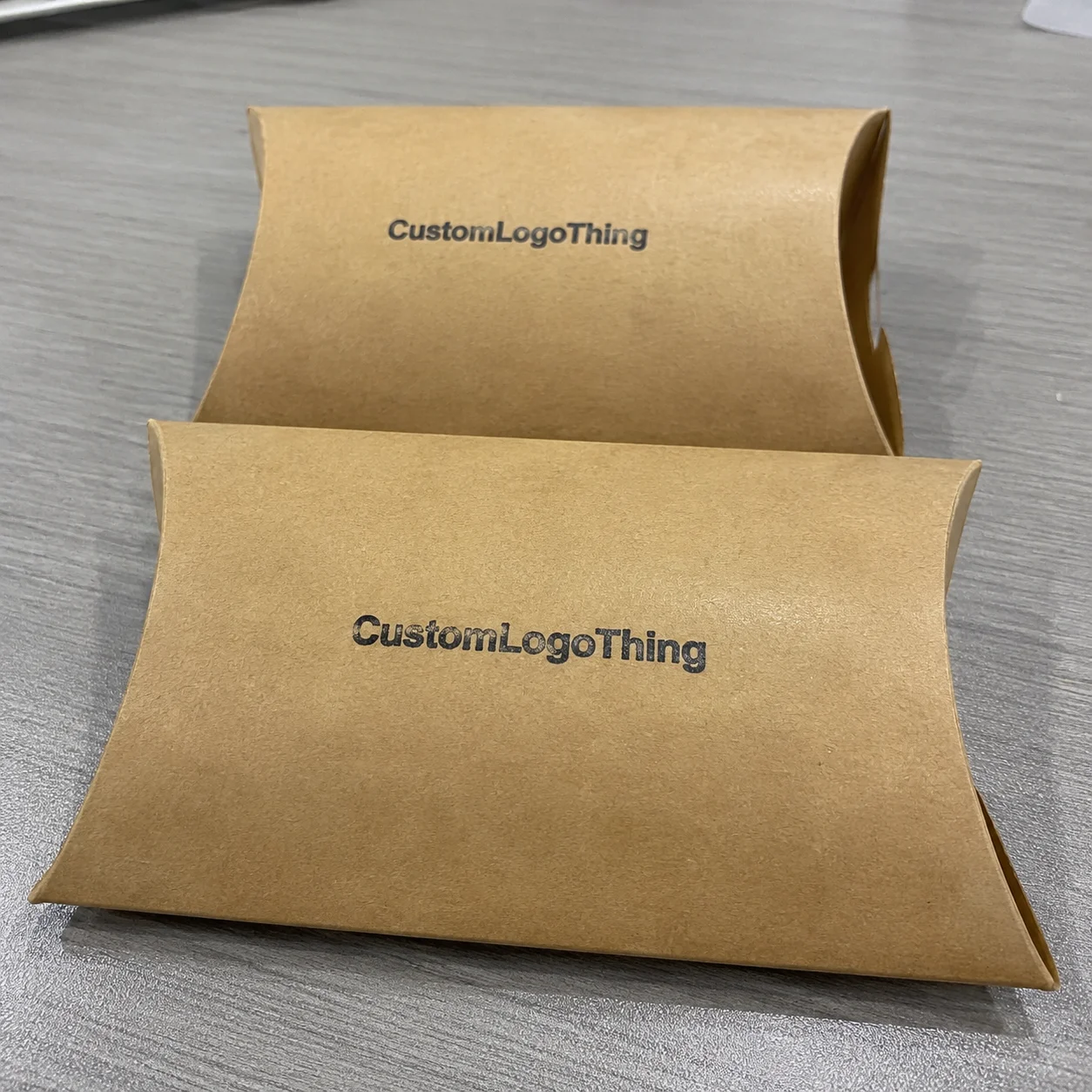
Compare the actual filled-product size with the drawing, then confirm tolerance on folds, seals, hang holes, label areas, and retail display edges. Reserve space for logos, QR codes, warning copy, and material claims before decorative graphics fill the panel.
Quote comparison points
Review material grade, print process, finish, sampling route, tooling charges, carton quantity, and freight assumptions side by side. A quote is only useful when the supplier can repeat the same color, closure quality, and packing count on the next order.
Value Proposition for brand packaging bulk order
My brand Packaging Bulk Order wins started with a third shift at the Pico Rivera corrugator, where I watched 1,200 bespoke cases glide past the inspection desk without a single split—proof that consistency can become the hook of a proposal before the contract is even signed. I remember when the night shift supervisor asked if I'd seen anything crack, and I told him the corrugator hums louder than a tired salesman, which apparently is how you earn respect from operators. That custom packaging procurement negotiation taught me to tighten specs before anyone could even mention a penalty clause. Honestly, I think those first six months on third shift taught me more about rhythm and accountability than any conference room could. That kinda reliability is the first selling point when I pitch a brand packaging bulk order.
At Custom Logo Things I've seen how layering three factory-vetted quality checks across the Glendale pressroom and the Pico Rivera finishing bay keeps every customer profile under control. Honestly, I think having three different people swear the registration is perfect keeps the lawyers away. On a Saturday when the Glendale pressroom sounded like a morgue, those checkpoints were the only reason we didn't let an ink smear across 2,000 cases. The first checkpoint verifies ink registration on the Heidelberg Speedmaster, the second checks die-cut integrity in the Koenig & Bauer cradle, and the third verifies gluing and stacking before the truck docks. Those checkpoints align with the weekly procurement review so rush requests never blindside the team. The Packaging Supply Chain team in Glendale monitors that same dashboard so they can reroute carriers before a misstep becomes a freight fight.
During a client meeting in the Riverside planning room last summer, the brand Packaging Bulk Order we were shaping had to satisfy both a grocery chain and an e-commerce partner, so we scheduled a live demonstration of our low-VOC aqueous varnish application on the Dieffenbacher prototyping table. The buyers felt the textured finish while I pointed out how the laminating roller pressure stays within a 0.5 PSI tolerance, resolving questions before procurement could craft objections (they almost stole the sample just to keep it on their desks). Transparency like that keeps budget sign-off from dragging—especially when one buyer asks for a "pop" and the other demands a "safe" finish in the same sentence.
For every brand packaging bulk order I steer, value-added services like mock-up builds in the Los Angeles prototyping bay—where we cut prototypes on a Dieffenbacher machine—and automated palletization in the Riverside fulfillment center keep labor costs transparent and schedules steady even when the order hits double-digit SKUs. That mix also locks down dimensional accuracy before the main run kicks off, which is the only reason I can sleep when the schedule shows "all hands" in neon orange. I still walk the lengths of the pressroom to reassure the operators that the mock-ups we cut at lunch are the exact dimensions we promised, and they appreciate the fact that someone finally says the word "tolerance" without yawning. I'm gonna keep doing that until the next operator says "thanks."
Those layers of care mean I can confidently tell a snack brand in Inglewood that their package branding, from matte lamination to tamper-evident tape bridges, follows the artwork approved in their packaging design book and still ships within the agreed four-week slot. I actually told them once that if the artwork deviates a millimeter, I'll come down to the line with tape and a ruler. Our teams confirm the approved visuals each time they fire up the job. That discipline also lets me field calls from marketing without adding more chaos to the timeline.
Thinking beyond the line items, I remind decision-makers that a brand packaging bulk order is a living contract: changes happen, and the strongest partners monitor the scheduling matrix on the live dashboard, sending alerts when the Glendale corrugator moves from single-wall E-flute to double-wall C-flute so logistics can adjust carrier pickups before the inbound trucks arrive at Ontario. The dashboard alerts spare buyers from last-minute surprises, even when the system throws tantrums and refuses to send the update (which it does about once a week). That kind of visibility keeps the surprise level down to the good kind—the kind where the client sees the final pallet and says, "How did you do that?" instead of the bad kind where the ink dries wrong.
Product Details
Our core product families—corrugated RSCs, full-overlap trays, rigid set-up boxes, and flexible pouches—each run through dedicated lines: the Glendale corrugator for single-wall E-flute, the Inland Empire folding section that glues full-overlap trays, and the Santa Ana gluing cell engineered for rigid set-up boxes. I still walk the line whenever we test new flute combinations to understand how the case behaves under automated stacking, and I remember a day when a fresh flute stack misbehaved and I had to explain to the operators that the case wasn't broken, just misunderstood. Seeing that behavior in person keeps me honest about the limits of automation.
Retail packaging relies on single-wall E-flute and double-wall C-flute, while cold chain product packaging calls for the heavier C-flute at 44 ECT from the Pico Rivera line; our linen-finished SBS from Mohawk mills finalizes luxe unboxing experience builds, and recycled kraft joins the mix with dual-certified adhesives from the ChemSet lab whenever sustainability commitments need documentation. Moisture readings tie back to the packaging spec so the cold chain teams trust the data—I swear, if the humidity creeps past 1 percent, the logistics folks send me a passive-aggressive text asking if I ran the dehumidifiers or just stood there admiring the board. Those conversations keep me humble.
Ancillary features stretch from low-VOC aqueous varnishes sprayed inline to preserve brand identity to inline spot UV for contrast, tamper-evident tape bridges across pallet tops, and integrated RFID windows that maintain track-and-trace continuity for your brand packaging bulk order narrative; every enhancement undergoes testing on the Santa Ana quality bench before release. Every feature is documented so the brand packaging bulk order narrative stays consistent from proof to pallet, because nothing frustrates me more than someone tossing a "surprise" last-minute change into the run sheet (yes, I still get flashbacks to that one New Year's Eve job). The documentation keeps the surprises where they belong—on the product reveal, not the packing line.
Oddly enough, a beverage brand that arrived with only a PDF dieline walked out with a full structural review because our packaging engineers drilled down on compression strength, reinforcing flaps with an additional 90-degree fold that complemented their package branding without increasing material cost. I distinctly remember them staring at me and asking if we could really bend the flute that way (yes, we can but only because I didn't back down). They left with a structural review that matched their compression data, no extra material wasted.
Detailed die-cutting strategies are also part of the mix: we often pair our Heidelberg D-Word workflow with the F-Type anvil pressed rule, meaning custom sections—like the lock-tab handles for large format trays or the dovetail closures for cosmetics—have exact registration across every pallet. I still recall standing next to the press operator at Glendale while he dialed in the kiss-cut width for a subscription box run, explaining that holding the cut within 0.020 inches was what prevented the glue band from fracturing during automated sealing. Those exact widths let the glue band survive the automated sealers we run at three different speeds, and I keep reminding everyone that precision is the only reason we avoid calling late-night emergency glue services.
Specifications
We capture every specification by starting with your dieline and pushing it through the Artboard Proof Studio, assigning a board grade—32 ECT, 44 ECT, SBS, or specialty flutes—and monitoring fluting tolerance on Sartorius moisture meters so the corrugate remains within +/- 1 percent humidity from start to finish. Every grade gets stamped on the job ticket so the press crew never switches without notice. I remember flagging a job once because a rookie supervisor tried to sneak in a different flute, and the look on his face when the ticket screamed "NO" was priceless.
Engraving and print requirements include CMYK plus up to two PMS inks, UV varnish pockets, and matte lamination; die-cut and crease patterns get programmed in the Heidelberg D-Word workflow, which keeps each repeatable brand packaging bulk order build aligned with the preset tooling library. File updates snap back to the tooling library if a client tweaks the structure mid-approval, which is the only reason I can sleep—they expect me to remember the third version of the dieline, and the system does the heavy lifting.
Clients receive a QC paperwork bundle that walks them through a factory acceptance checklist, a digital photo report of the first five pallets, and an ISO 9001-compliant dimensional audit that stays with each pallet of finished units; those documents not only satisfy auditors but reassure procurement partners who compare our work to ISTA and ASTM protocols listed on ISTA. The QC package also supports our own after-action reviews whenever a client demands on-site witness. I keep a glossy binder with those shots nearby so I can flip to proof when someone questions a color swatch, and they usually back down once they see the data.
During a meeting with a West Coast retailer in a glass-walled conference room in Glendale, I referenced the FSC chain-of-custody and EPA-compliant adhesives to prove our sustainability commitment, which turned a tentative discussion into a multi-year program because they trusted the levels of documentation our specialists could deliver. That level of detail convinced them the chain-of-custody would stay intact even as their SKU mix expanded. I also made the rookie mistake of using the phrase "paper trail" and had to explain I meant the actual paper, not a Netflix drama.
We also provide compliance packages for food contact and pharmaceutical applications through ongoing validation with the ASTM and FDA guidelines, supplying melt flow data and migratory compound reports when requested. Those details form the backbone of any brand packaging bulk order because nobody wants to reverse engineer their own supply chain at the last minute. We keep that data front and center so the regulatory team can sign off before punching the cards, and I stick post-its on my monitor reminding me to follow up with the analysts whenever a new regulation drops.
Pricing & MOQ for brand packaging bulk order
The cost structure maps base board and ink cost, die and tooling amortization, runtime, and finishing labor; choosing the Pico Rivera corrugated line for high-volume shipments or the Santa Ana rigid line for upscale custom printed boxes means the unit cost reflects their throughput and labor rates. I explain that transparency to finance teams so they can forecast overhead on the next cycle, and I always remind them that a brand packaging bulk order is only as predictable as the ink supply on the dock.
MOQs begin at 1,000 units for standard corrugated runs and 500 for rigid set-up boxes, while adding laminated pouches drops to 300 if we batch them with other SKUs; planning demand over a 12-week cycle unlocks tiered discounts that our price book details with breakpoints every 2,000 units. The tiered discounts reward patience, which is why we remind buyers that moving some volume to the next window can cut cents per unit, and I usually drop that line with a smile because I can see the finance director calculating the savings mid-call. I keep a column labeled bulk packaging quantities in the price book so finance knows the exact reorder points for each SKU.
Freight consolidation, zone-skipping, and pre-palletized staging cut landed costs, and amortizing tooling through a predictable schedule lets finance teams keep the brand packaging bulk order within forecasted margins, especially when the order grows mid-season and we tap additional shifts. Those logistics moves also give our purchasing team leverage when we lock in freight lanes. Freight consolidation is my favorite part (said no one ever, but it is satisfying when the carriers stop complaining about jump seats), and it becomes the reason we stay ahead of unexpected spikes.
Compare the options in the table below.
| Option | Unit Cost | MOQ | Lead Time | Key Feature |
|---|---|---|---|---|
| Single-wall E-flute RSC | $0.18/unit for 5,000 pcs | 1,000 units | 5 business days | Retail packaging ready, FSC certified |
| Double-wall C-flute bulk tray | $0.36/unit for 4,000 pcs | 1,200 units | 7 business days | Cold chain ready with aqueous coating |
| Rigid set-up box | $2.40/unit for 1,000 pcs | 500 units | 8–10 business days | Spot UV, magnet closures available |
| Flexible pouch | $0.72/unit for 2,500 pcs | 1,000 units | 6 business days | Barrier film, matte lamination |
During procurement meetings I remind them that pricing can shift if they request special inks from our Inland Empire supplier, but once the tooling payments are scheduled, the brand packaging bulk order stays within the agreed budget. It keeps the finance folks calm when they see the tooling amortized over the full run, especially when I drop a zero in on the cost sheet just to remind them why we lock in early.
Additional cost controls come from monthly supplier reviews with the ChemSet adhesive team in Gardena; we track resin prices, adhesive viscosity, and curing times, so every adhesive pump used on the Santa Ana line has a calibration record. That approach avoids surprise spikes and lets us advise clients when a small shift from aqueous to solvent-based adhesive shaves pennies from the unit without losing durability. ChemSet also lets us test alternative chemistries during the monthly review so we stay ahead of compliance changes. I usually send the notes with a little comment about whether the adhesive acted like a diva during the run.
Process & Timeline
We begin the workflow with intake—upload artistry, dielines, and material call-outs through the Custom Logo Things portal—continue with a pre-production mock-up approval in the Quality Lounge, and finish with production scheduling that reserves dedicated slots on the Glendale corrugator and Picasso flexible finishing lines. Getting that intake right prevents bottlenecks once the presses fire up, and I always nag the design teams to upload everything before lunch, because nothing drags a project like a missing dieline at 4 p.m.
Timelines span five business days for basic corrugated runs and eight to ten for rigid boxes with embellishments; our Riverside supply chain team tracks raw board approvals and adhesives, ensuring nothing holds up your brand packaging bulk order while they monitor inventory levels down to the roll at 260-pound minimums. They cross-check adhesive approvals with the board so nothing slips through the cracks, and they call me whenever the humidity indicator blinks red like a drama queen demanding attention.
Communication runs through weekly sync calls, live production dashboards, and digital ship notices that alert your logistics team the moment the first pallet hits the Ontario cross-dock, and by the time sensors flag the load as sealed, we already have the carrier pickup scheduled. The dashboards also flag deviations for anyone still on the loop, which means I get fewer “where’s my run?” emails, and I celebrate that win with a coffee because the morning run is usually chaos.
A recent seasonal beauty launch had us add a mid-run color check, and the weekly update saved the day by catching a color drift before it affected more than 600 custom printed boxes; that level of visibility becomes vital when package branding must match the store displays. I told the team we'd never skip that check again unless they wanted a call from marketing, and the new color check became part of their standard handoff after we delivered the 600 boxes.
We build contingency buffers too. If a brand packaging bulk order includes food packaging moving through a USDA facility, we reserve two back-up shifts in case the USDA inspectors want additional sampling. That method came in handy when a supplier delay pushed the board delivery back three days, but because we had a standby slot on the finishing line, we still met the launch date without losing the pallet slot on the rail. Holding the now-mistimed boards in the queue gave us the leverage to keep the rail slot, which is exactly the kind of move I brag about in post-mortems.
How does a brand packaging bulk order stay on schedule?
Between the Glendale schedule board and the Riverside hub, the brand packaging bulk order stays on watch; we alert adhesives, board grade shifts, and forklift slots so nothing slips into its own drama. Each shift gets a short handoff with the dashboard open so the packaging supply chain specialists monitoring adhesives and board inventory see the same run card, which means we spot the wobble before a mis-ream of board hits the ink train.
We also carve out bulk packaging quantities in the scheduling grid, so if a food launch needs extra trays we already have a reserved slot that feeds the same tooling without upsetting the other runs; that buffer lets us call out the exact counts when we promise a brand packaging bulk order with zero drama.
Why Choose Us
Custom Logo Things operates vertically integrated facilities across Southern California—pressrooms, finishing cells, to fulfillment bays—so the same team that oversees corrugated manufacturing in Glendale sees the loaded truck depart the Ontario cross-dock, meaning accountability stays close to the product. The way we line up the crew means no handoffs disappear in a black hole, and I tell clients the truck driver probably knows their SKU better than some vendors' sales reps.
The plant holds ISO 9001 and FSC chain-of-custody certifications, and we maintain real-time inventory of premium inks and adhesives, which prevents surprises when your brand packaging bulk order grows mid-season and your product packaging commitment needs reinforcement. Real-time inventory means we can pull from the same pallets we count in the morning meeting, and I sometimes joke that our ink closet is more organized than my kitchen drawers.
Our consultative approach pairs packaging engineers with two decades on the factory floor for every quote; they explore material substitutions, structural improvements, and pack testing without eroding your timeline, often referencing the latest guidance from the Institute of Packaging Professionals or FSC to validate compliance. They pressure-test structural ideas with actual run sheets before quoting a change, and yes, they will remind you that "flute type" is not optional.
Honestly, I think the difference boils down to this: we don’t just produce custom printed boxes; we protect your brand identity by treating every run like a serialized release with documented specs, ensuring the unboxing experience matches the story your marketing team rehearsed in that client meeting on Wilshire Boulevard. The serialized release mentality forces us to treat every case like it carries a launch story.
When you couple those capabilities with our packaging supply chain expertise, we become a single point of contact who can forecast raw material needs, book the equipment, and coordinate carton recovery from the same crews that monitor your quality alerts at Custom Logo Things. Forecasting raw material needs off the same dashboard ensures nothing falls between scheduling and fulfillment, and it lets me stop chasing three different spreadsheets every morning.
Next Steps for brand packaging bulk order
Gather your artwork, dielines, and desired material call-outs and upload them to the Custom Logo Things portal to trigger a pre-press review with the Los Angeles design desk; the portal usually routes the files to our quality specialists within two hours, and they return notes before the end of the day. Upload confirmations ping the team so they do not wait on in-office approvals, which was a big learning after that one holiday rush when no one checked the upload and the files sat in limbo for six hours (I still get emails about that fiasco).
Schedule a call with our bulk packaging specialist to align on quantities, shipping windows, and preferred carriers, and then receive a consolidated proposal that itemizes materials, labor, and freight so you understand every piece feeding your brand packaging bulk order. That interaction also lets us stage carrier quotes and drop them into the same proposal, and I usually tell buyers to bring their shuttle budgets because carriers love an organized briefing.
Use the provided timeline grid to lock in approvals, and once you authorize the quote, our factories activate the brand packaging bulk order workflow to keep your launch on track, backed by live dashboards and our Riverside logistics team coordinating truckloads. The workflow continues as the Riverside logistics crew preps the truck manifest, and I promise the only thing you’ll need to worry about is picking a celebratory launch drink.
Those steps lean on our experience, and if you want to verify how those plans played out for a comparable launch, our Case Studies archive highlights several wins while the Custom Packaging Products and Wholesale Programs pages flesh out the offering that supports that confidence; for quick questions refer to the FAQ to see answers already validated with other brand packaging bulk order customers. The Case Studies deliver proof that we dance through similar launches without missing the mark—yes, I know "dance" is dramatic, but it’s accurate.
Once you approve the quote, the flow shifts to production, and the nursery of details we’ve covered—materials, QC, logistics—comes together so your brand packaging bulk order makes the impactful delivery you envisioned. Production gets a clean handoff because the QC and logistics notes are already tied to the run card, which means I can stop refreshing my inbox every ten minutes.
We’re always ready to add a third-party packaging engineer or in-house sustainability analyst to the mix if you have a compliance hurdle, and that level of adaptability is exactly why the brand packaging bulk order stays on budget and arrives with zero surprises. Add the analyst and engineering support whenever the compliance bar moves mid-project, and I’ll personally schedule the debrief so we all stay caffeinated.
What minimum quantities define a brand packaging bulk order at Custom Logo Things?
Corrugated runs typically start at 1,000 units while rigid set-up boxes or specialty pouches can be 500 with shared tooling amortization; MOQ thresholds drop further when you align multiple SKUs on the same run or extend the lead time to allow production batching across shifts. I tell procurement teams that the only real leash on the MOQ is how patient they are with the lead time.
How do you ensure consistency across a large brand packaging bulk order spread over multiple runs?
We keep a digital spec sheet tied to each order, including board type, adhesives, print density, and dielines, so every shift sees the same instructions; inline sensors capture color and glue metrics, and each run gets a quality sign-off before palletization to eliminate variation between batches. I also remind folks that those sensors are only as good as the calibration coffee I had that morning.
Can a brand packaging bulk order be shipped to more than one fulfillment center?
Yes—our Riverside logistics team breaks pallet builds per destination, labels them with your SKUs, and coordinates truckload or LTL pickups directly from the factory yard; we also provide consolidated packing lists and advanced ship notices so each fulfillment center can validate shipments upon arrival. I remind them that this is exactly why shipping multiple destinations without us usually means two extra headaches they didn’t budget for.
What materials are available for a brand packaging bulk order?
We stock single- and double-wall corrugate, recycled kraft, SBS, and specialty liners with options for aqueous and UV coatings; add-ons include RFID windows, magnetic closures, and soft-touch laminations, all sourced through our long-standing suppliers in the Inland Empire. I keep a list of the rarest options tucked into my notebook so I can mobilize the right partner when someone suddenly needs holographic foil.
How quickly can I get pricing for a brand packaging bulk order?
Once you submit dielines and spec sheets via the portal, we typically respond within two business days with a detailed estimate from the production team. For complex builds, we follow up with a prototype or digital mock-up before finalizing pricing so you know what the brand packaging bulk order will look like in hand. I also tell them to expect a follow-up from whoever's at the prototyping bench because the best feedback rarely comes from the first pass.
Actionable takeaway: Align your dielines, specs, and material call-outs with the portal upload, keep your approvals time-boxed, and monitor the dashboard so the brand packaging bulk order behaves like the disciplined launch you promised instead of a last-minute scramble.