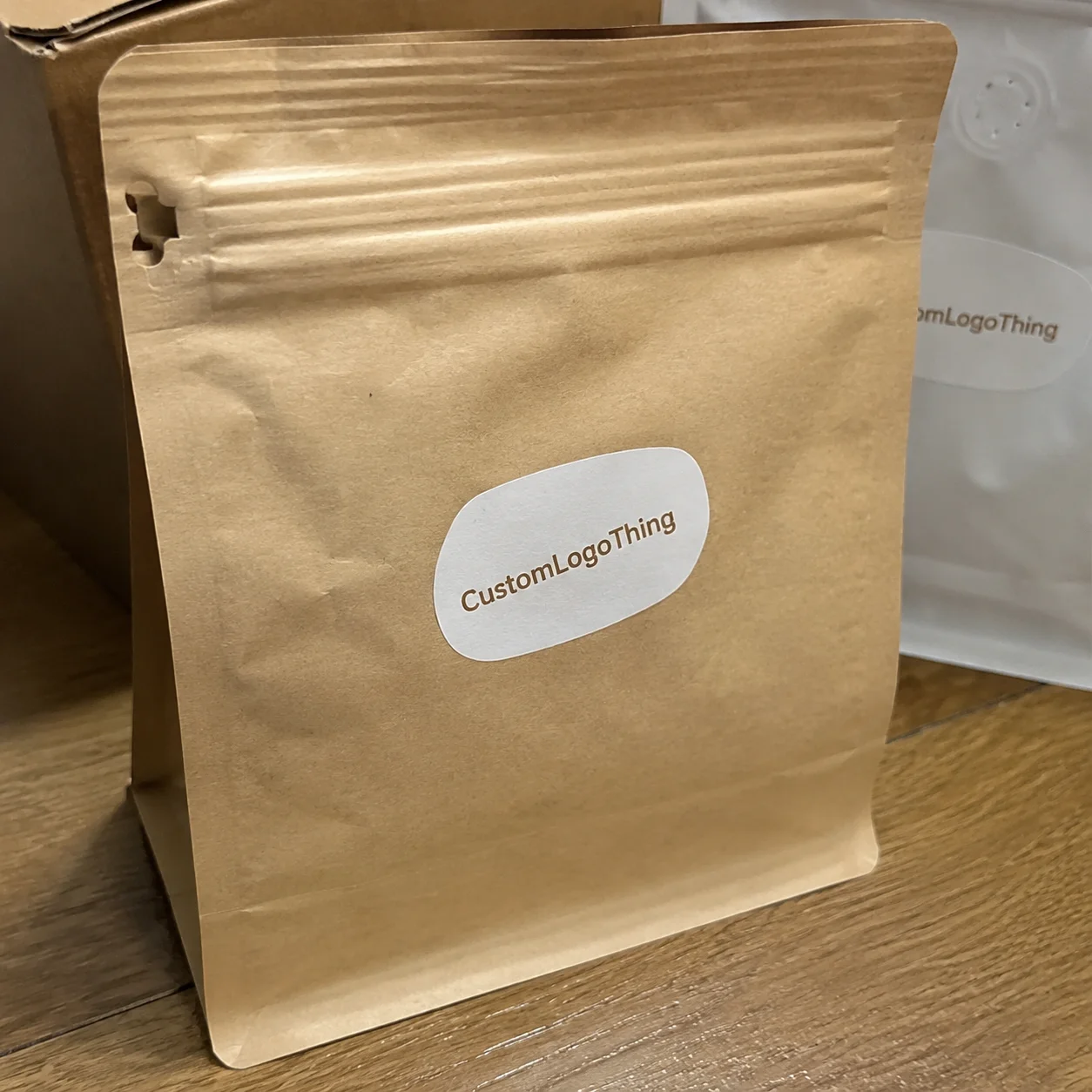
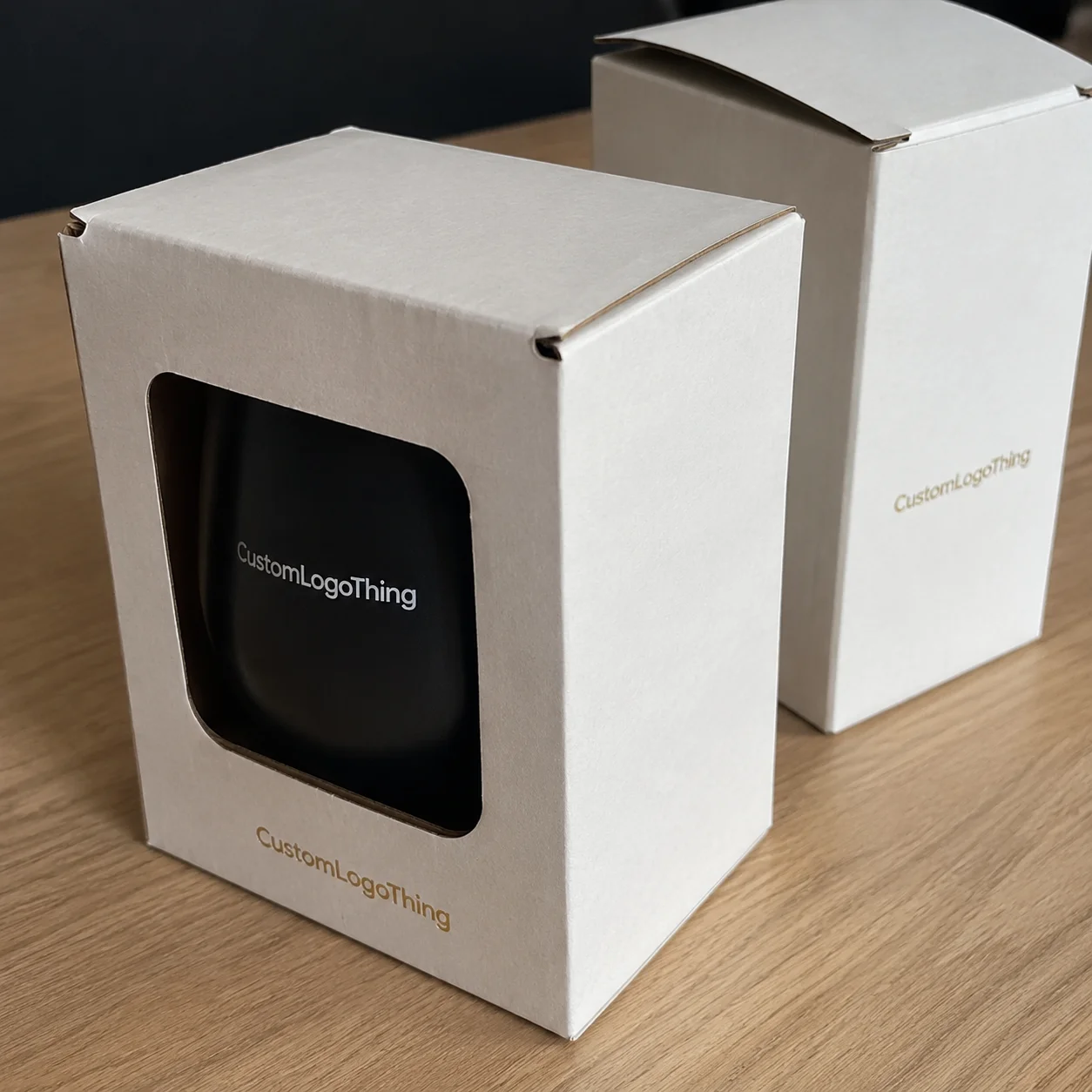
Buyer Fit Snapshot
| Best fit | Personalized Incense Box Packaging Wholesale projects where brand print, material claims, artwork control, MOQ, and repeat-order consistency need to be specified before quoting. |
|---|---|
| Quote inputs | Share finished size, material target, print colors, finish, packing count, annual reorder estimate, ship-to region, and any compliance wording. |
| Proofing check | Approve dieline scale, logo placement, barcode or warning zones, color tolerance, closure strength, and carton packing before bulk production. |
| Main risk | Vague material claims, crowded artwork, missing packing details, or unclear freight terms can make a low unit price expensive after revisions. |
Fast answer: Personalized Incense Box Packaging Wholesale: Structure, Print Proof, Packing, and Reorder Risk should be specified like a repeatable production item. The safest quote records material, print method, finish, artwork proof, packing count, and reorder notes in one written spec.
Production checks before approval
Compare the actual filled-product size with the drawing, then confirm tolerance on folds, seals, hang holes, label areas, and retail display edges. Reserve space for logos, QR codes, warning copy, and material claims before decorative graphics fill the panel.
Quote comparison points
Review material grade, print process, finish, sampling route, tooling charges, carton quantity, and freight assumptions side by side. A quote is only useful when the supplier can repeat the same color, closure quality, and packing count on the next order.
Why Personalized Incense Box Packaging Wholesale Matters
I still remember standing beside a carton stacker in a small wellness packaging line in Dongguan, watching a pallet of incense sleeves come off the press, and thinking how something so light could still be ruined by poor engineering in a single afternoon. That is exactly why Personalized Incense Box Packaging wholesale deserves real attention: incense may weigh almost nothing, but the wrong carton wall, weak glue line, or sloppy insert can crush the presentation before the product ever reaches a shelf or a gift bag. And yes, I have seen a buyer try to blame the courier for a box design problem. Classic move. The real issue was a 280gsm board on a 240mm stick carton that needed a 350gsm C1S artboard.
In my experience, incense is one of those categories where the box does half the selling. A customer shopping for sandalwood sticks, backflow cones, or a resin sampler is not just buying fragrance; they are buying mood, ritual, and trust. Well-made personalized incense box packaging wholesale supports that feeling by giving the brand a clear shelf presence, a more polished unboxing moment, and a consistent visual language from one SKU to the next. Honestly, a lot of brands underestimate how much packaging design affects repeat purchase behavior, especially in giftable categories where the first impression is carried home in a shopping bag from a boutique in Los Angeles, Austin, or Singapore.
Generic stock cartons can hold the product, but they rarely build any memorable brand equity. A plain brown sleeve or an unprinted tuck box may keep the unit cost low, yet it usually signals a lower retail ceiling and a weaker merchandising story. By contrast, Custom Printed Boxes with thoughtful package branding can lift perceived value fast, particularly if you pair the structure with foil stamping, soft-touch lamination, or a neat window cut-out that lets the shopper see sticks or cones without opening the pack. For brands that sell through boutiques, yoga studios, apothecaries, or gift shops, personalized incense box packaging wholesale often creates a better margin profile because the product can command a stronger shelf price, sometimes moving from a $9.99 retail ceiling to $16.99 or even $24.00 when the presentation is built properly.
Protection matters just as much as presentation. I have seen incense sticks snap inside oversized sleeves, cone trays shift in transit, and multi-piece sets arrive with the holder rattling loose because the insert was designed for the artwork instead of the product. A good box structure, whether that is a folding carton with an insert, a drawer box, or a rigid gift box, keeps the contents stable during shipping, warehouse handling, and store replenishment. That is why personalized incense box packaging wholesale should be judged on sales lift, product protection, and brand consistency together, not on print alone, especially when cartons are moving 8,000 to 12,000 kilometers from a factory in Shenzhen or Ningbo to a distribution center in California or Rotterdam.
There is also a practical wholesale angle that buyers sometimes miss. When your packaging is consistent in dimensions, finish, and insert design, your packing line runs cleaner, your pallet count becomes easier to forecast, and your reorders become far less painful. I have seen a factory in Shenzhen save nearly two hours of manual packing time per shift simply because the carton depth and insert cavity were corrected during sampling, dropping assembly from 7.5 seconds per unit to about 5.8 seconds on a 6,000-piece run. That kind of operational improvement is not flashy, but it is real money. For that reason, personalized incense box packaging wholesale should be treated as part of the product system, not as a decorative afterthought.
Personalized Incense Box Packaging Wholesale Product Details
The most common starting point for personalized incense box packaging wholesale is the folding carton. It is cost-efficient, prints beautifully on offset equipment, and works well for stick incense, cone incense, and many compact sample sets. From there, brands often move into sleeve boxes when they want a smoother slide-open experience, or into rigid boxes when the product sits at a higher retail price and needs a stronger gift feel. Drawer boxes, in my opinion, are especially strong for premium wellness lines because they add a deliberate opening motion that matches the ritual nature of incense and gives the shopper a pause before the first burn.
For material selection, I usually start with the product weight and the shelf positioning. SBS paperboard around 300gsm to 400gsm is a common choice for retail cartons, while C1S and C2S art paper give a crisp surface for detailed graphics and fine typography. A very practical spec is 350gsm C1S artboard for incense tuck boxes because it holds sharp print, resists corner crush better than flimsy stock, and still keeps the unit cost sane at 5,000 pieces or more. Kraft paper, often in the 250gsm to 350gsm range, works very well for natural, earthy, or eco-focused branding, especially when the fragrance story leans organic or botanical. If the set includes a holder, burner, or multiple accessory pieces, a rigid grayboard structure can provide the stability that personalized incense box packaging wholesale buyers need for premium gift sets.
Customization is where the packaging starts doing more than holding product. Logo printing is the baseline, but many brands also choose spot UV to highlight a pattern or emblem, foil stamping for a metallic accent, embossing for a tactile logo, and debossing for a more subtle premium finish. Matte lamination gives a calmer, softer retail look, while soft-touch lamination adds that velvety feel customers often associate with luxury cosmetic cartons. Window cut-outs can be useful for incense packs that benefit from visibility, though I always caution clients to check whether the opening will weaken the structure or increase dust exposure during shipping. A 35mm x 60mm PET window, for example, can be plenty for a stick incense sleeve without turning the carton into a bending experiment.
Personalized incense box packaging wholesale also needs to match the incense format itself. Stick incense typically needs a long, narrow carton with a secure bundle or inner tray. Cone incense often benefits from a small compartmentalized insert, especially when there are multiple aromas in one pack. Backflow incense tends to be sold in gift sets with a holder, so the package must protect both the fragile cones and the accessory. Resin incense and mixed ritual kits may require a deeper drawer or a rigid lid-and-base box with custom foam or molded pulp inserts. I have seen brands try to force every format into one box shape, and that almost always leads to movement, scuffing, or a poor shelf appearance, usually right after the cartons leave the warehouse in Guangzhou.
Branding details deserve as much care as the structure. Fragrance notes should be easy to read, because shoppers often choose incense by scent families such as sandalwood, lavender, patchouli, jasmine, or cedar. Usage instructions should be clear and short, and regulatory text should be placed in a location that does not interrupt the front-face design. Barcode placement also matters more than people realize; if it lands across a fold or too near a foil area, scanners and warehouse staff both suffer. In practical terms, personalized incense box packaging wholesale should align package branding, product packaging, and retail packaging function in one layout, not as separate decisions, especially when the same SKU may be sold in Tokyo, Toronto, and Berlin with different language panels.
On the manufacturing side, a typical well-run factory uses offset printing for color accuracy, then applies lamination or coating, followed by die-cutting, creasing, gluing, and carton forming. Quality control checks usually happen at several points: after printing, after die-cutting, and again before packing. In one plant I visited outside Shenzhen, the QC team kept a 0.5mm tolerance sheet taped right to the inspection table, and that kind of discipline is exactly what keeps personalized incense box packaging wholesale orders from turning into expensive surprises. If the job requires a window patch, the patch placement tolerance should be called out too, usually within 1.0mm to avoid crooked presentation on the shelf.
Specifications for Personalized Incense Box Packaging Wholesale
Before you place an order for personalized incense box packaging wholesale, confirm the actual product dimensions rather than estimating from an existing package. A stick incense pack might measure roughly 230mm x 55mm x 20mm, while a cone incense sampler could fit inside a compact 80mm x 80mm x 30mm box. Premium gift sets often stretch into larger formats such as 260mm x 180mm x 60mm or even deeper depending on holder size and accessory count. Custom sizing is standard, and frankly, it should be standard, because a box that is too loose costs more in inserts and a box that is too tight causes assembly headaches on a line running 2,000 to 4,000 units per shift.
Paperboard thickness is one of the first things I ask about. A 350gsm SBS board can work well for lighter incense retail cartons, while heavier sets may need a sturdier 400gsm board or a rigid structure with grayboard around 1.5mm to 2.5mm. The right choice depends on product weight, transport distance, and how premium the shelf presentation needs to feel. If the box only contains a narrow bundle of incense sticks, you do not need to overbuild it; if the set includes a ceramic holder or multiple compartments, a stronger board and insert strategy makes more sense for personalized incense box packaging wholesale. For export cartons heading from Qingdao to the U.S. East Coast, I would also ask about carton compression resistance and outer shipper strength.
Structural details can change the buying decision dramatically. Auto-lock bottoms are useful when the carton needs extra support and quick hand assembly. Top tuck closures are economical and common for retail cartons. Magnetic closures, while more expensive, are popular for premium gift sets because they feel deliberate and upscale. Drawer pulls with ribbon tabs are another option when the opening moment is part of the brand story. I have seen retailers in wellness and home fragrance test all four styles side by side, and the drawer box often wins on perceived value even when the product cost is identical. That is one reason personalized incense box packaging wholesale often outperforms stock packaging in retail channels from London gift shops to Seoul lifestyle stores.
Artwork requirements should be settled early. Print-ready files usually need vector logos, image resolution suitable for offset printing, and bleed margins around 3mm on all sides. Dieline approval matters because a beautiful design is useless if the crease lands on a face or a barcode falls into a glue flap. Pantone matching is useful when brand consistency matters across multiple product lines, especially if the same scent family will appear in a candle, incense, and room spray collection. For brands that care about a clean and consistent shelf block, personalized incense box packaging wholesale should be built around package branding rules from the start, with a front panel safe area of at least 5mm from each edge.
I also advise clients to define the finish tolerance before sampling. Matte lamination can look elegant, but if the brand wants a deep black or rich forest green, a soft-touch topcoat may reduce glare and help the colors feel denser. Spot UV should be used sparingly on incense packaging because too much shine can fight with the natural, calm mood of the product. Foil can be beautiful, but it must be placed carefully around fine text, or the registration errors become visible very quickly. These are the kinds of details that separate average product packaging from strong retail packaging in the wholesale market, especially on cartons printed in Guangdong and inspected by buyers in New York or Frankfurt.
Quality checkpoints are worth spelling out in writing. A sample should confirm fit, closure, print color, and insert retention. A drop test, even a simple one from 80cm to 100cm onto corrugated shipping cartons, can reveal whether the contents shift. Color tolerance should be agreed upon, ideally using a reference proof or Pantone target. For larger programs, carton compression testing and transport simulation can help determine whether the outer shippers need double-wall corrugate or a stronger packout. For authoritative packaging testing guidance, I often point buyers to the International Safe Transit Association at ISTA and to material and packaging standards resources from The Packaging School and related industry references.
Personalized Incense Box Packaging Wholesale Pricing and MOQ
Pricing for personalized incense box packaging wholesale depends on a handful of hard variables, and the biggest one is structure. A simple folding carton with one-color or four-color printing will always cost less than a rigid box with magnetic closure, foil, embossing, and a custom insert. Material grade is the next major driver. SBS board is generally more economical than specialty krafts or premium coated art papers, and rigid grayboard adds both material cost and labor. Print complexity matters too, because more inks, more sides, and more finishing steps all increase setup time at the factory in Dongguan, Shenzhen, or Xiamen.
Quantity has a direct effect on unit cost. This is not theory; it is just how offset printing and die-cut production work. The plate charge, die charge, and setup time are spread across the run, so a 5,000-piece order usually yields a better unit price than a 1,000-piece trial run. To give a practical example, a standard folding carton might land around $0.15 to $0.28 per unit for 5,000 pieces depending on size and finish, while a premium rigid incense gift box with insert could sit in the $1.10 to $2.40 per unit range at the same quantity. If you want a 350gsm C1S artboard carton with matte lamination and one-color foil at 5,000 pieces, a quote near $0.15 per unit is realistic only when the structure is simple and the dimensions are efficient. Those numbers are not universal, but they are realistic for personalized incense box packaging wholesale when quoting from a factory-level production model.
Minimum order quantity varies by box style. Folding cartons often allow lower MOQs, sometimes in the 1,000 to 3,000 piece range, because they are easier to print and convert. Rigid boxes usually require higher volumes, often 500 to 2,000 pieces depending on complexity, because hand assembly and specialty materials raise the setup cost. If the order includes foil stamping, embossing, debossing, or a custom molded insert, the MOQ can climb because the tooling and labor need to be spread across a reasonable number of cartons. A buyer who asks for personalized incense box packaging wholesale with every premium feature on a tiny run should expect a much higher unit price, and usually a slower schedule too.
| Option | Typical MOQ | Estimated Unit Cost | Best Use |
|---|---|---|---|
| Folding carton, four-color print, matte lamination | 1,000-3,000 pieces | $0.15-$0.28 | Entry-level retail incense, sample packs, replenishment lines |
| Sleeve box with insert and foil accent | 2,000-5,000 pieces | $0.35-$0.68 | Giftable mid-tier incense, boutique retail, holiday sets |
| Rigid box with magnetic closure | 500-2,000 pieces | $1.10-$2.40 | Premium incense sets, luxury wellness collections, presentation kits |
| Drawer box with custom insert | 1,000-3,000 pieces | $0.72-$1.55 | Premium retail, ritual sets, multi-piece incense assortments |
Buyers should also watch the hidden cost factors, because they can distort a quote if they are not identified early. Tooling for a new dieline or custom insert can add a one-time expense, often $80 to $250 for simpler tooling and more for complex EVA or molded pulp solutions. Shipping, especially air freight, can quickly outweigh any savings from a lower factory quote. Sample fees may apply if the project requires a fully finished prototype rather than a plain white mockup, and those samples are usually produced within 3 to 5 business days. Color matching can raise costs when a brand requests multiple press pulls or very tight Pantone control. Special insert molding, whether pulp or EVA foam, also affects price and lead time. With personalized incense box packaging wholesale, the quote is only accurate when the factory knows the entire scope, not just the box dimensions.
From a margin point of view, I often tell clients to choose the simplest structure that still supports the brand story. If the incense is priced as a $9.99 mass retail item, a heavily engineered rigid box may not make financial sense unless the set contains several accessories. If the line is positioned at $24 to $48, then a more premium carton or drawer box can support the retail uplift. One buyer I worked with in Los Angeles switched from a magnetic rigid box to a well-printed drawer carton with embossing, and their sell-through improved because the product looked premium without eating the entire margin. That is the kind of practical thinking that makes personalized incense box packaging wholesale work commercially.
For destination-based quoting, the factory will usually price by size, material, print, finish, quantity, and shipping terms. Some suppliers quote EXW, others FOB, and others can provide DDP depending on the market and logistics arrangement. If you are comparing quotes, make sure they are using the same assumptions for carton count, insert type, and delivery location. A low number is not useful if it excludes freight or ignores the cost of assembly labor. A dependable personalized incense box packaging wholesale quote should read like a complete production plan, not a partial estimate, and it should name the port or city, such as FOB Shenzhen, FOB Ningbo, or DDP Los Angeles.
Process and Timeline for Personalized Incense Box Packaging Wholesale
The normal workflow for personalized incense box packaging wholesale starts with a quote request, but a good factory will not stop at a number. The next step is specification confirmation: box style, exact dimensions, board grade, finish, insert type, and destination. After that comes artwork and dieline preparation, which is where the real work begins because a design that looks correct on screen may fail once it is wrapped around the structure. A serious packaging supplier will then provide a sample or prototype, and only after approval will production move into the full run.
Sampling is one of the smartest steps in the whole project. It tells you whether the incense sticks fit snugly, whether the inner tray looks clean, and whether the closure lines up the way the artwork intended. I once saw a client approve a beautiful render without checking the actual cone height, and the top flap compressed the fragrance tips during insertion. One sample run fixed that problem in a single afternoon, which saved a full pallet of waste later. For personalized incense box packaging wholesale, a sample is not a delay; it is insurance, especially when the final pack will be produced in batches of 3,000 to 10,000 units.
Timelines vary based on complexity and season. A simple folding carton can often move from approved artwork to production in about 12 to 15 business days from proof approval, while a rigid box with foil and custom inserts may take 18 to 30 business days or more. If the factory needs to source specialty paper or if the order lands during a heavy season, lead time can stretch further. Repeat orders are faster when the same dieline and artwork are reused, and the material is already in stock. That is one reason buyers who plan ahead usually get better results from personalized incense box packaging wholesale. If you approve a proof on Monday, a typical carton order might ship from the factory in Shenzhen or Dongguan by the third week of the month.
Inside the factory, a good production line follows a disciplined sequence. Prepress checks catch registration errors and image issues. Press calibration keeps color stable across the run. Die-cutting and creasing are monitored for accuracy, especially at the folds and glue flaps. Gluing and folding require consistent pressure to avoid open seams, and final inspection should check print quality, board integrity, and packing count. In a well-managed plant, the QC team will pull cartons from multiple points in the run rather than checking only the first and last boxes. That detail matters because personalized incense box packaging wholesale depends on consistency, not just one nice sample. If the tolerance is 0.5mm and the barcode sits 2mm from the fold, the line can actually keep moving without a pile of rejects.
Proactive communication shortens delays more than most buyers realize. If the fragrance SKU changes, if the barcode is revised, or if the insert now needs a deeper cavity, the factory should know before the press plates are made. A small revision at the artwork stage is manageable; a revision after die-cutting can trigger expensive rework. I have negotiated with suppliers who were honest enough to say, “We can still do it, but we need another proof run,” and that honesty saved everyone a lot of frustration. That is the kind of working relationship buyers should seek for personalized incense box packaging wholesale, whether the source is in Guangzhou, Foshan, or Yiwu.
How do you choose the right personalized incense box packaging wholesale structure?
Pick the structure based on the product, the price point, and the story you want the box to tell. A folding carton is usually the most economical and works well for everyday incense lines, sample packs, and lower-price retail items. A sleeve box adds a more intentional opening experience, which is useful for boutique brands. A drawer box or rigid box makes more sense for premium sets, gift kits, or multi-piece assortments that need stronger presentation and better protection. I always tell clients that personalized incense box packaging wholesale should fit the product like a good jacket, not like a borrowed one from someone three sizes larger.
Why Choose Us for Personalized Incense Box Packaging Wholesale
We approach personalized incense box packaging wholesale the way a packaging team should: with factory knowledge, material discipline, and a focus on what actually ships well and sells well. We are not just passing along box prices. We work with the equipment, the board specs, and the production limitations that shape the final result. That means our recommendations are based on how offset presses behave, how lamination films sit on coated stock, and how gluing lines hold up when cartons are packed and palletized for export from ports like Shenzhen, Yantian, or Ningbo.
Our production support covers offset printing, laminating lines, die-cutting equipment, and rigid box assembly workflows, so we can help match the structure to the product rather than forcing the product into a generic template. If a stick incense line needs a slim folding carton with a tear-open top, we can design for that. If a premium ritual set needs a drawer box with a printed tray and a fitted insert, we can recommend a structure that protects the pieces and still keeps the unboxing elegant. That practical guidance is why so many clients come to us for personalized incense box packaging wholesale instead of trying to piece together the job through disconnected vendors, each with a different idea of what “premium” means.
We also pay attention to color consistency and structural accuracy. In one supplier meeting I attended, a brand owner brought three different incense boxes from three factories, and none of them matched in black density or logo placement. That is exactly the kind of problem in-house coordination helps prevent. When print, die-cutting, and assembly are aligned from the start, the final cartons feel like one family, which strengthens brand perception and package branding across the shelf. If you are building a wellness range with multiple fragrances, that consistency is often the difference between a scattered look and a confident retail presence in stores in Vancouver, Melbourne, and Amsterdam.
Material sourcing support is another area where experience matters. We can suggest SBS paperboard for a crisp retail finish, kraft paper for a natural story, rigid grayboard for higher-end sets, or specialty inserts based on the way the incense is packed. We do not recommend overbuilding just for the sake of a bigger spec sheet. A good wholesale partner should tell you when a simpler carton will protect your margin and still look polished. That directness is part of how we handle personalized incense box packaging wholesale for brands, retailers, and private-label businesses that want a box spec with 350gsm C1S artboard instead of a random “premium material” label.
We also keep the process practical: sample inspection before approval, production monitoring during the run, and shipping coordination after packing. If a client needs cartons packed in master cases of 50 or 100, we arrange that. If the destination requires carton marks, pallet labels, or export documentation, we handle those details with the same care we give the print file. For buyers who want a broader view of formats and program options, our Custom Packaging Products and Wholesale Programs pages are useful starting points. That support structure is the real reason people stay with us for personalized incense box packaging wholesale year after year.
For buyers who track sustainability or compliance, we can also align material choices with FSC-sourced board options and recyclable paper structures where available. If your brand wants to reference responsible sourcing, the FSC organization at fsc.org is a useful authority for forest stewardship standards, and I often encourage clients to verify what claims they can honestly make on pack. In my experience, trust is built by accurate claims and clean execution, not by oversized marketing copy. That approach works especially well for personalized incense box packaging wholesale because many incense buyers are already sensitive to natural ingredients and clean branding.
Next Steps for Ordering Personalized Incense Box Packaging Wholesale
If you are ready to move forward with personalized incense box packaging wholesale, the smartest thing you can do is prepare the exact product data before requesting a quote. I want to know the incense dimensions, the number of sticks or cones per pack, the preferred box style, the artwork files, the target quantity, and the delivery location. If you have multiple SKU sizes, list them separately. If you want a retail hang hole, a window, or a tear notch, say so upfront. A complete brief saves several rounds of clarification and usually produces a far more accurate price, especially if the project is being quoted from Dongguan to Dallas.
I also recommend asking for two or three structure options instead of just one. For example, compare a folding carton, a sleeve with insert, and a small rigid box if your brand sits near the middle of the market. That comparison makes it easier to see what you gain for the extra spend. Sometimes the higher-priced option is worth it because it creates a stronger shelf story. Sometimes the carton is enough. That is the kind of decision that should be based on numbers and product position, not guesswork, especially with personalized incense box packaging wholesale. A 5,000-piece comparison can be more useful than ten meetings and a vague mood board.
When the product is new, order a physical sample or prototype before placing the full run. I have seen too many first-time launches depend on CAD drawings alone, and the first live packout then reveals a problem with a lid, tray depth, or insert cavity. A sample gives you a real piece of packaging to hold, test, and show internally to sales teams or retailers. If the sample passes, production is straightforward. If it needs changes, you still have time to fix it without paying for a warehouse full of the wrong carton. For that reason, a sample is one of the best investments in personalized incense box packaging wholesale, especially when the proof can be reviewed in 24 to 72 hours by email or video call.
As you choose between kraft, paperboard, and rigid packaging, think about brand position first and retail price point second. Kraft fits a natural, earthy, or handmade story very well. Paperboard is versatile and cost-effective for mass retail and boutique lines alike. Rigid packaging belongs in the premium tier, especially for gift sets, ritual kits, and bundle assortments where the packaging is part of the value proposition. A brand that matches its structure to its price point usually sees better sell-through and fewer awkward conversations with distributors about margins. That is exactly where personalized incense box packaging wholesale can support real commercial growth.
If you want to move ahead, send the specs, review the dieline, approve the sample, and then lock the production schedule. That sequence may sound simple, but it is the one I trust after years of standing on factory floors in Guangdong, checking glue lines, and watching the difference between a box that merely contains product and a box that helps sell it. If your incense line deserves stronger presentation, better protection, and cleaner brand consistency, then personalized incense box packaging wholesale is the next practical step.
FAQ
What is the minimum order quantity for personalized incense box packaging wholesale?
MOQ depends on structure, material, and print method. Folding cartons usually allow lower minimums than rigid boxes, and a simple four-color printed carton can sometimes start around 1,000 to 3,000 pieces, while rigid styles may begin closer to 500 to 2,000 pieces depending on the build. Custom finishes like foil, embossing, or special inserts often raise the minimum because of setup and tooling requirements. For personalized incense box packaging wholesale, the exact number is always tied to the final specifications, the city of production, and whether the insert is standard paperboard or custom molded.
How long does personalized incense box packaging wholesale production usually take?
First orders take longer because dieline confirmation, artwork checks, and sampling all have to happen before the production run begins. A simple carton may take about 12 to 15 business days from proof approval, while a premium rigid box with special finishes can take 18 to 30 business days or more. Repeat orders are usually faster if the same structure and artwork are reused and the materials are already in stock. The quickest path in personalized incense box packaging wholesale is always the one with clear specs and fast sample approval, especially when the factory is already running similar jobs in Shenzhen or Dongguan.
What materials work best for incense packaging boxes?
SBS paperboard and art paper are common for printed retail cartons because they hold color well and convert cleanly on offset lines. A 350gsm C1S artboard is a very practical choice for many incense tuck boxes because it balances print quality, stiffness, and cost. Kraft paper is a strong choice for natural, handmade, or eco-focused branding, especially if the fragrance line leans botanical or artisan. Rigid grayboard is a good option for premium incense gift sets that need a stronger feel and a more upscale presentation. The best material for personalized incense box packaging wholesale depends on product weight, target retail price, and the unboxing experience you want to create.
Can I include custom inserts in personalized incense box packaging wholesale orders?
Yes, custom inserts are common and often necessary for incense packaging. Inserts can be designed to hold sticks, cones, holders, burners, or mixed gift sets securely so nothing shifts during transit. The insert material can be paperboard, molded pulp, EVA foam, or another fit-for-purpose option depending on the product and budget. In personalized incense box packaging wholesale, the insert should be matched to both the product weight and the shipping conditions so the contents stay stable, whether the cartons are moving by sea freight from Ningbo or by air freight into Los Angeles.
How do I get an accurate quote for personalized incense box packaging wholesale?
Send the exact product dimensions, preferred box style, estimated quantity, artwork details, finish preferences, insert requirements, and delivery destination. The more complete the brief, the more accurate the quote will be. A general box idea can only produce a rough estimate, while a full specification sheet allows the factory to price the real production work. For personalized incense box packaging wholesale, exactness on the front end saves time and prevents costly revisions later, and it gives the supplier enough detail to quote an honest unit price instead of a placeholder number.