Personalized Labels for Bags: Buy Custom Brand Labels
A shopper often touches the label before they study the bag. That small strip of print can make a pouch feel premium, rushed, or forgettable in a single second. That is why personalized labels for bags deserve more attention than they usually get.
The label is not just decoration. It can carry brand identity, lot codes, ingredients, warnings, SKUs, seasonal notes, and the visual consistency that makes a package look intentional on shelf, in transit, or at checkout. Get it wrong and the bag looks cheap. Get it right and the bag does half the selling for you.
Bag labels also have a job to do after the first glance. They need to stay readable, stay attached, and survive the actual handling the package will see. That sounds obvious until a beautiful sample starts peeling in a warm warehouse or blurring on a textured pouch. Then the label stops being a branding asset and becomes a cleanup problem.
What personalized labels for bags actually change
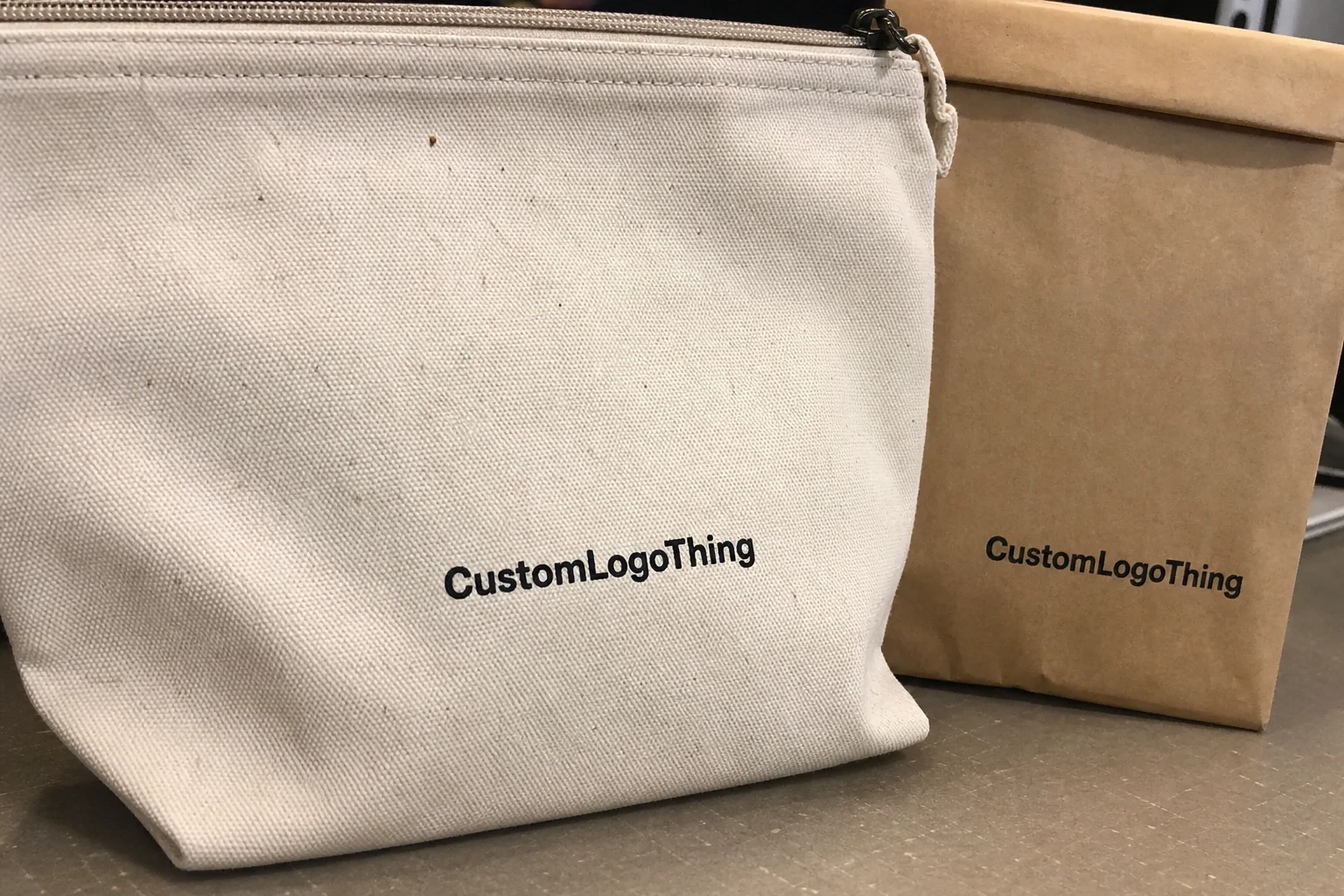
The biggest change is tactile. A well-made label changes the first hand feel of the package, and customers read quality through touch before they consciously evaluate the graphics. A textured paper label on a kraft bag feels different from a glossy film label on a coated pouch, and that cue shapes how the entire product is perceived.
Different bag formats ask for different behavior. Retail packaging, resealable pouches, garment bags, bakery bags, shipping mailers, and promotional bags all create their own demands. A bakery bag may need a label that tolerates light grease and warmth. A garment bag might need a clean removable option. A shipping pouch may need something that stays legible after abrasion and sorting.
That is the real value of personalized labels for bags. They support traceability, compliance, and product management while still carrying a polished brand look. If you are comparing formats, a labels-and-tags catalog is useful because it lets you narrow by size, finish, adhesive, and application style instead of forcing one generic spec onto every bag.
The right decision depends on more than artwork. Bag material, storage conditions, handling, fill process, and how long the package has to look pristine all matter. A label on a dry kraft mailer has a different life than a label on a refrigerated pouch or a promotional tote that gets stuffed into another tote. Same product category, very different reality.
“A label can make a bag look finished, but only if the substrate and adhesive are matched to the actual surface. Good art on the wrong material still peels.”
Production steps and timeline for bag labels
The production sequence looks simple on paper. Artwork review comes first, then the printer checks the dieline, bleed, barcode placement, and any special inks or finishes. After that comes proofing, press setup, finishing, die cutting, packing, and shipment. None of those steps is difficult by itself. The delays usually show up in the handoffs.
For a standard digital run, many orders move from proof approval to shipment in roughly 5 to 10 business days. Conventional press work, custom shapes, or specialty finishes usually take longer, often 12 to 15 business days from proof signoff, and sometimes more if the stock has to be sourced or a die has to be made. If the job includes variable data, white ink, foil, or a custom coating, expect the timeline to stretch.
Digital production is usually the faster path for short and medium runs because setup is lighter and artwork changes are easier to absorb. Conventional production makes more sense for large quantities, tight color consistency, or jobs that need a lower unit cost at scale. The tradeoff is setup time. Once a plate or die is involved, the front end takes longer, but the economics improve as volume rises.
Most schedule slips are not caused by the printer. They happen because the artwork arrives late, the dieline is missing, the barcode does not scan, or someone asks for a color change after proof approval. That is why planning backward from the fill date matters. If the bags need to be packed on Tuesday and shipped Wednesday, the labels should be approved well before that window so there is room for corrections and one more round of checks.
For launches with a hard date, allow time for a sample or pre-production proof, especially if the bag surface is unusual. That extra step can catch an adhesive mismatch, a trim issue, or a color shift that only shows up under warehouse lighting. Those are boring problems. They are also expensive ones.
Roll format, core size, unwind direction, and application method also affect scheduling. If the labels need to run through an applicator, that needs to be locked early. A beautiful print job is useless if the roll is wound the wrong way for the line.
Materials, adhesive, and finish choices that matter
Label substrates
Paper, polypropylene, polyester, and specialty films all have a place. Paper is often the most economical and can look excellent on kraft or matte bags, especially if the brand wants a natural feel. Polypropylene is a common middle ground for moisture resistance and clean print quality. Polyester handles more abrasion and heat, which is useful on bags that move through tougher storage or shipping conditions. Clear film can disappear visually on the package, which is useful when the bag itself carries the design and the label only needs to add identity or compliance information.
For paper-based labels, FSC-certified options can support sourcing goals and chain-of-custody documentation. If your team cares about that part of the spec, the certification path is worth checking directly through FSC certification rather than assuming all paper is interchangeable because the sample looks similar.
Material choice should follow the bag, not the mood board. A matte paper label can look great on a kraft pouch and fail quickly on a damp or oily surface. A film label may cost more, but if the bag lives in a cold room or gets handled a lot, that extra spend can be cheaper than a wave of returns or relabeling.
Adhesives
Adhesive choice is where many projects go wrong. Permanent adhesive is the default for long-term branding and general retail use. Removable adhesive makes more sense for temporary promotions, seasonal messages, or display bags that should not be scarred when the label comes off. Freezer-grade adhesive is needed if the bag will be held in cold storage, and high-tack adhesive is often the right answer for rough, textured, or difficult surfaces.
Low-energy plastics such as polyethylene and some untreated polypropylene bags are especially unforgiving. A label can look perfect in a sample photo and still lift at the corners after a few hours in the real world. That is why peel testing matters. Many technical teams reference methods such as ASTM D3330 for peel adhesion checks, but the practical test is still simple: apply the label to the actual bag, under the actual conditions, and watch what happens after the bag is filled, folded, stacked, or chilled.
Application order matters too. If the bag is heat-sealed after labeling, the adhesive may need to survive that step. If the bag is stuffed immediately after the label goes on, the film should resist edge lift and rubbing. If the bags sit in a humid staging area, the adhesive and face stock need to tolerate that environment before the product ever reaches the customer.
Finish and print behavior
Matte finishes reduce glare and usually improve readability under store lights. Gloss can make colors pop, but it can also create reflections that fight with small text. Soft-touch gives a premium feel, although it may scuff more easily than a hard gloss laminate if the bags rub against each other in transit. Clear labels work well for a minimal look, while white ink can keep copy readable on dark or transparent films. Metallic effects and spot varnish can create strong shelf impact, but only if the artwork supports them instead of fighting them.
For anything that carries compliance copy, keep the smallest type generous and the contrast strong. A beautiful finish is not useful if the barcode scans poorly or the ingredient text disappears on the finished package. That is a quality problem, not a design opinion.
Ink coverage matters more than most buyers expect. Heavy solids can increase cost and sometimes reveal banding or slight variation if the substrate is absorbent. Fine lines can disappear if the die-cut is tight or the label gets applied to a curved bag face. Good production files account for that up front.
Cost, MOQ, and unit pricing factors
Price is driven by more than size. Material grade, adhesive type, label shape, ink coverage, finishing, and quantity all move the number. A simple rectangular paper label on a roll is usually cheaper than a custom die-cut polyester label with metallic ink and a matte laminate. The quote also changes if the job is sheeted instead of rolled, or if the labels need to be packed in a specific way for an applicator.
MOQ exists because setup time is real. The printer has to prepare artwork, materials, press settings, die cutting, inspection, and packaging. On a small run, those costs are spread across fewer labels, so the unit price rises. On a larger run, the setup cost is diluted and the per-label price drops. That is why a 1,000-piece order can feel expensive compared with 10,000 pieces, even if the design is simple.
Here is a practical price snapshot for custom bag labels at a 5,000-piece quantity. These are typical ranges, not guarantees, because coverage, stock choice, and finishing can shift the total quite a bit.
| Label option | Best use | Typical unit price at 5,000 pieces | Notes |
|---|---|---|---|
| Paper label, matte | Kraft bags, bakery bags, light retail use | $0.06 to $0.12 | Economical, good print clarity, less moisture resistance |
| Polypropylene label | Retail pouches, flexible bags, general branding | $0.09 to $0.18 | Better moisture resistance, clean color, common choice for bag packaging |
| Polyester label | Durable shipping, cold storage, heavy handling | $0.12 to $0.24 | Higher abrasion resistance, often chosen for tougher environments |
| Clear or specialty film | Minimal branding, premium presentation, dark bags | $0.14 to $0.30 | May need white ink or specialty print handling |
Ask for a quote that includes quantity, dimensions, finish, core size, roll direction, adhesive type, and application method. Without those details, you do not really have a comparable bid. Hidden costs can show up in art revisions, rush scheduling, sample sets, special packing, or split shipments. Those are not always large line items, but they can push a budget off target if the project starts with incomplete information.
Minimums vary by supplier and process. Digital runs can often support smaller quantities, while conventional production usually pushes the MOQ higher because the setup cost has to be absorbed somewhere. If the quantity is uncertain, it is usually better to quote a usable test run than to force a large order and hope the spec was right.
If you are comparing suppliers, the cheapest quote is not always the lowest true cost. A label that fails in cold storage or peels during packing will cost more than a slightly pricier label that runs cleanly the first time.
Step-by-step ordering and proofing workflow
A clean order starts with the bag itself. Gather the substrate type, dimensions, panel area, texture, and whether the label needs to wrap, fold, or sit flat. A smooth coated bag can handle a very different adhesive than a soft paper bag or a crinkled flexible pouch. If the label must align to a machine applicator, confirm the roll direction, core size, and unwind orientation before the artwork is finalized.
Artwork submission should be handled like a production file, not a social media file. Send vector artwork if possible, with bleed, outlined fonts, and the correct dieline. If the project includes a barcode, ingredient panel, warning copy, or SKU information, place that data in a clean layout so it can be proofed without guesswork. Pantone references help when color matters, but the final result still depends on the substrate and finish.
The proof stage is where the work gets locked down. A proof is not a design mockup. It is the last checkpoint before ink, stock, and die cutting move forward. Check color, copy, spelling, barcode placement, trim, margins, and the relationship between the label and the bag size. If something feels cramped on the proof, it will feel worse on the finished package.
“A proof is the contract between the artwork and the press. If the proof is wrong, the finished label will be wrong faster than most buyers expect.”
A practical workflow looks like this:
- Confirm the bag material, dimensions, and application method.
- Choose the label substrate, adhesive, and finish based on the bag surface.
- Send artwork with dieline, bleed, and required variable data.
- Review the proof carefully and resolve corrections before approval.
- Lock the spec, approve production, and schedule delivery against your fill date.
That process is simple, but it works because each step reduces the risk of a mismatch. If the project is high stakes or the bag surface is unusual, order a sample or a short test run first. Test the label on the actual bag, then leave it alone for a day. That catches more failures than staring at a PDF ever will.
For teams comparing formats across multiple bag types, a product catalog can help narrow the spec before the order is placed. The point is not to browse forever. It is to avoid guessing at materials and then paying for the guess later.
Common mistakes that shorten label life
The first mistake is choosing adhesive by intuition instead of testing it on the actual bag. A label that sticks well to a flat sample board may fail on a low-energy plastic surface, a textured bag, or a flexible pouch that bends after filling. If the bag will sit in a cold room, pass through humidity, or be handled with dusty or oily hands, that test becomes even more important.
Artwork errors are next. Tiny type, weak contrast, cropped graphics, and barcodes that sit too close to the trim line all cause avoidable trouble. A bag label has a limited footprint, and the design needs to respect that. Good branding can look weak simply because the copy is too small for the available space or because the finish creates glare under store lighting.
Storage and application conditions matter more than people expect. Apply labels to a clean, dry surface. If the bag is oily, dusty, damp, or very cold, adhesion drops fast. Stack pressure during packing can also leave impressions or cause edges to lift if the finish is too soft. If the bag is part of a shipped package, transit testing based on ISTA packaging test methods can help reveal weak points before a full production run.
Another common miss is overspecifying a finish because it looks good on a sample card. A heavy gloss can glare. A soft-touch laminate can show scuffs. A clear label can vanish if the print contrast is not strong enough. None of those choices is wrong by itself, but each one has to be matched to the bag, the filling line, the store environment, and the shelf life you actually need.
Reorder consistency is easy to overlook too. If the first run uses one substrate and the reorder quietly switches to another because the original stock is unavailable, the label may look slightly different even if the artwork is identical. That is how brand consistency drifts one small step at a time.
Skip sample testing and you are guessing. Labels that peel, wrinkle, or shift color after production are usually the result of a small mismatch that could have been caught with one real-world test and a little patience.
For most buyers, the cleanest result comes from treating personalized labels for bags as a packaging component, not a graphic afterthought. Match the bag, the adhesive, the finish, and the use case, and the label will do its job quietly and well.
What bag types work best with custom labels for bags?
Flat, smooth surfaces usually give the most reliable adhesion and the cleanest print presentation. Flexible pouches, coated paper bags, and textured plastics may need different adhesive strengths or sample testing. The best match depends on how the bag is handled, stored, filled, and whether it has to stay pristine during shipping or retail display.
How do I choose the right adhesive for personalized labels on bags?
Match the adhesive to the bag surface first, then to the environment the bag will face. Use permanent adhesive for long-term branding, removable adhesive for temporary messaging, and specialty adhesive for cold or difficult surfaces. Always test on the actual bag material before approving the full run.
What affects the cost of bag label printing the most?
Quantity, material, adhesive, size, shape complexity, and finish all affect unit price. Setup and die cutting can matter more on small runs, while volume usually lowers the per-label cost. Artwork revisions, rush scheduling, sample sets, and special packing can add to the total.
How long does it take to produce personalized labels for bags?
Simple digital runs can move quickly, while custom shapes or specialty finishes usually take longer. Artwork approval, proof changes, and material availability often shape the final timeline more than print time alone. Plan backward from your fill date so there is time for testing and corrections.
What should I send when requesting a quote for bag labels?
Include bag material, label dimensions, quantity, finish preference, adhesive needs, and whether the labels will be rolled or sheeted. Send final artwork or a clear mockup, plus any barcode, compliance, or color requirements. If you are unsure about specs, ask for a recommendation based on the bag surface and usage conditions.


