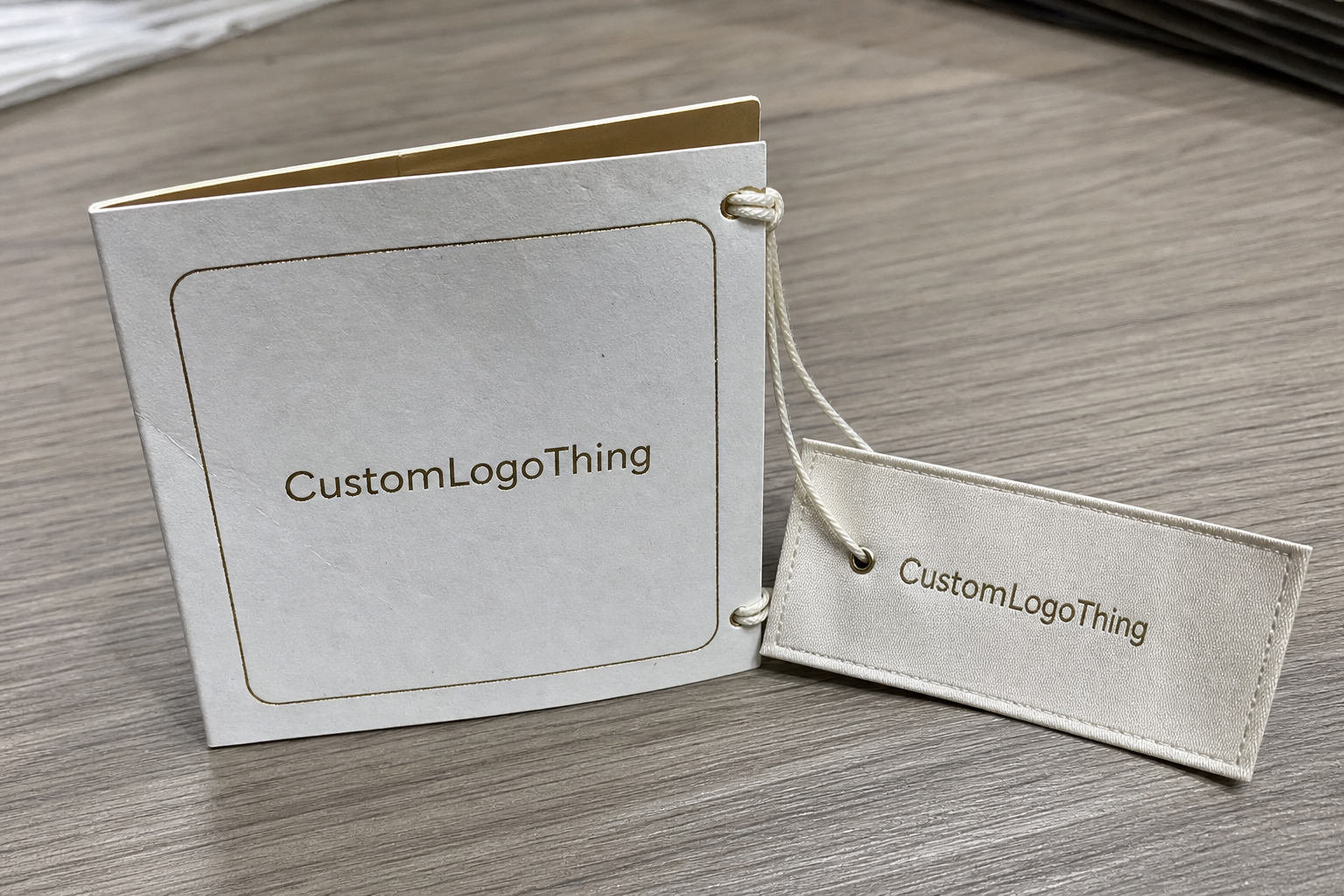
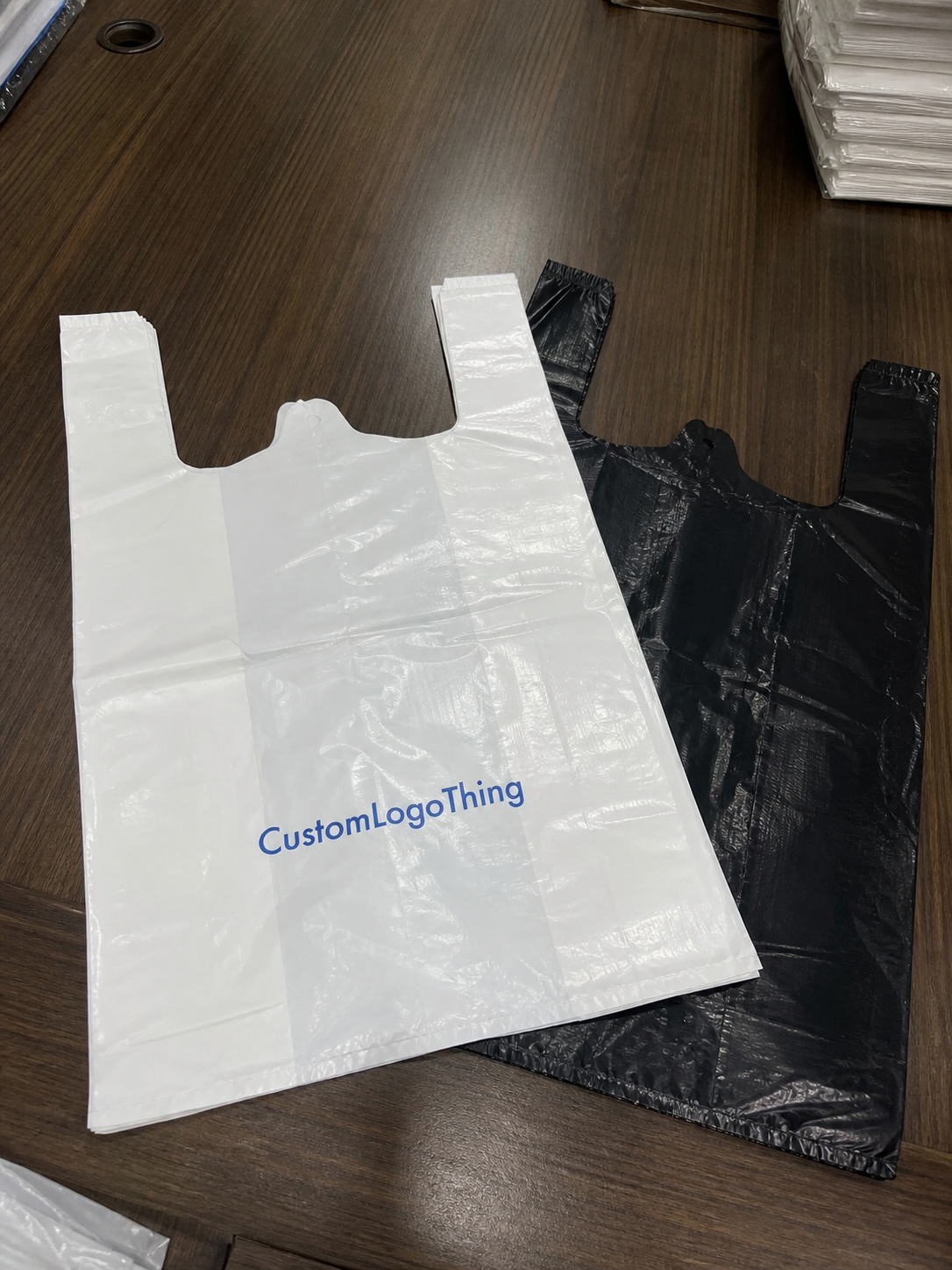
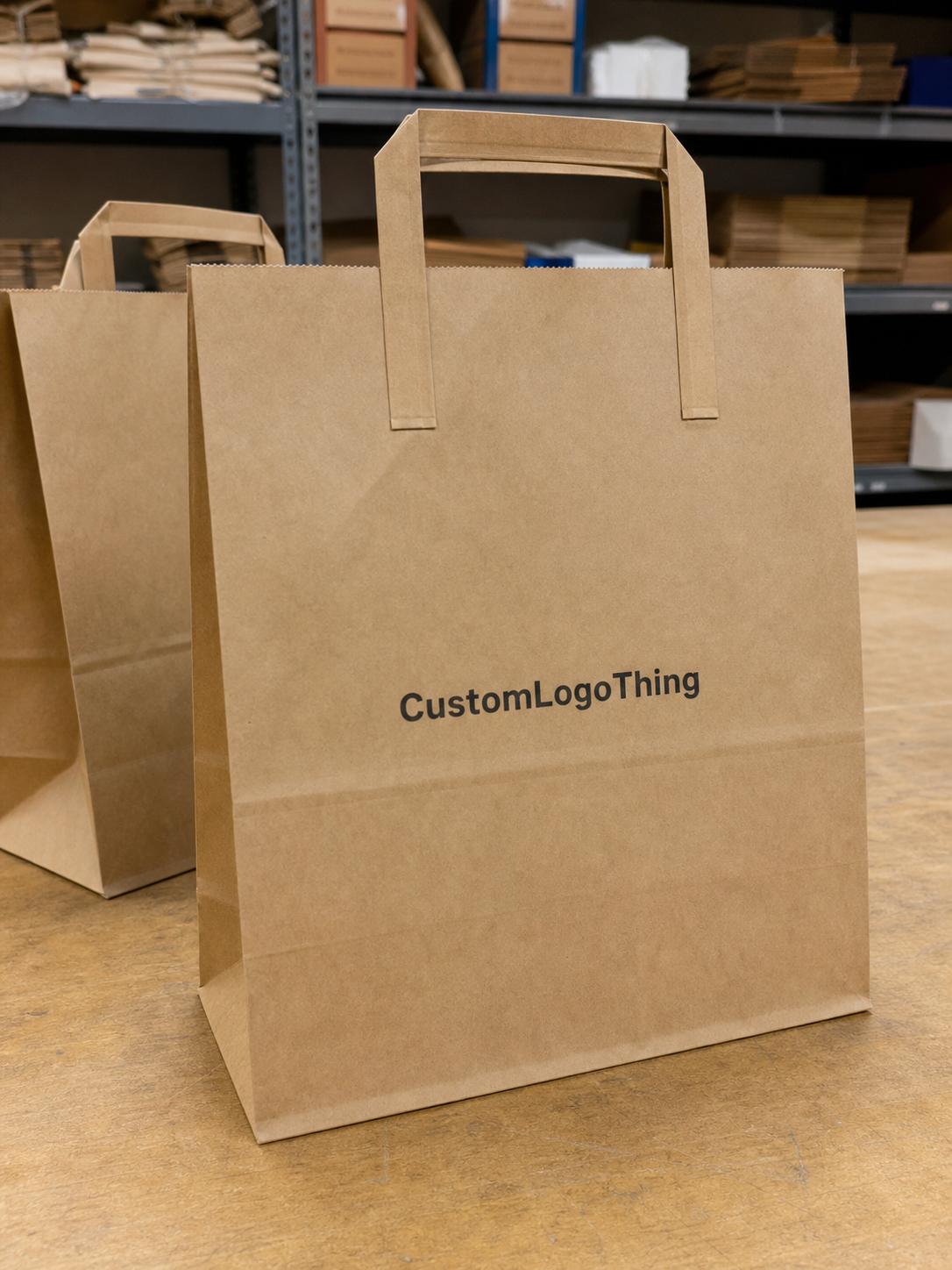
Custom Labels for Bags: Buyer’s Guide to Specs, Pricing, and Print Choices matters because a plain pouch can look unfinished, while the right label makes packaging feel intentional and more valuable without changing the bag itself.
For retail packaging, food, e-commerce, and promotional kits, labels do more than carry a logo. They can handle ingredients, care instructions, barcodes, SKUs, tamper cues, and promotional messaging. In many packaging programs, labels do more visual and practical work than the bag construction.
The buying decision is usually about surface compatibility, adhesive strength, print method, and whether the label still looks right after shipping, refrigeration, stacking, or repeated handling. Those details determine whether the label helps the package or becomes a replacement cost.
Custom Labels for Bags: What They Actually Do
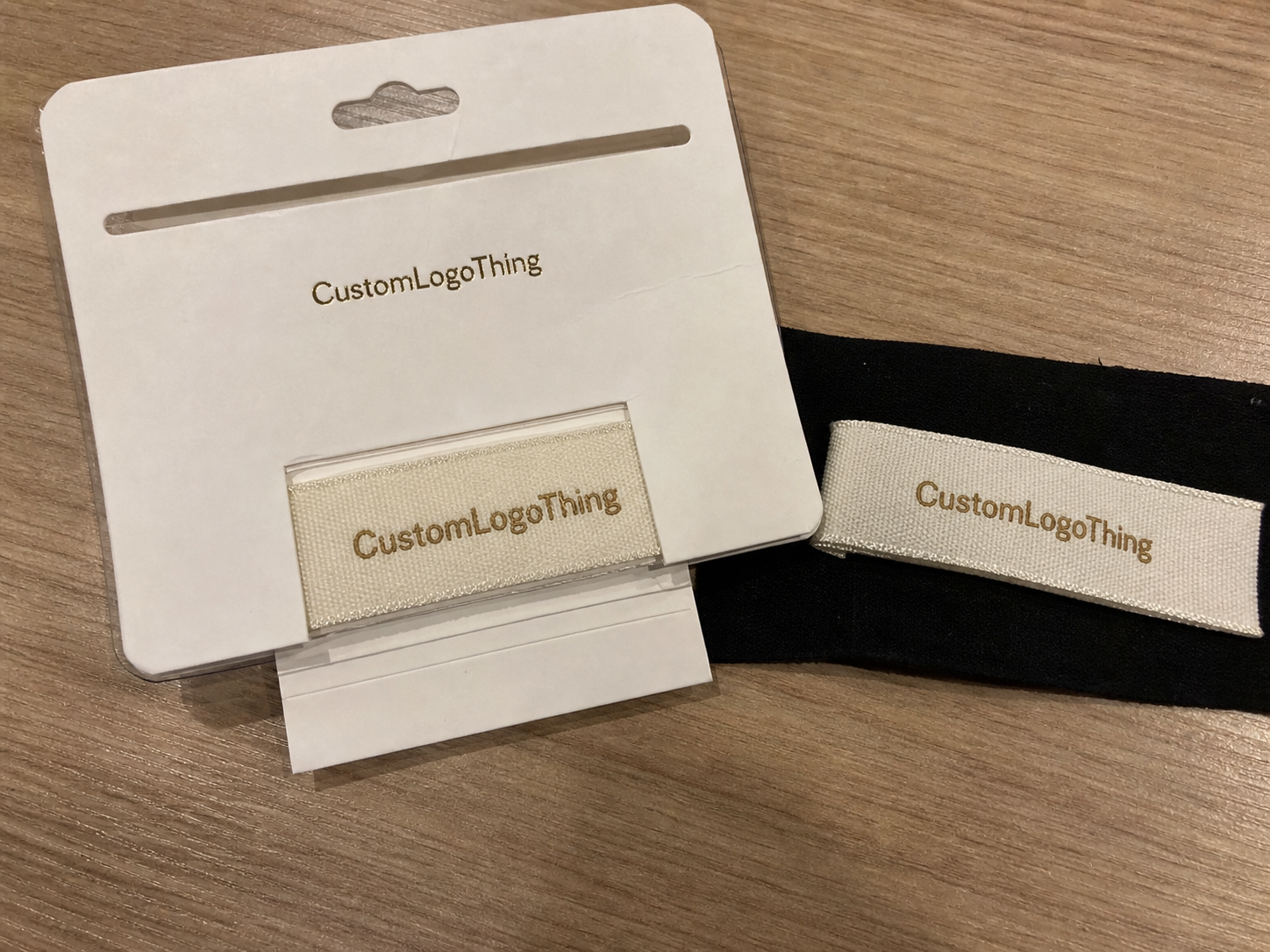
A label is both decoration and utility. It identifies the product, helps staff track the SKU, and gives the bag a finished look without changing the package structure. For many brands, it is the fastest way to improve packaging without revising the bag tooling.
Different bag formats need different label strategies:
- Adhesive labels work well for sealed plastic bags, pouches, mailers, and many retail bags.
- Hang tags make sense when adhesive is not desirable or when a more premium presentation is needed.
- Barcode labels are the practical choice for warehousing, inventory, and POS scanning.
- Printed branding can be efficient at volume, but it is a different buying decision from labels.
A food bag may need allergen information and a clear front-face brand mark. A shipping pouch may need tracking and a return address. A boutique apparel bag may only need a logo and size sticker. The use case determines the spec.
What buyers miss: a small label line item can still change how expensive the whole bag looks to the customer. Visual impact is not always proportional to spend, which is why stock, layout, and finish matter as much as price.
For broader packaging programs, compare Custom Labels & Tags with the bag itself, or pair the order with Custom Packaging Products if multiple SKUs need to stay aligned.
How the Labeling Process and Timeline Work
The production flow usually moves through artwork, proofing, printing, finishing, and shipment. Delays most often come from unclear artwork, slow proof approval, or a spec change after quoting starts.
- Artwork intake: the printer checks file format, bleed, resolution, and die line if the label has a custom shape.
- Proofing: a digital proof checks layout and copy; a physical sample checks material, adhesive behavior, and appearance on the bag surface.
- Printing: the run is produced by digital, flexographic, or thermal methods depending on quantity and use.
- Finishing: labels may be die-cut, kiss-cut, roll-wound, laminated, or slit for applicators.
- Shipping: lead time depends on freight method and whether the labels ship flat or on rolls.
Digital printing is usually best for shorter runs, fast turnaround, and multi-version orders. Flexographic printing fits higher quantities and color consistency across larger runs. Thermal printing is common for barcode labels, logistics labels, and variable data where legibility matters more than finish.
Typical timing looks like this: a simple digital run can ship in about 5-10 business days after proof approval. Custom materials, specialty adhesives, or roll finishing often push that to 10-15 business days. Special shapes, testing, or multiple approval rounds add more time.
Sampling saves money. A digital proof catches spelling, layout, and color intent. A physical sample catches adhesive performance, curling on seams, barcode scan issues, and glare from the finish.
A label that looks fine on screen and peels in a cold room is not a good label. It is a bad decision with nice graphics.
If the bags ship as part of a kit, handling standards matter too. Packaging teams often use guidance from the Institute of Packaging Professionals for general packaging education and ISTA when transit testing is part of the risk. If the order includes sustainability claims, ask about FSC paper sourcing only if the material and conversion process actually support that claim.
Cost, Pricing, MOQ, and Unit Cost
Pricing for labels depends on material, adhesive strength, finish, size, shape, color count, and quantity. Roll direction, special certifications, and custom cuts or variable data can also affect cost. Buyers who compare only headline unit price often miss the more expensive part elsewhere in the quote.
Minimum order quantity, or MOQ, is the other major lever. Smaller runs cost more per label because setup is spread across fewer units. Larger quantities reduce unit cost, but they increase inventory and tie up cash. That tradeoff is normal.
Here is a practical way to think about common pricing bands for bag-label jobs:
| Label Type | Typical Use | Relative Cost | Buyer Notes |
|---|---|---|---|
| Paper label, one color | Basic retail or insert bags | Low | Best when the bag stays dry and the design is simple. |
| White BOPP label | Retail, food, and general use | Medium | Good balance of durability and price for most orders. |
| Clear or premium finish label | Premium branding and clean presentation | Medium to high | Useful when the bag surface and design are doing visual work together. |
| Freezer-safe or high-tack label | Cold chain, moisture, and rough handling | High | Worth it if peeling would create a mess or a compliance issue. |
| Custom shape, laminated label | Promotional and premium retail packaging | High | Better shelf impact, but setup and finishing add cost. |
As a rough buying range, a simple label run for 5,000 pieces might land around $0.04-$0.12 per unit, while more durable or premium bag labels often move into the $0.14-$0.30 range. Freezer-safe, specialty adhesive, or custom-finish jobs can go higher.
To compare quotes properly, ask whether the price includes plates, setup, proofing, finishing, and freight. A quote that looks cheaper may hide costs in separate line items. That is how a “deal” becomes a more expensive order.
Materials, Adhesives, and Finish Choices That Matter
The substrate matters more than buyers think. Paper, BOPP, vinyl, polyester, and other films all behave differently. If the bag is handled a lot, gets cold, or may see moisture, paper can be the wrong choice. If the bag is dry and the goal is a natural look, paper may be exactly right.
Common label stocks:
- Paper: lower cost, good print feel, weaker against moisture and abrasion.
- BOPP: durable, water-resistant, and common for retail and food bags.
- Vinyl or polyester: tougher, usually used where abuse, condensation, or long shelf life matter.
- Clear film: useful when the bag color or texture should show through.
Adhesive choice is where many label failures begin. A removable adhesive works for temporary promotions or returns. A permanent adhesive is the default for most retail and product packaging. Freezer-safe adhesive is built for cold storage and condensation. High-tack adhesive helps on rough, textured, or low-surface-energy plastics, but it is not forgiving if the label needs to come off cleanly later.
Finishes change both appearance and handling. Gloss gives punch and color depth. Matte reduces glare and feels more controlled. Soft-touch can look expensive, but it adds cost and is not always the best choice for labels that will be touched a lot. Clear labels can look excellent on the right bag surface, but they expose bubbles, wrinkles, and alignment mistakes.
Compatibility issues are predictable: condensation, oils, freezer storage, recycled bag surfaces, and textured films can all make a good label fail. In those conditions, testing on the actual bag material is worth more than another round of mockups.
Rule of thumb: if the package will be wet, cold, oily, or heavily handled, spend more time on adhesive and finish than on decorative details.
Step-by-Step: Ordering Custom Labels
Start with the use case, not the artwork. Food bags, retail bags, shipping bags, and promotional totes each need a different spec. If you skip that step, you end up pricing the wrong thing and correcting it later.
Before requesting a quote, gather the basics:
- Bag material and finish
- Label size and shape
- Quantity per SKU
- Artwork file format
- Application method, by hand or machine
- Storage conditions, including cold or humid environments
- Any regulatory copy, barcode requirements, or care instructions
Review the proof carefully. Check spelling first, then barcode contrast, line thickness, font size, bleed, and placement on the bag. If the label should sit centered on a pouch and the bag will be filled before application, mock that condition up before approving the run.
Application method matters more than buyers expect. Hand application is flexible, but it costs labor and introduces placement variation. Automatic applicators are faster, but they need consistent roll specs and stable label dimensions. Pre-labeled bags reduce downstream work, but they require tighter planning up front.
If the design is new, the bag surface is difficult, or the product faces moisture or cold-chain conditions, a pilot batch is usually worth it. A small test run costs money. A full run that fails costs more.
Common Mistakes That Waste Time and Money
The usual mistakes are simple and expensive.
- Using the wrong adhesive for the bag surface, which leads to peeling, curling, or residue.
- Ordering a label that looks fine on screen but crowds the bag once it is filled or sealed.
- Approving art without checking barcode contrast, tiny legal text, or color expectations.
- Ignoring the real environment, especially freezer storage, grease, condensation, sunlight, and shipping abrasion.
- Comparing only unit price and forgetting freight, setup, proofing, and finishing.
A “cheap” run can become expensive if the labels do not perform. Buyers get stuck reprinting, relabeling, or scrapping inventory. The spreadsheet looks fine; the warehouse does not.
Another common miss is assuming the proof is the product. It is not. It is a representation of the product. The real test is on the bag, in the right environment, under the right handling conditions.
Expert Tips for Better Labels on Plastic Bags
Use the bag surface as part of the design, not as a passive background. Smooth films and matte surfaces give labels a cleaner edge. If the bag is glossy, make sure the label has enough contrast to read from a short distance. If the bag has texture, expect the adhesive to work harder and the layout to need more breathing room.
For retail packaging, keep the brand mark larger than you think. A label that tries to say everything usually says nothing. One clear hierarchy works better: brand first, product name second, support info after that. A buyer should understand the message in about three seconds.
For food or storage bags, clarity wins. Customers remember legible information and clean alignment more than decorative tricks. If the bag is part of a larger branded packaging system, coordinate the label with other components like custom printed boxes, inserts, and secondary seals so the kit feels intentional.
Ask for a sample on the actual bag substrate whenever the order matters. That is the only honest way to test color, adhesion, and readability together. A label on a perfect white sheet can behave very differently on a recycled black pouch or a slick polypropylene bag.
Build a repeat-order spec sheet. It should list bag type, label stock, adhesive, size, finish, quantity, roll direction, and approved artwork version. That one document saves back-and-forth when someone new takes over the account or the order is repeated later.
Finally, think about standards, not just appearance. If the package ships, follow transit-testing logic from ISTA. If the material is paper-based and sustainability matters, ask whether the supply chain supports FSC-certified inputs. If the label carries legal claims or scannable codes, treat those as production requirements.
Next Steps for Buying
The cleanest way to buy custom labels for bags is to create a one-page spec sheet before you ask for quotes. Include the bag type, label dimensions, quantity, finish, adhesive, application method, and whether the package will face moisture, cold, or heavy handling.
Ask for pricing at two or three quantity breaks so you can see where unit cost drops enough to justify holding inventory. A 1,000-piece run and a 5,000-piece run can live in very different cost bands, and that difference often decides whether a label stays in budget or gets redesigned.
If the order is high-value, high-visibility, or sensitive to climate, request a proof or sample on the actual bag material. If the labels will be applied by machine, mention that early. If they will be applied by hand, say that too.
Before you place the order, run a basic internal checklist: artwork approved, barcode scanned, copy verified, placement confirmed, and material matched to the bag. That is how you keep production from stalling on avoidable fixes.
Once the spec is locked, compare suppliers on more than price. Look at turnaround, consistency, communication, and whether they understand the practical side of retail packaging.
FAQ
What are custom labels for bags used for besides branding?
They can carry barcodes, ingredients, care instructions, warnings, SKU data, compliance text, and tamper-evidence information. They also help separate product lines and make plain packaging look finished without changing the bag itself.
Which adhesive works best for bag labels on plastic?
It depends on the bag surface and storage conditions, but permanent, removable, freezer-safe, and high-tack adhesives each solve different problems. Smooth plastic films usually need a stronger adhesive than paper-like surfaces, especially if moisture or cold is involved.
How much do custom labels for bags cost per unit?
Price is driven by size, material, finish, color count, quantity, and whether the order needs special finishing or testing. Unit cost drops as quantity rises, but setup and shipping can make a small order look expensive fast.
How long does it take to produce bag labels?
Simple digital runs can move quickly, while specialty materials, custom shapes, or extra proofing add time. A good supplier should tell you where the delay risk is before the order is approved, not after.
What should I send to get an accurate quote?
Send the bag type, label dimensions, quantity, artwork file, adhesive preference, finish, and the environment the bag will face. If you have it, include a sample bag and note whether the labels will be applied by hand or by machine.