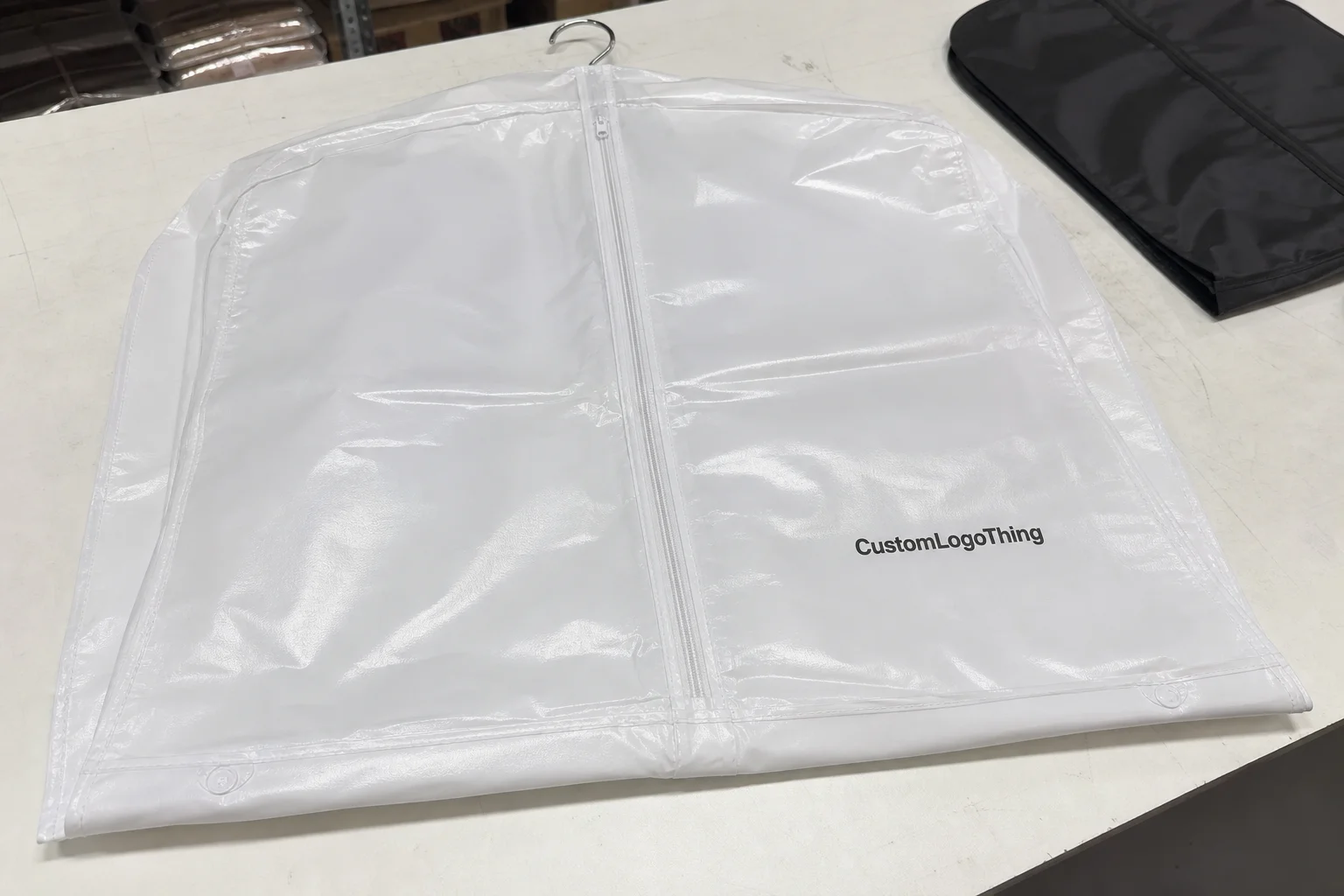
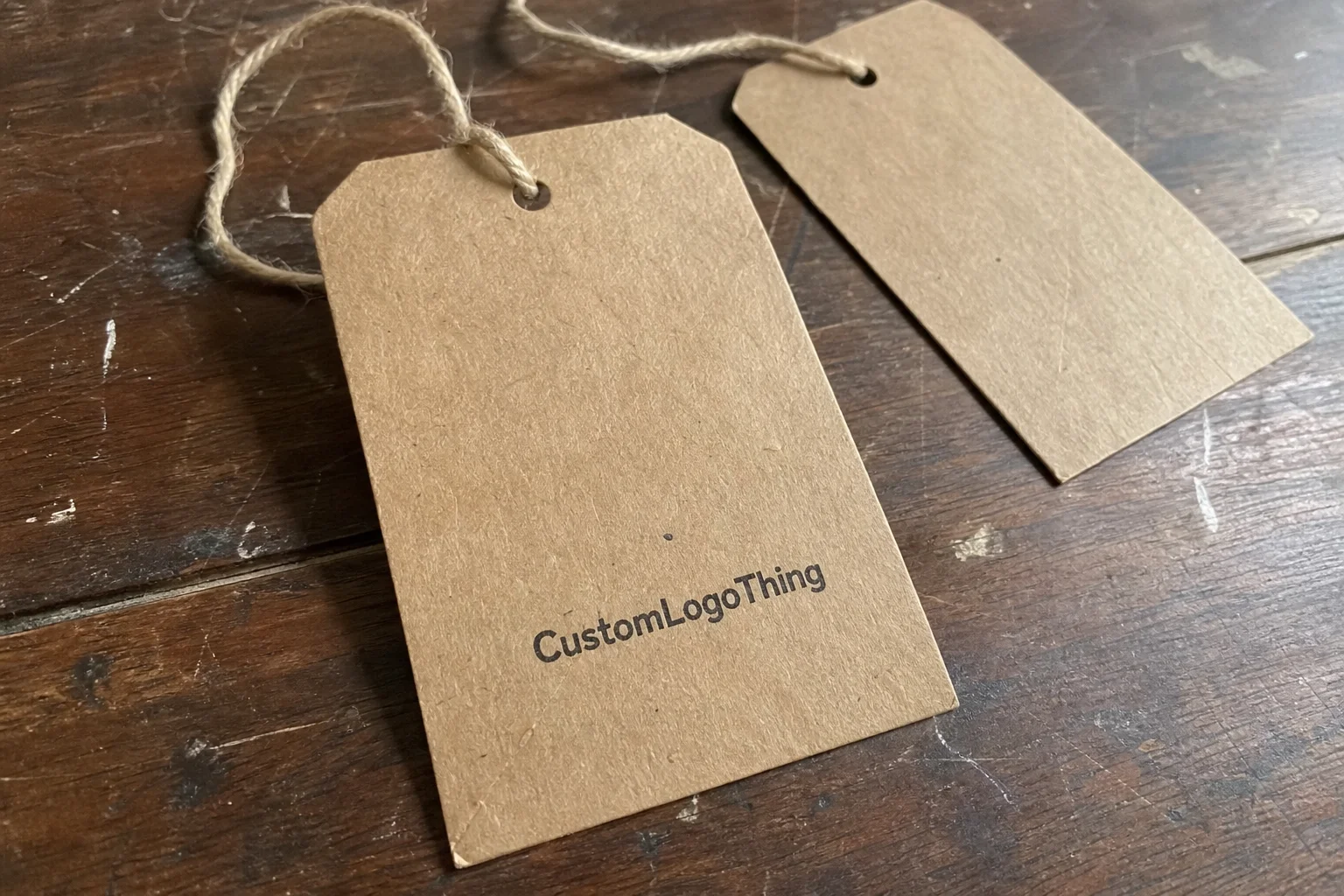
Personalized military garment bags do more than cover a uniform. They protect pressed fabric, keep insignia from getting scuffed, and make it easier to identify the right kit fast, whether the bag is moving through a barracks closet, a transport locker, or a ceremonial staging area. For buyers, that means the bag has to do two jobs at once: present well and hold up under repeated handling.
That balance is where many orders go wrong. Add a name, rank, unit mark, or logo to a flimsy bag, and you may end up with a clean-looking piece that fails at the seams. Why decorate a bag if the decoration weakens the film? The better move is to match personalized military garment bags with the right film thickness, closure, and print method so the decoration supports the product instead of stressing it.
Why personalized garment bags matter in military use
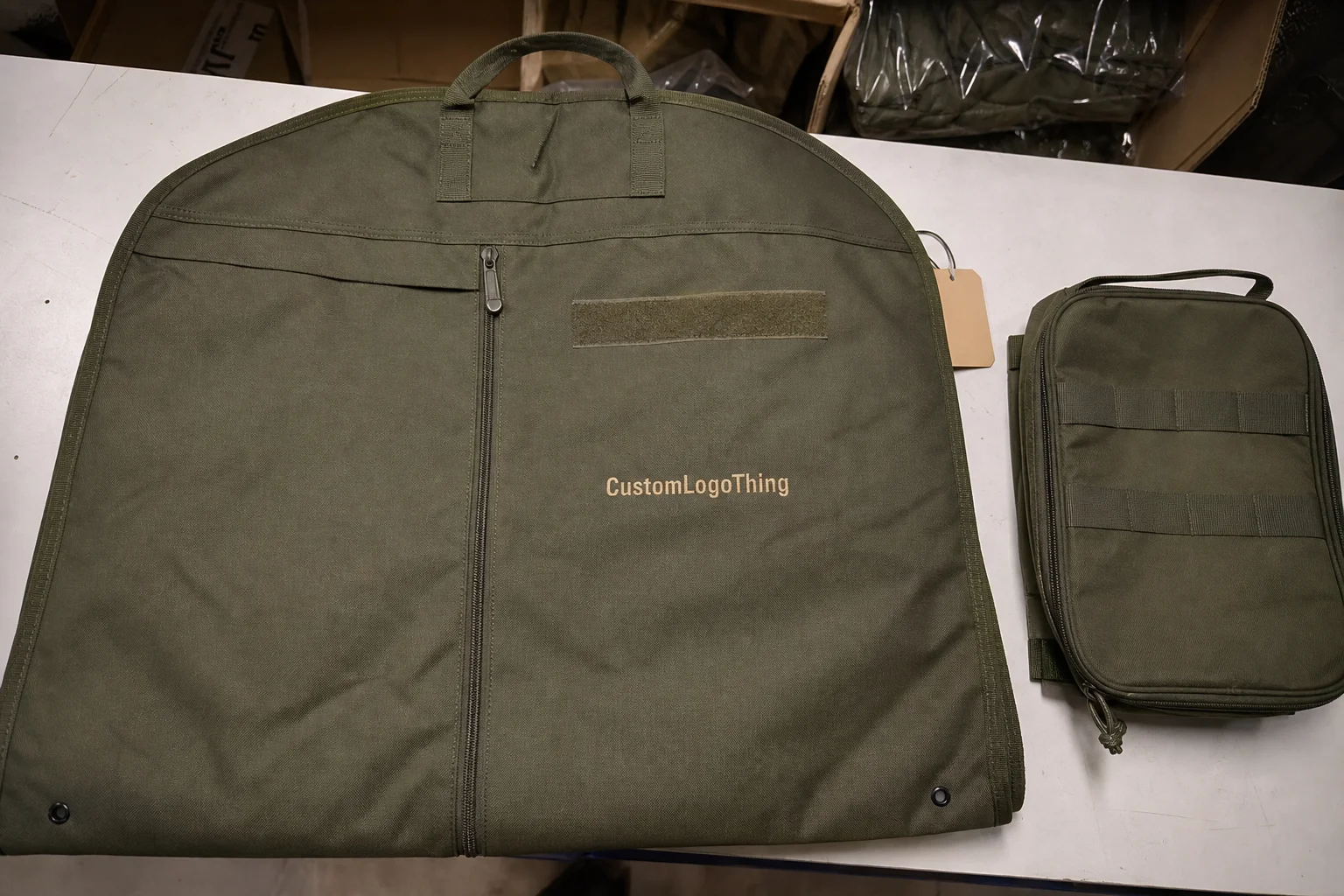
A garment bag in military use is not just storage. It is a protective layer for dress uniforms, formalwear, and ceremonial gear that often costs more to replace than the bag itself. A good bag helps keep pressed trousers from creasing, shields jackets from dust and handling marks, and reduces the chance that insignia gets bent during travel or staging.
Personalization adds a practical layer. A visible name panel, rank, or unit identifier can speed sorting during inspections, deployments, and event prep. It can also reinforce unit pride in a restrained way. But there is a tradeoff: if the decoration weakens the film, leaves a stiff patch across a fold line, or peels after a few trips, the bag becomes harder to use, not easier.
In plain terms, personalized military garment bags are custom bags designed for uniforms, dress garments, or ceremonial gear, usually made from vinyl, polyethylene, or reinforced plastic with printed identification or branding. Buyers typically include military personnel, base supply teams, unit coordinators, event organizers, and retailers serving service members.
“The best garment bag is the one people stop noticing because it simply works: easy to identify, easy to carry, and hard to damage.”
That is the standard to keep in mind: not flashy, just useful.
How personalization and construction work together
Personalization methods behave differently on plastic surfaces. Screen printing is common for bold logos and text because it lays down opaque ink well and usually holds up through repeated handling. Digital print can handle more detailed graphics, but results depend heavily on the material surface and ink system. Embossing or debossing can create a durable tactile mark, though it is less common when crisp visibility is the main goal. Some buyers also use name panels or sewn-on labels when they need flexibility for personnel changes.
Construction matters just as much as decoration. A bag can have a sharp logo and still fail if the zipper tears, the hanger opening stretches, or the bottom seam splits under a heavy dress coat. The core features to inspect are thickness, closure type, hanger opening, gusset depth, handles, venting, and seam reinforcement. Each one affects how the bag performs in real use, not just how it photographs.
Material choice changes the whole feel. Clear bags make it easy to identify contents at a glance, which is useful for rapid gear checks. Opaque bags protect privacy and can look more formal. Matte finishes reduce glare and can make printed branding easier to read. Reinforced plastics and thicker films add tear resistance, but they also add weight and cost. Which finish looks best on a mockup, and which one survives the most handling with the least trouble?
Typical use cases include deployment travel, ceremonial dress transport, storage in barracks or closets, and giveaway items for military events. The same basic product can serve all four, but only if the spec is matched to the job. A lightweight event bag and a repeated-use uniform carrier are not the same purchase.
Key specs that affect durability, appearance, and fit
Size is the first filter. Standard uniform lengths vary, but buyers often need full-length coverage for jackets and trousers, plus enough room to keep the hanger from pressing the garment into the closure. Some orders also need extra depth for boots, caps, sashes, or multiple pieces. If the bag is too short, the fabric bunches. If it is too narrow, the zipper gets stressed every time someone closes it.
Material thickness is usually discussed in mils or gauge, and it has a real effect on tear resistance and feel. For lighter event use, thinner film may be acceptable. For repeated handling, thicker film usually performs better. Many buyers compare options in the 4- to 10-mil range, but the right choice depends on garment weight, transit frequency, and whether the bag is expected to be reused many times.
Closure quality is another quiet failure point. A zipper that tracks well for the first few openings but separates after the bag is lifted by the top edge is a bad investment. Hanger-hole reinforcement helps reduce tearing at the shoulder point, and the bottom seal should be welded, sewn, or folded in a way that matches the intended load. If the product will be moved often, ask whether stress points have been tested under repeated cycles. ASTM and ISTA test methods are often referenced for package durability, especially when buyers want more than a visual promise. For shipment-related testing, ISTA standards are a practical benchmark.
Print durability and finish
Print longevity depends on three things: the ink system, the surface energy of the material, and where the artwork sits on the bag. A logo placed across a fold line or seam will wear faster. A print too close to a zipper can scuff every time the bag is opened. Moisture resistance matters too, since these bags may be handled in damp conditions or stored near other gear. UV exposure is less of a concern for indoor use, but a bag carried in vehicles or near windows may still fade over time.
Transparency, color, and internal standards should also be part of the decision. Clear bags help with quick identification. Opaque bags look cleaner for formal settings. Certain units prefer color coding by rank, department, or event type. None of that is cosmetic fluff if it speeds distribution and lowers mistakes.
| Option | Typical use | Indicative unit cost | Notes |
|---|---|---|---|
| Lightweight clear bag | Event giveaways, occasional storage | $0.80-$1.40 | Best for visibility; less durable |
| Standard printed vinyl bag | Routine uniform transport | $1.50-$3.20 | Good balance of durability and branding |
| Reinforced reusable bag | Repeated field or travel use | $3.50-$6.50 | Higher material cost; better seam strength |
| Premium custom build | Programs, retail, ceremonial use | $6.00-$10.00+ | May include specialty closures, extra print work, or inserts |
Those numbers are directional, not fixed. A quote can move quickly if the order needs custom dimensions, heavier film, or more demanding print coverage. A thicker body, better zipper tape, and an extra print location can change the total more than first-time buyers expect.
Personalized military garment bags: cost, MOQ, and quote factors
Unit cost is shaped by more than quantity. The obvious drivers are bag size, material thickness, and print complexity. Fewer colors usually cost less than full-color decoration. A simple one-side logo is cheaper than a multi-location print with names, ranks, and unit marks. Packaging requirements matter too. If each bag needs folded insert cards, the labor line rises as well.
Minimum order quantity, or MOQ, is often the biggest surprise for new buyers. Custom tooling, setup, and print preparation create fixed costs, so smaller runs carry a higher unit price. Larger runs spread those costs out, which lowers the per-piece total. That said, a lower MOQ may be worth paying for if the order is a pilot, a seasonal issue, or a one-time ceremonial event.
When comparing quotes, ask what is included. Does the price cover artwork prep, pre-production samples, freight, and packaging, or are those separate? Does the supplier charge extra for PMS color matching, rush production, or special folding? The cheapest quote is not always the cheapest order.
Another factor is compliance or institutional review. Military buyers may need documentation for materials, labeling, or durability claims. If a supplier cannot explain the spec in plain language, that is a warning sign. Clear answers usually track with reliable production.
Production steps, timeline, and lead time expectations
Most orders follow the same rough path: spec review, artwork setup, sample approval, production, inspection, and shipment. Each step can add time if details are unclear. A clean spec sheet shortens the process because it removes back-and-forth. The fastest projects usually have one decision maker, one artwork file, and one agreed target date.
Lead time depends on complexity. A simple printed bag may move quickly if the factory has the right material in stock. A custom shape or special reinforcement can add days or weeks. Peak seasons, holiday schedules, and shipping congestion can stretch timelines further, so build in a buffer when the bags are tied to a formal event or deployment window.
Samples matter more than many buyers expect. They show whether the print sits where it should, whether the zipper runs smoothly, and whether the bag feels right in the hand. A digital mockup can hide flaws that become obvious on the finished piece. Sample approval is where small problems stay small.
Good project control is simple: confirm the spec, review the proof, and lock the timeline before production starts. Skip one of those steps, and the schedule gets fragile fast.
Common ordering mistakes that weaken performance
The most common mistake is treating the bag like a branding item instead of a working container. Buyers focus on the logo and forget the load path, closure, and material behavior. That usually leads to thin film, weak seams, or a closure that looks fine until the first heavy use.
Another mistake is choosing a size by guesswork. Uniforms are not flat, and garments need room to move without pressing against stress points. If the fit is tight, the bag may look neat on the floor and fail in the field. Measure the garment set, not just the hanger.
Artwork placement causes problems too. A logo that crosses a fold, seam, zipper, or handle hole will wear faster. A design that is too close to the edge can distort during sealing. Small layout changes can protect the print and improve the life of the bag.
Finally, some buyers skip the sample stage to save time. That shortcut often costs more later. A sample is cheaper than a remanufactured order, and it reveals problems before the whole run is committed.
Expert tips for choosing a bag that works in the field
Start with the garment, not the bag. What has to fit inside it? How often will it be carried? Will it be checked, stacked, hung, or tossed into transit? Those answers shape the right material and closure better than any catalog photo.
Ask for proof of durability where it matters. If the supplier talks about seam strength, zipper testing, or material testing, they should be able to explain the method, not just the result. Numbers are useful when they connect to real handling conditions.
Prefer designs that reduce friction. Rounded hanger openings, reinforced stress points, and print zones away from folds all improve everyday use. Small details like these do more for field performance than flashy decoration ever will.
Keep the user in mind. If different people will handle the bag, clear labels and consistent color coding can prevent mistakes. A bag that is easy to sort is easier to trust.
Next steps: compare specs, request samples, and place the right order
Compare materials, sizes, and print methods side by side. Then narrow the field to the two or three options that actually fit the use case. A short list keeps the decision grounded and makes quotes easier to compare.
Request samples before you commit to volume. Check the feel, the finish, the closure, and the print placement. If the sample does not solve the job, the full order will not solve it either.
When you are ready to buy, give the supplier a complete brief. Include dimensions, quantity, artwork files, target use, and any handling requirements. The clearer the brief, the cleaner the quote and the smoother the run.
In the end, the right bag is the one that protects the uniform, identifies it fast, and survives the routine without drama. That is the real test.