Personalized nylon tote bags look simple on a spec sheet, but the final result depends on construction as much as decoration. Stitch quality, coating, handle reinforcement, and print method usually determine whether the bag gets reused or tossed.
That matters because the bag is often doing a job beyond carrying items. It may be a trade show handout, retail gift, client kit, or event pack. Each use case changes the right size, closure, decoration, and cost target.
Buyers often focus on the logo first. That is the wrong order. A clean logo on a weak bag still leaves you with a weak bag.
What Personalized Nylon Tote Bags Actually Do Better
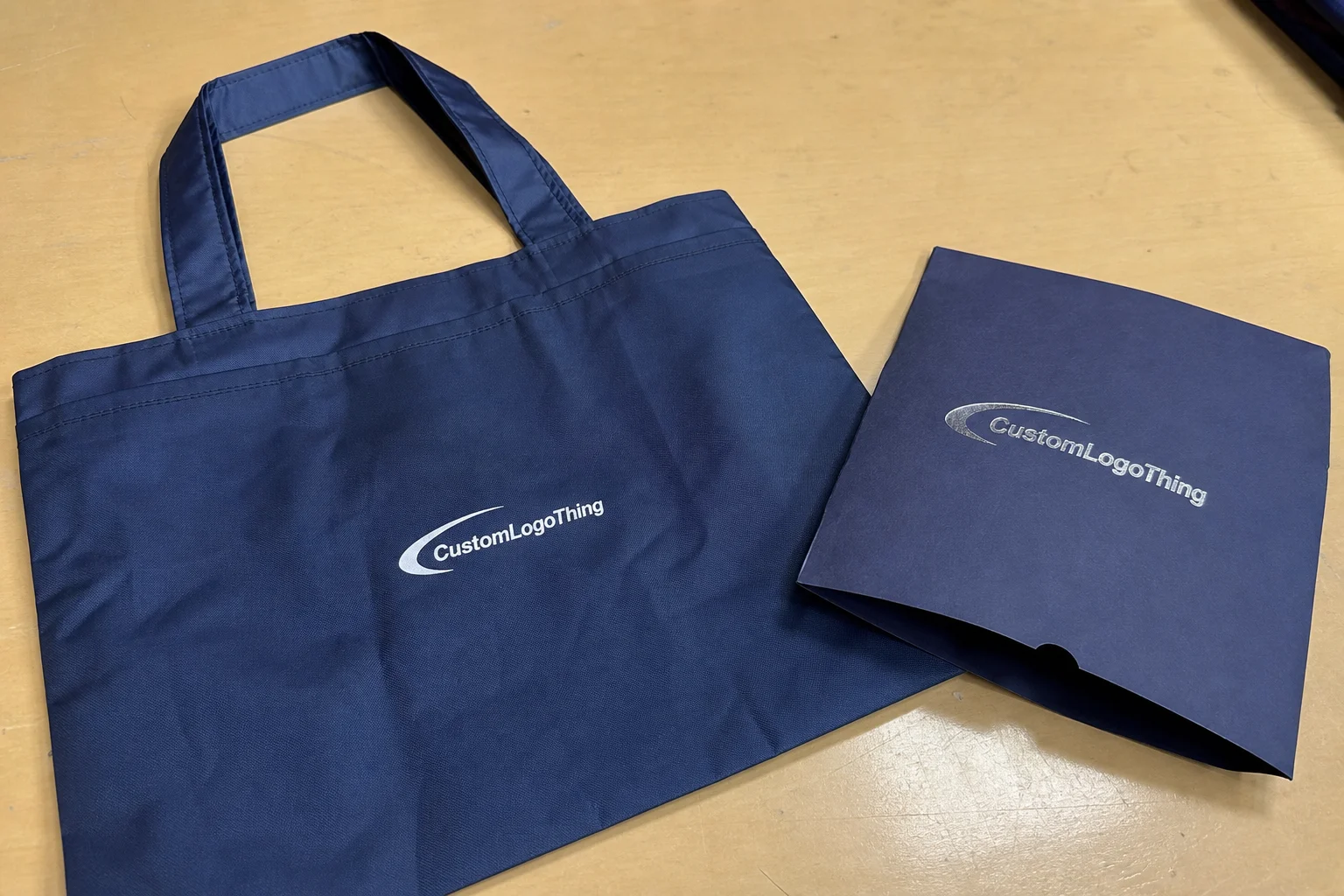
Nylon is useful because it is light, packs small, resists moisture better than many cotton alternatives, and usually keeps a cleaner look after repeated handling. For Brands That Need something easy to store, ship, and hand out at scale, it often makes more sense than heavier canvas.
The material itself is rarely the problem. Failures usually come from loose stitching, weak pattern placement, poor sizing, or a decoration method that does not match the artwork. Buyers tend to blame the fabric because it is visible, but the real issue is usually construction.
Start with the use case. A trade show tote needs room and fast packing. A grocery-style carry bag needs stronger handles and better load stability. A client gift bag can trade raw capacity for a cleaner finish, such as a zipper top, lining, or woven label.
Decoration affects both cost and presentation. Screen printing works well for bold logos and larger runs. Heat transfer handles detail and multi-color art. Woven labels and patches can feel more premium without covering the surface in ink. The best option depends on artwork, budget, and intended use.
A good buyer brief is boring on purpose: finished size, fabric weight, decoration method, quantity break, delivery date. Boring specs get better quotes.
It helps to define success before sourcing starts. Is the goal visibility, reuse, carry capacity, or a premium feel? If that is unclear, three bags can look similar on paper and behave very differently in production.
Small details change the result more than most buyers expect. One extra seam, one reinforcement bar tack, or one inch of handle length can change both comfort and presentation. Those are the things that become obvious only after the first sample.
Nylon Fabric, Handles, and Closure Specs That Matter
For personalized nylon tote bags, the material spec is only the starting point. Denier, weave structure, and coating affect strength, print sharpness, moisture resistance, and how the bag feels in hand. A 210D nylon with a light coating behaves differently from a thicker fabric with a laminated finish.
Handle construction matters just as much. Long handles support shoulder carry. Short handles make more sense for hand carry and stacked retail display. Reinforced stitching at the handle base is one of the most important details on any bag meant to hold weight.
Gusset depth changes usable volume and stability. A flat tote looks tidy but limits capacity. A 4-inch or 6-inch gusset adds room and helps the bag stand up better for boxed items, event materials, or heavier retail goods. Bottom inserts help the bag hold shape and keep the print surface from collapsing as easily.
Closure style is not just cosmetic. Zipper tops protect contents and raise perceived value. Snaps are faster and often cheaper. Open-top bags are simplest, but they usually read as promo items faster than brands want. If the bag will go to customers or retail buyers, the closure often matters more than a second logo placement.
Specs That Usually Change The Result
- Fabric weight: lighter promo bags often sit around 70D to 210D; more substantial carry bags usually move higher in denier or use thicker coating.
- Handle length: shoulder carry needs more length than hand carry, and that changes both comfort and carton packing.
- Stitch pattern: bar tacks, boxed corners, and reinforced joins are worth asking about on any bag meant to hold weight.
- Decoration zone: seams, folds, zippers, and gussets can cut into artwork. Plan the print area around the construction, not the other way around.
Size the bag to the contents, not to the logo. Oversized bags waste material, distort artwork placement, and often look less deliberate. A smaller bag with the right structure usually looks more premium than a bigger bag that feels awkward in the hand.
For transit and packaging decisions, standards help more than instincts. The ISTA test framework is useful if the bags are shipping inside kits or cartons that need to survive handling. If the order includes inserts or outer cartons, FSC-certified paper packaging can support the sustainability story without pretending nylon itself is renewable.
Personalized Nylon Tote Bags Pricing: MOQ, Unit Cost, and Setup Fees
Pricing gets complicated once the quote breaks into parts. Unit cost usually drops as quantity rises, but setup, tooling, sample work, packaging, and freight can dominate smaller runs. The lowest quote is often the least useful one because it hides cost where buyers forget to ask.
For personalized nylon tote bags, low-volume orders cost more because the factory absorbs artwork setup, print preparation, transfer setup, and sometimes label or hardware sourcing. In practice, the fixed cost is what punishes small runs, not the raw material.
Here is a practical range for sanity checking quotes. Exact numbers move with bag size, decoration coverage, destination, and hardware choices, but the pricing shape stays similar.
| Order Tier | Typical Unit Cost | Common Setup Pressure | Best Fit |
|---|---|---|---|
| 250-500 units | $1.40-$3.20 | High, because setup is spread across fewer bags | Events, internal launches, test runs |
| 1,000 units | $0.95-$2.10 | Moderate, depending on print complexity | Marketing campaigns, regional promotions |
| 5,000+ units | $0.45-$1.20 | Lower per unit, but freight and inventory matter more | Retail programs, national rollouts, recurring giveaways |
That table is not a quote. It is a reality check. Extra colors, a second print location, custom zipper pulls, sewn-in labels, pockets, or packaging inserts can push the number up fast. Small upgrades stack.
MOQ depends on print method, decoration count, and whether the factory needs custom fabric, hardware, or labels. Screen printing usually works best for simpler artwork and larger quantities. Heat transfer or woven embellishment can raise the piece price, but it may be worth it if the artwork needs detail or the bag needs a more finished look.
Ask for a quote that separates blank bag cost, decoration, packaging, freight, and sample charges. If everything is bundled into one line, it is hard to compare offers. That is how a quote looks cheap until the freight or sample bill shows up later.
Value should be measured by reuse rate and impressions over time, not just the lowest per-unit number. A better bag that gets used five times is usually better media than a cheaper bag that disappears into a drawer after one event.
Production Process, Timeline, and Lead Time
A normal production flow starts with spec confirmation, then artwork proofing, then sampling if needed, followed by production, QC, packing, and shipping. Most delays show up in the details that were assumed to be settled already.
Artwork approval is often the main bottleneck. Vector files, exact logo placement notes, confirmed colors, and clear size marks remove most back-and-forth. If the file is low-resolution or the placement note says “somewhere on the front,” expect revisions.
Lead time depends on print method, order size, and factory workload. Simple screen-printed bags can move faster than bags with lining, zippers, or sewn trim. Custom hardware adds time because it creates more steps and more inspection points.
Typical timing for personalized nylon tote bags often looks like this:
- Spec and proofing: 2-5 business days if the artwork is clean.
- Sampling: 5-10 business days, sometimes longer for custom features.
- Production: 12-20 business days for simple runs, longer for complex builds.
- Freight: add several days for domestic shipping and more for international moves.
Rush orders cost more because production slots and freight options get tight. If a buyer wants a tighter date, the factory usually charges for priority scheduling, and the shipping mode may change too.
Build buffer for holidays, port delays, internal approval cycles, and the last-minute logo change that arrives after proof approval. That happens constantly. It is never as minor as the requester thinks it is.
The strongest timelines assume at least one revision, not zero. Zero-revision projects exist, but they are not the default.
How to Build a Quote That Prevents Surprise Costs
A clean quote starts with a one-page spec. Finished size, material weight, color, handle style, print area, quantity, and delivery date should all be there before price shopping begins. If the spec is fuzzy, the quotes will be fuzzy too.
Send artwork in vector format whenever possible. AI, EPS, or PDF with outlined fonts is the safe route. Include PMS or CMYK references, note exact logo placement, and say whether the bag needs a centered front print, a corner mark, or a full panel. If a half-inch shift matters, say it now.
For higher-visibility orders, ask for a mockup and a physical sample or pre-production proof before the full run. A mockup catches layout issues. A physical sample catches material feel, stitch quality, and color behavior under real light.
What A Useful Quote Should Break Out
- Blank bag price
- Decoration cost by method
- Setup or screen charge
- Sample charge
- Packaging style
- Freight to the final destination
Request quantity breaks at realistic levels such as 250, 500, 1,000, and 5,000 units. That shows where the price falls and whether it is worth stepping up volume. Sometimes the jump from 500 to 1,000 pieces is large. Sometimes it barely moves.
Confirm shipping method, carton count, packaging style, and delivery address before deposit. Otherwise you end up with a quote that looks fine until the shipping bill arrives. No one wants that surprise.
If the supplier cannot separate the numbers, that is useful information. It usually means the order is too vague or the quote is hiding something. Neither is a good starting point.
Common Ordering Mistakes That Inflate Waste and Rework
The biggest mistake is choosing a bag that cannot handle the intended load. If the fabric stretches, the seams pull, or the handle anchor fails, the bag becomes disposable in the worst possible way. That is a product problem, not a branding problem.
Another common miss is ignoring how construction changes usable print space. Seams, gussets, and closures reduce the flat area available for artwork. A logo that looks perfect in a design file can get cut by a zipper or folded edge once the bag is built. The proof should reflect the actual pattern, not the fantasy version.
Low-resolution artwork is still a classic waste generator. It looks fine on a laptop, then prints soft, fuzzy, or blocked up on fabric, and suddenly everyone wants a redo. Clean files reduce proof rounds and scrap risk.
Coated nylon can also shift color under different lighting or decoration methods. A dark blue bag can read almost black in one setup and noticeably lighter in another. That is why samples matter. If color is central to the brand, do not approve from a JPEG and hope for the best.
People also forget freight, storage, and distribution. Bags are light, but they are not invisible to shipping math. Carton count, package dimensions, and final delivery location all affect landed cost. If those numbers are skipped during planning, only half the order is being budgeted.
For packaging buyers who care about repeatable testing, industry references help keep the order grounded. The Packaging School and industry resources at packaging.org are useful for broader packaging literacy, while ISTA gives a practical framework for thinking about shipment durability.
Waste usually starts with a vague brief. Rework usually starts with a rushed approval.
Next Steps: Turn a Rough Idea Into a Ready-to-Quote Spec
Start by writing the brief like a buyer, not like a mood board. A one-page spec sheet with finished size, fabric weight, closure type, handle style, print method, quantity break, and delivery date is enough to get real pricing.
Then ask vendors to quote the same bag, the same decoration, the same quantity break, the same ship-to location, and the same sample plan. That is where most comparison shopping falls apart. Pretty mockups do not pay invoices, and they do not hold a lane in a spreadsheet.
If the bag will face customers, prospects, or retail buyers, order a sample or a short run first. A short proof run can expose issues with stitch strength, print coverage, or material feel before the larger budget is locked in.
Use a standard checklist to compare suppliers: material, decoration method, MOQ, unit cost, timeline, freight, and proof process. If one quote is vague, ask for a line-item revision. If the supplier cannot or will not separate the numbers, that tells you something important too.
For brands that want reusable promo packaging without paying for the wrong build, personalized nylon tote bags work best when the spec is tight, the artwork is clean, and the quote is broken into real components.
FAQ
What is the best print method for personalized nylon tote bags?
Screen printing is usually the best fit for bold logos, simple artwork, and larger quantities because setup is efficient once the screens are made. Heat transfer works better for multi-color graphics, gradients, or finer detail, but it can cost more per unit. Woven labels and patches are useful when you want a more premium look without covering the bag in ink.
How much do personalized nylon tote bags usually cost?
Price depends on quantity, bag size, fabric weight, decoration method, and add-ons like zippers, labels, or interior pockets. Small runs cost more per unit because setup and freight are spread across fewer bags. Ask for a quote that separates blank bag cost, printing, packaging, samples, and shipping so you can compare cleanly.
What is a realistic lead time for custom nylon tote bags?
Simple orders can move faster, but custom artwork, special hardware, and sampling usually add days or weeks. Production is only part of the timeline; proof approval and freight can slow the order down. If you have a fixed event date, build a buffer so one revision does not wreck the schedule.
Can personalized nylon tote bags handle heavy items?
Yes, if the fabric weight, stitch pattern, and gusset are chosen for the load. Reinforced handles and bottom inserts make a bigger difference than many buyers expect. If the bag is meant for books, groceries, or product kits, specify the intended weight before quoting.
What artwork file should I send for nylon tote bag printing?
Send vector artwork when possible, ideally AI, EPS, or PDF with outlined fonts. Include PMS or CMYK references, logo placement notes, and any size constraints. Clean files reduce proof delays and make the first sample far more accurate.


