Same Day Custom Labels for Clothing Brands That Need Speed
A rush order usually starts with a problem that is smaller than it feels and more expensive than it should be: a launch box that is ready except for the labels, a size run that cannot ship without a finish spec, or a retail drop that needs packaging to look intentional before the first carton leaves the building. That is the real job of same day custom labels. They do not just add branding. They remove friction from an already compressed production schedule.
The pressure point is rarely the label itself. It is the chain around it. Artwork has to be usable. Measurements have to be exact. Someone has to approve the proof quickly and stick to that decision. If one of those pieces is fuzzy, even a simple job can slip out of the same-day window.
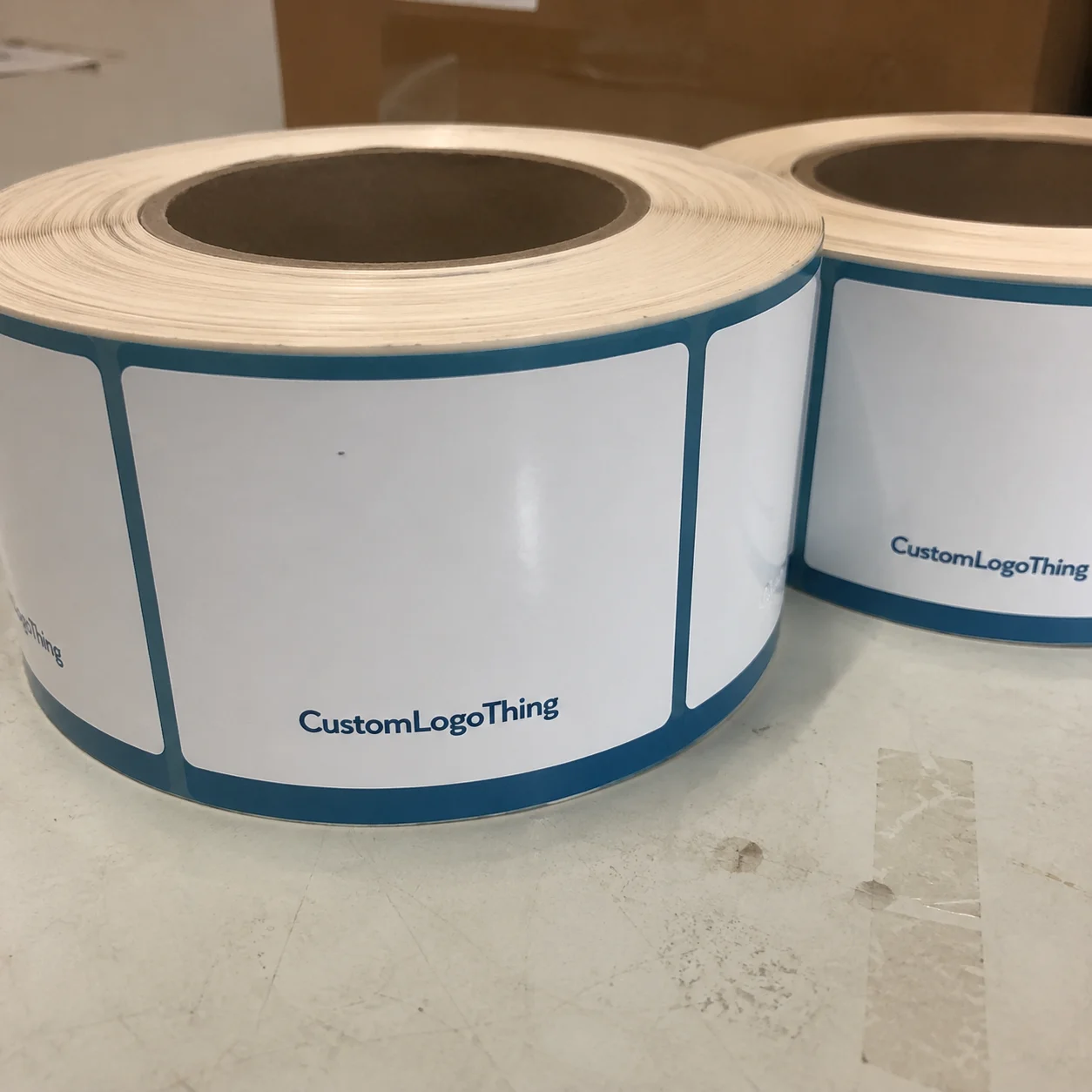
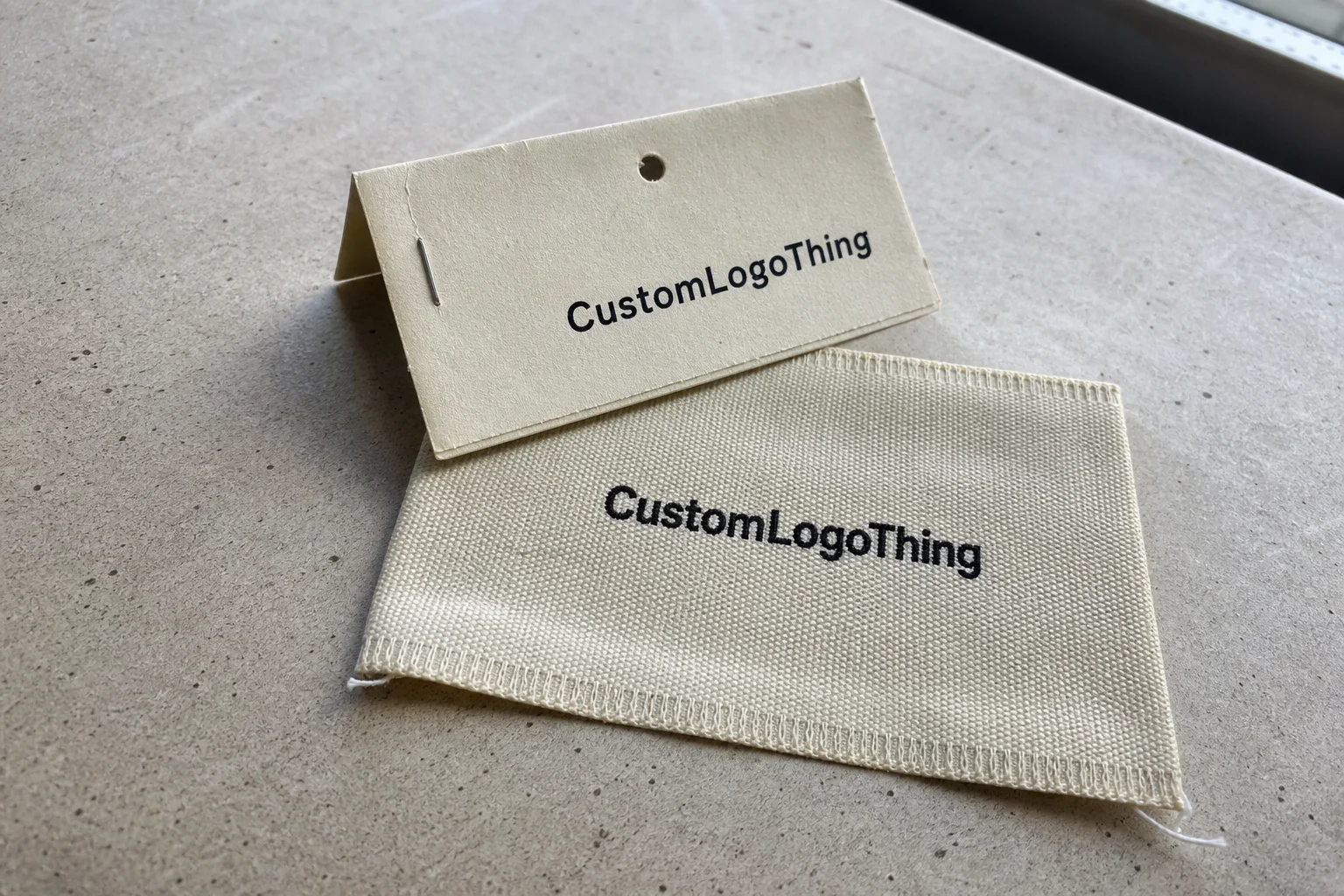
For clothing brands, the label may be woven, printed satin, care copy, size identification, adhesive packaging, or a hang tag component. Each one behaves differently in production and in use. The fastest order is usually not the most elaborate. It is the one that matches the garment, the packaging, and the deadline without forcing the supplier to guess.
The cleanest rush jobs are rarely the most dramatic ones. They are the ones with exact dimensions, a single approver, and artwork that can go straight to proof.
Why same day custom labels can still look premium
Fast does not have to mean flimsy. A well-specified rush label can still look deliberate: sharp type, balanced spacing, correct stock, and a finish that suits the product rather than fighting it. That matters more than many buyers expect because the label is part of the brand's physical language. It is not separate from the garment or the package. Customers read it as part of the whole object.
Same day custom labels look premium when the design is disciplined. A simple woven logo label, a satin care label with restrained typography, or a matte adhesive label for a folding carton can all feel finished if the artwork is clean. Heavy gradients, tiny legal copy, and complex folds create more risk than visual value. Under rush conditions, complexity is usually the first thing to trim.
There is a practical difference between what can be produced quickly and what can be produced quickly without compromise. A straightforward printed label on stock that is already in house may be ready the same day. A multi-color woven label with special folds, or a niche adhesive label with unusual die-cutting, may still be possible, but the odds are worse. Buyers should ask for the earliest realistic completion time, not the most optimistic one.
Packaging consistency also matters. A label should fit the broader design system rather than sit beside it awkwardly. A minimal care label may pair well with understated Custom Labels & Tags, while an elaborate retail box needs a label that does not compete with the rest of the structure. The same logic applies to Custom Packaging Products: if the package already carries a strong visual load, the label should support it, not fight for attention.
Two references are useful here, even if they are not label-specific shortcuts. FSC-certified paper options matter for brands that want paper-based components with traceable sourcing. ISTA transit testing standards matter if a package will face rough handling, pressure, or vibration on the way to the customer. Those standards do not make a rush job easier, but they explain why some labels survive shipping and others do not.
There is also an operational truth that buyers sometimes miss. A same-day order is not a single definition. One supplier may mean proof, production, and courier handoff before cutoff. Another may mean same-day manufacturing with next-morning dispatch. Both can be legitimate. The difference is timing discipline, not marketing language.
How the process and turnaround usually work
Rush label production is simpler than the sales language around it. The core sequence is always the same: inquiry, file check, proof, approval, production, finishing, and dispatch. The time gets lost in the handoffs. A machine can move quickly. A revision cycle cannot.
For same day custom labels, clean vector artwork is the biggest time saver. AI, EPS, or a press-ready PDF gives the production team a clear starting point. A low-resolution image from a website or social profile usually does the opposite. It may need redrawing, font matching, or layout cleanup before anyone can even confirm the build. That is where rush jobs slow down.
A reprint from an existing spec is often easier than a brand-new order. If the supplier already has the dimensions, folds, stock, and artwork structure on file, the setup may be faster. That does not remove the need for proofing, but it cuts the amount of reconstruction required before production starts.
A realistic same-day workflow often looks like this:
- The buyer sends the artwork, label dimensions, quantity, and shipping details early in the day.
- The supplier checks stock, verifies the build, and issues a proof by late morning or early afternoon.
- The buyer approves without adding new changes.
- Production starts that same day, with packing and shipping once the order clears finishing.
That sequence is normal. What makes it succeed is not speed alone, but sequence discipline. Material availability matters. Finishing method matters. A heat-cut satin label, a sewn woven label, and a kiss-cut adhesive label do not move through the shop in the same way. Even if the files are ready, a shipping cutoff can still decide whether the order leaves that day or waits for the next pickup.
Buyers also underestimate how much a label job depends on the rest of the production queue. A label run can be ready in principle and still sit behind a larger custom printed boxes order or a higher-priority retail packaging batch. That is not the same as delay caused by poor service. It is simply how production planning works when labor, stock, and machine time are finite.
If the labels are tied to a launch, ask for three separate timings: proof deadline, production cutoff, and shipping cutoff. Those are not interchangeable. A proof approved at 2:00 p.m. may be too late for a 3:00 p.m. production start if the shop needs to stage materials and complete finishing before the courier arrives. The closer the deadline, the more precise the timing has to be.
Cost, pricing, and MOQ factors that change the quote
The quote for same day custom labels usually comes down to five variables: label type, material, size, color count, and finishing. Rush timing then adds a sixth pressure point. A single-color printed size label is a very different production problem from a multi-color woven patch or a specialty adhesive label intended for garment bags or shipping cartons.
Practical pricing ranges help anchor expectations. A basic rush printed label order may land around $0.08 to $0.20 per unit at larger quantities. More involved sewn-in or woven versions often sit closer to $0.18 to $0.45 per unit, depending on setup, finish, and order size. Those ranges are not universal. They are useful because they explain why two quotes for "labels" can be far apart even when the buyer thinks the request is similar.
| Label type | Typical use | Rush complexity | Common price behavior |
|---|---|---|---|
| Printed satin label | Care info, branding, interior garment label | Low to moderate | Often the most economical for fast production if artwork is ready |
| Woven label | Premium sewn-in branding | Moderate to high | Setup and weave detail can raise cost, especially on small runs |
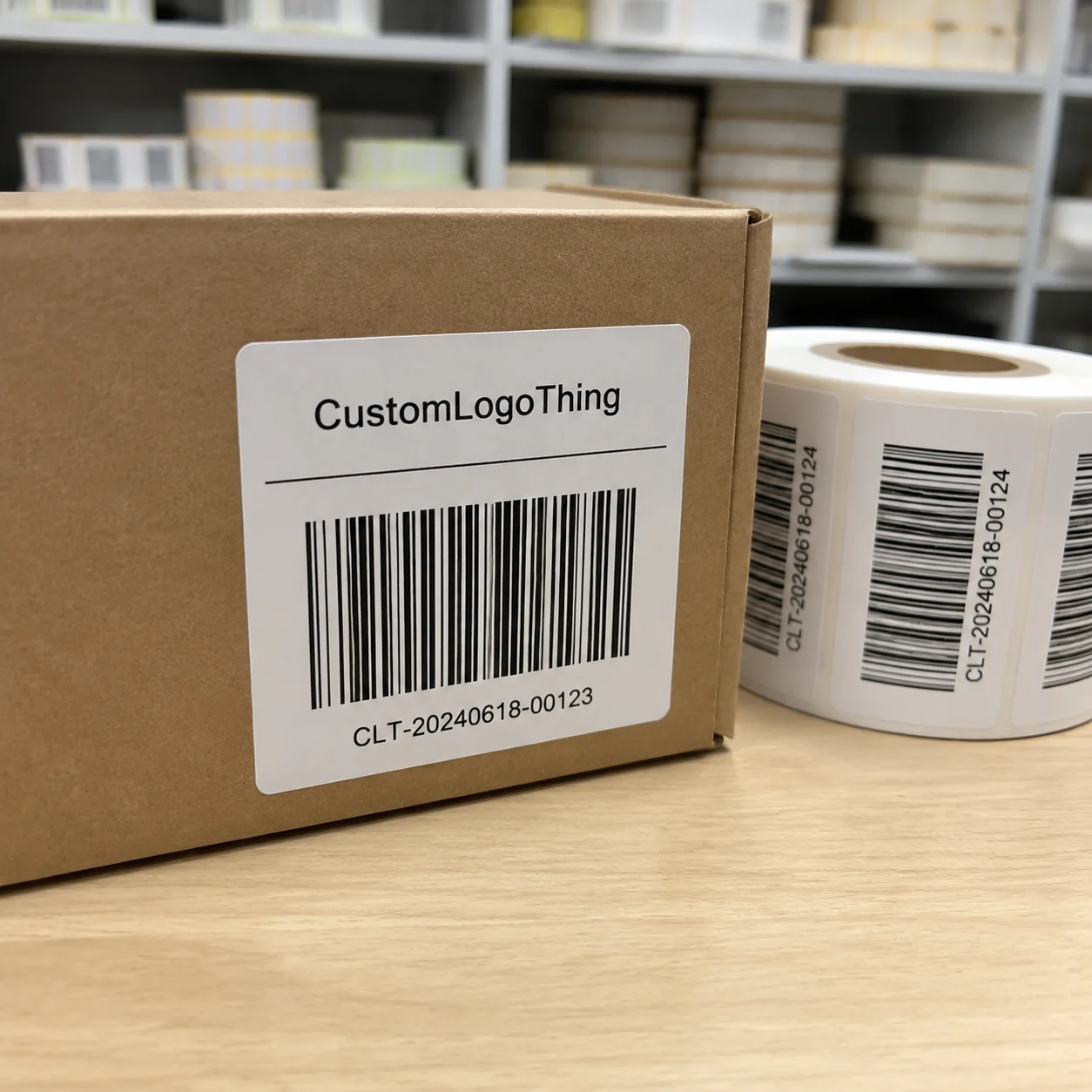
| Adhesive packaging label | Poly mailers, cartons, garment bags, inventory | Low | Usually faster and cheaper, but adhesive choice matters |
| Hang tag or tag sticker | Retail presentation and shelf-ready branding | Moderate | Finish, stock, and die-cut shape affect price more than buyers expect |
Minimum order quantity is the other variable that changes the picture. Some printed labels can be produced in low quantities because the workflow is efficient and the setup cost is modest. Woven labels and specialty finishes usually need a higher MOQ to remain economical. That does not make small orders impossible. It just means the fixed setup has to be spread across fewer pieces, which pushes the unit cost up.
Rush service adds another layer. A same-day order interrupts the normal queue, shortens proofing time, and may require extra labor to hit a cutoff. That should show up in the quote honestly. If it does not, the cost may appear low until revisions, shipping, or artwork cleanup are added later.
The cleanest way to get an accurate estimate is to send the full request in one pass: quantity, dimensions, label type, artwork file, deadline, and shipping destination. If you know the use case, include that too. A label for sewn-in garment use has different durability requirements than one used for a folding carton or a poly mailer.
Choosing the right material, adhesive, and finish
Material choice determines whether a rush order feels right in the hand. Satin is popular for garment labels because it is soft against skin and takes print cleanly. Woven labels create a textured, premium look that holds up well when sewn into apparel. Paper stocks work for retail packaging, inserts, and temporary branding. Film stocks can be a better fit when moisture, scuffing, or shelf wear is a concern.
For adhesive labels, the real question is not just appearance. It is adhesion. A label applied to a folding carton does not need the same adhesive profile as one placed on a poly mailer, garment bag, or inventory bin. If the adhesive is too weak, the label lifts during transit or storage. If it is too aggressive, it leaves residue or tears at removal. Either result creates extra work.
Durability matters more on garment-facing labels than buyers often assume. Wash resistance, abrasion resistance, and fold-line behavior all affect whether the label still looks intentional after use. Apparel that will be worn, handled, and laundered needs a material spec that reflects those conditions. A low-cost stock that curls, fades, or frays can cost more in brand perception than it saves on the quote.
For paper-based retail pieces, FSC options can be useful if sustainability requirements are part of the brief. For shipped goods, transit stress should be part of the thinking. A label or carton that will be exposed to vibration, pressure, and repeated handling needs a finish that can survive that route. Otherwise, the first complaint may not be about the print quality at all. It will be about peeling, scuffing, or crushed edges.
A rushed order should still respect the product environment. A polished label on the wrong substrate is still the wrong label. The best choice is the one that fits the garment, the packaging, and the path to the customer.
Step-by-step ordering checklist for rush label jobs
A clean rush order starts with one question: what is the label actually doing? Is it sewn into a garment, applied to a carton, used as a size marker, added to a hang tag, or doing more than one of those jobs? Each use case has different material and finishing requirements. A vague request forces follow-up questions, and follow-up questions are where same-day orders lose time.
Before sending the inquiry for same day custom labels, gather the essentials:
- Exact label dimensions.
- Quantity needed now and any likely reorder volume.
- Artwork in a print-ready format.
- Color preferences or Pantone references if color accuracy matters.
- Material choice, or at least the environment the label must survive.
- Deadline, shipping address, and carrier limitations.
The proof review should be short and strict. Check spelling first. Then verify size, logo placement, any barcode or SKU, and the regulatory copy. Care labels often need fiber content, country of origin, and washing instructions that are accurate and readable. If the text is wrong, speed does not help.
One person should own the decision. That person confirms the spec, approves the proof, authorizes production, and signs off on shipping. If three people have to review the same art in sequence, the order is no longer a same-day problem. It is an approval problem.
A practical ordering sequence keeps the job moving:
- Lock the label type and size before asking for price.
- Send the best file available, even if it is a reprint.
- Set the approval window in advance.
- Confirm production cutoff and shipping cutoff separately.
- Keep revisions to a minimum once the proof arrives.
That process sounds basic because it is. Basic is useful under pressure. Brands that handle rush work well are usually disciplined in the unglamorous parts: they organize specs, they know their packaging system, and they do not ask production to infer missing information.
Common mistakes that slow down same-day orders
The first mistake is low-resolution artwork. A logo lifted from a website often looks acceptable on screen and poor in production. It may require cleanup, redrawing, or font reconstruction before the job can be proofed. That is time lost before production even starts.
The second mistake is vague sizing. Words like "small," "standard," or "normal" are not specifications. Labels need exact measurements, and sewn-in versions may also need allowance for fold style, seam placement, or trim. If the dimensions are not precise, the supplier may still accept the order, but the job will slow down while the spec is clarified.
Approval bottlenecks create another common delay. The buyer may be ready, but the marketing lead wants a color adjustment, the operations manager wants a revised SKU line, and the founder wants a final review. That kind of review cycle can be fine on a long production run. On a rush order, it is expensive.
Last-minute changes are especially costly. Changing the stock, altering the finish, or increasing quantity after the quote can break the schedule if the material has already been reserved. Same-day work is fragile in that way. Once the order is staged, every adjustment ripples through the queue.
Another mistake is trying to use the label to solve a broader packaging issue. If the brand is still deciding on box size, insert copy, or retail presentation, the label may be ordered too early. A better sequence is to settle the core package branding choices first, then match the label to them. That keeps the visual system consistent and avoids waste.
The fastest orders are usually the least improvisational ones. They are not boring. They are organized. That difference matters a great deal in packaging operations.
Next steps to place a clean rush order
Before contacting a supplier, gather one complete request package. Put the artwork, dimensions, quantity, label type, deadline, and shipping address in one place. If the labels need to coordinate with boxes, inserts, or garment bags, mention that too. Context helps the supplier Choose the Right material and finish for the broader packaging setup.
Ask for the earliest realistic completion time, not just whether same day custom labels are possible. Those are different questions. One is a simple yes-or-no. The other tells you whether the order can actually meet the launch or restock window without forcing a compromise later.
Confirm three cutoffs before approval: proof approval cutoff, production cutoff, and shipping cutoff. If any one of them slips, the whole order may move to the next window. That kind of clarity prevents avoidable disappointment and keeps the conversation tied to actual production timing instead of guesswork.
The best rush outcomes come from decisiveness, specific specs, and a clean approval chain. If those are in place, same-day production becomes more predictable, and the finished label is far more likely to support the product rather than slow it down.
Can same day custom labels be made for clothing if I already have artwork ready?
Yes. Ready-to-print artwork is the fastest path to a same-day order. Vector files, exact dimensions, and clean copy reduce proof and setup delays. Rush feasibility still depends on stock availability and where the order sits in the production queue.
What affects the price of same day custom labels the most?
Material choice, quantity, size, finish, and color complexity are the biggest drivers. Rush turnaround can increase unit cost because it compresses scheduling and production. Shipping speed and any artwork cleanup can also affect the final quote.
Do same day custom labels have a minimum order quantity?
Often yes, but the MOQ depends on the label type and production method. Lower quantities may be possible for certain printed labels or packaging stickers. Woven or specialty finishes may require a higher MOQ to stay efficient.
What file format should I send for a rush label order?
A vector file such as AI, EPS, or PDF is usually best for fast production. High-resolution PNG or JPG may work for simple jobs, but can slow setup if cleanup is needed. Include fonts, color references, and exact text to avoid proof revisions.
How fast can same day custom labels ship?
Production can sometimes be completed the same day, but shipping depends on cutoff times and carrier availability. If the order is approved early enough, it may leave the facility the same day. The safest approach is to confirm both production timing and ship-out timing before placing the order.