Buyer Fit Snapshot
| Best fit | Personalized Packaging for Candle Company projects where brand print, material claims, artwork control, MOQ, and repeat-order consistency need to be specified before quoting. |
|---|---|
| Quote inputs | Share finished size, material target, print colors, finish, packing count, annual reorder estimate, ship-to region, and any compliance wording. |
| Proofing check | Approve dieline scale, logo placement, barcode or warning zones, color tolerance, closure strength, and carton packing before bulk production. |
| Main risk | Vague material claims, crowded artwork, missing packing details, or unclear freight terms can make a low unit price expensive after revisions. |
Fast answer: Personalized Packaging for Candle Company: Artwork Proof, Packing Count, and Landed Cost should be specified like a repeatable production item. The safest quote records material, print method, finish, artwork proof, packing count, and reorder notes in one written spec.
Production checks before approval
Compare the actual filled-product size with the drawing, then confirm tolerance on folds, seals, hang holes, label areas, and retail display edges. Reserve space for logos, QR codes, warning copy, and material claims before decorative graphics fill the panel.
Quote comparison points
Review material grade, print process, finish, sampling route, tooling charges, carton quantity, and freight assumptions side by side. A quote is only useful when the supplier can repeat the same color, closure quality, and packing count on the next order.
Personalized Packaging for Candle Company: A Practical Guide
I remember standing at a market table in Austin, Texas, while a shopper picked up a 9 oz candle, turned the box once, and decided in under 10 seconds whether it belonged in her tote bag. That was it. Sale or no sale. The flame had not even been lit yet. That is why Personalized Packaging for Candle company brands matters so much: a jar can smell incredible, but the box, sleeve, or insert is usually what earns the first look, the first touch, and the first price comparison. I have watched buyers judge an entire line before the wax got a chance to do anything, and I have watched them do it with a $24 candle and a $12 candle side by side.
On a factory floor in Ningbo, Zhejiang, I watched a team pack 2,000 glass jars into plain stock cartons that looked fine on a pallet and painfully average on a retail shelf in Brooklyn. The fix was not dramatic, which is usually the point. We moved to a 24pt custom printed box, tightened the die-cut insert by 1.5 mm, and cleaned up the scent hierarchy on the front panel. That one change pushed the line from “generic house candle” to something that could hold a $26 shelf price without blinking. Personalized packaging for candle company brands is not decoration for decoration’s sake; it is product packaging, package branding, protection, and sales support all working at once.
If you sell through boutiques, ecommerce, or seasonal pop-ups, custom candle boxes have to do more than look pretty. They need to protect glass, guide the shopper, and match the price tag without making the whole thing feel overdesigned. That is where personalized packaging for candle company projects either earn their keep or quietly cost margin. There is not much mystery in it. The box either helps the candle or it does not.
What Personalized Packaging for Candle Company Brands Really Means
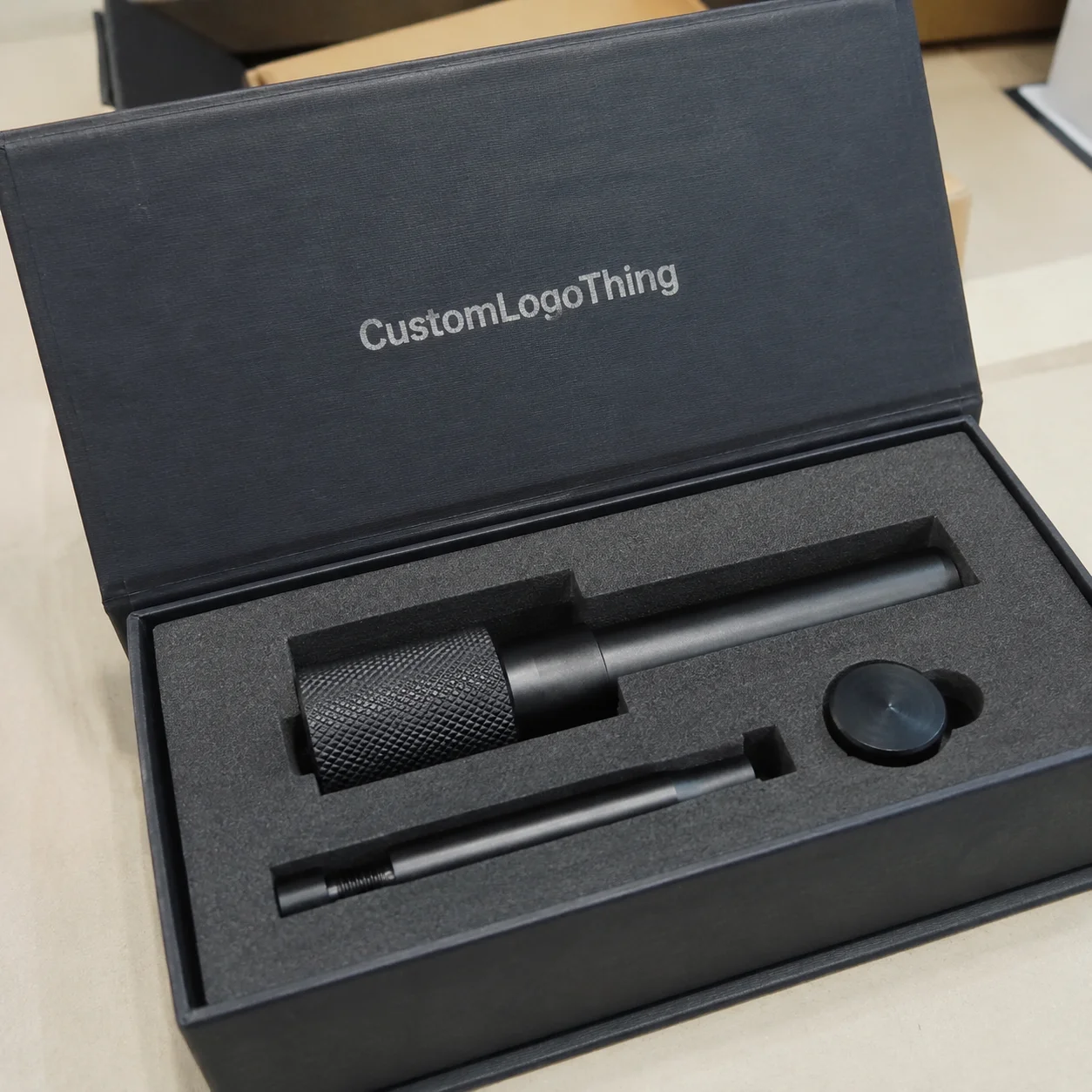
Personalized packaging for candle company brands means the packaging is built around one specific line, one specific jar size, and one specific customer expectation instead of a generic “fits most” solution. That can include Custom Printed Boxes, labels, sleeves, wraps, cartons, rigid gift boxes, molded pulp inserts, and finishing details such as foil, embossing, or matte coating. In practice, it is the difference between a candle that looks like it came from a commodity shelf and one that looks designed for a particular scent story, retail channel, and price point. A 7 oz travel tin in kraft paperboard needs a different structure than a 12 oz apothecary jar in tinted glass, and that difference is not subtle.
Candles depend on packaging more than a lot of categories do because they carry three jobs at the same time: they are fragile, they are giftable, and they are sold as mood products. A soy candle in an 8 oz amber jar might weigh only 14 to 18 ounces with the glass, but one cracked corner can turn a profitable order into a return. I have stood with clients in Chicago who spent $3.20 on wax and fragrance oil, only to lose the sale because the carton looked flat and the jar slid during transit. Personalized packaging for candle company lines have to protect the glass, shape the gift experience, and communicate details like burn time, scent family, and safety notes on the same surface area. That is a lot to ask from a piece of paperboard, but that is the job.
The cleanest way to think about it is simple. Decorative branding makes a package attractive, while functional branding makes it useful. A box that says “lavender and cedarwood” in a beautiful serif font is nice. A better system also shows the 45-hour burn time, the net weight, and a clear warning strip for first-use guidance. Package branding turns commercial when it helps a shopper understand the product without making them work for it. Personalized packaging for candle company products supports pricing, cuts down confusion at shelf, and gives a small brand the kind of retail packaging presence that usually takes years to build. I have seen that happen with nothing more glamorous than better spacing, a 3 mm larger type size, and a more honest scent hierarchy.
Here is the practical split I explain to clients during a first call:
- Visual layer: logo, type, color, pattern, scent naming, and finish choice.
- Protection layer: insert fit, wall thickness, closure style, and shipping strength.
- Sales layer: shelf blocking, gift appeal, barcode placement, and product information.
I think a lot of candle founders underestimate how fast shoppers read a box. A candle might only have 4 seconds on a crowded shelf before the eye moves on, especially in a boutique where 12 to 20 SKUs are stacked shoulder to shoulder. The right personalized packaging for candle company strategy turns that tiny window into an advantage, especially if your brand wants to move from local maker tables to wholesale accounts, boutique retail, or a more polished direct-to-consumer mix. If the packaging can do that, you are already ahead of half the market.
How Does Personalized Packaging for Candle Company Products Work?
The workflow is more structured than most people expect. A good supplier starts with the jar dimensions, lid height, and shipping method, then builds the format around those numbers. For personalized packaging for candle company orders, the chain usually goes like this: brand brief, size confirmation, structure selection, artwork development, dieline creation, prototype testing, proof approval, production, and inspection. If one 8 oz jar is 74 mm wide and 90 mm tall, that measurement affects everything from the insert cutout to the flap height to the final shipping carton. Packaging math is not glamorous, but it is undefeated, and it is gonna beat your spreadsheet every time.
In a client meeting in Los Angeles, I once watched a founder bring three nearly identical candle scents to the table and realize the packaging hierarchy mattered more than the fragrance names. The front panel needed stronger scent differentiation, the side panel needed a simple burn-time callout, and the back panel needed a calm, readable ingredients block. Personalized packaging for candle company products work best when the design system tells the shopper what the line is in under a second. Typography size, contrast, and information order matter as much as the logo itself. I will die on that hill, politely but firmly.
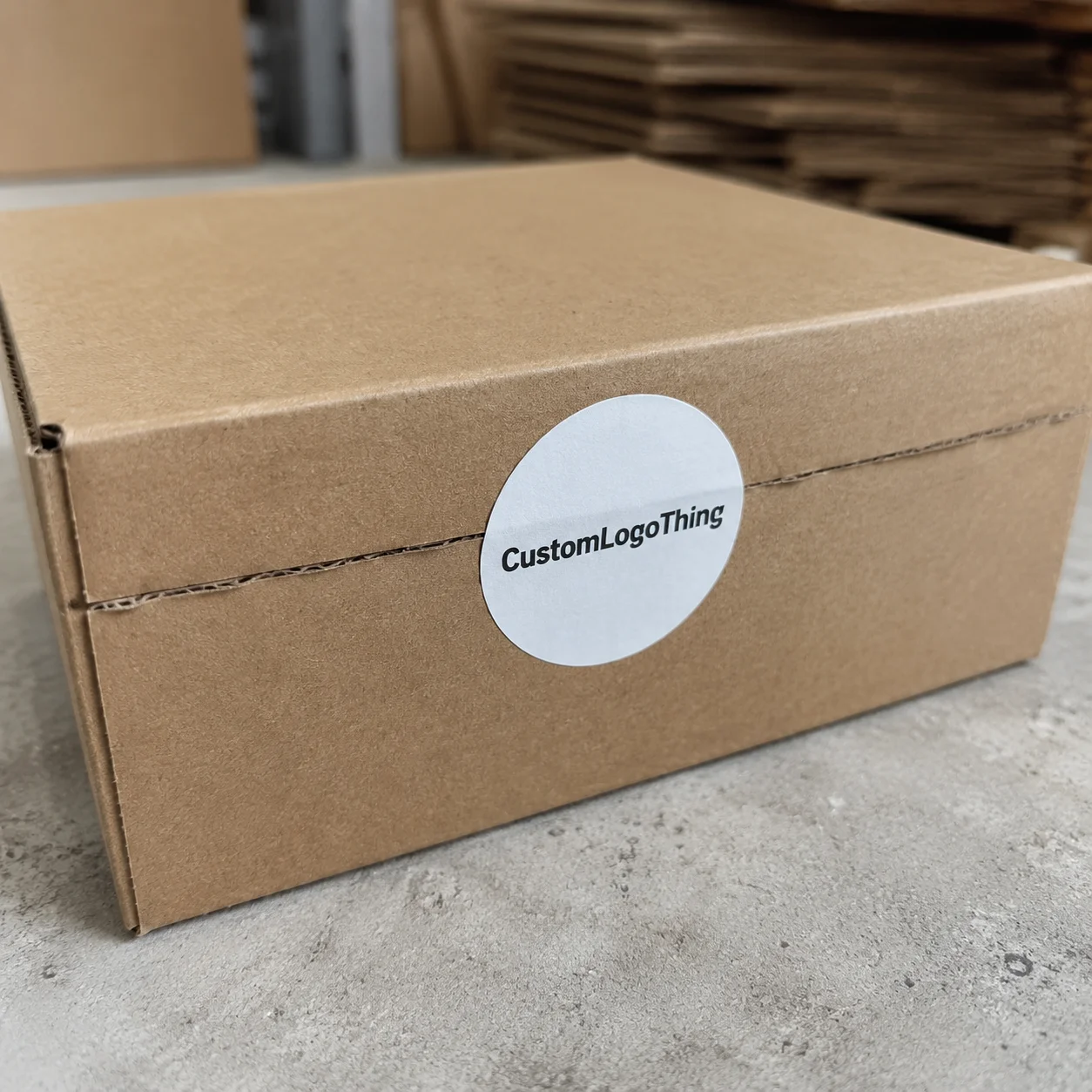
The main components are usually arranged in a predictable stack. First comes the outer box or sleeve. Then comes the inner protection, which might be paperboard tabs, a molded pulp tray, or a die-cut insert sized to the jar or tin. After that comes the print area, where the brand voice and scent story live. Premium touches sit on top of that foundation: soft-touch lamination, foil stamping, spot UV, or embossing. In a lot of personalized packaging for candle company projects, a 350gsm C1S artboard with a 2mm insert performs better than a heavier box that looks impressive but ships inefficiently. I know that sounds kinda backwards to some founders. It is not.
Samples matter. A flat PDF can hide a fit problem, a closure issue, or a print contrast issue that becomes obvious the moment a real candle goes inside. I push teams to test four things before they approve production:
- Fit: the jar should not rattle more than 2 to 3 mm inside the insert.
- Opening experience: the lid, flap, or sleeve should open in one clean motion.
- Display behavior: the box should stand up straight on a shelf or in a gift set.
- Transit strength: the finished pack should survive a realistic drop and vibration test.
For direct-to-consumer brands, the unboxing matters more. For wholesale, the shelf block matters more. That tradeoff is why personalized packaging for candle company products should be designed with the channel in mind. A subscription candle may benefit from a printed mailer and a branded wrap, while a boutique retail line usually needs sharper shelf presence, more legible scent cues, and stronger merchandising consistency across 6 to 12 SKUs. If you try to make one box do every job, it usually ends up doing none of them very well.
Cost and Pricing Factors in Personalized Packaging for Candle Company Orders
Cost starts with the structure, not the artwork. A simple tuck-end folding carton made from 24pt SBS paperboard costs far less than a rigid magnetic box with a foam-free insert and foil details. For personalized packaging for candle company brands, the biggest price drivers are material grade, print coverage, special finishes, insert complexity, and whether the box is a stock size or a fully custom structure. If a supplier has to cut new tooling for a unique jar shape, the unit price usually rises before the first print run even starts. That is just how the sausage gets made, and it is rarely elegant.
| Option | Typical Use | Approx. Unit Cost at 5,000 pcs | Strengths | Tradeoffs |
|---|---|---|---|---|
| Kraft tuck-end box | Entry-level DTC or refill candles | $0.24-$0.38 | Low cost, recyclable look, quick print setup | Less premium feel, limited finish options |
| Custom printed folding carton with insert | Retail packaging and standard gift candles | $0.48-$0.92 | Good shelf presence, stronger fit control | Higher setup time, more artwork coordination |
| Rigid gift box with magnet closure | Premium collections and holiday gifting | $1.80-$3.50 | High perceived value, strong unboxing effect | Higher freight and storage costs, slower production |
| Printed sleeve over stock mailer | Seasonal launches and subscription boxes | $0.18-$0.31 | Budget-friendly, easy to scale, flexible for small runs | Less structural protection for glass |
That table only helps if you know where your line actually sits. A 12 oz candle in a heavy glass vessel behaves differently from a 4 oz tin, even if the branding is identical. In one supplier negotiation in Dongguan, Guangdong, I saw a team cut landed cost by almost 18% by moving from a full rigid box to a premium folding carton with a coated insert and a 1-color foil accent. Personalized packaging for candle company pricing can swing hard, but the saving only matters if the customer still sees the pack as giftable and strong enough for shipping. Saving money on packaging is great. Saving money and making the candle look cheaper is not.
Order quantity changes the math in a way that surprises new brands. At 1,000 units, a custom printed box may land around $0.65 to $1.10 per unit because setup costs are spread across fewer pieces. At 5,000 units, that same structure may move closer to $0.32 to $0.58. At 10,000 units, the unit price often drops again, but now you are carrying more inventory risk, more pallet space, and more cash tied up in a single scent family. That is why personalized packaging for candle company launches should usually start with a hero SKU rather than a 14-fragrance range. I know founders want the whole lineup on day one. I also know what a warehouse looks like when the lineup does not sell evenly.
Shipping and warehousing deserve their own line in the budget. Candle packaging is light, but not always compact. A box with a molded insert, a folded dust cover, and a display sleeve can look elegant and still take up 25% more pallet volume than a plain carton. If your fulfillment model charges by dimensional weight, the real landed cost changes faster than the print quote suggests. I have seen brands budget $0.52 for packaging and end up closer to $0.81 once inbound freight, storage, and carton assembly were added. That is the kind of detail that makes personalized packaging for candle company planning feel less like art and more like operations.
A practical budgeting rule helps: price the packaging for the top-selling candle first, then expand after the market proves the scent has traction. A single bestseller can fund the next round of refinement. This is also the right moment to compare samples from your supplier with the options on Custom Packaging Products, because a slightly different box style or insert material can change both cost and shelf appeal by a meaningful margin. If you are trying to hit a target like $0.15 per unit for 5,000 pieces, that usually means a very simple structure, minimal print coverage, and no special finish beyond a standard aqueous coating.
Process and Timeline for Personalized Packaging for Candle Company Orders
Most teams want a simple answer here, but the timeline depends on three variables: structure complexity, approval speed, and sample turnaround. For personalized packaging for candle company projects, I usually map the work in this order: discovery and dimensions, concept design, dieline generation, sample build, revision cycle, production, quality check, and shipping. If the box is simple and the artwork is ready, you may move from proof approval to finished cartons in 12 to 15 business days. If you need a custom insert, foil, embossing, and multiple scent variants, 25 to 35 business days is more realistic. I always tell people to plan for the version of reality that includes one delayed email, because there is always one delayed email.
The slowest part is rarely the printing press. It is almost always the back-and-forth around measurements, color, and structure. I once watched a client lose 9 business days because the candle jar vendor in Shenzhen changed the lid height by 4 mm after the packaging dieline had already been approved. That tiny adjustment meant the insert had to be recut. Personalized packaging for candle company schedules break when product information is late, not when the machine runs slowly. That is why getting the exact candle dimensions before artwork begins is worth more than a fancy render.
Seasonal work adds another layer. Holiday candles, wedding favors, and limited-edition drops often need packaging to hit a very narrow window. If you are launching a 2,500-unit winter scent, a 5-day delay in proof approval can ripple into fulfillment, retailer appointments, and ad spend. The brands that stay calm are the ones that build buffer time into the plan. I tell clients to think in two lanes: the product lane and the packaging lane. Personalized packaging for candle company launches should begin while the wax formula is still being finalized, not after inventory is already sitting in a warehouse. Otherwise you end up trying to dress the body after it has already left the house.
There is a tradeoff between speed and complexity, and it is not subtle. A one-color printed sleeve over a stock mailer can move fast. A rigid box with a ribbon pull, debossing, and a custom molded insert cannot. If you need a quick launch, simplify the finish stack, avoid late-stage text changes, and confirm every barcode and scent name before production begins. For brands that want a more structured reference, the general packaging standards discussed by the Institute of Packaging Professionals are a useful baseline for thinking about fit, materials, and retail packaging expectations. In my experience, the brands that approve proofs in one round and stick to one SKU can shave a full week off the schedule.
Common Mistakes Candle Brands Make With Packaging
The first mistake is sizing. A jar that floats inside the box by 5 mm on each side may look acceptable in a mockup, but it can shift in transit and chip at the rim. Too tight is just as bad. If the insert compresses the glass or scratches a coated label, the customer sees the damage before the scent ever gets a chance. I have seen personalized packaging for candle company brands lose an entire first production run because the insert was designed for a 7.5 oz vessel and the final mold came in 2.2 mm wider. That kind of miss makes everyone in the room stare at the ceiling for a second.
The second mistake is building a beautiful front panel that fails at communication. A candle buyer wants to know the scent family, burn time, size, and style at a glance. If the packaging reads like a poster, the shelf becomes hard to shop. Good personalized packaging for candle company systems use hierarchy: logo first, scent second, functional details third. A box that communicates “fig and vetiver, 45 hours, soy blend, 8 oz” usually sells faster than one that spends all its space on decorative flourishes. Pretty is fine. Pretty and readable is better.
The third mistake is paying for finishes that do not support the brand position. A wellness candle in a $2.20 rigid box can feel overbuilt if the product itself sells at $18. A luxury candle in a plain kraft mailer can feel underpriced even if the wax formula is excellent. The finish stack should match the category promise. Personalized packaging for candle company products should feel intentional, not inflated. I see founders get nervous here and overspend because they confuse visible cost with visible value. Those are not the same thing, and the market notices. Customers are not fooled just because a box is shiny.
The fourth mistake is assuming one approved box is enough for the full line. It usually is not. A scent that sells 3,000 units in a quarter will need reorders fast, and packaging shortages can slow revenue even if the candle itself is ready. I learned that lesson during a supplier call where a client had 800 candles finished and only 300 cartons left in a warehouse outside Charlotte, North Carolina. The line was live, but the packaging was the bottleneck. That is why personalized packaging for candle company plans should include reorder thresholds, lead-time buffers, and a clear hero SKU strategy.
“The box sold the candle before the scent did,” a boutique buyer told me after we replaced a loose mailer with a tighter custom carton and a paperboard insert that actually held the jar in place.
Shipping durability is the last one, and it bites people hard. A box can look wonderful on a table and still fail a 36-inch drop test from the corner of a carton. I always ask suppliers how they test transit performance and whether they follow relevant standards such as ISTA drop and vibration methods. If you want to compare testing language, ISTA is a useful reference point. Personalized packaging for candle company products do not need to be over-engineered, but they do need to be proven in some way before the first sale reaches a customer. Nothing ruins a lovely candle faster than shattered glass in a box that looked “good enough” in the mockup.
Expert Tips to Make Personalized Packaging for Candle Company Lines Stand Out
The best packaging usually starts with the scent story, not the logo. I have seen candle brands build a stronger identity by naming fragrances around materials, locations, or times of day rather than abstract words that all sound the same. If the candle is cedar, smoke, and amber, the box should feel warmer and deeper; if it is citrus and basil, the layout should open up and breathe. Personalized packaging for candle company lines become more memorable when the packaging design mirrors the sensory promise. That is package branding with a real job to do.
Texture matters more than many founders expect. A matte box with a spot gloss logo, or a natural kraft base paired with a crisp white label, can make a line feel curated without adding much cost. In one supplier sample review in Guangzhou, a 1-color black print on uncoated stock beat a four-color gloss mockup because the uncoated board felt closer to the brand’s “quiet evening” story. Personalized packaging for candle company products do not need every finish under the sun; they need one or two details that are clearly intentional. Too many finishes can start to look like a craft store exploded on the box.
Test the packaging where it will actually live. Put it on a retail shelf under warm lights. Place it beside a mirror, a bath tray, or a bedside table. Drop it into a shipping carton with paper fill and shake it for 20 seconds. If the line is going into boutiques, ask how the box blocks next to other items of similar size. Personalized packaging for candle company brands win when the pack looks composed in more than one environment, not just in a studio render. A mockup on a screen is not the same as a box sitting next to three competing candles and a distracted human being.
Function can be elegant. A QR code that links to care instructions, a small scent note card, or a clean safety panel on the back can improve trust without cluttering the front. The same applies to sustainability claims. If the box uses FSC-certified paper, say that precisely. If the coating is not recyclable, do not imply otherwise. I always remind clients that credibility is part of product packaging. For material sourcing and chain-of-custody standards, the FSC site is a good place to verify what a claim actually means before it appears on a box.
I also encourage brands to compare their packaging line against their sales channel. DTC brands may care about a dramatic unboxing sequence and a branded tissue wrap; wholesale brands may care more about shelf blocking, quick scanning, and consistent scent family color-coding. At that point, personalized packaging for candle company work starts to behave like retail packaging strategy, not just art direction. If you want to see how that logic extends into other formats, review the thinking behind About Custom Logo Things and the range of Custom Packaging Products available for different pack styles.
Actionable Next Steps for Candle Brands
Start with a packaging audit. Write down every candle size, jar shape, lid type, and fulfillment method you use, even if the list only has 3 SKUs today. Add the exact dimensions in millimeters, the candle weight, and the current shipping carton size. That single sheet will make personalized packaging for candle company quoting faster and more accurate. If you do not know where the variation is, the supplier cannot guess it for you.
Then choose one hero product. Do not try to solve the entire range at once. I have seen brands save a full month by building the first packaging system around the best-selling 8 oz candle, approving that structure, and only then extending the same logic to the rest of the line. Personalized packaging for candle company rollouts work better in phases because each phase gives you real data: breakage rates, reorder timing, customer feedback, and shelf response. Plus, one win is easier to defend internally than a whole stack of “maybe” decisions.
Before you request quotes, collect the hard numbers: quantity range, exact dimensions, finish preferences, target launch date, and whether the pack must survive shipping or only retail handling. If you can, include a target landed cost, such as $0.45 to $0.75 per unit for a folding carton or $1.50 to $2.80 for a premium rigid box. The more precise the brief, the less time gets wasted in revision. That is one of the simplest ways to make personalized packaging for candle company buying decisions feel controlled rather than chaotic.
Request a sample or prototype and test it like a customer would. Check the fit with one real jar, one real lid, and one real label. Open and close it 10 times. Put it through a basic drop test. Set it on a shelf and look at it from 6 feet away, because that is how most shoppers will meet it first. After that, build a short rollout plan: finalize the structure, approve the artwork, set the production window, and define reorder thresholds at 25% of inventory remaining. That is how personalized packaging for candle company growth stays steady instead of scrambling every time a scent starts to sell.
One more thing: keep a close eye on what the box says after the candle is successful. A lot of brands only revisit packaging when something breaks, and that is usually too late. The smarter move is to review your personalized packaging for candle company system after the first reorder, then tighten the structure, reduce waste, and refresh the visuals before the line gets stale. Markets move. Packaging should move with them, not drag behind like a tired carry-on.
Frequently Asked Questions
What makes personalized packaging for a candle company different from standard boxes?
It has to do more than hold the product. A candle box usually needs to protect glass, communicate scent identity, and support the brand story at a glance. In practice, personalized packaging for candle company products often include tighter inserts, better labeling hierarchy, and stronger finishing choices than a plain stock carton would offer. Standard boxes are fine for shipping socks. Candles need more.
How much does personalized candle packaging usually cost?
Cost depends on the structure, material, print coverage, and special finishes such as foil or embossing. At 5,000 pieces, a basic folding carton may sit around $0.24 to $0.58 per unit, while a rigid gift box can move into the $1.80 to $3.50 range. A very simple sleeve on a stock mailer can land near $0.15 per unit for 5,000 pieces if the print area is small and the board is standard 350gsm C1S artboard. Shipping and warehousing should be added to the budget, because landed cost is what matters most for personalized packaging for candle company planning.
How long does the packaging process take for a candle brand?
A simple project can move quickly, but most jobs need time for brief creation, proofs, sampling, revisions, and production. A straightforward run may finish in 12 to 15 business days after proof approval, while a more complex build can take 25 to 35 business days. If the supplier is in Dongguan or Ningbo and the artwork is final on day one, the schedule usually holds better than if the box size changes midstream. The biggest risk is usually delayed artwork or dieline changes, not the printing press itself. The press is rarely the villain here.
What materials work best for candle packaging and inserts?
Paperboard, corrugated mailers, and rigid boxes are all common choices, and the right one depends on whether the candle ships, displays, or gifts. Inserts should be sized to the jar or tin so the product stays stable without making the unboxing feel difficult. For many standard retail candles, 350gsm C1S artboard for the outer carton plus a die-cut insert or molded pulp tray performs well. If sustainability matters, match the materials to the claim rather than using vague language. Buyers can smell greenwashing from across the room.
How can a small brand start personalized packaging without overspending?
Begin with one hero SKU and standardize the structure before adding special finishes across the full line. Use stock sizes where possible, reserve premium upgrades for bestsellers, and test one prototype before scaling. That approach keeps personalized packaging for candle company projects financially manageable, and it usually leads to better decisions on the second and third run. Fewer mistakes, fewer headaches, fewer late-night emails.
My rule of thumb: start with one candle, one jar size, and one packaging structure that protects the glass, reads fast, and fits the margin. If the sample passes a drop test, looks right on a shelf, and still works when the reorder comes around, you have a system worth building on. Everything else is just fancy cardboard.