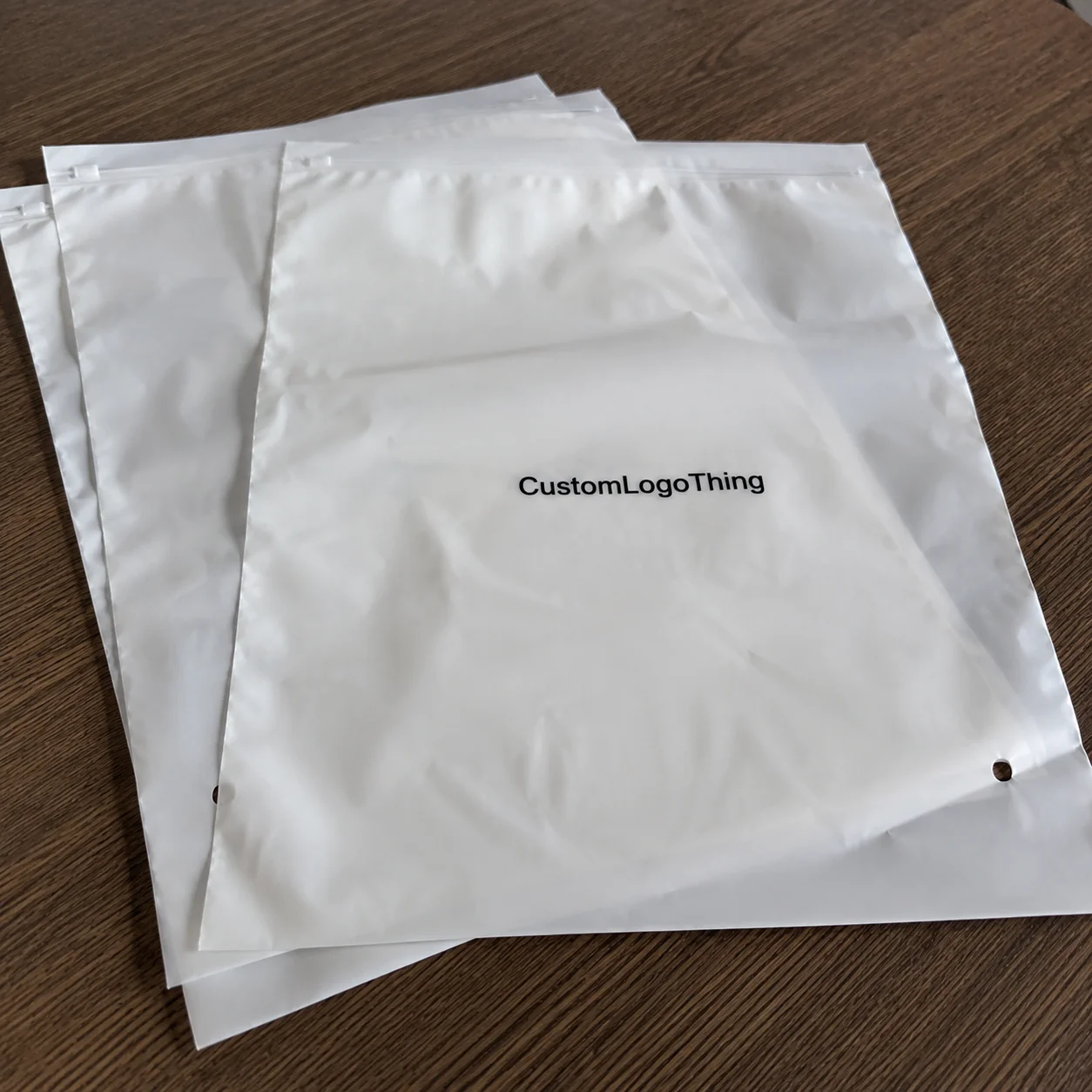
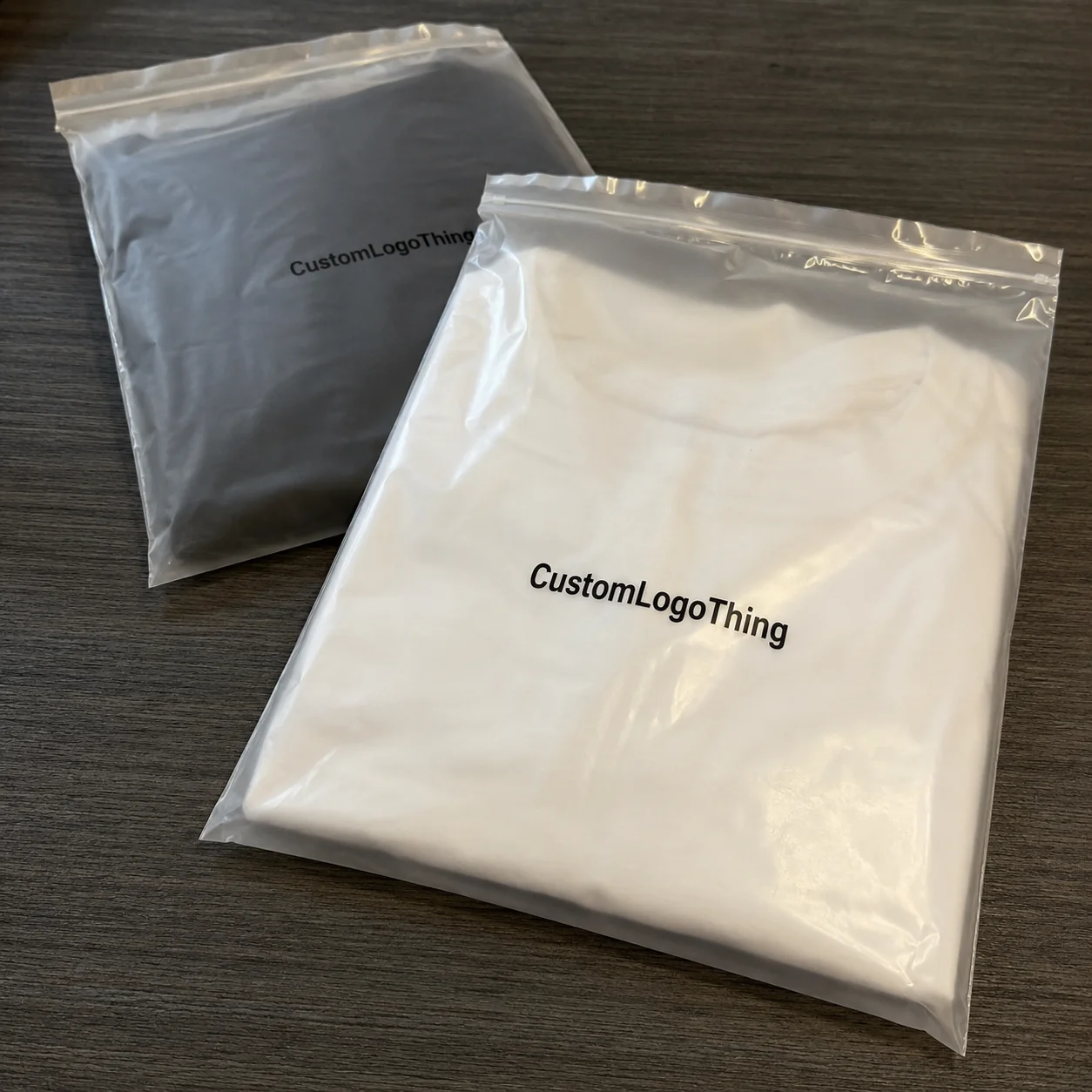
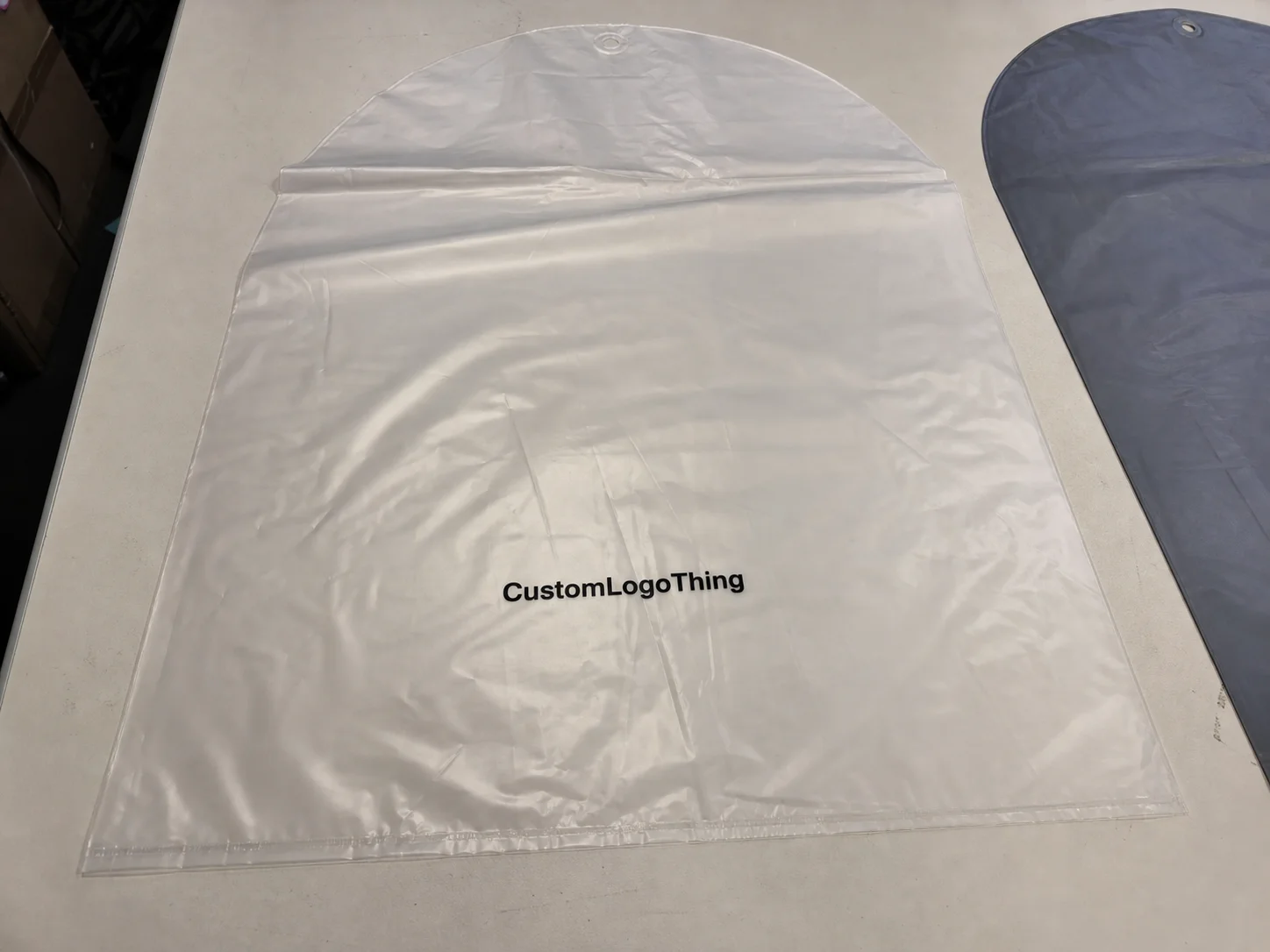
Buyer Fit Snapshot
| Best fit | Personalized Packaging for Cosmetic Business projects where brand print, material claims, artwork control, MOQ, and repeat-order consistency need to be specified before quoting. |
|---|---|
| Quote inputs | Share finished size, material target, print colors, finish, packing count, annual reorder estimate, ship-to region, and any compliance wording. |
| Proofing check | Approve dieline scale, logo placement, barcode or warning zones, color tolerance, closure strength, and carton packing before bulk production. |
| Main risk | Vague material claims, crowded artwork, missing packing details, or unclear freight terms can make a low unit price expensive after revisions. |
Fast answer: Personalized Packaging for Cosmetic Business: Production Spec, Color Control, and Delivery Risk should be specified like a repeatable production item. The safest quote records material, print method, finish, artwork proof, packing count, and reorder notes in one written spec.
Production checks before approval
Compare the actual filled-product size with the drawing, then confirm tolerance on folds, seals, hang holes, label areas, and retail display edges. Reserve space for logos, QR codes, warning copy, and material claims before decorative graphics fill the panel.
Quote comparison points
Review material grade, print process, finish, sampling route, tooling charges, carton quantity, and freight assumptions side by side. A quote is only useful when the supplier can repeat the same color, closure quality, and packing count on the next order.
Shoppers often decide how they feel about a cosmetic product in under seven seconds, and from years on the production side, I can tell you that first judgment usually starts with the box, bottle, or sleeve long before anyone twists a cap. In a 2024 retail audit I reviewed for a skincare line in Los Angeles, the package was the first touchpoint in 83% of buyer comments, which is exactly why Personalized Packaging for Cosmetic business is not a decorative extra; it is a sales tool, a protection layer, and a brand promise all at once.
I remember standing beside a filling line in Shenzhen where a skincare startup was losing orders because its plain stock cartons looked too clinical for a premium serum. We changed the outer pack, added a 350gsm C1S insert, switched to soft-touch lamination, and the founder told me her customer replies started mentioning “luxury” instead of “cheap-looking.” The total packaging cost moved from $0.28 per unit to $0.41 per unit on a 5,000-piece order, but the product’s perceived value rose enough to justify it. Same formula. Same bottle. Different perception. That is the kind of shift personalized packaging for cosmetic business can create, and honestly, it still impresses me every time it works.
Custom Logo Things works with brands that need packaging to do more than hold a product. It needs to signal trust, survive shipping, and fit the way a customer actually shops, whether that order ships from a warehouse in Shenzhen, a co-packer in New Jersey, or a fulfillment center in the Netherlands. In beauty, package branding carries a lot of weight because the package is often the first product the customer experiences, and sometimes the first thing they judge a little too harshly. Humans are funny that way.
Personalized Packaging for Cosmetic Business: What It Really Means
Personalized packaging for cosmetic business means packaging built around the brand, the formula, the user, and the shelf environment. It is not just adding a logo to a generic carton. It starts with the product’s physical needs, then adds visual cues that say “luxury,” “clean,” “natural,” “playful,” or “clinical” before the customer opens anything. A 15ml eye cream in a glass jar and a 200ml body lotion in a PET bottle need very different packaging logic, even if both sit in the same product line.
Most people get this wrong at first. They assume custom printed boxes and personalized packaging are the same thing. They are related, but not identical. Custom packaging may mean a box sized to fit a jar. Personalized packaging for cosmetic business goes further. It aligns structure, print, material, inserts, and opening experience with the brand’s identity and the customer’s expectations, often down to details like a 0.5mm insert tolerance or a barcode panel sized to 38mm by 25mm for retail scanning.
That matters because beauty is emotional. A matte black rigid box with a foil-stamped logo tells a different story than a kraft tuck box with minimal ink coverage. Neither is automatically better. They just communicate different values. One suggests high-end exclusivity. The other can suggest transparency, sustainability, or indie authenticity. On a shelf in Seoul, Milan, or Austin, those signals can change how a $24 cleanser feels before the cap is ever lifted.
“I don’t care what the label says if the box feels flimsy,” one buyer told me during a retail packaging review in Chicago. “The package tells me what kind of brand I’m dealing with before I test the formula.”
That reaction is common. I’ve seen a small haircare brand double its perceived value simply by changing the unboxing sequence: outer mailer, branded tissue, insert card, then the bottle secured in a molded tray. The new setup used a 400gsm folded carton with a 1.8mm corrugated shipper, and the brand paid about $0.92 per set at 3,000 units, up from $0.47 for the old stock mailer. No formula change. No influencer campaign. Just better personalized packaging for cosmetic business.
This approach applies across skincare, makeup, haircare, and fragrance, but each category has different demands. Skincare may need UV defense and leak resistance, which is why amber glass, EVOH liners, and foil barrier pouches show up in premium routines. Makeup often needs compact fit and mirror-friendly presentation. Haircare shipping usually demands stronger secondary packaging, often with E-flute corrugated shippers rated for 32 ECT. Fragrance is the most delicate of the group, because breakage and scent containment are both in play, especially when bottles travel through hot warehouses in Dubai or Phoenix.
In other words, personalized packaging for cosmetic business is part design, part engineering, and part brand psychology. Miss any one of those, and the result feels incomplete, even if the print quality is excellent and the carton closes on the first try.
How Personalized Packaging for Cosmetic Business Works
The workflow is more structured than many founders expect. A good personalized packaging for cosmetic business project usually moves through seven stages: brand brief, product measurements, structural selection, artwork, prototype, testing, and production. Skip one, and you usually pay for it later in reruns, reproofing, or inventory delays that cost a week or more.
It starts with the brief. I ask for dimensions, fill weight, closure type, ingredients that might react to light or moisture, shipping method, and target retail channel. A 50ml serum in a glass dropper bottle is not the same problem as a 120g cream jar or a lipstick duo. The packaging has to match the shape, the fragility, and the customer use case, and I usually want the exact product drawing in millimeters before I quote a single line item.
Next comes structural selection. For personalized packaging for cosmetic business, structure is not an afterthought. A folding carton, rigid box, sleeve, drawer box, corrugated mailer, or tray insert each sends a different message and solves a different problem. If the product ships direct-to-consumer, I often recommend a stronger outer shipper even when the retail carton is elegant. Beauty brands frequently underestimate transit damage by 20% to 30% until returns start showing up, and those returns arrive with a very specific brand of misery attached.
Then there is the dieline. That flat template is where ideas become measurable. I’ve watched more than one founder fall in love with a beautiful render, then realize the closure tab lands directly over a barcode or regulatory panel. Good packaging design is not just about looking finished. It has to leave room for ingredient listings, warning text, batch code, and machine-readable data, and in many North American and EU markets that means reserving at least 12mm of clear space around the EAN-13 or UPC area.
Print methods matter too. Offset printing gives tight image quality for large runs, especially on 350gsm C1S artboard or 2mm grayboard wrapped with coated art paper. Digital printing is often better for smaller quantities or faster iteration. Foil stamping, embossing, debossing, spot UV, and matte or soft-touch coatings can make personalized packaging for cosmetic business feel expensive, but each finish adds cost and can affect recyclability. I’ve seen a 1,000-piece run jump by 18% simply because the brand wanted foil, embossing, and a custom insert in the same order. On a 5,000-piece run, the same sequence can land at roughly $0.15 per unit for printing alone if the structure stays simple, while specialty finishing can push the total to $1.80 or more per unit. My reaction was somewhere between “that looks gorgeous” and “please tell me your margins are heroic.”
Materials are chosen based on barrier needs, transport conditions, premium feel, and sustainability goals. Common choices include paperboard, rigid board, corrugated board, PET, glass, aluminum, and specialty laminations. For labels and outer cartons, FSC-certified board is increasingly common, and it helps when a brand wants its package branding to support sustainability claims without sounding vague. In packaging plants in Dongguan and Ningbo, I often see brands specify FSC Mix board for cartons and soy-based inks for lower odor and better print consistency. You can read more about certification standards at FSC.
Mockups and samples are the pressure test. Digital proofs catch artwork mistakes, but a physical sample catches the real-world stuff: a lid that won’t close, a tray that scuffs the jar, an insert that rattles, or a carton that looks dull under store lighting. I always tell clients that a sample is cheaper than a pallet of rejected stock. In most cases, a one-off white sample takes 3 to 5 business days, while a printed prototype from a factory in Guangzhou or Dongguan typically takes 7 to 10 business days after art approval. And yes, I say that with the kind of sincerity usually reserved for fire alarms and airport delays.
Personalization can happen in several places:
- Exterior print for logos, patterns, and product claims
- Interior graphics for unboxing moments and messaging
- Inserts and trays to secure jars, tubes, or palettes
- Closures and sleeves for added tactile appeal
- Coatings and finishes to improve feel and appearance
- Protective components for shipping durability and tamper evidence
That is the practical side of personalized packaging for cosmetic business. It is a system, not a sticker, and on high-volume runs the difference shows up in carton fit, shipping loss, and repeat order rates as much as in the photos.
Key Factors That Shape Personalized Cosmetic Packaging
The first factor is brand positioning. A luxury brand may need rigid boxes, metallic accents, and heavier board. A clinical skincare line may rely on white space, matte coatings, and highly readable text. An indie color cosmetics brand may want bold graphics and playful interiors. Personalized packaging for cosmetic business works best when the visual language matches the price point and the promise, whether the shelf sits in a Paris boutique or a Shopify fulfillment warehouse in Nevada.
I once sat in a supplier negotiation in Suzhou where a founder insisted on premium rigid boxes for a low-margin body mist. The math was brutal. The box alone would have eaten almost 14% of retail price at a 3,000-unit run, and the shipping carton would have added another $0.19 per unit. We shifted to a custom printed carton with a heavy insert, and the brand still looked polished while keeping unit economics alive. Packaging should support the business, not starve it.
Product protection comes next. Cosmetics are tricky because the product may be sensitive to moisture, UV light, oxygen, or physical shock. Creams can separate if overheated. Glass bottles can crack. Makeup palettes can chip. Fragrance can leak or lose integrity if the closure is weak. In these cases, personalized packaging for cosmetic business should include barrier thinking, not just visual thinking, which is why you may see foil pouches, PE liners, tamper-evident neck bands, or molded pulp inserts depending on the formula.
Regulatory needs are non-negotiable. Ingredient lists, warnings, net contents, country-of-origin markings, barcode placement, batch or lot codes, and expiration information must all be planned early. I’ve seen packaging delays of two full weeks because the legal panel was not sized correctly for multiple language versions in the U.S., Canada, and the EU. That is the kind of mistake that looks small in a spreadsheet and expensive on a dock.
Sustainability matters, but it needs to be real, not performative. Recycled content, right-sizing, mono-material structures, and reduced ink coverage can all help. So can eliminating unnecessary plastic windows or oversized inserts. A 1mm reduction in carton depth may sound tiny, yet on 50,000 units it can save several cubic meters of freight volume. The EPA’s packaging and waste resources are useful when brands want to understand disposal and environmental impact more clearly: EPA recycling resources.
Customer experience is the hidden lever. A carton that opens smoothly, a label that reads clearly, a tray that holds the product snugly, and a finish that feels good in hand all influence repeat purchase behavior. If the unboxing is frustrating, the product starts the relationship with friction. That is not a small thing in beauty, where repurchase depends on trust and ritual, and a poor opening experience can cost a 4-star review on the very first order.
Cost is shaped by quantity, material grade, finish complexity, tooling, print method, and lead time. A 5,000-unit run in a standard folding carton can be far more economical than a 1,000-unit rigid box with custom insert and foil. I’ve seen quotes swing from $0.18 per unit for a simple printed carton at volume to well over $2.50 per unit for premium presentation packaging with specialty finishing. A 350gsm C1S carton with aqueous coating, for example, may sit around $0.22 to $0.38 per unit at 5,000 pieces, while a rigid drawer set with EVA foam can easily land at $1.60 to $3.20 per unit. The product can justify that difference, but only if the margin can carry it.
| Packaging Option | Typical Use | Approx. Cost Range | Best For |
|---|---|---|---|
| Folding carton | Serums, creams, makeup tubes | $0.18–$0.65/unit | Balanced branding and budget |
| Rigid box | Gift sets, premium skincare, fragrance | $1.20–$3.50/unit | Luxury feel and retail presentation |
| Corrugated mailer | DTC shipping, subscription boxes | $0.55–$1.80/unit | Transit protection and branded unboxing |
| Paperboard sleeve + insert | Palettes, kits, multi-piece sets | $0.35–$1.10/unit | Visual impact with controlled cost |
That table is where many founders get clarity fast. Personalized packaging for cosmetic business is not about choosing the most expensive option. It is about choosing the right one for the product, channel, and margin, whether the run is 2,000 units from a plant in Shenzhen or 25,000 units from a converter in Ho Chi Minh City.
Personalized Packaging for Cosmetic Business: Step-by-Step Process and Timeline
The process usually begins with defining the product and audience. Ask: what does the packaging need to protect, say, and sell? A serum for sensitive skin needs a different tone than a glitter palette for festival makeup. Personalized packaging for cosmetic business performs better when the visual cues are built around a clear buyer profile, such as a 28-year-old urban buyer shopping at a $28 to $48 price point versus a clinical purchaser focused on ingredients and dermatology claims.
Step two is gathering specs. I want product dimensions, fill volume, container material, closure type, labeling copy, compliance requirements, and brand assets before I quote anything. Too many teams send a logo and a mood board, then wonder why their estimate is wide. Accurate packaging quotes depend on exact measurements and accurate artwork placement, and a missing 2mm on a tube diameter can change the insert design entirely.
Step three is choosing the structure and material. A cardboard carton may be enough for a tube. A rigid drawer box might be better for a premium set. If shipping is involved, corrugated outer packaging or a ship-ready mailer may be necessary. I’ve seen brands save money by switching from full rigid construction to a smart hybrid: printed paperboard exterior, reinforced insert, and shipper protection. The product still looked elevated, which is the sweet spot, really, and the final cost often stayed around $0.42 to $0.79 per unit instead of crossing the $1.50 mark.
Step four is artwork and proofing. This is where small errors become expensive. Alignment, bleed, safe zones, font sizes, finish placement, and barcode contrast all need attention. A cosmetic package often carries more information than a snack box or candle label. If the legal text is cramped, the whole front-of-pack design suffers. I always advise clients to review printed proofs on paper, not just on screen, because a 6pt disclaimer that looks fine on a monitor can disappear on a matte carton under retail lighting.
Step five is sampling and real-world testing. A sample should be tested in shipping, on shelf, and in the hand. Does the insert hold the bottle at the right tension? Does the carton scuff under friction? Does the closure pop open during transit? Industry testing standards like ISTA protocols help brands evaluate transit durability in a more disciplined way. The standards are worth reviewing at ISTA, especially if your products are shipping from Chicago to Miami in summer heat.
Step six is production, quality control, and packing. In a good run, the supplier checks color consistency, registration, board thickness, adhesion, and count accuracy. For high-visibility branded packaging, I recommend sampling cartons from the top, middle, and bottom of the run, because the first sheets can look different from the last ones if press conditions drift. Printing presses have moods too, apparently, particularly on large offset jobs in Dongguan or Xiamen.
Here is a realistic timeline for personalized packaging for cosmetic business:
- Brief and quote: 2–4 business days
- Structural development: 3–7 business days
- Artwork revisions: 3–10 business days depending on approvals
- Sample production: 5–12 business days
- Prototype review and revisions: 3–8 business days
- Mass production: 12–25 business days, depending on complexity and volume
- Final inspection and packing: 2–5 business days
That means a straightforward project can move in about four to six weeks. Complex luxury builds can stretch longer, especially if custom inserts, specialty finishes, or multiple SKUs are involved. In most factories I’ve worked with in Shenzhen and Ningbo, production is typically 12-15 business days from proof approval for a simple folding carton order of 5,000 to 10,000 pieces. Personally, I prefer to give beauty brands an extra buffer of 10 to 15 business days. It reduces panic later, and nobody deserves a launch week fueled by cold coffee and dread.
Common Mistakes in Personalized Packaging for Cosmetic Business
The biggest mistake is designing for aesthetics first and performance second. A box can look incredible on a render and still fail in transit, leak at the closure, or crush the formula tray. Personalized packaging for cosmetic business has to protect the product before it flatters the camera, especially when shipments pass through distribution hubs in Atlanta, Dallas, or Rotterdam where cartons take real abuse.
I’ve seen a face oil brand lose almost 6% of its first shipment because the glass bottle moved inside an oversized carton. The design looked elegant. The insert was too loose. That one decision led to chips, customer complaints, and replacement costs. Pretty is not enough, and a $0.06 cardboard insert upgrade would have prevented nearly all of that loss.
Another common mistake is overcomplicating the design. Too many finishes, too many colors, and too many layers of structure can push up both cost and lead time. A carton with embossing, foil, soft-touch coating, spot UV, and a custom sleeve may sound impressive in a meeting. On the press floor, it can become a headache. Simpler package branding often reads more premium anyway, especially if the typography and proportions are strong. A 2-color design with one foil accent often performs better than a 5-color build with four coatings.
Usability gets ignored more often than it should. If a customer needs two hands and a lot of force to open the package, that friction becomes part of the brand memory. I’ve watched team members in a showroom fight with a lipstick set because the insert gripped too tightly. That kind of failure is small on paper and loud in real life, especially in retail environments where a buyer might open 10 samples in a row.
Testing only mockups is another trap. Mockups tell you how a package looks. They do not tell you how it behaves after a courier drops it from waist height, or how it survives a hot van in July, or how the ink holds up after abrasion. Packaging should be checked under conditions that resemble actual retail packaging and shipping conditions. Otherwise, you are guessing, and a guess is not a production plan.
Inconsistent brand assets create confusion. A serum carton, a refill pouch, and a gift set should feel related, not like they came from three separate companies. If the logo spacing changes wildly or the color shifts from one SKU to the next, the shelf story weakens. Consistency is a huge part of branded packaging and package branding, and even a 3% difference in Pantone matching can make a line look patchworked.
Compliance mistakes can be costly. Cosmetic labeling requirements vary by market, and a design that works in one country may need changes in another. If your future distribution includes multiple jurisdictions, plan the panel space early. It is much easier to reserve room for mandatory text than to rebuild the carton later, especially if your next launch is tied to a retailer deadline in 30 days.
Honestly, the brands that struggle most with personalized packaging for cosmetic business are usually the ones that treat packaging as a final step instead of a business decision. I get why that happens—everyone’s juggling formulas, photos, launch dates, and the eternal “one more revision” email—but packaging deserves a seat at the table much earlier.
Expert Tips to Improve Personalized Packaging Results
My first tip is simple: choose one standout feature and let it carry the design. Maybe it is the finish. Maybe it is the structural opening. Maybe it is an interior print surprise. If every surface is shouting, nothing sounds premium. Restraint often makes personalized packaging for cosmetic business feel more intentional, and a single well-placed foil line can do more work than three competing effects.
Use finishes strategically. Soft-touch film can make a carton feel velvety. Matte coatings can reduce glare on retail shelves. Foil works well when you want a high-contrast accent. Embossing can add depth without extra color. But each finish should support the story. For a botanical skincare brand, a subtle blind emboss and low-coverage ink often works better than heavy metallic decoration, especially on a 350gsm board or a natural kraft base with 1-color print.
Design a packaging system, not just one box. A brand may start with a cleanser, then add a serum, gift set, and refill later. If the packaging architecture is planned well, those SKUs feel related from day one. That is where personalized packaging for cosmetic business becomes a growth asset, not just a launch expense, and a family of cartons can be built around one dieline logic with only minor insert changes.
Compare samples with your actual audience in mind. I’ve seen a founder choose the option she personally liked, then discover her target buyers preferred the cleaner, simpler version. Small sample tests can save a lot of production money. Ask 5 to 10 people in your target segment what feels more credible, then listen carefully, preferably after they handle both options for at least 30 seconds each.
Balance sustainability and luxury through structure. You do not always need more material. Sometimes you need smarter engineering: tighter sizing, fewer components, less void space, and cleaner print coverage. Those moves reduce waste and often improve shipping efficiency. True sustainability is functional, not just a label, and a right-sized mailer from a plant in Guangdong can cut dimensional weight charges by a meaningful amount.
Keep future SKUs in view. If you know a refill line, holiday edition, or travel size is coming, build the packaging family so it can expand without starting over. That saves time later and helps the brand look cohesive across channels. It also makes the product easier to recognize on shelf and online, whether that shelf is in Toronto or Tokyo.
For brands that want a wider range of packaging options, I often suggest reviewing Custom Packaging Products early, even before final artwork is approved. Seeing structural choices side by side makes decisions faster and usually sharper, and it can reveal that a $0.36 sleeve may accomplish what a $1.24 rigid box was trying to do.
What to Do Next for Personalized Packaging for Cosmetic Business
Start with an honest audit. Look at your current packaging and ask four blunt questions: does it protect the formula, does it reflect the brand, does it fit the budget, and does it feel good in the customer’s hands? If the answer is no to any of those, personalized packaging for cosmetic business is probably overdue, whether you are shipping 1,000 units or 100,000.
Then gather the practical inputs: product dimensions, container type, fill weight, label copy, required warnings, shipping method, and budget range. A good brief saves time. A vague brief creates revisions. I’ve seen quote cycles shrink by nearly half once a brand provided exact measurements and a clear visual direction, and the supplier in Guangzhou could turn a rough estimate into a firm number within 48 hours.
Create a short packaging brief with six items:
- Product type and formula sensitivity
- Audience and price point
- Brand tone and visual references
- Required compliance copy
- Quantity target and replenishment plan
- Timeline for sampling and launch
After that, compare at least two structure or material options. Maybe a folding carton beats a rigid box. Maybe a printed mailer does the job better than a sleeve plus insert. The right choice depends on margin, channel, and shipping conditions. Do not decide on appearance alone. That is a fast way to overspend, especially when specialty finishes add $0.08 to $0.25 per unit before you even account for tooling.
Order prototypes. Test them in shipping, retail display, and normal customer handling. Put the carton in a bag. Drop it from table height. Let someone unfamiliar with the brand open it. These small checks reveal whether personalized packaging for cosmetic business will support the brand after launch or create a stream of small frustrations, and they usually take less than one afternoon to run.
Document the final decision in a packaging checklist. Include board grade, finish, color references, barcode placement, insert specs, and approved supplier notes. The next launch will move faster if the first one is documented well. That is one of those unglamorous habits that separates organized beauty brands from chaotic ones, especially once the catalog expands to five or six SKUs.
My final opinion is simple: personalized packaging for cosmetic business should make the product easier to trust, easier to ship, and easier to remember. If it does all three, the packaging is doing its job. If it only looks nice in a mockup, it is not finished yet.
Frequently Asked Questions
How does personalized packaging for cosmetic business differ from standard packaging?
It is tailored to the product, brand identity, and customer experience instead of using a generic stock box or label. It usually includes custom structures, print, finishes, and inserts designed for protection and shelf appeal. Done well, it can improve perceived value and make the product feel more intentional, whether the run is 2,500 units in Shanghai or 20,000 units in Mexico City.
What is the usual cost for personalized packaging for cosmetic business?
Pricing depends on material, size, print method, finish complexity, order quantity, and whether tooling is needed. Simple printed packaging is generally more affordable than rigid boxes with specialty coatings or custom inserts. At 5,000 pieces, a basic folding carton may come in around $0.15 to $0.32 per unit, while a premium rigid set can land between $1.20 and $3.50 per unit. Higher quantities usually lower unit cost, while small runs tend to cost more per piece.
How long does personalized packaging for cosmetic business take to produce?
Timelines vary by complexity, revision count, and production volume. The process usually includes briefing, design, sampling, approval, production, and quality review. For many factories in Shenzhen, Dongguan, or Ningbo, a straightforward carton order is typically 12-15 business days from proof approval, while luxury builds with inserts and specialty finishes may need 4 to 6 weeks from start to ship. Adding prototypes and revisions can extend the schedule, so planning early is the safer move.
What packaging materials work best for cosmetic products?
The best material depends on the product format and protection needs, such as moisture resistance, UV defense, or shipping durability. Paperboard, rigid board, corrugated packaging, PET, glass, aluminum, and specialty laminations are common choices for cosmetic brands. A 350gsm C1S artboard carton is often a strong fit for retail skincare boxes, while corrugated E-flute shippers work better for direct-to-consumer delivery. Sustainable materials can work well if they still protect the formula and support the brand image.
What should I include in a packaging brief for cosmetic business projects?
Include product dimensions, formulation type, target audience, brand style, required labeling, and budget range. Add timeline expectations, shipping conditions, sustainability goals, and any reference examples you like. A clear brief makes quotes more accurate and reduces revisions later, especially when the supplier needs to confirm board grade, coating, and print method before moving to sample production.