Buyer Fit Snapshot
| Best fit | Personalized Packaging for Crafters projects where brand print, material claims, artwork control, MOQ, and repeat-order consistency need to be specified before quoting. |
|---|---|
| Quote inputs | Share finished size, material target, print colors, finish, packing count, annual reorder estimate, ship-to region, and any compliance wording. |
| Proofing check | Approve dieline scale, logo placement, barcode or warning zones, color tolerance, closure strength, and carton packing before bulk production. |
| Main risk | Vague material claims, crowded artwork, missing packing details, or unclear freight terms can make a low unit price expensive after revisions. |
Fast answer: Personalized Packaging for Crafters: Quote Scope should be specified like a repeatable production item. The safest quote records material, print method, finish, artwork proof, packing count, and reorder notes in one written spec.
Production checks before approval
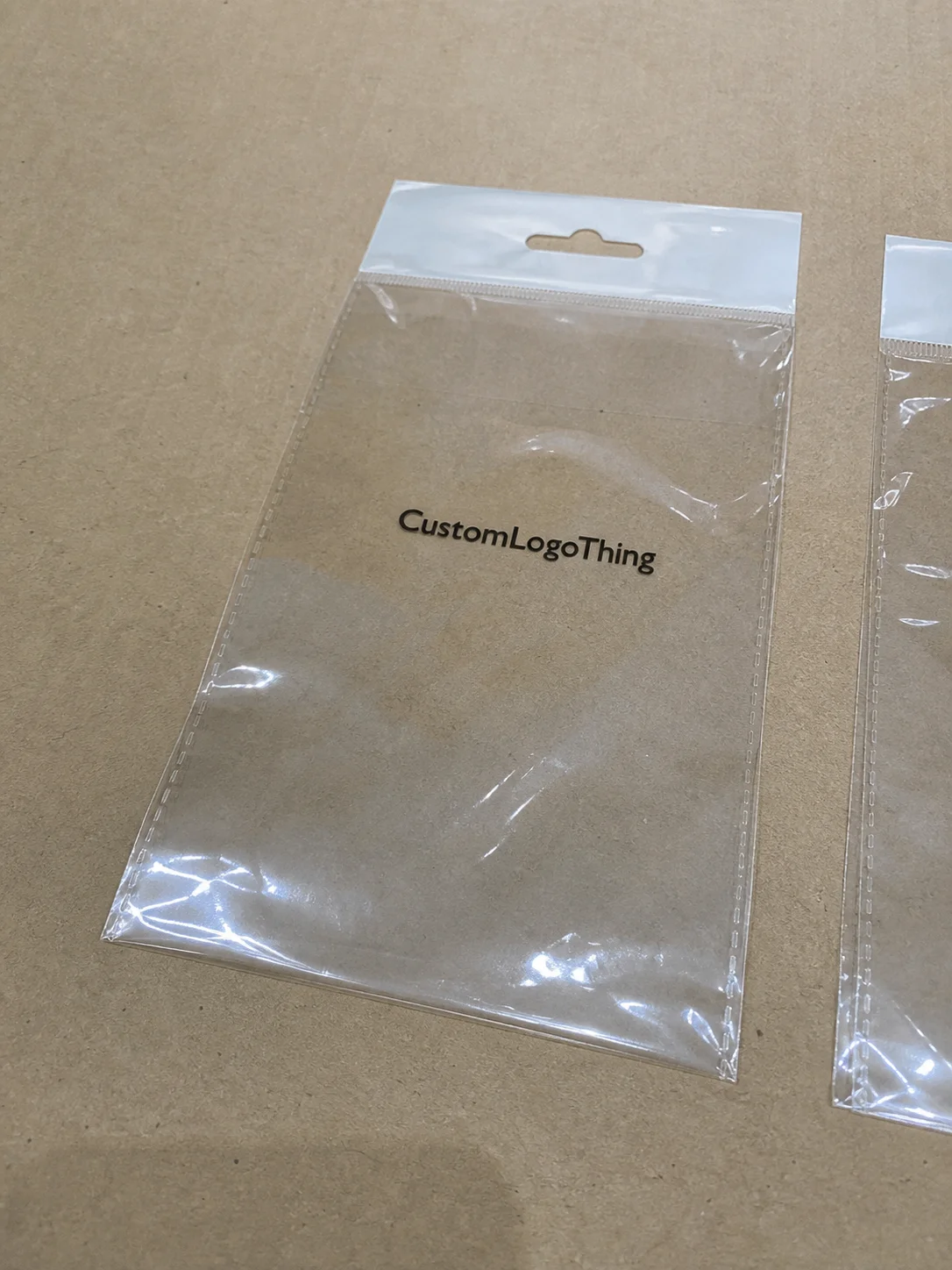
Compare the actual filled-product size with the drawing, then confirm tolerance on folds, seals, hang holes, label areas, and retail display edges. Reserve space for logos, QR codes, warning copy, and material claims before decorative graphics fill the panel.
Quote comparison points
Review material grade, print process, finish, sampling route, tooling charges, carton quantity, and freight assumptions side by side. A quote is only useful when the supplier can repeat the same color, closure quality, and packing count on the next order.
Two years ago, I walked into a small soap workshop in Guangdong, China, where the owner was shipping bars in plain brown mailers, wrapped in one sheet of tissue like she was trying to hide evidence. I’m not exaggerating. It looked like the soap had committed a minor crime. We switched her to personalized Packaging for Crafters with branded inserts, printed tissue, and a simple thank-you card, and her repeat purchase rate climbed from 14% to 29% in four months. No magic. Just packaging that looked like a real brand instead of a hobby with a postage label.
That’s the part people miss. personalized Packaging for Crafters is not just “make it cute.” It’s custom boxes, labels, tape, mailers, inserts, tissue, ribbon, and cards that all tell the same story. If you sell candles, bath bombs, jewelry, knitwear, soaps, prints, or resin goods, your package is often the first physical proof that your shop is legit. And yes, people absolutely judge legitimacy by the box that lands on their doorstep. I’ve seen customers forgive a small flaw in the product because the packaging made the whole order feel thoughtful. Humans are weird like that.
I’ve spent 12 years in custom printing, and I’ve watched tiny makers beat better-funded competitors because their branded packaging felt intentional. Big brands can buy attention. Crafters need trust. That’s why Personalized Packaging for Crafters matters so much. It boosts perceived value, makes products giftable, and gives customers something worth photographing without forcing you to burn money on ads like a Silicon Valley startup with a caffeine problem. Honestly, I think that’s the real advantage: packaging does part of the selling before your customer even touches the product. On a 1,000-unit run, that can mean the difference between a $0.42 carton and a $0.68 carton, which is not a rounding error when you ship 300 orders a month.
Personalized Packaging for Crafters: Why It Matters More Than You Think
Here’s what most people get wrong: they think packaging is decoration. Sometimes it is. But personalized packaging for crafters is usually a sales tool first and a pretty surface second. Decorative packaging says, “I made this look nice.” Strategic packaging says, “I know how to protect, present, and repeat this sale.” Those are not the same thing. I’ve sat through enough supplier meetings in Dongguan and Ningbo to know the difference shows up fast in margins, reviews, and reorder rates.
One of my favorite client stories came from a handmade soap seller in Portland, Oregon. She used plain poly mailers for 500 orders, then moved to Custom Printed Boxes, branded tissue, and 2x3 inch logo inserts. Her average order value didn’t jump because the soap suddenly got better. It went up because customers started buying gift sets, posting unboxing photos, and reordering within six weeks. That’s personalized packaging for crafters doing actual work, not just posing for a product shot. Her packaging budget went from about $0.28 per order to $1.12 per order, and the margin still improved because gift set sales covered the difference.
For small makers, the package is often the first touchpoint outside the booth, the Etsy page, or the Instagram grid. That means the box, mailer, or label has to do a lot with very little space. A crisp logo, one strong color, and clean typography can carry more trust than a busy design with seven fonts and a glitter explosion. I’ve seen too many shops bury a beautiful product inside packaging that looked like three different brands had fought in a craft aisle. Not cute. Not memorable. Just messy. A 350gsm C1S artboard carton with one black ink print can look more premium than a rainbow box full of clip art, and it costs less than you’d think at 3,000 pieces.
“The product was good. The packaging made people believe it.” That was a candle maker in Dallas after we switched her from generic cartons to personalized packaging for crafters with matte black sleeves and foil-stamped logo stickers.
There’s also a practical side. Giftability matters. Social sharing matters. A customer who gets a lovely box is more likely to keep it, reuse it, or hand it over as a present without repacking it. That’s free word of mouth. And for makers, word of mouth beats a lot of paid media that costs $1.80 per click and still doesn’t get you a sale. I’ve watched one good unboxing photo do more than a week of boosted posts. Annoying for ad budgets, great for the rest of us. In Austin, one bath bomb shop told me 38% of first-time buyers mentioned the packaging in their review. Not the scent. Not the fizz. The box.
If you want the clean distinction, here it is: decorative packaging makes the item look nice for one moment. Strategic personalized packaging for crafters improves sales, retention, and consistency every time an order leaves your studio. That difference shows up in repeat buyers, better reviews, and fewer “this feels cheap” messages. Harsh? Sure. True? Also yes.
For makers who want a starting point, I usually tell them to browse a few structural options first. Our Custom Packaging Products page is a useful place to compare formats before you spend money on samples and shipping.
How Personalized Packaging for Crafters Works
The process is simpler than most people think, especially if you’re using short-run digital printing. First, you pick the packaging style: mailers, folding cartons, rigid boxes, pouches, labels, or inserts. Then you finalize the artwork, approve a proof, print, and ship. That’s the basic path for personalized packaging for crafters, whether you’re ordering 300 stickers or 3,000 custom printed boxes. In our Shenzhen production line, a standard proof-to-print workflow usually takes 12–15 business days after proof approval, plus 4–7 days for international freight to Los Angeles or 2–3 days for domestic trucking inside China.
Common components show up in almost every small brand I’ve worked with:
- Mailers for light, shippable products like tees, soaps, and flat goods
- Rigid boxes for premium gifting, jewelry, and fragile pieces
- Folding cartons for candles, bath products, and small retail packaging
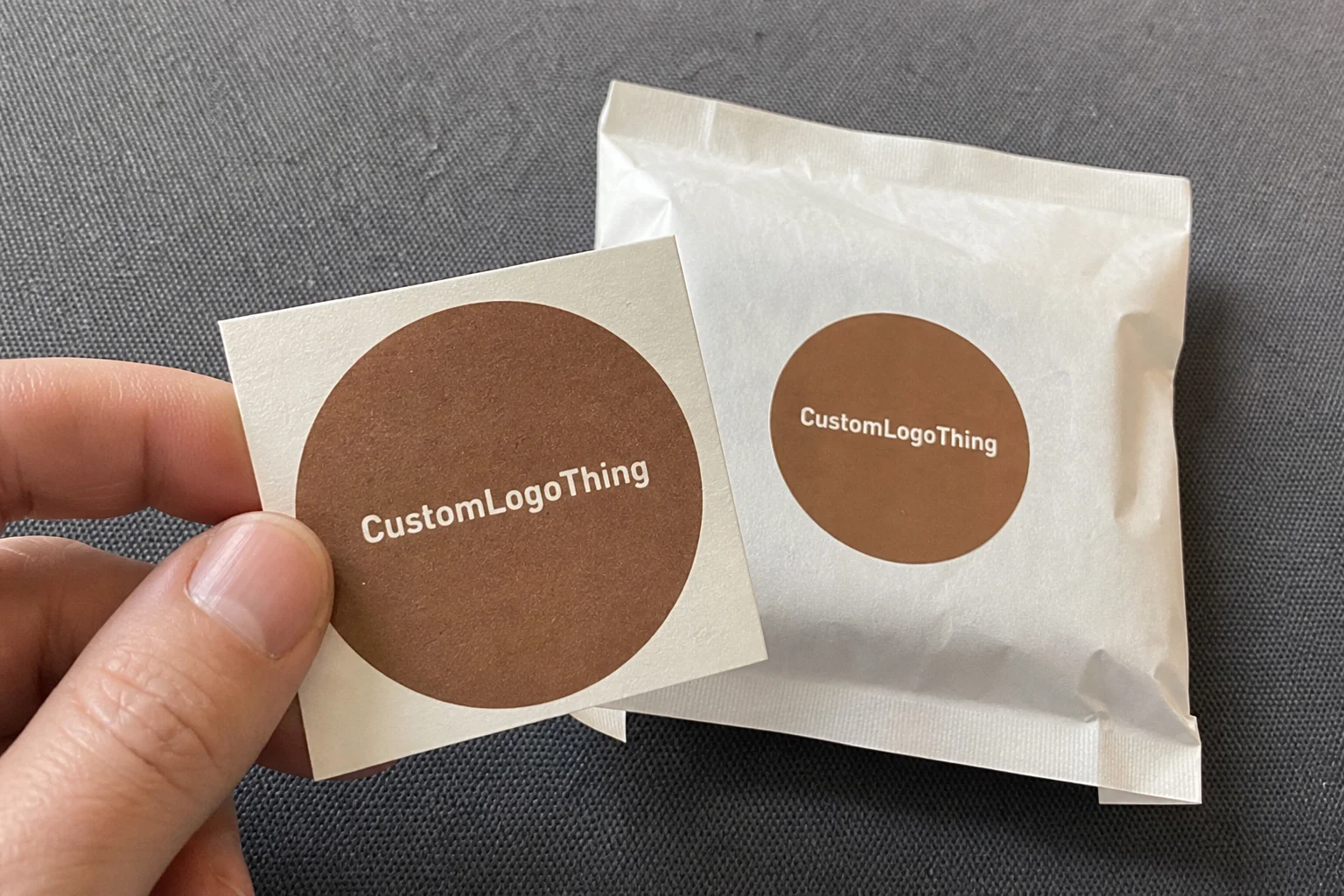
- Stickers for seals, labels, and quick branding updates
- Belly bands for sleeves around jars, bars, or bundles
- Tissue paper for unboxing presentation and product wrap
- Insert cards for care instructions, discounts, and social handles
Digital printing changed the market for small makers because it made personalized packaging for crafters realistic at lower minimums. You do not need to order 20,000 boxes just to get your logo on a package. In our Shenzhen facility, I’ve seen clean short-run jobs start around 500 to 1,000 units depending on structure and print coverage. That’s manageable for shops testing a product line or preparing for seasonal sales. It also means you can test, adjust, and avoid the classic “I ordered a mountain of boxes and now I hate the color” spiral. On a basic one-color mailer, I’ve quoted prices as low as $0.15 per unit for 5,000 pieces, though a four-color full-bleed print can be closer to $0.38–$0.62 depending on size.
Let me give you three real examples. A candle maker I worked with in Xiamen used branded shipping boxes, warning labels, and a paper wrap around each jar. A jewelry crafter in Melbourne used velvet pouches plus logo cards and a QR code for care instructions. A bath bomb seller in Chicago used sleeve boxes with a spot-color logo and a fragrance icon system so customers could tell Lavender from Citrus without opening the carton. Different products. Same idea: personalized packaging for crafters should fit the item, not fight it.
Production variables matter more than people expect. Material type changes the feel. Print method changes the color. Finishes change the look and the price. Lead time changes your launch date. Quantity changes everything from unit cost to your storage headache. I once watched a client approve a gorgeous soft-touch rigid box, only to realize the 2,400-unit order filled half her apartment. Cute? Yes. Convenient? Not even a little. Her cat, however, approved the new cardboard furniture. The carton size was 14 x 10 x 4 inches, which sounded small until 2,400 of them arrived on pallets.
If you’re comparing formats, use a simple decision table before you commit. That saves money and a lot of regret.
| Packaging Type | Best For | Typical Unit Range | Notes |
|---|---|---|---|
| Branded Stickers | Seals, labels, thank-you touches | $0.02–$0.12 | Fast, low-risk, easy way into personalized packaging for crafters |
| Printed Tissue | Unboxing and light wrap | $0.08–$0.25 | Best when paired with inserts or a mailer |
| Custom Mailers | Online shipping, apparel, flat goods | $0.55–$1.80 | Strong branding impact, moderate cost |
| Folding Cartons | Candles, soap, cosmetics, gift products | $0.35–$1.20 | Good middle ground for retail packaging |
| Rigid Boxes | Premium gifting, jewelry, special launches | $1.50–$5.00+ | High perceived value, higher storage and freight cost |
That table is not theory. It reflects the kind of pricing I’ve negotiated with factories in Dongguan, Ningbo, and Xiamen, where the difference between a $0.42 carton and a $0.68 carton might be board thickness, lamination, or a single extra print color. A small change on paper can add real money on the invoice. Packaging loves to do that. Sneaky little thing. One factory rep once acted like three cents was “nothing,” and then handed me a quote that somehow added $900. Nothing, apparently, is very expensive.
Key Factors That Shape Personalized Packaging for Crafters
Brand consistency is the first factor, and it’s the one I see botched most often. Your logo placement, colors, fonts, and tone need to look like they belong to the same business. If your Etsy page is soft beige and sage, but your box screams neon purple with a comic font, customers notice. That’s not personality. That’s confusion. Good personalized packaging for crafters feels like a continuation of the product, not a costume change. A simple palette of two colors and one typeface usually works better than four colors and three fonts fighting for attention.
Here’s my rule from years of packaging design work: choose one main visual anchor and repeat it. That could be a logo on the top flap, a specific kraft paper tone, or a recurring line illustration. Keep it simple. I’ve seen a ceramics brand in Salt Lake City increase perceived quality just by moving from four competing colors to one deep blue and a clean white logo. No extra fluff. Just discipline. Honestly, the market rewards clarity more than it rewards “creative chaos,” no matter how many mood boards people build.
Protection comes next. Pretty packaging that arrives smashed is expensive disappointment. If you sell fragile products, use inserts, dividers, cushioning, or a stronger board grade. A thin 250gsm carton might be fine for a soap bar, but a fragile candle jar may need a 350gsm C1S artboard carton with a corrugated mailer outer. I visited a factory in Shenzhen where a client tried to save $0.06 per unit by deleting the insert. She spent $430 replacing broken stock after the first market shipment. That was a very avoidable lesson. Also, she was not amused. Neither was I, because I had to hear about it three times.
Sustainability is another big driver, and buyers do care. Not every customer will ask about it, but enough do that it matters. Recycled paper, FSC-certified board, soy-based inks, and minimal-plastic packaging can all support a cleaner brand story. If you want a credible standard to point to, check the FSC organization at fsc.org and the EPA’s packaging and waste reduction resources at epa.gov. Standards matter because “eco-friendly” means nothing if the carton is wrapped in five unnecessary layers of film. I’ve seen that nonsense more than once, and yes, it always makes me sigh out loud.
Cost is where most makers get surprised. The price is not just the unit cost. There’s setup, dielines, proofing, artwork revisions, shipping, and sometimes tooling. Custom dies can add $120 to $400 depending on complexity. A small digital run might be a few hundred dollars total, while a branded rigid box series can climb fast if you add foil, embossing, or magnetic closures. Personalized packaging for crafters is only smart when the math fits your margins. A box that costs $0.58 per unit at 2,000 pieces and $0.84 per unit at 500 pieces may still be the right choice if it helps you sell a $42 gift set instead of a $28 single item.
Customer experience is the last piece, and it matters more than people think. Does the packaging open easily? Can it be reused? Does it feel premium without becoming fussy? A customer buying a $28 candle does not need a box that behaves like a puzzle from a bad reality show. They need a clean unboxing, a useful insert, and packaging that supports the purchase instead of slowing it down. If the box takes two hands and a prayer to open, you have already lost some goodwill.
What I tell makers before they order
Before you spend a dollar on personalized packaging for crafters, answer three questions: what must the package protect, what should it communicate, and what can you actually store? If you can’t answer those, you’re not ready for a fancy finish. You’re ready for a notebook and a ruler. A decent tape measure costs under $10, and it will save you from ordering a box that is 0.25 inches too small for your product stack.
And yes, I say that because I’ve seen a seller order 1,500 rigid boxes for a product that changed size two weeks later. The boxes were gorgeous. They were also useless. Lovely paper bricks. Expensive paper bricks, to be precise. In Shanghai, that mistake cost her nearly $2,100 once freight and storage were added.
Personalized Packaging for Crafters: Step-by-Step Setup Process
Step one is a product audit. Make a list of every item you sell, then note size, fragility, weight, and shipping method. A soap bar shipped in a mailer needs different treatment than a bracelet sold at a weekend market. When you sort products first, personalized packaging for crafters becomes a system instead of a pile of random supplies. A simple spreadsheet with dimensions in inches or millimeters is enough to stop a lot of bad decisions.
Step two is choosing one or two hero pieces. Don’t build a whole packaging universe on day one. Start with the items customers touch most often: a box or mailer, plus stickers, inserts, or tissue. That gives your brand consistency without blowing your budget on five separate SKUs. I like to see a strong core and then small add-ons as the business grows. It’s less glamorous than ordering everything at once, but also less likely to make you regret your life choices. For example, 500 custom mailers and 1,000 logo stickers are easier to manage than 11 different packaging items sitting in a spare room in Brooklyn.
Step three is artwork. Use clean logo files, ideally vector format, and keep your text readable at small sizes. Print-safe colors matter too. A bright RGB screen color can come back muddy in CMYK if you’re not careful. I once had a client insist on a neon coral that looked amazing on her laptop and like a tired peach on press. We fixed it with a tighter Pantone reference and a simpler layout. She was happier. The factory was happier. My inbox was happier. Miracles do happen. If you can, keep line weight above 0.35 pt and body text above 6 pt for small cartons.
Step four is proofing. Request a sample or at least a digital proof before production. One bad file can waste weeks, and yes, I have seen that exact disaster. A jewelry shop in Toronto sent artwork with the logo too close to the box edge, and the factory trimmed through the thin serif on every unit. That was 800 boxes turned into expensive lessons. Personalized packaging for crafters works best when someone slow and slightly picky checks the proof. I wear “slightly picky” like a badge of honor. A correction at proof stage costs nothing compared with reprinting 800 cartons.
Step five is production and inventory planning. If your craft fair is on the 18th and your packaging lands on the 17th, that’s not planning. That’s a stress experiment. Build in room for proof revisions, freight delays, and a few extra days for packing samples. For most short-run jobs, I tell makers to plan for 12–15 business days from proof approval, then add shipping time. If you’re using special finishes or a custom die, the timeline may stretch. That depends on the factory, the season, and how many other people also decided they needed boxes yesterday. In peak season, I’ve seen rigid box orders take 18–22 business days just to finish, before freight even starts.
When you’re ready to compare product formats, go back to the structural side of the business first. Our Custom Packaging Products selection can help you narrow the field before you ask for quotes.
Cost and Pricing Breakdown for Crafters
Let’s talk numbers, because vague pricing is how people make bad decisions. For personalized packaging for crafters, stickers and insert cards usually sit on the low end. Printed mailers and folding cartons land in the middle. Rigid boxes, special coatings, foil stamping, and custom inserts push the invoice higher fast. A supplier quote that says “custom packaging” without a spec sheet is basically a guess wearing a business suit.
Here’s a realistic starter range I’ve seen across small orders:
- Stickers: $0.02–$0.12 each depending on size and finish
- Thank-you cards or insert cards: $0.05–$0.18 each
- Printed tissue: $0.08–$0.25 each sheet
- Branded mailers: $0.55–$1.80 each
- Folding cartons: $0.35–$1.20 each
- Rigid boxes: $1.50–$5.00+ each
Now the part people overlook: the unit price usually drops as quantity rises, but only if you can store and use the inventory. I’ve watched makers save 18% per unit by ordering more, then lose that savings because the cartons sat in a humid storage room and warped. Lower unit price is not a win if the boxes are ruined before they ship. I’m saying this because I’ve literally seen someone stack “savings” next to a dehumidifier and call it a strategy. In Miami, one maker lost almost 200 sleeves to moisture because the cartons were stored against an exterior wall.
Common cost drivers include quantity, board thickness, number of colors, special finishes, custom tooling, and whether the design needs inserts or internal printing. A simple one-color mailer is not the same as a four-color soft-touch rigid box with foil and magnetic closure. If a supplier quotes both as “custom boxes,” they’re skipping the useful part. Ask for material names, too: 300gsm CCNB is not the same as 350gsm C1S artboard, and the difference shows up in crush resistance and print sharpness.
Here’s a practical example. A small run of 1,000 branded mailers can cost a few hundred dollars upfront, especially if the artwork is simple and the board is standard. A 1,000-piece rigid box program can climb much higher once you add structure, lamination, and freight. That’s not because suppliers are being dramatic. It’s because rigid packaging uses more materials and more handwork. Labor is not free, despite what people seem to imagine when they send a sketch on a napkin. A 1,000-piece folding carton order in Dongguan might land around $0.48 per unit, while a similar box with foil can jump to $0.74 or more.
Where should you save? Skip unnecessary finishes. A neat matte print with a strong logo often beats foil just because foil exists. Where should you not save? Structure. If your product breaks in transit, the damage, replacements, and bad reviews will cost more than the “savings” ever did. Personalized packaging for crafters has to protect the item first. Pretty second. Always. If you are shipping glass, use an inner fitment or at least a snug corrugated insert. That extra $0.09 per unit is cheaper than replacing breakage.
Common Mistakes With Personalized Packaging for Crafters
The biggest mistake is choosing packaging that looks great on a screen and fails in real shipping conditions. Thin mailers can crease. Fancy boxes can crush. Adhesives can fail in cold weather. I’ve seen customers unwrap a beautiful package only to find the product rattling loose because nobody tested the insert. Gorgeous on Instagram. A mess in the mailbox. And then the customer writes a review that starts with “love the idea, but…” which is basically the nicest possible warning.
Another mistake is ordering too much before testing. Test the size. Test the print. Test the customer reaction. I’m serious. Order 50 samples, send them to yourself, hand them to a friend, and ask whether the brand feels clear or confusing. Personalized packaging for crafters should earn confidence before it earns a large purchase order. If you can’t pack ten orders without improvising, you are not ready for 2,000 units.
Busy branding is a problem too. If you put your logo, website, phone number, tagline, QR code, three patterns, and a motivational quote on one surface, the customer sees clutter. That’s not package branding. That’s a crowd. Keep the hierarchy simple. One focal point. One supporting message. Maybe one secondary contact detail. That’s enough. A 4 x 6 inch insert card has room for a thank-you note and a care tip, not a manifesto.
Ignoring shipping size and storage is another quiet killer. A package that increases dimensional weight can eat margin on every shipment. A box that stacks poorly can consume your studio. A case of 2,000 sleeves may fit in the factory quote, but if it takes up half your spare room, you are now running a packaging warehouse with a coffee maker. Not ideal. I’ve seen a seller in Atlanta pay $280 a month for extra storage because her glossy cartons arrived two inches too wide for her shelving.
Compliance mistakes are the last one, and they matter. If your product needs ingredient labels, warning labels, care instructions, or barcodes, those have to be included. Bath and body sellers, candle makers, and food-adjacent brands often need more than a pretty logo. I’ve had clients ask why a label needed a caution line for a soy candle. Because melted wax, hot glass, and fire are not a vibes-based category. Packaging is not the place to be casual about rules. A candle carton in California may also need a small-flammability warning and net weight printed clearly.
Expert Tips to Make Personalized Packaging for Crafters Work Harder
Start with the cheapest high-impact items first. Stickers, tissue, thank-you cards, and Branded Packaging Tape can change the whole look of an order for relatively little money. I’ve seen a shop spend under $180 on a set of 1,000 stickers and insert cards, then make her packaging look twice as polished. That’s the kind of personalized packaging for crafters move I like: low risk, visible result. A roll of custom tape in 48mm width can do more brand work than a flashy box if your budget is tight.
Use one visual system everywhere. Your Etsy shop, booth signage, shipping box, and product label should feel connected. That doesn’t mean identical. It means consistent. Same font family, same color family, same logo treatment. A customer should open the box and think, “Yep, this is the same brand I saw online.” That mental click matters more than people realize. If your packaging uses warm kraft paper and your web graphics use icy gray gradients, the mismatch will feel off even if nobody can explain why.
Create a packing checklist. Seriously. A paper checklist, a spreadsheet, a note on the wall, whatever stops you from forgetting inserts when orders spike. When I visited a jewelry seller during holiday season in Brooklyn, she had four staff members packing orders and one handwritten sheet with every item listed in order: box, pouch, card, tissue, seal sticker. Their error rate dropped in one week. Not because they worked harder. Because they stopped guessing. That checklist cost maybe 20 minutes to create and probably saved 50 rework hours.
Test the unboxing experience by mailing a sample to your own house. Don’t just open it at the counter. Let it travel through the same system as your customers’ packages. Check for dents, smudges, tape failure, and whether the box opens cleanly. A package that looks elegant in the studio can arrive looking tired after a carrier throws it around like it owes money. Packaging can be dramatic. Carriers can be worse. If the box survives 1,200 miles, two sorting hubs, and a rainy porch, you’re in good shape.
Keep a backup version of your design. If a product goes viral or a season runs long, you’ll want a repeatable packaging file that can be reordered fast. I keep recommending this because I’ve watched too many makers scramble with expired artwork, missing fonts, and lost logo files. A clean backup saves days. Sometimes weeks. Save the final dieline PDF, editable source files, and a flat mockup with dimensions like 120 x 80 x 30 mm or 4.75 x 3.15 x 1.18 inches so the next reorder doesn’t turn into detective work.
“Once we simplified the pack, returns dropped and reviews improved.” That came from a bath bomb maker who switched to a plain kraft carton with one bold printed seal instead of three layers of decorative wrapping.
If you want the smartest version of personalized packaging for crafters, do not overbuild early. Build a system you can repeat 50 times without hating your life. That’s the real flex.
FAQ
How much does personalized packaging for crafters usually cost?
Costs vary by product, quantity, and print complexity. Small accessories can start with low-cost stickers and inserts, while custom boxes and mailers cost more. Expect setup, proofing, and shipping to affect the total, not just the unit price. A 5,000-piece sticker run might land around $0.04 per unit, while a 500-piece rigid box order can run $2.10 or more each depending on board, finish, and freight. The cheapest option is not always the best if it damages products or looks off-brand.
What is the best personalized packaging for crafters selling online?
The best choice usually combines protection, branding, and easy assembly. Branded mailers, inserts, tissue, and thank-you cards work well for many online shops. Fragile products often need custom boxes or inserts instead of just decorative wrapping. If you ship candles, soaps, or jewelry, a 350gsm C1S artboard folding carton with a corrugated outer mailer is often a safer bet than a thin printed sleeve.
How long does personalized packaging for crafters take to produce?
Timeline depends on proof approval, production method, and order size. Simple printed items can move faster than structural packaging with custom dies or finishes. For many short-run orders, production is typically 12–15 business days from proof approval, then add 3–7 business days for shipping depending on where the factory is located, such as Guangdong, Zhejiang, or Fujian. Always build in extra time for artwork revisions and shipping delays.
Can I order personalized packaging for crafters in small quantities?
Yes, many suppliers offer short runs or low minimums for makers and small shops. Digital printing is especially helpful when you want a smaller test order. Small runs are smart when you are testing a new product or rebrand. I’ve seen 300-piece mailer jobs and 500-piece carton orders work well for shops in their first year, especially when the budget is under $500.
How do I choose packaging that matches my craft brand?
Match the packaging style to your product personality: rustic, luxe, playful, minimal, or eco-focused. Keep colors, fonts, and logo placement consistent across packaging and marketing. If the packaging feels like a random craft supply aisle, the brand is probably not tight enough yet. A simple rule helps: one visual anchor, one primary color family, and one clear message on every order.
Here’s my honest take after years of factory visits, supplier negotiations, and way too many late-night proof reviews: personalized packaging for crafters works best when it’s practical first and pretty second. Start with a clear brand system, protect the product properly, and choose formats that fit your storage, budget, and shipping method. Do that, and personalized packaging for crafters becomes more than a box. It becomes a reason customers remember you, reorder from you, and tell somebody else about you. Your next move is simple: pick one core package, one support item, and one proof-ready design before you place the order.