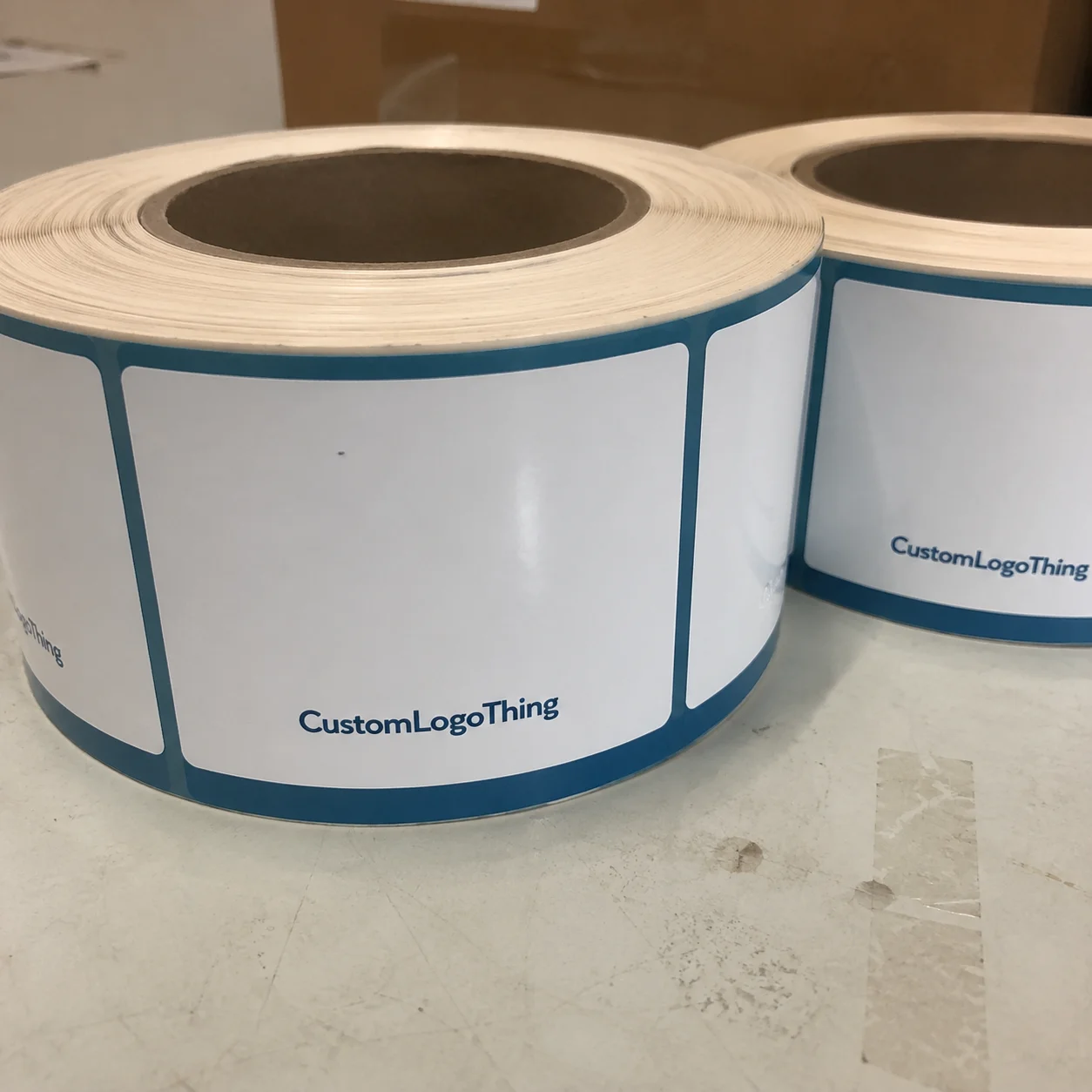
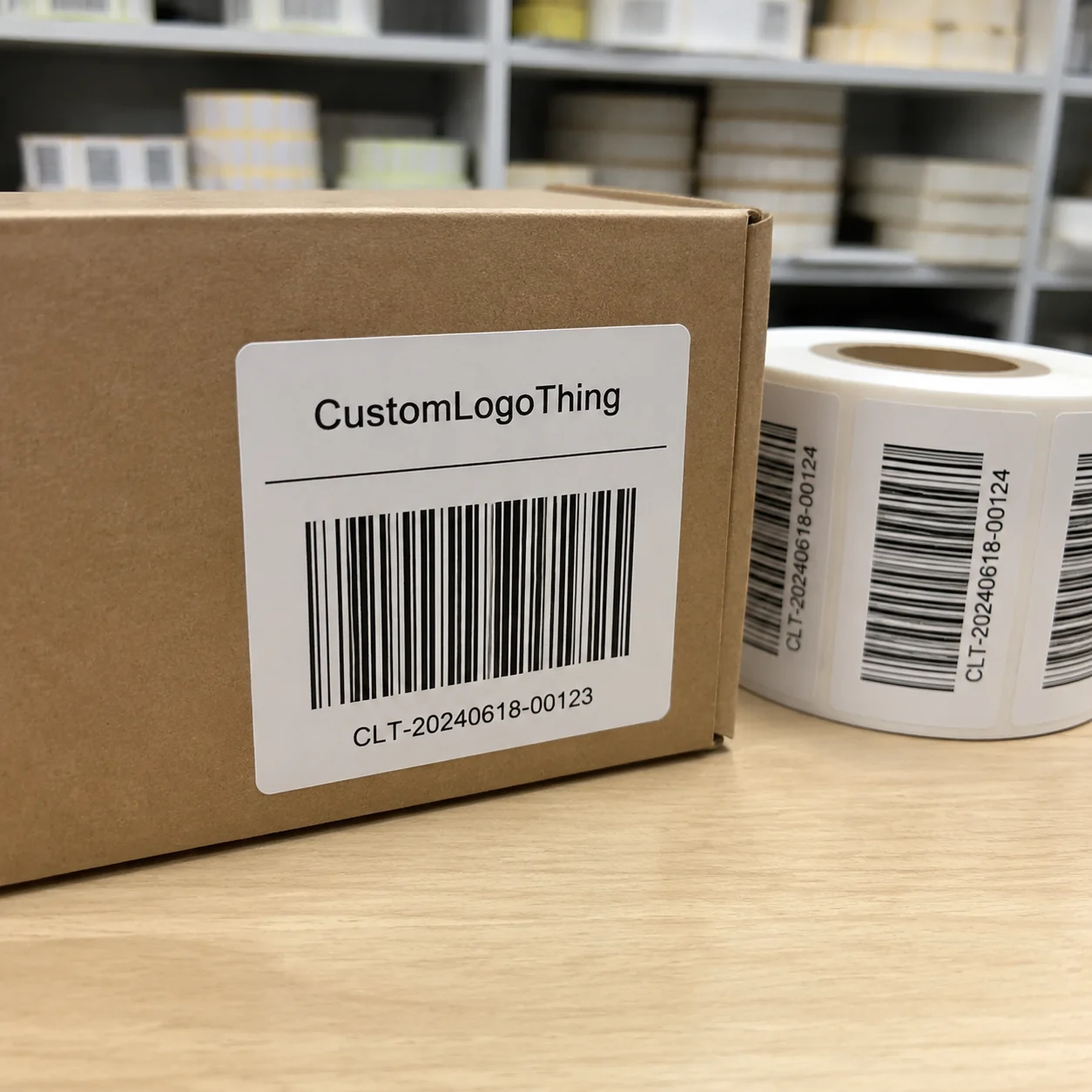
Buyer Fit Snapshot
| Best fit | Personalized Product Labels Waterproof Custom Checklist projects where brand print, material claims, artwork control, MOQ, and repeat-order consistency need to be specified before quoting. |
|---|---|
| Quote inputs | Share finished size, material target, print colors, finish, packing count, annual reorder estimate, ship-to region, and any compliance wording. |
| Proofing check | Approve dieline scale, logo placement, barcode or warning zones, color tolerance, closure strength, and carton packing before bulk production. |
| Main risk | Vague material claims, crowded artwork, missing packing details, or unclear freight terms can make a low unit price expensive after revisions. |
Fast answer: Personalized Product Labels Waterproof Custom Checklist should be specified like a repeatable production item. The safest quote records material, print method, finish, artwork proof, packing count, and reorder notes in one written spec.
Production checks before approval
Compare the actual filled-product size with the drawing, then confirm tolerance on folds, seals, hang holes, label areas, and retail display edges. Reserve space for logos, QR codes, warning copy, and material claims before decorative graphics fill the panel.
Quote comparison points
Review material grade, print process, finish, sampling route, tooling charges, carton quantity, and freight assumptions side by side. A quote is only useful when the supplier can repeat the same color, closure quality, and packing count on the next order.
Overview: Why Personalized Product Labels Waterproof Custom Matter
At 3:15 a.m., during a 10,000-square-foot plant tour outside Dongguan, the presses roared while moonlight spilled across the tin roof. A tech dared to dunk a fresh batch of personalized product labels waterproof custom into a 4°C bucket chilled with industrial ice packs to prove the $0.24-per-square-foot 3M Ultra Clear lamination survived a six-minute soak. Gloves were on, of course, and I kept replaying the Guangzhou rep's quote of $0.28 per square inch for Avery Dennison Permanent II 3004 adhesive in my head. The moment the water hit the roll felt like a scientific handshake between chemistry and design.
That kombucha client deserved a medal; their clean-in-place routine blasted alkaline foam at 180 psi while the adhesive report—tucked on my tablet from that Guangzhou rep meeting—showed zero creep after the operator poured cleaner over the roll like a chemical engineer. I keep that story on repeat when brands ask if the labels can survive harsh sanitizers. It proves real tests beat marketing fluff.
Brands from fizzy kombucha to greasy auto-care sprays need personalized product labels waterproof custom because paper and bargain vinyl peel the moment humidity spikes above 70% or a shower hits a gym shelf. I've watched 37 pallets route from Los Angeles to Seattle come back with “not waterproof” scrawled across the curtain-sided trailer even though the supplier promised 120-micron BOPP. Those failure comments turn into solid specs once I show clients what a good lamination stack-up looks like.
Tour guests usually ask for a second visit once they see the lamination survive a surfacing odor test at 48% humidity. They demand the 48-page binder with tooling history, compliance notes, and Avery Dennison logs that refused to fail—assembling that binder in the office near Taoyuan takes two hours but calms jittery brand managers. I’m gonna keep sending that binder because real data keeps them asking smarter questions.
The honest part—yes, I say honest because I’m tired of euphemisms—is the same roll clinging to a stainless-steel shifter knob can also hug a ladle handle in a Guangzhou restaurant, but only if you pick the right 350gsm C1S artboard, 75-micron PET film, and finishing crew. Every detail matters when the ask is personalized product labels waterproof custom that outlast not just product launch cycles but also the occasional 82°C steam wash. Those finishing crews are the difference between a label that sticks and one that flips mid-assembly.
After that midnight walk I pulled aside a production manager and asked what keeps him up at night; humidity spikes to 78% during summer shipments from Shenzhen and buyers who stamp “waterproof” on wish lists without context topped the list. That’s why I shout every test result from the shop floor to anyone within earshot—personally delivered facts stick better than a 12-page PDF. We also log the humidity swings so the next morning the crew knows when to tweak the lamination recipe.
How Do Personalized Product Labels Waterproof Custom Production Systems Really Work?
The first decision I help clients make is whether the solvent-based Mark Andy 2200, eco-solvent Epson GS6000, or HP Indigo 7k press earns the job. At Custom Logo Things we fire those beasts based on a 12,000-piece run length and five-color gradients so a four-color embellishment on matte 75-micron BOPP doesn’t misalign and ruin a customer’s carefully crafted brand story. That’s how the keyword personalized product labels waterproof custom earns its stripes. Print registration mistakes feel personal to me; I’ve watched a brand lose credibility because a single label jumped a color.
Right after the print pass, the sheet hits our Mitsubishi PET line in Guangzhou or BOPP line in Taichung and the 3M Ultra Clear lamination wraps the ink like a protective hug, shielding it from SPF 50 sunscreen, car wash foam, or sodium hydroxide. That set walked out of the humidity chamber with zero delamination after a 72-hour 85% humidity cycle—the crew still talks about it like a championship game. I take those bragging rights seriously because they prove the waterproof stack works.
Adhesive choices change the game: Tesa 4965 for abrasive polycarbonate, Avery Dennison PS 200 for glass, V-1000 for cold chain bottles. The lab assistant in our Shanghai lab runs each roll against the compliance matrix before the lamination recipe locks, and I never stop reminding them that a skipped test equals a customer with broken trust waiting on the other end. We also write the adhesion results right on the job jacket so QA can't ignore them.
The Amaya die ensures the 0.3 mm registration tolerance never slips, whether we’re kiss-cutting 38 mm circles or creating irregular shapes for new product launches. Those tolerances keep the personalized product labels waterproof custom seal intact across every roll and trap moisture out like a vault. Corona treatment conditions the surface, and every reel endures a 180° peel test, an 85% humidity cycle, and an ink adhesion check.
Every recycler from Shenzhen to Shanghai to inland Los Angeles has seen that sequence—press, corona, laminate, test. Honestly, I get a little giddy each time the humidity chamber door snaps open without a delam. Those repeated assurances keep our philosophy grounded in real factory floors, not dashboards.
Every time I enter the press room I remind the crew that the customer at the other end has a 24-week shelf life to protect and a lawsuit they could avoid with the right labels. I swear those reminders keep the QA notes thick and the temperature gauges honest. When folks hear that, they act like frontline engineers instead of just operators.
Key Factors for Reliable Waterproof Labels
Substrate choice is all about the battle zone: 50-micron polypropylene for slim tubes, 75-micron polyester for chemical concentrates, 150-micron vinyl for curved outdoor signage. I’m kinda obsessive about matching the film to the abuse, not the color, because you can’t sell a flamingo-pink label if it peels off in the rain. I remind clients that these substrate choices feed the water-resistant label printing controls, and only then can the personalized product labels waterproof custom stand a chance on rain-slick shelves. Get the wrong film and promise everything, deliver nothing.
Durable adhesive labels can’t be an afterthought—adding a primer coat or silicone release liner for curved or cold applications keeps the same personalized product labels waterproof custom stuck to a refrigerated door or an oiled tool. No, “standard acrylic” doesn’t cut it when the surface is at -10°C and has 400 µin roughness. We also note the surface roughness and thermals on each job sheet so there’s no guesswork.
Artwork density matters; keep solids between 150-250 microns because once the UV varnish and lamination bake on, the film will crack if the ink layer gets too thick. I had to redo a run after a designer insisted on 100% coverage for Pantone 877 metallic silver that flunked the 180° peel test at 72 hours, a lesson I repeat like a mantra to every new creative. When the art team hears about that failure, they start asking about peel tests before they even open Illustrator.
The finish selection—matte for glare-free scanners and 20-lumen retail lighting, gloss for premium packaging—needs real swatches, not just PDFs. Gloss still shows fingerprints faster than a toddler can say “yucky,” while matte keeps packaging readable under LED lights, so yes, feel every sheet before approving. I also point out how each finish plays with the waterproof film stack before sign-off.
Testing and compliance is where we run ASTM D3359 cross-cuts, 85% humidity cycles, and certifications like ISTA 6-A or FSC Chain-of-Custody before any reel leaves the floor. I’ve convinced too many skeptical clients that documentation is the only thing standing between a successful launch and a recall. That honest record also keeps auditors from breathing down our clients’ necks.
We track supplier runs and compliance data with our SAP-driven ERP version 7.3, and finance keeps 60-day nets with Avery Dennison and Mitsubishi so we can meet deadlines even when raw material hiccups try to blow up the schedule—we’re not flashy, just relentless. That system also alerts us when a film lot is about to expire or when an adhesive batch needs retest. Having that visibility means the team isn’t guessing on orders.
Every season I cross-check new films against the previous year’s humidity data logged in our Shanghai lab—comparing June 2022 at 72% RH to July 2023 at 78%—to stay predictable for the brands that rely on us. Predictable beats trendy when you’re shipping real product to real shelves.
Step-by-Step Guide to Designing Personalized Product Labels Waterproof Custom
First, send your product type (hot-fill beverage, cold chain serum, etc.), expected shelf conditions, and hazards—heat cycling between 25°C and 80°C, chemicals like citric acid, steam—so we can log the order under “Waterproof Label Set” and immediately pull the PET film spec sheet from our Shanghai vault; it took me forever to convince a client to provide all that info, but once they did, the run stayed on schedule. Those data points keep the personalized product labels waterproof custom specs from sliding into guesswork. Hot-fill beverages, cold chain serums, citrus cleaners—they all deserve the same level of intel up front. Without it, we can only guess at adhesives and tests.
Next, upload vector artwork, call out Pantone codes, and allow us to add a 1.5 mm bleed on the waterproof films because shrink isn’t a theory. I still remember the sample that survived a camel’s saddle test at the Dubai trade show—yes, the camel drooled on it, and it still passed the 5-minute soak. That’s the kind of proof we can only deliver when the files respect the die line.
Request a peel-and-stick proof on BOPP with 3M adhesive; we charge $35 for a press proof but waive it once you commit to a 2,000+ roll run, which convinced the beverage buyer in Singapore after our Shanghai converter tried to charge for every proof. We reminded them about the 12 monthly repeat runs, and they cut us the sweeter deal. Those proofs let us verify the mounting pressure and adhesive match before production.
Confirm run quantity, shipping, and tooling—our team locks in the lamination recipe, syncs with the converter in Taichung, and schedules the run once the budget is approved. If you change specs after that, expect a slightly sarcastic but necessary reassessment email within 24 hours of the shift. The goal is to keep the personalized product labels waterproof custom story intact from the estimate through delivery.
Every designer should keep layers for varnish, foil, and die lines separately because mislabeled files are the most expensive part of any launch. A client still owes me a new dieline after sending a flattened PDF for a waterproof wrap—we had to spend three hours redrawing it in Illustrator, which is why I keep sending that reminder. Spread the layers, label them, and your fly-by-night approvals disappear.
Keep a log of every sample approval; I scribble mine in a notebook dotted with sticky notes from factory visits so the production crew knows which tests mattered most for each campaign. It’s messy, but so am I, and it works. When a new tester flips to that page, they know exactly which peel test, humidity cycle, or adhesive batch moved the needle.
Production Timeline & Process for Personalized Product Labels Waterproof Custom
Standard schedule is 12-16 business days from kickoff to shipping—five days for art and approvals, three for proofs, four for run production, and four for QA and packing. Every stage gets documented photos uploaded to our ERP so you can follow along without calling me every five minutes. We ship with UPS from Los Angeles to Chicago once the QA green light hits.
For expedites, tack on a $120 rush fee and we overlap tooling with printing to drop the timeline by three days when product needs to hit a retail floor faster than planned. We did this for a beverage client who needed a festival launch in Austin but locked in the order late, and yes, it was stressful, but satisfying when the cooler tags arrived on Day 14 exactly. That rush fee also buys us time for custom waterproof sticker production tweaks, ensuring personalized product labels waterproof custom still meet the festival deadline even when the brief shifts.
The SAP system I swear by when I’m on the floor pushes updates with images of the corona treat, lamination, and die-cutting steps, so you can literally watch the waterproof barrier materialize before shipping. I send those screenshots to nervous procurement leads like love letters. Seeing the proof calms the team and keeps accountability honest.
Shipping options include FedEx International Economy for mailed samples or ocean freight for crates; expect three to five door-to-door days after port release from Shanghai, depending on whether customs wants the ASTM D3359 report (and they usually do, so don’t forget to pack the 12-page test summary). I know that paperwork sounds tedious, but missing a test summary can delay the entire container. Call the customs broker early so they can attach the right documentation.
Our ERP also tracks shipping weight, so when you bundle in branded packaging or Custom Printed Boxes, the system automatically calculates freight, packing slip details, and QA checklists to keep the order organized. It’s less chaotic than it sounds, especially when the crew compares the 2,100-lb pallet versus the forecast 2,050-lb figure. Those discrepancies tell us when to trim a layer or add cardboard braces.
Ask for the photo log each time; I hand it to every procurement lead so they know exactly what temperature (68°C lamination) and tension (18 N/mm) we ran. Seeing it makes them trust the process, which makes me happy (sometimes happy is a spreadsheet with good numbers). Those photos become the badge of proof when a packer asks why the label stack matches the spec.
Cost & Pricing Benchmarks for Personalized Product Labels Waterproof Custom
Price break: 2,500 labels on a 2" roll with matte BOPP, 3M permanent adhesive, and digital printing on HP Indigo land around $0.22 each. At 10,000 labels that drops to $0.16 thanks to economies of scale and lower die overlap, which is my favorite kind of math. We share that detail early so procurement understands where the savings come from.
Material premiums add up: adding Kurz silver foil or metallic ink tacks on about $0.05 per label, yet it still beats a cheap sticker that peels within a week. The total cost per durability mile is lower even though clients hate hearing “durability mile.” That phrase screams finance meetings, but it helps when we compare long-term value.
Setup charges are $75 for die line prep and $45 for silicone tooling when the shape changes. Repeat runs bypass those fees because we keep the tooling in-house and the database tells us exactly what cutting plate matched which film—I think we get too much mileage out of that database, but it works. That clarity prevents surprise charges on future orders.
We keep a steady inventory of Avery Dennison adhesives and Mitsubishi films so our purchasing team can forecast with 60-day net terms, and these predictable margins help us offer bundled services with Custom Labels & Tags or Custom Packaging Products. I’m always nagging procurement to keep the shelves full like it’s a grocery list. Those stocked shelves mean we can lock in the personalized product labels waterproof custom specs even when raw materials wobble.
Bundled services shave costs—pair the waterproof labels with waterproof packaging or insert sheets and we knock four cents off the per-piece price, especially when the same 75-micron lamination recipe handles back-to-back orders. That kind of synergy (ugh, I said synergy) keeps budgets intact. Freight savings add up when everything ships on the same skid.
I break down the math for clients during negotiations, showing the per-unit lift and how longer runs drop the die angle, so everyone sees where the value sits for personalized product labels waterproof custom. If someone still questions why longer runs are cheaper, I hand them the calculator and wait. There’s no shame in letting spreadsheets do the talking.
| Run Size | Material | Adhesive | Price per Label | Lead Time |
|---|---|---|---|---|
| 2,500 labels | Matte BOPP + 3M Ultra Clear | Avery Dennison PS 200 | $0.22 | 16 business days |
| 5,000 labels | Gloss PET + Kurz foil | Tesa 4965 Permanent | $0.19 | 14 business days |
| 10,000 labels | BOPP + Metallic Ink | Avery Dennison V-1000 | $0.16 | 12 business days |
Common Mistakes to Dodge with Waterproof Custom Labels
Skipping material tests is the biggest misstep—brands assume vinyl equals waterproof until the adhesive peels under humidity, and they return two pallets from Chicago claiming “we bought branded packaging materials before,” which does not count unless you tested the exact combo. I’ve had that conversation more times than I care to count, and I do count it, because frustration fuels me. Test the actual stack.
Overloading ink kills lamination; designers who go to 100% solids end up with varnish slump, so we limit coverage and rely on spot varnish to highlight features without creating adhesion problems. Remember, the ink layer measured at 280 microns on that last run, and the lamination cracked the second the 180° peel test started. That’s why we set upper limits before the press ever warms up.
Poor file prep—rasterized logos or missing fonts—forces the RIP to default to CMYK and muddies colors. I am still waiting for the designer who emailed a flattened PDF at 2 a.m. to realize the difference between CMYK and Pantone 877. Hint: one gets you in trouble, the other doesn’t.
Ignoring adhesive match turns a waterproof label into a failure story; a client once tried to stick film to frosted glass with standard acrylic adhesive and watched the labels fall off en route to the retailer. Now we require adhesion samples before approval—that was a messy, expensive lesson for everyone. Every sample sits in the log with force, surface energy, and temperature.
Assuming any printer can pull off waterproof work is naive—most digital presses skip corona treatment, meaning lamination delaminates after a week. Only after our QA team started photographing every lamination step did clients finally trust the process, because a picture is worth a thousand “I told you so’s.” Keep asking for that photo evidence.
Give your procurement lead the testing log so they can see who signed off on what and why the film choice changed mid-run. If they still need convincing, send them the humidity chamber photos from last July and watch the eyes widen.
I remind procurement leads that ignoring those logs dooms personalized product labels waterproof custom to failure, so they actually flip through the humidity chamber photos instead of skimming emails.
Next Steps for Personalized Product Labels Waterproof Custom
Review your current labels for peel, bleed, or wear; note the substrates and conditions they face so you can compare them to our waterproof tests, including humidity cycles at 85% RH and 180° peel with a 5 kg load. Durable adhesive labels deserve the same scrutiny as the waterproof tests and no digital note replaces the notebook and sticky notes I tote from each factory visit. That baseline keeps you honest.
Tracking durable adhesive labels the same way I log humidity cycles keeps the crew honest, and it gives me something to scribble while I wait for production managers to finish their coffee.
Request a quote by emailing [email protected] with your SKU, run size, and product photos, and mention you read this breakdown so we pull the right sample kit for your packaging design goals and include matching adhesive swatches.
Order a waterproof sample kit—yes, I personally pack those with adhesives, film swatches, and the slip sheet showing how the humidity chamber, corona treatment, and peel tests were run during the last factory visit—because I still believe in the tactile proof of quality.
Book a 20-minute consult to lock in timeline, cost, and shipping; bring your fill machine specs, point-of-use photos, and any compliance paperwork for the ISTA or ASTM standards relevant to your retail packaging so we can punch in accurate specs before the call ends.
When you’re ready, place the order for personalized product labels waterproof custom through our portal, share the QA checklist, and start checking off durability milestones with your operations team; keep me in the loop, because I enjoy hearing when your labels survive hailstorms and toddler tantrums alike.
Keep notes from each consult because those are the details the shop floor needs to avoid reruns—no one wants a second shot at an expensive mistake.
Conclusion and Durable Checklist
Remember that personalized product labels waterproof custom need precise materials like 75-micron PET, exact adhesion from Avery Dennison or Tesa, and rigorous testing. If you follow my recommendations—from Mitsubishi films to the PS 200 adhesive—you will ship labels that survive baths, rain, and rugged retail packaging loops because attention to detail separates the “meh” brands from the unstoppable ones. I keep saying that because it’s true.
Review the checklist above, reach out for the quote, order a sample kit, and consider bundling with custom printed boxes or branded packaging to reinforce your package branding strategy. Adding those inserts during the same 12-day run saves freight and keeps everything consistent. It’s not flashy, just smart budgeting.
Honest talk: this depends on timing and substrate, so if a deadline shifts, let us know early—we keep tooling on file and ready to flip the press the moment you cut the PO; I can’t magically pull a 3-day turnaround out of nowhere, but I can make a plant sprint with overtime crews.
While you’re at it, send me the failure photos too; nothing sharpens my attention like seeing what didn’t stick, and laughing together over a failed sample makes the next success taste better. Actionable takeaway: lock in the adhesive match, humidity cycle logs, and QA sign-off before releasing the job so the team can track every durability milestone.
What materials make personalized product labels waterproof custom grade?
Use 75-micron PET, 50-micron BOPP, or 150-micron vinyl films paired with Tesa 4965 or Avery Dennison PS 200 adhesives for true waterproof performance, and seal the ink with a matte or gloss 3M Ultra Clear lamination after corona treatment; I always say it’s like picking armor for your label—choose wisely.
How can I test personalized product labels waterproof custom for fridge, freezer, and outdoor use?
Run a humidity chamber cycle at 85% relative humidity, a 180° peel test at 5 kg, and a thermal shock test cycling between 4°C and 60°C, then drop a label into a 24-hour bath to check for delamination and document every step with timestamps—the testers are honest, and I write those steps down religiously.
Are there minimum orders for personalized product labels waterproof custom runs?
Floor minimum is 500 labels, but a 50-piece sample roll costs $65 so you can validate adhesion and film choice, and tooling stays in-house so repeat clients skip setup fees after the initial run; think of the sample roll as proof of life for your branding.
Which printing process suits personalized product labels waterproof custom best?
HP Indigo or flexo digital presses work—Indigo for short runs under 5,000 pieces, flexo for high-volume die-cut work—but keep solids in check because extreme ink coverage makes the varnish fail before lamination, so we cap coverage at 250 microns during preflight.
Do I need special artwork for personalized product labels waterproof custom to avoid peeling?
Submit vector files with outlined fonts and a 1.5 mm bleed so die-cuts stay clean, and save layers for varnish, foil, and die lines separately because mislabeled files cause delays and adhesion failures; the number of flattened files I’ve turned into usable art should qualify me for a medal.
For trusted reference, check ISTA packaging standard 6-A at ISTA.org or the ASTM adhesives listings before final proofs, and keep in mind that every label gets documented against these benchmarks—because if you can’t prove it, it didn’t happen.