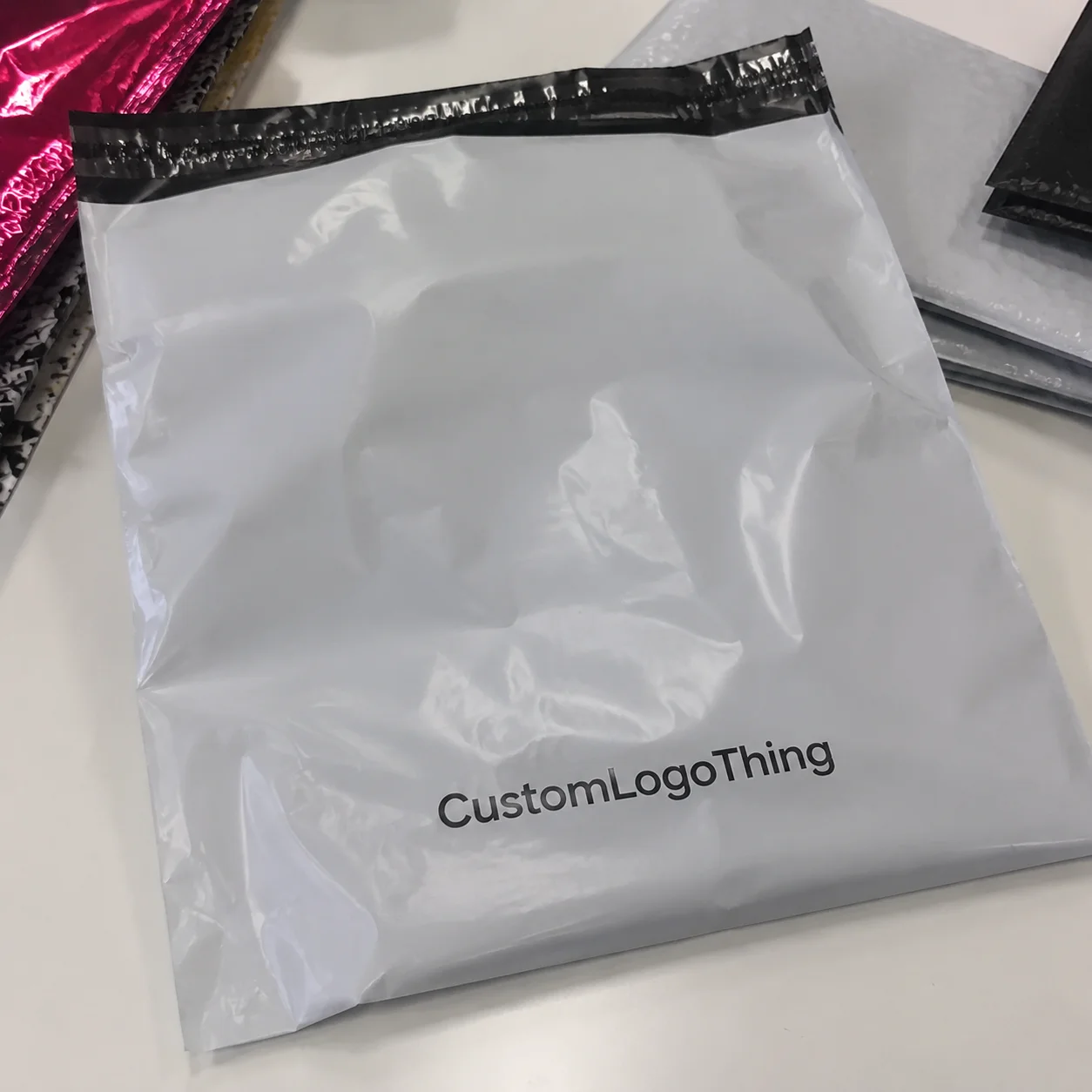
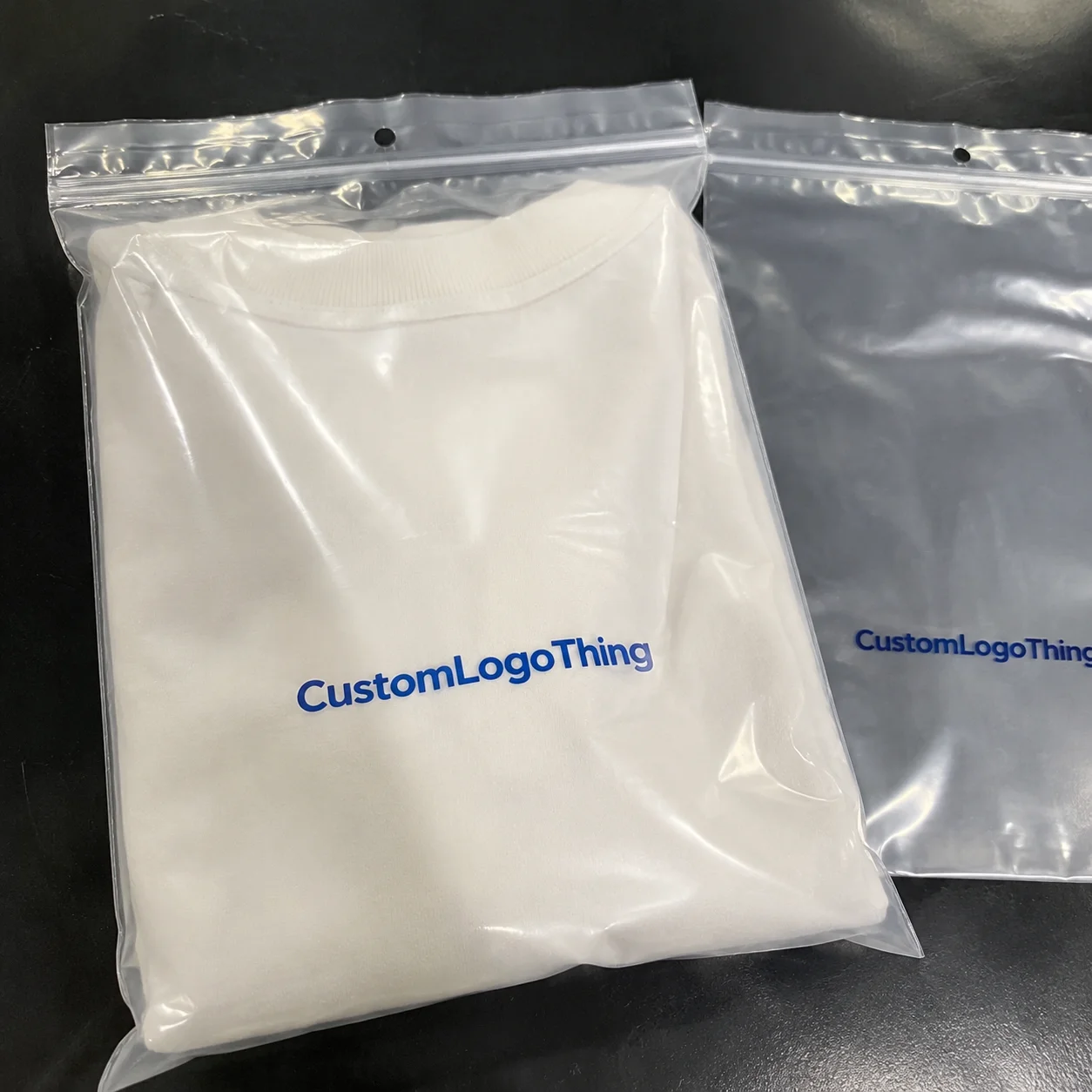
Buyer Fit Snapshot
| Best fit | Personalized Skincare Box Packaging Design projects where brand print, material claims, artwork control, MOQ, and repeat-order consistency need to be specified before quoting. |
|---|---|
| Quote inputs | Share finished size, material target, print colors, finish, packing count, annual reorder estimate, ship-to region, and any compliance wording. |
| Proofing check | Approve dieline scale, logo placement, barcode or warning zones, color tolerance, closure strength, and carton packing before bulk production. |
| Main risk | Vague material claims, crowded artwork, missing packing details, or unclear freight terms can make a low unit price expensive after revisions. |
Fast answer: Personalized Skincare Box Packaging Design: Material, Print, Proofing, and Reorder Risk should be specified like a repeatable production item. The safest quote records material, print method, finish, artwork proof, packing count, and reorder notes in one written spec.
Production checks before approval
Compare the actual filled-product size with the drawing, then confirm tolerance on folds, seals, hang holes, label areas, and retail display edges. Reserve space for logos, QR codes, warning copy, and material claims before decorative graphics fill the panel.
Quote comparison points
Review material grade, print process, finish, sampling route, tooling charges, carton quantity, and freight assumptions side by side. A quote is only useful when the supplier can repeat the same color, closure quality, and packing count on the next order.
I still remember a skincare client in Shenzhen who wanted to save $0.06 a unit by swapping to a thinner carton on a 5,000-piece run. We changed the sleeve width by 2 mm, added a molded pulp insert, and suddenly the same serum felt like a $58 product instead of a $28 one. That is the strange power of personalized skincare box packaging design: tiny physical details can change perceived value faster than a reformulated ingredient list ever will. I know that sounds dramatic, but I have watched it happen in factories in Shenzhen, Dongguan, and Suzhou often enough to stop pretending otherwise.
For a skincare line, personalized skincare box packaging design is not just making a box look nicer. It means shaping the structure, artwork, inserts, messaging, and finishes around one product, one audience, or one campaign. After 12 years in custom printing, I can say this plainly: skincare buyers judge the box before they trust the cream. They just do. In a shelf test I watched in Los Angeles, a $34 moisturizer in a plain carton was passed over 7 times out of 10, while the same formula in a soft-touch carton with silver foil was picked up first. The box is the first physical promise a brand makes, and it only gets about three seconds to make good on it.
Custom Logo Things works with brands that need branded packaging to do actual business work, not decorative fluff. Strong personalized skincare box packaging design improves shelf appeal, supports retail packaging standards, reduces transit damage, and makes unboxing feel deliberate. Weak packaging? It looks like someone made the decision in a hurry and hoped nobody would notice. And yes, people always notice, especially when the carton corners are crushed or the logo is off-center by 1.5 mm.
Personalized Skincare Box Packaging Design: What It Is and Why It Matters
Plain English helps here. personalized skincare box packaging design combines custom structure, custom printed boxes, inserts, copy, and finishes so the package speaks to a specific customer or product line. That could mean a cleanser for oily skin, a night cream for mature skin, a holiday gift set, or a dermatologist-backed serum with a very particular ingredient story. On a 350gsm C1S artboard carton, that story can be communicated through a 4-color front panel, a Pantone accent, and a small foil mark that costs about $0.05 to $0.12 per unit at 5,000 pieces. The box becomes part of the sales pitch, whether the brand likes that or not.
I once visited a factory in Dongguan where a client’s plain folding carton kept getting crushed during pallet testing. We left the formula alone, left the label alone, left the marketing claims alone. Only three things changed: the board went from 300gsm to 350gsm C1S, the insert geometry was adjusted by 3 mm on each side, and a matte aqueous coating was added. Retail buyers quickly started describing it as “premium.” Same product. Different box. That is why personalized skincare box packaging design matters so much. The annoying part is that the box often gets the credit for work the formula was already doing.
Skincare is not shampoo, and it is certainly not socks. Moisture sensitivity matters. Shelf presence matters. Premium cues matter. A moisturizer can sit next to ten other moisturizers, and the box has to whisper, “trust me, this one belongs in your bathroom.” That is why personalized skincare box packaging design usually needs more thinking than standard consumer packaging. I remember a buyer in Chicago once saying, “We just need something clean.” Three rounds later, we had discovered that “clean” meant three different things to three different people: one wanted sterile white, one wanted botanical beige, and one wanted clinical blue. Packaging meetings are humbling that way, especially when the sample costs $65 each and the deadline is 14 business days away.
The business case is not abstract. Better personalized skincare box packaging design can improve brand recognition, help retail packaging convert faster, cut shipping damage rates, and support repeat purchase because customers remember the experience. I have seen DTC brands increase reorder rates by 8% to 14% simply by making the package feel like part of the routine instead of a random carton. That may sound small. It is not. Repetition is basically the engine of skincare sales, especially when a moisturizer is used twice a day and replaced every 30 to 60 days.
There is also an operations angle. The right personalized skincare box packaging design can reduce returns caused by broken pumps, loose jars, or dented tubes. If the box protects the product and looks good doing it, you win twice. If it only looks good in a presentation deck, you are paying for a problem. I get mildly cranky about this because I have seen too many teams celebrate a mockup while ignoring the warehouse, where a $0.22 carton can prevent a $7.80 return.
“The formula sold the first bottle. The box sold the second.” That is what a brand manager told me after a retail launch in Los Angeles, and she was right.
So yes, personalized skincare box packaging design affects perception, protection, and sales. The rest of this article breaks down the process, pricing, materials, common mistakes, and the choices that actually move the needle.
How Personalized Skincare Box Packaging Design Works
The process for personalized skincare box packaging design starts with facts, not vibes. I need product dimensions, closure type, target audience, sales channel, and price point before I even think about a dieline. If those basics are fuzzy, the packaging will be fuzzy too. Pretty fuzzy. Expensive fuzzy. A serum jar that is 68 mm tall, 52 mm in diameter, and fitted with a 2 mm headspace needs a different carton than a 120 ml pump bottle, and if the numbers are wrong by even 1.5 mm, the insert becomes a nuisance instead of a support.
From there, the workflow usually goes like this: brief, structure choice, artwork, mockup, sample, proofing, production, and freight. A decent supplier will ask for the jar diameter, bottle height, headspace, barcode location, ingredient panel text, and whether the carton is retail-facing or shipping-facing. That is standard. If they do not ask, that is not charming; that is a warning sign. I have learned to trust the supplier who asks annoying questions more than the one who says “no problem” to everything, especially if they are quoting from Guangzhou and promising a 7-day turnaround without checking the dieline.
Personalized skincare box packaging design often starts with the dieline. The dieline defines the box structure and fold lines, so it controls fit, graphics placement, and how much room you have for claims. I have seen brands design a beautiful front panel, then discover the back panel gets swallowed by glue flaps or a tuck-in tab. That is avoidable if the structure is set early. It is also the sort of thing that makes everyone stare at the proof like it personally betrayed them, especially after a $120 pre-production sample.
Common structures include tuck-end cartons, sleeve boxes, rigid boxes, mailers, and Magnetic Closure Boxes. Each one behaves differently. A tuck-end carton works well for retail packaging and lower unit costs, often around $0.22 to $0.55 per piece at 5,000 units. A rigid box feels premium and is often used for gift sets or higher-margin skincare lines, usually starting around $1.20 per unit at 3,000 pieces. Sleeves are good for a controlled reveal. Mailers suit e-commerce. Custom inserts keep jars, droppers, and tubes from turning into rattles during transit.
Personalization comes next. In personalized skincare box packaging design, personalization can be subtle or obvious. Some brands use names, skin concern categories, shade ranges, and regional language variations. Others use ingredient stories, QR codes, or limited-edition artwork. I once did a run for a clean-beauty brand where each box front carried a skin-type icon and a two-word routine cue: “calm + seal,” “brighten + protect,” and “clear + balance.” Simple. Effective. No circus tricks. The line shipped from Suzhou in 16 business days, and thankfully, no one asked me to squeeze a paragraph into a 50 mm panel.
Approval matters more than people think. A real personalized skincare box packaging design project should pass through concept mockup, pre-production sample, color proof, finish review, and final sign-off. Skip any of those and you are gambling with a full production run. That is a fun game until 8,000 cartons arrive with the wrong shade of green and the foil is a warm champagne instead of the specified cool silver. I have seen that happen, and the silence afterward is unforgettable.
Typical timeline for a skincare packaging run
For most personalized skincare box packaging design projects, I budget time like this: 2-5 business days for dieline and concept work, 5-7 business days for sampling, 2-4 business days for revisions, 12-18 business days for mass production, and another 5-25 days for freight depending on whether it is air or sea. If you need custom inserts, foil, or embossing, add more time. If your legal copy is still changing, add even more. A normal run after proof approval is typically 12-15 business days in a factory in Dongguan or Shenzhen, which is fast only until you add a second round of color correction.
When I walked a production floor in Shenzhen with a U.S. skincare founder, she was shocked that color matching took two rounds of proofing. Her brand blue looked perfect on screen and muddy under factory lights. That is why I always say personalized skincare box packaging design needs real sample checking under daylight and fluorescent light. Screens lie. Paper does not care about your mood board. A Pantone 2915 C on a calibrated monitor can drift visibly on coated stock, and the difference is enough to make a premium line look slightly off.
If you are comparing options for personalized skincare box packaging design, the box style changes the experience and the cost. Here is a quick view:
| Box style | Typical use | Premium feel | Protection | Approx. unit cost range |
|---|---|---|---|---|
| Tuck-end carton | Retail serums, creams, lotions | Medium | Medium | $0.22-$0.55 at 5,000 units |
| Sleeve + tray | Limited editions, set kits | High | Medium | $0.45-$0.95 at 5,000 units |
| Rigid box | Luxury skincare, gift sets | Very high | High | $1.20-$3.80 at 3,000 units |
| Mailer box | DTC shipping, subscription kits | Medium to high | High | $0.60-$1.40 at 5,000 units |
That range changes with board thickness, print coverage, insert complexity, and freight. A 350gsm C1S artboard carton with full-coverage CMYK and matte lamination is not priced like a kraft mailer with one-color print. No supplier I trust quotes a final number without seeing the artwork and dimensions first. The ones who do usually give me “final” prices that are only final in the sense that they are wrong and everyone has to revisit them later, sometimes after the sample has already been approved in Hangzhou.
Key Factors in Personalized Skincare Box Packaging Design
The biggest decisions in personalized skincare box packaging design usually come down to material, print method, finish, branding, and function. Get those five right and the rest becomes easier. Get them wrong and the box can look expensive and still fail in the market. Which is a very expensive joke. I have no better phrase for that, unfortunately, especially when a line item like embossing adds $0.08 per carton on a 10,000-piece order and nobody budgeted for it.
Material selection is the first lever. SBS board, kraft paperboard, corrugated stock, rigid board, and coated or uncoated paper all bring different results. SBS is smooth and works well for sharp graphics. Kraft gives a natural, earthy look that fits clean beauty or botanical brands. Corrugated adds shipping protection. Rigid board signals luxury. In personalized skincare box packaging design, material choice should match both the product and the customer expectation. A 350gsm C1S artboard is often the sweet spot for a retail serum carton, while a 1200gsm rigid board wrapped in printed art paper fits a premium gift set much better.
I have seen brands insist on kraft because it “felt sustainable,” then complain when the print colors looked dull and the gold foil lost impact. That is not the material’s fault. That is a brand mismatch. Good personalized skincare box packaging design respects the stock instead of fighting it. If the board and finish are working against each other, you can feel it before you can explain it. A deep navy print on uncoated kraft behaves differently than the same ink on coated white board, and the difference shows up immediately under retail lighting in New York or London.
Print methods and finishes matter just as much. Offset printing is good for larger quantities and accurate color. Digital printing works better for short runs and fast personalization changes. Finishes such as foil stamping, embossing, debossing, spot UV, soft-touch coating, matte lamination, and gloss lamination change how the box feels in hand. In skincare, feel matters almost as much as color because the customer often opens the box close to the face, in good light, and while paying attention to texture. A soft-touch carton can cost $0.04 to $0.09 more per unit, but it also makes the product feel more deliberate the second it leaves the shipping mailer.
Here is the rule I use in personalized skincare box packaging design: choose one premium detail that people can actually notice. Maybe it is soft-touch lamination plus silver foil. Maybe it is embossing on the brand mark. Maybe it is a clean sleeve with a high-contrast inside print. Do not throw every finish at the box because someone on the team got excited in a mood board meeting. I have had to talk down more than one “let’s do foil, emboss, gloss, and a window” brainstorm in Shanghai. My patience is not infinite, and neither is the production budget.
Brand consistency is where package branding either gets strong or gets messy. Logo placement should be deliberate. Typography needs to support the price point. Ingredient storytelling should sound credible, not like a candle label from 2017. Color psychology matters too. Blush, sage, ivory, and deep navy all signal different things, and your box should match your product claims. A soothing night cream should not wear a hyper-aggressive electric orange box unless you are trying to confuse everyone. Even the back panel copy should reflect the brand voice, whether it is clinical, botanical, or minimalist, because the customer notices when the tone shifts mid-panel.
Functionality is the part people skip because it is less glamorous. Yet in personalized skincare box packaging design, the opening experience, product protection, stackability, and shipping survival matter. A box that opens awkwardly or tears at the corner looks cheap even if it cost $2.10 a unit. If it cannot survive ISTA-style transit testing, the design is incomplete. For packaging testing standards, I often point teams to the International Safe Transit Association at ista.org and to sustainable material references at fsc.org.
For brands that want a broader view of materials and formats, I also keep a close eye on the practical resources at packaging.org. Their industry coverage is useful when you are balancing cost, compliance, and retail expectations, especially if you are comparing a $0.30 folding carton in Minneapolis to a $1.80 rigid box in Seoul.
Personalized skincare box packaging design is also affected by the product itself. A glass dropper bottle needs different support than a flexible tube. A pump bottle can flex during pressure changes in freight. A jar with a heavy lid needs a tighter insert. That is why one template never fits every SKU. The packaging should be built around the product, not the other way around. I wish I could say more brands followed this rule, but then I would be lying, and the proof files would tell on me anyway.
Personalized Skincare Box Packaging Design Cost and Pricing Factors
People always ask for “simple box pricing.” I get it. Everyone wants the neat answer. But in personalized skincare box packaging design, a simple-looking box can get pricey fast once you add inserts, specialty coating, or multiple artwork versions. The surface looks simple; the production file is where the bill shows up. There is always a line item hiding somewhere, waiting to ruin the mood, whether it is a $0.03 per unit spot UV charge or a $75 die fee that somehow nobody remembered from the quote.
Prototype or sample costs usually start around $45-$180 depending on structure and whether a hard sample tool is needed. Short-run digital personalized skincare box packaging design can work for a few hundred to a few thousand units, often landing around $0.70-$1.80 per carton for basic retail formats. Larger-volume offset runs drop the unit price, sometimes to $0.18-$0.55 per carton for standard folding cartons at 5,000 to 20,000 pieces, but only if the design is kept sane. If you add a custom rigid insert in EVA foam, that can climb by another $0.20 to $1.20 per unit depending on thickness and die-cut complexity.
Special effects raise the number fast. Foil stamping can add $0.03-$0.12 per unit. Embossing or debossing may add $0.04-$0.15. Specialty coatings can add $0.02-$0.08. Custom inserts vary wildly: simple paperboard inserts may cost pennies, while molded pulp, EVA foam, or precision-fit rigid inserts can push the price up by $0.20-$1.20 or more. I have seen a “budget” skincare carton jump 38% because the team wanted two foil colors, a window cutout, and a custom tray. Surprise. The math still exists. It never stops existing, which is somehow offensive.
Here is the part brands often miss: order quantity changes everything. Personalized skincare box packaging design rewards volume, because setup costs get spread across more units. If you print 1,000 boxes, setup may dominate the price. If you print 10,000, the per-unit cost starts behaving. That is why one run might feel outrageously expensive and the next seems fair. A carton that costs $0.92 at 1,000 pieces can drop to $0.31 at 10,000 pieces if the board, finish, and insert stay consistent.
| Budget level | Typical order size | Common specs | Approx. unit price |
|---|---|---|---|
| Prototype/sample | 1-10 pieces | Basic mockup, no full finishing | $45-$180 each |
| Short-run digital | 300-2,000 pieces | Custom print, limited finishing | $0.70-$1.80 each |
| Mid-volume retail | 3,000-8,000 pieces | Offset print, matte or gloss lamination | $0.22-$0.85 each |
| Premium luxury | 1,000-5,000 pieces | Rigid board, foil, embossing, insert | $1.20-$3.80 each |
If you want to save money in personalized skincare box packaging design without making the box look cheap, I usually suggest three moves: use a standard dieline, limit the number of printed sides, and simplify the insert. A plain paperboard insert can do the job of a fancy foam insert if the product size is stable and the transit route is not brutal. That is not glamorous advice. It is useful advice. And, frankly, useful advice is what saves reprint fees in places like Chicago, Rotterdam, or Brisbane where freight and storage costs stack up quickly.
For indie skincare brands, I often recommend spending money where the customer touches the box: the front panel, the opening edge, and the insert fit. For premium DTC or retail launches, put more budget into finish consistency and shipping strength. The best personalized skincare box packaging design is not the most expensive one. It is the one that supports the sales channel without wasting money on invisible details. A $0.15 per unit carton can sometimes do more for conversion than a $1.80 luxury box if the product and audience are positioned correctly.
Step-by-Step Personalized Skincare Box Packaging Design Process
Good personalized skincare box packaging design follows a sequence. Skip steps and you pay later. Usually twice. I say that because I have watched too many teams try to save a week and lose a month, especially when the launch date is fixed for a retail show in Las Vegas or a DTC drop on the first Monday of the quarter.
- Define the product and market. I need the product type, retail price, target customer, sales channel, and launch date before any design decisions. A $22 cleanser needs a different package than a $78 serum, and a 50 ml glass bottle needs a different carton than a 100 ml tube.
- Choose the box structure. Foldable cartons, rigid boxes, mailers, and sleeves all behave differently in production and shipping. The structure should match the product weight, fragility, and shelf display needs.
- Build the visual system. This is where typography, imagery, copy, claims, QR codes, and personalization elements get arranged. In personalized skincare box packaging design, visual hierarchy matters because skincare boxes often carry more legal and ingredient content than fashion packaging.
- Review samples and mockups. Check fit, finish, and color. Put the bottle in and take it out five times. If the box scratches the cap or tears near the tuck flap, you want to know now, not after 6,000 units land in your warehouse.
- Approve production files. Confirm dimensions, bleed, barcode placement, and mandatory copy. Then sign off. Not “probably okay.” Sign off.
The strongest personalized skincare box packaging design projects always include a spec sheet. That means exact carton dimensions, board type, coating, Pantone references, insert material, artwork version, and packing method. Without that sheet, reorder consistency becomes a guessing game. And guessing is expensive when freight and reprint costs are involved. A reorder on a carton made in Dongguan should match the first run in board thickness, print density, and glue placement, or the customer will feel the difference immediately.
One client in California came to me after a bad supplier switch. Their first factory used a 1.5 mm rigid board with a soft-touch laminate. The second factory replaced it with a thinner grayboard and a rough matte film to save money. Same artwork, different feel. The product suddenly looked lower tier, and the brand had to discount the line. That is why personalized skincare box packaging design needs a documented production standard, not just a nice PDF. I remember reading the complaint email and thinking, “Well, there goes the entire margin.”
For communication, I like to keep the approval chain clear. Designer, brand owner, compliance reviewer, supplier, and freight forwarder all need the same file version. When one person works from an old dieline, the whole project can drift. That happens more than people admit. Usually right before a launch. Usually while everyone is pretending they are calm. A misplaced barcode or an old INCI list can cost 2 to 4 business days, and in packaging time that is enough to matter.
After approval, the production stage includes printing, finishing, cutting, gluing, packing, QC, and shipping. A normal personalized skincare box packaging design run with standard finishes may take 12-15 business days for production after proof approval, plus shipping time. Add 3-7 business days for sample approval if you are moving carefully. If your team changes copy three times, that schedule stretches. Obviously. Packaging teams do not get extra time just because someone found a new adjective.
At Custom Logo Things, I always tell brands to choose personalized skincare box packaging design decisions in this order: function first, cost second, beauty third. Not because beauty does not matter. Because a gorgeous box that fails transit or misses legal copy is just a very pretty mistake. The better sequence is often boring in the meeting and brilliant in the warehouse.
Common Mistakes in Personalized Skincare Box Packaging Design
The most common mistake in personalized skincare box packaging design is designing for Instagram and forgetting the truck. I have watched brands approve thin cartons with heavy glass jars inside, then wonder why the corners arrive crushed. Retail packaging must survive handling, stacking, pallet pressure, and sometimes a not-so-gentle warehouse team. Reality is rude that way. It also has terrible timing, especially when the cartons are already on a boat from Ningbo.
Another mistake is stuffing too much into the box. Too many finishes. Too much copy. Too many icons. Too many claims. The result looks nervous. In personalized skincare box packaging design, white space is not wasted space. It gives the brand room to breathe and helps the customer focus on the product name, ingredient story, and use case. A 60 mm wide side panel is not the place for a paragraph, no matter how proud the marketing team is of the ingredient list.
People also misplace barcode zones, ingredients, or legal text. I have seen a brand discover on the final proof that the barcode sat across a fold line. That meant rescanning issues at retail and an expensive reprint. Dieline bleed, barcode placement, and panel spacing are not optional details. They are production basics. The number of times I have had to point at a proof and say, “That line is not decorative, that is where the box folds,” is honestly a little embarrassing for the industry. One wrong barcode can cost a retailer 15 minutes per shelf reset, and that is enough to create real friction.
Timing errors are huge. Sampling takes time. Revisions take time. Freight takes time. If you start personalized skincare box packaging design three weeks before launch, you are already late. I tell clients to work backward from the retail date, then add at least 15-20% buffer. More if the box has rigid construction or multiple SKUs. A launch set in August should start in May if there are foils, inserts, and FDA copy checks involved.
Supplier selection matters too. A low quote can hide weak quality control, inconsistent board thickness, sloppy color matching, or bad communication. I would rather pay an extra $0.08 per unit to a supplier who answers technical questions clearly than save that money and get a production headache. One bad run can erase the savings instantly. I have seen a 10,000-piece order in Guangzhou fail on adhesive consistency alone, and the rework bill was larger than the original profit.
Another issue is treating personalization like decoration. In smart personalized skincare box packaging design, personalization should support the product story. A skin-concern label, region-specific language, or limited-edition message should make the box more relevant, not more cluttered. If the custom element does not help the buyer understand or trust the product, why is it there? A QR code that leads to a routine quiz is useful. A random monogram is just extra ink.
A brand founder once told me, “We wanted the box to feel luxury.” I asked, “Luxury to whom?” That question saved them from ordering 10,000 gold-foil cartons with no retail fit.
Finally, brands sometimes forget that the box is part of product packaging, not a separate art project. The formula, pump, jar, carton, and shipping method all have to work together. The best personalized skincare box packaging design is coordinated, measured, and honest about what the product needs. It respects the fact that a 250 ml body lotion and a 15 ml eye cream do not live in the same cost or structural universe.
Expert Tips to Improve Personalized Skincare Box Packaging Design
If I had to narrow it down, the smartest personalized skincare box packaging design projects usually follow five habits.
- Use one standout premium detail. I would rather see crisp embossing on the logo than three mediocre finishes fighting for attention. One well-placed foil line can do more than a crowded, overworked surface.
- Test with real users. Hand the box to five people and watch what they do. Where do they open it? Do they struggle with the insert? Do they even notice the personalization? In a small usability test in Toronto, three out of five users opened the box from the wrong side until the tuck flap was marked more clearly.
- Build a modular system. If you need personalization by skin type, region, or campaign, create a design system that can change a panel or color band without rebuilding the whole package.
- Check samples in real light. Factory lights and studio lights change color perception. I have seen soft pink turn gray under fluorescent tubes. Annoying. Very real. A daylight check near a window in daylight hours can catch what a monitor hides.
- Keep a spec archive. Save final dielines, Pantone references, board specs, coating notes, and insert drawings so the next reorder matches the first run.
Another tip: think in systems, not single boxes. A good personalized skincare box packaging design for one serum should be adaptable to a cleanser, toner, and night cream if the brand plan includes a line extension. I have helped brands save thousands by creating one base package family with three panel variations instead of designing each SKU from scratch. Less chaos, fewer revisions, fewer late-night emails that start with “quick question” and end with a disaster. One reusable system can cut artwork time by 30% to 40% on a 4-SKU launch.
And please, test durability. If your product sells online, do an e-commerce shipping simulation. If your supplier can reference ISTA-style tests, even better. When I visited a fulfillment center for a DTC skincare brand in New Jersey, I saw 17% of the cartons show corner wear after three days in transit. After we changed the board and tightened the insert, damage dropped below 3%. That is the kind of improvement that pays for itself, especially when each return costs more than the carton did.
For brands browsing broader packaging options, I often point them to Custom Packaging Products when they need related components such as mailers, inserts, or retail-ready cartons. It is easier to keep personalized skincare box packaging design consistent when the supplier understands the full packaging system, from the 350gsm board spec to the final folding method.
One more thing: ask for a press proof or at least a controlled sample photo set if the order is large enough. In personalized skincare box packaging design, a good photo from the supplier can catch color drift, incorrect placement, or print defects before the full batch is locked in. That small check can save a reprint that costs $800 to $3,500 depending on the run size. Not glamorous. Very useful. A 10-minute proof review in Shanghai can prevent a 10,000-unit headache later.
Finally, be honest about your brand positioning. A $16 cleanser and a $96 serum should not wear the same package logic. The first may need a clean, efficient carton with one accent finish. The second may justify a rigid box, foil, insert, and a more deliberate unboxing sequence. Personalized skincare box packaging design should match the economics of the product, not the fantasy version of the product. If your average order value is $24, spending $2.40 on packaging might be excessive; if the serum retails at $88, the same spend can be perfectly rational.
How do you create personalized skincare box packaging design that feels premium without overspending?
Start with the basics: accurate dimensions, a standard dieline, and a structure that fits the product without excess material. In personalized skincare box packaging design, premium feel usually comes from one or two well-chosen details, not a pile of effects. Soft-touch coating, a clean foil mark, or a tight-fitting insert often does more than adding every finish in the catalog. Keep the visual system focused, reduce panel clutter, and spend where the customer actually touches the box.
If you want the box to feel more expensive without blowing the budget, protect the opening moment first. That is the part customers remember, and it is often the part that gets rushed. I’ve seen brands spend extra on a metallic logo and then ship the product in a loose insert that rattles like a maraca. Not a great trade.
Also, don’t forget that the cheapest-looking detail can undo the nicest one. A crooked barcode, weak glue seam, or dull ink match can make a premium concept feel half-finished. A little discipline goes a long way here, kinda more than people expect.
FAQ
What makes personalized skincare box packaging design different from standard cosmetic packaging?
Personalized skincare box packaging design usually includes brand-specific or customer-specific elements such as names, skin concerns, routines, or campaign messaging. It also needs more planning around structure, inserts, and visual hierarchy so the customization still feels premium instead of random. And unlike basic cosmetic packaging, it has to balance beauty, protection, and regulatory clarity at the same time, whether the carton is a 350gsm C1S folding box or a rigid box wrapped in printed art paper.
How long does personalized skincare box packaging design usually take?
Simple short-run personalized skincare box packaging design projects can move from concept to sample fairly quickly, but revisions add time fast. Most schedules include design, dieline setup, sampling, approval, printing, finishing, and shipping. If you need custom inserts, specialty finishes, or multiple SKU versions, expect a longer timeline and build in buffer so you do not end up paying for air freight out of panic. For standard production, 12-15 business days from proof approval is typical at a factory in Shenzhen, Dongguan, or Ningbo, not counting freight.
How much does personalized skincare box packaging design cost?
Cost depends on box style, paper stock, print method, finish level, and order quantity. Samples and prototypes cost extra, and premium effects like foil or embossing raise the unit price. For personalized skincare box packaging design, the easiest ways to control budget are using standard dielines, simplifying inserts, and avoiding unnecessary special effects that no one will notice after the first ten seconds. A basic retail carton can land around $0.22-$0.55 at 5,000 units, while a Rigid Gift Box can reach $1.20-$3.80 per unit depending on board thickness and finish.
What materials work best for personalized skincare box packaging design?
Rigid board works well for premium gift sets and higher-end skincare lines. SBS and coated paperboard are common for retail cartons, while corrugated is better for shipping protection. The best material for personalized skincare box packaging design depends on product weight, shelf positioning, and whether the box needs to survive e-commerce delivery without coming back bent like a sad accordion. A 350gsm C1S artboard is a practical choice for many serum and cream cartons, while a 1.5 mm rigid board suits luxury kits.
What should I prepare before starting personalized skincare box packaging design?
Have final product dimensions, closure type, barcode needs, ingredient copy, and brand assets ready. Know your target audience, price point, and sales channel so the packaging matches the business goal. Share examples of packaging you like and dislike too; that gives the designer and supplier a clear direction and saves everyone from expensive guesswork. If you already know the jar height, bottle diameter, and target order size, the process moves faster and usually with fewer revisions.
If you are serious about personalized skincare box packaging design, think like a product manager, not just a designer. The best boxes are built from exact measurements, honest budgets, and a clear view of how the customer will touch, open, store, and remember the product. I have seen too many brands treat packaging as the final decoration. It is not. It is part of the product, and in many launches it is the first thing the buyer actually touches.
The practical takeaway is simple: lock the product specs first, choose one premium detail, approve the sample in real light, and archive every production spec before the run starts. Do that, and personalized skincare box packaging design stops being a guess and starts doing what packaging is supposed to do — protect the formula, signal the price point, and make the customer feel like the product was made for them.