Buyer Fit Snapshot
| Best fit | Custom Magnetic Closure Boxes Wholesale projects where brand print, material claims, artwork control, MOQ, and repeat-order consistency need to be specified before quoting. |
|---|---|
| Quote inputs | Share finished size, material target, print colors, finish, packing count, annual reorder estimate, ship-to region, and any compliance wording. |
| Proofing check | Approve dieline scale, logo placement, barcode or warning zones, color tolerance, closure strength, and carton packing before bulk production. |
| Main risk | Vague material claims, crowded artwork, missing packing details, or unclear freight terms can make a low unit price expensive after revisions. |
Fast answer: Custom Magnetic Closure Boxes Wholesale: Board, Finish, Dieline, and Unit Cost should be specified like a repeatable production item. The safest quote records material, print method, finish, artwork proof, packing count, and reorder notes in one written spec.
Production checks before approval
Compare the actual filled-product size with the drawing, then confirm tolerance on folds, seals, hang holes, label areas, and retail display edges. Reserve space for logos, QR codes, warning copy, and material claims before decorative graphics fill the panel.
Quote comparison points
Review material grade, print process, finish, sampling route, tooling charges, carton quantity, and freight assumptions side by side. A quote is only useful when the supplier can repeat the same color, closure quality, and packing count on the next order.
Custom Magnetic Closure Boxes Wholesale: Why Buyers Choose Them
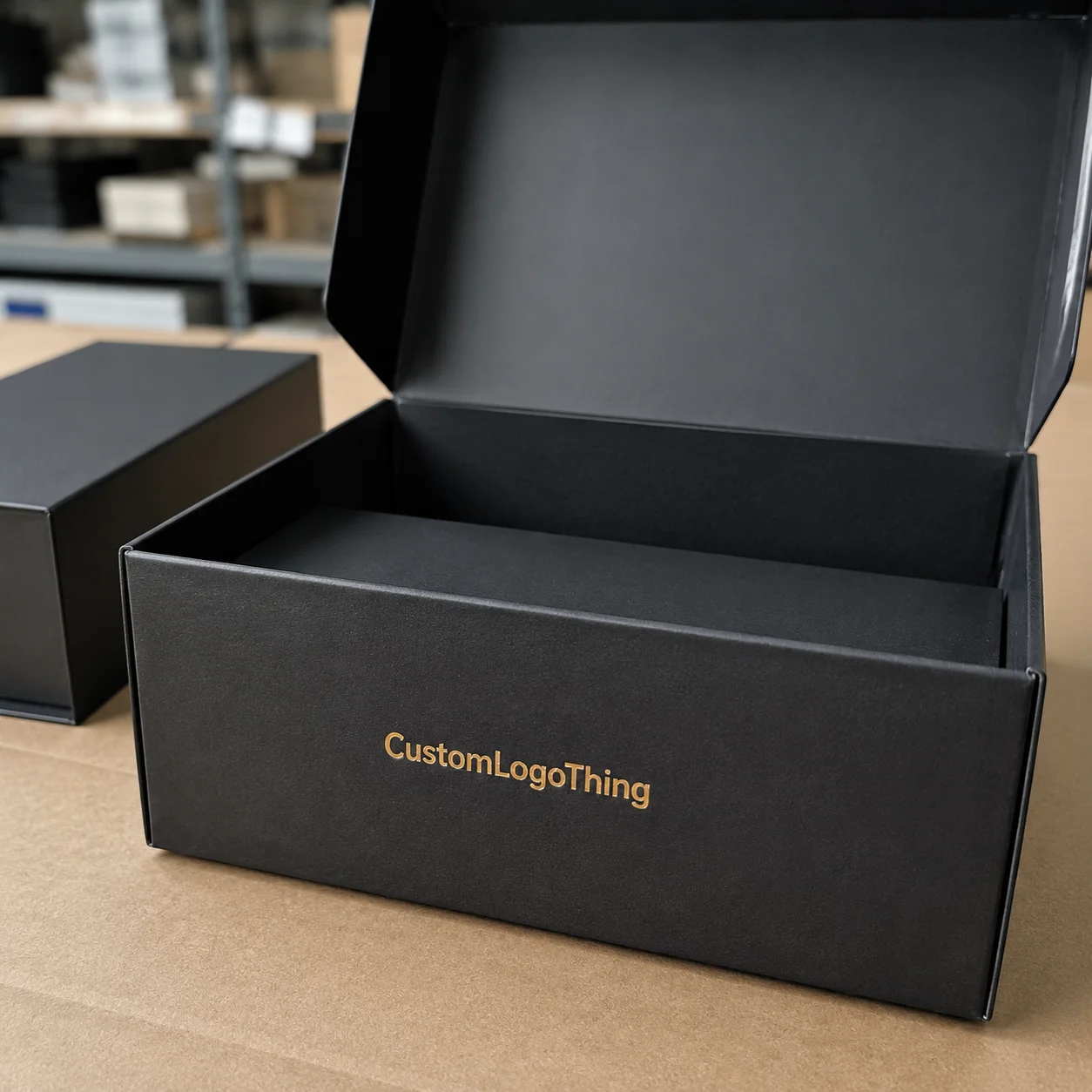
I’ve watched a buyer lift a plain carton, then lift a rigid box with a magnetic flap, and the conversation changed in under five seconds. That reaction is exactly why custom Magnetic Closure Boxes wholesale keeps showing up in gift, cosmetics, tech, and luxury procurement meetings in Los Angeles, New York, Shenzhen, and London. The product inside did not change. The perceived value did. A rigid box with a 1.8mm board core and a crisp magnetic catch can make the same item feel like a different category altogether.
Honestly, I think that’s the part packaging people pretend is mysterious when it really isn’t. You are buying a box that helps a product feel more complete at scale, without sending every unit into wasteful packaging spend. In my experience, brands do not choose Custom Magnetic Closure boxes wholesale because they are emotionally attached to magnets, though I admit the snap is satisfying. They choose them because the box supports shelf appeal, protects the product better than a 400gsm folding carton, and creates a cleaner unboxing sequence from warehouse to doorstep. If your order is 2,000 units or 20,000, the structure has to work the same way every time.
At a client meeting last spring, a skincare brand showed me two options side by side: a standard tuck box and a rigid Magnetic Gift Box. The product cost was the same, but the magnetic box made the set look like a $120 premium bundle instead of a $68 routine kit. That is package branding doing real work. And yes, that matters when retail margins are tight and the box has to justify its own existence. If the packaging looks cheap, the whole offer can start to wobble. I’ve seen that happen, and it’s annoying every single time. On a shelf in Dallas or a Shopify drop in Toronto, the first impression is still a pricing event.
Compared with lighter folding cartons, custom magnetic closure boxes wholesale has more board weight, more structure, and a higher perceived value. Compared with fully bespoke display systems, though, it is often the more practical route for premium presentation. You get rigid construction, repeatable branding, and a strong closure system without paying for a display-ready structure that may be overbuilt for shipping. That middle ground is where a lot of smart brands live, especially when they are ordering 500, 1,000, or 5,000 pieces from factories in Dongguan, Shenzhen, or Qingdao.
Who buys them wholesale? Brands with multiple SKUs. Agencies managing launch kits. Subscription companies sending seasonal sets. Corporate gifting teams ordering 500 to 5,000 units at a time. Retailers who need the same branded packaging across fragrance, accessories, and limited-edition products. Once an order climbs beyond a few hundred pieces, custom magnetic closure boxes wholesale stops being a nice extra and starts shaping margin, consistency, and risk. A difference of $0.18 per unit on 5,000 boxes is $900, which is not trivial when a campaign budget is already locked.
“The box should protect the product, but it should also sell the product before anyone opens it.” That was a line a luxury accessories buyer gave me in a factory review in Shenzhen, and it stuck because it is exactly how the best wholesale packaging performs.
The value proposition is plain. A rigid magnetic box protects the item, helps the customer feel they received something premium, and keeps the experience cleaner for fulfillment teams. I’ve seen warehouse staff prefer it too, because a well-designed custom magnetic closure boxes wholesale order stacks better, labels cleaner, and holds shape more reliably than flimsy alternatives. There’s a reason the people packing the boxes often have the clearest opinions: they know where the headaches are, down to the millimeter.
Custom Magnetic Closure Boxes Wholesale: Product Details and Build Options
Construction is where many buyers underestimate the difference between boxes that merely look premium and boxes that perform consistently. A typical custom magnetic closure boxes wholesale order starts with a rigid board core, usually 1.5mm, 2mm, or 2.5mm grayboard, then wrapped in printed paper or specialty stock, then finished with a magnetic flap that snaps into position. Depending on the project, the insert can be EVA foam, cardboard, satin-lined board, molded pulp, or a custom-cut platform that locks the product in place. For a 350gsm C1S artboard wrap, the print side can stay clean while the inside stays rigid and durable.
I remember standing at a production table in Dongguan and watching a line of operators test magnet placement with a simple pull-and-close motion. A two-millimeter shift changed the feel from crisp to sloppy. That is why good custom magnetic closure boxes wholesale production depends on alignment, not just print quality. If the flap lands off by even a small amount, the closure feels weak and the entire package loses polish. Packaging can be unforgiving like that. Tiny error, big mood. On a batch of 3,000 units, a misaligned magnet is not a detail; it is a claim issue.
Buyers ask for a few styles again and again. Book-style magnetic boxes open like a hardcover and work well for tech accessories, fragrance sets, and brand kits. Foldable rigid boxes reduce shipping volume before assembly and can cut carton cube by as much as 30% compared with fully assembled rigid shells. Lift-lid versions with magnetic shut create a more ceremonial reveal. Double-door presentation formats suit jewelry, influencer kits, and launch boxes where the interior has to carry the story as much as the exterior. A jewelry brand in Milan, for example, may choose a book-style shell in 2mm board with a velvet tray, while a cosmetics brand in Seoul may prefer a foldable format to reduce freight.
Finish options matter because the box is part of the product packaging, not separate from it. Matte lamination feels restrained and clean. Gloss has more reflectivity and a sharper retail presence. Soft-touch creates a velvety hand feel that many beauty and luxury brands like because it signals premium without shouting. Spot UV highlights logos or patterns. Embossing and debossing add tactility. Foil stamping, especially in gold, silver, black, or holographic tones, can elevate the same structural box with minimal design changes. On a 1,000-piece run, a gold foil logo may add only a few cents per unit, while a full-coverage special paper can move the quote much more sharply.
Custom internal printing is another detail that buyers often overlook. I’ve seen brands use inside-lid messaging to support campaign storytelling, QR codes for product registration, or simple brand copy that ties the set together. In custom magnetic closure boxes wholesale, the inside is free brand real estate if you use it deliberately. And if you do not, that’s just leaving money and impact on the table, which always irritates me a bit. A printed inside lid in a box made in Shenzhen can cost less than a reprint of a single product leaflet in Chicago.
Size customization is where the project becomes practical. A perfume set may need a tall, narrow cavity with a satin insert. A skincare kit may need a wider format with two or three cutouts for jars and droppers. Jewelry usually needs a tighter fit and a softer insert. Electronics accessories often need a clean, modular tray so the cables do not shift in transit. Corporate gift sets can combine bottles, cards, and collateral in one box if the insert is designed carefully. I’ve seen a 220mm x 180mm x 60mm shell work beautifully for a three-item PR kit, while a 300mm x 240mm x 80mm format was better for a premium speaker and cable set.
The strongest packaging design respects how the product travels. It starts on the packing line, rides through transit, and still looks intentional when opened at the destination. That is where good packaging design earns its keep, and it is where custom magnetic closure boxes wholesale proves its worth. A box that holds its shape after 12 to 15 business days of production and another 4 to 7 business days of sea or ground transit is doing more than looking nice.
Common build choices buyers compare
- Rigid board core: usually chosen for structure and premium feel, often 1.5mm to 3mm depending on product weight and shipping distance.
- Paper wrap: printed art paper, textured stock, or specialty paper for a more tactile finish; 350gsm C1S artboard is common for wrap applications.
- Magnetic closure: embedded magnets positioned in flap and front wall for a defined shut, typically one or two 10mm to 15mm magnets per box.
- Insert formats: foam, paperboard, molded pulp, satin-lined platforms, or EVA cutouts sized to the exact product cavity.
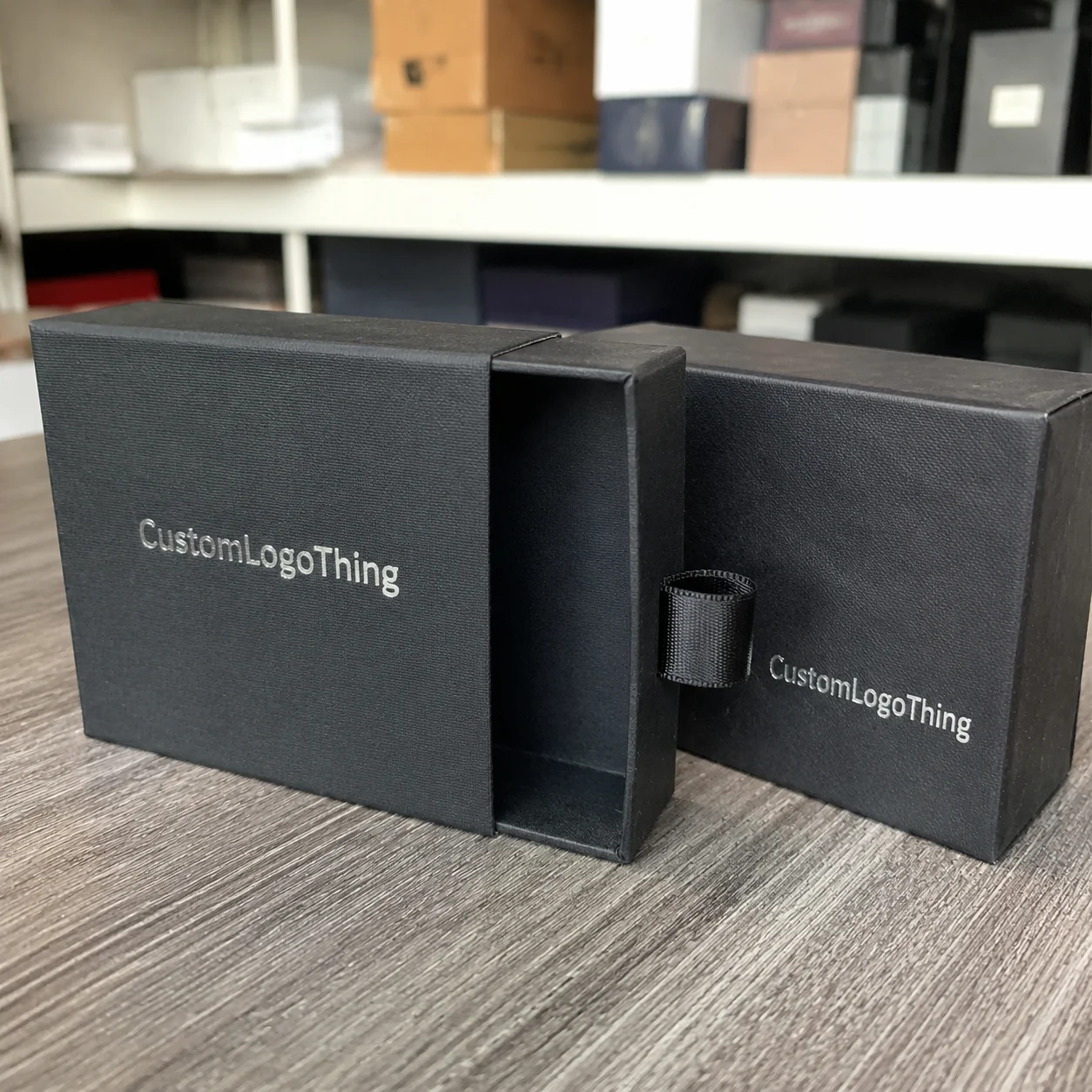
- Branding details: logo embossing, foil, sleeve wraps, ribbon pulls, and interior print copy for retail or gifting launches.
At a supplier negotiation in Dongguan, a cosmetics buyer nearly dropped foil stamping because the per-unit jump looked too steep on paper. Once we compared a plain printed version against a soft-touch + foil logo version across 8,000 units, the extra cost worked out to pennies per box relative to the product margin. That is the kind of comparison that makes custom magnetic closure boxes wholesale easier to justify. It is not just box cost. It is margin behavior. I’ve had to make that case more times than I can count, and usually the math wins once everyone stops staring at the first quote like it insulted them personally.
What Should You Check Before Ordering Custom Magnetic Closure Boxes Wholesale?
Before you sign off on custom magnetic closure boxes wholesale, confirm the core specs in writing. Do not rely on a reference photo alone. The most common details to lock are board thickness, outer paper type, exact dimensions, magnet strength, insert type, and surface finish. If those are vague, the quote may look competitive at first and become expensive later through revisions or rework. Ask for the dieline size in millimeters, not just inches, because a 2mm mismatch can affect fit on a 1500-piece run.
Board thickness changes everything. A thinner rigid board can bring cost down, but it also reduces crush resistance and changes the way the box feels in hand. A thicker board gives more structure and a stronger premium impression, especially for heavier product packaging such as glass jars, fragrance sets, or electronics kits. I usually tell buyers to think in terms of product weight and shipping stress, not just looks. A beautiful box that caves in during transit is not beautiful for long. A 2.5mm board can be the right choice for a 480g skincare set, while a 1.5mm board may be enough for a light jewelry item.
Dimensional tolerance is another issue that catches brands off guard. A few millimeters can affect closure strength, insert fit, and shipping efficiency. If the cavity is too loose, the product shifts. Too tight, and assembly slows down or the insert deforms. In my experience, buyers save money by approving a prototype with the actual product inside rather than trusting a dieline alone. I know, I know—everyone wants to skip the sample stage because it feels slow. Then the box arrives and someone says, “Why does this lid fight me?” and suddenly the slow step looks pretty smart. A prototype from a factory in Shenzhen or Dongguan usually exposes that problem before you’ve paid for 5,000 finished shells.
Eco specifications are now part of the buying conversation, not a side request. Many custom magnetic closure boxes wholesale projects can use recycled rigid board, FSC-certified paper, soy-based inks, and plastic-free insert options. If your brand makes sustainability claims, document them properly. Do not assume “eco-friendly” means the same thing across suppliers. Ask for the material spec sheet, then check whether the paper is FSC certified at fsc.org or whether the board includes recycled content you can verify. A supplier in Guangzhou may use 30% recycled grayboard, while another in Ningbo may offer FSC-certified outer paper only; those are not interchangeable claims.
For fragile or regulated products, compliance matters. Glass bottles need better shock protection. Cosmetics may need secondary packaging that supports retail presentation standards. Food-contact secondary packaging is a separate conversation and depends on the exact product contact path. For items that have to survive parcel shipping, test against recognized methods such as those outlined by the International Safe Transit Association. If a supplier cannot discuss shipping tests, that is a warning sign. A box that survives a 1-meter drop test in the factory yard is worth more than a polished sample with no transit data.
Request these items before production:
- Dieline files with exact dimensions and bleed.
- Prototype photos or a physical sample with the product inside.
- Insert sample to confirm fit and release force.
- Artwork proof showing logo position, color references, and finishes.
- Assembly instructions if the box ships flat or semi-folded.
I’ve had buyers tell me they wanted to skip sampling to save a week. Then they spent three weeks fixing a closure issue that a prototype would have caught in fifteen minutes. That is why custom magnetic closure boxes wholesale should always include proofing when the product is fragile, high value, or dimensionally sensitive. A 12-to-15-business-day production window from proof approval is normal for straightforward builds, but one bad assumption can double the calendar.
| Specification Area | Basic Option | Premium Option | Best For |
|---|---|---|---|
| Board thickness | 1.5mm rigid board | 2.5mm to 3mm rigid board | Light accessories vs heavier gift sets |
| Finish | Matte print | Soft-touch with foil or embossing | Everyday retail vs luxury positioning |
| Insert | Cardboard tray | EVA foam or molded insert | General retail vs fragile products |
| Closure | Single magnet | Dual magnet or stronger flap build | Standard presentation vs heavier lids |
| 1-2 color print | Full-coverage custom printed boxes with special effects | Budget-sensitive vs brand-led launches |
Pricing, MOQ, and What Drives Wholesale Cost
Pricing for custom magnetic closure boxes wholesale usually depends on size, board thickness, print coverage, finish selection, insert type, and order quantity. That sounds simple, but in the field I have seen three boxes with the same outer size priced very differently because one used a foil logo, one used a custom insert, and one required a specialty wrapped paper. Packaging cost is rarely about one variable. It is the sum of many small decisions. A box built in Qingdao with a 350gsm wrap and cardboard tray is not comparable to a box built in Shenzhen with soft-touch lamination and EVA foam, even if the outer dimensions match.
For buyers who want a working model, here is the rule that holds up most often: higher quantity lowers unit cost, while complex finishing raises it. That sounds obvious, but it is where negotiations usually start. A run of 5,000 units will almost always price better per box than 500 units because setup, tooling, and print prep get spread across more pieces. If a supplier quotes only one quantity, ask for tiered pricing at 1,000, 3,000, and 5,000 units. You will learn more from those breakpoints than from a single number. For example, a simple rigid box might land at $0.92 per unit for 5,000 pieces, while a soft-touch foil version may be closer to $1.35 to $1.80 depending on size and insert depth.
MOQ exists because rigid box production has fixed costs. Plates, die cutting, wrapping setup, magnet placement, and assembly prep all take time. If a run is too small, those costs push the unit price up fast. That is why custom magnetic closure boxes wholesale works best when the buyer can plan a run around real sales forecasts or campaign volume instead of guessing. A 500-piece order might be viable for a pilot launch, but a 5,000-piece order is usually where the per-unit quote starts behaving like wholesale instead of custom prototype pricing.
To give you a practical cost view, plain printed rigid boxes are usually cheaper than foil-stamped, embossed, multi-insert presentation boxes. A simple matte box with a cardboard insert may be materially lower in cost than a soft-touch box with a magnetic flap, foil logo, and die-cut foam tray. The difference is not cosmetic alone. It comes from labor, materials, and production steps. I’ve seen a 20% feature upgrade create a 35% unit cost jump, especially on smaller orders. Packaging math has a way of being rude, frankly. On a 2,000-piece run, adding spot UV, inside printing, and a ribbon pull can change the quote by several hundred dollars before freight.
Here is a simple pricing framework I use when advising buyers:
- Plain structure: rigid board, printed wrap, standard insert.
- Mid-tier presentation: soft-touch or matte finish, logo foil, upgraded closure feel.
- Premium presentation: special paper, embossing, custom foam, multi-compartment layout, internal print.
Hidden costs deserve attention. Proofing may be included or billed separately. Shipping can be significant because rigid boxes take space, even when packed efficiently. Import duties may apply depending on destination. If the box ships flat or semi-folded, assembly labor might land back on your team. Always ask what is included in the quote, not just the headline price. That is where wholesale packaging quotes often differ. A quote from a supplier in Guangzhou may look lower until you add inner cartons, palletization, and a 20-foot container split across multiple SKUs.
Budget planning should follow product margin, not wishful thinking. If your item sells for $24 retail and your margin structure is tight, a $1.80 box might be too heavy. If the item retails for $85 and depends on premium perception, the same box may be reasonable. A strong custom magnetic closure boxes wholesale program protects profit by matching packaging spend to the value of the product, not to vanity. If your landed packaging cost sits under 3% of retail on a $100 kit, the box usually has room to work.
What usually moves the price most
- Quantity: larger runs lower the per-unit cost; 5,000 pieces can price far better than 500.
- Board thickness: thicker rigid board costs more but improves durability.
- Printing method: more colors and more coverage increase setup and run complexity.
- Special finishes: foil, embossing, debossing, and spot UV raise finishing cost.
- Insert complexity: molded, custom-cut, or layered inserts cost more than simple trays.
When I was reviewing a wholesale quote for a corporate gift project, the client focused only on the per-box price and ignored freight. The boxes looked inexpensive until the pallet count doubled because of the rigid structure. That is why custom magnetic closure boxes wholesale needs a landed-cost view. The box price is one line. The total packaging cost is the real number. I wish that part were more glamorous, but it’s mostly spreadsheets and sighing. On a 5,000-piece order shipping from Shenzhen to Chicago, freight can erase the savings from a cheaper board grade if no one checks the cube.
From Artwork to Delivery: Process and Timeline
The standard workflow for custom magnetic closure boxes wholesale is predictable if you keep decisions tight. First comes the inquiry. Then the quote, followed by specification review, dieline setup, artwork approval, sample or proof stage, production, inspection, and shipment. If you know who signs off at each stage, projects move faster and with fewer mistakes. In a typical factory schedule, proof approval to finished production usually takes 12 to 15 business days for straightforward rigid boxes, while complex builds with foil, embossing, or custom inserts may take 18 to 25 business days.
In the field, the longest delays usually come from three things: missing dimensions, late artwork changes, and indecision about finishes or inserts. A box cannot be correctly engineered without the product dimensions. A printer cannot hit a clean result if the artwork arrives in the wrong file format. And a production team cannot build the right cavity if the insert choice keeps changing. That is not supplier drama. That is workflow reality. I’ve watched entire schedules drift because one team member kept saying, “Let’s just see another option.” That sentence has cost more money than some freight bills. A 2mm change in cavity size can force a revised dieline and add 2 to 3 business days before approval.
Timeline also depends on order size and complexity. Sample approval often takes longer than buyers expect because someone has to review the feel of the closure, check the print, and confirm the product fit. Final production depends on quantity and finish selection. If you ask for a full-coverage printed rigid box with foil, embossing, and a custom insert, the project naturally needs more time than a plain wrapped magnetic box. I avoid promising exact lead times unless the spec sheet is locked. A clean single-color box might ship in 10 to 12 business days after proof approval, while a premium multi-finish order can take 15 to 20 business days in a factory outside Shenzhen or Dongguan.
Artwork should be prepared in vector format, with bleed, safe zones, and logo placement confirmed before proofing. If you are using spot color standards, send Pantone references. If your brand is color-sensitive, specify where variation is acceptable and where it is not. I’ve seen a brand reject a full run because the navy interior printed slightly darker than the exterior reference, even though the variance was technically acceptable. That sort of issue is easier to solve before production starts. If your art file is prepared correctly on day one, you save more time than you ever will by skipping the proof.
Buyers can speed the schedule by appointing one spec owner, consolidating revisions, and approving quantity and finish choices early. Too many reviewers can slow a project by days. One decision-maker with a clear brief usually shortens the whole cycle. If your team needs a broader packaging roll-out, the internal coordination can benefit from an established supplier relationship through Wholesale Programs or a catalog of Custom Packaging Products that keeps spec choices consistent across SKUs.
Quality control should happen before shipment, not after the boxes land. Check closure strength, print alignment, magnet positioning, and insert fit. If the box will move through parcel networks, ask whether the supplier has test data or at least a transit method reference. The packaging industry has standards for a reason, and suppliers who work with shipping-sensitive product packaging should be able to speak in concrete terms, not just adjectives. For broader packaging best practices and sustainability context, the EPA recycling resource is useful, especially when you are weighing material choices against disposal claims. A supplier that can tell you the production timeline in business days, the ship date by port, and the inspection method by batch is usually worth listening to.
Why Choose Us for Custom Magnetic Closure Boxes Wholesale
We position ourselves as a manufacturing partner, not just a seller. That distinction matters. Buyers do not only need a box. They need guidance on structure, print, cost tradeoffs, and whether the packaging format matches the product in the first place. When a supplier understands those pieces, custom magnetic closure boxes wholesale becomes a controlled project instead of a guessing exercise. That is especially true when the work is split between design teams in New York and production teams in Shenzhen or Dongguan.
In my experience, the best wholesale suppliers answer three questions quickly: what will it cost, how will it look, and how long will it take. If a quote is vague on any of those, you are carrying too much risk. We keep the discussion grounded in specifications: size, board grade, finish, insert, magnetic style, and branding placement. That makes the ordering process far easier for procurement teams and brand managers who need clean answers before approval. A quote that states 1,000 pieces at $1.10 each, proof in 2 business days, and production in 12 to 15 business days is more useful than a paragraph full of adjectives.
We also know that customization depth matters. A launch kit for skincare is not the same as a jewelry gift box, and a corporate presentation set is not the same as a subscription unboxing format. The right custom magnetic closure boxes wholesale order should reflect the product, the shipping method, and the brand story. That can include size changes, soft-touch lamination, foil accents, custom internal messaging, ribbon pulls, and insert modifications. A 180mm x 120mm x 40mm jewelry box does not need the same insert strategy as a 280mm x 220mm x 90mm influencer kit.
A common mistake is assuming that one supplier can only either design or manufacture. Honestly, that split creates mistakes. If the design team does not understand the constraints of rigid box production, or if the production team never sees the brand objective, rework follows. When one team handles both spec and manufacturing, communication gets cleaner and the box arrives closer to what was approved. That is one reason many buyers prefer a single source for custom printed boxes and premium retail packaging. It also helps when the production site can be named clearly: Shenzhen for fast prototyping, Dongguan for high-volume assembly, or Guangzhou for mixed-format packaging.
Here is the practical benefit for wholesale buyers: faster decisions. When a team explains the cost difference between 1.5mm and 2.5mm board, or between a cardboard tray and an EVA insert, the buyer can choose based on facts. That is exactly the kind of support that helps packaging feel like an asset rather than a line-item headache. If you need a broader range of packaging design options across product lines, our Custom Packaging Products can help standardize the process without flattening the brand.
At our Shenzhen facility, I watched a quality team reject a batch because the flap magnets were slightly offset on the first dozen samples. That decision cost time, but it saved the client from shipping a box that would have felt uneven in hand. That is the level of attention buyers should expect from custom magnetic closure boxes wholesale. Not perfect words. Measured checks. And yes, I trust measured checks far more than confident guesswork. A factory that rejects a bad sample in Guangdong is usually a safer partner than one that praises everything and fixes nothing.
What to Do Next Before You Place an Order
Before you place a custom magnetic closure boxes wholesale order, measure the product carefully and decide how the box will ship. Flat, folded, or fully assembled each changes freight, storage, and assembly labor. If you are packaging a bottle, device, or multi-piece set, write down the largest dimension first. That one number often determines the internal structure. A 75mm diameter glass jar needs a different cavity than a 60mm aluminum tube, even before the finish is discussed.
Gather your brand assets before requesting a quote. Send logos in vector format, supply Pantone references if color matters, and include any finish examples that show the look you want. A soft-touch black box with silver foil behaves very differently from a natural-paper wrapped box with blind embossing. The clearer your references, the cleaner the quote for custom magnetic closure boxes wholesale. If your color target is Pantone 296 C, say so; if the inside lid can vary by one shade, say that too.
Compare at least two or three specification options. One may be lower cost but less protective. Another may feel more premium but push freight or MOQ higher. The right answer usually sits between the extremes. I’ve seen buyers save real money by adjusting insert type instead of lowering the box grade, and I’ve seen the opposite too. There is no universal rule; it depends on the item, the route, and the margin. A $0.15 per unit difference on 5,000 pieces equals $750, which is enough to matter in any launch budget.
If the product is fragile, high-value, or sensitive to fit, request a sample or prototype. That extra step is cheap insurance. It lets you test closure strength, insert engagement, and the way the box reads in hand. For premium launches, that test can shape the whole brand experience. Good retail packaging should support the sale before the product is even touched. A sample approved in 3 to 5 days can save a full reprint cycle later.
Most buyers get the best result when they treat custom magnetic closure boxes wholesale as a specification project, not a shopping cart item. Confirm the size, price tier, timeline, finish, and insert choice first. Then place the order with confidence. If those pieces line up, the box will do what it should: protect the product, support branded packaging, and make the customer feel the difference the moment they open it. That is true whether the cartons ship from Shanghai, Shenzhen, or a freight-forwarded warehouse in California.
FAQ
What is the typical MOQ for custom magnetic closure boxes wholesale?
MOQ depends on box size, print complexity, and construction, but wholesale rigid boxes usually require a minimum to cover setup and tooling. Larger runs generally lower the unit cost, so ask for pricing tiers at multiple quantities before ordering. For many projects, that means comparing 500, 1,000, and 3,000 units before you commit. I’d rather see a buyer ask three times than regret one rushed yes. In some factories in Dongguan or Shenzhen, 1,000 pieces is a practical starting point for a simple build, while premium finishes may begin at 3,000.
Can custom magnetic closure boxes wholesale be made with eco-friendly materials?
Yes, many suppliers can use recycled rigid board, FSC-certified paper, soy-based inks, and plastic-free insert options. Ask for sustainability specs in writing so the materials match your brand claims and retail requirements. If your team needs documentation, request the paper and board details before artwork is finalized. A common combination is recycled grayboard with FSC-certified wrap and water-based adhesive, which is easy to verify if the supplier names the mill or paper grade.
How do I choose the right insert for magnetic closure packaging?
Choose the insert based on product fragility, shape, and movement inside the box. Foam works well for delicate items, cardboard fits general retail products, and molded or custom-cut inserts suit precision packaging. For fragile glass or electronics, always test fit with the real item, not just a mockup. My honest opinion: if the product rattles, the insert is not done yet. A 2mm cavity adjustment can be enough to stop movement without raising the box grade.
What affects the price of custom magnetic closure boxes wholesale most?
The biggest cost drivers are quantity, board thickness, print coverage, foil or embossing, and insert type. Complex finishes and small runs usually cost more per box than simple printed designs in larger quantities. Shipping volume can also matter because rigid boxes occupy more space than folding cartons. A 5,000-piece run with a simple matte wrap may land near $0.85 to $1.20 per unit, while a premium build with soft-touch, foil, and EVA can move above that quickly.
How long does it take to produce custom magnetic closure boxes wholesale?
Timeline depends on proofing, sample approval, order size, and finishing requirements. The fastest projects happen when artwork, dimensions, and insert choices are finalized before production begins. If you need a firm schedule, lock your specs first and request the lead time in business days from proof approval. For straightforward rigid boxes, production is typically 12 to 15 business days after proof approval, while complex packaging can take 18 to 25 business days depending on the factory in Shenzhen, Dongguan, or Guangzhou.