Personalized Store Bags: Buy Smarter for Your Brand
Personalized store bags do more than carry a purchase from the counter to the car. They stay visible in the parking lot, on the sidewalk, and sometimes in another store long after checkout. That makes the bag part of the brand experience, not just packing material, so the spec should be chosen with the same care as the product inside.
What personalized store bags do for your brand
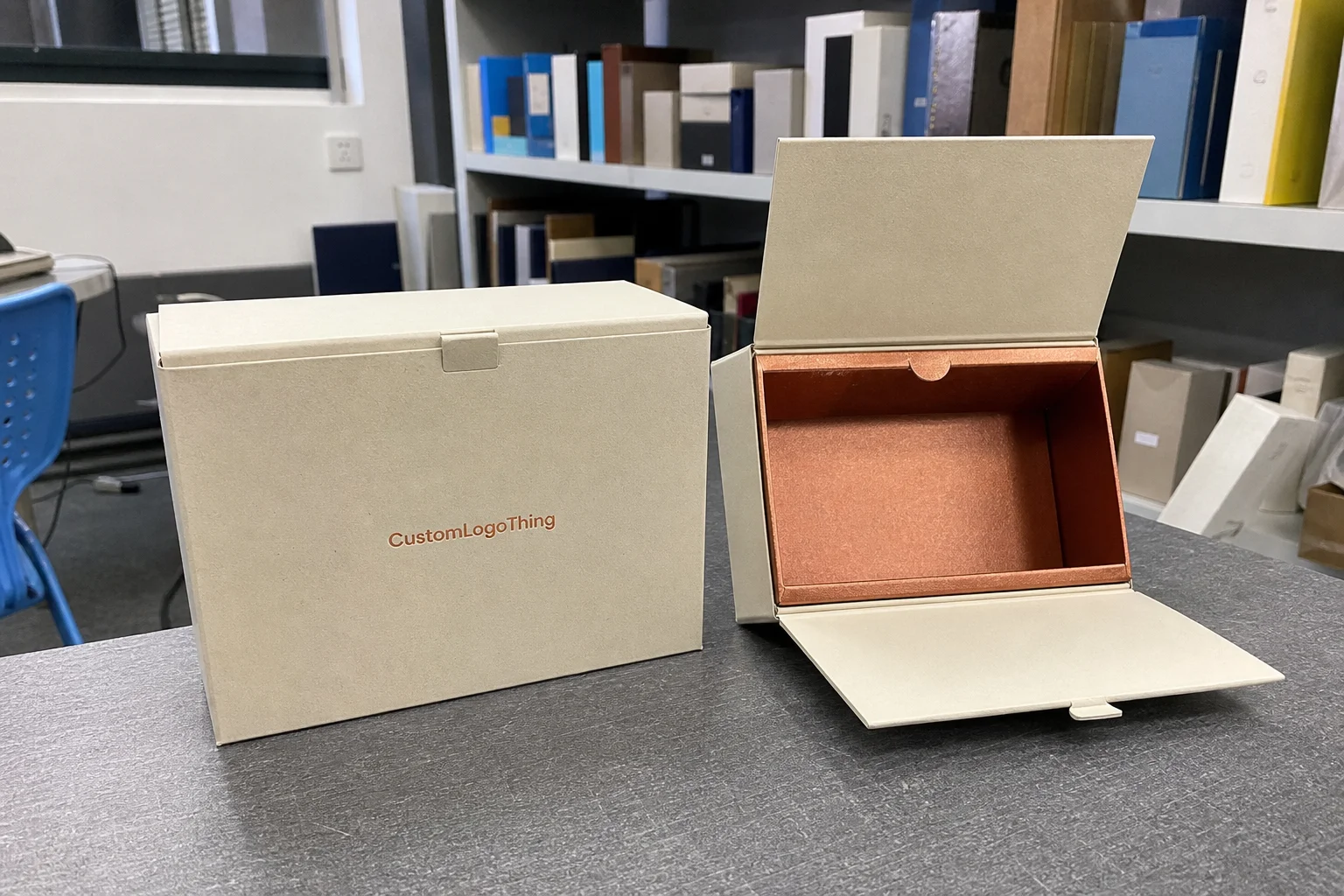
A well-made retail bag does three jobs at once: it carries the purchase, it supports presentation, and it keeps the brand visible after the sale. A stock bag can do the first job, but a custom bag also controls logo placement, color, and the way the customer experiences the handoff. For boutiques, apparel stores, gift shops, and specialty retailers, that handoff is part of the product.
Bag quality affects perception quickly. If the handles feel flimsy, the bag wrinkles at the seams, or the size is wrong for the merchandise, the package can make the store look less organized than it is. If the bag is properly sized and built for the load, it quietly supports the rest of the packaging system, including tissue, inserts, labels, and hang tags.
There is also an operating reason to care. Staff handle bags every day, so a bad spec creates friction at checkout and extra waste on the floor. Tears, poor seal strength, and print defects are small problems that become recurring labor costs. For a buyer, that is the key point: the cheapest quote is not cheap if the bag fails in use.
The lowest unit price is not the lowest total cost if the bag tears, prints badly, or forces staff to rebag merchandise at checkout.
How the printing and bag-making process works
The production flow usually starts with material selection, then bag size, then artwork setup and proofing, followed by printing, finishing, packing, and shipping. The more clearly the buyer defines the spec up front, the fewer revisions are needed later. Finished width, gusset depth, handle style, print colors, and quantity are the core inputs.
For plastic retail bags, flexographic printing is common because it handles repeat logos, spot colors, and moderate to large volumes efficiently. It is a good fit for simple artwork and larger runs. A bold logo and clean type usually reproduce better than fine lines, soft gradients, or dense legal copy.
Bag style also changes the production path. Die-cut handles are typical for lighter retail use. Loop handles feel more substantial and are easier to carry over a distance. Patch handles add strength where the hand meets the bag. Gusseted formats create usable volume for boxed goods, folded apparel, or irregular items. Each choice affects tooling, material use, and cost, so the bag should be specified around the actual product, not a sample photo.
Proofing is where many orders are saved. A digital proof should show artwork placement, color callouts, and dimensions. If the order is large or the artwork is critical, a physical sample is worth requesting. It is the best way to catch a logo too close to a seam, a phone number hidden by a handle fold, or type that becomes unreadable once the print process and film thickness are involved.
Inspection matters too. Buyers should ask how the supplier checks print registration, seal strength, handle placement, film gauge consistency, and carton counts. If the bag is meant to carry heavier merchandise, the supplier should be able to explain the intended weight range or the construction standard. A good proof does not guarantee the bag will perform once it is loaded and used repeatedly.
Material, size, and print choices that change performance
Material choice affects hand feel, durability, and the way the finished bag presents at checkout. In plastic retail packaging, low-density polyethylene, or LDPE, tends to feel softer and more flexible. High-density polyethylene, or HDPE, is thinner at a given strength level and often has a crisper hand feel. Blends sit between those two. The right choice depends on what the bag is carrying and how premium it should feel.
Thickness matters just as much. Buyers usually think in gauge or mils, and that number changes both strength and presentation. Thinner film lowers cost and can work for light apparel or accessories. Thicker film adds body and improves tear resistance, which helps if the bag will be reused or carry boxed goods. If the bag feels too insubstantial, increasing thickness is often more useful than adding more ink coverage.
Size should start with the product, not the catalog entry. Measure the widest item, the tallest item, and any outer packaging, then add clearance so the merchandise loads easily and the bag mouth does not distort. A tight bag usually looks cheaper than one sized with a little room. For apparel, boxed candles, folded shirts, or gift bundles, gusset depth is as important as width and height.
Print coverage and color count also affect both cost and reliability. A one-color logo on a clear or colored film often looks cleaner than a crowded layout with multiple small text elements. More colors mean more setup and more chances for registration issues, especially on thin film. If the artwork depends on subtle shading, confirm how it will reproduce on the chosen material before approving the proof.
Simpler artwork usually prints more consistently. A strong logo, one or two brand colors, and clear spacing often produce a better result than a busy layout with fine details. On plastic, slight shifts in ink density can make delicate elements hard to read. In packaging, simple is often more deliberate.
For buyers comparing structural options, trade references such as packaging.org help frame the basics of Material and Print planning. If paper alternatives or chain-of-custody claims are part of the discussion, certification bodies like fsc.org are useful for checking what a supplier actually means by a sustainability claim.
| Bag option | Best for | Typical tradeoff | Cost pressure |
|---|---|---|---|
| HDPE die-cut handle | Light retail items, promotional use | Economical, crisp feel, lighter carry weight | Lowest to moderate |
| LDPE loop handle | Apparel, boutiques, repeated customer use | Better hand feel, more premium presentation | Moderate |
| Reinforced patch handle | Heavier merchandise, upscale retail | Stronger carry point, higher material use | Moderate to higher |
| Extra-thick gusseted format | Boxed goods, gift sets, seasonal bundles | Improved structure, more film and setup cost | Higher |
Cost, pricing, and MOQ factors to compare before ordering
Bag size, film thickness, print colors, total coverage, handle style, and order quantity are the main pricing drivers. A larger bag uses more material. A thicker bag uses more resin. More colors mean more setup. More coverage means more ink and more production time. If a quote looks unusually low, ask which variable was reduced to get there.
MOQ, or minimum order quantity, matters because setup costs get spread across the run. A 5,000-piece order usually has a higher per-bag cost than a 20,000-piece order with the same spec. That does not mean the bigger order is automatically better. It means the order size has to be weighed against sell-through rate, storage space, and seasonal demand. Overstocking custom bags can tie up cash as quickly as under-ordering can stall a launch.
For common retail bag jobs, a realistic planning range at mid-volume is often about $0.08 to $0.35 per unit. A simple one-color die-cut bag may sit near the bottom of that range. Thicker film, more colors, reinforced handles, or larger sizes can move the number upward. That is a planning band, not a quote, but it helps set expectations before supplier comparison starts.
Freight, plates, cartons, and rush charges can change the total more than the unit price suggests. One supplier may advertise a lower piece price but exclude setup or shipping. Another may quote a slightly higher unit price while including more of the landed cost. Ask for a line-by-line view so the numbers can be compared honestly. Confirm carton pack counts too if the warehouse or store team depends on them.
If the order supports a store opening, holiday window, or event launch, ask about overage. A small allowance for spoilage or press setup can prevent shortages, and shortages are more expensive than a little extra inventory. That buffer is worthwhile when the bags are tied to a fixed-date rollout.
Process, timeline, and lead time from quote to delivery
The timeline usually begins with a specification review. The buyer sends size, quantity, material preference, artwork files, and handling requirements, then the supplier checks feasibility and prepares a quote. After that comes artwork setup and proof review. If the logo needs cleanup or the file is not press-ready, this step can take longer than expected. Clean vector files save time; low-resolution files create avoidable revisions.
Once the proof is approved, the order moves into production scheduling. Straightforward jobs with ready artwork and common specs can move quickly, while custom colors, heavier gauges, or unusual handle constructions take longer. Lead time is usually counted in business days after approval, not calendar days, and that difference matters if the bags are needed for a store opening or campaign launch.
Transit time is the easiest part to underestimate. Ocean freight needs a wider buffer. Truck or air shipping is faster but changes the cost profile. Build slack into the schedule for revisions too, because even a small proof correction can reset the production clock if artwork or plate layout changes.
A practical lead-time range for straightforward orders is often a few weeks from approved proof to delivery, with more time needed for larger quantities, special construction, or international freight. During peak retail seasons, that range can stretch quickly. If the bags are part of a launch, order earlier than feels necessary.
The safest approach is to work backward from the in-store date, then add time for proofing, production, transit, and one unexpected revision. That buffer lets the buyer reject a bad sample instead of accepting it because the deadline is too close.
Common mistakes buyers make with custom bag orders
The most common mistake is sizing the bag by guesswork. A product that seems small on a table may need more height once it is boxed, wrapped, or bundled with tissue and a receipt. If the bag is too tight, the sides wrinkle and the presentation looks rushed. If it is too large, the item slides around and the bag feels wasteful.
Artwork mistakes are just as common. Logos that look fine on a screen can break apart on a moving press if the lines are too fine or the contrast is too weak. Small legal text, narrow taglines, and gradient-heavy graphics often print less cleanly on plastic than buyers expect. If a logo has multiple versions, use the one that reads best at a distance.
Strength is another place where buyers get burned. If a retailer plans to put heavier merchandise into a light-duty bag, the handle style and film thickness have to match the load. A handle that feels acceptable in a sample may fail under real use if the fill weight is higher than expected. Ask about the intended weight range before approving the spec, and confirm whether the bag is meant for single use or repeated reuse.
Another quiet mistake is ignoring how staff actually pack the order. A bag that looks fine in a mockup may be awkward if the opening is narrow or the gusset does not sit flat on the counter. That creates a small but constant slowdown at checkout. A clean design that is easy to pack is better than a prettier one that forces employees to fight the material every time they use it.
Finally, too many orders are placed too late. The artwork gets approved, then the buyer forgets to account for production and transit, and the store opens with fallback packaging. The fix is simple: work backward from the launch date, leave room for approvals, and keep contingency stock if the bag is tied to a major promotion.
Expert ordering tips and next steps for a smoother launch
Start with the heaviest product or the largest common checkout scenario. That gives you the real baseline for bag strength and dimensions, which is more useful than designing around the easiest item. If the store sells multiple categories, choose one main size for daily use and a second size for oversized items or gift bundles.
Ask for a sample or spec sheet before final approval whenever the order is new, the artwork is complex, or the bag will be used in higher-volume retail. A physical sample shows hand feel, seam behavior, handle comfort, and print placement in a way a screen proof cannot. If a sample is not available, a technical sheet with material thickness, dimensions, finish notes, and carton counts is the next best thing.
Keep the artwork clean and consistent across packaging pieces. If the bag, tissue, tags, and insert cards all use the same logo scale, color family, and spacing rules, the retail presentation feels coordinated without looking overdesigned. High contrast helps too. One sharp mark on a properly sized bag usually outperforms several competing visual elements.
Before you request a quote for personalized store bags, gather your dimensions, monthly volume, expected order quantity, preferred material, timeline, and final artwork files. That short list makes the buying process faster and the pricing more accurate. It also helps a supplier point out where you can save money and where cutting corners will cost more later.
What size personalized store bags should I order for my products?
Base the size on your largest typical item plus enough clearance for easy loading and a neat presentation. Check width, height, and gusset depth so the product does not bunch up or strain the seams. If you sell several product types, one main size for everyday use and a second oversized size is usually the cleanest setup.
How much do personalized store bags usually cost per unit?
Unit cost depends on size, material thickness, print colors, and order quantity. Larger runs usually reduce the per-bag price because setup costs are spread across more units. Ask for a quote that separates product cost, setup, freight, and any plate or packaging charges so the comparison is honest.
What is the typical turnaround time for custom plastic store bags?
Turnaround varies with artwork approval speed, production complexity, and the supplier’s schedule. Simple orders with ready-to-print files move faster than jobs that need revisions or special print effects. Build extra time for shipping, seasonal demand, and any sample approval stage.
Which print method is best for personalized store bags?
Flexographic printing is common for scalable, repeatable retail bag production. The best method depends on color count, artwork detail, bag material, and target quantity. Simple bold logos usually print more cleanly and cost less than highly detailed artwork with many small elements.
Can personalized store bags be made for different retail uses?
Yes. They can be tailored for apparel, gift shops, boutiques, promotional events, and specialty retail. You can adjust material, gauge, handle style, and print layout to fit the product and the customer experience. The key is matching strength and presentation to what the bag actually carries.


