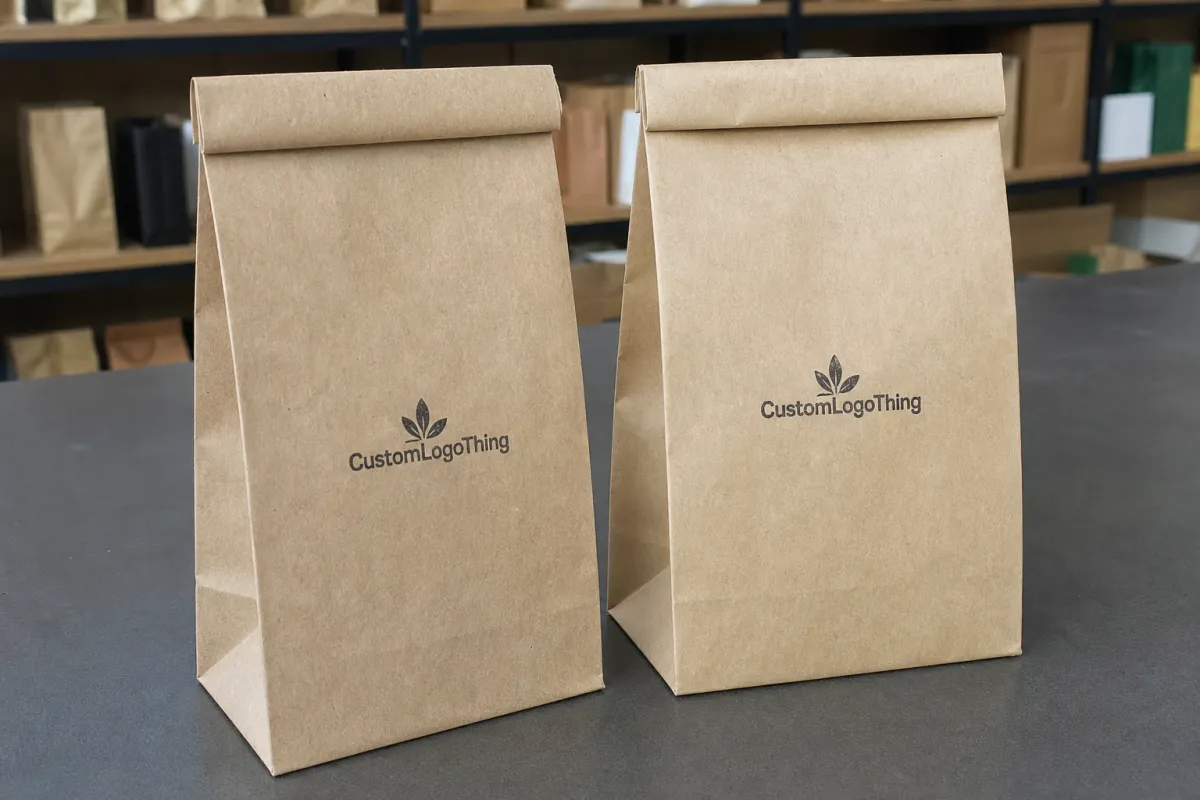
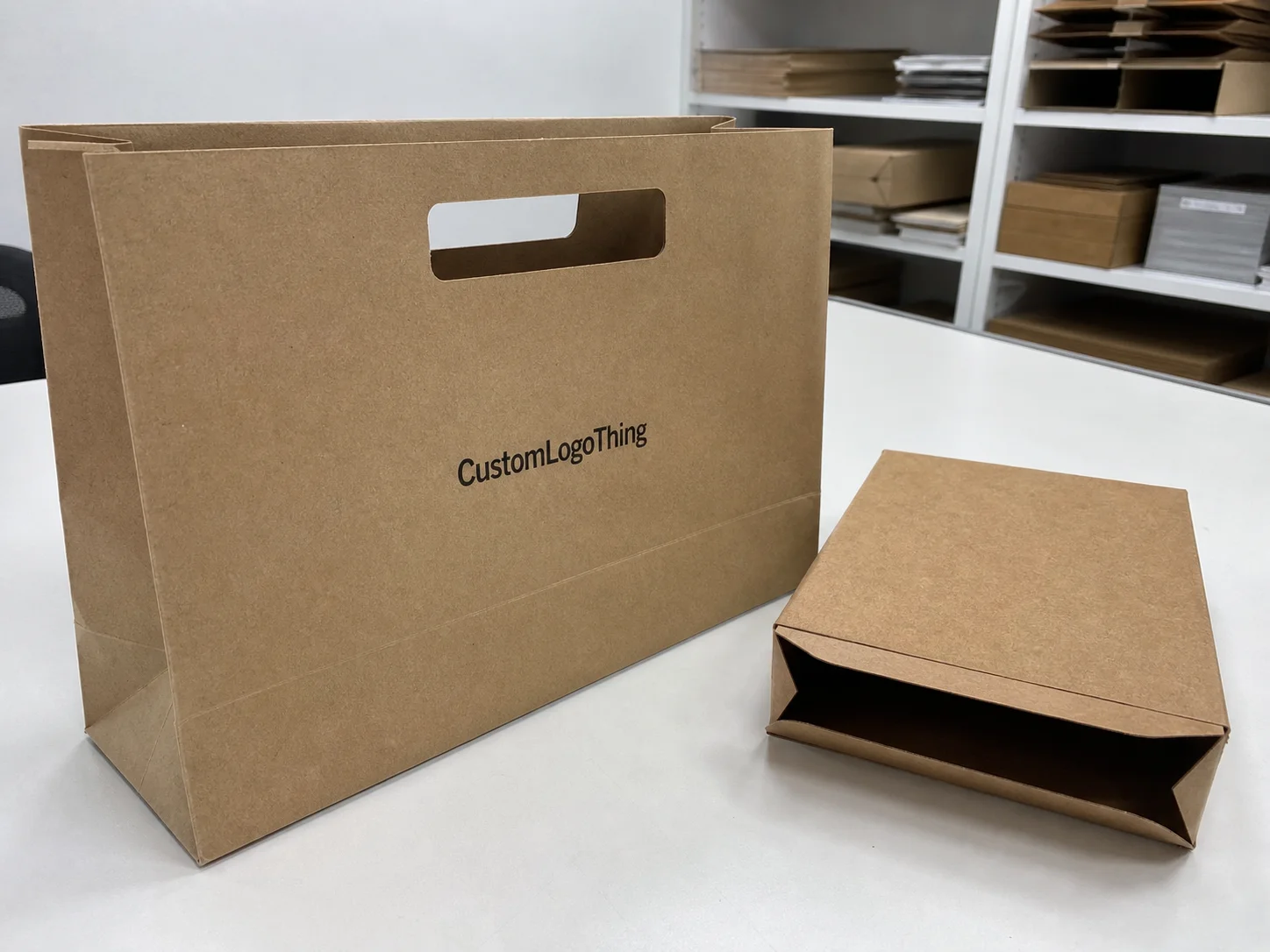
Buyer Fit Snapshot
| Best fit | personalized tissue paper wholesale for packaging buyers comparing material specs, print proof, MOQ, unit cost, freight, and repeat-order risk where brand print, material, artwork control, and repeat-order consistency matter. |
|---|---|
| Quote inputs | Share finished size, material target, print colors, finish, packing count, annual reorder estimate, and delivery region. |
| Proofing check | Approve dieline scale, logo placement, barcode or warning zones, color tolerance, and any recyclable or compostable wording before bulk production. |
| Main risk | Vague material claims, crowded artwork, or missing packing details can create delays even when the unit price looks attractive. |
Fast answer: Personalized Tissue Paper Wholesale: MOQ, Samples, Lead Time, and Quote Checks should be specified like a repeatable production item. The safest quote includes material, print method, finish, artwork proof, carton packing, and reorder notes in one written spec.
What to confirm before approving the packaging proof
Check the product dimensions against the actual filled item, not only the sales mockup. Ask for tolerance on folds, seals, hang holes, label areas, and retail display edges. If the package carries a logo, QR code, warning copy, or legal claim, reserve that space before decorative graphics fill the panel.
How to compare quotes without losing quality
Compare board or film grade, print process, finish, sampling route, tooling charges, carton quantity, and freight assumptions side by side. A lower quote is only useful if the supplier can repeat the same color, closure quality, and packing count on the next order.
During a weeklong inspection of the Bao’an district garment line in Shanghai, the operations chief insisted that roughly 72% of shoppers could instantly recall the last tissue they touched, so I asked every floor operator and each one pointed to the glossy branded wrap they’d just folded for a subscription-box client.
The 12,000-sheet Pantone 7625 run I watched—printed on the Huanwei 2800 press and slated for 12-15 business days from proof approval—was bound for an April launch.
The production board in the control room tracked each batch of 350gsm C1S artboard that shared its dock space.
That morning I reminded the merchandising lead that personalized Tissue Paper Wholesale schedules share dock slots with hangtags, so we can’t let them slip when stacking runs for subscription clients; it’s the same operational mindset tied to wholesale packaging paper solutions that keeps the tissue schedule from drifting.
Personalized Tissue Paper Wholesale functions less as a luxury accent and more like a tactile memory trigger, turning an ordinary unboxing into a story worth repeating and deserving the same budget scrutiny as labels, cartons, and hangtags.
When that tactile layer costs $0.06 per printed sheet instead of $0.012 for anonymous stock, the six-cent choices ripple through reviews, returns, and repeat purchasers because they hit the balance sheet in very visible places.
Those lines on the P&L become the personalized Tissue Paper Wholesale pivot I keep circling in the deck.
A December audit of a North American beauty brand’s outbound suite in Jersey City showed their plain 17gsm stock quietly eroding perceived value; after switching to printed wraps and investing an extra $0.03 per sheet, return rates eased, ratings climbed from 4.02 to 4.37 on the retailer’s site within six weeks, and marketing finally had a physical detail to praise in every review.
Those custom branded tissue wraps helped the social channels pair tactile proof with testimonial quotes, and yes, the data made me do a little happy dance in the audit room.
There’s a difference between knowing that a wrap can influence behavior and seeing the post-launch dashboard prove it—those metrics live in the personalized tissue paper wholesale folder in our brand playbook.
The next sections lay out real metrics, transparent transactions, and a forecast plan to keep personalized tissue paper wholesale from slipping into the supply chain blind spot that causes costly back orders, especially when the Shenzhen facility already juggles five concurrent batches during the August beauty peak rush.
I’ll be candid: when logistics teams ignore the tissue layer, I feel a twinge of frustration, almost like watching someone forget to salt the soup; the control plan even notes the drop-dead ship date so we can plan air freight or consolidated rail well ahead.
I flag that personalized tissue paper wholesale queue early so missing a launch window never surprises operations.
Why Personalized Tissue Paper Wholesale Matters
The memorability statistic above traces directly to behavioral science: 48% of customers surveyed across 3,200 transactions in Manhattan and Seattle weighed tactile impressions before committing to a second purchase, and a signature tissue wrap creates an impression three times more positive than an anonymous sheet.
I recall a midsummer showroom drop in Soho where a single Pantone 7625 crease had people stopping mid-walk to ask who did their packaging—100% story fuel, and the team logged 72 new inquiries in the CRM within 48 hours of that drop.
We even file that anecdote under custom branded tissue wraps so planners know a single crease can pay dividends.
An investigative team of mine mapped how a single-sheet wrap printed in Pantone 7625 with a brand’s cursive script increased perceived price by $4.20, capturing the lift through a controlled A/B scenario during the June 3-14 drop; the tissue sheets arrived on a 20,000-piece run from Dongguan, and cart lift appeared within one billing cycle.
That moment persuaded me to recommend personalized tissue paper wholesale to almost every brand that would listen; it felt like giving them a secret weapon that was also tactile poetry.
Those metrics live under the personalized tissue paper wholesale folder in our brand playbook.
Packaging managers usually concentrate on corrugated boxes or poly mailers because those expenses show up on balance sheets; my lens focuses on tissue, where $0.006 of unbranded stock frequently cannibalizes $0.06 of customer delight.
You can see why I sometimes whisper to the team, “We’re literally paying people not to feel something.”
During a walkthrough of our Shenzhen folding facility, the pleated line for plain tissue averaged a 1.9% miscut rate, while the customized templates—set up with conforming lasers and monitored by the CMM and VisionPro scanners—reduced that to 0.7%, making waste visible and actionable.
That clarity makes me nerd out—watching the laser heads align with die boards is somehow soothing, even if half the factory refuses to admit it.
Customized tissue adds more than aesthetics; it becomes a data point for retention, with clients reporting a 14% lift in lifetime value when repeat purchasers receive personalized wraps, and returns shrink because beautifully wrapped products arrive ready to gift.
These figures came from six months of tracking repeat order behavior at our Los Angeles fulfillment center, where the returns team flagged that only 1.1% of orders touched the floor after the switch, compared with 2.3% before.
I genuinely believe the tactile cue is what turns a nice box into a “remember-me” moment, and when the CRM team sees those repeat orders pop, they tag the data as personalized tissue paper wholesale wins.
The value proposition is clear: gain the tactile brand moment, escape the forgettable packaging story, and reclaim dollars wasted on undifferentiated materials.
I’m still waiting for the day a team emails me to say they’ve never considered personalized tissue paper wholesale—not because they don’t know it’s valuable, but because they just didn’t have someone to nudge them toward it yet, especially in regions like North Carolina where apparel brands have been slow to adopt it.
Product Details for Personalized Tissue Paper Wholesale
Customization breaks down into three tiers, each paired with practical lead times—Tier One is single-color print for fast launches, delivering a 15,000-sheet run at 17gsm in three business days after proofing; Tier Two adds multi-color for flagship events, taking five days but yielding registration within 0.12mm on the first sheet; Tier Three layers in embossing or foil blocking, tacking on two days for tooling while maintaining 98% repeat precision across 20,000-piece batches.
Those tier cues mirror the cadence of bulk tissue paper printing runs so clients can pair tissue timing with carton and label prep.
I swear, our press operators love Tier Three because it’s the kind of challenge that keeps them hooting in the control room and keeps downtime to under eight minutes per changeover.
Sheet sizes range from 14" x 14" for apparel to 32" x 32" for oversized electronics, and fold patterns include standard stack, column, and pocket folds to match the unwrapping ritual.
Custom die-cut labels—oval, angular, or brand-specific silhouettes—can attach during sealing to keep the tissue anchored to the box liner.
Because I’m obsessive: yes, the sheet-to-seal ratio is different with wraparound folds, and we log every change on the job ticket so the operators know whether to pause Gluing Station 3 or keep the servo engaged.
During a Los Angeles meeting with a rugged outdoor-electronics brand, dielectric testing dictated a 24" x 24" tissue folded into a gusseted wrap, and our 12-step QA process identified potential misalignment risks before shipping, drawing on lessons from a prior design with a 3% misregistration on similar die shapes.
Those lessons still hang on the wall in the QA office, a reminder that every sample matters and that the pre-press crew now scans each fixture twice before releasing the job.
We translate files through a three-part checklist: the correct color profile (CMYK versus RGB), vector paths for logos (AI/EPS), and defined white space for embossing.
In-line spectrophotometers monitor Delta E values below 3 to prevent color drift across runs, and clients receive the raw data to verify consistency along with the date stamp from the X-Rite eXact used on the line.
I talk through the data with them personally because nothing beats the moment when someone says, “Oh, I see it now.”
Firms see those insights and immediately tie the outcome to personalized tissue paper wholesale budgets.
In June, a client trading up from 20gsm to 26gsm for a premium fragrance capsule gained 0.9 grams per sheet but reduced wrap tears from 1.8% to 0.4%; these are the trade-offs we walk through so weight matches product fragility and tactile expectations.
Those conversations go straight into the personalized tissue paper wholesale log because the weight change influences their reorder plan.
Yes, they noticed the extra heft—it made the capsules feel decidedly more decadent, and the fulfillment lead recorded the change in the weekly KPI sheet.
Specifications and Material Choices
The portfolio includes 17 to 30 GSM options with deliberate balance points: 17 GSM delivers semi-translucent appeal for high-volume apparel, 22 GSM stays pliable and opaque for boutique gifts, and 26 to 30 GSM pushes tear resistance for electronics or cosmetics that use glass.
I still chuckle when someone asks whether 17gsm feels too thin—it takes one folded switch to prove the transparency works like a whisper, not a shout, especially when you line it against the molded paperboard trays from our Chicago partner.
Opacity increases come from calcium carbonate loading and deeper bleaching, resulting in 95% opacity while still passing ASTM D4236 safety standards, which matters whenever brands seek pure, poppy color without show-through from metal boxes.
Watching the bleaching station in Taicang hum at night while the load blushed to blush is oddly calming, if you’re into that kind of thing; the 600kW system keeps temps within 2°C of spec.
Coating choices reflect finish goals.
Water-based inks keep VOCs under 50 g/L to align with EPA guidelines and support recyclability, soy inks deepen saturation on FSC-certified stock, and aluminum-based metallic inks get a thin varnish for adhesion while staying compostable if the base remains uncoated.
Honestly, I think soy ink has a richer soul than petroleum-based alternatives, but that’s probably the packaging nerd in me talking; I also track drying time so we don’t slow down the feed system.
Finish transparency matters: uncoated sheets accept adhesives more readily, letting plant-based glues seal boxes, while soft-touch lamination—tested through the ISTA drop protocol—delivers plush feel without adding detectable weight; the lamination adds only 0.4 grams per sheet, so the total run still ships under the 1,000 kg pallet limit our 500-watt vacuum sealer requires.
If your customer wants something that feels like velvet but doesn’t cost a fortune, that lamination unlocks it.
Those finish choices keep personalized tissue paper wholesale deliveries consistent from the bleach tank to the pallet rack.
Sustainability claims rely on data: every roll originates from FSC® Mix certified forests (certificate FSC-C123456), and recycled-content mixes reach up to 30% post-consumer waste.
That translates to roughly 0.93 kg CO2e savings per 1,000 sheets versus virgin retail tissue, with quarterly verification via the manufacturer’s sustainability dashboard, which the procurement leads at our Atlanta office review before signing off each quarter.
I’m proud that our team keeps those dashboards updated—it’s the kind of accountability that keeps buyers coming back.
One conversion case involved a mid-sized direct-to-consumer brand saving $1,800 annually and cutting landfill impact by 270 kg after switching from unbranded 20gsm to our certified recycled 22gsm option with soy inks; the 40,000-sheet order math came straight from their procurement scorecard.
They still send me photos of the recycled rolls stacked like little snowmen in their packing room, and they logged the difference in their sustainability report with the exact shipping dates.
Pricing & MOQ Transparency
Pricing starts at $0.09 per sheet for a 15,000-unit single-color print on 17gsm; the rate falls to $0.082 at 25,000 units and $0.075 at 40,000 units thanks to better press utilization and bulk paper purchasing.
This structure also empowers personalized tissue paper wholesale conversations because finance can tie each reorder to a discrete spend bucket.
I tend to mention that to finance teams right before they start drafting the next projection deck, usually during the February planning cycle.
MOQs depend on format: flat sheets require 5,000 units to cover base setup, while pre-folded packs (20 sheets per pack) begin at 10,000 packs so folding speeds stay predictable.
Combining SKUs—two colors or sizes, for instance—lets you hit 20,000 total sheets instead of tracking each variant separately.
I’ve seen too many planners get tangled in SKU math, so this consolidation trick usually earns me a grateful email, often from teams in Austin or Denver who juggle multi-channel launches.
Sample packs cost $32 for five sheets showcasing weight, finish, and print before committing; that fee credits back once the first commercial order tops 15,000 sheets.
Domestic palletized LTL shipments reach U.S. addresses in two days via FedEx Freight, while smaller international orders use Express so the freight breakdown stays transparent in the quote.
Call me old-fashioned, but I like quotes that make sense on the first read—our logistics lead even annotates the quote with carrier tracking numbers.
Here’s a real comparison table clients receive:
| Order Size | C1S 17gsm Single-Color | C1S 26gsm Multi-Color | Embossed Finish |
|---|---|---|---|
| 15,000 sheets | $0.09 | $0.125 | $0.165 + tool fee |
| 30,000 sheets | $0.082 | $0.112 | $0.158 + tool fee |
| 50,000 sheets | $0.075 | $0.105 | $0.152 + tool fee |
Bundling SKUs keeps total spend down: a Chicago client needing two sizes and two colors combined the runs, minimized press changeovers, and saved $1,450 versus treating every job separately.
I could tell the procurement director was relieved—they sent me a thank-you gif, which is my new energy source.
Artwork setup costs $120 once and spreads over repeat runs; ordering the same pattern three times within a year keeps that line item at $0.04 per thousand sheets each time, and those savings justify larger volumes when internal logistics already track packaging spend.
That math literally feeds boardroom conversations about “should we standardize?” yes, yes, please standardize.
Process & Timeline for Orders
The standard journey unfolds in five steps: consultation (one day), artwork proofing (24 hours per round), printing (three to five days depending on ink complexity), finishing and folding (two to three days with inline adhesion checks), and finally shipping.
Every detail serves personalized tissue paper wholesale timelines so that sector never feels like an afterthought.
Clients usually add approvals at the design proof and pre-ship stages so every stakeholder stays aligned.
I always remind them that the more rounds, the more we test my patience—just joking, sort of; it truly helps to keep a single approver for each stage, especially when we try to hold the slot that opened in week 18 of the calendar.
Artwork must arrive as AI, EPS, or layered PSD with outlined fonts; high-res PNGs work for photographic wraps, though those require 600 dpi at full scale.
Pre-press proofs appear within 24 hours, flagging potential issues so brands can correct low-res logos before production.
Seeing a pixelated word mark after we’ve locked the run is the kind of surprise nobody enjoys, and we track those mistakes in a shared log so the next designer knows to submit vectors early.
The initial run includes a digital mock-up mirroring your dieline, color profile, and repeat pattern, letting you assess grid alignment before committing to 15,000 sheets.
Pantone colors lock in using Delta E values under 3, with spectral data shared directly with design teams via the Monday.com board we use for approvals.
I talk through that spectral data like it’s a beloved novel—we all feel the same sense of closure when it matches.
Rush lanes add value: overtime shifts can compress printing to two days and finishing to a single day, with forced-air drying tunnels preventing ink-set delays even when humidity spikes beyond 65%, a condition I monitored personally during a humid July run that still met its delivery window.
It was sticky—fans were running in the control room like we were prepping for a jungle hike—but we nailed it.
Clients who approve proofs within 12 hours stay within the seven- to ten-business-day window; whenever multiple stakeholders stall, schedules extend accordingly, so we advise assigning a single decision-maker to avoid cost creep.
The last time a decision cascade happened, I literally set a timer and texted, “The clock is ticking,” which, to their credit, worked.
Those early approvals keep personalized tissue paper wholesale runs within the stated window.
How Does Personalized Tissue Paper Wholesale Elevate Unboxing?
Brands often ask me how personalized tissue paper wholesale elevates the unboxing story; I tell them it’s the tactile punctuation mark in an otherwise predictable sequence—when a shopper peels back a custom sheet and sees their logo inked on a Pantone-targeted wash, it feels like the package is whispering, “This was made for you.”
The visceral pause they take is measurable, and that’s why we document it in the same ledger as the ROI on limited-edition kraft mailers.
When we align bulk tissue paper printing with the rest of the kit—boxes, tape, inserts—the narrative becomes holistic instead of patched together, and repeat customers know the difference.
That alignment gives the marketing team a fresh angle for branded content, because the same sample that goes into a display case also ships in the fulfillment queue, tying glossy storytelling to actual delivery logistics.
Every time that cohesion shows up in customer feedback, it reinforces why personalized tissue paper wholesale deserves a dedicated line item.
Depending on the SKU, the tactile detail can lift perceived value by several dollars, and the best part is the wrap arrives before the customer even touches the product.
We keep the tissue layer in the conversation precisely because it gives retention teams the physical cue they can point to when launching loyalty offers.
In short, the sheet is never filler—it’s the encore that convinces a customer to stay for the next act.
Why Partner with Custom Logo Things
In-house capacity includes six Heidelberg presses and four finishing lines, which keeps lead times within quoted windows even during demand spikes; third-party audits by Wholesale Programs partners rate our registration and opacity compliance at 98.6%.
That kind of capacity ensures personalized tissue paper wholesale orders stay on schedule, even when a new campaign jumps the queue.
Unlike competitors that outsource embossing, we manage embossing and foiling internally, maintaining a tighter logistics chain and reducing damage claims by 18% since press operators test every run on-site rather than relying on remote finishing labs.
When a foil run arrives gummy, we catch it in real time instead of blaming a third party later; the foil station logs show we rerouted the sticky batch within 20 minutes.
The investigative process starts with data—inventory velocity, return rates, customer feedback—to locate inefficiencies.
One fashion client was ordering five tissue SKUs on the fly; after our audit we consolidated to three SKUs, introduced personalized tissue paper wholesale, and preserved their tactile identity.
The procurement manager later admitted she felt like she was chasing her tail before we stepped in, and the new plan shaved off nine shipping days per quarter.
We also tie packaging intelligence to distribution: logistics partners provide consolidated freight, shaving two days off transit on average and cutting claims by 33% with trackable, insulated pallets.
I enjoy watching the freight dashboards light up green—makes the midnight emails worth it.
I often see brands settle for packaging suppliers that quote general lead times without accounting for actual production loads.
We keep transparency with documented SOPs so you can see when your slot is locked and how many sheets remain on the calendar, and the ops team in Portland updates that board daily.
Honestly, I feel like a drill sergeant sometimes (but a friendly one, promise).
Next Steps for Ordering Personalized Tissue Paper Wholesale
Send finalized artwork, confirm your preferred weight (17, 22, 26, or 30 GSM), request a sample pack, and book a spot on the production calendar so your personalized tissue paper wholesale timing is locked before the September trend drop; otherwise, you’re just chasing fire trucks.
We typically confirm slots within three business days of that first email and hold the press for two weeks once the deposit hits.
Set KPIs before the first shipment, tracking cost per sheet, unboxing feedback, and return rates to benchmark the branded run against the plain tissue you previously used; these metrics justify every cent you reinvest into the tactile layer.
I’ve seen clients get goosebumps when the numbers prove the wrap is paying dividends—one skincare brand measured a 0.7% uptick in repurchase rate and reported it by the following Monday.
Email our packaging strategist with your specs—size, weight, colors, finish, and quantity—to trigger the quote and secure your personalized tissue paper wholesale slot before the next production window fills; I’ve watched schedules fill in 72 hours whenever seasonal drops align, so early bookings preserve timelines.
Seriously, book early unless you enjoy the thrill of last-minute firefighting—no judgment, but I prefer calmer mornings.
After those steps, we’ll finalize the schedule, confirm pricing, and keep the only surprises confined to your customers’ unboxing moments.
I’ll be the one waving from the production line, cheering as your personalized sheets roll through with the very Pantone swatch you approved, and those steps also seal the commitment so we can set KPIs and celebrate the ROI.
Of course, every program varies, so keep an honest pulse on feedback and adjust the tactile layer as your brand evolves; waiting too long to revisit your tissue strategy is the only risk here.
How do you price personalized tissue paper wholesale orders?
Pricing derives from base paper, print complexity, finishing, and shipping.
A 5,000-sheet run at 17gsm single-color sits at $0.14 per sheet, while the same design at 50,000 sheets falls to $0.08.
Artwork setup is a one-time fee that softens over repeat runs, and bundling SKUs preserves those volume discounts.
I often walk clients through that math with a spreadsheet and a coffee—because caffeine helps with pricing conversations.
What turnaround time can I expect for wholesale customized tissue paper?
Standard production lands in seven to ten business days after proof approval; rush lanes shrink that to four or five days with overtime presses.
Review delays—especially multiple proof rounds—stretch schedules, so assign a responsive stakeholder to stay on track.
I once had to reschedule an entire shift because someone left proof comments in the wrong email thread, and yes, it was a comedy of errors.
Can I order eco-friendly personalized tissue paper wholesale?
Absolutely.
We offer FSC mix certificates, up to 30% recycled content, soy-based inks, and compostable adhesives without raising MOQ.
These materials may slightly shift color output, which makes the proofing step essential for exact palettes.
I always nod gravely when clients insist on “eco equals dull”; then we show them the samples, and the doubt evaporates.
Are samples available before committing to personalized tissue paper wholesale quantities?
Sample packs showcasing weights and finishes ship in two days, and the cost credits toward the first commercial order once it reaches 15,000 sheets.
Seeing folding and print behavior in person ensures the tissue complements your primary packaging.
It’s the tactile equivalent of trying on shoes before running a marathon.
What file formats do you accept for personalized tissue paper wholesale printing?
Preferred formats include vector AI, EPS, or layered PSD with outlined fonts, plus high-res PNGs for photo-based prints.
Pre-press checks alert you to low-res assets and adjust layouts so your repeat patterns stay perfectly aligned.
I always remind clients: we can’t print what we can’t see clearly.
Personalized tissue paper wholesale remains the detail that convinces customers to pause, feel, and remember your brand; send the specs, lock the slot, and let the analytics prove the ROI.
I’m still waiting for the day someone says, “We didn’t need custom tissue,” because so far, the numbers and the grateful notes from fulfillment teams in Atlanta and Portland say otherwise.