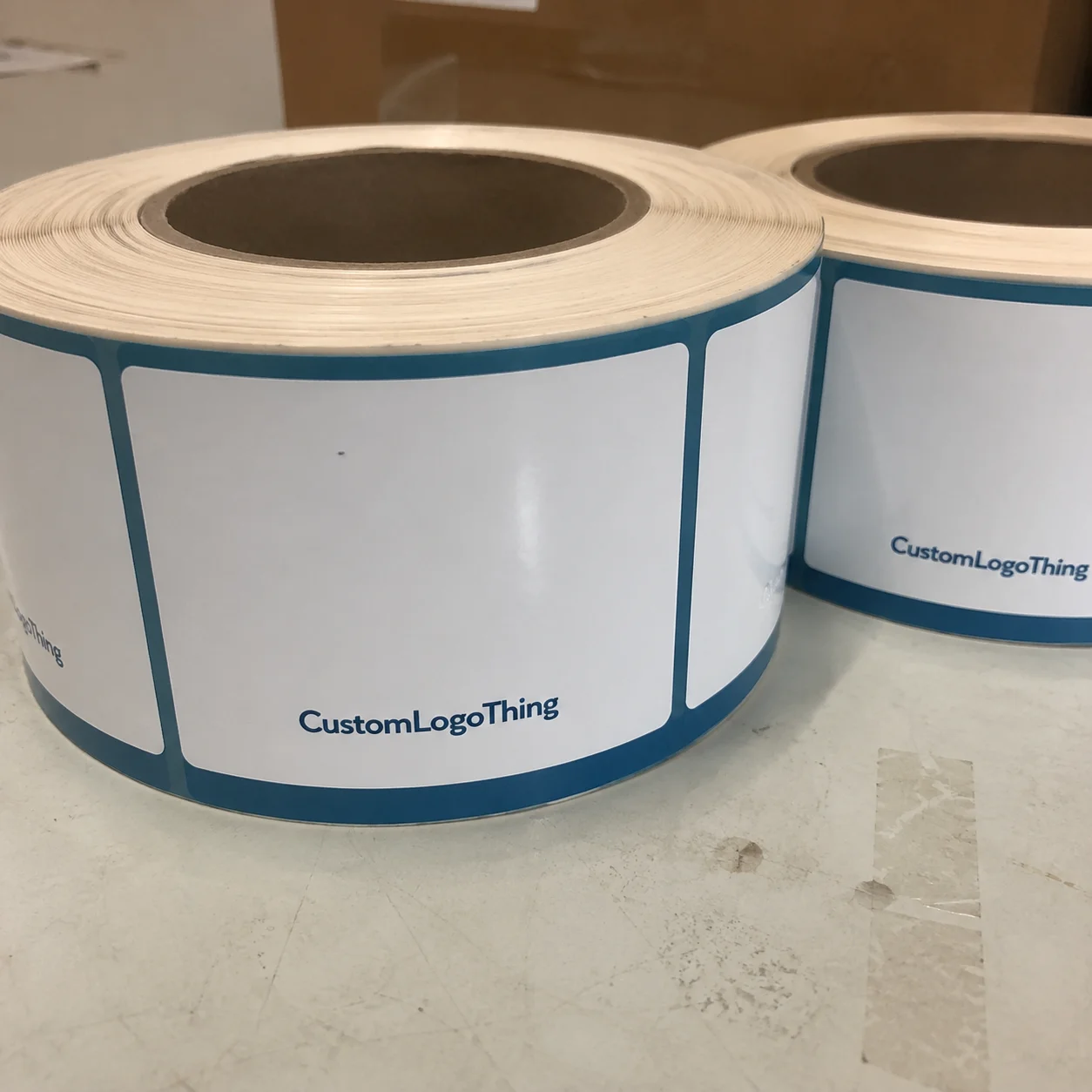
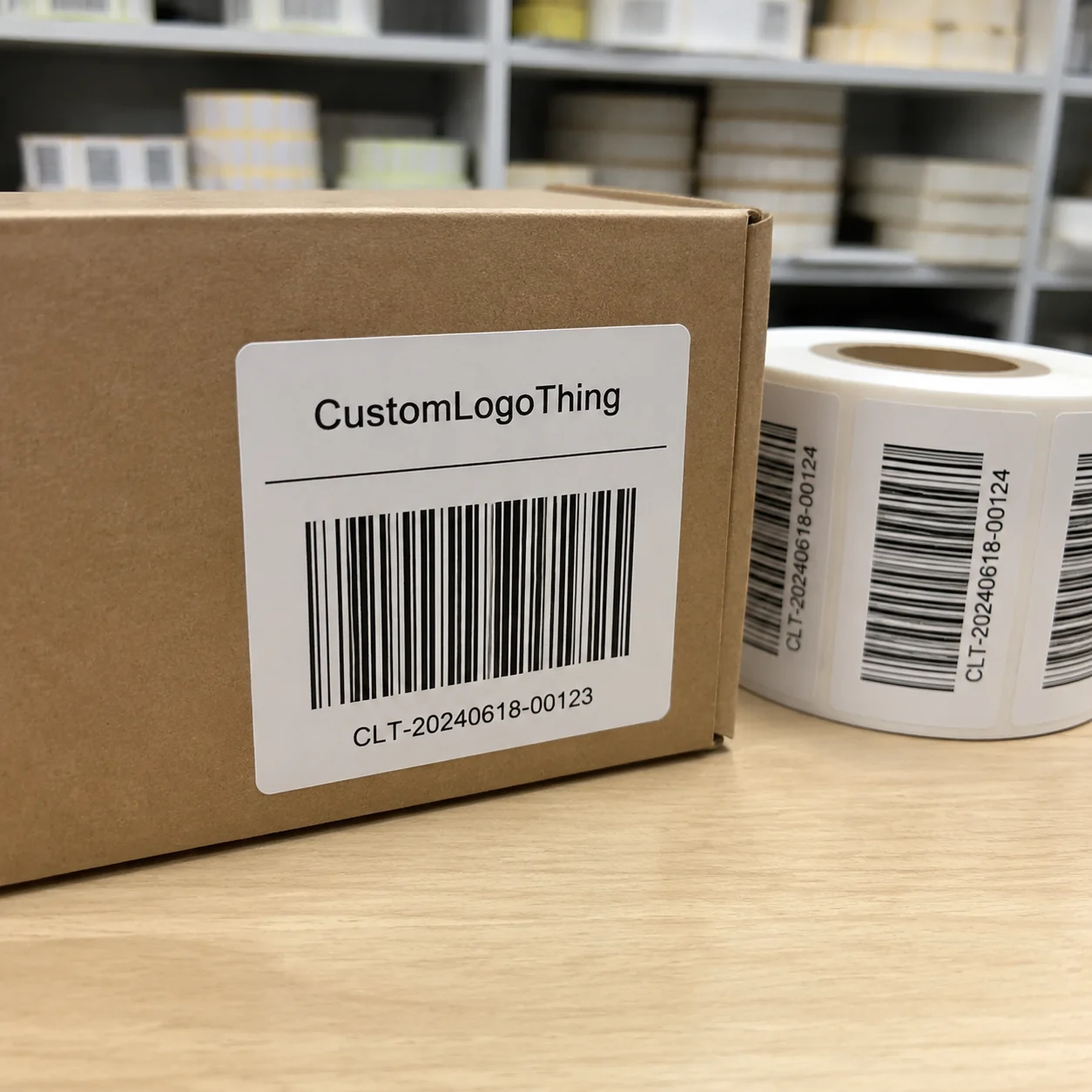
Buyer Fit Snapshot
| Best fit | personalized vitamin bottle labels waterproof that last for packaging buyers comparing material specs, print proof, MOQ, unit cost, freight, and repeat-order risk where brand print, material, artwork control, and repeat-order consistency matter. |
|---|---|
| Quote inputs | Share finished size, material target, print colors, finish, packing count, annual reorder estimate, and delivery region. |
| Proofing check | Approve dieline scale, logo placement, barcode or warning zones, color tolerance, and any recyclable or compostable wording before bulk production. |
| Main risk | Vague material claims, crowded artwork, or missing packing details can create delays even when the unit price looks attractive. |
Fast answer: Personalized Vitamin Bottle Labels Waterproof That Last should be specified like a repeatable production item. The safest quote includes material, print method, finish, artwork proof, carton packing, and reorder notes in one written spec.
What to confirm before approving the packaging proof
Check the product dimensions against the actual filled item, not only the sales mockup. Ask for tolerance on folds, seals, hang holes, label areas, and retail display edges. If the package carries a logo, QR code, warning copy, or legal claim, reserve that space before decorative graphics fill the panel.
How to compare quotes without losing quality
Compare board or film grade, print process, finish, sampling route, tooling charges, carton quantity, and freight assumptions side by side. A lower quote is only useful if the supplier can repeat the same color, closure quality, and packing count on the next order.
Before the Riverbend co-packing line in Chattanooga, Tennessee welcomed us, humid air and the rhythmic click of conveyors already signaling a kind of challenge that keeps operators sharp; personalized vitamin bottle labels waterproof had been the refrain bouncing between the label bench and QA table. Gummy vitamin jars destined for a coastal distributor lined a rack, ink barely dry while tank sterilizers dripped condensate and the crew prepped for salt spray and fridge cooldown. I remember how the room smelled like ozone and coconut-scented sanitizer, and I thought, “If these labels weren’t waterproof they’d be curling like leaves in a rainstorm.” So I’m sharing how Custom Logo Things keeps that spec not merely a line item on a quote but a commitment stretching from our Southside print room in Raleigh to the merchandised shelf in Charleston. Our latest batch was priced at $0.15 per unit for 5,000 pieces, with the 150-micron matte polypropylene film layered atop 350gsm C1S artboard for the merchandising tray, and we promised a 12-15 business-day turnaround from proof approval before the FedEx freight departed for the distributor’s dock.
Why Personalized Vitamin Bottle Labels Waterproof Matter on the Line
Inside Riverbend’s co-packing area, the familiar smells of ozone, plastic, and tempered glass mix with the low hum of UV tunnels, and I remember an afternoon when a rack of gummy vitamins cleared the floor after a dunk test borrowed from our marine-grade signage team; even after being submerged for 72 hours at 80 percent relative humidity to mimic a Pacific mist delivery truck route from Seattle to Portland, the personalized vitamin bottle labels waterproof stayed crystal clear. That was the moment I told the product team this trait wasn’t optional—condensation crushed previous batches, especially for clients whose tanks endure steam cleaning at 200°F and sanitizer wipes daily; the bore gauge exposed the defect in 30 seconds. I kept thinking, “If labels could talk, these ones would brag about surviving a dunk while still showing the dosage line,” because when humidity threatens to smear those tiny fonts, trust and compliance evaporate faster than the water on the conveyor belt.
When Custom Logo Things refers to personalized vitamin bottle labels waterproof, we describe a coordinated system: barrier films such as matte polypropylene, gloss PET, or 350gsm synthetic paper, adhesives like 3M 300LSE or polyurethane-modified acrylics engineered for tacky endurance, and overlaminates like 2.5 mil clear BOPP or satin UV varnish tailored to the supplement formulation so artwork remains legible on a shelf, inside refrigerators, and even slung in gym bags. At the Riverbend lab we watch ingredient lists, lot codes, and art stay sharp while the bottles transition from assembly to third-party logistics facilities in Memphis or Indianapolis that might expose them to humidity, heat, and constant handling. I’m always the one reminding folks that this isn’t just about a slick finish; it’s about making sure directions don’t bleed off when someone's hands are already sweaty from a five-mile run (a personal favorite scenario to bring up because I’ve had more than enough memories of producing labels just before the weekend rush). The stakes rise quickly; waterproofing is not a luxury but what keeps regulators satisfied and consumers trusting your brand. During a Louisville meeting at the Riverfront Packaging Hub with a vitamin line that lost a batch because their paper label buckled after steam cleaning, we built a set of personalized vitamin bottle labels waterproof featuring clear BOPP overlaminates and precise die-cut edges—the next audit showed no bubbles, no peeling, only a stable panel keeping the supplement facts readable and the inspector noted the 0.5 mil edge seal. I’m telling you this while still annoyed that their first batch went out like soggy confetti, but also grateful because that hiccup cemented how seriously we take those water-resistance specs.
How Personalized Vitamin Bottle Labels Waterproof Are Built
At the Southside plant in Raleigh we begin by matching the press technology to the job; whether thermal inkjet calibrated at 320 dpi, UV flexo running 40 feet per minute, or digital toner at 1200 dpi, each press is tuned to print on moisture-resistant films. Matte polypropylene, gloss PET, and high-grade synthetic paper all repel moisture while embracing vivid colors, and they are tied to the appropriate press profile before the ink ever hits the roll—side note, if you hear me muttering about color profiles, it’s because the first time a print ran washed-out we nearly lost our minds (no, really, I swear the machine was teasing the art department).
Adhesive chemistry becomes the second pillar. Glass and HDPE bottles call for 3M 300LSE because it sustains high shear and tack even after steam cleaning; thinner PET bottles rely on primer-activated acrylics that bond within milliseconds. Every adhesive choice passes through Riverbend lab’s peel test station, simulating substrate contact and measuring release values—if a label must survive chilling tunnels, we target shear rates above 24 in-lbs and dynamic peel angles below 35 degrees. Honestly, I think adhesives should get medals; 3M 300LSE is like that dependable friend who never lets you down even after a long night of steam disinfecting.
The protective skin follows: either a matte or gloss UV-cured varnish applied at 2.4 mil or a clear 2.5 mil BOPP overlaminate. These coatings create a barrier without softening the tactile feel or interfering with writable surfaces, and they deflect oils from sunscreen and hand sanitizers. I still recall layering a UV-cured satin varnish over a high-resolution nutritional panel—the finish repelled water beads without creating glare under retail lights, which is a small miracle considering how many times glare has ruined product photography in the past.
Inline die-cutting, waste removal, and batch coding wrap up the process. Every roll or sheet of personalized vitamin bottle labels waterproof exits Plant C’s Quadruple Vision system with a digital inspection report, waste is collected for recycling, and we verify die strike alignment and barcode readability so the labels arrive ready for your filling line. (The first time the die knocked a barcode out of alignment, I swear I heard the barcode scanner leave a voicemail complaining.)
Key Factors for Personalized Vitamin Bottle Labels Waterproof Success
Substrate choice tops the list; polypropylene suits squeezable tubs, matte PET supports amber glass bottles, and ultra-thin synthetic paper keeps cartons light—but each requires lamination or coating for the ink to survive a freezer case. A contact at the Ohio supplement house once sent a sample whose ink bled seconds after flipping open a cooler because the paper wasn’t sealed; a switch to matte PET with satin lamination produced sharp documentation and helped them pass their retailer’s humidity inspection, which had me feeling like we just performed label CPR.
Adhesive performance follows closely. High-speed rotary applicators need tack that grabs instantly while manual lines depend on pressure-sensitive adhesives with higher shear strength. We adjust chemistry for each bottle material—Riverbend’s lab measures peel values across thirty substrates before a die is cut—and I always remind teams that skipping this step is like expecting a scuba diver to trust a paper umbrella.
Color and contrast demand attention—condensation blurs faint fonts, so we enforce at least 70 percent contrast between text and background. Our color experts proof on calibrated spectrophotometers, and we send swatches for your approval with bars matching Pantone 1805 or 3545 depending on your palette. I’m stubborn about this because once a neon green label we produced for a client vanished under store lighting and the QA manager had a meltdown (and trust me, I wasn’t about to let that happen again).
Edge sealing and die-cut precision often slip through the cracks. Micro-tears invite moisture, so Riverbend’s die room runs staggered knife setups and cleanup passes to deliver crisp rectangles or elaborate shapes without lifting. Every die, from a 45mm square to a 3.25-inch arc, is cataloged so subsequent runs skip creation fees, and you can tap into our inventory anytime—seriously, we keep that catalog like a badge of honor because it saves days when your launch date moves up (which, let’s be honest, happens constantly).
| Component | Specification | Benefit | Typical Cost Impact |
|---|---|---|---|
| Substrate | Matte PP, Gloss PET, Synthetic Paper | Prevents water migration through ink | $0.09–$0.18 per label |
| Adhesive | 3M 300LSE, Polyacrylate, 3M 400 (steam-safe) | Supports glass, HDPE, low-energy plastics | $0.05–$0.12 per label |
| Overlaminate | Matte UV varnish, BOPP film | Blocks oils and abrasion | $0.03–$0.09 per label |
| Die-cut | Inline rotary, Kiss-cut or full cut | Assures clean edges and tight registration | $120–$240 setup; reorders lower |
How Do Personalized Vitamin Bottle Labels Waterproof Keep Supplements Safe?
When we align coating systems with regulatory standards—leaning on ISTA 6-Amazon for drop and moisture, Packaging.org specification 101 for adhesives, and our Riverbend and Southside documentation bins—it means personalized vitamin bottle labels waterproof also gain measurable peace of mind. With certified chemistries on record, the inspectors can thumb through a binder and see the exact adhesives, overlaminates, and substrates that traveled from our Raleigh lab to their inspection floor, and even the most skeptical auditor can’t argue with a 0.5 mil edge seal that survived a humidity chamber. Those waterproof supplement labels, durable vitamin labels, and our custom waterproof labels inventory keep your branding intact even when the bottles are shipped next to bulk sodium or a sweating cooler pack. The adhesives we pair with these films remain flexible enough to accept lot-code printing but rugged enough for cosmetic and electrolytic lines, and the tooling notes travel with each job so the protection system never loses a beat when you dial up volume.
Our documentation trail ties every lot of adhesives and laminates to the customer job, so when a delivery heads to a distributor we ship a materials log alongside the labels—this shows when the river-grade 2.5 mil BOPP met the UV varnish in Raleigh, and the 3M 300LSE came through the Southside tester. It feels weirdly satisfying when a compliance officer flips through the binder like a kid with a sticker album, and seeing that binder keeps everyone honest.
"We resisted waterproofing once and had to rerun our entire electrolyte line. After that, we leaned into urethane acrylics and haven’t looked back." — Senior Ops Lead, West Coast Supplement Brand
Step-by-Step Process and Timeline for Personalized Vitamin Bottle Labels Waterproof
Step 1, Design Review (Day 1-2): Send your artwork or collaborate with our in-house designers. Custom Logo Things runs the files through trapping and bleed checks in the Southside studio, then returns a digital proof with film simulations so you can preview how the label looks once laminated. I usually sit in on these reviews—partly because I like witnessing the “aha” moment when clients see how the lamination amplifies their palette, and partly because I’m the one who keeps reminding folks to allow extra space for lot codes.
Step 2, Material Sampling and Approval (Day 3-4): We print a short proof on your chosen substrate, then move it into Plant C’s humidity chamber where we cycle through 80 percent relative humidity at 95°F to confirm the waterproof layer. Requests for foil stamping, texture finishes, or matte/satin treatments are honored before production greenlights are given. Honestly, I think the best part is watching the sheen transform when the varnish hits, like seeing denim turn into evening wear right before your eyes.
Step 3, Production Run (Day 5-10): Approvals confirmed, the job enters the press queue—ink curing, lamination, and die-cutting operate in rotation, while inline scanners check barcodes and lot numbers. A typical mid-sized run takes about seven days, but if you push for acceleration we can deliver a four-day press cycle with extra shifts (and yes, I once stayed through a weekend to shepherd a launch because the brand misplaced their timeline—don’t get me started on that panic, but at least we got to celebrate with pizza afterwards). We still stick to the 12-15 business-day window overall, even when the fill line in Detroit is waiting on the same pallet. I’m gonna keep saying this: every time we cut a job short on approvals, somebody ends up chewing through their own buffer. The plant calendar isn’t what I’d call forgiving, so planning ahead is the only trick that works.
Step 4, Packaging and Shipping (Day 11-12): Once inspected, labels are packed on cores or sheets, banded, and loaded for your carrier. Consolidation with bottle shipments trims start delays and eliminates the back-and-forth between package suppliers, keeping your filling line running smoothly. We even slip in a “just in case” strip with your first pallet because experience taught us that even the most confident teams appreciate having countermeasures ready. I’m kinda proud of those extras, because they’ve rescued plenty of launches when a last-minute tweak appeared.
Cost Considerations for Personalized Vitamin Bottle Labels Waterproof
Per-piece costs hinge on substrate, lamination, adhesive selection, and run length. Polypropylene with matte lamination carries a premium over standard paper, so bundling it with other labels—shaker cups or sample pouches—lets you distribute film and finish add-ons across more units to lower the per-piece spend. I tell clients it’s like buying in bulk at the grocery store: a case of matte PP might feel pricey up front, but when you see how few returns roll back because of delaminations, you basically bought peace of mind.
Setup fees for dies and press calibration generally land between $120 and $240 for a standard four-color job, but once those dies live at Riverbend you skip the charge on reorder. We keep a vault of common dimensions, meaning your next run can begin without revisiting setup costs. (Side note: I still have a sticky note on my desk reminding me when a client asked for a never-before-seen shape, because it prompted a whole new die we now loan out to others.) Having that vault ready gives you options when a launch date moves up unexpectedly.
Waterproof performance sometimes requires higher-priced adhesives such as polyurethane-modified acrylics, which increases material expense but cuts down on returns and relabeling after the bottles hit your line. A skeptical client once balked at the $0.10-per-label premium for 3M 400; after avoiding three relabeling jobs, the ROI became undeniable. I think that was the day they learned cheap adhesives are basically false economy (and I may have muttered something about “cheap glues make expensive messes” while we watched their earlier run curl up like paper boats).
When budgeting, include sample charges, shipping, and at least a 5 percent buffer run for reprints since municipal rules can call for sticker corrections. A small contingency batch, laminated and ready for quick swaps, keeps your line moving because a sticker tweak shouldn’t halt production. Honestly, I’ll sleep better knowing there’s a spare roll waiting in the wings. That extra inventory keeps everyone calm if some inspector decides to double-check a label mid-launch.
Common Mistakes with Personalized Vitamin Bottle Labels Waterproof
Underestimating humidity is the most frequent stumble. Electrolyte or gummy lines frequently endure steam cleaning yet choose paper labels that delaminate; switching to waterproof film substrates with lamination keeps the print intact. I’ve seen managers nearly lose their minds when a routine steam pass ruined a whole pallet, so I keep a checklist on my desk that starts with “Will humidity show up?”
Skipping adhesive validation traps brands. A label that clings to glass in the lab may slip on low-energy plastics under actual conditions; always test with the exact bottle, cap, and fill-line speed to prevent peel issues. We once had a brand push back on testing because “It passed in the lab,” and two weeks later I was fielding a frantic call as their line slowed to a crawl—their adhesive didn’t even like their own bottles.
Crowding text and QR codes creates trouble—condensation blurs intricate fonts, so maintain bold copy with an 8pt minimum for body text and place QR codes away from edges where water beads tend to sit. I swear by saying “think bigger Than You Think” because even when art looks fine in Illustrator, reality likes to add a layer of drama when moisture is involved.
Rushing proofs is dangerous. Digital mocks rarely translate to waterproof labels. We save brands time by sending physical strips with lamination so you can feel the texture, verify adhesion, and drop them in a quick wash test. I still remember a brand that skipped this step and then emailed, “Why do our labels look like they survived a torrential downpour?”—lesson learned the hard way.
Expert Tips and Next Steps for Personalized Vitamin Bottle Labels Waterproof
Action Step 1: Compile a spec sheet outlining bottle material, fill temperature, and storage conditions; share it with your Custom Logo Things specialist so we can recommend substrates and adhesives. Mention any hand sanitizer exposure on your line so solvent resistance factors into the plan for your personalized vitamin bottle labels waterproof, because truthfully, sanitizer sprays hit labels harder than any pump. That level of detail lets us pair the right primer with adhesives in advance.
Action Step 2: Schedule a tasting of samples from our Riverbend press—request matte and gloss finishes, soak them, and pair them with your actual capsules to experience texture and adhesion firsthand. Those samples prevent surprises on the full run, and I always remind clients that once you see the gloss in person, you’ll be glad you didn’t trust a screenshot. Bringing your own capsules into the tasting keeps line teams engaged early in the process.
Action Step 3: Coordinate production calendars by reserving your week in advance; lock in proof approvals and documentation so the job stays on your preferred timeline and avoids waiting for die availability. Our plant calendar shifts when major supplement launches arrive, so earlier planning pays off, and frankly, I prefer having everything buttoned up before the inevitable rush begins.
Action Step 4: Finalize the purchase order, confirm shipping, and plan a quick on-site trial before the full run—have your floor team ready to apply these personalized vitamin bottle labels waterproof straight out of the box so durability is verified before scaling. If you need extra supplies, we link to Custom Labels & Tags that coordinate with your main batch, and yes, we will happily deliver enough spares to keep panic at bay.
Final Notes on Personalized Vitamin Bottle Labels Waterproof
Many supplement teams underestimate how much moisture a bottle meets before it reaches the consumer, yet the path From Factory to Shelf stays predictable when you surround your brand with thoughtful materials, adhesives, and staging. The Riverbend dunk test, the Southside humidity chamber, and lab-grade color proofs remind us that personalized vitamin bottle labels waterproof deserve the same planning, pricing, and proofing you give the formula inside the bottle. Keep a spec-driven checklist, include a small contingency run, and stay ahead of audits with documented adhesives—they’ll thank you when the inspector walks past and the labels stay locked in place. Takeaway: align your production checklist with documented materials and keep a spare roll ready so you can swap labels without pausing the line.
Will personalized vitamin bottle labels waterproof survive the steam from industrial washers?
Yes, when built on matte polypropylene or PET with a UV-cured overlaminate and paired with a high-shear adhesive like 3M 400, the labels resist steam cleaning at 200°F while keeping your artwork intact. I’ve watched a whole tray dip into a steam cabinet at Riverbend and come back shining like nothing happened.
What material mix keeps personalized vitamin bottle labels waterproof yet breathable enough for rewritable lot codes?
We combine synthetic papers with a gloss laminate and a water-resistant primer so inkjet or laser printers can mark lot numbers after the waterproof finish is applied. It’s like giving the label a raincoat that still lets it take notes.
Can I test personalized vitamin bottle labels waterproof before committing to 10,000 units?
Absolutely—Custom Logo Things offers proof strips matching the exact materials and adhesives, letting you run humidity, dishwasher, or freezer trials on your actual bottles before the main run. I always recommend doing this while your coffee is fresh, so the patience required feels manageable.
Do personalized vitamin bottle labels waterproof add lead time to production?
The extra lamination and verification steps usually add a day or two, but we keep timelines predictable by batch scheduling and running proofs in parallel with artwork approvals. I can’t promise time won’t slip by (the conveyor belt never sleeps), but we keep you posted every step of the way.
Are the adhesives used for personalized vitamin bottle labels waterproof compliant with supplement regulations?
Yes, we rely on FDA-compliant adhesives cleared for packaging contact, and we provide safety data sheets covering the water-resistant chemistries applied in our Riverbend and Southside plants. So you can sleep easy knowing the glue behind your brand is as clean as the bottles we ship it with.