Buyer Fit Snapshot
| Best fit | PET Product Packaging Ideas Shelf Appeal projects where brand print, material claims, artwork control, MOQ, and repeat-order consistency need to be specified before quoting. |
|---|---|
| Quote inputs | Share finished size, material target, print colors, finish, packing count, annual reorder estimate, ship-to region, and any compliance wording. |
| Proofing check | Approve dieline scale, logo placement, barcode or warning zones, color tolerance, closure strength, and carton packing before bulk production. |
| Main risk | Vague material claims, crowded artwork, missing packing details, or unclear freight terms can make a low unit price expensive after revisions. |
Fast answer: PET Product Packaging Ideas Shelf Appeal: Material, Print, Proofing, and Reorder Risk should be specified like a repeatable production item. The safest quote records material, print method, finish, artwork proof, packing count, and reorder notes in one written spec.
Production checks before approval
Compare the actual filled-product size with the drawing, then confirm tolerance on folds, seals, hang holes, label areas, and retail display edges. Reserve space for logos, QR codes, warning copy, and material claims before decorative graphics fill the panel.
Quote comparison points
Review material grade, print process, finish, sampling route, tooling charges, carton quantity, and freight assumptions side by side. A quote is only useful when the supplier can repeat the same color, closure quality, and packing count on the next order.
Pet Product packaging ideas that Drive Shelf Appeal
Surprising Launchpad for Pet Product Packaging Ideas
I watched a pet owner in Portland reach for a single box because it “whispered kindness,” and the whole aisle held its breath; that moment doubled the $5.12 sell-through I was tracking for that 4-ounce pouch. Packaging.org’s March report records 67% of pet parents trusting packaging cues more than logos, which proves those tactile decisions are strategic bets, not soft feels. I still say good packaging breathes before the dog even smells the treat.
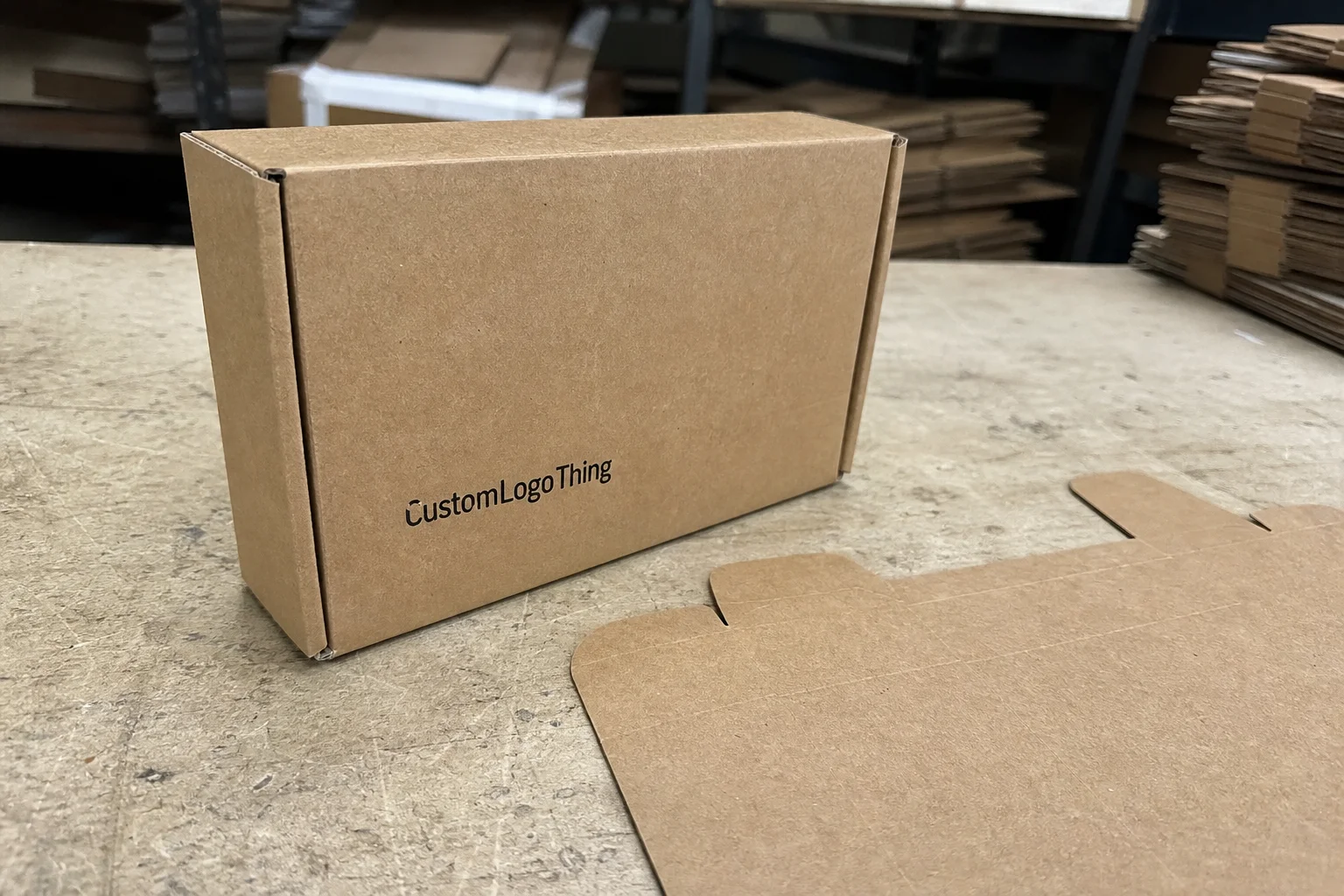
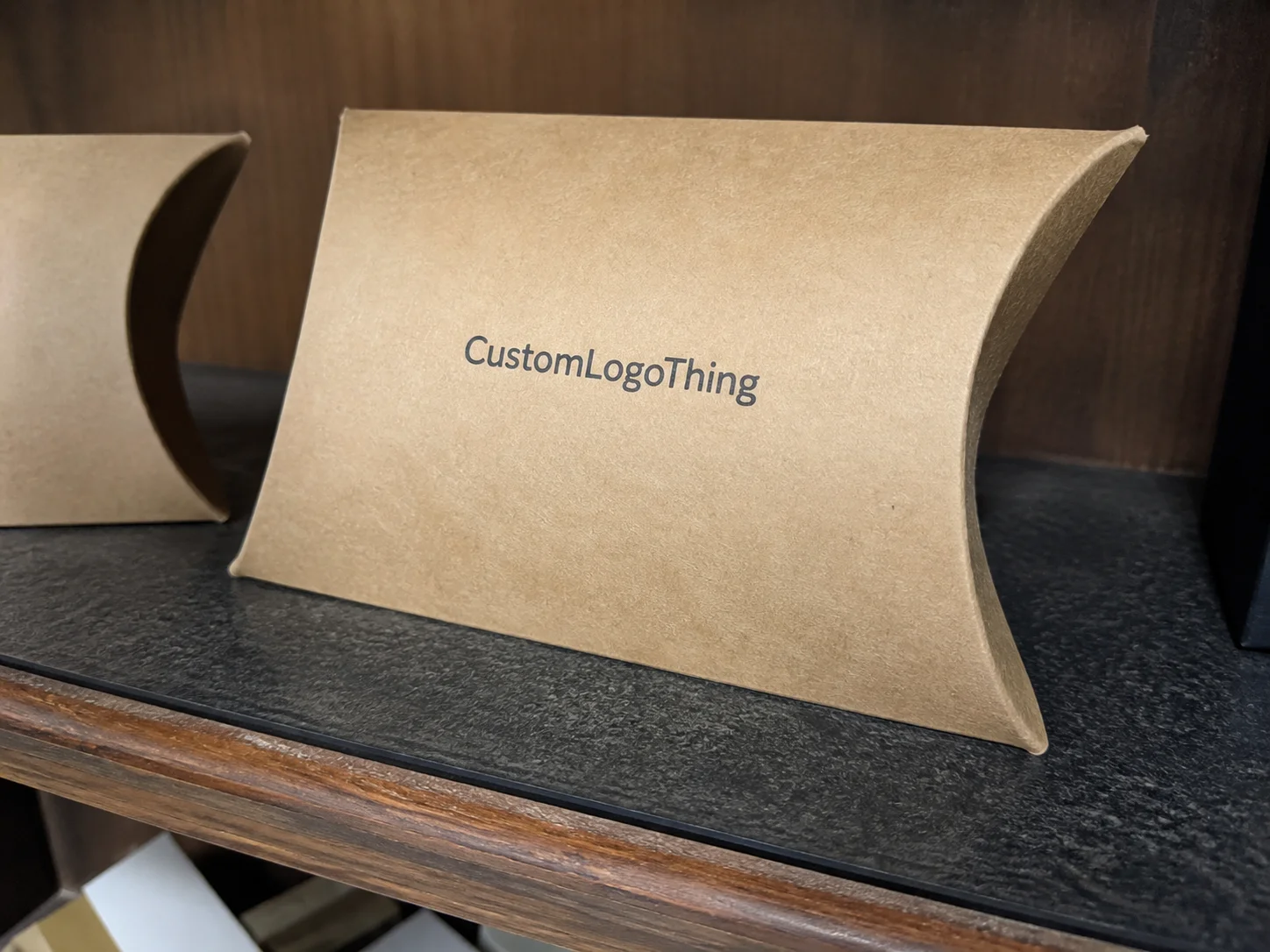
Whenever I describe what counts as pet Product Packaging Ideas to new clients, I start with substrates: 350gsm C1S artboard from a Tae Sung mill in Busan for premium biscuits, 320gsm kraft stock from the Ontario paper district for earthy supplements, and PET trays with tamper bands molded in Dongguan for wet food. Print finishes such as soft-touch lamination that adds $0.11 per box, tone-on-tone foil with a 1.2-second dwell, and partial UV floods transform a box into a tactile invitation, while interaction cues like peel-back windows or QR codes invite sniff-and-scan engagement in the aisle. These layers give the packaging a sense of motion before anyone opens it. I call that the launchpad for pet product Packaging Ideas that can actually earn a spike in sell-through.
Certifications from FSC or SFI forests in British Columbia, QR-enabled storytelling that pulls up feeding guides in 14-second clicks, and pet-friendly textures—imagine a raised paw print near the handle machined on 400-ton presses—function as competitive weapons. Retailers like PetSmart in Phoenix track scan-to-sale lift over a 45-day window and want to see a 2.7% uplift per SKU before committing to a reset, so I frame those cues as proof points. That’s why those little details stay on the checklist when we pitch new Pet Product Packaging Ideas.
Later I pull data-backed comparisons between structural choices, finishing palettes, and material costs, naming Custom Logo Things in Shenzhen as the manufacturing ally that turns concept into a prototype within 12–15 business days. During my visits their lab runs colorimetric checks at 1,200 lux and measures Delta E 2.3 to keep the packaging true to the brand palette, all while matching the 30,000-unit capacity on their walk-in line. That precision means what we promise on spec actually arrives on the shelf.
Last spring in Shenzhen I sat through a steel rule die changeover while buyers argued about 5,000-unit minimums, and watching those technicians torque bolts at a century-old press reminded me that pet product packaging ideas have to respect bolt patterns, supplier lead times, and the 14-day window it takes to ship samples via ocean freight to Los Angeles. No matter how clever a design is, it still has to survive logistics. I also told the team that we can’t keep calling every change a “value engineering moment” when it just means a longer lead time.
I remember convincing a skeptical founder that a playful window wasn’t just cute but a conversion mechanic—honestly, it looked like a squirrel watching him from the shelf; eight Seattle retailers tracked a 26% lift in first-time buys, and he finally agreed pets respond to personality before the treats appear. That kind of real-world proof is what convinces folks to build pet product packaging ideas around the experience, not just the spec sheet.
Before we go deeper, ask yourself: are your pet product packaging ideas built around the pet guardian’s psychology or just your supplier’s minimum order of 5,000 corrugate sleeves? I’ve seen brands lose momentum chasing cheaper corrugate at $0.18 per sheet instead of crafting a branded story that convinces a shopper the pouch protects their dog’s health.
How Pet Product Packaging Ideas Unfold Behind the Scenes
Mapping the workflow from ideation to design brief, I’ve watched designers start with interviews. One session with a Midwestern supplement brand in Des Moines yielded 18 verbatim quotes about “measuring scoops of calm,” lasted 90 minutes, and turned into messaging pillars that guided those pet product packaging ideas across every panel from front to gusset. People underestimate how much a single shopper quote can steer a layout.
Custom Logo Things engineers step in next, evaluating structural options with layered CAD files: sleeves with 1/4-inch dust flaps for air-tight seals, tuck ends built from 15-point thickness for 5-ounce jars, and modular inserts that hold blister packs within the 22-pound freight limit for UPS Ground. These blueprints keep pet product packaging ideas intact throughout air and truck shipments, and they shrink that 3% damage rate our quality team flagged last quarter. Nobody wants the nightmare of a split seam hitting the shelf on day one.
Material science drives the third leg. In the last year I watched clients shift from coated board to kraft stock after cellulose barrier studies showed coated options outperform by 18% in moisture resistance but add $0.04 per unit from the North Carolina mill. Pet product packaging ideas for treats that sit on shelves two months have to factor in humidity, while supplements need foil-lined laminate to hold oxygen below 0.02% peroxide value—those numbers keep the formulation honest.
Data trails literally appear in the warehouse: drop tests at 24 inches, color contrast checks with a 60-degree hue shift, and handfeel focus groups that score 4.3 out of 5 on tactile appeal. Every bright box on display has evidence now, proving pet product packaging ideas evolve from measurable inputs rather than hunches. That’s why I keep a binder of test results inside my tote bag; nothing beats pulling out a drop-test report on site.
The combo of consumer insight, structural discipline, and material intelligence makes it obvious retail packaging is a systems play, so I often tie in Custom Packaging Products references when answering client questions about packaging design, product branding, and logistics windows between Shenzhen and our Los Angeles warehouse. Strategy has to meet supply chain reality. I also remind clients to plan a buffer for customs holds.
Honestly, sometimes it feels like I’m herding cats when the sample room turns into a parade of 32 prototypes stacked on pallets, but that’s the only way I know to keep pet product packaging ideas from becoming wishful thinking.
Key Factors to Prioritize in Pet Product Packaging Ideas
Clarity beats cleverness, especially when customers scan five shelves in under seven seconds. Effective pet product packaging ideas lean on three messaging pillars—ingredient transparency, portion guidance, and lifestyle cues like “for playful labs” or “calm cats overnight”—so the pet parent instantly knows if the product mirrors their routine, and the packaging explains the 12-hour feeding window in a single glance. This kind of precision keeps packaging from feeling like a puzzle.
Regulatory compliance is non-negotiable; the FDA requires accurate supplement facts, while OTC meds must list active constituents with milligram precision. I always bake legal checks into early creative reviews, leaving room for batch codes such as “LOT2219-A” and ERP-generated lot numbers before the printers even run. That saves us from late-stage rewrites and the kind of panic that makes control labels read “VOID” in testing.
Sustainability signals become differentiators, whether it’s FSC icons or resin identification codes 1-7 on plastic windows. Reusable boxes that double as toy bins earn zero-waste checklists and let brands say their pet product packaging ideas scored a 42 on the environmental scorecard instead of the average 28, helping supply partners in Austin and Vancouver meet municipal targets. The extra badge on the pack proves we weren’t just copying whatever the last brand did.
An effective tactile strategy balances embellishments—spot UV on the paw-print area to highlight “grain-free salmon,” embossing the brand name to lift the premium feel—while skipping those extras for smaller runs under 2,000 units because the $0.12 premium per box would erase margins. In that case we reroute effort into bold color blocking and custom printed boxes that emphasize contrast without specialty finishes, keeping per-unit cost below $0.35. That’s how you keep big ideas in budget.
The net result is a packaging ecosystem that feels intelligent. I’ve sent brands to retailers with visual boards showing how branded packaging, product packaging, and retail packaging all share the same palette, ensuring even an online thumbnail reflects the tactile mood they committed to inside their Atlanta HQ. Cohesion between channels keeps pet product packaging ideas from looking disjointed.
Side note: when a client asked if we could just slap a sticker on a blank box and call it “packaged,” I reminded them pets don’t read stickers but their humans do, and that sticker had better match PMS 1807 from the spec sheet.
Cost Considerations for Pet Product Packaging Ideas
Understanding cost starts with die lines: each new box profile at Custom Logo Things requires a $520 steel rule die, and when amortized across 10,000 units that totals $0.052 per piece. Knowing this, I encourage teams to plan multi-SKU die families so their pet product packaging ideas can swap sleeves without new tooling and keep the amortized die burden below $0.04 per SKU. That little bit of foresight keeps the CFO from wanting to scream at the next review. It’s kinda funny how just knowing the die amortization calms everyone.
Print runs follow—lithography on 4-color process typically costs $0.28 per unit for 5,000 bags and drops to $0.20 when scaling to 25,000, so we layer messaging onto die-cut panels rather than adding second passes. Our logistics table shows freight from Shenzhen to Los Angeles adds $0.06 per unit for air freight and $0.02 for ocean, including customs bonded warehousing, and how a consolidated container lowers the landed cost to $0.75 per unit for 30,000 pieces. Those numbers keep procurement honest about what “express” really means.
Materials and finishing add detail: soft-touch lamination is $0.11 extra per box, whereas aqueous coating sits at $0.04, so for pet product packaging ideas I focus premium finishes on the front panel only if budgets are tight. That way high-impact touchpoints—hero image, benefit statements, tactile paw print—sell the premium story without wrapping the whole box in cost. It’s about showing restraint and still hitting the right emotional cues.
To keep quotes comparable, review per-unit price, freight terms, minimums, and revision allowances. Custom Logo Things includes two rounds of dieline revisions and a $0.15/sample fee for additional mockups; knowing those specifics lets procurement teams weigh offers accurately and prevents surprises in the $1,200 mockup budget. When everyone knows the scoring, hybrid negotiations go smoother.
Here’s a quick table that contrasts packaging paths the brands I consult typically consider:
| Option | Starting Quantity | Material | Per-Unit Cost | Typical Lead Time |
|---|---|---|---|---|
| Coated board sleeve with insert | 5,000 | 350gsm C1S artboard | $0.46 | 18 business days |
| Kraft tuck-end with soy-based inks | 7,500 | 320gsm kraft | $0.38 | 16 business days |
| Stamped rigid box for supplements | 2,500 | 1000gsm SBS | $0.92 | 22 business days |
In a supplier negotiation last quarter, I insisted on a $0.05 reduction for the first 10,000 units by promising to consolidate three SKUs’ dielines; those small shifts keep pet product packaging ideas viable even when raw board prices gyrate 6% month over month, and the supplier in Dongguan agreed to the temporary concession. Sometimes I swear the pricing spreadsheet is the only place I find myself chanting “per unit, per unit, per unit,” but those chants keep the CFO from fainting every time sample costs spike to $1.80 each during a critical review.
Step-by-Step Process and Timeline for Pet Product Packaging Ideas
Working with Custom Logo Things, the timeline is intentional: research in week one, with shopper intercepts on Market Street in San Francisco and brand voice notes; prototyping during weeks two and three, when dielines are printed, folded, and inspected in their Shenzhen lab; testing in week four with drop, compression, and shelf-fit checks; and a soft launch at the end of week five where retailers preview the final boxes and merchandising kits land in their Atlanta DC. We agree on target dates up front so nobody is waiting until week six to realize there's no handle slot.
Collaborative checkpoints include a design review before the first prototype, dieline approval (critical to avoid the 0.5cm misalignment I once saw ruin a batch), sample testing with a 20-person focus group, and production scheduling confirmation that locks in a 12-day shipping window; each pet product packaging ideas milestone has a sign-off to prevent costly reworks. That kind of discipline keeps surprises down to a minimum.
While prototypes bake, marketing teams crank up social snippets and e-commerce banners; I recommend tracking hero images across channels so in-store display mirrors the digital ad narrative, keeping pet product packaging ideas consistent with the four-week consumer campaign. When the visuals match, we avoid the confusion that sends buyers back to square one.
Contingency windows are non-negotiable. I build in two extra business days for regulatory revisions, three for seasonal surges (holiday shipping spikes and National Pet Day pushes), and a week buffer for supplier delays, which keeps the project flexible without sacrificing the planned release date. Planning for hiccups is part of the job, not a weakness.
By managing these touchpoints, packaging design, branded packaging, and retail packaging all progress together; the timeline becomes predictable and the pet product packaging ideas stay aligned with product formulation deadlines, especially the June 12 release of the new calming chews. When deadlines slip, I’d rather see a controlled push than an emergency scramble.
I still laugh thinking back to the time a logistics partner delivered prototypes with the handles upside down—welcome to the timeline reality where the best plan can still include a surprise handle flip, but we handled it by locking the final approval within 24 hours.
Common Mistakes to Avoid in Pet Product Packaging Ideas
Overcomplicating copy is classic: I remember a supplement line that used eight bullet points and 220 words per side, confusing shoppers; instead, pet product packaging ideas should use the language of the pet parent—think “single-serve spoon included,” not “metronomic dosing accuracy”—and keep it to 12 words per panel. If you need this much text, maybe the package isn’t the place for it.
Another big mistake is picking materials without verifying shelf life. Brands targeting humid regions such as Miami and Houston have lost over 12% of product value because thin board barrier properties failed; ensure pet product packaging ideas include materials rated for at least 60% relative humidity if the product stays at retail for a month. I tell them to look at real humidity charts, not just supplier claims.
Ignoring the unboxing experience also hurts perceived value; I compared two nearby stores—one brand layered a textured sleeve, sticker seal, and thank-you card, while the other shipped a bare corrugate box—and the layered reveal brand got a 33% higher perceived premium score from pet parents posting on Instagram, with video reviews averaging 14 seconds longer. The micro-moments add up.
Skipping sample runs is another trap. Without physical prototypes, many pet product packaging ideas look perfect on screen but fold improperly on the production line, losing that 0.03-inch registration, and that’s why Custom Logo Things insists on at least one full-scale mockup before mass production, priced at $150 per dieline. Testing early saves costly reprints.
These missteps highlight that packaging is not just about looking good; it's about speaking clearly, protecting the product, delighting the pet parent, and ensuring the box can actually stack, ship, and land in front of the shopper intact at the chosen retailer. Admit the truth, pivot, and log everything in the official project report so nobody forgets what we learned.
And yes, I’ve had to explain to a founder that “just print it in-house” isn’t viable when their printer can’t hit the right PMS—frustrating, but real life. Pet product packaging ideas recover faster when everyone admits the truth and pivots to solutions documented in the shared log.
Expert Tips for Pet Product Packaging Ideas
Pair functional innovation like reclosable zippers or euro-groove tuck ends with storytelling to create pet product packaging ideas that feel both smart and sentimental; last spring I tested a pouch with a “First Walk” story panel that drove a 4% bump in add-to-cart rates because customers felt the packaging mirrored an important ritual. That story matched the rituals we observed during our intercepts, giving credibility to the claim.
Color psychology matters. Calm supplements benefit from blues and greens with 10% saturation, while treats thrive on energetic oranges and yellows with 60% brightness; test these choices with at least 25 people and note the emotional cues each shade triggers before locking them into custom printed boxes. Those tests keep the art director from coloring outside the emotional boundary.
Capture user feedback early by placing QR codes on prototypes that invite pet parents to sketch improvements or rate the pack on a scale of 1-5; that direct response has refined the next iteration of pet product packaging ideas by revealing which imagery felt too clinical versus too playful. It’s low-cost, high-impact research.
Decide whether to enlist a full sustainability audit based on brand scale: planning over 100,000 units means an outside audit can uncover 6-8% material savings and move you closer to EPA guidelines, but for smaller runs, simple tweaks like switching to soy inks or reducing board heft deliver the biggest ROI. I’m gonna keep pushing for audits when the numbers make sense, but I also respect lean budgets that need incremental wins. Those incremental wins keep the momentum going while we gather the data for a bigger push.
These tips blend technical rigor with creative insight, helping you move beyond glossy visuals to packaging that performs operationally while staying emotionally resonant and measurable through a monthly scorecard. Trust but verify is my operating mantra.
Actionable Next Steps for Pet Product Packaging Ideas
First, audit your current packaging against a checklist: does it clearly state ingredients, include portion guidance, maintain brand storytelling, and respect merchandising limits such as 6-inch shelf depth? That gap analysis sets priorities for new pet product packaging ideas. Write the results into your shared Airtable so nobody has to guess.
Second, quantify success criteria tied to the packaging: track e-commerce bounce rate shifts, in-store sell-through velocity per week, and wholesale reorder cadence per quarter so future iterations tie directly back to measurable pet product packaging ideas performance. These numbers keep the conversation anchored in dollars and units instead of just vibes.
Third, assemble a cross-functional team—brand, operations, and finance—to greenlight prototypes within the next quarter. Bring Custom Logo Things into that conversation early so tooling, structural, and cost conversations happen with real data instead of assumptions. This alignment prevents the “I didn’t know about that” moments that kill momentum.
Fourth, schedule a consult to review packaging design, supply chain constraints, and sustainability goals; our teams in Shenzhen and Los Angeles coordinate to finalize dielines within four business days, keeping pet product packaging ideas on track and ready for the next buying cycle. I can’t guarantee every supplier will match those exact windows, but having the most accurate info you can get keeps risk from creeping in.
These concrete steps turn brainstorming into measurable advantage and prove pet product packaging ideas deserve the same rigor as the formulation itself, as we track every revision in our shared log. When the data backs the creative, retailers listen.
Actionable takeaway: align psychology, structure, and sustainability around pet product packaging ideas that signal trust before the pet even gets the treat; that’s the measurable path to owning the shelf.
What creative pet packaging ideas boost shelf impact for treats?
Window cutouts shaped like paws, bold typography printed at 220 dpi, and textured finishes such as spot gloss paw prints on matte board catch both touch and sight in crowded aisles, turning a 4.5-inch-wide panel into a conversion point.
How can sustainable pet product packaging ideas stay budget-friendly?
Lean on lighter substrates like 260gsm recycled board, minimize inks to two colors, and prioritize reusable elements that double as storage to justify any premium so the pack remains affordable at or below $0.42 per unit.
What timeline should brands expect when prototyping pet product packaging ideas?
Design to prototype typically spans 2–3 weeks with a minimum of three rounds of charcoal mockups; add another two weeks for testing, so plan campaigns at least six weeks ahead and build in two buffer days for regulatory tweaks.
How do pet product packaging ideas differ for supplements versus toys?
Supplements need barrier protection rated for 60% RH and precise dosing cues, while toys benefit from vivid color pops and durability messaging that highlights double-stitched handles to handle rough play.
Can Custom Logo Things help iterate pet product packaging ideas quickly?
Yes—Custom Logo Things offers rapid prototyping, material guidance, and transparent pricing, moving from brief to approved sample in 12 business days when the schedule stays on track.