On a shipping floor, packaging failures show up fast. A flap that does not stay closed, film that feels lighter than the approved sample, or print that wanders from run to run can slow packers down and create avoidable claims. That is why choosing a poly mailer manufacturer in usa is not really about buying a simple bag. It is about controlling freight, protecting the product, and keeping fulfillment predictable. If you are comparing options, it helps to review branded formats such as Custom Poly Mailers alongside a broader range of Custom Packaging Products.
Poly mailers look simple because the finished piece is simple. The buying decision is not. Film structure, resin blend, thickness, opacity, print method, and adhesive quality all affect how the package behaves once it leaves the packing table. Buyers who understand those variables usually waste less money on reprints, bad fit, and underbuilt material.
What a Poly Mailer Manufacturer Actually Provides
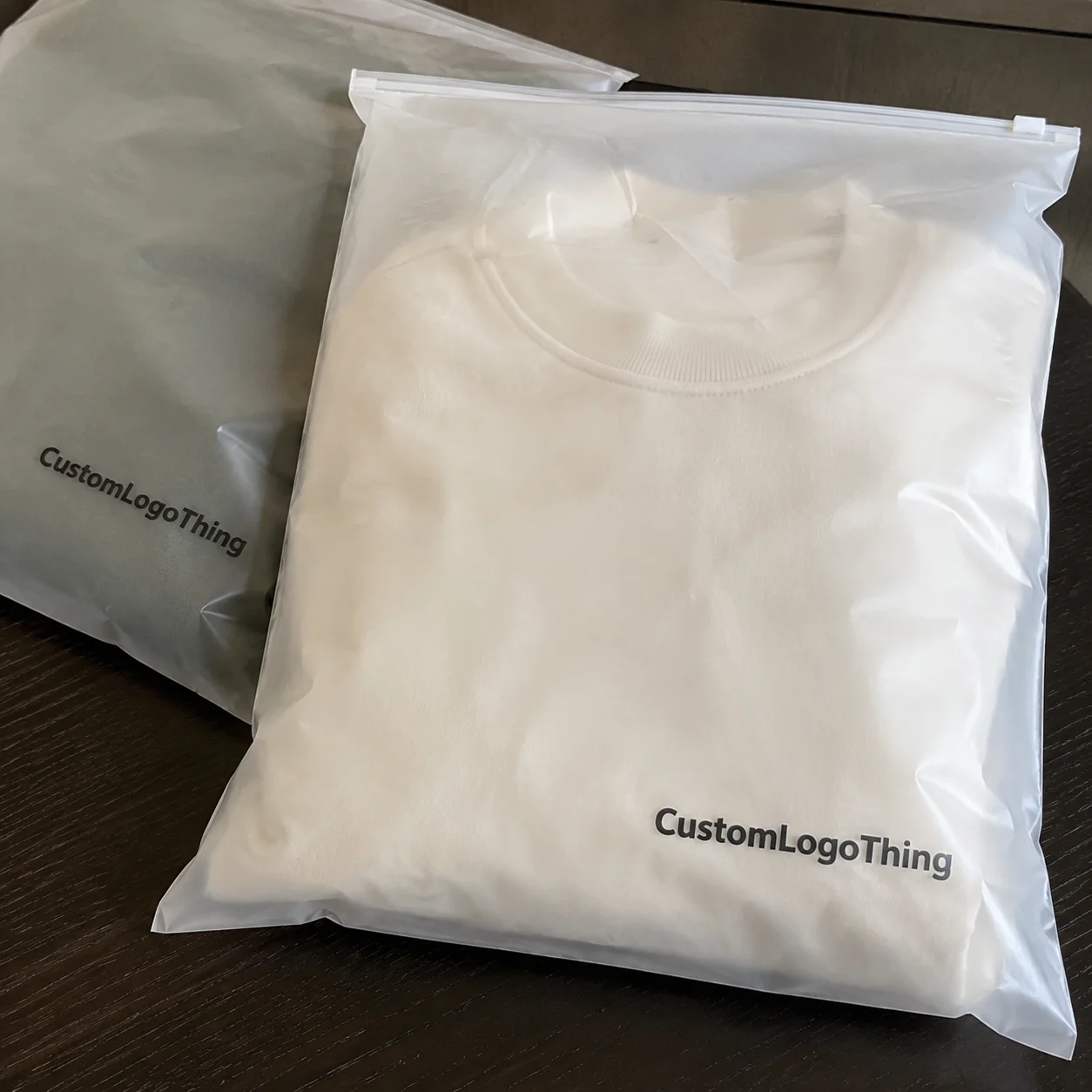
A mailer changes more than the outer appearance of a shipment. It affects labor time, parcel weight, storage space, reorder planning, and how consistently the package survives ordinary carrier handling. For apparel, soft accessories, printed materials, and other non-fragile goods, a mailer often removes the need for a corrugated box and cuts ounces from every parcel.
Most poly mailers are made from LDPE, sometimes blended with other polyethylene grades to improve toughness, feel, or print performance. Co-extruded film is common, especially when the buyer needs a balance of exterior printability, interior strength, and better opacity. Standard ecommerce constructions often land around 2.0 mil to 3.15 mil, with heavier film used for rougher contents or more demanding routes.
That part matters because not every “2.5 mil mailer” performs the same way. Resin quality, layer structure, and side-weld consistency make a visible difference. Two bags can feel similar in the hand and behave very differently after conveyor handling, overpacking, or exposure to weather at delivery.
Stock and custom mailers solve different problems. Stock sizes are usually easier to replenish, require little setup, and make sense for companies that need plain functional packaging. Custom mailers add brand color, logo placement, messaging, return instructions, inside print, or a return strip. For direct-to-consumer brands, that outside package is often the first physical touchpoint the customer sees.
Most supplier changes are not dramatic. More often, buyers are reacting to recurring friction: drifting lead times, inconsistent print registration, weak adhesive strips, film that seems downgauged compared with the original approval, or reorder systems that force the team to restate the same specs every time. A capable poly mailer manufacturer in usa usually stands out in the unglamorous parts of the job: documented specifications, usable samples, clear proofs, and repeatability.
Domestic sourcing also tends to reduce decision lag. Questions about proofs or material options move faster, transit is shorter, and there is usually less uncertainty around customs delays or long ocean schedules. That does not mean every domestic source is automatically better on price or print quality. It does mean communication and replenishment are often easier to manage, especially for businesses ordering on a steady cycle rather than importing large annual volumes.
How Poly Mailers Perform on a Real Packing Line
Speed matters. A packer loads the item, removes the release liner, folds the flap, seals it, and sends the parcel to labeling. There is no carton to assemble and usually no tape gun, which is part of the reason mailers remain popular in apparel fulfillment.
The labor difference sounds small until it is multiplied across thousands of orders. Even a few seconds saved per parcel can change staffing pressure during peak weeks.
Moisture resistance is one of the clearest advantages of poly film. It handles rain exposure, damp loading docks, and ordinary doorstep conditions better than paper by itself. That said, moisture protection and puncture resistance are not the same thing. A folded T-shirt is an easy application. A hoodie with a heavy zipper, a bundled accessory with corners, or a multi-pack with dense folds may need thicker film or a tougher blend.
Film thickness changes both feel and performance, but there is no universal best choice. A 2.0 mil mailer may be enough for lightweight garments shipped in calm parcel networks. 2.5 mil to 3.0 mil is a common range for brands that want a more secure feel, better opacity, and more margin against puncture. Going thicker than that usually means the buyer is solving a specific problem rather than simply “upgrading.”
Print method deserves more scrutiny than many teams give it. Flexographic printing is widely used for poly mailers and works well for logos, simple branding systems, and moderate color requirements. Rotogravure can produce finer detail and smoother large solids, but the setup economics are different and often make more sense at higher volumes. Most buyers do not need the fanciest process. They need the process that can hold the artwork cleanly at the order size they actually buy.
Mailer sizing affects fulfillment more than people expect. Oversized bags look sloppy, trap excess air, and let the product shift around. Undersized bags slow the line and put stress on side welds during insertion. The right size is based on the packed product, not the flat product dimensions listed in merchandising files.
Practical rule: if the product does not need rigid protection, a properly specified poly mailer often lowers both packing time and parcel cost.
Specs, Materials, and Cost Drivers Worth Comparing
Many quote requests fail before the supplier ever responds. The buyer asks for “custom mailers” without defining the variables that control price and performance. A useful spec sheet should include finished dimensions, film thickness, material type or recycled-content target, seal style, print coverage, color count, quantity, and ship-to location.
Dimensions come first because fit affects everything else. The product should sit in the mailer without strain, but not disappear inside oversized empty space. Apparel teams often test several folded SKUs in one sample size and watch for bulging, curling at the flap, and loading speed. A bag that technically fits is not always a bag that packs well.
Thickness is usually stated in mils, and quotes should be compared on a like-for-like basis. A 2.5 mil quote only means something if the competing quote is also 2.5 mil and the film structure is reasonably comparable. Ask whether the stated gauge is nominal, what tolerance applies, and whether the side weld and flap adhesive have their own performance standards.
Opacity matters more than some buyers expect. A thin white mailer may still shadow the contents enough to look cheap or expose product outlines. Black interior layers or co-extruded constructions can improve concealment. That can matter for customer privacy, premium presentation, or simply avoiding the look of underbuilt film.
Material choice affects appearance and consistency as much as sustainability claims. Virgin resin often gives a cleaner print surface and more uniform color. Recycled-content mailers can support environmental goals, but blend quality varies, and so can shade, feel, and surface smoothness. If recycled content is mandatory, ask for the percentage range, whether it is post-consumer or post-industrial, and whether the visual variation is normal from run to run. General recycling background from the EPA can help frame the discussion, while FSC is more relevant for paper-based packaging programs than for plastic mailers themselves.
Print coverage is another major cost driver. A one-color logo in one panel is a very different job from full-bleed exterior color with inside print and tight brand tolerances. More ink coverage, more colors, and tighter registration expectations usually mean higher setup cost and a higher unit price. For many mid-volume custom orders in the 5,000 to 10,000 piece range, straightforward printed mailers often fall around $0.18 to $0.28 per unit. Larger sizes, heavier film, premium opacity, recycled-content targets, or broader print coverage can push pricing beyond that range. These are planning numbers, not a universal market promise from every poly mailer manufacturer in usa.
Minimum order quantity also changes the economics. A supplier can look inexpensive at 25,000 units and uncompetitive at 3,000. Another may price smaller branded runs better because its scheduling and print setup are built around shorter repeat work. Buyers should also ask about quantity tolerance, overruns, and underruns, since flexible packaging orders are not always delivered at an exact piece count.
| Spec Area | Typical Options | Cost Impact | Performance Impact |
|---|---|---|---|
| Film Thickness | 2.0 mil, 2.5 mil, 3.0+ mil | Higher thickness usually raises unit cost | Improves puncture resistance, feel, and opacity |
| Material Blend | Virgin, recycled content, mixed blend | Varies with resin market and availability | Affects appearance, consistency, and print surface |
| Print Coverage | Spot logo, multi-color, full flood, inside print | More colors and coverage cost more | Changes visual impact and artwork tolerance needs |
| Size | Stock dimensions or custom dimensions | Custom sizes may add setup cost | Improves fit, reduces wasted space, speeds packing |
| Order Quantity | 3,000; 5,000; 10,000; 25,000+ | Unit price often drops at breakpoints | Affects storage, cash flow, and reorder frequency |
The cheapest quote on paper can be the most expensive option in use if it causes tear-outs, slow pack-out, weak presentation, or a full rerun. Packaging should be judged on landed cost plus performance, not invoice price alone.
Poly Mailer Manufacturer in USA: Lead Times and Order Flow
A custom order usually starts with a quote request that covers size, film thickness, quantity, color count, print coverage, and shipping destination. From there, the project moves into artwork review, proofing, scheduling, printing, converting, packing, and shipment.
Most delays happen before production actually begins. Low-resolution artwork, missing Pantone references, uncertain dimensions, or a late approval on the proof can add days quickly. Vector files such as AI, EPS, or press-ready PDF are usually preferred. A clean dieline showing flap location, bleed, safe area, and print orientation prevents a surprising number of avoidable errors.
Color expectations can add time too. A black logo on white film is usually straightforward. A design with large solid backgrounds, multiple spot colors, and little tolerance for variation takes more setup care and closer press control. Recycled-content film requirements or uncommon structures may also extend material lead time if they are not already in regular supply.
Stock mailers usually ship quickly if inventory is on the shelf. Custom Printed Mailers often take about 12 to 20 business days after final proof approval, though the real number depends on order size, press load, material availability, and print complexity. During busy seasons, or when the job includes multiple SKUs, that window can stretch.
That timeline is one reason many buyers prefer a poly mailer manufacturer in usa for recurring programs. Imported mailers can work well for larger forecasted orders, but long transit schedules, customs uncertainty, and higher reorder risk make them harder to use for tight replenishment cycles. If your demand is uneven, domestic production often provides more room to correct forecasts without carrying excessive inventory.
Reorders should be easier than first orders. If they are not, something is wrong with the way the supplier stores job information. Approved art, dimensions, gauge, color references, and production notes should be tied to a SKU or item code so the buyer is not rebuilding the spec every time.
Before requesting pricing, gather the details that keep the process from drifting:
- Finished width and height, including flap style if relevant
- Target thickness in mil and any minimum opacity requirement
- Product weight range and any sharp hardware or boxed inserts
- Artwork file type, print colors, and Pantone references
- Desired quantity breaks and ship-to destination
- Need for samples, printed proof, or pilot run before full production
A good quote should state more than the unit price. It should show what assumptions the price is based on, any setup or plate charges, lead-time range, freight terms, and whether quantity tolerance applies.
If you are still comparing supplier fit, reviewing About Custom Logo Things can help clarify production approach, communication style, and the packaging support available beyond one product category.
How to Evaluate a Poly Mailer Manufacturer in USA
The best supplier for one buyer may be the wrong supplier for another. Order volume, artwork complexity, storage limits, and shipping conditions matter more than generic claims.
Start with the packed product, not the catalog dimensions
Measure the item in the way it will actually ship. Record packed length, width, thickness, and weight. Note anything that can stress the film, including zipper pulls, corners, hangers, inserts, or bundled sets.
Decide how much branding the package really needs
Some operations only need a plain functional mailer. Others need a logo, return instructions, inside messaging, or a full branded surface. If budget pressure is real, one-color or two-color printing often gives a cleaner return than heavy flood coverage.
Request two realistic spec paths
Ask for a side-by-side comparison, such as 2.5 mil versus 3.0 mil, or spot print versus broader coverage. Buyers make better decisions when the price and performance tradeoff is visible instead of abstract.
Review physical samples, not just proofs
A PDF cannot tell you much about seal tack, print sharpness on film, side-weld consistency, or how quickly the product loads. Check opacity under bright light. Pull on the flap seal. Watch how the bag behaves with the actual packed SKU inside.
Use a controlled test before scaling
A pilot run is often cheaper than correcting a full production mistake. Track loading speed, damage rate, complaints about torn packaging, and whether labels apply cleanly to the film surface.
- Document the approved dimensions and gauge.
- Save the final proof and color references.
- Track packing time before and after the packaging change.
- Review return and complaint data after launch.
That process is not glamorous, but it is one of the most reliable ways to choose a poly mailer manufacturer in usa based on evidence rather than guesswork.
Mistakes That Cause Damage, Reprints, and Higher Costs
Buying on unit price alone causes more trouble than any other mistake. Thin film can look fine in a stack and fail once it moves through conveyors, truck loading, and doorstep delivery. The pennies saved per bag disappear quickly if seals split or corners push through.
Incorrect sizing is nearly as common. A mailer that is too large looks loose and unstructured. One that is too tight slows the pack line and increases stress at the welds. Both outcomes create avoidable friction.
Buyers also underestimate print limitations. Fine reversed text, large flood areas, and exact brand color expectations need to match the print process and the film surface. If the artwork is demanding, ask what line weight, registration tolerance, and color variation the supplier can realistically hold.
Skipping sample testing is another expensive shortcut. Weak opacity, crooked print, poor seal strength, and awkward pack fit are all easy to miss on a screen and easy to find in a simple in-house trial.
Inventory planning deserves the same attention as unit cost. If the MOQ is 10,000 pieces and monthly usage is 1,200, the buyer is not just purchasing packaging. They are purchasing storage exposure, tied-up cash, and the risk that branding changes before the stock is used. Sometimes paying a little more per unit for a lower MOQ is the smarter move.
Good purchasing is rarely about the lowest number. It is about the lowest-risk specification that still meets shipping, labor, and branding needs.
Practical Ways to Get Better Quotes and Easier Reorders
Request pricing at several quantity levels. A quote at 5,000, 10,000, and 25,000 pieces usually shows whether the volume break is meaningful or mostly cosmetic.
Keep approved files organized from the beginning. Save artwork, dimensions, thickness, material notes, color references, and approved proofs in one place. Reorders become much easier when no one is searching through old email chains to confirm whether the flap was 1.5 inches or 2 inches.
Standardize sizes where you can. If multiple SKUs ship cleanly in the same mailer, inventory control gets easier and packers make fewer mistakes. Too many near-duplicate sizes create confusion on the floor and make forecasting harder than it needs to be.
Ask for a production proof or sample pack before approving a large branded run, especially if the art includes fine lines, large solids, inside print, or critical brand colors. That checkpoint is cheap compared with a bad full order.
It also helps to be candid about the actual shipping environment. If parcels regularly move through rough parcel networks, sit in humid conditions, or carry dense folded goods, say so up front. A supplier can only recommend the right structure if the use case is described honestly.
For operations shipping apparel, accessories, and other soft goods at volume, consistency is usually worth more than a small one-time price win. A steady poly mailer manufacturer in usa that holds specs from run to run tends to reduce friction across purchasing, packing, and customer service.
Build Your Spec Sheet Before You Request Pricing
The most useful step before contacting suppliers is building a one-page spec sheet. Include packed product dimensions, weight range, target mailer size, film thickness, color count, monthly usage, shipping method, and destination. Add any non-negotiables such as recycled-content requirements, return strip, tamper evidence, or high-opacity construction.
Then compare suppliers using the same inputs. Keep dimensions, gauge, print coverage, and quantity consistent so the pricing comparison stays honest. Ask each supplier to show setup charges, lead time, freight assumptions, and any tolerance around final shipped quantity.
A fair evaluation should look at these factors together:
- Unit cost at multiple quantity breaks
- Total landed cost, including freight and setup
- Lead time for first order and repeat order
- Sample quality in seal strength, opacity, and print
- Responsiveness during quoting and proofing
A reliable poly mailer manufacturer in usa should make the process easier to understand, not harder. Build the spec first, test before scaling, and judge performance with the same seriousness you judge price. That is usually what separates a mailer that quietly works every day from one that creates preventable problems on the floor.
Frequently Asked Questions
What should I ask a poly mailer manufacturer in usa before requesting a quote?
Ask about available sizes, thickness options, print methods, MOQ, lead times, and whether samples are available. Confirm what the quote includes: plate or setup charges, freight, proofing, and any quantity tolerance. Share your packed product dimensions and shipping conditions so the quote is based on actual use.
How do I compare pricing from different suppliers?
Use the same specifications for every quote. Compare the same dimensions, film thickness, material type, print coverage, and order quantity. Then review setup fees, freight, overrun policy, and total landed cost rather than focusing only on the per-piece number.
What thickness works best for custom poly mailers?
It depends on the product and the route. Lightweight apparel often works in the 2.0 to 2.5 mil range. Heavier garments, mixed soft goods, or items with sharper features may need 3.0 mil or a stronger film structure. A basic pack test is still the best way to confirm the right spec.
How long does custom production usually take?
Many custom orders land in the 12 to 20 business day range after final proof approval. Artwork readiness, press scheduling, quantity, and material availability can shorten or extend that timeline. Stock mailers usually ship faster if inventory is available.
Can poly mailers include recycled content?
Yes. Some mailers are made with recycled-content blends, though the exact percentage and source can vary. If that matters for your program, ask for the specific composition and discuss any effect on shade, surface feel, or print consistency before approving production.


