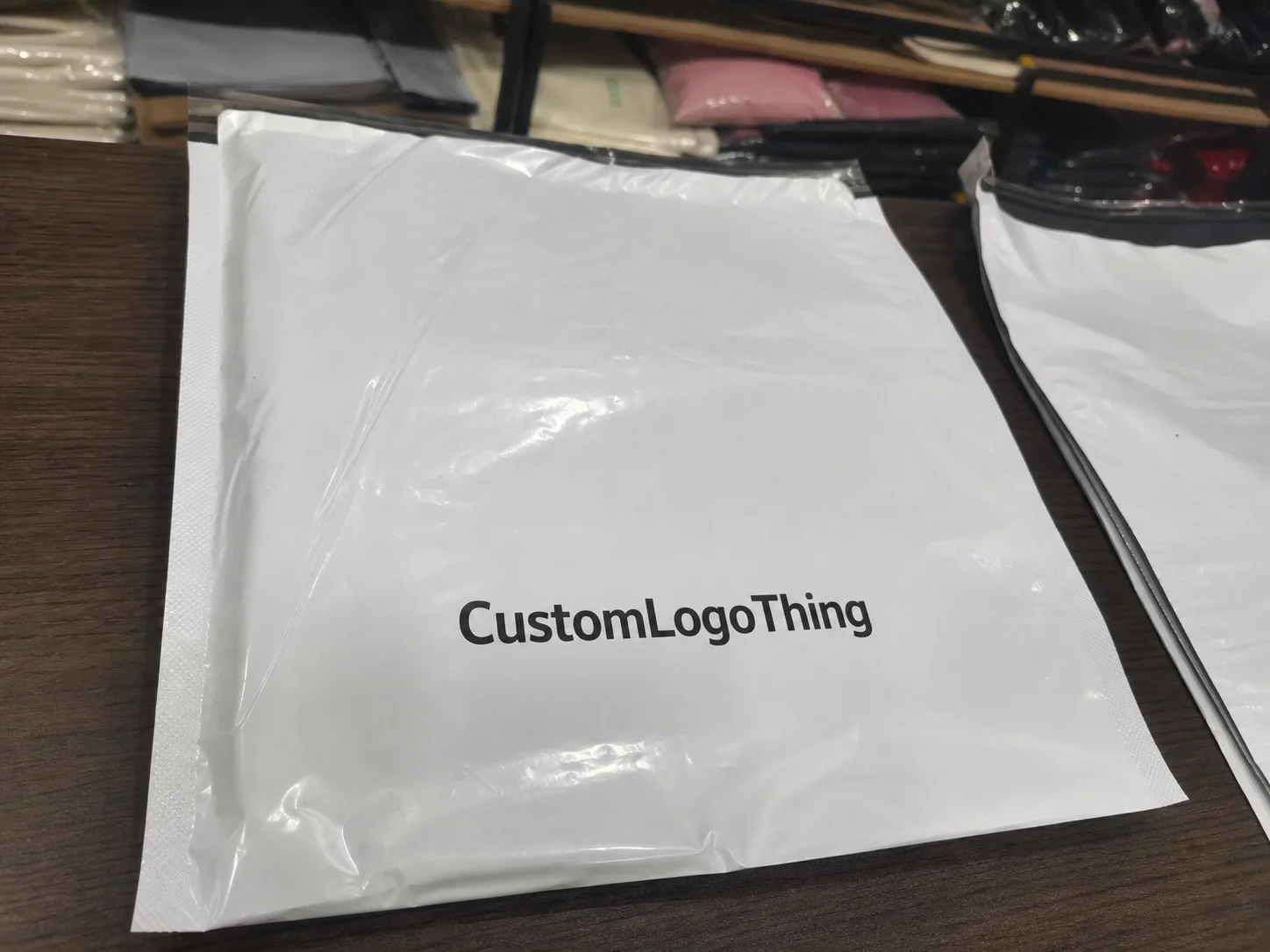
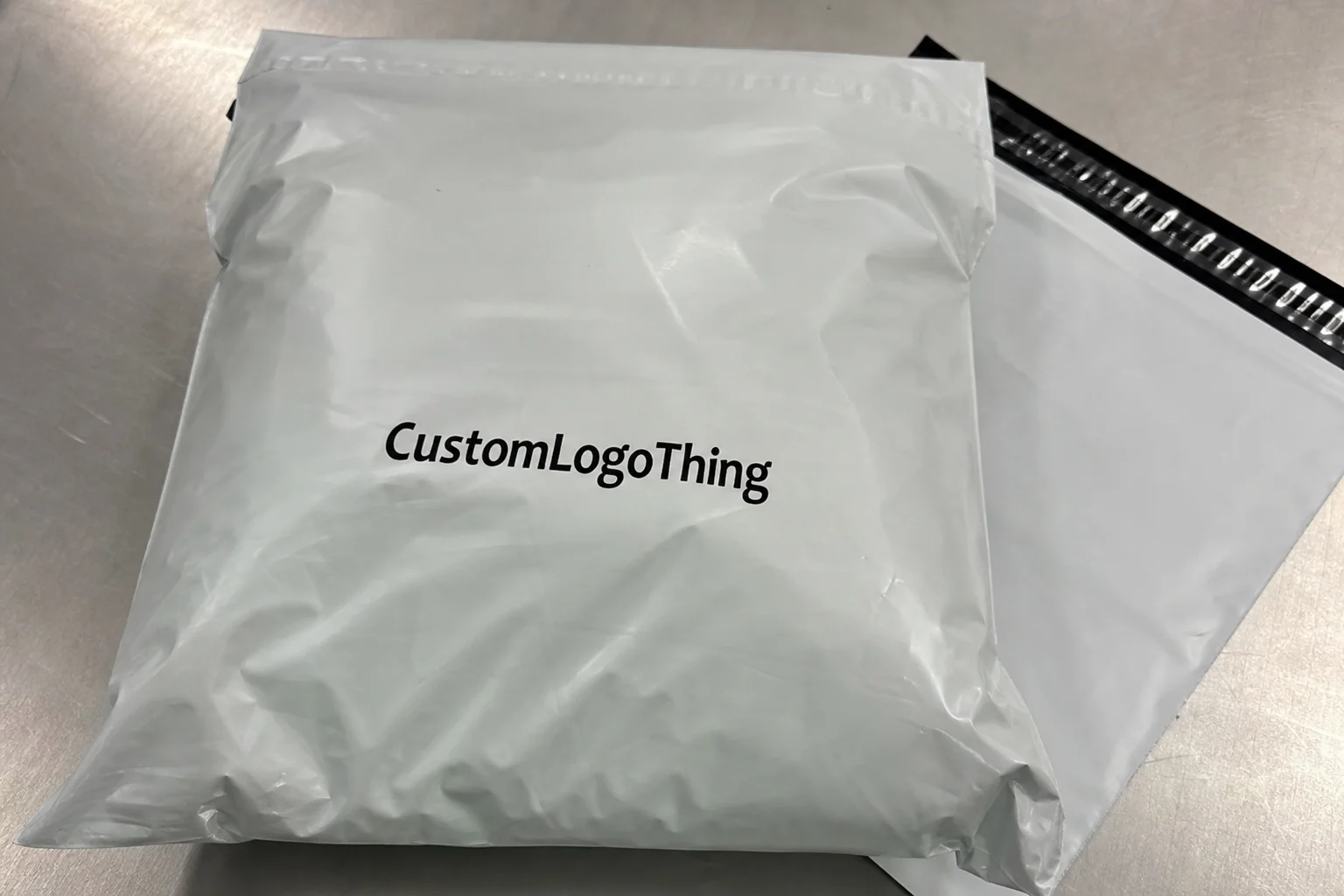
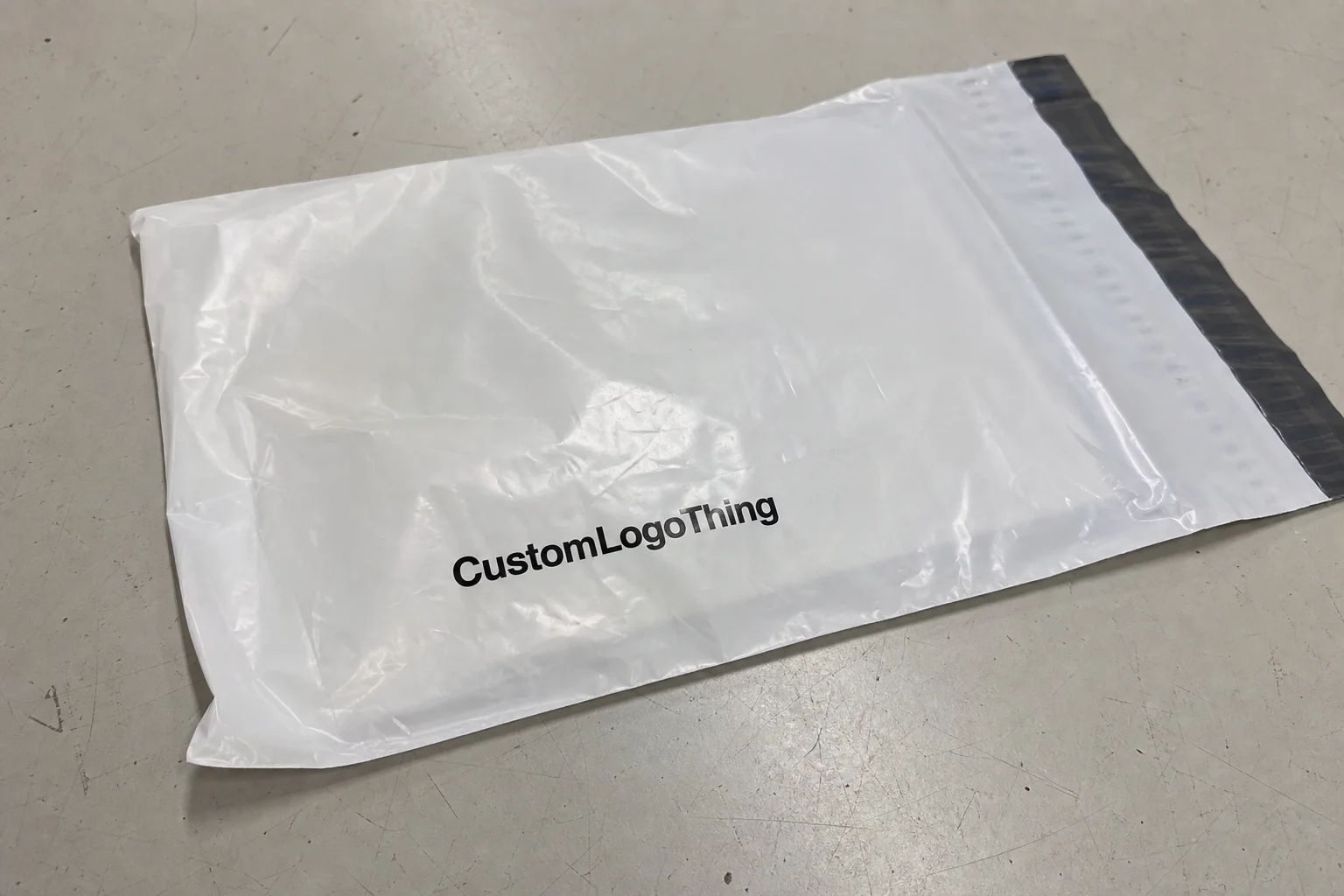
Buyer Fit Snapshot
| Best fit | poly mailers practices tested and for packaging buyers comparing material specs, print proof, MOQ, unit cost, freight, and repeat-order risk where brand print, material, artwork control, and repeat-order consistency matter. |
|---|---|
| Quote inputs | Share finished size, material target, print colors, finish, packing count, annual reorder estimate, and delivery region. |
| Proofing check | Approve dieline scale, logo placement, barcode or warning zones, color tolerance, and any recyclable or compostable wording before bulk production. |
| Main risk | Vague material claims, crowded artwork, or missing packing details can create delays even when the unit price looks attractive. |
Fast answer: Poly Mailers Practices Tested and: Film, Closure, Print, and Fulfillment should be specified like a repeatable production item. The safest quote includes material, print method, finish, artwork proof, carton packing, and reorder notes in one written spec.
What to confirm before approving the packaging proof
Check the product dimensions against the actual filled item, not only the sales mockup. Ask for tolerance on folds, seals, hang holes, label areas, and retail display edges. If the package carries a logo, QR code, warning copy, or legal claim, reserve that space before decorative graphics fill the panel.
How to compare quotes without losing quality
Compare board or film grade, print process, finish, sampling route, tooling charges, carton quantity, and freight assumptions side by side. A lower quote is only useful if the supplier can repeat the same color, closure quality, and packing count on the next order.
Most shipping damage I’ve seen had less to do with the mailer and more to do with sloppy sizing, weak seals, or a packing line that never got a real edge test. I remember one warehouse in Dallas where the team kept blaming the carrier for torn bags, until I watched the packer force an oversized hoodie into a too-small mailer like it was a competitive sport. That is why Poly Mailers Best practices matter so much: the right film, the right fit, and the right workflow can cut complaints fast, while the wrong setup can turn a $0.22 bag into a $14 replacement order. I’ve watched brands lose money on “cheap” mailers that split at the corner, and I’ve watched others look premium with a simple 2.5 mil printed bag because they packed it correctly. Packaging is funny like that, or maddening, depending on the day.
Custom Logo Things asked for a buyer-first view, so that is what this piece is. I’m not repeating supplier brochures, because frankly, I have better things to do than nod along to glossy claims with no bruise marks on the box. I’m comparing what actually survives a packing table, a courier belt, and a customer’s first rip-open moment. If you use poly mailers best practices properly, the best choice depends on whether you ship apparel, soft goods, lightweight accessories, or bulk DTC orders. Different SKUs. Different failure points. Different answers. A 10,000-unit apparel run in Atlanta has different economics than a 700-unit jewelry drop in Phoenix.
In my experience, the brands that get this right obsess over four things: thickness, adhesive strength, size fit, and packing consistency. They also know the economics behind each choice, including setup fees, minimum order quantities, and how much time custom artwork really adds. That is the lens I used here. Honestly, I think the packaging industry spends too much time talking about “premium feel” and not enough time talking about whether the darn bag survives a conveyor drop test. A 3 mil bag from Shenzhen is not the same as a 2.2 mil bag sourced from Ho Chi Minh City, and your packing table will tell you that in about ten seconds.
Quick Answer: Poly Mailers Best Practices That Actually Matter
If you want the short version of poly mailers best practices, here it is: choose a mailer that fits the packed item with about 0.5 to 1.5 inches of seal overlap, test the adhesive on your actual product load, and do a simple drop-and-shake test before buying in volume. That sounds basic. It is. And yet it is the step most teams skip while chasing print color or a lower sticker price. I’ve been in meetings where everyone was arguing about Pantone shades while nobody had checked whether the flap stayed shut. Very glamorous. A good sample test takes about 20 minutes and saves you from discovering failures after a 5,000-piece order lands on a dock in New Jersey.
The biggest field mistake I keep seeing is overstuffing. A 9 x 12 poly mailer that “should work” often fails once a folded sweatshirt, hangtag, and thank-you card are inside. The seam stretches, the adhesive loses bite, and the customer gets a wrinkled bag with a half-open flap. On one client visit in Columbus, I watched a line operator push a bulky hoodie into a mailer that was clearly undersized by 20 mm. The bag survived the bench test, then tore at the gusset in transit. The mailer was not the villain. The fit was. I’ve seen the same pattern with 12 oz fleece pullovers and rigid vinyl tote bags; the product load decides the outcome.
That is the core of poly mailers best practices: right thickness for the product, correct size, strong seal, and a clean packing workflow that keeps dust and wrinkles away from the adhesive strip. The “best” option changes by use case. Apparel brands usually want a balance of print quality and flexibility. Soft goods can use lighter film. Accessories with corners or edges need puncture resistance. Fulfillment operations shipping 8,000 units a day may care more about a fast peel-and-stick closure than a fancy finish. Different businesses, different headaches. A 2.5 mil plain bag and a 3.0 mil printed bag can both be right; they just solve different problems.
“The mailer is the last thing the customer touches before the product, so it has to do two jobs: protect the shipment and set the tone.” That line came from a fulfillment manager in Ohio, and honestly, I think she nailed it.
So what will I judge later? Cost Per Unit, print quality, shipping lead time, recyclability claims, and the customer experience when the bag lands on a doorstep. I’ll also call out where poly mailers best practices can be ignored safely and where they absolutely cannot. A budget stock mailer can be fine for T-shirts. It is a bad bet for boxed cosmetics with hard corners or a 16 oz candle in a rigid carton. One slips through; the other cracks the bag and triggers a claim you can trace back to an extra 6 mm of thickness.
One more practical note: if your packaging team has no written spec, create one. I’ve seen a 4-person startup in Austin and a 140-person apparel brand in Los Angeles both suffer from “tribal knowledge” packing. The result is the same: inconsistent bag selection, inconsistent seal pressure, and higher damage rates. Poly mailers best practices are as much a process issue as a product choice. Even a simple one-page spec sheet with size, film thickness, adhesive type, and carton count can reduce packing errors within two reorder cycles.
Top Poly Mailers Compared: Best Uses at a Glance
There are five categories I keep coming back to when advising brands on poly mailers best practices: plain poly mailers, Custom Printed Poly mailers, padded or poly bubble mailers, compostable mailers, and recycled-content mailers. Each one solves a different problem, and each one creates a different trade-off. The trick is not picking the fanciest. It is matching the bag to the actual SKU mix. I’ve seen too many brands buy the “nice” option and then realize it’s annoying to pack, awkward to store, and weirdly expensive in the lanes they use most. A warehouse in Fort Worth once spent $1,800 on the wrong bag style because the marketing team liked the texture more than the shipping team liked the closure.
| Mailer Type | Protection | Brand Impact | Typical Cost per Unit | Best For | Main Weakness |
|---|---|---|---|---|---|
| Plain poly mailers | Light to moderate | Low | $0.08-$0.18 | Budget apparel, basics, reorders | Minimal unboxing impact |
| Custom printed poly mailers | Light to moderate | High | $0.16-$0.42 | DTC brands, repeat recognition | Higher MOQ and setup cost |
| Poly bubble mailers | Moderate to high | Medium | $0.20-$0.55 | Accessories, books, small hard goods | Higher shipping weight and volume |
| Compostable mailers | Light to moderate | Medium | $0.22-$0.60 | Eco-positioned brands, soft goods | Performance can vary in heat and humidity |
| Recycled-content mailers | Light to moderate | Medium | $0.12-$0.34 | Cost-conscious sustainability upgrades | Not always as crisp in print finish |
Plain poly mailers win on price and speed. In a supplier negotiation I sat in on last spring in Chicago, the buyer cut the unit cost from $0.14 to $0.11 by standardizing two sizes and dropping the third. That sounds tiny. Over 80,000 units, it became real money. The compromise was a less polished presentation, but the shipping team loved the lower inventory complexity. I’d call that a very unsexy win, which is often the best kind. It also cut carton storage by about 12% because they stopped stocking a size they only used twice a month.
Custom Printed Poly Mailers win on shelf-to-door branding. I’ve tested bags where a simple two-color logo changed the customer’s first impression more than a full-color photo print. Why? Because clean registration and decent ink density matter more than flashy artwork on a thin film. A misaligned print looks cheaper than no print at all. I have, in fact, seen a team spend weeks approving a design and then quietly panic when the first run looked like it had been printed during an earthquake. A run out of Dongguan or Vietnam can still fail the mood test if the logo is 4 mm off center.
Poly bubble mailers are the practical choice when the item has corners, rigidity, or a higher risk of abrasion. Books, small electronics, beauty kits with glass components, and boxed accessories can all benefit from the internal cushioning. But the cost of protection is extra weight and more material. If you ship 10,000 units a month, that adds up quickly. In many lanes, the extra bubble layer adds 8 to 18 grams per parcel, which can matter if you’re shipping near a rate break.
Compostable options are attractive, but I urge caution. Some perform well in controlled warehouse conditions and disappoint in hot trucks or damp loading docks. That is not a reason to avoid them outright. It is a reason to sample aggressively. Poly mailers best practices still apply even if the material story changes. A greener bag that fails is still a failed bag, no matter how nice the sourcing slide looks in a deck. I’ve seen compostable film become tacky after 72 hours in a 95°F warehouse in Houston; the branding survived, the seal did not.
Recycled-content mailers are often the quiet winner. They let brands improve their sustainability story without jumping into a fully compostable spec that may not suit the supply chain. I’ve seen recycled films run through automated pack stations with fewer jams than many people expect. A 30% post-consumer recycled blend from a supplier in Nashville performed almost identically to standard film in a 10,000-unit apparel test, which is exactly the sort of boring result operations people like.
Detailed Reviews of Poly Mailers Best Practices
For this section, I’m treating “best” as “most reliable under ordinary shipping abuse.” That includes conveyor friction, drop impacts, damp weather, and the inevitable overpacked order. It also means I’m looking at the whole use chain, not just the bag sitting flat on a table. That is where poly mailers best practices become real. The bag on the sample table is always the most cooperative thing in the room. The bag on a UPS belt in Ontario, California, is a different animal entirely.
Plain poly mailers
Plain poly mailers are the benchmark for low-cost shipping. Most are made from LDPE or a similar polyethylene blend, often in the 2.5 to 3 mil range for standard apparel use. They are light, flexible, and easy to store in bulk cartons. On the line, that matters. A bag that opens cleanly and sticks on the first pass saves seconds per pack, and seconds become labor cost. If your pack station processes 600 orders per shift, saving 4 seconds each is nearly 40 minutes of labor.
Pros: low unit price, light shipping weight, decent moisture resistance, and easy carton storage. Cons: weak brand expression, lower puncture tolerance than padded options, and a dull customer experience if the bag arrives crushed or scuffed. If you are shipping a $28 T-shirt and the bag is otherwise hidden inside a branded outer box, stock mailers make sense. If the customer sees the mailer as the only package, a plain 2.5 mil bag can still work, but only if the print label and seal are tidy.
During one factory-floor visit in Shenzhen, I watched a QC team use a 500 g steel ball and repeated corner drops to compare film toughness across three plain mailers. Two looked identical. One split at the edge seam after the third drop. The difference was a slightly lower-quality seal line, not the film itself. That is exactly why poly mailers best practices include edge testing, not just a glance at thickness. A seam that looks neat can still fail if the heat or pressure setting is off by a fraction.
Custom printed poly mailers
Custom printed poly mailers are where a lot of brands overspend or underthink. Done right, they create immediate recognition. Done badly, they look like a weak promo item. The sweet spot is usually a clean logo, 1-3 colors, and enough empty space so the print does not look crowded on a flexible surface. A strong custom mailer can run about $0.18 to $0.35 per unit at moderate volumes, depending on size and ink coverage. In a 5,000-piece order, a one-color print from a factory in Guangzhou might be quoted at $0.19 per unit with a $180 plate charge; at 20,000 pieces, that same bag can drop closer to $0.15 per unit.
Pros: stronger brand recall, better unboxing photos, more perceived value, and a more cohesive DTC experience. Cons: setup fees, longer lead times, and the risk of overdesign. I’ve had a client insist on a full-bleed pattern with six colors and metallic ink. It looked gorgeous on screen. On film, it turned muddy. We simplified the artwork, and the final bag looked more premium, not less. That was one of those moments where I wanted to print the mockup and tape it to the wall with the words “screen ≠ plastic” in giant red marker. Film can also shift color by 10 to 15% depending on whether you choose matte, semi-gloss, or low-slip stock.
Here’s the honest part: custom printing is not always worth it for low-margin catalog orders. If your reorder velocity is high and the bag is mostly a utility item, the economics may not work. But for brands where repeat recognition matters, custom printing is one of the most effective pieces of poly mailers best practices. A brand that ships from Miami to the Northeast and gets repeat orders within 60 days may see more value from recognition than from saving 3 cents a unit.
Poly bubble mailers
Poly bubble mailers combine an outer polyethylene film with an inner bubble layer. They are heavier, bulkier, and more expensive, but they protect better against scuffing and light impact. I like them for accessories with rigid packaging, small tools, and beauty products that need more than a plain shell. They are also easier to justify when a damage claim costs more than the packaging upgrade. A 4 x 8 bubble mailer from a supplier in Southern California might cost $0.27 at 5,000 units and $0.22 at 15,000 units, which can still be cheaper than replacing a cracked glass item.
Pros: better cushioning, improved puncture resistance, and a more substantial feel in the customer’s hand. Cons: more material, more storage space, and a higher per-unit cost. In one client meeting in Minneapolis, a finance lead pushed back hard on a $0.11 premium until we compared it with a 2.8% damage rate on glass-containing kits. Once the return math was laid out, the bubble mailer made sense immediately. That is the sort of trade-off poly mailers best practices should surface early. If a single return costs $9.50 in postage plus $18 in product loss, the “cheap” option stops being cheap fast.
Compostable mailers
Compostable mailers can be the right choice for brands with a strong environmental story, but I would never treat the label as proof of performance. Some compostable films are more sensitive to heat, humidity, or long storage than standard polyethylene. Others perform better than expected. The variability is why sampling matters. I’ve seen one batch from a supplier in Portland hold up beautifully for 30 days, then another batch from a different plant in Taipei fail block tests after sitting in a warm container for two weeks.
Pros: better alignment with sustainability messaging, appealing customer perception, and a useful signal for eco-focused brands. Cons: higher cost, lower consistency across suppliers, and more careful storage requirements. If your warehouse hits 90°F in summer and your inbound stock sits for weeks, test for blocking, seal adhesion, and brittleness. Poly mailers best practices do not disappear just because the bag is marketed as compostable. I would rather see a documented 14-day storage test in Phoenix than a lofty claim with no performance data.
For authority, I also like checking a supplier’s standards references. Ask whether claims are backed by third-party documentation and whether they align with recognized systems. For broader packaging and environmental guidance, the EPA’s sustainable packaging resources are a useful reference point, and FSC’s materials standards at fsc.org are worth reviewing if paper components are involved in your packout. If a supplier says the film is certified, ask for the certificate number, not just a green icon.
Recycled-content mailers
Recycled-content mailers are the practical middle ground. They typically preserve familiar handling behavior while improving the material story. For many brands, that makes them easier to adopt than compostable alternatives. They are often available in a 2.5 to 3 mil range and can be printed cleanly if the surface treatment is right. A 30% PCR film from a facility in northern Vietnam can feel almost identical to virgin film during packout if the slip additive is dialed in correctly.
Pros: more accessible sustainability upgrade, usually easier to run through packing stations, and less disruption to existing SOPs. Cons: the print surface can vary, and some recycled blends show more visual inconsistency. I prefer these for brands trying to improve packaging without risking fulfillment speed. That is one of the most sensible applications of poly mailers best practices I’ve seen, and one of the few times sustainability and operations don’t seem to be in a passive-aggressive feud. In practice, a recycled-content mailer can cut virgin plastic use meaningfully without forcing a brand into a costly redesign.
One more comparison point: if you ship high-volume basics, recycled-content stock mailers can reduce complexity while still signaling improvement. If you ship luxury cosmetics, the visual finish may be too plain unless you pair it with a printed insert or branded label. The bag is only part of the impression. A matte recycled mailer with a 350gsm C1S artboard insert can look far more intentional than an expensive bag with sloppy artwork.
For packaging buyers who want to see a broader product range, Custom Logo Things also carries Custom Packaging Products and a dedicated selection of Custom Poly Mailers for brands that need a tighter spec match.
Price Comparison: What Poly Mailers Really Cost
Sticker price is only the first layer. Real packaging cost includes the mailer itself, setup charges, freight, labor time, spoilage, and the return rate created by weak packaging choices. That is why I’m skeptical when people say a bag is “cheap.” Cheap relative to what? If a $0.12 mailer causes one extra return in 200 orders, the math changes fast. I’ve watched finance teams rediscover arithmetic in the least fun way possible. A single return from Chicago to Atlanta can erase the savings from 80 bags priced 2 cents lower.
Here is the practical pricing picture I see most often for poly mailers best practices across common buying tiers:
| Pricing Tier | Typical Unit Cost | MOQ | Setup / Plate Cost | Typical Lead Time | Notes |
|---|---|---|---|---|---|
| Budget stock | $0.08-$0.14 | 1,000-5,000 | $0 | 5-12 business days | Fastest route, least branding |
| Mid-range stock or recycled | $0.12-$0.22 | 1,000-10,000 | $0-$150 | 7-15 business days | Best balance for many brands |
| Custom printed | $0.16-$0.42 | 3,000-20,000 | $150-$600 | 12-20 business days after proof approval | More brand value, more planning |
| Premium eco / specialty | $0.22-$0.60 | 5,000-25,000 | $200-$800 | 15-25 business days | Higher claim scrutiny, more sampling needed |
Unit cost and landed cost are not the same. A $0.18 custom mailer that ships ocean freight in a pallet load can be cheaper overall than a $0.14 stock mailer flown in urgently, especially when air freight adds several cents per unit. I’ve seen brands save 11% on total packaging spend by planning reorders six weeks earlier. That is a planning win, not a product win. Still counts, though. In one case, a 40-foot container from Yantian saved enough freight cost to offset a higher ink charge on the bag itself.
Setup cost matters more than most teams expect. If you are ordering 5,000 units, a $250 plate charge adds 5 cents per unit before the first bag is even printed. On a 20,000-unit run, it barely moves the needle. That is why poly mailers best practices always include volume planning. A custom option becomes more attractive as volume rises. If your next reorder is 18,000 units, the plate cost is practically background noise; if your order is 2,500 units, it is the difference between sensible and indulgent.
Thickness also shifts price. A 2.0 mil bag is generally cheaper than a 3.0 mil bag, but the real question is whether the lower thickness increases punctures or split seams. A lower-cost mailer that fails 1.5% of the time is not low cost. It is deferred expense. I would rather pay an extra $0.03 and avoid a 2% return spike than chase pennies and lose customers in Denver, Boston, and Nashville.
Another hidden driver is print complexity. Simple one-color logos often run cleaner and cheaper. Rich coverage, dark backgrounds, and full-bleed artwork can increase ink usage and reject risk. I have literally watched a supplier slow a print line by 18% because a saturated black coverage area needed extra curing time. That sort of detail is why poly mailers best practices can’t stop at design. If your artwork requires a lot of drying or alignment correction, the factory in Shenzhen or Dongguan will charge for that time one way or another.
Finally, consider fulfillment speed. If a mailer opens awkwardly or sticks unevenly, your packers lose seconds per order. Multiply that by 8,000 daily units and you have a labor problem that dwarfs the packaging price difference. This is the part people miss, and then they act shocked when labor costs creep up like a sneaky cat. A 3-second delay per unit is more than 6.5 labor hours across a 7,800-order day.
How to Choose Poly Mailers Best Practices for Your Business
Choosing the right mailer starts with the product, not the supplier catalog. That is one of the most reliable poly mailers best practices I can give you. Measure the packed item in its final folded or bagged form, then add room for the seal and any insert. A 10 x 13 shirt may need a 14 x 17 mailer once folded, especially if you include a hangtag, tissue, or coupon card. If the item compresses to 1.25 inches high, you can be much more precise than guessing and hoping.
Match the mailer to the product
For apparel, a standard poly bag works well if the item is soft and flexible. For beauty items, I prefer stronger seals and a bag that can handle a more rigid box or insert. For books and hard goods, bubble mailers often reduce claims. Lightweight accessories like socks, scarves, or hair ties are usually ideal candidates for plain or printed poly mailers. This is where poly mailers best practices should be adapted to the product mix, not the brand mood board. A 350gsm C1S artboard box insert may look elegant, but if the outer mailer is too small, elegance becomes crease marks.
I once worked with a boutique activewear brand that shipped leggings and sports bras in oversized bags because they feared “too small” meant customer complaints. The result was ugly folds, more air in transit, and a higher dimensional weight cost on some lanes. We standardized to three sizes, reduced air space, and saw both packing speed and carrier cost improve. The product looked better too. The customer never complained about the smaller bag; they complained less about everything else. In numbers, one size consolidation saved them about $0.04 per order across 22,000 monthly shipments.
Use the right thickness and seal
Thickness is usually discussed in mils, and for many apparel shipments 2.5 to 3 mil is a practical range. If the item has corners, zippers, or anything that can press outward, move up. A stronger adhesive strip is equally important. Pressure-sensitive adhesive should grab cleanly across the entire flap, not just in the middle. I always tell buyers to perform a manual peel test on 20 samples and a packaged drop test from waist height. That is a low-tech check, but it catches a lot. I also like a 10-minute dwell test after sealing, because some adhesives behave differently once the flap has time to set.
Weak adhesive is a silent failure. The bag arrives looking intact, then opens during handling. Customers think the package was tampered with. That perception damage can be worse than the physical issue. Good poly mailers best practices treat the seal as a structural component, not a convenience feature. A flimsy flap may save pennies; it costs trust. If you want a real-world benchmark, a seal that holds after 15 passes of hand pressure and a waist-height drop is a lot more useful than a supplier promise.
Factor in lead time and reorders
For custom orders, plan around proof approval, print setup, and production windows. A simple one-color custom job may take 12 to 15 business days after proof signoff. Multi-color work can stretch longer, especially if the supplier needs color correction. If you are launching a seasonal collection, build in time for one proof round and one contingency round. I’ve seen an entire holiday restock delayed because the brand approved artwork on a Friday and expected printed bags the following week. That is not how packaging works. A better plan is proof on Monday, approval by Wednesday, and production starting the next business day.
Reorder speed matters just as much. Ask whether the supplier keeps your dies or plates on file, whether they can reproduce the same print quality, and whether the MOQ changes on repeat orders. Poly mailers best practices include supplier continuity. Switching vendors every quarter is a hidden risk. It also means every reorder becomes a tiny science experiment, which is not ideal when you’re trying to ship 12,000 orders without drama. A supplier in Xiamen may be fine one quarter and a supplier in Vietnam the next, but if the artwork drifts by 2 mm each time, your brand stays inconsistent.
Account for sustainability and claims
If you are making recyclability or recycled-content claims, be precise. Don’t overstate a bag’s environmental performance just because it has a green tint or “eco” in the name. Use language that matches the material documentation you have on file. If you ship into markets where sustainability claims are scrutinized, keep documentation ready. FTC Green Guides, local recycling rules, and supplier certifications all matter. Trust gets lost quickly when a customer spots vague claims on packaging that feels like ordinary film. A claim like “made with 30% recycled content” is much safer than “fully eco-friendly” without a paper trail.
That is why I recommend checking whether the supplier can provide consistent documentation and whether your messaging matches the actual material. In other words, poly mailers best practices and sustainability claims need to stay aligned, not aspirational. If the documentation comes from a factory in Taipei or Foshan, make sure the certificate dates, batch numbers, and test methods line up with the product you are actually buying.
Build a simple decision framework
- Start with product risk. If it can puncture or crack, move up to a padded option.
- Set your brand goal. If recognition matters, custom print may justify the spend.
- Calculate total cost. Include freight, labor, and returns, not just unit price.
- Test the bag. Run drop, shake, and seal checks on real packed orders.
- Standardize one winner. Too many SKUs create packing errors and inventory waste.
That framework is plain, but it works. I’ve used it with startups and national brands alike. The packaging strategy changes. The math does not. Human beings, weirdly, do better with a boring checklist than with a shiny presentation deck. A one-page checklist taped above a packing table in Newark can outperform a 30-slide procurement deck every single time.
Our Recommendation: The Best Fit by Use Case
If I had to make the call based on testing, price, and day-to-day usability, I would not choose one universal winner. That would ignore the whole point of poly mailers best practices. Here is the verdict by scenario.
Best low-cost option: plain poly mailers in a 2.5 to 3 mil film, sized correctly with enough overlap. They are the cleanest answer for high-volume basics where presentation matters less than reliability. If you’re shipping 5,000 black tees a month from a warehouse in Nashville, this is the obvious practical answer.
Best premium brand option: custom printed poly mailers with restrained artwork, strong seal adhesive, and a crisp matte or semi-gloss finish. They work best when the customer sees the package before the product and brand recall matters. A two-color print from Guangdong or Ho Chi Minh City can look far better than a loud four-color design from a domestic supplier with poor registration.
Best eco-conscious option: recycled-content mailers for most brands, with compostable mailers reserved for cases where the supply chain, storage conditions, and claim documentation support them. I prefer recycled-content in many situations because it is easier to run operationally. It can also be quoted at $0.12 to $0.19 per unit in a 10,000-piece run, which is easier to absorb than many specialty alternatives.
Best all-around option: a custom printed recycled-content poly mailer, if your budget allows it. That combination often hits the sweet spot between brand expression, protection, and reasonable cost. It is not the cheapest, but it can be the most balanced. For many DTC brands, that balance is worth a 3 to 6 cent premium per unit if it reduces damage and improves repeat recognition.
When is a poly mailer the wrong choice? If your item has hard corners, fragile glass, or a premium box that can’t be crushed, switch to a bubble mailer or rigid shipper. I’ve seen too many brands push flat films past their limit because they liked the lower unit cost. That is false economy. Poly mailers best practices include knowing when not to use one. A $0.16 bubble mailer is cheaper than a $9 claim and a lost customer.
One more observation from a supplier negotiation in California: the best outcome was not always the cheapest bag. It was the bag that cut damage, packed faster, and looked good enough to support repeat buying. That’s the standard I’d use for Custom Logo Things customers too. A mailer manufactured in Shenzhen may beat a domestic option by a few cents, but only if the line speed and failure rate hold up.
Next Steps: Test, Order, and Standardize Your Poly Mailers Best Practices
Your next move should be practical. First, request samples in the exact sizes you expect to use. Second, pack real products, not dummy fills. Third, standardize the winning combination across SKUs that share a similar footprint. That is the fastest route to applying poly mailers best practices without overcomplicating operations. A test order of 200 to 500 pieces is usually enough to expose bad fit, bad adhesive, or awkward handling.
During testing, check four things: seal integrity after 20 seconds of hand pressure, drop resistance from waist height, label adhesion on the outer surface, and the customer’s first visual impression. If the bag wrinkles badly, traps bubbles, or peels unevenly, it will show up later in support tickets and social posts. I’ve seen that happen after a single batch of poorly stored film picked up moisture and refused to lay flat. Watching a pallet of “new product” turn into a stubborn accordion is not how I like to spend an afternoon. In one case, the bad batch sat in a warehouse near Savannah for 19 days before anyone noticed the top layer had started sticking together.
Document the winner. Make a one-page internal spec sheet with size, thickness, color, adhesive type, print details, carton count, and reorder lead time. Put it where the packing team can actually find it. That removes guesswork and keeps the process stable when staff changes. If your spec sheet says 10 x 13, 2.75 mil, white, matte finish, and 1,000 bags per carton, nobody should be improvising with a different SKU on a Monday morning.
Before you commit, compare supplier responsiveness too. How long do they take to answer questions? Do they provide clear proofs? Can they explain the difference between nominal and actual thickness? Do they give straight answers on MOQ and reorder timing? If not, that tells you something about future service quality. Strong poly mailers best practices include choosing a supplier that treats your order like a working system, not a one-off transaction. I care a lot more about a supplier that responds in 4 hours with clean proofs than one that answers in 4 days with vague optimism.
If you want a simple rule to finish with, use this: test first, standardize second, decorate third. Or, if the brand needs the decoration to sell, do all three at once and accept the higher planning burden. Either way, don’t buy blind. Apply poly mailers best practices to the next order, not just to the next read. A deliberate 15-business-day lead time from proof approval is easier to manage than a rushed reprint after a failed launch.
What are the most important poly mailers best practices for small businesses?
Choose the Right size and thickness for the product so you avoid waste and overstuffing. Test the adhesive seal and edge durability before ordering in bulk. Match the mailer style to the product value and customer experience you want to create. If you’re shipping 300 orders a week, a 20-piece sample test can reveal whether a 2.5 mil or 3.0 mil bag is the better fit.
How do I know which thickness is best for my poly mailers?
Use lighter gauges for soft, low-risk items and thicker film for sharper or heavier contents. If the item can shift or press against corners, choose a stronger option with better puncture resistance. Run a sample drop and shake test with packed orders before placing a large order. A 3 mil bag is often a safer baseline than 2.0 mil when the packed item weighs more than 1.5 pounds.
Are custom printed poly mailers worth the extra cost?
They are worth it when branding and repeat recognition affect conversion or customer loyalty. They may not be worth it for ultra-low-margin orders where unit cost matters more than presentation. Compare the full landed cost against the value of a stronger unboxing experience. A $0.20 printed bag can make sense if it improves repeat purchase rates by even a small margin across 10,000 monthly shipments.
How long does it usually take to produce custom poly mailers?
Lead time depends on order size, artwork approval, and whether the design is simple or multi-color. Build in time for proofs and possible revisions before production starts. Plan ahead if you need the mailers for a seasonal launch or inventory restock. A typical timeline is 12 to 15 business days from proof approval for a straightforward one-color order, with larger or more complex runs taking longer.
What should I check before switching to a new poly mailer supplier?
Request samples and inspect seal strength, print quality, and thickness consistency. Ask about minimum order quantities, reorder speed, and whether pricing changes at different volumes. Confirm sustainability claims, shipping timelines, and artwork proof process before committing. If the supplier can quote a 5,000-piece run at $0.15 per unit and explain whether plates are reused on reorders, that is a better sign than vague promises alone.
What’s the clearest takeaway for poly mailers best practices?
Pick the mailer that fits the product, verify the seal under real packing conditions, and lock the spec before you scale. That’s the boring answer, but it’s the one that keeps claims down and reorders predictable. If you standardize after testing instead of guessing first, your packaging stops being a source of surprises. And honestly, that’s the win.