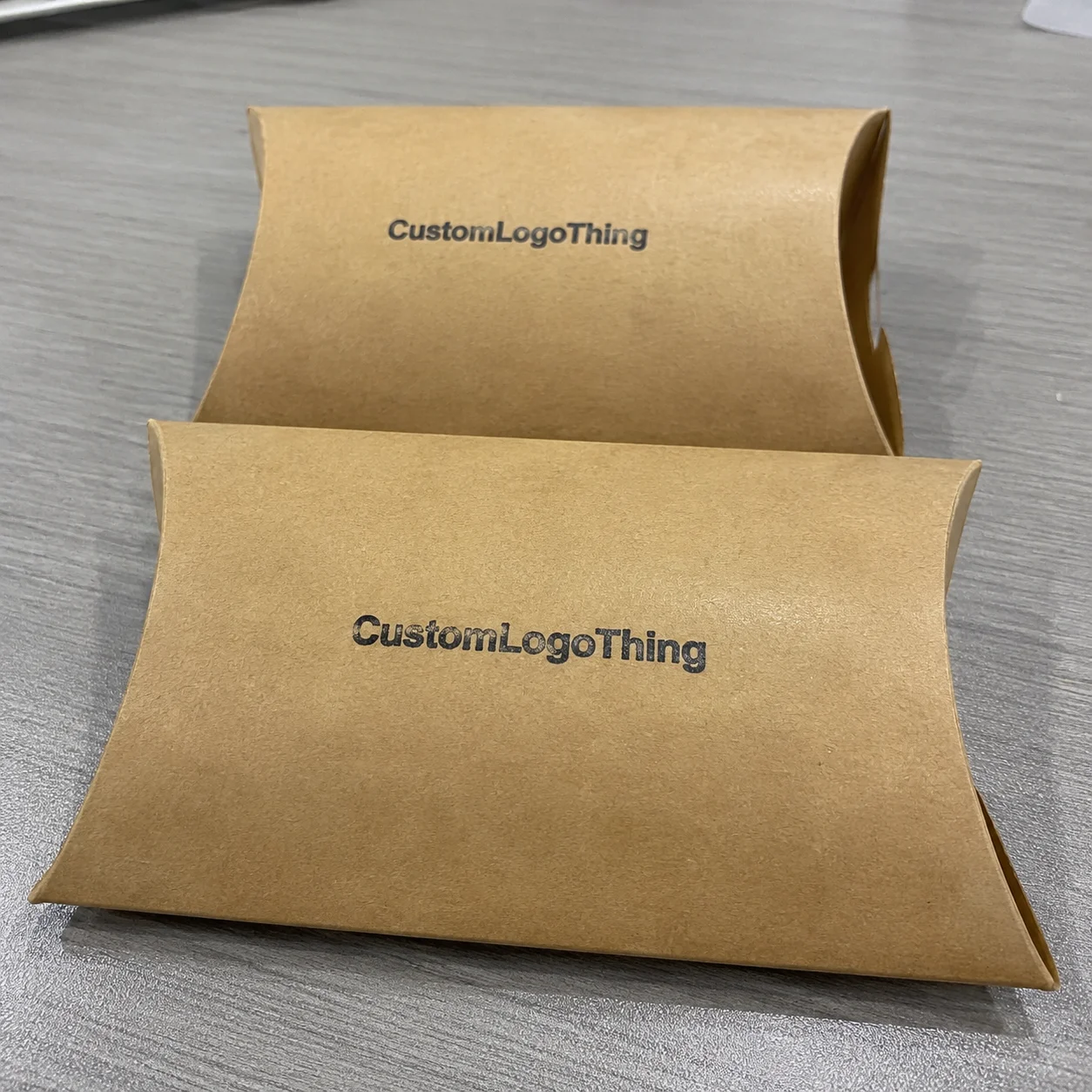
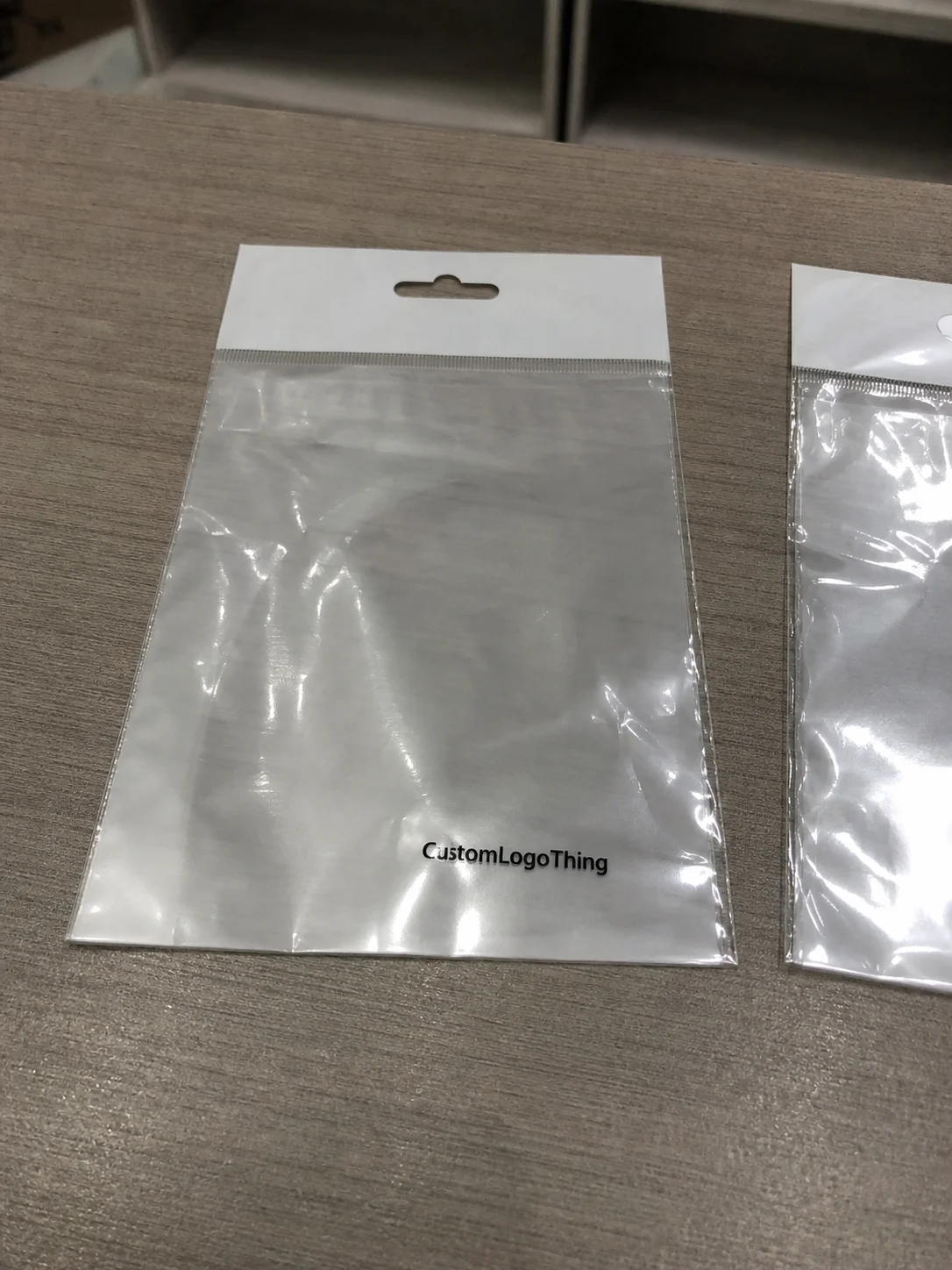
Buyer Fit Snapshot
| Best fit | Poly Mailers Bulk Order projects where brand print, material claims, artwork control, MOQ, and repeat-order consistency need to be specified before quoting. |
|---|---|
| Quote inputs | Share finished size, material target, print colors, finish, packing count, annual reorder estimate, ship-to region, and any compliance wording. |
| Proofing check | Approve dieline scale, logo placement, barcode or warning zones, color tolerance, closure strength, and carton packing before bulk production. |
| Main risk | Vague material claims, crowded artwork, missing packing details, or unclear freight terms can make a low unit price expensive after revisions. |
Fast answer: Poly Mailers Bulk Order: Pricing, Specs, and MOQ should be specified like a repeatable production item. The safest quote records material, print method, finish, artwork proof, packing count, and reorder notes in one written spec.
Production checks before approval
Compare the actual filled-product size with the drawing, then confirm tolerance on folds, seals, hang holes, label areas, and retail display edges. Reserve space for logos, QR codes, warning copy, and material claims before decorative graphics fill the panel.
Quote comparison points
Review material grade, print process, finish, sampling route, tooling charges, carton quantity, and freight assumptions side by side. A quote is only useful when the supplier can repeat the same color, closure quality, and packing count on the next order.
I’ve watched a buyer pay $0.42 per mailer for a small retail pack, then get the same style down to $0.11 a unit once they switched to a poly mailers bulk order of 5,000 pieces. Same film. Same closure. Same ugly purple logo they insisted on. Different buying method, different margin. That’s the part people miss when they shop like consumers instead of businesses.
If you ship apparel, accessories, books, or subscription products, a poly mailers bulk order can cut packaging cost fast, keep your warehouse stocked, and stop the weekly “we’re out again” scramble. I’ve stood on factory floors in Shenzhen, Dongguan, and Huizhou while operators counted cartons by hand, and the buyers who saved the most were never the ones chasing the cheapest headline price. They were the ones who understood size, thickness, print setup, and freight before they signed off.
At Custom Logo Things, I’ve seen too many brands get burned by random marketplace sellers and flimsy bags that split at the seal line. Cheap is not cheap when half the shipment needs repacking. So let’s talk numbers, specs, and what actually belongs in a smart poly mailers bulk order. If you want a real benchmark, not wishful thinking, start with unit price, MOQ, and the production timeline in business days.
Why a Poly Mailers Bulk Order Saves Real Money
The biggest savings show up the moment you stop buying tiny packs from retail channels. On a factory visit in Guangdong, I remember a customer comparing a 100-pack from a marketplace seller at $0.39 per unit to a 10,000-piece poly mailers bulk order quoted at $0.09 per unit for a 10 x 13 inch mailer in 2.5 mil LDPE. Same size, same self-seal strip, same material class. The difference was packaging format, overhead, and middlemen. Retail packs are built for convenience. Bulk cartons are built for business.
The math is usually plain. If you ship 3,000 parcels a month and save even $0.12 per mailer, that’s $360 monthly or $4,320 a year. That’s not decoration money. That’s real margin. A well-planned poly mailers bulk order also reduces freight per piece because you’re moving more units per carton and more cartons per pallet. You pay less to ship each mailer because you’re not paying as much for air and retail packaging. On a 5,000-piece run, I’ve seen freight come in at $180 by ocean LCL from Yantian to Long Beach versus nearly $900 by air, and yes, the air quote killed the savings in one sentence.
There’s another quiet benefit: fewer reorder headaches. A brand I worked with in Los Angeles used to reorder every 10 days because they bought small quantities. Their packing team wasted time checking stock, and they kept mixing old and new lots. Once they switched to a poly mailers bulk order, they went from constant interruptions to a 45-day buffer with 7,500 pieces sitting neatly in labeled cartons. Their fulfillment supervisor told me, “I got my lunch break back.” That’s not glamorous, but it matters.
Buyers also overpay in three common places:
- Small pack sizes with inflated retail markup.
- Random marketplace sellers who swap specs without warning.
- Cheap-looking mailers with weak seals that fail during transit.
Here’s a simple example. Say you need 5,000 mailers for an apparel line. A retail-pack option might land at $0.31 each, so your packaging spend is $1,550 before freight. A properly sourced poly mailers bulk order at $0.11 each drops that to $550. Even after adding a $65 plate charge for custom print and $180 in ocean freight, you’re still ahead by a wide margin. That difference protects margin, reduces waste, and keeps your shipping station cleaner because you aren’t opening twelve tiny packs just to get through the week.
Honestly, I think the biggest mistake is treating packaging as an afterthought. It affects labor, brand feel, and damage rates. A poly mailers bulk order is not just a lower unit price. It’s a better operating model, especially once you’re moving 3,000 to 10,000 parcels a month out of a warehouse in Southern California, Texas, or New Jersey.
Poly Mailers Bulk Order Product Details That Matter
Not all mailers are built the same, and the difference shows up fast once you start packing real products. A poly mailers bulk order can include plain mailers, Custom Printed Mailers, bubble mailers, or tamper-evident styles. The right one depends on what you ship, how much protection you need, and how picky your brand wants to be about presentation. I’ve seen a $0.02 upgrade per unit save a client $1,200 a month in damaged-goods replacements. That’s a trade worth making.
Plain poly mailers are usually the most economical. They work well for internal logistics, warehouse transfers, or brands that don’t need printed packaging. Custom Printed Poly Mailers are the better choice if you want brand recognition at the doorstep. I’ve seen subscription brands in Brooklyn and Austin get a lift in repeat purchases just because the bag looked intentional instead of random. A clean mailer does more brand work than a pricey thank-you card that gets tossed in five seconds.
Bubble mailers add padding. Use them if your product needs impact resistance and can’t just rely on a thin film. Tamper-evident mailers are useful for high-value goods, sealed samples, or items where opening evidence matters. I once negotiated a tamper strip upgrade for a skincare client after their first carton of samples arrived with broken adhesive from a bad transit route through Atlanta. That little change saved them a lot of customer service grief and a very unpleasant email thread.
Material choices and thickness
Most poly mailers are made from LDPE or co-extruded film. LDPE is flexible and common. Co-extruded film gives you layered strength and a nicer feel. Thickness is usually measured in mils. A lighter mailer around 1.5 to 2 mil may be fine for soft apparel. A 2.5 to 3 mil film gives more puncture resistance for items with zippers, buttons, or edges. Go thicker only when the product needs it. Otherwise you’re paying for plastic you don’t use. That’s how buyers end up funding extra resin for no reason.
A good poly mailers bulk order should match film thickness to the shipment, not some random internet recommendation. I’ve tested 2 mil bags that worked perfectly for t-shirts and failed miserably for boxed candle sets in 350gsm C1S artboard cartons. The candles had corners. The corners won. Packaging always tells the truth, especially when the products are packed in a warehouse in Shenzhen and dropped onto a concrete floor by someone who’s had a long day.
Closure and branding options
Most mailers use a self-seal adhesive strip. Some suppliers offer double seal options for returns or multi-use shipping. Tamper-evident tape is worth considering if product security matters. On branding, you can usually choose one-color print, full-color print, or a matte versus gloss finish. Inside printing can work, but it depends on film structure and budget. Outside printing is the standard because it’s faster and cheaper. If you want a premium feel, ask for a matte finish with a 1-color logo in black or white; it usually looks cleaner than a loud design that screams for attention.
For industries like apparel, cosmetics, books, accessories, and subscription boxes, the packaging choice usually splits into two camps: low-cost plain mailers or branded printed mailers. A poly mailers bulk order sits in the middle of that decision. It gives you volume pricing without forcing you to sacrifice the look your customers expect. For a 5,000-piece run, that middle ground is often where the best economics live.
One more thing. If a supplier can’t clearly explain film type, adhesive strength, or print limitations, keep walking. I’ve sat in supplier meetings in Dongguan where the rep waved a sample around like it was magic. It wasn’t. It was just plastic with a logo. Ask the boring questions. They save money, and they save you from approving a 10,000-piece run that looks great and fails in actual use.
Poly Mailers Bulk Order Specifications to Check Before Buying
Before you approve a poly mailers bulk order, lock down the specs. Guessing on size is how people end up with products that barely fit or mailers that swallow the item and waste material. Measure the packed product, not just the naked product. If you ship folded clothing, include the fold. If you ship a box, include the box. I’ve seen teams order a 9 x 12 when they really needed a 10 x 13, then act shocked when the adhesive strip ripped because the contents were too tight.
Standard sizes and fit
Common sizes range from 6 x 9 inches for small accessories to 14.5 x 19 inches or larger for hoodies and bulkier garments. Your product should slide in without forcing the film or stretching the seam. Leave enough clearance for a return label or insert if needed. A tight fit may look efficient, but it slows packing and can stress the adhesive strip. For most apparel brands, a 10 x 13 inch mailer covers folded tees at roughly 12 oz or less, while 14 x 19 works better for hoodies, sweaters, or small boxed sets.
I once helped a client shrink their mailer size by just one inch on the width. They saved about $0.015 per unit on material and dropped carton weight enough to shave freight slightly. Tiny change. Real money. That’s the kind of detail that matters in a poly mailers bulk order. In a 20,000-piece annual buy, that one cent and a half turns into a very unromantic but very real $300.
Print specs and artwork
For custom printing, ask for file format requirements before you design anything. Most suppliers want AI, PDF, or vector files with outlines converted. Bleed usually needs to be added, and color matching should be discussed in Pantone or CMYK terms depending on the press. Logo placement matters too. A centered logo looks clean, but sometimes a top-left mark is better for packing orientation. A good supplier should tell you the printable area and any edge limits. If they’re vague, they probably haven’t printed much beyond a sample in the corner of the office.
When I visited a print line in Dongguan, the operator showed me how a design that looked fine on screen could shift 3 to 5 mm during production. That tiny shift can make a border look crooked. Buyers call it “close enough” until they see 20,000 bags stacked in a warehouse. So for a poly mailers bulk order, ask for a digital proof and, if the order is large enough, a physical sample. For anything above 5,000 pieces, I’d rather spend $25 on a courier sample than argue about a misaligned logo later.
Packaging and handling specs
Don’t ignore carton count, palletization, and warehouse handling. A supplier that packs 500 pieces per carton may fit your storage better than one that ships 1,000 loose in a heavy box. Ask whether the cartons are lined, labeled by size, and organized by lot. If your team picks and packs daily, a cleaner carton layout can save real labor. In one warehouse in Los Angeles, switching from mixed cartons to size-labeled outer boxes cut picking time by about 20 minutes per shift.
Quality checkpoints should include:
- Seal test for adhesive strength.
- Tear resistance under normal handling.
- Opacity so contents aren’t visible.
- Print alignment across the run.
- Film consistency from first carton to last.
If you want a useful comparison point, check industry guidance from the ISTA packaging testing organization and sustainability references from the U.S. EPA. I’m not saying every shipment needs lab testing, but if you’re scaling a poly mailers bulk order, you should know how the product behaves under shipping stress, not just how it looks on a screen. A 500-piece sample run in Q3 tells you more than ten glossy mockups ever could.
And yes, I’ve seen “waterproof” mailers that failed in a drizzle and “strong” adhesive that lifted in cold storage. Fancy words do not replace testing. If a supplier says the bag is “premium” but can’t tell you the mil thickness, ask again. Then ask the second time with less patience.
Poly Mailers Bulk Order Pricing, MOQ, and Cost Breakdown
Pricing for a poly mailers bulk order changes based on quantity, size, thickness, and print complexity. The first big jump usually comes when you move from small cartons into true production volume. That’s where setup costs get spread across more units and the unit price drops. Buyers who only compare the cheapest small quantity often miss this math entirely. A quote for 1,000 pieces is not a quote for 10,000 pieces, and pretending otherwise is how people waste time.
Here’s a practical pricing framework I’ve used in supplier negotiations:
| Order Tier | Typical Use | Estimated Unit Price | Notes |
|---|---|---|---|
| 500–1,000 pcs | Sampling or pilot run | $0.22–$0.38 | Higher setup burden, limited savings |
| 3,000–5,000 pcs | Growing brands | $0.11–$0.19 | Better balance of cost and flexibility |
| 10,000+ pcs | Steady fulfillment | $0.07–$0.13 | Best scale pricing, strongest freight efficiency |
That’s not a promise. It depends on size, print coverage, and whether you want a plain or custom printed finish. But it gives you a real benchmark for a poly mailers bulk order. If a quote comes in wildly below those ranges, I’d ask what got cut. Usually something did. Maybe the film is thinner. Maybe the adhesive is weaker. Maybe the “factory” is a reseller in a warehouse outside Shanghai who never touched the production line.
MOQ differences by product type
Stock plain mailers often have lower MOQs because there’s no custom print setup. Custom printed runs usually need a higher MOQ because the press setup, plate cost, and material planning all need to be justified. A simple one-color print may have a lower minimum than a four-color design. In many cases, MOQ can be 500 pieces for stock and 3,000 to 5,000 pieces for custom printing, though that varies by supplier and size. If you’re ordering in Ningbo or Shenzhen, the factory may also ask for a carton-efficient quantity like 4,800 or 9,600 pieces to match their pack-out.
For a poly mailers bulk order, ask the supplier whether MOQ is by size, by print method, or by design. That distinction matters. A buyer once asked me why their 10 x 13 mailer MOQ was different from their 12 x 15 mailer MOQ. The answer was simple: the larger size needed a different film width and different press setup. Same product category. Different economics. Different waste, too, if you guess wrong.
What affects final price
Your quote usually changes with:
- Size of the mailer.
- Thickness in mils.
- Print colors and coverage.
- Finish such as matte or gloss.
- Shipping method and destination.
- Carton configuration and pallet count.
Hidden costs are where buyers get annoyed later. Ask about plate or setup charges, freight, import duties if applicable, and rush fees. If you’re buying internationally, landed cost matters more than FOB price. I’ve seen a supposedly “cheap” poly mailers bulk order become expensive once air freight and brokerage were added. Paper quotes lie. Landed cost tells the truth. If the supplier is quoting from a factory in Dongguan, get the EXW price, then add freight to your destination before you celebrate.
A proper estimate should include unit price by tier, sample cost, production lead time, packaging configuration, and freight estimate. If those are missing, the quote is incomplete. Full stop. No one gets points for a low number that falls apart after shipping from Guangzhou to Chicago.
Poly Mailers Bulk Order Process and Timeline
A clean poly mailers bulk order follows a simple sequence: quote, proof, sampling, approval, production, QC, packing, and shipment. The sequence sounds obvious, but buyers often skip the boring parts and then complain when the job slips. The proof is not decoration. It is the contract for how the final bag should look. If the proof says 12 x 15 inches with a 2.5 mil film and a black logo in the lower-left corner, that’s what should arrive from the factory in Zhejiang or Guangdong.
Typical timeline ranges
Stock plain orders can move fast because the product already exists. Depending on warehouse location and shipping method, you may only need a few days for packing and dispatch. Custom printed orders usually take longer. A realistic window is often 12 to 15 business days from proof approval for production, plus transit time. If you need special films or complex print coverage, add more time. There’s no magic trick here. A 10,000-piece run with a 2-color print and custom carton labels is not the same as pulling plain stock from a shelf in Dallas.
I once had a buyer insist they needed a rush on a poly mailers bulk order because they “forgot” the launch date. The factory could do it, but the air freight cost ate the savings and then some. Planning beats panic every single time. A reasonable plan is to approve proofs by Monday, start production by Wednesday, and leave enough shipping time so the cartons aren’t arriving while your team is already out of stock.
What slows orders down
The usual delays are artwork revisions, unclear sizing, color matching disputes, and waiting on approvals from too many people. One decision-maker speeds things up. So does a print-ready file. If your logo is still trapped in a low-resolution JPEG from some old trade show banner, expect delays. That’s not the supplier’s fault. It’s also not a mystery. It’s a JPEG from 2018.
A clear sizing sheet also helps. Give the supplier the product dimensions, folded size if applicable, shipping method, and any must-have branding details. A good poly mailers bulk order starts with clean input. Messy input creates messy output. It’s remarkably consistent. If you can send a dimension sheet in inches and millimeters, plus a target quantity of 3,000, 5,000, or 10,000 pieces, the quote will be much tighter.
Freight and planning
Shipping time matters as much as production time. A product may finish on schedule and still arrive late if freight isn’t planned correctly. Ocean freight can be economical for larger poly mailers bulk order volumes, while air freight is better for urgent replenishment. The wrong choice can destroy your savings. I’ve watched brands save $0.04 per unit on production only to lose $0.09 per unit in rush freight. Brilliant, in the worst way.
If you’re buying for steady fulfillment, keep a safety buffer of at least one replenishment cycle. That gives you room for customs delays, weather, or a late approval email from the one person who was “out for two days.” If your lead time from proof approval is 12 to 15 business days, add another 7 to 21 days depending on whether the cartons are moving by sea to Los Angeles, by air to Chicago, or by truck from a U.S. warehouse in New Jersey.
Why Buy Your Poly Mailers Bulk Order From Us
We’re not a reseller pretending to be a factory. We work with direct manufacturing relationships, and that matters when you’re placing a poly mailers bulk order. Direct sourcing gives tighter control over film gauge, adhesive consistency, and print registration. It also helps with lead time because the order doesn’t bounce through three middle layers before it gets made. Less bouncing. Less confusion. Fewer “just checking in” emails.
I’ve spent enough time in factories in Shenzhen, Dongguan, and Foshan to know where quality slips. One batch can look fine at first glance, then the second carton shows weak seal performance because someone changed resin mix ratios. That’s why I care about QC checkpoints, not just shiny product photos. When I negotiated a film gauge adjustment for a large retail client, we ended up using a slightly heavier film because their warehouse kept snagging bags on rough conveyor edges. The cost went up a little. Damage claims went down a lot. Funny how that works.
A reliable poly mailers bulk order partner should help with size guidance, sampling, artwork setup, and honest recommendations. Sometimes I tell buyers not to overspend. If you’re shipping basic tees, you do not need a premium structure with fancy finishes just to feel fancy. Save that budget for the print quality or the adhesive strength where it actually matters. If plain 2 mil mailers do the job, don’t buy a 3 mil bag just to make the spreadsheet feel busy.
We also help buyers avoid the mistakes that create returns, damaged goods, or expensive reprints. That includes checking logo placement, verifying carton counts, and confirming whether the mailer is suitable for the item’s shape. If your product has corners, zippers, or brittle packaging inside, I’ll say it plainly: choose more strength. A cheap poly mailers bulk order that fails in transit is not a bargain. It’s a cleanup task with a nicer invoice.
For broader packaging needs, you can also review our Custom Packaging Products, browse Custom Poly Mailers, or look into our Wholesale Programs if you need ongoing volume support. And if you have procedural questions, our FAQ covers the basics without making you hunt around for five emails.
We’ve built our process around real production conditions, not sales fluff. The job is to deliver the right poly mailers bulk order at the right spec, at the right time, without making your team babysit the order every day. That means quoting clearly, checking samples, and shipping from the right region at the right cost.
“A supplier should tell you what not to buy. If they only say yes, they’re probably protecting their own invoice, not your margin.”
What to Do Next Before You Place a Poly Mailers Bulk Order
Before you place a poly mailers bulk order, measure the packed product, not the loose item. Confirm your shipping method. Choose a size with enough room for easy packing and a clean seal. That one step prevents half the sizing mistakes I see every week. I’ve seen a team in California lose two days because they forgot to measure the folded hoodie width and ended up ordering a bag that was 1.5 inches too short.
Then gather your logo files, Pantone references if you have them, and target quantity. If you’re not sure about quantity, give a range. A supplier can quote 3,000, 5,000, and 10,000 pieces side by side so you can see where the savings kick in. Ask for unit price by tier, MOQ, sample cost, production lead time, and freight estimate. Without those numbers, you’re not comparing real offers. You’re comparing vibes, and vibes do not clear customs.
Here’s the quote checklist I’d use for a poly mailers bulk order:
- Mailer size in inches or millimeters.
- Film thickness in mils.
- Plain or custom printed.
- Number of print colors.
- Finish: matte or gloss.
- MOQ by size and print method.
- Sample cost and setup charges.
- Production lead time.
- Freight estimate and carton count.
Compare quotes apples-to-apples. A low headline price means nothing if the film is thinner, the MOQ is unrealistic, or freight gets added later. Ask whether the supplier is a manufacturer or reseller. That changes both cost structure and lead time. If they can’t answer that directly, I’d be suspicious. A real manufacturer can usually tell you whether the order is running in Shenzhen, Dongguan, or Ningbo and how many business days the proof-to-production cycle will take.
If you want the short version: measure carefully, request a full landed quote, and insist on spec clarity before you approve any poly mailers bulk order. That’s how you protect margin and keep your fulfillment team from cursing your name at 8:00 a.m. on a Monday.
One last thing. If you’re scaling volume, don’t wait until you’re out of stock to reorder. A smart poly mailers bulk order is not just cheaper. It is better planning. And better planning is what keeps the operation calm when orders spike, whether you’re shipping from a warehouse in California or replenishing inventory from a factory in South China.
FAQ
What is the typical MOQ for a poly mailers bulk order?
Stock plain poly mailers often have lower MOQs because no custom print setup is needed. Custom printed orders usually require a higher MOQ because artwork, printing setup, and production efficiency all matter. Ask for MOQ by size and print method, since the minimum can change depending on the exact spec. In many factories, 500 pieces is possible for stock and 3,000 to 5,000 pieces is more realistic for custom print.
How do I choose the right size for a poly mailers bulk order?
Measure the product after folding or packing, not just the product itself. Leave room for a protective insert, label, or small accessory if needed. Choose a mailer that seals cleanly without forcing the product or stretching the film. If you ship a folded tee, a 10 x 13 inch mailer may work; if you ship hoodies, 14 x 19 inches is usually safer.
What thickness should I choose for a poly mailers bulk order?
Lighter apparel shipments can often use a thinner mailer, while heavier or sharper-edged items need more puncture resistance. Thicker films usually improve strength and perceived quality, but they also raise cost slightly. Ask for a sample before committing if your products have corners, zippers, or hard edges. A 2 mil film can be fine for soft goods, while 2.5 to 3 mil is better for items that push back against the seam.
How long does a custom poly mailers bulk order take?
Stock orders are usually faster because the product is already made. Custom printed orders take longer because they require proofing, production, and quality checks. A typical production timeline is 12 to 15 business days from proof approval, plus transit time. Shipping time depends on destination and freight method, so get both production and transit timelines in writing.
What should I ask for in a quote for a poly mailers bulk order?
Ask for unit price by quantity tier, MOQ, size, thickness, print details, and packaging configuration. Request sample cost, setup charges, and freight estimate so the quote reflects real landed cost. Confirm whether the supplier is a manufacturer or reseller, because that changes pricing and lead time. If possible, ask for the factory city too, such as Shenzhen, Dongguan, or Ningbo, so you can judge the logistics clearly.