Buyer Fit Snapshot
| Best fit | Printed Poly Mailers with Logo projects where brand print, material claims, artwork control, MOQ, and repeat-order consistency need to be specified before quoting. |
|---|---|
| Quote inputs | Share finished size, material target, print colors, finish, packing count, annual reorder estimate, ship-to region, and any compliance wording. |
| Proofing check | Approve dieline scale, logo placement, barcode or warning zones, color tolerance, closure strength, and carton packing before bulk production. |
| Main risk | Vague material claims, crowded artwork, missing packing details, or unclear freight terms can make a low unit price expensive after revisions. |
Fast answer: Printed Poly Mailers with Logo: Costs, Options, and Uses should be specified like a repeatable production item. The safest quote records material, print method, finish, artwork proof, packing count, and reorder notes in one written spec.
Production checks before approval
Compare the actual filled-product size with the drawing, then confirm tolerance on folds, seals, hang holes, label areas, and retail display edges. Reserve space for logos, QR codes, warning copy, and material claims before decorative graphics fill the panel.
Quote comparison points
Review material grade, print process, finish, sampling route, tooling charges, carton quantity, and freight assumptions side by side. A quote is only useful when the supplier can repeat the same color, closure quality, and packing count on the next order.
I’ve watched a tiny startup spend more on bad packaging than on its first paid ads. True story. They ordered Printed Poly Mailers with logo from the cheapest supplier they could find, the ink rubbed off in transit, and the customer photos made the brand look like it was selling liquidation leftovers. That one mistake cost them about $1,400 in reprints, plus a week of lost momentum. The order was 5,000 pieces at $0.11 per unit, which sounded great until half the stock showed up with scuffed black ink and weak adhesive. Cheap packaging has a way of becoming expensive. Fast. And yes, people will absolutely post the bad version online before you even finish your coffee.
If you’re shipping apparel, beauty items, supplements, or subscription kits, printed poly mailers with logo are one of the simplest ways to make every shipment look intentional. They’re lightweight plastic shipping bags printed with your brand mark, slogan, or full artwork. Most run in 50 to 100 microns, with common sizes like 10 x 13 inches, 12 x 15.5 inches, and 14 x 19 inches. Nothing fancy. Just practical packaging that does two jobs: protects the product and advertises the brand while it moves through the carrier network. Honestly, I think that’s the sweet spot for most brands. Not dramatic. Just smart.
I’ve spent 12 years around custom printing and packaging plants, including long days in our Shenzhen facility where the smell of heated film and fresh ink still sticks in my memory. Most brands don’t need luxury rigid boxes for every order. They need something that ships efficiently, holds up in a conveyor system, and doesn’t make the customer feel like they bought a bargain-bin mistake. That’s where printed poly mailers with logo earn their keep. I remember standing beside a line of bags at 6:40 a.m., watching a supervisor run one more seam test because the first batch looked a little too flimsy. The film measured 60 microns, not 80, and that tiny gap would have mattered once the bags hit UPS belts in California and Texas. That’s the level of unglamorous detail that saves money later.
Printed Poly Mailers with Logo: What They Are and Why Brands Use Them
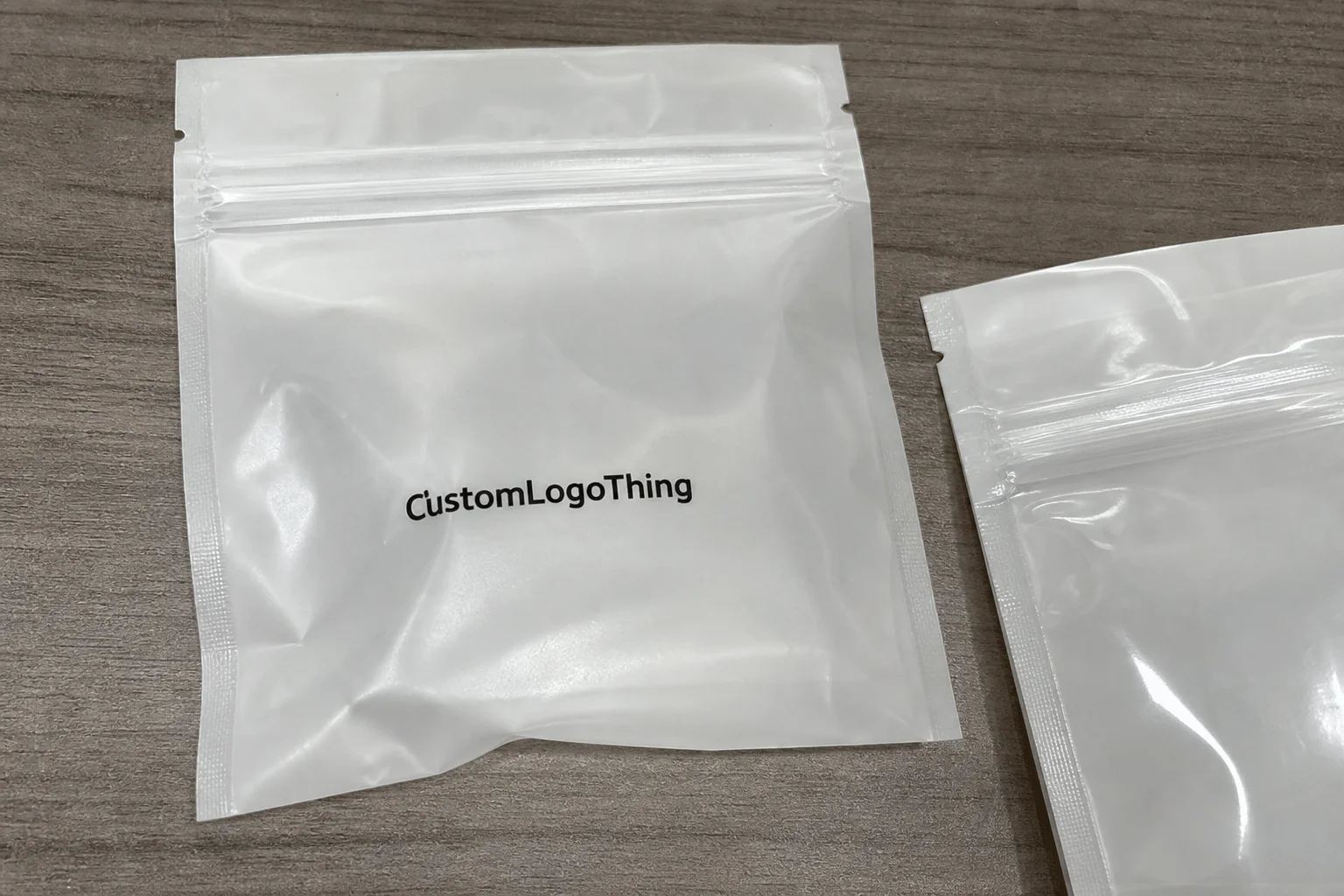
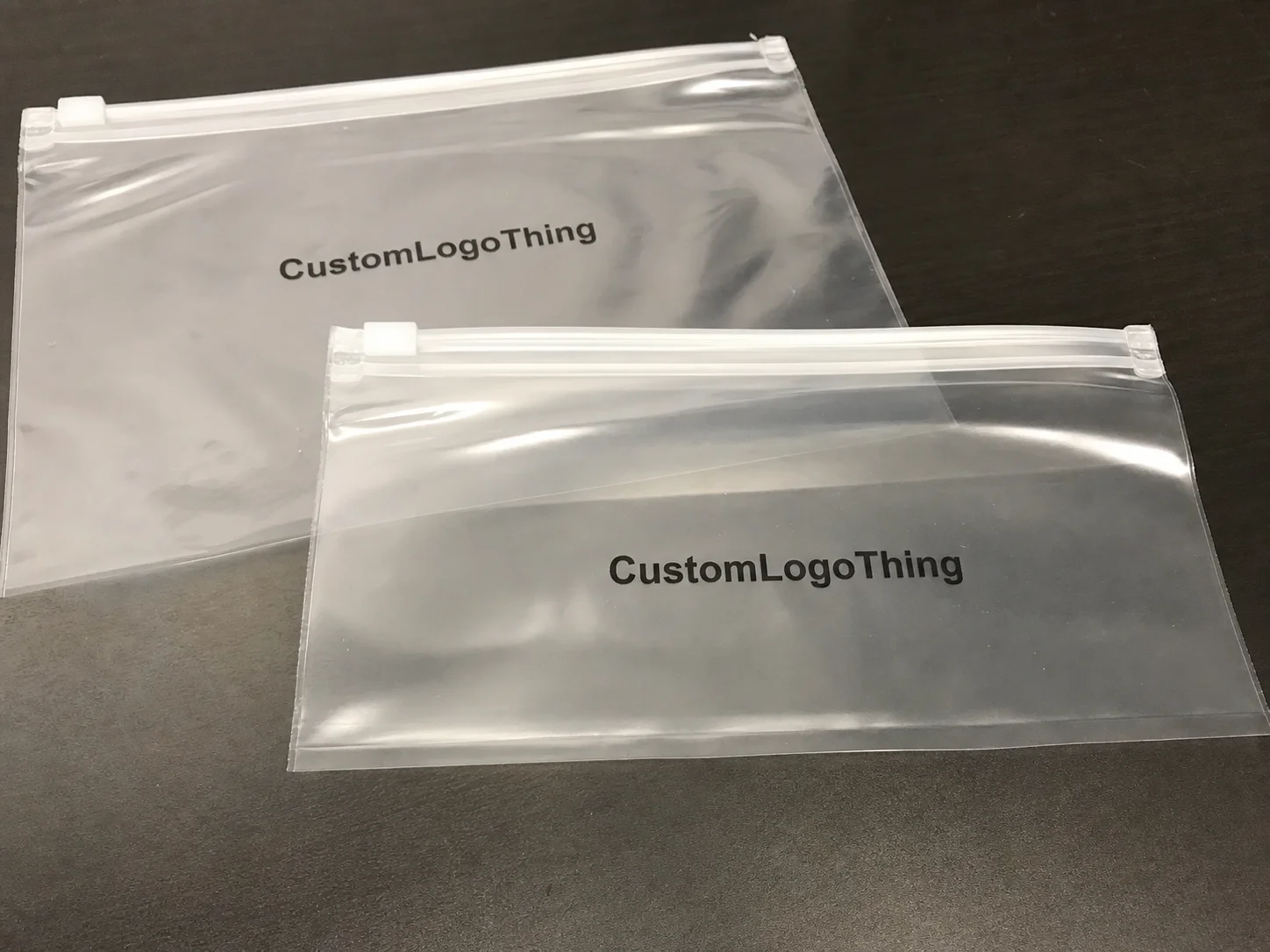
In plain English, printed poly mailers with logo are flexible plastic shipping bags customized with your branding. Usually they’re made from LDPE or a co-extruded film, sealed on three sides, and finished with a pressure-sensitive adhesive strip. Better versions use a 3-layer structure: an outer printable layer, a middle strength layer, and an inner opaque layer. The good ones feel smooth, resist tearing, and hide the contents well enough that your customer doesn’t get a weird “what is in here?” moment at the mailbox. And no, nobody wants their leggings showing through a sad translucent bag. That’s a mood killer.
I’ve seen brands use printed poly mailers with logo in apparel, cosmetics, accessories, vitamins, pet products, and monthly subscription boxes. They’re especially common for direct-to-consumer businesses because the packaging cost stays low while the brand visibility stays high. A 5,000-piece run can land around $0.14 to $0.26 per unit before freight, which is a lot easier to swallow than a custom rigid carton at $1.20 or more. You’re not paying for a decorative sleeve or foam inserts. You’re paying for a shipping bag that does its job and still looks like it belongs to your business. That matters more than some people want to admit.
Here’s what most people get wrong: they compare plain poly mailers, stickered mailers, and true custom-printed bags as if they’re all equal. They’re not. A plain bag with a label slapped on the corner says, “We had packaging later.” A custom bag with a sticker still risks peeling, wrinkling, or misalignment. True printed poly mailers with logo are manufactured with the design built into the bag itself, so the branding is part of the packaging, not an afterthought. I’ve had more than one client sigh in relief when they realized they could stop hand-applying labels to 5,000 orders like it was some kind of punishment. In a warehouse in Dongguan, one team told me they were spending 18 labor hours a week just sticking labels on bags. That is a terrible use of human hands.
These are not luxury presentation boxes. They’re not supposed to be. If you need a rigid magnetic gift box with a soft-touch wrap and foil stamp, that’s a different budget entirely. printed poly mailers with logo are practical, efficient, and built for shipping protection plus brand visibility. That’s the value proposition. Simple, but not cheap-looking when done right. A matte black 80-micron mailer with a centered white logo can look sharp for around $0.18 a unit at 10,000 pieces. That’s not flashy. That’s competent.
“A mailer is a moving billboard. If the bag looks weak, the brand looks weak.” That’s what one retail buyer told me after rejecting three samples from a supplier in Ningbo who thought a 55-micron film was somehow fine for denim accessories. It was not fine. It was barely a bag.
The branding payoff is real. Every package becomes a moving ad. Customers post unboxings. Fulfillment photos show up on social feeds. Courier hubs, mailroom shelves, and apartment lobbies all become tiny exposure points. I’ve had clients tell me their printed poly mailers with logo got more attention than their website homepage because the package showed up three times in local neighborhood group chats. One beauty brand in Austin saw 43 tagged stories in a single month after switching from plain gray mailers to custom-printed pink ones with a glossy finish. Packaging does that. Sometimes annoyingly well.
If you’re building out a full packaging system, I usually suggest pairing your mailer plan with other Custom Packaging Products so the inserts, labels, and outer shipping materials feel consistent. And if your business uses bag-based shipping as a core format, our Custom Poly Mailers page is the natural place to compare options. A coordinated setup matters more than people think, especially if your packaging budget sits in the $3,000 to $8,000 range per quarter.
How Printed Poly Mailers with Logo Are Made
The production process for printed poly mailers with logo starts long before the logo is printed. First, plastic film is extruded into rolls. Then the film gets cut, formed, printed, sealed, and inspected. If a factory tells you it’s “just a bag,” that tells me they haven’t spent enough time watching sealing jaws, ink viscosity, and edge alignment problems at 7:30 a.m. I remember one plant visit in Shenzhen where the operator stopped the line three times because the print register drifted by 1.5 millimeters. A few millimeters sounds tiny until it lands on your logo and suddenly your brand looks half asleep.
Most factories use one of three print methods. Flexographic printing is common for larger runs because it’s fast and cost-efficient once the setup is done, especially on orders of 5,000 pieces or more. Gravure printing is used when a brand needs high-volume consistency and strong image quality, usually for repeat orders in the 20,000 to 100,000-piece range. Digital printing works better for shorter runs, multiple design versions, or brands that want to test different artwork without paying for large plate sets. In my experience, the best method depends on your quantity, color count, and how picky you are about brand consistency. And if you’re paying for custom branding, you should be a little picky. That’s the whole point.
Materials and film structure
Most printed poly mailers with logo are made from LDPE, which is lightweight and flexible. Some are co-extruded with multiple layers so one layer can handle print quality while another handles strength or opacity. Thickness is usually measured in microns or mils. A 60-micron bag is very different from a 100-micron bag, and yes, that difference matters when a courier conveyor belt is feeling aggressive. Courier belts are not gentle. They are basically the packaging industry’s version of a bad first date. For heavier apparel, I usually push clients toward 80 microns minimum. It saves them from customer complaints and awkward refund emails.
Opacity matters too. If you’re shipping light-colored garments, a thin gray mailer with poor opacity can make the contents show through. That’s not ideal if your brand is trying to look polished. Tear resistance matters for the same reason. I’ve seen one too many “budget” bags split at the side seam when stuffed with a folded hoodie and a thank-you card. The bag didn’t “fail.” It was underbuilt. There’s a difference, and the warehouse team always finds it first. In one Guangzhou plant, I watched a production manager reject 700 bags because the side seam held at 2.8 kg instead of the target 4 kg burst test. That’s the kind of boring detail that keeps your refund rate from creeping up.
Ink and finish choices also change the look. Matte gives a softer, more modern feel. Gloss feels brighter and can make colors pop. Some factories print on the outside only. Others can add inside printing for a surprise brand message or pattern. I like inside print for premium brands, but it does add cost. A simple inside message can add $0.02 to $0.05 per unit, depending on quantity and color count. There’s always a trade-off. Packaging people just dress it up in nicer words, then hand you the invoice like they did you a favor.
Color accuracy depends on file prep and supplier calibration. If your Pantone 186 C is supposed to look like Pantone 186 C, you need to confirm how the factory handles color matching. Some suppliers print to CMYK approximations. Others can hit closer tonal targets with spot inks. I’ve had clients approve a digital proof that looked perfect on a laptop and then get a final sample that leaned muddy brown because the printer never recalibrated after a maintenance cycle. Lovely surprise. Not the good kind. I still remember the client saying, “That’s not red, that’s regret.” Fair point, honestly. If color matters, ask for a hard proof and compare it under 5000K light, not under a warehouse bulb that makes everything look vaguely sick.
Here’s the basic production flow I’ve seen again and again in factories:
- Film extrusion and roll preparation
- Artwork plating or digital file setup
- Print run on the film
- Bag forming and heat sealing
- Adhesive strip application
- Final inspection for print alignment, seam strength, and bag consistency
That final inspection is where the good factories separate themselves from the “sure, we can do it” suppliers. The cheap factories skip checks until the customer complains. The better ones catch crooked seals, print smears, and bad adhesive before the shipment leaves. If you’re ordering printed poly mailers with logo at scale, ask whether they inspect by AQL 2.5 or AQL 4.0, and what defect threshold they use. If they stare at you blankly, keep shopping. Silence is a very expensive answer.
Timeline is another reality check. From artwork approval to production, then shipping and customs clearance, the whole process can move quickly or drag depending on queue length and freight mode. A domestic short run might take 7 to 12 business days. An overseas order with full customization can take 18 to 35 business days, and that doesn’t include ocean freight. For a standard 5,000-piece run from proof approval, I usually tell clients to expect 12 to 15 business days in the factory, plus 5 to 12 days for express freight depending on the route. I’ve seen a brand miss a product launch because they approved art on a Thursday and assumed packaging would somehow appear by Monday. It did not. Printing presses do not care about your optimism.
Key Factors That Affect Cost, Quality, and Performance
Let’s talk money, because that’s usually the part people dance around. The cost of printed poly mailers with logo depends on unit price, setup charges, plate charges, sample costs, shipping, and duties. A supplier might quote $0.14 per bag for 10,000 pieces, but once you add plates, freight, and customs clearance, the landed cost can sit closer to $0.22 to $0.28 per unit. That’s the number that matters. Factory price alone is a fairy tale. A cheap quote on a spreadsheet means nothing if the real invoice shows up wearing freight charges like a bad disguise. I’ve seen a $700 packaging quote turn into $1,180 after duty, FSC paperwork for inserts, and a last-mile surcharge from Los Angeles to New Jersey.
Quantity changes the math dramatically. At 2,000 pieces, you might pay $0.28 to $0.45 per unit because setup is spread across fewer bags. At 10,000 pieces, that might fall to $0.12 to $0.22 depending on size, thickness, and print complexity. A real example: 5,000 pieces of 12 x 15.5 inch matte gray mailers with one-color black print landed at $0.15 per unit before freight for one client out of Dongguan. Volume lowers the per-unit cost, yes, but it also ties up cash in inventory. I’ve had brands celebrate a “cheap” bulk order and then realize they just parked $4,800 worth of packaging on a shelf for six months. Not exactly free. Not exactly thrilling either.
Size and thickness are two of the easiest ways to control cost without destroying quality. A 10 x 13 inch mailer costs less than a 14 x 19 inch mailer because it uses less film and less ink. A 50-micron bag is cheaper than an 80-micron bag, but the thinner one may not survive heavier products or rough handling. If you’re shipping folded tees, you probably don’t need tank-grade film. If you’re shipping denim or boxed accessories, cheap film is a false economy. I once watched a buyer argue for the thinner option because “the bag will never see stress.” The bags laughed first. Then the carrier did.
Print complexity matters a lot. A single-color logo on a white or gray bag is far cheaper than full-coverage artwork with gradients, multiple PMS matches, and inside-print messaging. More colors mean more setup, more calibration, and more chances for variation between batches. If you want to keep costs sane, keep the design clean. I say that as someone who once watched a founder insist on a seven-color sunset gradient for a mailer that was going out to discount athletic socks. The result looked more expensive than the product inside. Sometimes that’s good. Sometimes it’s weird. Sometimes it’s just a lot of bag for a sock.
Supplier location affects both lead time and price. Domestic production is usually faster and easier to manage, but the per-unit cost can be higher. Overseas production, especially from established printing hubs like Shenzhen, Dongguan, Ningbo, and Foshan, can bring the unit price down, but freight and customs add complexity. Some factories offer stock sizes with custom printing, while others do fully custom runs from scratch. The fully custom route gives you more control over dimensions and branding, but it often comes with higher minimums and longer lead times. I’ve quoted 3,000-piece stock-size runs out of Vietnam at $0.21 each and comparable custom shapes from Guangdong at $0.17 each before freight. The math is never just the bag.
| Option | Typical Unit Cost | Setup / Plate Fees | Best For | Trade-Off |
|---|---|---|---|---|
| Stock size with custom print | $0.12 - $0.24 | $60 - $250 | Apparel, subscriptions, repeat SKUs | Less size flexibility |
| Fully custom size and print | $0.18 - $0.38 | $120 - $600 | Brands needing exact fit | Higher minimums and slower setup |
| Short-run digital print | $0.30 - $0.65 | $0 - $150 | Launches, testing, seasonal designs | Higher per-unit cost |
Quality factors are where the ugly surprises live. Adhesive strength should match the shipping route and climate. If your bags travel through humidity or heat, weak adhesive can fail. Opacity matters for privacy and presentation. Puncture resistance matters for anything with corners, edges, or odd shapes. And print durability matters because a logo that scuffs off before delivery is just expensive confetti. I have a deep personal hatred for expensive confetti disguised as packaging. A simple rub test after 24 hours of curing can save you from that nonsense.
I always tell clients to think about the conveyor belt test. If the mailer can survive being dropped, dragged, stacked, and rubbed against another dozen packages, it has a chance. If it can’t survive that, it doesn’t matter how good the mockup looked on screen. The shipping network does not care about your brand guidelines. It doesn’t care about your launch date either, which is rude but consistent. In a fulfillment center near Atlanta, I watched a batch of 1,200 bags get rejected because the seal popped after a 1-meter drop test. Better to find that out before customers do.
For reference standards, I often point brands to industry organizations like ISTA for transit testing principles and ASTM for material and performance-related standards. If you’re sourcing responsibly, you may also want to review FSC for paper-based components in your broader packaging program and EPA resources for waste and recycling context. Not every mailer claim is equal. Marketing language is cheap. Testing is not.
How to Order Printed Poly Mailers with Logo Step by Step
Ordering printed poly mailers with logo gets a lot easier when you stop treating it like a guessing game. Start with the product, not the packaging. What are you shipping? How much does it weigh? Does it have sharp corners, a boxed shape, or a soft foldable form? If you answer those questions first, your packaging quote gets much better, and your mistake rate drops. I learned that the hard way after one brand insisted their “small accessory” was basically the same as a folded hoodie. It was not. The bag disagreed violently.
Step one: define the use case
Write down the product weight, dimensions, and shipping method. A 6-ounce T-shirt and a 2.5-pound knit sweater do not belong in the same mailer. Neither do a tube-shaped cosmetic product and a flat accessory. When I visited a fulfillment partner in Los Angeles, they were stuffing five different SKUs into one oversized bag because “it keeps things simple.” It kept things simple until return rates climbed 9% and the bags looked sloppy on arrival. Simplicity is great. Lazy is not.
Step two: choose the right size
Pick the size based on folded product dimensions plus some fold room. Don’t guess. I’ve seen brands order mailers 2 inches too small and then force employees to overstuff them, which stresses seams and tears the adhesive strip. I’ve also seen them go 4 inches too large because they were afraid of shortages. That waste adds up. A mailer that is too large costs more, ships poorly, and looks lazy. Worse, it makes the whole brand feel a little unsure of itself. A 12 x 15.5 inch bag usually works for medium apparel, while a 14 x 19 inch option is better for hoodies or bundled sets.
Step three: prepare artwork correctly
Your logo should be in vector format, ideally AI, EPS, or PDF with outlined fonts. Keep the design simple if this is the first run of printed poly mailers with logo. Confirm print area, bleed, and safe margins before you finalize. One client sent a low-resolution JPG pulled from their website footer. It looked fine at 120 pixels wide on screen. At bag scale, it turned into a fuzzy little apology. I still laugh when I think about it. Not because it was funny in the moment. Because it was the same kind of mistake every supplier has to pretend is “fixable.”
Step four: compare supplier quotes properly
Get 2 to 3 quotes with the same specs. Same size. Same thickness. Same print count. Same adhesive type. Same shipping destination. Otherwise you’re comparing apples to oranges and probably to a grapefruit too. Ask for the unit price, setup fee, plate charges, sample cost, lead time, and freight estimate. If a supplier only gives you one number, they’re hiding the rest in the fine print. And if their quote feels weirdly low, ask yourself what they left out. Spoiler: probably something expensive. I usually want the quote to show MOQ, production time, and incoterm too, because “FOB Ningbo” and “DDP Chicago” are not the same universe.
Step five: review samples and proofs
Always check a digital proof or, better yet, a physical sample before approving a full order of printed poly mailers with logo. I want to know three things: does the logo print cleanly, does the color read correctly, and does the seam hold with actual product inside? A sample that looks pretty in a photo is useless if it peels at the seal after one day in transit. Ask for stress testing if the product is heavier than a T-shirt. I’d rather annoy a supplier with one extra sample request than explain to a client why a launch box arrived with the adhesive hanging on for dear life. A sample fee of $30 to $80 is cheap compared with 10,000 bad bags.
Step six: approve production and track milestones
Once you approve, get the timeline in writing. Track artwork approval, plate making, printing, inspection, packing, and shipment. Build in buffer days for revisions and freight delays. If you’re ordering overseas, customs clearance can add a surprise few days, and sometimes a week if the paperwork is sloppy. I’ve seen brands plan a launch around the idea that “shipping only takes 10 days.” Sure. On a perfect planet with zero congestion and no port delays. On Earth, time likes to get creative. For many factories in Guangdong, the realistic schedule is typically 12 to 15 business days from proof approval, then another 5 to 7 business days for air freight to the U.S. west coast.
“We saved $300 on the bag and lost $3,000 on returns.” That’s a line from a Shopify seller I worked with after their first run of printed poly mailers with logo split at the side seam during fulfillment. The worst part? They knew the film was too thin and ordered it anyway.
If you’re building a bigger packaging system, it helps to keep the mailer spec in one short document. Product size, quantity, thickness, color, print count, and timeline. That one page saves endless back-and-forth emails. Honest. It also makes your second reorder much faster because the supplier isn’t asking the same six questions again like a goldfish with a quotation system. I say that with love for the goldfish, and very little love for repeated emails.
Common Mistakes Brands Make with Printed Poly Mailers with Logo
The first mistake is ordering the wrong size. Too small, and your team fights the bag. Too large, and the package looks bloated and wasteful. I’ve seen both. A good printed poly mailers with logo order should fit the product with enough room for insertion, folding, and adhesive closure, but not so much room that the item slides around like it’s on vacation. Vacation is for humans. Not socks. A good fit also keeps freight weights down by a few ounces per order, which matters more than people think over 20,000 shipments.
The second mistake is chasing the cheapest quote without checking thickness, adhesive quality, or print durability. A $0.03 savings per unit sounds nice until the mailers tear and you start re-shipping orders. That’s not savings. That’s a delayed invoice with a smiley face on it. And the smiley face is usually from accounting, which somehow makes it worse. I’ve seen a brand save $150 on the initial order and spend $620 replacing damaged stock. That math is not clever. It is just expensive with extra steps.
Third, people send weak artwork. Low-resolution files, tiny logos, blurry gradients, or designs pulled from a website banner are common. A printer can’t rescue bad source files. It’s like asking a mechanic to fix a car with no engine. The best printed poly mailers with logo begin with clean, vector-ready artwork and realistic print expectations. If the supplier asks for a 300 dpi file and you send a screenshot, that’s not a file. That’s a cry for help.
Fourth, brands ignore shipping conditions. Heat, humidity, pressure, and rough handling all affect packaging performance. If the adhesive strip is weak or the seams are inconsistent, transit will expose it. I once saw a shipment leave a warehouse in July with adhesive that had been stored near a hot loading dock in Miami. Half the bags barely sealed. Packaging is unforgiving that way. The dock was hot, the bags were sad, and everyone suddenly cared about temperature control. Keep adhesive stock around 18 to 25°C if you want fewer surprises.
Fifth, brands skip samples and then act shocked when the color is off or the bag feels flimsy. It happens more than you’d think. The virtual proof on screen is not the same as holding a finished bag. A physical sample lets you test the print, feel the film, and check seal strength before you commit to a thousand or ten thousand pieces of printed poly mailers with logo. It’s boring due diligence, which is exactly why it works. A 20-minute sample review can save a 20-day headache.
Sixth, they underestimate lead time. A launch, a holiday push, or a restock deadline has a way of exposing every planning flaw. If you only order packaging when the last pallet is half-empty, you’re gambling. I’d rather see a reorder trigger at 30% remaining stock. That gives enough room for proofing, printing, and freight without panic. Panic is a terrible supply chain strategy. So is assuming a factory in Zhejiang can stop a current run and move your job to the front because you used the word “urgent” three times in an email.
Expert Tips for Better Branding, Pricing, and Delivery
Keep the design simple. Seriously. A clean one- or two-color layout usually prints sharper, costs less, and makes printed poly mailers with logo easier to reproduce across batches. I love a strong logo mark. I do not love trying to match six colors on a film bag with a tight production schedule and a supplier who already has three other print runs queued up. That kind of day turns everyone into a part-time therapist. A one-color print on a 60-micron matte gray mailer can often land $0.04 to $0.08 cheaper per unit than a full-coverage multi-color bag.
If your catalog has products that vary a lot in size, test two mailer sizes instead of forcing one bag to do everything. That’s a much better move than trying to make a single oversized mailer work for all SKUs. In one client meeting, we ran a small fit test with apparel, an insert card, and a return label. The “one size fits all” option failed because the smallest SKU got swallowed, while the larger SKU stressed the side seams. Two sizes solved it for an extra $0.02 per order. Cheap fix. Huge difference. I’d rather manage two SKUs of packaging than one bad one and a warehouse full of grumbling people.
Ask for a sample pack and test the seal with a real product inside. Don’t just hold the bag up and say it feels nice. That’s not a test. Insert the item, close the adhesive, press the seal, and shake it. Then check whether the strip opens cleanly without ripping the film. If you can, run a few bags through your own fulfillment flow. What works on a sample table may behave differently on a packing station with speed, tape guns, and tired staff. And tired staff will find every weak point your mockup skipped right over. One team in Chicago found that their 14 x 19 inch bag worked on a desk but snagged on the label applicator at line speed. Good catch. Better there than in front of customers.
Negotiating pricing works better when you ask the right questions. Ask about quantity breaks, repeat-order pricing, and whether plate charges can be waived on reorders. Some suppliers will remove or reduce setup fees if they know you’ll reorder every quarter. I’ve negotiated plate savings of $180 on a reprint just by keeping the artwork unchanged and committing to the next run. That’s real money, not marketing fluff. If you’re placing 10,000 pieces, even a $0.01 reduction is $100. That’s not nothing.
Timeline strategy matters more than most brands admit. Build in extra days for proof revisions, freight delays, and customs if the order is overseas. I would rather tell a client “12 business days plus 5 for shipping” than promise an optimistic schedule that collapses the first time a port gets backed up. Good planning makes printed poly mailers with logo feel boring in the best way. The order arrives. The team packs. The launch happens. No drama. No midnight apology emails. Everyone wins. If your supplier is in Shenzhen, Dongguan, or Xiamen, ask for a calendar with proof approval dates and freight milestones, not just a vague “soon.”
Brand consistency also matters. Match mailer colors to your website, inserts, and shipping labels so the package feels intentional. If your brand uses a muted clay tone online, don’t suddenly ship in neon blue bags unless you’ve got a reason. I’ve seen strong brands make that mistake and create confusion. The packaging should feel like the same company that wrote the product page, not a random subcontractor with a color wheel. A simple Pantone target, like 7528 C or 429 C, can keep everyone aligned across print runs in Shanghai, Ningbo, or elsewhere.
For brands comparing packaging systems, it’s often smart to keep an eye on the wider program, not just the mailer itself. A consistent outer bag, insert card, and tissue or label system can make printed poly mailers with logo work harder without increasing cost much. That’s one reason I like reviewing the full spec with Custom Packaging Products early, before the rush starts. A $0.06 insert card and a $0.03 label can make a $0.15 mailer look like a much more expensive package.
What to Do Next Before You Place an Order
Before you order printed poly mailers with logo, create a short packaging spec sheet. Keep it to one page. Include product size, target quantity, preferred thickness, adhesive type, print colors, and required delivery date. That one sheet cuts down on confusion and makes supplier quotes comparable instead of chaotic. It also makes you look like you’ve done this before, which helps more than people realize. I like to include a sample target too, such as “60-micron LDPE, matte finish, one-color print, 5,000 pieces, proof approval by Friday.” Clear beats clever every time.
Next, gather your logo files in vector format and list any non-negotiables. Maybe your brand needs a specific Pantone color. Maybe the logo must sit centered 2 inches from the top. Maybe you want a matte finish instead of gloss. Put it in writing. Vague instructions create vague results, and vague results are how brands end up paying for a second run. Nobody likes that email. Nobody. If your supplier asks for a dieline or print template, send it back the same day, not three days later after a “quick internal check.”
Request 2 to 3 supplier quotes using the exact same specs. Don’t ask one supplier for a 12 x 16 inch mailer and another for a 14 x 18 inch bag and then wonder why the prices are different. Of course they are different. A real comparison means the same dimensions, the same thickness, the same print method, and the same destination zip code. Otherwise you’re basically price-shopping a mirage. Ask for FOB, CIF, or DDP terms explicitly, because a quote from a factory in Foshan means nothing until you know whether customs and inland trucking are included.
Ask for sample photos, a virtual proof, or a physical sample before approving production. If the order is large, I strongly prefer a physical sample because you can test seal strength and feel the material. A mockup is helpful. A finished sample is better. No supplier should get offended by that request. If they do, that tells you something useful. Usually it tells you to keep your wallet in your pocket for a minute. A good factory will happily send a sample bag within 3 to 7 business days, sometimes faster if they already have the film on hand.
Set a reorder trigger point so you never hit zero inventory during a sales spike. I usually recommend placing the reorder when you’re down to 30% to 40% of stock, especially if the lead time is over two weeks. The worst time to think about printed poly mailers with logo is when your warehouse team is standing around with 600 orders and 0 bags. I have seen this happen. It is not a character-building exercise. It is a warehouse headache. If your monthly usage is 2,000 bags, that means you should probably start talking to your supplier when you’re down to 700 or 800 units.
Finally, review your shipping workflow and make sure the mailer fits your current fulfillment process. If your packers are using automated label applicators or particular carton sizes, the mailer has to work with that setup. Good packaging is not just about how it looks on a screen. It’s about how it performs in the hands of the people shipping your orders every day. A bag that saves 2 seconds at pack-out can be worth more than a prettier bag that slows the line.
I’ve seen brands hesitate for weeks, then rush the final approval and blame the supplier when the outcome is rushed. Usually the real issue is the decision process. Clear specs, realistic timelines, and a sample test solve most of that. The rest is just discipline. And maybe a little less wishful thinking. If your launch date is March 15, don’t approve artwork on March 4 and expect miracles from a factory 8,000 miles away.
If you’re ready to tighten up your packaging plan, start with the product itself, then build the bag around it. That approach saves money, reduces returns, and gives printed poly mailers with logo a better chance of doing what they’re supposed to do: ship your goods safely while making your brand look like it knows what it’s doing.
FAQ
How much do printed poly mailers with logo usually cost per unit?
Pricing depends on size, thickness, print colors, and order quantity. In practice, I’ve seen printed poly mailers with logo land anywhere from about $0.12 to $0.45 per unit before freight, with lower volumes sitting at the higher end because setup and plate charges are spread across fewer pieces. A 5,000-piece order of 12 x 15.5 inch mailers with one-color print can land around $0.15 per unit, while a 1,000-piece digital run may sit closer to $0.35 or more. Always compare the landed cost, not just the factory price. The spreadsheet number is only helpful if it survives contact with shipping.
What is the minimum order quantity for printed poly mailers with logo?
Minimums vary by supplier and print method. Short-run digital printing may allow smaller orders, while flexo or gravure runs often start higher. For custom printed runs, many factories want 1,000 to 5,000 pieces or more. If you’re testing a new design, ask whether the supplier offers sample runs or short-run digital options for printed poly mailers with logo. I’ve seen factories in Guangdong accept 500-piece test orders when they already had stock film available, but the unit price usually jumps to $0.30 to $0.60. Sometimes the “small test run” saves you from a very loud mistake.
How long does production usually take for custom printed poly mailers with logo?
The timeline depends on artwork approval, print method, and supplier location. A typical run might take 7 to 12 business days for domestic production, while overseas printed poly mailers with logo can take 18 to 35 business days once you include shipping and customs clearance. For many factories in Shenzhen or Dongguan, production is typically 12 to 15 business days from proof approval. Proof revisions can add extra time before production even starts, and freight can add another 5 to 12 business days depending on the route. If someone promises next-week delivery on a custom order, I’d ask a lot more questions.
Are printed poly mailers with logo durable enough for shipping apparel?
Yes, if you Choose the Right thickness and adhesive strength. printed poly mailers with logo work well for lightweight, non-fragile items like clothing and accessories. For heavier items, sharp edges, or awkward shapes, test puncture resistance and seam strength first. Apparel is usually fine. A 60-micron mailer is often enough for T-shirts, while hoodies and denim usually do better at 80 microns or higher. The bag should fit the product, not fight it.
What file format should I use for my logo on printed poly mailers with logo?
Vector files are best because they print cleanly at scale. Send AI, EPS, or a print-ready PDF if you have it. Confirm Pantone or CMYK expectations with the supplier, and avoid low-resolution PNGs or JPGs unless the printer specifically approves them. Clean artwork makes printed poly mailers with logo look sharp instead of fuzzy. Fuzzy branding is not a vibe anyone asked for. If your logo has fine lines, ask for a minimum stroke thickness of at least 0.3 mm so it doesn’t disappear on press.