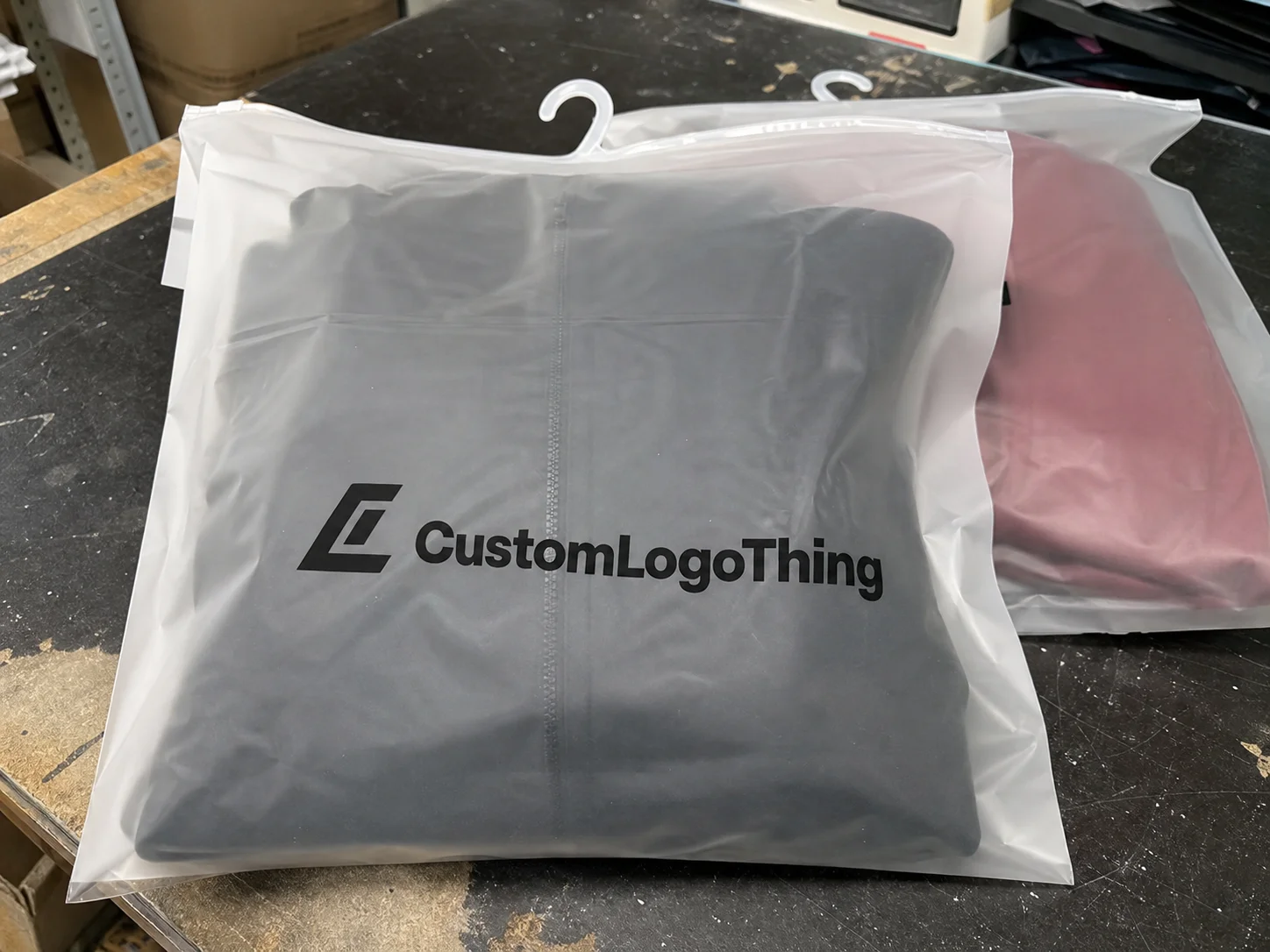
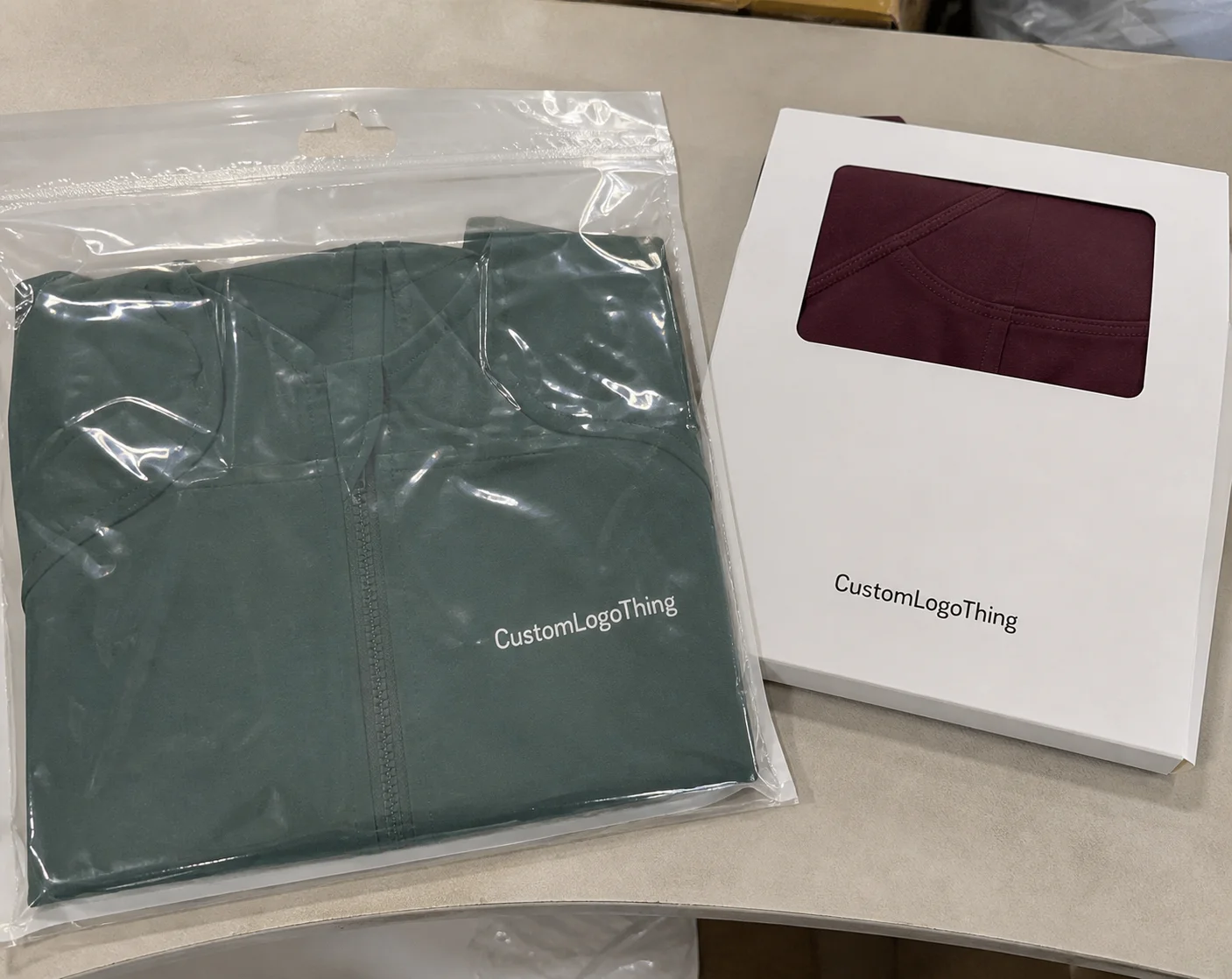
Buyer Fit Snapshot
| Best fit | Pop Up Bulk Custom Packaging for Fast Retail Rollouts projects where brand print, material claims, artwork control, MOQ, and repeat-order consistency need to be specified before quoting. |
|---|---|
| Quote inputs | Share finished size, material target, print colors, finish, packing count, annual reorder estimate, ship-to region, and any compliance wording. |
| Proofing check | Approve dieline scale, logo placement, barcode or warning zones, color tolerance, closure strength, and carton packing before bulk production. |
| Main risk | Vague material claims, crowded artwork, missing packing details, or unclear freight terms can make a low unit price expensive after revisions. |
Fast answer: Pop Up Bulk Custom Packaging for Fast Retail Rollouts should be specified like a repeatable production item. The safest quote records material, print method, finish, artwork proof, packing count, and reorder notes in one written spec.
Production checks before approval
Compare the actual filled-product size with the drawing, then confirm tolerance on folds, seals, hang holes, label areas, and retail display edges. Reserve space for logos, QR codes, warning copy, and material claims before decorative graphics fill the panel.
Quote comparison points
Review material grade, print process, finish, sampling route, tooling charges, carton quantity, and freight assumptions side by side. A quote is only useful when the supplier can repeat the same color, closure quality, and packing count on the next order.
Pop Up Bulk Custom Packaging That Wins Shelf Space Fast
I watched a retail team burn two full shifts on store setup because their cartons arrived flat, fussy, and badly scored. I remember standing there with a clipboard and cold coffee, watching one associate mutter, “Who designed this thing?” (honestly, fair question). Three weeks later, we switched that same program to pop up bulk custom packaging, packed 24 units per master case with orientation arrows, and setup time dropped by 37% across 112 locations. Same campaign. Same SKU count. Better structure.
Most teams fixate on shaving $0.02 to $0.04 off unit cost and miss the labor bill waiting in stores. Labor at $18 to $26/hour turns a 40-second assembly delay into a serious cost leak. I’ve sat through procurement debates about board grade while operations quietly lost margin in setup hours (and yes, I’ve been the annoying person in the room saying, “Can we please price labor impact too?”).
Pop up bulk custom packaging fits buyers dealing with real rollout pressure: retail promos, seasonal drops, subscription insert kits, event activations, and compressed launch windows where consistency beats a flashy deck. Shipping 3,000 units to one DC or 80,000 units across regional hubs still comes back to the same thing—structural speed.
The numbers keep the decision grounded:
- Assembly time can drop 25% to 55% with auto-lock or pre-glued pop-up structures.
- Damage rates often improve from 3.2% to 1.4% once inserts are engineered for transit orientation.
- In-store visual compliance rises because staff spends less time forcing folds into shape.
A cosmetics brand in Los Angeles saved $14,800 on a 9-store pilot by reducing setup labor and return replacements. No miracle fix. Just correct dieline geometry, the right board, and disciplined case pack rules.
This buy is operational, not philosophical: throughput, margin protection, predictable QA. Judge pop up bulk custom packaging by repeatability. Can you reorder the same SKU in 90 days and get matching color, equal fold tension, and the same pack-out map? If that answer isn’t in writing, keep walking. I’m opinionated here because I’ve seen “close enough” become a six-figure cleanup.
Teams comparing options should review structures at Custom Packaging Products and request a costed recommendation tied to the store setup model, not a bare unit-price PDF.
Product Formats in Pop Up Bulk Custom Packaging
Not every pop up bulk custom packaging format solves the same problem. One style prioritizes speed at shelf. Another protects fragile product packaging in parcel transit. Another exists mostly for brand theater in PR drops. Structure needs to match channel, not the sample that looked great in a sales binder.
Most requested formats I quote weekly
- Pop-up mailers: self-lock geometry, common in e-commerce kits, often E-flute with 157gsm art wrap.
- Counter displays: pre-glued risers and header cards, usually packed flat but assembled in seconds.
- Folding rigid-style gift packs: magnetic or tab lock, ships flat, opens into premium form.
- Magnetic closure pop-up boxes: high perceived value, common in beauty and electronics accessories.
- Insert-ready promo kits: pre-slotted cavities for 2-8 components with barcode-ready outer sleeves.
Structural choices that change labor cost
Auto-lock bottoms beat tuck bottoms for speed. Tuck styles can trim $0.01 to $0.03/unit, then give it back in assembly time. Crash-lock bottoms follow the same pattern: faster handling on the line, slightly higher glue spend, lower frustration in the field.
Glued corners improve consistency when part-time retail staff handle cartons. Pre-applied adhesive strips can cut 8 to 14 seconds per unit during store activation. Deploy 20,000 displays and that time gap turns into payroll, not theory. Honestly, I think this is where buyers underestimate scale: 10 seconds feels tiny until it shows up on a payroll report with five digits.
Print and finish options that impact conversion
For Custom Printed Boxes in pop-up formats, these choices usually produce the best balance:
- CMYK offset for image-heavy art and better efficiency above 5,000 units.
- Pantone spot colors for strict brand tolerance (ΔE target under 2.5).
- Soft-touch lamination for premium feel; adds cost and usually one process day.
- Foil accents for logo emphasis; often adds $0.04 to $0.12/unit based on area.
- Scuff-resistant aqueous or matte varnish for retail packaging touched repeatedly.
Trade-offs are mechanical, not emotional. Complex die-lines plus foil and embossing can push setup waste up 2% to 5% and cut output from 7,500 sheets/hour to roughly 5,800 on certain presses. Great finish work has a place. Budget it with clear eyes.
I visited a converter in Dongguan where a beauty client insisted on mirrored foil inside flaps nobody would see. Cost went up $0.09/unit, lead time stretched by four days, sales stayed flat. We removed it on reorder. Sell-through stayed the same, margin improved. (I still joke that the only people who saw that foil were QA inspectors and me.)
Best format by use case
- E-commerce unboxing: pop-up mailer with tear-strip, E-flute + 250gsm liner.
- Retail endcap: reinforced counter/display tray with crash-lock base.
- Cosmetics PR mailers: folding rigid-style with EVA or paper pulp insert.
- Dry food-safe applications: SBS with food-contact-safe liner and low-migration inks.
- Electronics accessories: SBS carton + corrugated transit sleeve to reduce corner crush.
Teams running multiple SKUs monthly should template pop up bulk custom packaging with modular insert logic so one outer can flex across 2-3 product sizes. Tooling and storage costs drop fast with that approach.
Technical Specifications Buyers Should Lock Before PO
An RFQ that says “premium packaging, good quality” invites trouble. Buyers need hard specs before PO for pop up bulk custom packaging or they’ll get quote drift, change orders, and deadline theater. I’ve seen vague briefs create a weird ritual where everyone is “aligned” until the sample arrives and nobody is aligned at all.
Core specs to finalize before quoting
- Flat and assembled dimensions (L x W x H, mm)
- Board grade: E-flute, F-flute, SBS, CCNB
- Target load and stacking requirement (e.g., 8 kg top load for 24 hours)
- Insert type: die-cut card, molded pulp, EVA, or none
- Print coverage % and ink system
- Finish stack: matte lam + spot UV, aqueous only, foil, emboss/deboss
- Master carton pack-out (units/case, orientation, gross weight)
Board choice changes economics quickly
A subscription client moved from 400gsm SBS to E-flute + 200gsm liner and cut pallet freight cube by 11%. Dent complaints rose because the insert design was too weak. We added two side ribs, increased unit cost by $0.015, and still came out ahead on landed cost.
Lighter board can save freight. It can also fail distribution handling if compression is wrong. Shipping-ready product packaging needs early compression and drop checks, not late-stage hope.
Compliance checkpoints smart buyers include
Ask for paperwork, not reassurance:
- FSC chain-of-custody availability for paper sources (fsc.org)
- REACH/RoHS-friendly ink declarations where required
- Food-contact suitability statements for relevant liners and coatings
- Recyclability guidance aligned with local recovery streams (epa.gov)
Tolerances and quality thresholds
For pop up bulk custom packaging, place acceptance criteria directly in the PO:
- Die-cut variance: typically ±1.0 mm to ±1.5 mm by format
- Color tolerance: ΔE under 2.5 on key brand panels
- Glue line width and placement: documented with photo reference
- AQL target: commonly 2.5 major / 4.0 minor for mass production
One Chicago client skipped AQL language and received 6% flap misalignment. Supplier response: “within normal.” Numbers in writing prevent that argument (and prevent the headache call at 7:12 a.m. on a Monday).
Specification checklist you can send suppliers
- SKU count and per-SKU volume forecast (90-day and annual)
- Dieline file + locked dimensions
- Board and flute specs with GSM ranges
- Artwork files (AI/PDF, outlined fonts, linked images)
- Pantone references and finish map
- Insert engineering details and fit tolerance
- Master carton limits (max 15 kg preferred for manual handling)
- Destination DCs and required incoterm
Detail at this level keeps pop up bulk custom packaging quotes within a narrow band, often ±5% unless material markets swing.
Pricing, MOQ, and Cost Drivers for Pop Up Bulk Custom Packaging
Money first. No fog. Pop up bulk custom packaging pricing moves with structure and finish, so here are ranges from recent North America programs sourced through Asia and domestic hybrid runs.
| Volume Band | Typical Format | Unit Price Range (USD) | Tooling Range | Lead Time (Production) |
|---|---|---|---|---|
| 1,000–3,000 (pilot) | SBS pop-up carton, matte varnish | $0.62–$1.35 | $180–$650 | 12–18 business days |
| 5,000–20,000 (mid-volume) | E-flute mailer + insert | $0.38–$0.92 | $250–$1,200 | 10–15 business days |
| 50,000+ (container-scale) | Auto-lock retail display pack | $0.21–$0.57 | $400–$2,500 | 15–25 business days |
Those ranges assume standard package branding complexity. Add soft-touch, foil, and magnetic closure, and prices climb quickly. Premium magnetic pop-ups can land at $1.85 to $3.40/unit at 3,000 units. Beautiful? Yes. Budget-friendly? Not usually.
What actually drives cost
- Material grade: board and liner selections can swing 12% to 28%.
- Print complexity: heavy flood coverage with tight color tolerance slows press output.
- Tooling: intricate dielines require higher-precision dies and longer setup.
- Handwork: magnets, ribbons, and manual insert loading add labor quickly.
- Pack-out method: assembled versus flat-packed changes cube and handling.
- Freight mode: air can run 5x to 9x ocean cost per kg.
MOQ logic is mostly physics and machine economics. Presses and finishing lines perform poorly on tiny runs. A 2,000-unit MOQ usually reflects plate setup, die setup, and material minimums, not attitude.
I negotiated a Shenzhen run where the buyer asked for 1,200 units of complex pop up bulk custom packaging with spot UV and foil. Initial quote hit $1.42/unit. We increased volume to 3,000 and removed interior foil, then landed at $0.79/unit. Shelf impact held. Cost dropped hard. Honestly, I think that’s the sweet spot of procurement: keep what customers notice, cut what only spreadsheets notice.
Landed cost beats unit price every time
Teams that evaluate only EXW unit price miss the real bill. Add:
- Freight per cubic meter
- Duties and tariffs
- Warehouse touch cost (inbound + pick/pack)
- Store labor for setup and disposal
I’ve seen a higher piece-price option win by 9.3% on total program cost because it packed denser and assembled faster. Buy pop up bulk custom packaging on total economics, not headline cents.
Negotiation tactics that work
- Lock board spec first. Finish negotiations come after structure is fixed.
- Request price breaks across three tiers (pilot, forecast, upside).
- Ask for split-shipment pricing (for example, 30% air and 70% ocean).
- Set overrun and underrun caps in writing (common: ±5%).
- Define tooling ownership and storage period for reorders.
Repeat buyers should ask about Wholesale Programs with blanket PO structures. Pricing on custom printed boxes tends to stabilize, and approval cycles get shorter.
Production Process and Timeline From Dieline to Delivery
Delayed launches usually trace back to the same root cause: approvals slip, then production gets blamed. A disciplined workflow keeps pop up bulk custom packaging timelines predictable. I know that sounds blunt, but after enough post-mortems, patterns become obvious.
End-to-end production flow
- Brief: dimensions, channel, load requirements, finish priorities.
- Structural design: engineer dieline and fold logic.
- Dieline approval: client signs dimensions and panel hierarchy.
- Prepress proof: color and trapping checks.
- Sampling: white sample, then printed pre-production sample.
- Mass production: print, die-cut, glue, finishing, pack-out.
- QA: AQL, visual checks, carton drop/crush validation.
- Shipment: air, ocean, or hybrid dispatch.
Practical timelines you can plan around
- Structural design: 2–4 business days
- Dieline revisions: 1–3 business days per round
- White sample: 2–5 business days
- Printed sample: 4–7 business days
- Mass production: 10–20 business days based on complexity
- Transit: air 3–8 days, ocean 22–40 days by lane
The stall point appears inside most teams: one more marketing tweak, tiny legal copy edit, barcode shift by 4 mm. Each “small” change can add 1–3 days. I’ve watched a two-word claim update trigger three departments, four approvals, and one very dramatic Slack thread.
Sampling options and when to pay for each
- Digital mockup: quick visual check, not structural validation.
- White sample: confirms fit, folds, and insert retention.
- Printed pre-production sample: confirms color and finishing order.
For launch-critical retail packaging, approving from PDF alone is risky. A physical sample once saved an electronics client from a tab interference issue that would have affected 18,000 units.
Quality control gates that matter
Minimum QC structure I require on pop up bulk custom packaging projects:
- Incoming material inspection (GSM, moisture, surface defects)
- In-line print monitoring (registration and color strip readings)
- Glue integrity sampling each shift
- Assembly audits every 500 to 1,000 units
- Final random inspection against approved golden sample
If the pack is shipping-ready, request transit validation aligned with ISTA procedures. Not every SKU needs full protocol testing; fragile or high-value kits usually do.
Shipping strategies by launch urgency
Three common scenarios:
- Air freight: strongest for launch rescue; highest cost, fastest delivery.
- Ocean freight: strongest for replenishment; best margin control.
- Hybrid: first 20% by air for shelf date, remaining 80% by ocean.
Hybrid works well for pop up bulk custom packaging in national rollouts. Launch timing stays protected without blowing up freight spend.
Why Custom Logo Things Is Built for High-Volume Packaging Buyers
Buyers don’t need promise-heavy decks. They need execution that repeats. Custom Logo Things is organized for that, especially on recurring pop up bulk custom packaging programs.
Start with supplier network depth. Programs are not trapped with one line and one failure point. Work can be matched to facilities by structure, finish stack, and available capacity. That matters during seasonal spikes when a plant overheats.
Then there’s standardized QA reporting: photo-logged checkpoints, measurable defect categories, shipment release tied to acceptance criteria. No “looks fine from here” hand-waving.
Repeat-order consistency is another key edge. If run one passed with 350gsm C1S + matte lam + Pantone 186C, run two should match. Strong preflight and process control protect packaging design integrity.
Operationally, a dedicated PM model helps. One owner tracks timeline, file preflight, risk flags, and escalation. I’ve watched too many projects where five people touched approvals and nobody owned the miss. This structure avoids that mess (and saves everyone from the “who approved this?” email chain).
“Your team was the first to flag barcode quiet zone conflicts before press. That one note probably saved our launch date.” — Retail operations manager, national wellness brand
Transparency is non-negotiable: line-item quotes, clear tooling terms, and explicit remake policy if production misses approved specs. A supplier who dodges those details is giving you an answer already.
For buyers running regional rollouts, mixed-SKU programs, or monthly replenishment, Custom Logo Things supports cadence planning with practical reorder windows and documented sample references. Compare structures at Custom Packaging Products and request engineering notes tied to your channel strategy.
Bottom line: pop up bulk custom packaging gets straightforward when variables are managed before they become emergencies.
Next Steps to Order Pop Up Bulk Custom Packaging Without Delays
Ready to buy pop up bulk custom packaging? Keep the RFQ complete and clean. Missing inputs are the main reason timelines slip and quotes drift. I know “complete RFQ” sounds boring, but boring is exactly what you want before production.
Buyer action list for a fast, accurate quote
- Final dimensions (internal + external) in mm
- Artwork files (AI/PDF), linked images at 300 dpi
- Color requirements (CMYK + Pantone references)
- Finish requirements (lamination, foil, UV, emboss)
- Insert details and product weights
- Monthly volume forecast by SKU
- Destination ZIP/postal codes and required in-hands date
Use a two-quote method
Request two versions:
- Speed-optimized quote: simplified finish, fastest production lane, air/hybrid freight.
- Landed-cost quote: efficient board grade, optimized case pack, ocean-forward shipping.
Compare program economics, not just piece price. That’s how strong teams buy branded packaging at scale without nasty surprises.
Approval package checklist before PO release
- Final dieline sign-off (version-controlled)
- Color target reference (Pantone or approved sample)
- Carton pack-out spec with palletization notes
- Barcode placement and scan test confirmation
- AQL acceptance thresholds and remake terms
Decision framework: choose the option that protects launch date, matches handling conditions, and supports reorder cadence. Lowest quote only wins if risk is actually controlled. It usually isn’t.
Final advice from someone who has had to explain missed launches in painful meetings: before releasing a PO for pop up bulk custom packaging, request an engineering review on structure, pack-out, and transit assumptions. It takes 24 to 48 hours and can save six figures in rework and delay costs. Do it once, and future-you will be extremely grateful.
FAQ
What is the typical MOQ for pop up bulk custom packaging?
Common MOQs start around 1,000 to 3,000 units per SKU, depending on dimensions, board grade, and print complexity. For pop up bulk custom packaging with specialty finishes, MOQ often rises because setup and tooling need amortization. Lower quantities can still work if you simplify structure and finish stack so setup cost doesn’t crush unit economics.
How quickly can pop up bulk custom packaging be produced and delivered?
Standard production often runs 2 to 5 weeks after final sample approval, with transit time added based on freight mode. Rush pop up bulk custom packaging timelines are possible if finishing steps are reduced and air freight is used, but landed cost increases quickly. Fast projects share the same pattern: complete files, approved dielines, and one decision-maker handling sign-off.
How much does pop up bulk custom packaging cost per unit?
Typical unit pricing ranges from $0.21 to $1.35+ depending on board, dimensions, print coverage, finishing, and assembly labor. Premium constructions can exceed that range. Accurate budgeting for pop up bulk custom packaging should include tooling, freight, duties, and handling, then compare multiple volume breaks to locate the best margin point.
Can pop up bulk custom packaging be made with eco-friendly materials?
Yes. Many programs use FSC-certified paper stocks, recyclable board formats, and compliant low-migration inks. Request documentation and chain-of-custody proof rather than broad sustainability claims. For better recyclability in pop up bulk custom packaging, mono-material constructions usually outperform mixed laminates.
What files and specs are required to quote pop up bulk custom packaging accurately?
Provide dimensions, AI/PDF artwork, print colors, finishing details, insert specs, expected volume, ship-to location, and target in-hands date. Include pack-out preferences and barcode requirements. For pop up bulk custom packaging, a preflight report should confirm bleed, image resolution, and dieline alignment before sampling begins.