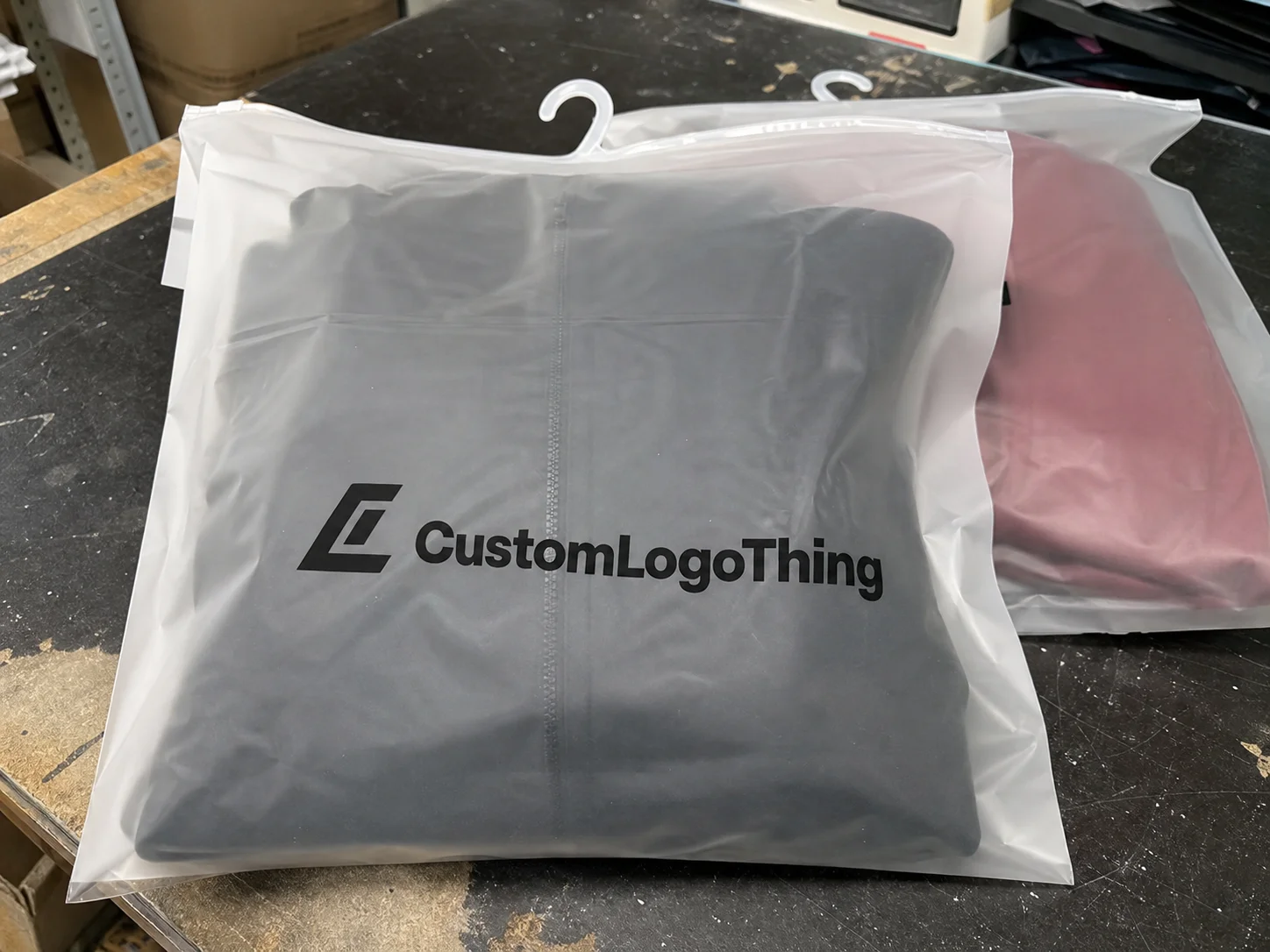
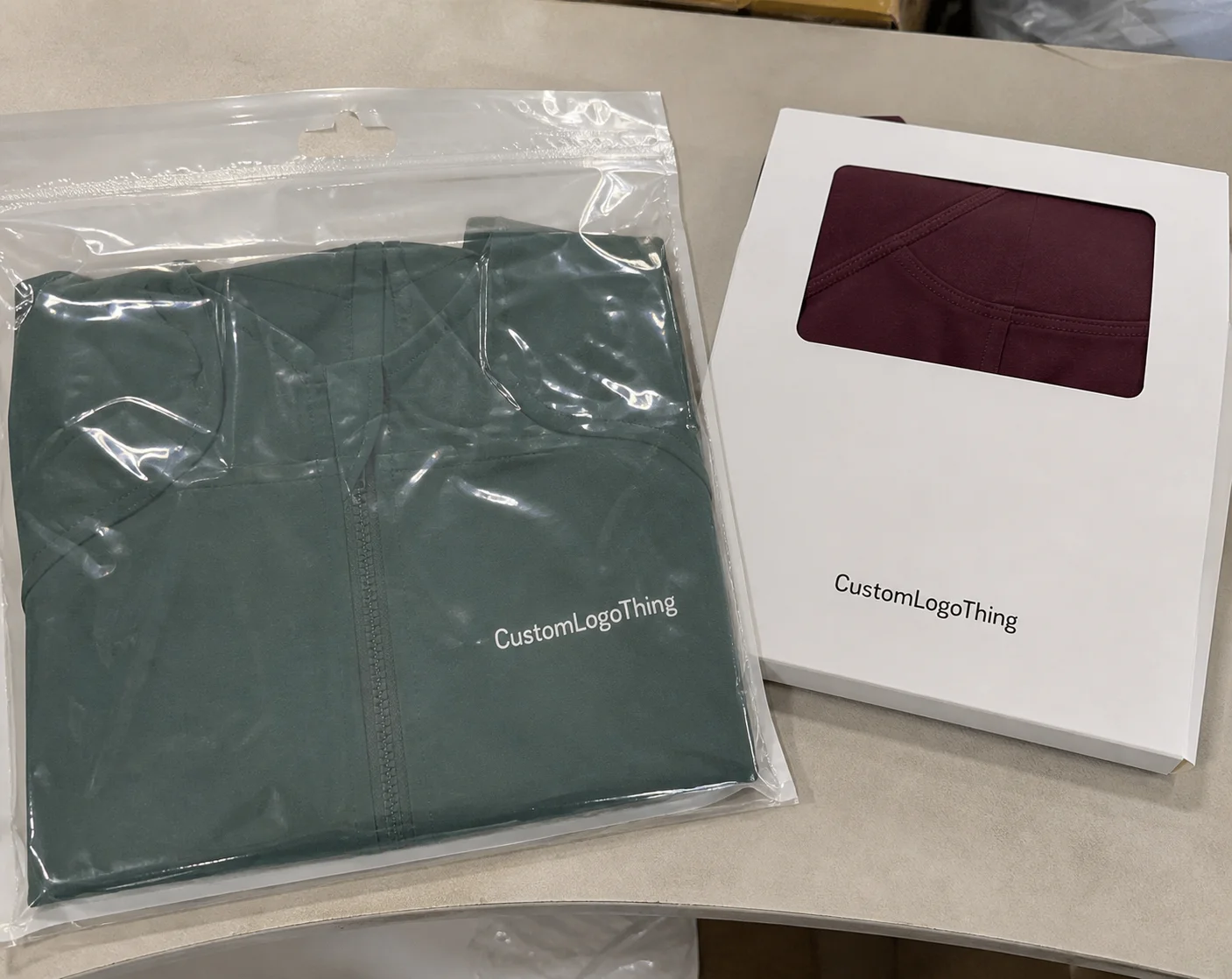
Buyer Fit Snapshot
| Best fit | Price Per Unit Custom Poly Mailers Bulk projects where brand print, material claims, artwork control, MOQ, and repeat-order consistency need to be specified before quoting. |
|---|---|
| Quote inputs | Share finished size, material target, print colors, finish, packing count, annual reorder estimate, ship-to region, and any compliance wording. |
| Proofing check | Approve dieline scale, logo placement, barcode or warning zones, color tolerance, closure strength, and carton packing before bulk production. |
| Main risk | Vague material claims, crowded artwork, missing packing details, or unclear freight terms can make a low unit price expensive after revisions. |
Fast answer: Price Per Unit Custom Poly Mailers Bulk: Real Costs should be specified like a repeatable production item. The safest quote records material, print method, finish, artwork proof, packing count, and reorder notes in one written spec.
Production checks before approval
Compare the actual filled-product size with the drawing, then confirm tolerance on folds, seals, hang holes, label areas, and retail display edges. Reserve space for logos, QR codes, warning copy, and material claims before decorative graphics fill the panel.
Quote comparison points
Review material grade, print process, finish, sampling route, tooling charges, carton quantity, and freight assumptions side by side. A quote is only useful when the supplier can repeat the same color, closure quality, and packing count on the next order.
price per unit custom poly mailers bulk looks tidy on a quote sheet. Nice and neat. Then you stand next to a fulfillment line in Dongguan and watch 10,000 bags move through print, seal, and carton pack, and that tidy little number starts telling a much messier story. I remember one factory visit where a manager in Shenzhen pointed at a stack of “cheap” mailers and said, dead serious, “These cost us more in headaches than the expensive ones.” He was not kidding. I have seen small runs where setup, proofing, and changeover cost more than the film itself. I have also seen bigger bulk orders settle into a strong unit number once tooling and print prep get spread across 5,000, 10,000, or 25,000 bags. For example, a standard 10 x 13 inch mailer in 2.5 mil co-extruded LDPE can land around $0.15 per unit at 5,000 pieces, then drop closer to $0.11 at 10,000 pieces. That is why price per unit custom poly mailers bulk has to be judged against the whole job, not the sticker on line one of the quote.
The best buyers I have worked with do not ask only, “What is the cheapest bag?” They ask what they are actually paying for. Barrier protection. Accurate sizing. Brand presentation. A mailer that can survive automated fulfillment, tote stacking, conveyor corners, and carrier handling that turns flimsy packaging into a sad little crumpled pancake. On a well-run line in Los Angeles or Chicago, a good bag can save 2 to 4 seconds per order. That sounds tiny until a team is shipping 800 parcels a day, which is 2,400 to 3,200 seconds saved in a single shift. Those seconds are labor, and labor is not free. That is the practical side of price per unit custom poly mailers bulk, and it is where the real value shows up.
I see the same mistake over and over. People compare the unit price and ignore freight, carton pack, or the way a bag behaves at the packing station. A 2.5 mil LDPE mailer that fits properly can ship cleaner, seal faster, and keep the product flatter than a cheaper bag that fights the packer every single time. Honestly, that is the part buyers underestimate most. They get hypnotized by a low unit price and then spend the next month cursing the package at 4:55 p.m. in a warehouse outside Dallas. I have been in those buildings. I have heard those complaints. In my experience, the quote that wins is usually the one that balances unit cost, print quality, lead time, and landed freight. Not the one that looks pretty in column B. That is the standard I use when I talk through price per unit custom poly mailers bulk with buyers.
Price per unit custom poly mailers bulk: where the real value shows up
The first thing I tell people is that price per unit custom poly mailers bulk is not just a film price. On a 3,000-piece custom run, setup labor, color prep, digital proofing, and changeover on the converting line can take a big bite out of the total. That is why a smaller custom order can look expensive even when the raw resin cost is modest. I watched this happen at a film-conversion shop in Shenzhen where the operator spent nearly an hour getting print registration locked in before the first good sheet came off the line. The film itself was fine. The expensive part was the process, and the process is always hiding somewhere in the quote.
Buyers are paying for three things at once: protection, presentation, and handling efficiency. A mailer has to keep apparel, inserts, or lightweight product packaging dry and intact. It also has to show the logo cleanly and slide through the packout team without snagging on gloved hands or tape heads. When the bag size is right, workers do not wrestle the flap, and that alone can cut packing slowdowns by 10% or more on a busy shift. I have literally watched a team in Atlanta speed up because nobody had to fight the bag anymore. That is why price per unit custom poly mailers bulk should be measured against fewer damages, a cleaner unboxing moment, and less labor friction.
- Lower damage rates: a 3 mil co-extruded film or a reinforced seal can keep corners and seams from splitting during carrier sorting.
- Cleaner brand presentation: the logo, color block, and return panel arrive looking intentional instead of wrinkled or stretched.
- Fewer packing slowdowns: the right width and flap allowance can save 2 to 5 seconds per pack-out on repeat orders.
Bulk purchasing changes the math because fixed costs get divided across a larger finished quantity. If a plate set, print setup, or tooling adjustment costs $180 and you order 1,000 pieces, that overhead adds 18 cents before material, labor, and freight. At 10,000 pieces, the same $180 adds less than 2 cents per bag. At 25,000 pieces, it barely registers at all. That is the logic behind price per unit custom poly mailers bulk. It is also why the unit cost can drop hard once you cross the right minimum order quantity. The best buyers ask where that break point sits before they commit, because guessing is expensive and optimism does not pay invoices.
"We thought the mailer was the cheapest part of the order," a fulfillment manager in Ohio told me after we resized her apparel bag from 14 x 19 to 10 x 13 with a 2.5 mil structure. "The real savings showed up when packing went from 18 seconds to 11 seconds per unit." That was a plain reminder that price per unit custom poly mailers bulk is a labor conversation as much as a materials conversation.
There is also a brand angle that people skip because it is harder to put in a cell. A mailer is often the first physical touchpoint a customer sees, and first contact matters. I have sat through client meetings in New York and Toronto where a glossy black mailer with crisp white print beat a cheaper translucent bag because it made the brand feel more deliberate. That choice did not create sales by itself. No magic. It did improve package branding in a way customers noticed in photos, unboxings, and returns processing. That is part of the real value behind price per unit custom poly mailers bulk.
Custom poly mailer product details that affect buying decisions
The construction choice matters immediately. Single-layer LDPE is the most familiar and economical option for many apparel orders. Co-extruded film gives you a stronger performance envelope, better tear resistance, and a cleaner print surface. Recycled-content blends are worth a look when the brand wants a lower-virgin-material story, but they can shift hand feel, clarity, and ink appearance a little. I have seen buyers in a California distribution center choose a co-ex film at 2.75 mil because the line workers said it fed better through the tape gun and scanner station. That kind of small operational detail affects price per unit custom poly mailers bulk more than a marketing brochure ever will.
Sizing is where many quotes go sideways. A bag labeled 10 x 13 inches is not the same as a bag that gives you 10 x 13 inches of usable space after the flap, seam, and closure area are accounted for. If the product is a folded hoodie with a polybag and a hang tag, you may need an extra inch of depth just to avoid pushing air into the corners and bulging the seal. Oversized mailers also raise dimensional weight, which can lift the shipping bill even when the unit price looks fine. I tell buyers to price the whole carton, not only the bag, because price per unit custom poly mailers bulk can be warped by freight and pack density. That one is not glamorous, but it is the thing that actually hits the budget.
Closure style changes both speed and security. A pressure-sensitive adhesive works well for common ecommerce apparel and accessory shipments. A permanent seal is better for one-way fulfillment flows. Tamper-evident strips add confidence when the contents are higher value or when chain-of-custody matters. On a wholesale program I helped review in Texas, switching to a stronger tamper-evident strip cut damage complaints by 7% because the receiving team could see whether the bag had been reopened. That kind of improvement does not always show up in the first quote, but it definitely changes price per unit custom poly mailers bulk in real use.
Print method matters too. Flexographic print is still the workhorse for repeat orders with steady artwork, because once the line is dialed in, it delivers consistent color across large quantities. Digital print is a better fit when the art changes often, when the order is shorter, or when a brand wants full-coverage graphics without committing to plates. For a 1,500-piece pilot order, digital can make sense. For 15,000 units with the same logo and one or two spot colors, flexo usually wins on the economics. That is one of the clearest levers in price per unit custom poly mailers bulk.
Finish and presentation are not decoration only; they shape how the bag behaves under light and handling. Matte black hides contents better and can feel more premium. Gloss white reflects more light and makes logos pop on camera. Opaque custom colors can help a brand build a recognizable shelf or shipping presence. I have seen brands pair Custom Printed Boxes with matching mailers so their product packaging feels consistent from warehouse to doorstep, and that consistency often starts with a few print and finish decisions made at the quoting stage. If the kit also includes a folded insert on 350gsm C1S artboard, the whole set can be matched to the same brand palette without making the order messy. Those details are part of price per unit custom poly mailers bulk because they influence material choice and production time.
| Construction option | Best use case | Typical performance notes | Unit cost impact |
|---|---|---|---|
| Single-layer LDPE, 2.0 to 2.5 mil | Light apparel, tees, small soft goods | Economical, easy to seal, familiar hand feel | Lowest starting point for price per unit custom poly mailers bulk |
| Co-extruded film, 2.5 to 3.0 mil | Midweight apparel, multi-piece orders, higher damage risk | Better puncture resistance, cleaner print surface | Usually adds a small premium, often worth it at bulk volume |
| Recycled-content blend | Sustainability-forward brands and repeat programs | Good story value, but color and stiffness can vary slightly | Can be higher or comparable depending on resin availability |
Specifications that lock in performance and print quality
If I am quoting a job, I want six specifications in writing before production starts: film gauge, bag dimensions, seal width, adhesive strength, print coverage, and carton pack format. Those numbers make the difference between a smooth run and a rework conversation. A 2 mil bag and a 3 mil bag can look similar in a thumbnail, but on the floor they behave very differently in puncture resistance, folding stiffness, and how they hold up when stacked on a pallet for two days. I have watched a warehouse team in Houston blame the wrong bag for a failure that was really a spec mismatch. That is one reason price per unit custom poly mailers bulk should always be tied to a spec sheet, not just a product name.
Artwork also needs to be treated like a production file, not a desktop sketch. I always ask for vector art in AI, EPS, or a clean PDF, because raster logos tend to soften when they are blown up across a 12 x 16 mailer. If the design uses Pantone spot colors, I want those numbers listed. If the artwork needs bleed, I want at least 0.125 inch explained up front. If there is a barcode or return address panel, I want that placement confirmed before the proof goes out. One missed barcode location can add a day to approval, and that delay affects price per unit custom poly mailers bulk because idle time costs money on the production schedule. Factory time in Guangzhou is not some magical infinite resource. It is rented by the minute.
Workflow details matter just as much. A gravure line can be excellent for very high-volume consistency, flexo is efficient for repeat graphics with spot colors, and digital is useful when buyers are still testing package branding or changing promotions every quarter. I have watched a flexible packaging floor in the Midwest lose nearly half a shift because a last-minute artwork revision hit after the plates had already been staged. That was a special kind of pain, and everyone in the room knew it. That is why I push for a locked spec sheet before anyone talks about price per unit custom poly mailers bulk in final terms. Cleaner prepress means a cleaner quote.
Testing is the last piece many buyers skip, and it is a mistake. A mailer should survive seam checks, drop handling, and regular compression without splitting or opening at the flap. For transit testing, I lean on recognized methods such as the ISTA family of procedures, and the standards published by ISTA are a useful reference when a buyer wants confidence beyond a simple hand-squeeze test. If a program includes paper labels or carton inserts, FSC certification can matter for the paper side of the shipment. Those standards do not set price by themselves, but they do shape what a responsible price per unit custom poly mailers bulk quote should include. I have seen one failed drop test in a 3PL outside Atlanta cost a week of rework, so the test is not decorative.
A few practical specs I ask buyers to confirm before we press forward:
- Film gauge: 2.0, 2.5, or 3.0 mil depending on weight and puncture risk.
- Usable internal size: enough room for the product plus 0.5 to 1.0 inch of insertion tolerance.
- Seal width: a wider seal helps on heavier fills and reduces edge stress.
- Print coverage: one side, two sides, or full coverage with white underprint.
- Pack format: carton count, pallet stack, and whether you need retail-ready bundling.
Price per unit custom poly mailers bulk: pricing and MOQ math
The major cost drivers are straightforward once you strip away the sales language: bag size, film weight, print complexity, number of colors, order quantity, and shipping destination. A 9 x 12 mailer with one-color flexo printing is a different animal from a 14 x 19 mailer with two-sided graphics and a custom matte finish. At the factory level, bigger bags use more resin, longer print repeats, and more space in the carton. Smaller bags can be cheaper to make, but not always cheaper to ship. That is why price per unit custom poly mailers bulk has to be quoted as a landed number whenever possible. Nobody wants a bargain that turns into an angry freight bill from Ningbo to New Jersey.
MOQ is where the math starts to reward planning. If the factory minimum is 5,000 pieces, the setup cost is spread across 5,000 finished bags instead of 1,000, and the unit price usually drops in a noticeable way. The biggest price breaks often appear when a buyer moves from a short custom order into a true bulk production bracket, especially if the artwork stays the same and only the quantity changes. I have seen buyers save 20% to 35% on unit cost simply by moving from 3,000 pieces to 10,000 pieces on the same material and print spec. On a 10 x 13, 2.5 mil co-ex mailer, that can be the difference between $0.22 and $0.15 per unit at 5,000 pieces. That is the practical side of price per unit custom poly mailers bulk, and it is the kind of math that makes procurement people look clever at meetings.
Here is the kind of pricing structure I commonly see in the field, using a standard apparel-size mailer and a simple print layout. These are not blanket promises, because resin pricing, freight, and artwork complexity move the final number, but they are useful for understanding the break points that matter when you are comparing quotes for price per unit custom poly mailers bulk.
| Order tier | Example spec | Typical unit range | What usually drives the drop |
|---|---|---|---|
| 1,000 pieces | 10 x 13, 2.5 mil LDPE, one-color print | $0.41 to $0.68 | Setup and proofing are spread across fewer bags |
| 5,000 pieces | 10 x 13, 2.5 mil LDPE, one-color print | $0.15 to $0.22 | Plate, line setup, and carton handling become more efficient |
| 10,000 pieces | 10 x 13, 2.5 mil LDPE, one-color print | $0.11 to $0.17 | Material purchasing and production throughput improve the quote |
There are hidden cost items that can move the number more than buyers expect. Freight is the obvious one, especially if the shipment is going cross-country or moving by ocean to a distribution hub in Savannah or Long Beach. Rush charges are another, and they show up when artwork approval drifts or the launch date gets pulled forward by a week. Artwork revisions can also add expense if the file has to be rebuilt, and palletization or warehouse-specific packing can cost extra when the receiving dock needs special labeling. On a large account, those line items can change price per unit custom poly mailers bulk by several cents, which matters at 20,000 units. Several cents sounds small until you multiply it by a mountain of bags and watch the finance team start blinking slowly.
I also tell people to ask for two quote scenarios every time: one at the expected reorder quantity and one at a higher forecast tier. If you think you will reorder at 8,000 pieces, ask for 8,000 and 15,000. That comparison shows you exactly where the unit cost drops enough to justify a larger buy. It also helps separate the true price per unit custom poly mailers bulk from the noise created by one-time setup charges. In negotiations, that clarity is worth more than a shiny headline number. If the second quote drops from $0.16 to $0.12, you know the factory in Dongguan is actually giving you scale, not just better gossip.
Production process, proofing, and timeline from quote to ship
The production workflow is usually simple on paper and a little more human in practice: requirements review, artwork prep, digital proof, approval, production, quality check, packing, and freight booking. On a clean run, the proof stage might take one day, the manufacturing stage might take 7 to 15 business days, and freight adds whatever the lane requires. For a standard 5,000-piece flexo order out of Shenzhen or Dongguan, I usually see 12 to 15 business days from proof approval to ship date. If the artwork is already vectorized and the mailer size is fixed, the schedule moves faster. If the buyer is still deciding between 9 x 12 and 10 x 13, price per unit custom poly mailers bulk is going to stay soft until that decision is locked. The plant cannot quote certainty around a moving target. It tries, but it gets grumpy.
Proofing deserves more attention than it usually gets. A digital mockup confirms layout, copy, and logo placement, but it does not tell you everything about ink density or how a color reads against black film. For color-sensitive work, I sometimes push for a pre-production sample or a press proof, especially if the brand is exacting about a Pantone red or a deep charcoal background. I once sat with a cosmetics client in Seattle who rejected a proof because the gray in her logo shifted by one shade under warehouse lighting; that one detail delayed the shipment by three business days, and it changed the way we quoted price per unit custom poly mailers bulk on the next round. Painful? Yes. Useful? Also yes.
Timeline shifts with print method and quantity. A short digital run with two proof cycles may move faster than a bulk flexo order with fewer revisions, but a larger flexo order can beat digital on repeat consistency once the line is running. The main thing that slows an order down is almost never the machine itself; it is missing vector art, inconsistent Pantone targets, late approval, or a surprise size change after the quote. I tell buyers to treat the proof like a production release, because that is what it becomes when the plant schedules the run and buys the resin. That discipline keeps price per unit custom poly mailers bulk under control and reduces the “we need one more tweak” spiral that ruins a week.
Shipping needs to be planned before the order leaves the plant. I want to know whether the bags are packed in cartons or on pallets, how many pieces are in each case, and whether the warehouse can receive oversized cartons without appointment delays. If the delivery is going to a 3PL or an Amazon-style fulfillment center in Memphis or Phoenix, the receiving rules can be stricter than expected, and one mislabeled pallet can sit for a day. That is not theoretical; I have watched a dock reject a 40-carton shipment because the case labels missed a PO line by 1 digit. These small operational details are part of price per unit custom poly mailers bulk because they affect the real landed cost.
Why choose us and the next steps to get an accurate quote
At Custom Logo Things, the value is not just that we print a bag. It is that we understand film conversion, print registration, seal performance, and the practical demands of high-volume fulfillment, whether the order is going to a retail packaging brand, a subscription box program, or a direct-to-consumer apparel warehouse in Dallas, Nashville, or San Diego. I have spent enough time around film lines, sealing heads, and carton pack stations to know that the best outcomes come from simple, specific questions asked early. That is how we help buyers get a more accurate price per unit custom poly mailers bulk quote before the production calendar gets tight.
The most useful conversation usually starts with three things: your bag size, your target quantity, and your artwork file. If you already know the color count, the shipping destination, and whether you need one-sided or two-sided print, the quote becomes much more reliable. If you also know whether the mailer needs to coordinate with other branded packaging, such as custom printed boxes or insert cards, we can suggest a finish and film style that keeps the whole package family consistent. That kind of alignment improves package branding without adding unnecessary complexity to the run. It also gives a truer picture of price per unit custom poly mailers bulk, especially when you are matching a black mailer to a 350gsm C1S artboard insert or a full-color thank-you card.
There is a smarter way to ask for pricing, and it saves time on both sides. Request two paths: one optimized for the lowest unit cost and one optimized for the fastest lead time. Then compare them against your launch date and your reorder forecast. I have seen buyers save money by waiting one extra week for a larger MOQ, and I have seen others choose the faster route because a missed promotion would cost more than the freight premium. If you want a starting point, browse our Custom Poly Mailers, review the broader Custom Packaging Products, or compare volume options through our Wholesale Programs. Each of those paths helps narrow the right price per unit custom poly mailers bulk for your timeline.
My advice is simple: bring the details, and do not hide the messy parts. If the artwork is still rough, say so. If the quantity might move from 5,000 to 8,500 after your next forecast meeting, say that too. A good quote has enough room to show the break points clearly, and the best buyers use that clarity to Choose the Right bag instead of the cheapest-looking one. That is how price per unit custom poly mailers bulk turns from a vague request into a workable purchasing plan.
If you want the cleanest possible number, send the size, material target, print colors, expected quantity, and delivery ZIP code together. From there, we can map the real price per unit custom poly mailers bulk, compare the unit drop at each MOQ tier, and help you choose the bag that fits both the schedule and the budget. If you already know the target freight lane, like Shenzhen to Los Angeles or Dongguan to Chicago, send that too, because freight can swing the quote by several cents per unit. That is usually where the savings live. Not in the flashy headline. In the boring, stubborn details that actually ship.
What affects the price per unit custom poly mailers bulk the most?
Short answer: bag size, film thickness, print method, order quantity, and freight destination. Setup costs matter more on smaller runs, while bulk orders usually lower the unit price by spreading those costs across more bags. A 10 x 13 mailer at 2.5 mil with one-color flexographic print in Shenzhen can price very differently from a 14 x 19 bag with full-coverage print and shipping to New Jersey. Dimensional weight, carton pack density, and proofing cycles can also shift the landed cost more than people expect.
Which factors move the price the most?
Bag size, film gauge, number of print colors, and MOQ are the biggest levers. A larger bag uses more resin, and more color passes add press time. If you are comparing quotes, make sure the specs match exactly so the price per unit custom poly mailers bulk is not distorted by a hidden size or finish change. A glossy finish, a wider seal, or a tamper strip can all nudge the number upward, even if the quote looks close at first glance.
How can I lower the cost per unit on custom poly mailers in bulk?
Use a standard size when possible, simplify artwork, reduce color count, and increase order quantity to the next pricing tier. Ask for a quote comparison between two quantities so you can see where the price per unit custom poly mailers bulk drops in a meaningful way, not just by a penny or two. For example, moving from 3,000 to 5,000 pieces can cut the unit price from around $0.22 to about $0.15 on a simple 10 x 13 mailer. If your brand can live with one spot color instead of a full print wrap, the savings usually show up fast.
What MOQ should I expect for custom poly mailers bulk pricing?
MOQ varies by print method, size, and material, but larger runs usually receive better unit pricing because production setup is shared across more bags. If your volume is uncertain, request a quote at your expected reorder level and a second quote at a higher tier so the price per unit custom poly mailers bulk is easier to judge. In many factories around Dongguan and Ningbo, 5,000 pieces is a common starting point for meaningful bulk pricing, though some digital programs can start lower if the specs are simple.
How long does production usually take after approval?
Lead time depends on artwork approval, print method, quantity, and whether the order needs a sample or press proof first. A clean vector file and fast approval shorten the schedule more than almost any other factor, and that speed often matters more than squeezing the lowest possible price per unit custom poly mailers bulk. For a standard 5,000-piece flexo job, 12 to 15 business days from proof approval is a realistic target, with freight added on top. Rush work is possible sometimes, but it usually costs more and it can get kinda ugly if the files are not locked.
What artwork files are best for custom printed poly mailers?
Vector files such as AI, EPS, or high-resolution PDF are preferred because they keep logos sharp and make color work more predictable. Include Pantone references, bleed guidance, and any barcode or address panel rules before production starts so the final price per unit custom poly mailers bulk does not get distorted by avoidable revisions. If the campaign also includes a paper insert, a 350gsm C1S artboard file helps keep the package system aligned. That saves back-and-forth later, which is where a lot of little budget leaks live.
Practical takeaway: if you want a quote you can actually use, send the exact size, film gauge, print colors, MOQ, delivery ZIP code, and whether the bag needs one-sided or two-sided print. Then compare at least two order tiers, because that is where the real break in price per unit custom poly mailers bulk usually shows up. If the numbers are close, pick the spec that reduces packing friction and freight pain. The cheaper-looking bag is not always the cheaper bag once it hits the dock.