Buyer Fit Snapshot
| Best fit | Printed Boxes for Ecommerce projects where brand print, material claims, artwork control, MOQ, and repeat-order consistency need to be specified before quoting. |
|---|---|
| Quote inputs | Share finished size, material target, print colors, finish, packing count, annual reorder estimate, ship-to region, and any compliance wording. |
| Proofing check | Approve dieline scale, logo placement, barcode or warning zones, color tolerance, closure strength, and carton packing before bulk production. |
| Main risk | Vague material claims, crowded artwork, missing packing details, or unclear freight terms can make a low unit price expensive after revisions. |
Fast answer: Printed Boxes for Ecommerce: Strategy, Cost, and Setup should be specified like a repeatable production item. The safest quote records material, print method, finish, artwork proof, packing count, and reorder notes in one written spec.
Production checks before approval
Compare the actual filled-product size with the drawing, then confirm tolerance on folds, seals, hang holes, label areas, and retail display edges. Reserve space for logos, QR codes, warning copy, and material claims before decorative graphics fill the panel.
Quote comparison points
Review material grade, print process, finish, sampling route, tooling charges, carton quantity, and freight assumptions side by side. A quote is only useful when the supplier can repeat the same color, closure quality, and packing count on the next order.
Printed Boxes for Ecommerce: Why They Matter More Than You Think
The first time I saw printed boxes for ecommerce change a brand’s trajectory, it happened on a loading dock in Newark, New Jersey, where a cosmetic startup was shipping 8,000 units a month. A customer opened a plain brown carton, then a week later opened the same product in a custom mailer with a deep navy logo, a 3 mm matte lamination, and a QR code printed on the inside flap. Same SKU. Same $28 price tag. Different reaction. The second one got photographed, shared, and remembered. I still think about that dock when people say packaging “doesn’t move the needle.”
That’s the part people miss. printed boxes for ecommerce are not just containers. They are the first physical brand touchpoint, the shipping vessel, the unboxing script, and often the only thing your customer handles before deciding whether your business feels thoughtful or forgettable. That’s a lot of responsibility for cardboard. Cardboard with a job title, basically—and usually a freight class attached to it.
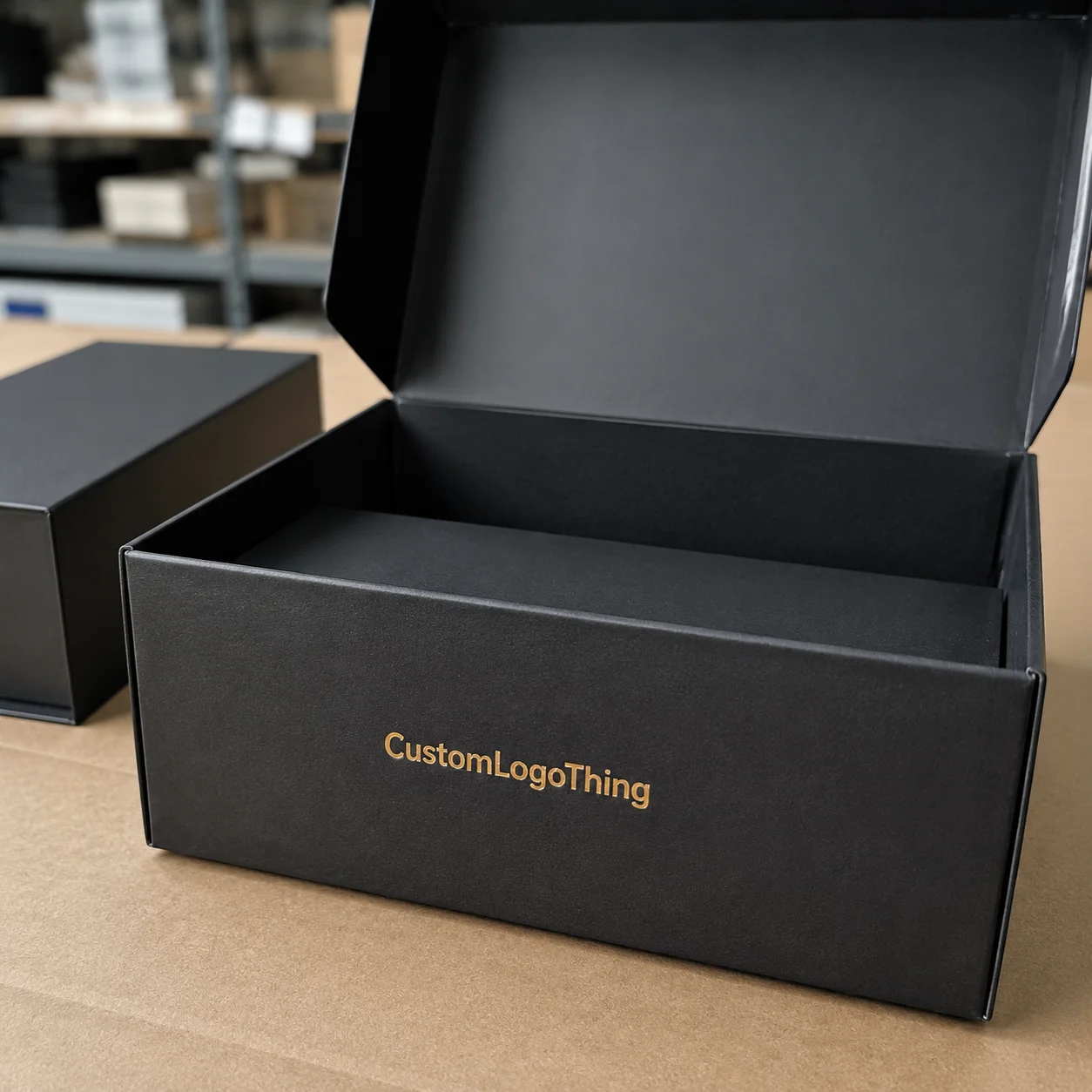
In plain terms, printed boxes for ecommerce are custom-printed shipping boxes, mailers, or folding cartons built to protect products and carry branding at the same time. They can be corrugated shippers for heavier goods, E-flute mailers for lighter items, or paperboard cartons for presentation-led products. A typical premium mailer may use 350gsm C1S artboard wrapped over E-flute, while a heavier shipper might use 32 ECT or 44 ECT corrugated board. The box has to do two jobs at once, and that’s why the conversation gets interesting fast. I remember one buyer in Chicago telling me, “It’s just a box.” Then we walked through his $1.8 million annual returns exposure and his face changed in under a minute.
Packaging sits awkwardly between operations and marketing. Operations sees cost. Marketing sees branding. Finance sees freight. The customer sees one thing: the box that lands on the doorstep in Austin, Toronto, or Manchester. If the package feels generic, the brand often does too. If the package feels intentional, the perceived value rises before the product is even touched. That shift can happen on the first 5 seconds of opening, which is a shorter window than most ad creative gets on a phone screen.
I’ve seen this play out in client meetings with subscription brands, cosmetics startups, and niche apparel sellers. A brand owner will spend $12,000 on ads to acquire a customer, then ship the order in a plain carton with a ripped tape seam and a label slapped crooked across the top. That’s not just a presentation problem. That’s an expensive mismatch between acquisition spend and customer experience. It also makes me want to hand them a roll of tape and a mild lecture.
Compared with stock boxes, printed boxes for ecommerce give you more control over appearance, message, and unboxing flow. Stock boxes are cheaper and faster to source, yes. But they rarely create recognition. Printed packaging can be designed for repeat visibility, whether the customer posts it on social media or simply keeps noticing your logo in the recycling bin while they decide whether to reorder. In a market where repeat purchase rates often sit in the 20% to 35% range for many DTC categories, recognition matters more than a lot of teams admit.
There’s a practical side too. Branded boxes help reduce the “generic package” problem common in online retail, especially when the product itself is small, high-margin, or easy to confuse with competitors. A memorable box can make a low-touch purchase feel premium without forcing you to add expensive inserts or elaborate finishing on every order. In some sourcing quotes I’ve reviewed, a simple one-color inside print added only $0.06 to $0.11 per unit at 5,000 pieces, which is a far smaller jump than most brands expect.
One more thing: printed boxes for ecommerce are not only about aesthetics. They also influence stackability, dimensional weight, warehouse handling, and returns presentation. That makes them a packaging decision with operational consequences, not just a design choice. If you’ve ever watched a pallet tip because someone “estimated” the box size in a 40-foot warehouse in Dallas, you know exactly why I’m grumpy about this.
How Printed Boxes for Ecommerce Actually Work
The production flow for printed boxes for ecommerce is straightforward once you’ve seen it a few times, but there are enough moving parts to trip up first-time buyers. It usually starts with artwork setup, then box style selection, material choice, printing method, finishing, die-cutting, folding, and finally fulfillment. Miss one step, and the whole thing can drift off spec. I’ve watched smart teams miss a single fold line and suddenly everyone is pretending the box “has personality.” It did not have personality. It had a problem.
I remember standing beside a flexographic press in Shenzhen while a supplier explained why a client’s logo looked muddy on the side panel. The issue wasn’t the art file alone. It was the combination of lightweight linerboard, a dense blue ink, and a panel fold that swallowed fine lines. On a 300gsm SBS carton, that same design might have held better. That is the kind of detail that only shows up after you’ve handled a few thousand units and learned the hard way. Paper is forgiving until it isn’t.
The main printing methods are easier to understand than most quotes make them sound:
- Digital printing is best for flexibility, short runs, and variable artwork. It often suits newer brands ordering smaller quantities of printed boxes for ecommerce, especially runs from 250 to 1,000 pieces.
- Offset printing delivers very sharp graphics and color consistency, especially at larger volumes, but setup costs are higher. It often makes more sense at 3,000 units and up.
- Flexographic printing works well for corrugated packaging and larger production runs, especially where speed and repeatability matter more than photo-level detail. It’s common in plants around Dongguan, Vietnam’s Binh Duong region, and parts of Monterrey, Mexico.
Structural design matters just as much as print method. A mailer box with a tuck flap creates a very different unboxing feel than a regular slotted corrugated shipper. Inserts, partitions, and auto-lock bottoms all change how the product sits, how the packer folds the box, and how likely the item is to survive a 3-foot drop. If a package needs to pass an ISTA-style transit test, structure matters immediately. For reference, the ISTA standards are widely used to evaluate shipping performance under real transportation stress.
printed boxes for ecommerce can carry branding in several places. Some brands print only the exterior logo. Others use full-bleed graphics, inside printing, a message panel under the lid, or a QR code linking to setup instructions, care guides, or registration pages. The best choice depends on the product category and how much of the box the customer will actually notice. I’m biased toward restraint here. A box can absolutely do too much. I’ve seen it happen, and the result looked like a flyer got into a fight with a shipping carton.
Why sampling is not optional
Proofing is where good intentions meet cardboard. I’ve watched a brand approve a beautiful render, then discover the logo sat 7 millimeters too close to the fold line. That mistake would have been invisible on screen and obvious on the finished box. Sampling catches those problems before they turn into a warehouse headache or a returns spike. If there’s a way for a packaging plan to become inconvenient, it will find one. Usually on a Friday afternoon, after the warehouse shifts have already started.
A proper sample should confirm three things: fit, print, and assembly. Does the product move too much? Does the print still read clearly after folding? Can your packing team assemble 200 units an hour without frustration? Those questions save money later. With printed boxes for ecommerce, a 10-minute prototype review can prevent a 10,000-unit mistake. In one Sydney-based project I reviewed, the client avoided a $4,200 reprint simply by catching a 4 mm misalignment on the lid.
Key Factors That Shape Printed Boxes for Ecommerce
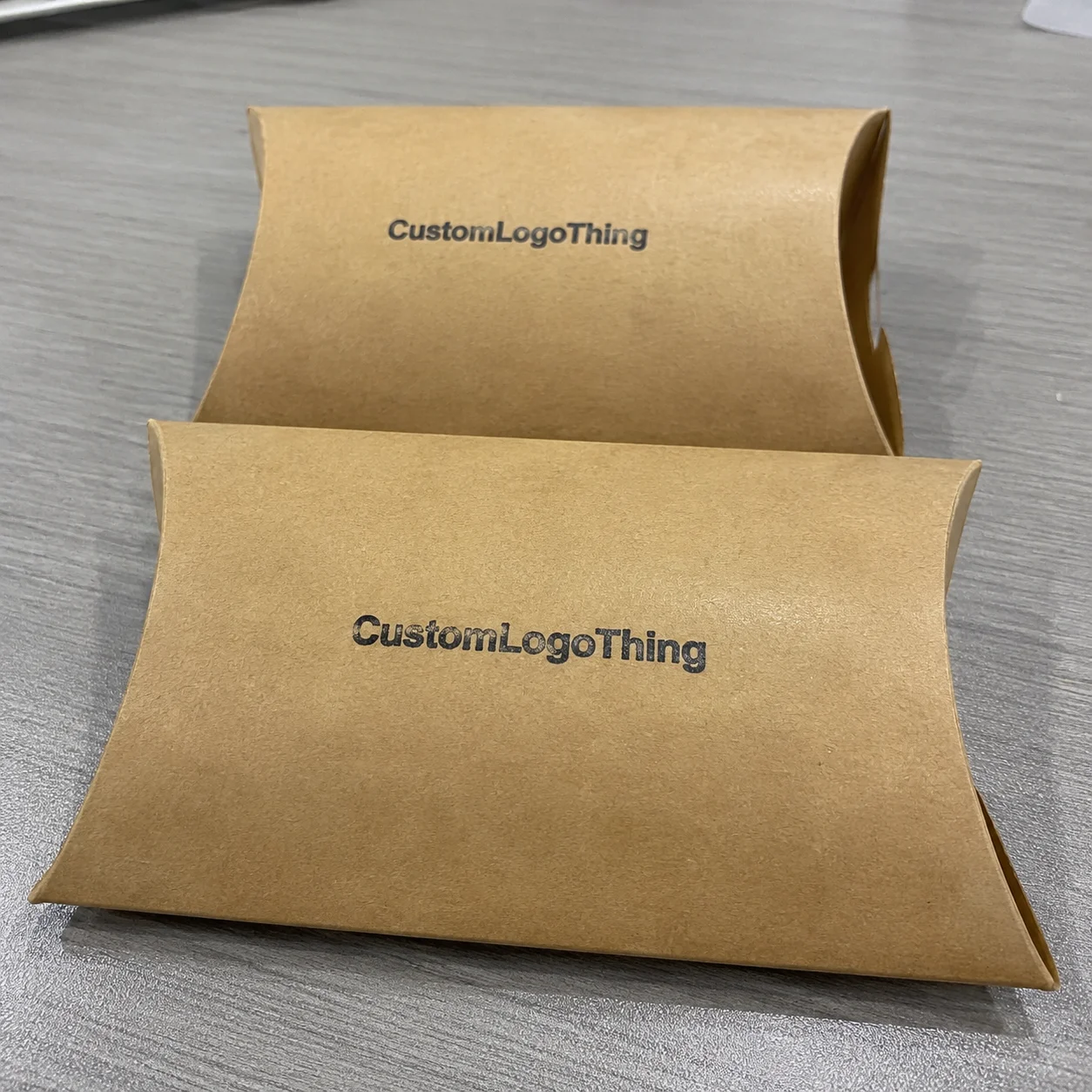
If you want printed boxes for ecommerce to work in the real world, start with material. Not color. Not logo size. Material. Corrugated strength, paperboard thickness, recycled content, and liner quality all affect durability and print finish. A 32 ECT corrugated board behaves differently from a 44 ECT board, and a premium coated paperboard behaves differently again. A 350gsm C1S artboard mailer with E-flute backing feels very different from a kraft 200gsm carton. The wrong substrate can turn a polished design into a scuffed disappointment after one freight cycle.
I’ve had supplier negotiations where the difference between 32 ECT and 44 ECT was only $0.03 to $0.08 per unit at 10,000 pieces, but that gap made or broke the shipping test. On paper, the cheaper option looked attractive. In the carrier network, it crushed corners and increased claim risk. That’s why the cheapest quote is often the most expensive box in disguise. I know, I know—every vendor loves to say otherwise.
Sizing is next. Oversized packaging is one of the most common mistakes I see in printed boxes for ecommerce. A box that is 20% too large can trigger dimensional weight charges, require more void fill, and make the product rattle around during transit. The customer notices that too. A snug, well-sized box feels intentional; an oversized box feels like the warehouse guessed. If your outer carton jumps from 10 x 8 x 4 inches to 12 x 10 x 6 inches, the DIM weight can rise fast, especially on UPS and FedEx lanes.
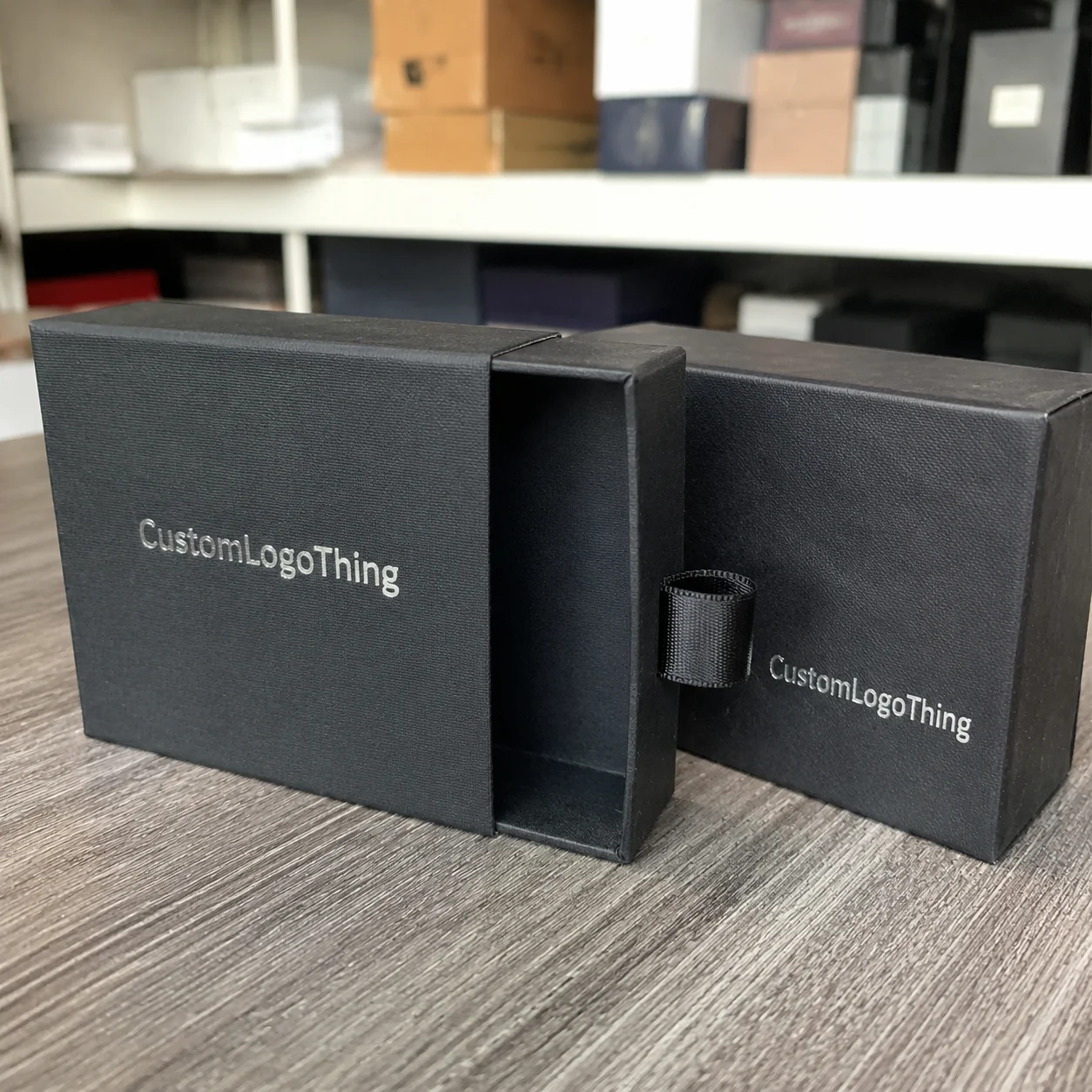
Branding goals shape the design as much as the product does. Some businesses want a minimal luxury look with one foil-stamped logo and a matte finish. Others want bold color and strong shelf presence for retail crossover. Eco-focused brands often want visible recycled messaging and simple graphics. Those choices are not cosmetic. They change the material spec, finishing cost, and print layout for printed boxes for ecommerce. A foil stamp in gold or silver can add $0.10 to $0.25 per unit, while soft-touch lamination may add another $0.08 to $0.18 depending on quantity and region.
Shipping logistics deserve their own seat at the table. Box dimensions influence cube optimization in the warehouse, pallet counts in freight, and dimensional weight with carriers like UPS, FedEx, and DHL. A carton that stacks efficiently can lower freight expenses faster than a small reduction in unit box price. That’s one reason experienced packaging buyers obsess over internal dimensions, not just outer measurements. A 1-inch change in height can alter pallet count by 8 to 12 percent on a standard 48 x 40 inch pallet layout.
Here’s a simple comparison that comes up often in packaging sourcing meetings:
| Option | Typical Use | Relative Unit Cost | Print Quality | Shipping Strength |
|---|---|---|---|---|
| Plain stock box | Low-touch shipping | Low | None | Standard |
| Digital printed mailer | Short runs, branded fulfillment | Medium | Good to very good | Standard to strong |
| Offset printed corrugated shipper | High-volume branded shipping | Lower at scale | Excellent | Strong |
| Specialty finished box | Premium unboxing, gifting | Highest | Excellent | Depends on structure |
That table hides a truth many buyers discover late: printed boxes for ecommerce are priced less like a commodity and more like a system. Quantity matters. Print coverage matters. Number of colors matters. Finishing matters. Insert complexity matters. And reorder frequency matters too, because repeat jobs usually become easier to spec and sometimes less expensive to source. A 2-color exterior on 5,000 units might land around $0.15 to $0.28 per unit in a coastal China facility, while a fully printed, laminated mailer with an insert can climb toward $0.60 to $1.20 depending on structure and shipping lane.
For sustainability, I always tell clients to be specific. “Eco-friendly” is not a spec. Recycled content percentage is a spec. FSC-certified paper is a spec. Recyclable in curbside systems varies by region and material structure, so don’t overpromise. If you need to reference responsible sourcing, the Forest Stewardship Council is a useful benchmark for certified fiber claims. A box made from 60% post-consumer recycled content in Ohio may be accepted differently than the same structure in British Columbia or Germany.
In my experience, the best printed boxes for ecommerce sit at the intersection of four things: fit, freight, branding, and handling speed. If one of those is weak, the other three end up paying for it. Packaging always gets its revenge, usually as a claim, a reprint, or an annoyed warehouse supervisor.
Printed Boxes for Ecommerce: Step-by-Step Setup Process
The cleanest way to set up printed boxes for ecommerce is to treat the project like a small manufacturing program, not a graphic design task. The brands that do this well avoid last-minute surprises and reorder problems. The brands that don’t usually end up sending frantic emails about logo placement, product breakage, or boxes arriving two inches too wide. I have seen all three in the same week, and yes, my coffee consumption reflected that.
Step 1: Audit the product and shipping requirements. Start with product weight, dimensions, fragility, surface finish, and storage conditions. A glass bottle needs different protection than a folded shirt. A supplement jar needs different corner strength than a candle. Ask how the item is packed, whether it ships single-unit or multi-unit, and how it performs in cold or humid storage. Those are not small details. They define the structure. A 14 oz candle in a humid warehouse in Houston needs a different board and glue line than a knit sweater packed in Portland.
Step 2: Define the packaging objective. Some brands need protection first. Others want a premium feel. Some want sustainability messaging to be visible the moment the box is opened. Many want all three. But you cannot optimize everything at once, so rank the priorities. With printed boxes for ecommerce, the objective drives the spec. If premium experience is the lead goal, you may choose a different board and finish than a brand focused on lowest freight cost. A luxury serum line might accept a $0.42 unit cost on 2,000 pieces; a high-volume apparel brand may need to stay under $0.20.
Step 3: Choose the box style and structure. Mailer boxes are common for apparel, accessories, and gifts. Corrugated shippers suit heavier goods and rougher transport routes. Tuck-top cartons fit smaller, presentation-driven items. Inserts can hold bottles, jars, electronics, or bundled kits in place. One client I worked with switched from a generic RSC shipper to a custom mailer with a die-cut insert in a plant outside Guangzhou, and their packing team shaved 18 seconds off each order because the product stopped shifting around. That added up to roughly 10 labor hours saved per 2,000 orders.
Step 4: Develop artwork and placement rules. This is where printed boxes for ecommerce either look disciplined or chaotic. Keep the logo away from folds. Maintain safe margins around edges. Use color contrast that survives kraft stock if you are printing on uncoated materials. If the box will be taped shut, avoid critical copy under the seam. QR codes need size and quiet space rules too, or they scan poorly. I’ve seen a beautiful URL printed at 100% black on a deep charcoal panel. It looked elegant. It was unreadable in a warehouse aisle in Phoenix.
Step 5: Request samples or prototypes. A prototype tells you whether the flaps align, whether the product fits, and whether the design reads correctly at actual size. Test assembly speed. Test taping. Test returnability if the box doubles as a reuse pack. If your fulfillment team needs 25 seconds to assemble one unit instead of 12, that difference compounds fast across a month of volume. At 15,000 monthly orders, those extra 13 seconds add up to more than 54 labor hours. No one wants to discover that during peak season. Trust me.
Step 6: Approve production and document the spec. Do not rely on memory. Create a packaging spec sheet that lists dimensions, board grade, print method, ink colors, finish, and carton count. If you reorder printed boxes for ecommerce six months later, you want the second run to match the first run, not “look close enough.” Color drift, dieline changes, and board substitutions create subtle but expensive inconsistencies. A good spec sheet should also name the factory city, such as Dongguan, Ho Chi Minh City, or Dallas, so everyone knows which production route was used.
Here’s a compact checklist I use with clients before they sign off on production:
- Verify product dimensions and weight.
- Confirm the box style matches the shipping method.
- Check artwork on the dieline, not just the PDF mockup.
- Review print resolution, bleed, and fold safety areas.
- Approve a physical sample, not only a digital proof.
- Document reorder specs for warehouse and procurement teams.
That sounds basic. It is. Basic steps are where most packaging failures begin. The top-performing printed boxes for ecommerce programs I’ve seen usually aren’t the flashiest. They’re the most disciplined, with specs so clear that a buyer in Munich and a plant manager in Shenzhen can read the same instruction sheet and arrive at the same box.
Timeline, Minimums, and Ordering Logistics
Production timing for printed boxes for ecommerce depends on the printing method, structure complexity, and supplier capacity. A simple digital run can move fairly quickly once artwork is approved. More complex offset jobs with specialty finishes, inserts, or large volumes take longer. Freight time also matters, and too many teams forget to count it. A factory in Shenzhen may quote 12 business days, but ocean freight into Long Beach or Rotterdam adds another 18 to 35 days depending on booking and customs.
As a rough planning range, a straightforward digital order may take 10-15 business days after proof approval, while a more involved custom run can take 18-30 business days before shipping. Add ocean freight or domestic transit, and the calendar stretches further. If the boxes are tied to a product launch, holiday push, or subscription debut, I would build in extra time. Every time. I learned that the hard way after a launch box showed up three days after the launch. Very elegant. Very useless. A better rule is 12-15 business days from proof approval for simple digital orders and 20-35 business days for offset or flexo with finishing.
Minimum order quantities vary widely. Some digital suppliers can handle smaller runs of 250 to 1,000 units. Offset and flexographic setups usually make more sense at higher volumes, often 3,000 units and up, depending on design and board type. That’s why smaller brands often start with digital printed boxes for ecommerce and move into larger production as repeat demand becomes clearer. A 500-piece pilot in Illinois can be a useful test before committing to 10,000 pieces out of Guangdong.
Ordering logistics can make or break the economics. Finished boxes take storage space. A run of 5,000 mailers may look manageable on a quote, but it can occupy multiple pallet positions and strain a small warehouse. I’ve seen clients overorder to “save on unit price,” then spend months working around cartons that got crushed by poor stacking or stored near moisture. Box inventory is still inventory. It ages, gets damaged, and eats floor space. In a 2,000-square-foot fulfillment site in Atlanta, two pallets of cartons can take up the same room as nearly 400 outbound orders.
There’s also the risk of ordering too far ahead. Campaign branding changes. Seasonal messaging becomes outdated. A QR code points to a page that no longer exists. The box itself may still be structurally fine, but the printed content becomes stale. That’s a hidden cost, especially for printed boxes for ecommerce used in promotions or limited-edition drops. If a holiday box sits in storage past February, it can become dead stock overnight.
To compare planning scenarios, here’s a practical view:
| Ordering Scenario | Best For | Typical Lead Time | Risk Level | Notes |
|---|---|---|---|---|
| Small digital run | Test launches, new brands | 12-15 business days after proof | Lower | Higher unit cost, lower inventory exposure |
| Mid-volume custom run | Growing ecommerce stores | 15-25 business days | Moderate | Good balance of cost and flexibility |
| Large production run | Established repeat sellers | 20-35+ business days | Higher | Lower unit cost, more storage and forecast risk |
If you’re sourcing printed boxes for ecommerce through a packaging partner, ask early about carton counts per pallet, moisture protection in transit, and whether the boxes arrive flat or pre-assembled. Flat-packed cartons save space, but the pack line has to be set up accordingly. A standard 40-inch pallet may hold 2,000 to 6,000 flat mailers depending on board grade and stack height, which changes both freight and warehouse planning.
For brands that need a broader packaging mix, I usually point them toward a portfolio approach and a reliable catalog like Custom Packaging Products. It is easier to standardize when your supplier can cover multiple structures and finishes from the same base spec library. That matters if you’re running a beauty line in Los Angeles, a candle brand in Nashville, and a subscription box out of Toronto.
Common Mistakes Ecommerce Brands Make With Printed Boxes
The most expensive mistake with printed boxes for ecommerce is choosing a box that looks excellent in a render but fails in transit. I’ve seen elegant rigid-style presentation ideas reduced to dented corners after the first freight lane. Looks matter. Structure matters more. I know that sounds stern, but I’ve watched enough packages arrive looking like they lost a fistfight with a pallet jack in Memphis.
Oversizing is another recurring problem. A box that is even 15 millimeters too large on each side can increase void fill, encourage movement, and raise shipping cost through dimensional weight. That becomes especially painful with lightweight products. A candle in an oversized box might ship like a much heavier package than it needs to. Multiply that by 2,000 orders, and the waste becomes obvious. On some lanes, one inch too much can push a parcel into the next DIM tier and add $1.50 to $3.20 per shipment.
Print constraints catch brands off guard too. Thin fonts, low contrast, and busy art near folds often look fine on a laptop screen and weak on board. A logo that works on a website banner may disappear on kraft stock or corrugated liner. With printed boxes for ecommerce, the dieline is the real canvas, not the mockup. A 6-point font on an uncoated brown surface can vanish under warehouse lighting in a way no designer expects.
Another common miss is forgetting the inside experience. A box should open in a clear sequence. If the first thing the customer sees is loose tissue, crushed corners, or a product sliding against a wall, the emotional lift disappears. Protective inserts, paper wraps, and concise opening cues all matter. I’ve had clients add a simple inside-print line—two words, 14-point type—and the effect was more memorable than a louder outside design.
Overordering and underordering are opposite problems with the same root cause: weak forecasting. Too much inventory creates storage headaches and possible obsolescence. Too little creates inconsistent packaging, where one customer gets a branded carton and the next gets a plain alternative. That inconsistency can quietly erode trust, especially for subscription, DTC beauty, and gift-oriented brands that rely on repeat visual cues. A Toronto subscription company I reviewed had to discard 1,200 cartons after a logo refresh made the old version look dated.
Here’s the short version of what goes wrong most often:
- Structural failure in transit.
- Oversized packaging that adds freight cost.
- Poor print legibility on folds or dark stock.
- Weak unboxing flow with no internal brand moment.
- Poor inventory planning that causes inconsistent order fulfillment.
In a supplier review I sat in last spring, the packaging buyer admitted the box looked beautiful but took 11 extra seconds to assemble. That sounds minor until you do the math on 40,000 units a month. With printed boxes for ecommerce, the small stuff stacks up faster than most teams expect. Eleven extra seconds per order equals more than 122 hours of extra labor each month at that volume.
Expert Tips to Get Better Results from Printed Boxes for Ecommerce
If you want better results from printed boxes for ecommerce, treat packaging like a conversion asset. Keep the messaging short. Readable. Relevant. A box is not a billboard with unlimited space; it’s a moving object that gets seen for a few seconds, sometimes in dim warehouse light and often while the customer is distracted by scissors, tape, or a toddler asking questions. Which is to say: it has about three seconds to impress anyone in the room.
Use one or two strong design cues rather than crowding every panel. A single bold logo, a clear brand color, or one memorable line often does more than six competing graphics. In one cosmetics project I advised, the brand removed three icons, one paragraph of copy, and a decorative border. The box looked calmer and more expensive immediately. Less noise, more recognition. The revised version cost $0.09 more per unit, but the brand’s giftable presentation rate improved enough to justify the difference.
Balance sustainability claims with actual materials. If the box contains recycled fiber, say so with the percentage if you have it. If the liner is recyclable but the insert is not, be clear. Customers are increasingly skeptical of vague green language. For printed boxes for ecommerce, honesty builds more trust than trendy claims. A clear line like “Made with 70% post-consumer recycled fiber” is stronger than a vague leaf icon on a green background.
Test with real people. Not just internal staff who already know the brand. Give the box to five customers or warehouse team members and watch what happens. Do they open it easily? Do they know where to start? Does the product move? Can they reseal it for a return? Those observations are worth more than another round of slide deck opinions. Slide decks are charming until they’re wrong, and in packaging they are often wrong by 2 to 5 millimeters.
Build a packaging spec sheet and version control it. That means naming the exact board grade, dimensions, print method, finish, and insert details. It also means saving the artwork version number. I’ve seen brands reorder a box and discover the logo moved 4 millimeters because the old file was pulled from a shared folder with no naming discipline. Avoid that headache. A proper file name like “EcomMailer_v07_Dongguan_350gsmC1S” is not glamorous, but it saves real money.
Plan for promotional versions and seasonal editions. Limited-run printed boxes for ecommerce can be powerful, but they also create inventory complexity. If you run Halloween art in September and holiday art in November, make sure your reorder thresholds prevent leftovers from lingering into the wrong season. Nothing hurts a premium image like shipping spring orders in winter-branded cartons. A fast-moving DTC brand in London learned that lesson after 900 cartons with December artwork were still in circulation in late March.
“We thought the box was just packaging. Then customers started posting it before they posted the product.” — a subscription client I worked with in a brand review session
That quote sticks with me because it captures the hidden upside. The box can become part of the product story. Not always, and not for every category, but often enough that ignoring it feels shortsighted. A package that earns one extra share per hundred orders can matter more than a slight increase in unit cost.
One final point: if you are comparing packaging vendors, ask for board specs, print samples, and transit assumptions, not just a quote total. The cheapest printed boxes for ecommerce quote may exclude testing, omit freight, or assume a lower-grade material than you thought. A factory in Kunshan may quote one number, while a shop in Chicago includes mockups, pallet wrap, and inland freight. Transparency matters. So does asking the awkward question before production starts.
For brands that need to expand beyond one carton style, pairing printed boxes for ecommerce with a broader range of Custom Packaging Products can simplify sourcing and help keep your packaging language consistent across different SKUs. That matters whether you’re shipping 300 units a month or 30,000.
FAQ
What are printed boxes for ecommerce used for besides shipping?
They do more than protect products in transit. printed boxes for ecommerce reinforce branding during unboxing, can include QR codes or care instructions, and help create a consistent look across subscriptions, promotions, and repeat orders. I’ve seen brands use the inside lid for a return message or setup guide, which added function without making the exterior crowded. A beauty brand in Los Angeles used a 2-color inside print to reduce support emails about product setup by 14% in one quarter.
How much do printed boxes for ecommerce usually cost?
Pricing depends on quantity, material, print coverage, finish, and structural complexity. A small digital run might cost noticeably more per unit than a larger offset run, but it reduces inventory risk. In practice, the total cost also includes freight, storage, and handling. For printed boxes for ecommerce, the box price alone rarely tells the whole story. A 5,000-piece mailer in Shenzhen might land around $0.15 to $0.35 per unit for a simple 1-color job, while premium multi-pass finishes can rise above $0.80 per unit.
How long does it take to produce printed boxes for ecommerce?
Timeline depends on artwork approval, sampling, production method, and freight speed. Simple digital jobs can move faster than complex orders with special finishes or inserts. As a planning rule, I would allow typically 12-15 business days after proof approval for straightforward runs and more for larger or more customized printed boxes for ecommerce orders. If the boxes are shipping from Guangdong to the U.S. West Coast by ocean, add roughly 18-28 days in transit.
What should I check before ordering printed boxes for ecommerce?
Confirm product dimensions, weight, and fragility first. Then review the dieline, logo placement, bleed, and fold safety areas. Finally, request a sample or prototype to test fit, assembly, and shipping durability. Those three checks catch most of the issues I’ve seen on the factory floor with printed boxes for ecommerce. If your carton is meant to hold a 9-ounce jar, test it with a real jar, not a placeholder block.
Are printed boxes for ecommerce worth it for small brands?
Yes, if the packaging supports brand recognition, reduces damage, or improves repeat perception. Small brands do not need to start with expensive finishes or huge volumes. They can use smaller runs, simpler print layouts, and smart sizing. The key is matching the investment in printed boxes for ecommerce to order volume and customer expectations. A 500-piece pilot order from a supplier in Ho Chi Minh City can be a smart test before moving to 5,000 or 10,000 pieces.
Conclusion: printed boxes for ecommerce are not a decorative afterthought. They affect freight, fit, brand memory, and customer emotion in one move. If you spec them carefully, test them honestly, and keep the structure aligned with the product, they can do far more than carry a parcel from A to B. They can make the brand feel deliberate. And in ecommerce, that difference is often worth more than the box itself—especially when the box costs $0.20 to make and the customer’s lifetime value is $180 or more.