Printed fabric bags: why they punch above their weight
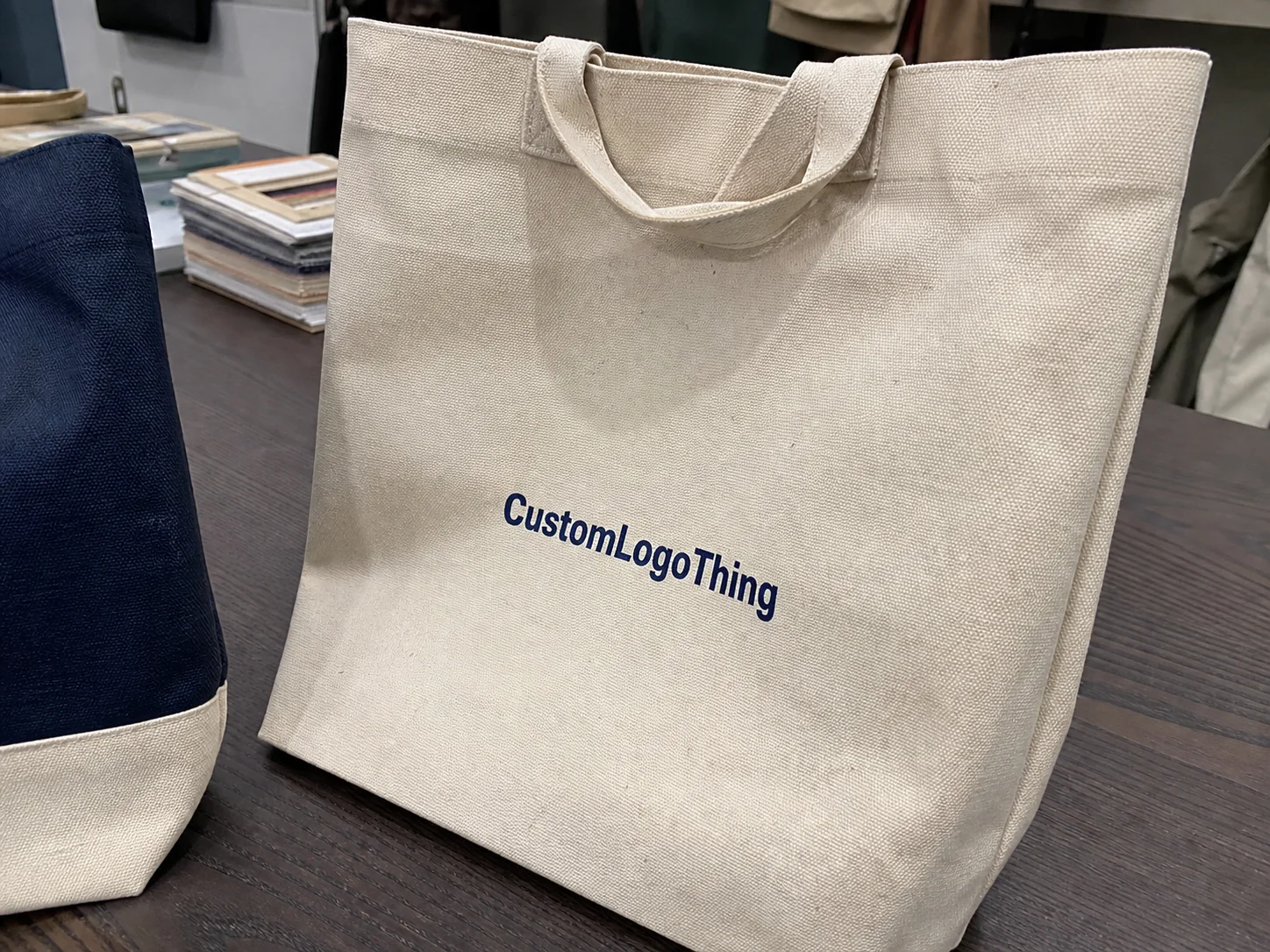
A small bag can do three jobs at once: hold product, carry a brand, and stay in circulation long after the first purchase. That is why printed fabric bags keep showing up in retail, events, and promotions. They are packaging, yes, but they are also a walking display surface and, if built well, a reusable utility item that people actually keep.
There is a real difference between a decorative pouch and a working bag. A decorative bag can get away with thin fabric, loose stitching, and a print that looks fine for one handoff. A working bag has to survive weight, friction, folding, and repeated use. Buyers often miss that distinction, then wonder why the bag looks acceptable on a screen and disappointing in hand.
Practically speaking, printed fabric bags are reusable bags made from cotton, canvas, jute, polyester, or blends, with brand graphics applied by printing or embellishment. Compared with plastic bags, they usually carry a higher perceived value and a much better reuse rate. That matters because reuse drives exposure. One shopper may carry the same bag dozens of times, which can produce far more impressions than a stack of disposable bags ever would.
They also change the feel of the transaction. A paper insert says “finished.” A fabric bag says “keep me.” That subtle shift is often what buyers are paying for. The trick is choosing a material, print method, and construction that match the job instead of forcing a premium look onto a lightweight build.
How fabric bag printing actually works
Fabric bag printing starts with a deceptively simple question: how detailed is the design, and how textured is the fabric surface? The answer usually decides the print method. For bold logos and solid spot colors, screen printing remains the workhorse because it lays down opaque ink cleanly and handles high volumes efficiently. For smaller runs or artwork with many colors, digital printing can make more sense. Heat transfer sits in the middle, especially when the design includes gradients, fine line work, or photographic elements. Embroidery is another option, but it adds texture, labor, and cost, so it is better suited to smaller logos and premium presentations than to large filled graphics.
Fabric matters as much as ink. A tight-woven cotton canvas accepts print differently than a textured jute bag. Polyester often gives sharper detail because the surface is more uniform. Jute, by contrast, can make a logo look slightly broken up if the weave is open or irregular. Dark fabrics may need a white underbase so colors do not disappear. Heavy, absorbent cloth can pull ink into the fibers, which softens edges. Thin materials can show show-through or distortion if the printed area is too large.
The prep stage is where a lot of orders succeed or fail. Artwork should be in vector form whenever possible. That means AI, EPS, or PDF with outlined fonts, not a screenshot pulled from a website. Printers also need color references. Pantone matching helps, although exact color replication on textile is never perfect across every fabric. Proofing should cover placement, print size, and the number of colors. If you skip that review, you are trusting memory instead of the spec sheet.
Quality checks are not glamorous, but they are the difference between an acceptable run and a costly reprint. Buyers Should Ask about:
- Print alignment across front and back panels
- Ink coverage on textured or dark fabric
- Rub resistance, especially for reusable bags that will be folded and handled often
- Seam strength around handles and stress points
- Color tolerance against approved artwork
For durability and transport testing, the ISTA standards are a useful reference point. They are not bag-specific in every case, but they help buyers think about what happens after the bag leaves the carton and starts getting used.
Key factors that change quality and cost
Material choice changes almost everything. Cotton has a soft hand feel and reads as approachable. Canvas feels sturdier and usually carries more weight, which is why it often shows up in premium retail. Jute has a natural, rustic look that signals eco positioning, but it can be scratchier and less predictable for fine detail. Nonwoven blends are usually the budget option: lighter, cheaper, and commonly used for promotions or conferences. Recycled fabrics can support sustainability claims, though buyers should ask what is actually recycled and whether any certification applies.
The build matters just as much. A bag with a flat body and simple handles costs less than one with a gusset, zipper, lining, or internal pocket. Handle length changes the user experience, too. Short handles feel retail-friendly. Long shoulder straps are more practical for shopping and events. Stitching density, seam reinforcement, and bar tacks at stress points all add labor, but they also add value. Many buyers focus on print and underweight the structure, which is usually where the bag either earns its keep or falls apart.
Decoration complexity is another cost driver. One-color logos are cheaper than multi-color artwork. A single print location is cheaper than front, back, and gusset branding. Special finishes such as metallic inks, puff effects, or foil-style decoration add steps and can raise reject risk if the fabric is uneven. If the brand does not need those effects, it is usually smarter to keep the design clean and let the bag quality carry the presentation.
Here is a practical comparison of common options:
| Bag type | Typical feel | Usual use case | Relative cost | Print fit |
|---|---|---|---|---|
| Cotton tote | Soft, casual | Retail, events, brand merch | Moderate | Good for simple logos and mid-detail artwork |
| Canvas tote | Heavy, premium | Gift-with-purchase, higher-end retail | Higher | Strong for bold graphics and long-term reuse |
| Jute bag | Natural, textured | Eco positioning, farm, food, lifestyle brands | Moderate to high | Best for simple logos and large type |
| Nonwoven bag | Lightweight, economical | Promotions, conferences, giveaways | Low | Works well for basic branding |
| Polyester blend | Smooth, consistent | Sports, travel, full-color branding | Moderate | Good for sharp detail and digital print |
Premium-looking bags are not always the most expensive ones. A clean canvas tote with one restrained print often looks more expensive than a cheaper bag overloaded with colors, oversized graphics, and weak hardware. Buyers can save money by simplifying the artwork while keeping the base material solid. That is usually a better brand decision than chasing the lowest quote.
Cost, pricing, and MOQ: what buyers should expect
Quotes for printed fabric bags are built from several pieces. The base bag is only one line. Add print setup, labor, packaging, freight, and sometimes rush charges, and the final number can move fast. For custom runs, smaller quantities can carry a much higher per-unit cost because setup is spread over fewer pieces. That is why a quote for 300 units may look very different from one for 3,000.
For a straightforward screen-printed cotton tote, buyers might see something in the range of $0.80 to $2.20 per unit at higher volumes, depending on size, fabric weight, and print coverage. Premium canvas or more complex decoration can push that higher. Lower quantities often cost more per piece. A 100-unit order with multiple print colors and custom sizing may price quite differently from a standard stock bag with one simple logo. These are working ranges, not promises. Material markets, freight, and seasonal demand can move them.
MOQ behavior varies by supplier and process. Screen printing usually favors larger runs because the setup cost is fixed upfront. Digital printing can support smaller orders, but the unit price may be less attractive. Fully custom shapes, special closures, and heavy construction often carry higher minimums because they slow the line. For event buyers, that matters. If you only need a few hundred bags, standard dimensions often keep the order within reach.
Ways to reduce unit cost without damaging the brand:
- Limit the design to one or two ink colors.
- Use one print location instead of multiple panels.
- Choose a standard size and standard handle style.
- Avoid unusual closures, lining, or interior pockets unless they serve a real purpose.
- Increase quantity enough to spread setup fees across more units.
The cheapest quote is not always the best quote. A buyer may save a few cents and end up with bags that distort, fade, or tear. If the bags are going into a retail environment, that hidden cost is hard to recover from. A slightly higher price for stable ink, consistent seams, and a fabric weight that feels credible often makes more sense than gambling on the lowest number.
For sustainability-minded buyers, the EPA’s material and waste resources are worth a look: epa.gov. It will not tell you which tote to buy, but it helps frame the bigger picture around reuse and waste reduction.
Production steps and timeline: from artwork to delivery
The production path is fairly standard, but each step can introduce delay if the buyer is not ready. It usually starts with a brief: quantity, bag style, size, material, print locations, artwork, and delivery date. After that comes quotation and artwork review. If the file is usable, the supplier prepares a mockup or proof. Sampling may follow, especially for higher-value runs or anything with unusual construction. Once approved, the order moves into production, then inspection, packing, and transit.
Typical lead times depend on print method and capacity. A simple stock bag with a single-color logo may move in roughly 10 to 15 business days after proof approval, not including transit. More complex custom builds often take longer, sometimes 15 to 25 business days or more if sampling is required. Shipping mode changes the clock too. Air freight is faster and more expensive. Sea freight lowers transportation cost but adds time. If the order is for a trade show, buffer time is not optional.
There are a few common choke points. Missing vector art is one. Late color revisions are another. Fabric shortages can happen, especially if a specific shade or weight is requested. Compliance checks can also slow things down. If the bags will touch food, be sold in a regulated market, or carry sustainability claims, the paperwork matters. Certification for paper components or mixed packaging should be verified through the Forest Stewardship Council where relevant.
“The fastest orders are not the ones with the shortest production line. They are the ones where the buyer answers the right questions early.”
That is the part many first-time buyers underestimate. A good supplier can move quickly, but only if the artwork is clean, the spec is final, and the approval loop is short. If the order has five decision-makers and four versions of the logo, the calendar stretches.
Step-by-step checklist for ordering the right bag
Start with the use case. A retail shopping bag is not the same as a trade show giveaway, and neither behaves like a Subscription Box Insert. Ask what the bag needs to do. Carry product? Create a premium unboxing moment? Stay in circulation for months? The answer drives everything else.
Next, choose the fabric based on the job. If the goal is a higher-end feel, canvas or heavier cotton usually wins. If the goal is lower cost and higher quantity, nonwoven may be enough. If the brand story leans natural or eco-forward, jute can work well, provided the logo suits the texture. For each choice, think about weight, hand feel, and how the surface will print.
Then lock in the branding details. Decide on print placement, artwork size, and how many colors you actually need. A logo that can be simplified to one color often prints cleaner and costs less. Make sure the visible area matches how the bag will be used. A large centered mark makes sense for social visibility. A smaller chest-style logo may suit a subtler retail look.
Before mass production, request a sample or proof and compare it against the spec sheet. Do not just ask whether it looks okay. Measure it. Check seam lines, handle attachment, print registration, and whether the fabric weight feels believable for the intended use. If the quote says 12oz canvas and the sample feels flimsy, trust the sample and ask questions.
Confirm the logistics, too:
- Pack count per carton
- Shipping method and delivery window
- Inspection expectations for defects or print tolerance
- Labeling and packaging requirements for resale or distribution
If a buyer gets these decisions down before asking for pricing, the quote becomes much more useful. The supplier is pricing a real job, not an abstract idea.
Common mistakes buyers make with fabric bag orders
The first mistake is sending low-resolution artwork and expecting a crisp print. On textured fabric, fuzzy files become even fuzzier. Another common error is treating the bag like a piece of paper packaging and ignoring load stress. If the seams fail when a shopper adds a bottle or catalog, the brand takes the hit.
Buyers also pick decoration methods that look excellent online but misbehave on the chosen fabric. Fine gradients on rough jute, for example, can look muddy. A tiny, intricate logo on open-weave cloth may disappear. Then there is the timeline problem. People assume a fabric bag order is a quick procurement task, then discover sampling, proofing, and freight all need time. That mismatch creates expensive rush requests.
Skipping sample approval is another classic error. One approved JPEG does not guarantee the real bag will match the buyer’s expectations. Color shift, print position, and handle length are all things that can surprise you if you never touch the sample. In my view, the most expensive bag is the one you have to replace after an event because the first run missed the mark.
Finally, some buyers compare only the unit price. That is a trap. The cheapest quote might hide weak stitching, inconsistent ink, or a fabric weight that looks fine until the first use. A better comparison includes quality, lead time, and the risk of rework.
Expert tips and next steps before you request a quote
Before you ask for pricing, collect the essentials: quantity, fabric, size, handle style, print colors, logo placement, and delivery date. That simple checklist saves time and produces quotes you can actually compare. If you leave out half the specs, you get vague numbers back. If you give a complete brief, you get something actionable.
Ask for a side-by-side comparison of two or three material options. That is often where the smartest buying happens. For example, a slightly heavier cotton bag may raise the unit cost by a small margin, but the perceived value can be much higher. Or a standard nonwoven option may be perfectly fine for a short-lived promotional campaign. You need both numbers in front of you to judge that tradeoff well.
Request proof details in writing. Pantone references, measurement tolerances, and packaging method should not live only in email memory. If the supplier offers a tolerance of plus or minus a few millimeters, note it. If the art will print in a close but not exact color match, define that before production begins. Clear instructions reduce friction later.
It also helps to plan one backup option. Maybe there is a second artwork version with fewer colors. Maybe there is an alternate fabric if MOQ or lead time changes. That flexibility can save an order when the first path is blocked.
For buyers comparing printed fabric bags, the best choice is usually not the fanciest one. It is the one that fits the use case, prints clearly, holds up in hand, and keeps carrying your logo long after the first sale.
FAQ
What are printed fabric bags made from, and which fabric is best?
Common materials include cotton, canvas, jute, polyester, and blended fabrics. Canvas is usually best for strength and a more premium look. Cotton feels softer, while jute creates a rustic, eco-forward appearance. The best fabric depends on the bag’s job, your brand position, and how much weight it needs to carry.
How much do printed fabric bags usually cost?
Price depends on material, size, print method, quantity, and setup fees. Higher quantities usually reduce the unit cost because setup gets spread across more pieces. Multi-color printing, custom construction, and special finishes raise the total quote.
What is the typical turnaround for custom fabric bag orders?
Turnaround depends on sampling, artwork approval, production capacity, and shipping method. Simple orders move faster than complex multi-color jobs. Rush production is possible in some cases, but it usually adds cost and reduces flexibility.
Can I order a small quantity of printed fabric bags?
Some suppliers allow low-MOQ orders, especially for simple designs or digital printing. Small runs usually cost more per unit. MOQ is often lower for standard sizes than for fully custom constructions.
How do I make sure my logo prints clearly on fabric bags?
Provide vector artwork whenever possible. Match the print method to the fabric texture and logo detail. Approve a physical or digital proof before production starts so you can catch color shifts, placement issues, and scale problems early.


