A bakery can perfect a cookie sampler, brownie pack, or dry mix kit and still weaken the customer impression with the wrong outer pack. For Printed Padded Mailers for bakery packaging prototype sample approval, the decision is less about pretty artwork than about fit, seal strength, cushioning, label space, and how the sample performs in transit.
For influencer kits, wholesale review sets, retailer submissions, and early ecommerce shipments, padded mailers sit between a plain envelope and a full box. They are often lighter than many Custom Packaging Products, more protective than standard mailers, and cheaper to ship than corrugated boxes for flatter items.
They are not a universal answer. Padded mailers help reduce abrasion, light moisture exposure, and minor compression. They do not replace insulated shipping, grease-resistant primary wraps, or rigid inserts for delicate pastries. Prototype approval is where you confirm whether the full system works in real handling, not just on a proof.
Why bakery brands use printed padded mailers for bakery packaging prototype sample approval
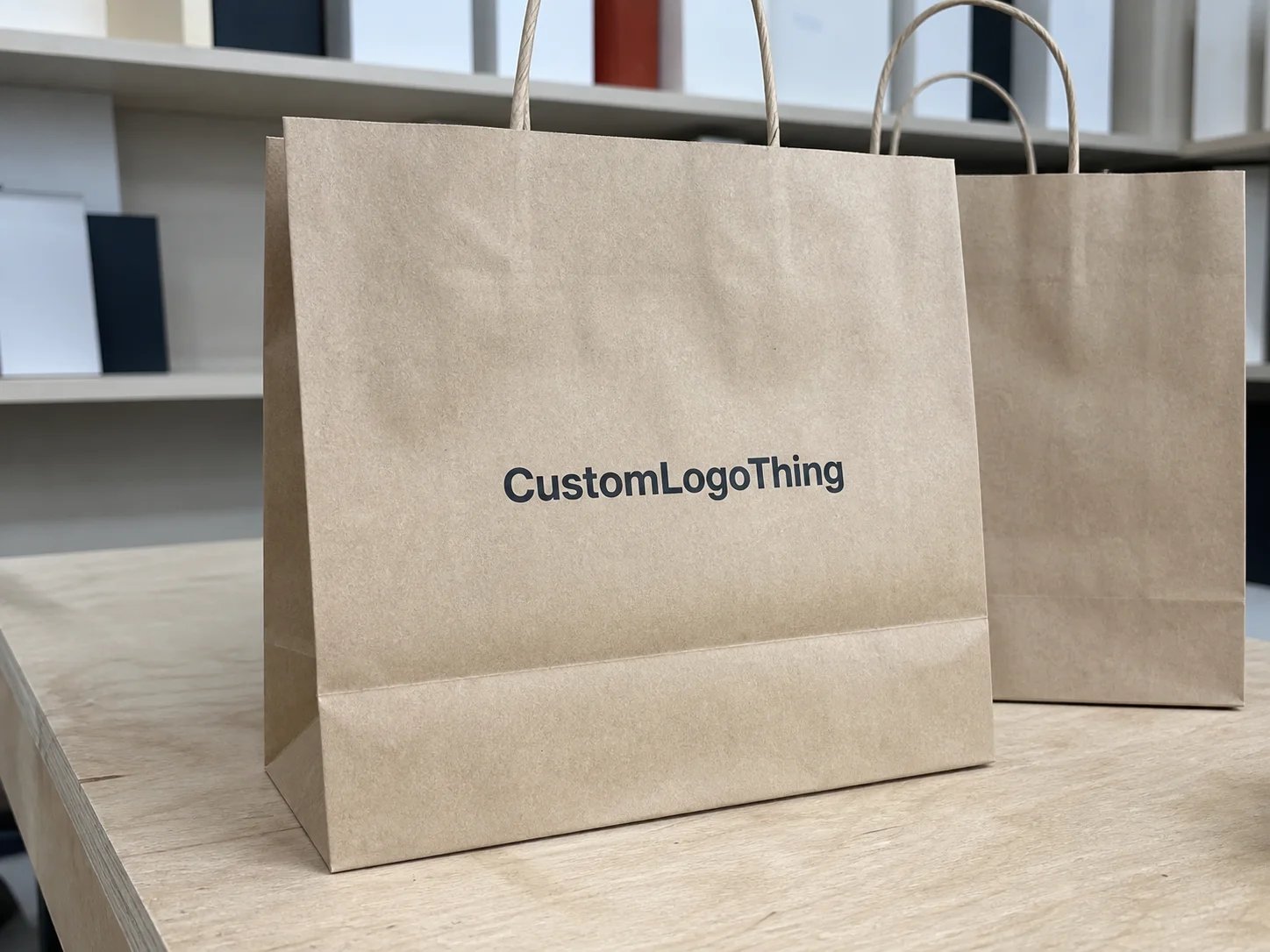
When a bakery sends sealed cookie sleeves, brownie bars, or a sample mix pouch with inserts and promo cards, the outer pack controls the first physical impression. If the mailer arrives split, wrinkled, greasy, or hard to open, the sample feels less considered before the product is even tasted.
That is why buyers review Printed Padded Mailers early instead of treating them as a late graphic decision. The sample stage lets you check structure, branding, shipping cost, packing speed, and arrival condition together.
Compared with boxes, padded mailers can lower weight and dimensional shipping charges for flatter products. Compared with Custom Poly Mailers, they add a cushion layer that helps protect inner trays, sleeves, and pouches from scuffing and light impact.
They usually make sense for:
- Cookie assortments in sleeves or trays
- Brownie bars and compact snack packs
- Dry baking mix samples in sealed pouches
- Retail packaging mockups sent for buyer review
- Influencer and PR sample mailings
- Wholesale test packs for cafés and specialty retailers
Most approval failures are structural, not graphic. Color may be acceptable, but the flap lifts, the mailer is oversized, or the padding collapses too quickly. A strong approval balances tradeoffs: enough protection without excess freight, enough room without dead space, and a finish That Still Looks presentable after handling.
How padded mailers work for bakery samples without overcomplicating the pack
A padded mailer usually combines a printed outer layer, cushioning, and a pressure-sensitive flap. Some versions add a tear strip or a second adhesive line, though bakery sample programs often do not need those extras.
What they protect against:
- Surface scuffs on inner cartons, trays, or pouches
- Light edge compression
- Abrasion during parcel handling
- Minor moisture exposure
- General cosmetic wear in transit
What they do not protect against:
- Temperature exposure
- Grease migration from poor primary packaging
- Heavy stacking loads on crushable pastries
- Movement of loose contents inside an oversized pack
Delicate, cream-filled, or highly crushable bakery items usually need rigid boxes or insulated shippers, often tested with handling standards such as ISTA. The better candidates for padded mailers are flatter or semi-rigid items already protected by food-safe primary packaging.
That distinction matters: the mailer is generally secondary packaging. Food contact should remain with the inner wrap, pouch, tray, or liner unless the outer material has been specifically approved for direct contact.
Practical rule: if the item needs protection from bumps more than from crushing, a padded mailer may work well. If crushing is the bigger risk, start with boxes.
Key specs that decide whether your bakery mailer prototype actually works
Most rejected samples fail because a few basic specs were guessed instead of measured.
Size and fit
Measure the fully packed inner unit, not just the bakery item. Include tray depth, pouch seals, inserts, and any promo pieces. A loose mailer creates shifting and wrinkles. One that is too tight stresses seams and slows packing. For many bakery sample packs, about 10-20mm of width and length tolerance is a reasonable starting point, adjusted for how rigid the packed unit is.
Material structure and finish
Common builds include co-extruded PE film, laminated films, and paper-faced padded styles. Matte often feels more premium but can show rub marks sooner. Gloss usually keeps color strength better but may show fingerprints. If your branding relies on dark browns, black, or soft pastel tones, approve them from a physical sample rather than a screen.
Padding thickness
Typical padded structures may range from about 2mm to 5mm. More cushion is not always better. Thicker padding can improve arrival condition, but it also increases storage cube and freight. If the inner tray or sleeve already has some rigidity, a lighter build may be enough.
Seal and flap design
Ask about adhesive type, adhesive width, and whether the closure is permanent, tamper-evident, or easy-open. Most bakery sample sends do not need return strips or added closure features unless there is a clear operational reason.
Print layout and functional details
Spot colors can improve brand consistency, while CMYK is often more flexible for short runs. Heavy ink coverage, dark flood prints, and specialty coatings can affect cost and scuff visibility. Reserve a clean zone for shipping labels so the carrier sticker does not cover branding or barcodes.
Also review:
- Opacity, so insert cards do not show through
- Residual odor after printing and curing
- Surface stiffness, which affects pack-out speed
- Label adhesion on matte versus gloss finishes
- Any writable area needed for QA or batch notes
If sustainability claims matter, ask whether a recyclable mono-material option is available and whether documentation exists for paper components, such as FSC certification where relevant.
What should you check before approving a bakery mailer prototype sample?
Review the sample as a working shipper, not as a flat print proof. Approval should depend on fit, closure, cushioning, labeling, handling, and arrival condition.
- Measure the real packed unit: include tray, pouch, inserts, and shipping weight.
- Test fit: load the sample and check for dead space, bulging, or seam strain.
- Review print and layout: confirm color, logo scale, contrast, and a clear label zone.
- Seal the flap: make sure it lies flat and stays closed.
- Run a pack-out test: load and seal multiple units to see whether the format slows fulfillment.
- Apply actual labels: confirm barcode readability and label placement.
- Ship or simulate handling: inspect for wrinkles, abrasion, grease transfer, and crushed corners.
- Separate cosmetic issues from functional ones: minor graphic preferences should not outweigh structural failures.
A short packing test reveals a lot. If the opening is awkward, the tray catches on seams, or the adhesive needs extra pressure to bond, fulfillment will feel that immediately.
Approval rule: if the sample arrives split, greasy, or under-protected, do not approve it because the branding looks good.
Prototype process and timeline: from dieline to approved bakery sample
A clean approval process usually follows these steps:
- Submit the product brief and final packed dimensions
- Share artwork files and branding requirements
- Confirm size, material structure, and finish
- Review the quote and recommendation
- Approve the dieline or digital proof
- Order a blank structural sample or printed prototype
- Test fit, seal, label placement, and handling
- Consolidate revisions into one round if possible
- Approve the final sample
- Release the pilot batch or production run
Different sample types answer different questions:
| Sample Type | What It Confirms | Typical Use | Limitation |
|---|---|---|---|
| Digital proof | Artwork layout, text, logo position | Early visual check | No material, fit, or transit feedback |
| Blank structural sample | Size, opening, loading fit | Quick structural review | No print or finish validation |
| Printed prototype | Look, feel, structure, and usability | Approval stage | May vary slightly from volume production |
Typical lead times are fairly predictable: digital proofs often take 1-3 business days, blank structural samples 3-7 business days, and printed prototypes about 7-15 business days after final file approval. Pilot batches may take 12-20 business days, with full production often requiring 12-25 business days depending on quantity, print method, and finishing.
Common delays are incomplete artwork, unclear packed dimensions, indecision on finish, and approving color from a monitor instead of a physical sample.
Before sign-off, test under realistic conditions. Use the real item or a weight-equivalent dummy pack, apply the actual carrier label, stack a few units, and run simple drop and squeeze checks. If the program has higher risk, align testing with relevant ASTM or ISTA concepts instead of relying only on visual inspection.
Cost, MOQ, and unit pricing for custom padded mailer sample runs
Pricing usually depends on finished size, material structure, padding level, print method, color coverage, finish, quantity, and freight. Prototype pieces look expensive per unit because setup costs are spread across very small quantities.
| Run Type | Typical Quantity | Approx. Unit Cost | Best For |
|---|---|---|---|
| Printed prototype | 1-25 pcs | $8.00-$35.00 each | Visual, fit, and handling approval |
| Short pilot batch | 100-500 pcs | $1.20-$4.50 each | Transit and fulfillment testing |
| Custom production run | 2,000-10,000+ pcs | $0.18-$0.68 each | Operational use |
Costs shift quickly with size and print complexity. A small standard mailer with moderate print coverage costs far less than an oversized version with dark flood coverage, matte lamination, a tear strip, and added finishing. Freight also becomes significant when thicker structures consume more carton volume.
MOQ often surprises buyers. Some suppliers can support low-quantity digital or semi-custom sampling, while fully custom gravure-style production usually makes sense only at higher volumes. If demand is still uncertain, ask for two quote paths: one for low-risk testing and one for scaled production.
Often-missed cost drivers include:
- Oversized dimensions that raise freight more than material cost
- Specialty finishes with setup charges
- Extra revision rounds and re-sampling
- Expedited air shipping to recover lost time
- Added components such as inserts or dual-seal features
Compare more than unit price. If a cheaper mailer leads to damaged samples, replacement cost and buyer perception can erase any savings. Also compare the format against custom boxes if the product is fragile enough that padding alone will not solve the problem.
Common mistakes that slow approval or create expensive rework
The most common mistakes are straightforward:
- Approving the outer mailer before the inner tray, pouch, or sleeve is final
- Using padded mailers for products that clearly need rigid support
- Choosing finish from renders alone instead of physical samples
- Forgetting to reserve a clean shipping-label area
- Testing the empty mailer instead of the loaded pack
- Changing too many variables at once between sample rounds
Changing one or two meaningful variables at a time makes it easier to identify what solved the problem and what created the next one.
Next steps: how to request, compare, and approve the right sample
A useful quote starts with a useful brief. Include product type, inner pack format, final packed dimensions, shipped weight, target quantities, shipping method, artwork status, desired finish, and whether the sample is for visual review, fit testing, or live transit testing.
A request template should cover:
- Product inside: cookie set, brownie bars, dry mix pouch, or similar
- Inner packaging: tray, sleeve, pouch, wrap, or insert card
- Final packed size and shipped weight
- Preferred mailer dimensions or a reference sample
- Target quantity for pilot and full production
- Available artwork files: AI, PDF, and Pantone references if needed
- Desired surface finish: matte, gloss, paper-look, or another option
- Performance requirements such as label zone, tear strip, or cushioning target
- Target unit budget and timeline
When comparing suppliers, ask:
- What sample type is included: digital proof, blank mockup, or printed prototype?
- Will the sample use production-equivalent materials?
- What lead times apply to prototype, pilot, and full production?
- What do the price breaks look like at higher quantities?
If possible, request two options: a cost-focused standard build and a premium version with upgraded finish or cushioning. Side-by-side samples make it easier to judge whether the added cost improves protection, presentation, or postage efficiency enough to matter.
FAQ
How many printed padded mailers should I order for bakery packaging sample approval?
Order more than one display piece. You need enough units to test fit, sealing consistency, label placement, and at least a few real or simulated shipments. A few prototypes may be enough for visual review, while a small pilot batch gives better transit feedback.
What is the typical lead time for a bakery padded mailer prototype sample?
A digital proof often takes 1-3 business days. A blank structural sample may take around 3-7 business days. A fully printed prototype usually takes about 7-15 business days after final file approval, with longer timelines for unusual sizes, specialty finishes, or added revisions.
Are printed padded mailers safe for direct bakery food contact?
Do not assume they are. In most bakery programs, they function as secondary outer packaging, while the food stays inside a separate pouch, wrap, tray, or liner designed for food contact. If direct contact is planned, confirm material suitability and compliance before sampling.
How is pricing calculated for printed padded mailers for bakery samples?
Pricing typically includes finished size, material structure, padding level, print method, print coverage, quantity, and freight. Prototype pieces cost much more per unit because setup is spread across a small run. Always ask for quantity breaks so you can compare prototype, pilot, and production economics.
Can padded mailers replace boxes for shipping bakery products?
Sometimes. They can work for flatter, less fragile bakery goods with solid inner packaging. They are usually the wrong choice for highly crushable, temperature-sensitive, or presentation-heavy items that need rigid support. The right answer should come from pack-out and transit testing, not freight assumptions alone.

