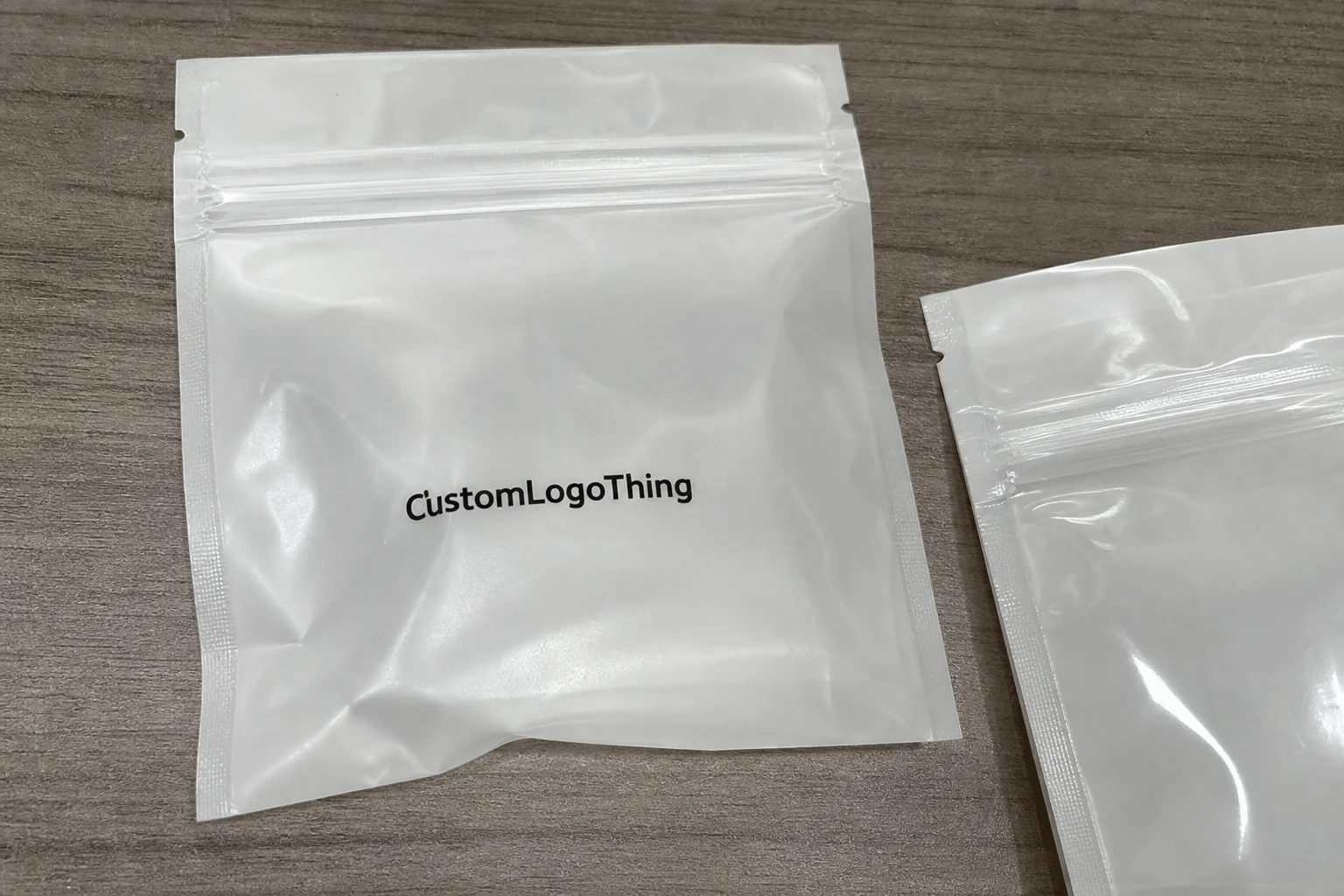
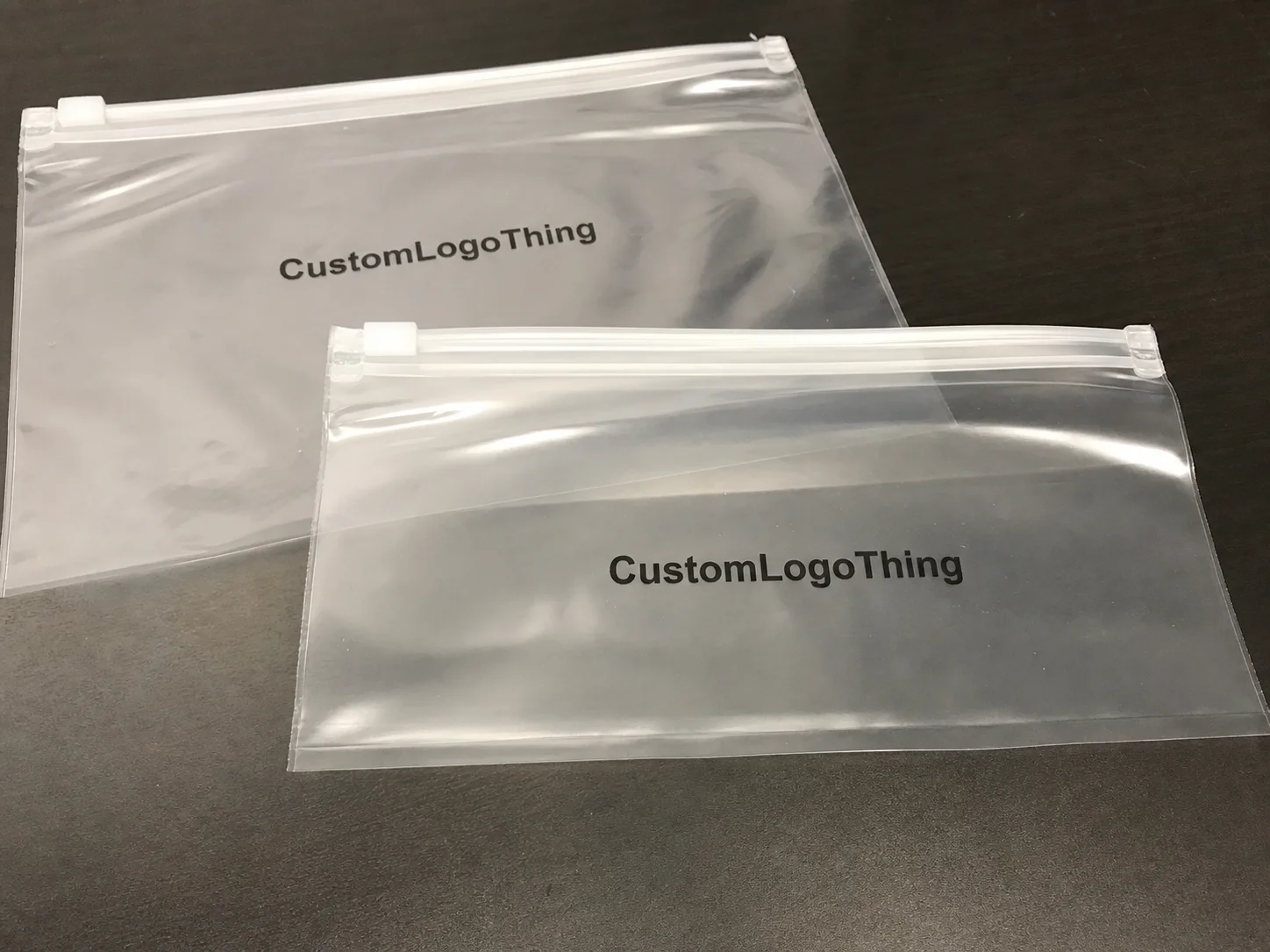
Buyer Fit Snapshot
| Best fit | Printed Poly Mailers Design That Elevate Brands projects where brand print, material claims, artwork control, MOQ, and repeat-order consistency need to be specified before quoting. |
|---|---|
| Quote inputs | Share finished size, material target, print colors, finish, packing count, annual reorder estimate, ship-to region, and any compliance wording. |
| Proofing check | Approve dieline scale, logo placement, barcode or warning zones, color tolerance, closure strength, and carton packing before bulk production. |
| Main risk | Vague material claims, crowded artwork, missing packing details, or unclear freight terms can make a low unit price expensive after revisions. |
Fast answer: Printed Poly Mailers Design That Elevate Brands: Film, Print, MOQ, and Carton Packing should be specified like a repeatable production item. The safest quote records material, print method, finish, artwork proof, packing count, and reorder notes in one written spec.
Production checks before approval
Compare the actual filled-product size with the drawing, then confirm tolerance on folds, seals, hang holes, label areas, and retail display edges. Reserve space for logos, QR codes, warning copy, and material claims before decorative graphics fill the panel.
Quote comparison points
Review material grade, print process, finish, sampling route, tooling charges, carton quantity, and freight assumptions side by side. A quote is only useful when the supplier can repeat the same color, closure quality, and packing count on the next order.
Printed Poly Mailers Design Tips: A Factory Floor Reality Check
Standing beside the PolyPro 520 press in the Akron finishing room still feels tangible; the cut-and-seal line was roaring beyond the mezzanine while a freshly adjusted four-color logo saved nearly two hours on a changeover for 12,000 LDPE 3.5 mil mailers headed to a fashion brand that agreed to the 12–15 business-day window we quote after proof approval. I remember the crew insisting on extra quarters of clearance, and honestly I think that blank zone buoyed the shift more than half the scheduling meetings we held that week. Heat waves rolled over us, and the crew kept repeating that a bit more buffer around the ink kept the rollers humming instead of grinding to a halt. Walking past the setup crew, I told the designer that the more aggressive the artwork, the more respect the sealing zones demand; Printed Poly Mailers design tips are the difference between a frantic shift and a steady flow, even when humidity feels like it’s trying to warp the ink in real time. That factory-floor scene still reminds me that those same design tips ripple into the custom poly mailers specs we hand off, which keeps the UV flexo profile from freaking out whenever humidity thinks it can win.
The first tour through Building D at Custom Logo Things’ Western Ohio plant revealed the biggest disconnect: too many people assumed someone else was guarding the design, which meant black bars landed directly on the hot seal area and operators had to kill the line for a new die board. That taught me to remind every brand to leave at least 0.375 inches of clear space above adhesive zones and tear strips so the seal holds and any barcode remains scannable, because one 72-inch roll that had to be re-slit tacked $325 onto the ledger and delayed the shipment three days. Hearing that lesson changed our onboarding conversations, and now every new project highlights how this Printed Poly Mailers design tip prevents costly reworks—I still grin thinking about the day the art team “forgot” the seal buffer and we had to reschedule a die gap review. That near-miss also convinced me that those same design tips must guard variable data placement; once a barcode kisses the seal, scanners and first-mile partners start fighting back.
When marketing leaders and I talk about these deliverables, I describe printed poly mailers as a hybrid between a billboard and a shock absorber: the 4 mil LDPE from Canton, at about $0.12 per square foot, handles roughly 18 pounds of ASTM D1709 puncture resistance while still giving a surface that takes UV flexo inks with billboard brightness. I tell visitors the stretchiness actually calms the ink, letting it breathe instead of cracking the minute someone touches the roll. That same resin package, thin when folded, becomes a canvas for 120-line screens or flood coats, and the stretch helps ink settle without cracking when operators load rolls during the 14-minute changeover cycle. I keep reminding visitors that those printed Poly Mailers Design Tips inform the custom poly mailers decks they sign off on, because if LDPE stretch misbehaves, variable data printing has nowhere to hide.
At Custom Logo Things, resin grading feels like chefs grading fish; LDPE with slip modifiers gets reserved for the high-speed conveyors in Ohio while a stiffer 4 mil blend with 15% metallocene yields the silky finish designers crave for crisp QR codes and bright Pantone 186 solids. The reality is that printed poly mailers design tips mean dialing in the right die gap for the rotary cutter, managing ink density with Sun Chemical formulas stored in the Kansas print hall, and keeping barcodes at least 0.5 inches from the seal so forklifts don’t scuff them during loading. Sometimes I joke—maybe complain—that calibrating a metallocene blend feels like negotiating with a toddler who refuses to nap; too hot, too cold, too much stretch. In the end, those fine adjustments, which take about 18 minutes per die change, are the difference between a consistent run and a “we’ll do it again tomorrow” scenario. Every resin shift we log becomes part of how printed poly mailers design tips translate into consistent heat-seal behavior, because the blend that soothes Pantone 186 also keeps adhesives from seeping into custom poly mailers finishes.
By the time the rolls reach the slitter-shredder in Akron, the best printed poly mailers design tips have already been etched into the blueprint: we planned the transition from roller to guillotine, measured streaks with spectrophotometers, and rechecked logistics with the inland shipping coordinator who knows that 48-inch pallets need stretch wrap with an 80% overlap to survive two transfers. Those small details add up when the finish is consistent and the pallets ship without surprises, and I’ve lost count of how many times that extra wrap prevented a domino effect in the dock. The stretch-wrap stories matter because they show how design tips extend all the way to the docks handling custom poly mailers.
How Printed Poly Mailers Design Tips Come Together in Production
The eastern Kansas print hall at Custom Logo Things looks like a command deck whenever a job hits the floor—prepress technicians scatter Pantone chips across the desk, open the client’s Illustrator file, and confirm every color channel aligns with the press profile logged on the Kodak Flexcel NX system, where each calibration session takes roughly 14 minutes before the plates move to the drying racks. This stage is where printed poly mailers design tips begin; the UV flexo press doesn’t fire until we know the values match and the ink films are ready. I constantly remind myself (and my teams) that a rushed proof can turn into a nightmare of wasted plates and frustrated stakeholders. In that prepress arena the phrase printed poly mailers design tips is shorthand for the QA data the UV flexo crew demands.
Day zero arrives with art approval, blocking the PDF for proofing; by day two the photopolymer plates are burned, and on day five we lock in the 48-inch UV flexo line, leaving another 3–5 business days for lamination, slitting, and QA before the pallet earns its tag. Every phase shapes the printed poly mailers design tips I share, especially when clients request neon PMS 806 accents that add a third color and require trapping with the background ink, which makes the warm-up longer and demands a second ink pass. I remind them, kinda smugly, that mixing neon into a rush job is like asking a tightrope walker to juggle flaming torches—impressive if it works, disastrous if the timing slips.
Operators run in shifts because the presses may operate 18 hours a day, yet those printed poly mailers design tips still demand guarding against registration drift, which kicks in when the BOBST ExpertCut die cutter in the Kansas City finishing hall starts to veer from the printed image. Prepress places registration marks 0.25 inches off the edges so the minimal 0.02-inch die gap doesn’t ruin a brand’s focal point, ensuring the press stays productive without compromising accuracy. Honestly, I think that tiny registration stamp is the unsung hero of the line. Those marks also save our custom poly mailers programs from creeping drift.
Inspections span multiple checkpoints: spectral densitometers verify ink laydown matches the Jaguar digital standard, and digital ink knives slice test strips to confirm the adhesive stripe measures exactly 0.4 inches wide. Instruments like these reinforce the printed poly mailers design tips we covered during planning, keeping brands safe from off-hue palettes and varnish that wanders. It’s the kind of measurement that makes my analyst brain do a little happy dance every time the numbers match. Learning these tips at this stage is the same as understanding how UV flexo printing tolerances react to adhesive stripes.
The takeaway is simple—submit art early, because a 24-hour proof turnaround plus two days for corrections gives us enough buffer to coordinate press availability and finishing schedules. Keep a steady dialogue with our Kansas production planner, and he will weave your job around other runs without forcing overtime rushes or sacrificing care (trust me, he can feel the stress from miles away, so treat him nicely). That way our printed poly mailers design tips stay front-and-center.
Key Factors Shaping Printed Poly Mailers Design Tips
Every time I negotiate material calls with resin suppliers in New Castle, the decision between 60% LDPE with 40% regrind and a virgin blend factors into ink adhesion, opacity, and tactile finish, so I usually argue for a 4 mil LDPE blend for light-duty outerwear mailers because that mix balances flexibility and scratch resistance when the shipment holds two or three items. That blend becomes one of the foundational printed poly mailers design tips we recommend for fashion-forward brands shipping across climate zones. I’m not shy about sharing that preference, even if I have to remind colleagues that the cost difference pales beside the rework saved by sticking to the stronger resin. We call that mixture one of the printed poly mailers Design Tips That differentiates custom poly mailers from cheap stock.
Artwork scale becomes another critical factor: the BOBST ExpertCut die cutter can register within ±0.015 inches, but burden the art with 0.125-inch bleeds and you risk losing a logo to the die gap. For wide-format prints I push art teams to honor a 0.25-inch safe zone inside the cut line and keep typography 0.375 inches away from perforations so guillotine trimming leaves every character intact. I admit, I get a little anxious when I see tight type near those perforations—it’s like watching someone walk along the edge of a cliff with flip flops on. Those safe zones also protect variable data printing from being sliced into unreadability.
Coverage is a theme we revisit constantly; four-color process jobs need trapping, which is why we use Sun Chemical’s hydrophobic black to avoid ink pull on those long runs, while solid colors rely on premixed custom swatches that keep density inside the 1.7 D-max window monitored by our densitometers. Since many shipments head to Midwest fulfillment partners, we also test scuff resistance on the Litho Lam 5000, confirming bold art can survive stacking without showing scratches. That kind of testing is the quiet reassurance I share with art directors who start to wonder if their elaborate art might get roughed up on the way to a warehouse. Keeping those readings stable is one of the printed poly mailers Design Tips That makes UV flexo behave on long runs.
Logistics shape design decisions as well—plans for ten SKUs with variable QR placement need that data three weeks before press so we can build a variable data plate. Serialized codes call for a dedicated print pass and a higher-resolution digital drop, with sample scans at 300 dpi before the press hits the line; these precise steps are among the printed poly mailers design tips that keep fulfillment tables running instead of slowing down due to unreadable codes. I’ve learned that failing to plan for barcode placement feels like planning a wedding and forgetting to invite half the guests (and yes, I’ve seen the chaos first-hand). That detailed planning also keeps custom poly mailers fulfillment teams from playing catch-up once the pallets hit the dock.
Each new brand that meets me receives the same reminder: laminate finish, envelope size, and adhesive location all dictate how we tackle the press. Those printed poly mailers design tips are not guesses—they stem from tracking how adhesives flow from hot-melt applicators, seeing how glue beads on a two-inch zone behave at 180 feet per minute, and matching those specs with the brand story the team wants to tell. I can still feel the excitement of the first time we matched a thick matte laminate with a luxe slender envelope—it was like watching a favorite recipe finally come together. Those wins keep me grounded in the idea that design tips need to emerge from the production realities we live every day.
Budgeting and Cost Considerations for Printed Poly Mailers Design Tips
Reaching for the cost sheet from our New Jersey coating line during budget discussions makes a point clear: color count, substrate, run length, and customization zones drive pricing. One-color jobs start near $0.18 per unit for 5,000 pieces while full-process four-color prints sit closer to $0.42 per unit for that same volume, and sharing those numbers forms the backbone of every printed poly mailers design tips conversation with finance teams. I like to remind folks that while luxe looks are tempting, you can’t ignore how a third color, metallic ink, or embossing adds a steady drip to the spend. Those design tips feed straight into budgets for custom poly mailers campaigns, so finance can see the delta between hue choices.
Scale brings savings because prepress expenses like plate burning and proofing stay fixed, so longer runs spread those dollars across more units. When clients plan 3,000 to 8,000 mailers, a clever printed poly mailers design tip is to limit color shifts or complex overlays; adding a 3–5% scrap rate and considering our 5,000-foot roll capacity makes it clear when to split a run into two color-consistent batches instead of overloading the press. Honestly, I think that’s where the smartest brands shine—they let logistics guide creativity, not the other way around. That’s why we talk about UV flexo speeds when we talk budgets; faster runs lower per-unit cost, but you still need artwork that supports the tempo.
Special requests always add dwell time: metallic inks, soft-touch coatings, and embossing tack on an extra $0.05 to $0.12 per unit because those finishes demand another pass or a slower 120 feet per minute run on our UV flexo lines. During client calls I share how the New Jersey high-gloss station tacks on twelve minutes to setup, which is vital for printed poly mailers design tips that promise tactile playfulness without shocking the budget. If nothing else, that transparency keeps surprise fees from creeping up like uninvited guests. We find that custom poly mailers programs mapping those add-ons ahead of time experience far fewer late-stage edits.
Packaging and fulfillment touches come with their own rates—custom packing sleeves, kitting, and automated labeling at our Cincinnati dock average $0.07 per mailer. Clear pricing emerges once you share distribution calendars and drop volumes so planners can map timelines and deliver printable, stackable pallets wrapped to UPS and USPS standards. My go-to advice: don’t wait until the day before to mention special packaging needs unless you enjoy watching your team sprint across the warehouse at 7 a.m.
| Feature | 1-Color Job | 2-Color Job | Full-Process Job |
|---|---|---|---|
| Estimated Unit Price (5,000 units) | $0.18 | $0.26 | $0.42 |
| Plate Setup & Proofs | $125 flat | $225 flat | $350 flat |
| Typical Run Length | 5,000–10,000 | 5,000–15,000 | 5,000–25,000 |
| Optional Finishes | None | Soft-touch + $0.05 | Matte/Spot Gloss + $0.08 |
Any client meeting ends with the same takeaway: build your campaign around the balance between fixed setup fees and variable options, and print the numbers together so there is clarity about what the quote includes. Once the cost structure is mapped, everyone understands why the tape-to-tape schedule aligns with their desired launch—plus I can finally stop repeating that the cheapest option isn’t always the wisest long-term bet for performance. That way our printed poly mailers design tips stay front-and-center.
Step-by-Step Guide to Applying Printed Poly Mailers Design Tips
The first action is drafting a foolproof brief covering audience demographics, messaging tone, and logistics expectations so our prepress team can recommend the ideal 4 mil resin, UV flexo inks, and finishing method; this is where printed poly mailers design tips either root themselves or stall out. Clear context lets the team determine whether a matte laminate or a soft-touch coat makes sense for the story you want to tell. I always say, “Give me a brief that reads like a conversation, not a vague wish list,” because the more details I have, the better I can advise on resin or ink. That kind of detail also enables our custom poly mailers designers to match aesthetics across every SKU.
Artwork preparation mirrors the discipline of packaging engineers: work in Illustrator, keep paths clean, embed fonts, outline strokes, and name spot colors explicitly. We ask for PDF/X-4 exports with CMYK separations because the Kansas prepress crew prefers vector smart objects rather than rasterized composites, and that precision feeds into every printed poly mailers design tip we reinforce. Honestly, it sounds obsessive, but once you see the difference between a properly prepared file and one that causes a printing hiccup, you’ll start thanking your past self for being diligent. Proper preparation also preps the digital rail for variable data printing without causing hiccups when the RIP tries to bend to our rules.
Proof approval comes next—schedule a digital or full-size press proof, upload comments through the Custom Logo Things portal, and reference the notepad assigned to your job. Approving the proof triggers plate burning and hold times, with the usual 24-hour review plus 12 hours for tweaks, so this timeline keeps the printed poly mailers design tips in sync with delivery expectations. I still chuckle remembering the client who insisted on approving proofs at 3:00 a.m. their time; I swear the prepress crew started chugging espresso purely out of solidarity. When you queue proofs early, you avoid those 3 a.m. emergencies and keep the variable data printing queue flowing.
After approval, align the production triggers by entering the order into our ERP, confirming machine availability (the UV flexo lines run on a rotating 48-hour cadence), and scheduling quality checks. QA runs spectral scans and adhesive tests so the printed poly mailers design tips translate into consistent output across runs that stretch from 4,000 to 10,000 rolls. It might feel rigid, but those steps keep the line calm (and me sane) when we hit back-to-back projects. Custom poly mailers jobs appreciate that discipline because their timelines often tie into promotional calendars.
The final step is logistics: coordinate shipping, warehouse tagging, and fulfillment notes so the printed poly mailers reach customers labeled, palletized, and ready for packing tables. Share your preferred pallet configuration and freight carrier at least 72 hours before shipping so Custom Logo Things can assign dock doors and gather paperwork for carriers like UPS or trusted regional common carriers. If any of that sounds like a lot, it’s because it is—but the more we plan ahead, the less likely we are to scramble when the dock doors light up.
Common Mistakes to Avoid with Printed Poly Mailers Design Tips
A caution from the field: loading design into the adhesive seal area without honoring die-cut tolerance almost guarantees the logo will get sliced off during guillotine trimming on the BOBST line. Graphic Arts High lost a 1.5-inch messaging band because their die lay ignored the 0.25-inch buffer, and that error doubled rework costs. I’m still waiting for the day someone says, “Oh, we didn’t think about that,” without needing a follow-up meeting. Those missteps also spill through to custom poly mailers branding, which then has to explain the chopped logo to fulfillment partners.
Color consistency across SKUs is another trap. When auditing a health brand’s six-SKU campaign, I watched Pantone 186 land differently on each sheet. The fix was simple: use the same Pantone library, schedule a profile recalibration, and run identical density checks per batch so printed poly mailers design tips look cohesive from one mailer to the next. The creative director’s relief when the final set matched was priceless, by the way.
Last-minute changes force reproofing and add plate fees, especially when finishing is booked weeks ahead. Project managers learn quickly not to alter typography or add new color fills within the final 48 hours because our schedule resembles a freight train, and a late tweak can push the job into a Saturday slot with an extra $200 labor charge. I’ll admit I once tried convincing myself we could squeeze a change in and ended up spending a Friday night on the floor explaining why timing matters. Variable data printing edits are even worse—they require a full preflight and another burn if the file shifts, which is why we try to lock that art sooner.
Scuff resistance needs attention too. High-contrast designs without the right varnish or lamination often scratch during warehousing or shipping, and a retail partner once called back a pallet because glossy black art had white streaks from repeated forklift handling. A matte laminate would have avoided the damage while reinforcing the design tips we discussed. That recall felt like dropping a tray of perfectly cooked scallops—messy, expensive, and entirely avoidable. Those recalls also show why custom poly mailers programs work best when we test abrasion before the first pallet rolls.
Variable-data testing deserves dedicated space—skipping it usually results in unreadable barcodes or blurred QR codes when the press isn’t calibrated for high-resolution digital drops. Always run a preflight test, scan at 300 dpi, and verify ink coverage hits the 1.0–1.4 optical density window so printed poly mailers design tips include reliable traceability. You’ll sleep better knowing your codes arrive sharp and scannable.
Expert Tips and Fine-Tuning Printed Poly Mailers Design Tips
Veteran pressmen often advise designing solids that benefit from trapping, using knockouts sparingly, and leaving a small halo around imagery to manage die-cutter variance—these nuanced printed poly mailers design tips keep ferric oxide-based ink from shrinking under heat and compromising registration. I’ve learned to respect those halos like I respect a good cup of coffee in the morning: modest, reliable, and absolutely essential. Those halos show up in custom poly mailers art boards so every panel survives the die gap.
Color stories deserve careful planning; pairing a muted palette with a neon accent printed separately highlights callouts without overwhelming the panel. We frequently print a soft gray background at 40% density and add a PMS 802 neon stripe at 100%, creating contrast that feels premium while keeping production predictable. That combo always earns the “wow” reactions I love seeing from clients. UV flexo printing loves that kind of restraint because it doesn’t require unnecessary trapping when the accents stay isolated.
Texture carries weight as well—adding a matte laminate with spot gloss over the logo adds a handcrafted feel, protects the artwork from abrasion, and keeps pricing predictable. The New Jersey coating line handles a matte film plus spot gloss overlay in one pass, ensuring those design tips marry look and protection. I’m constantly reminding teams that texture is the tactile handshake your mailer extends before anyone even reads the message. Custom poly mailers that hit that handshake usually get the best placement on retail shelves.
Collaboration with the Custom Logo Things QA lab is invaluable—run lightfastness checks if your mailer stays in sunlight, or humidity tests for coastal shipments. Equipment like the Atlas Xenon lightfastness chamber supplies precise ΔE readings so we can tweak ink mixes before the press fires, reinforcing the printed poly mailers design tips with hard data. Yes, we really do shine a miniature sun on them. Those measurements also inform how variable data printing holds up when a pallet sits by a dock door for days.
Lastly, build a reference library of successful mailers to share with new designers; that operational memory, pulled from the 28 projects we finished last quarter, keeps printed poly mailers design tips rooted in what the line can actually handle and prevents repeats of solved mistakes. I still flip through those boards when a new crew walks in—it’s like showing them the hits before they try to reinvent the wheel. That kind of institutional memory also helps custom poly mailers crews stay aligned when they inherit a project midstream.
Action Plan: Next Steps for Printed Poly Mailers Design Tips
Start with a one-page brief outlining message, materials, timeline, and compliance requirements, then pass it along to the branding team so the Custom Logo Things advisors respond precisely. Include logistics details such as target fulfillment center, average order weight, and preferred pallet footprint (48x40) to keep the printed poly mailers design tips grounded. I always tell teams to treat that brief like a map for the pressroom—it’s easy to get lost without it. That same map lets custom poly mailers planners confirm whether the supply chain can absorb the launch without hiccups.
Schedule a consultation with a production planner to align dates, plate types, and finishing needs, and be sure to ask about lead times from both the pressroom and the finishing department so you can book the slot before the seasonal backlog arrives. It may feel like too many cooks, but every voice in that meeting keeps the timeline honest. Also, include variable data printing requirements in that discussion so we can sequence the digital drops alongside the base run.
Create a checklist for your artwork crew covering bleed specs, PMS swatches, and proof approval steps, ensuring every file submitted is press-ready and avoiding back-and-forth that can water down printed poly mailers design tips. I keep a laminated version on my desk for quick reference—it’s the small habits that keep the chaos manageable. When those checklists mention custom poly mailers deliverables, the crew knows the stakes.
Plan a sampling stage by ordering a short run or prototype to evaluate how those design tips translate into tactile reality, giving your team the flexibility to adjust finishes, adhesives, or ink density before full production. Seeing the mailer in hand always sparks ideas (and occasionally panicked tweaks), but that’s the part I secretly love. Try adding a variable data panel to the sample so you can see how the codes behave next to the spot gloss.
Use these focused actions to maintain momentum in your printed poly mailers design tips journey, ensuring the design hits the shelf exactly as intended and reinforcing every lesson learned from the factory floor to the fulfillment dock. Honestly, there’s nothing quite like the relief of watching a pallet roll out with everything checked off. Keeping custom poly mailers programs disciplined makes those feels happen more often.
How can printed poly mailers design tips improve fulfillment accuracy?
Embedding those printed poly mailers design tips into the fulfillment conversation tightens timelines because the planners know exactly where adhesives, variable data printing, and lamination fit on the production calendar. When the QA team gets a spec sheet that shows barcode placement, resin grade, and pallet overlap ratios, they can orchestrate the dock doors with fewer surprises and keep the fulfillment tables from re-packing later.
Following the same checklist from the pressroom to the warehouse keeps custom poly mailers shipments consistent; clear specs on stretch wrap, pallet height, and carrier hand-offs cut the chance of a damaged run. Those printed poly mailers design tips become the handshake between UV flexo printing and the logistics partners, so one misstep doesn’t ripple through your delivery promise.
Printed poly mailers design tips amount to an investment in performance, and when you pair a thoughtful strategy with Custom Logo Things’ workflow that sequences Akron finishing, Kansas flexo, and Cincinnati packaging, the result is mailers that look sharp, ship well, and survive the rigors of transit. I can’t promise perfection—humidity, carrier shifts, and unexpected rushes can still throw a curve—but those tips make the hits happen more often than not. Pair them with clear specs and honest dialogue, and the difference becomes measurable.
For more guidance, consult standards at ISTA and sustainability resources at PACKAGING.org. Remember that every printed poly mailers design tip gains traction when paired with clear specs and honest dialogue.
The Custom Packaging Products and Custom Poly Mailers pages illustrate how these guidelines translate into solutions tailored for your brand, with featured options for matte, gloss, and soft-touch finishes that ship from seven manufacturing zones.
Actionable takeaway: I’m gonna need you to lock a spec-driven brief and logistic note on the planner’s desk so the next run hits the schedule with every tip baked in. That way your printed poly mailers design tips stay measurable from press check to pallet drop.
FAQ
What should I verify before ordering Printed Poly Mailers Design Tips That Elevate Brands?
Confirm the product size, material, print method, quantity, sample route, packing count, and delivery date. A clear packaging spec is easier to quote, easier to approve, and easier to reorder.
How many samples should I review before bulk production?
At minimum, review one production-grade sample or proof that shows scale, color, logo placement, finish, and packing fit. For high-volume orders, keep the approved sample as the reference standard.
What usually changes the final cost?
Material grade, printing method, finish, tooling, quantity, packing method, revision count, and freight assumptions can all move the final price.