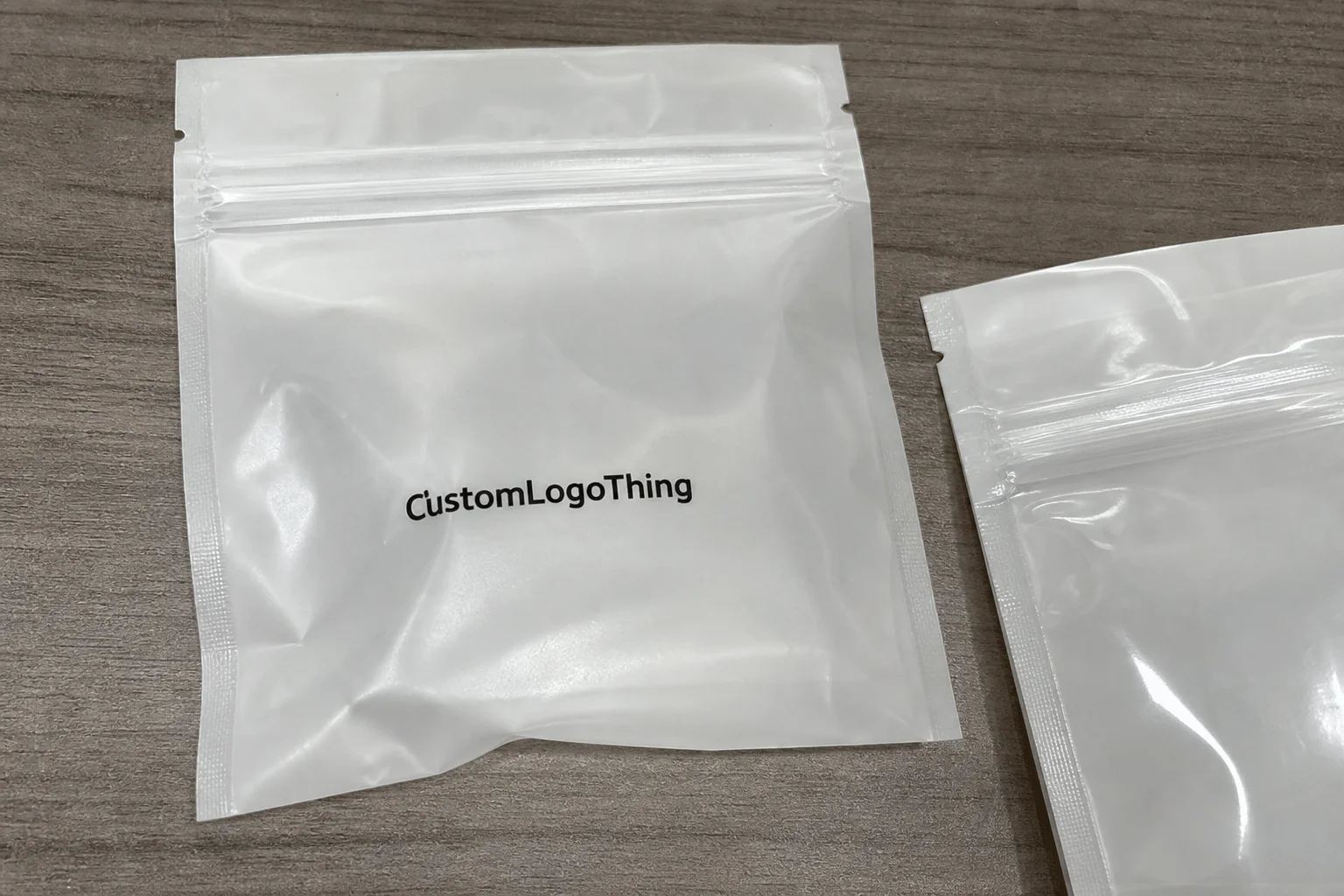
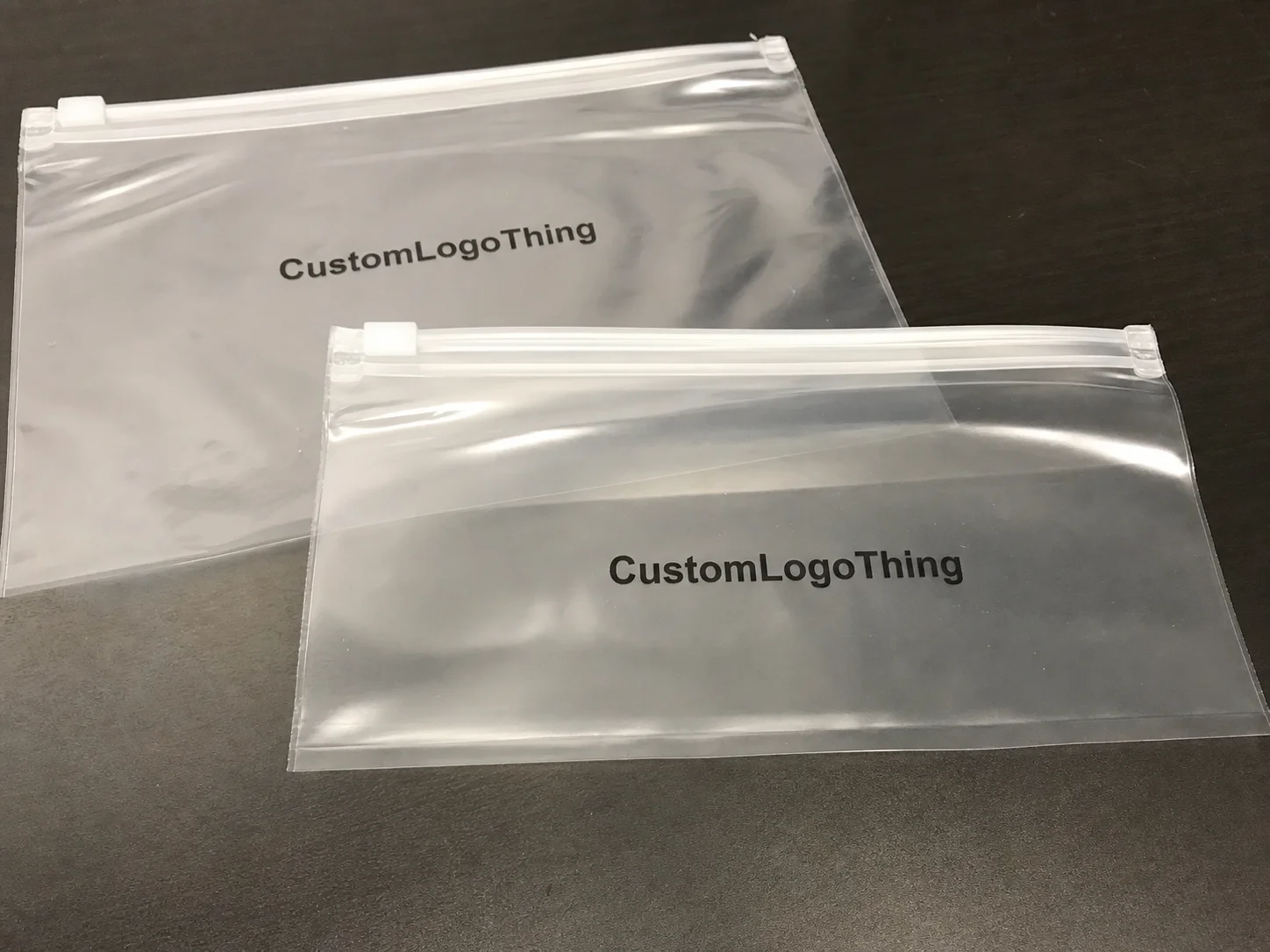
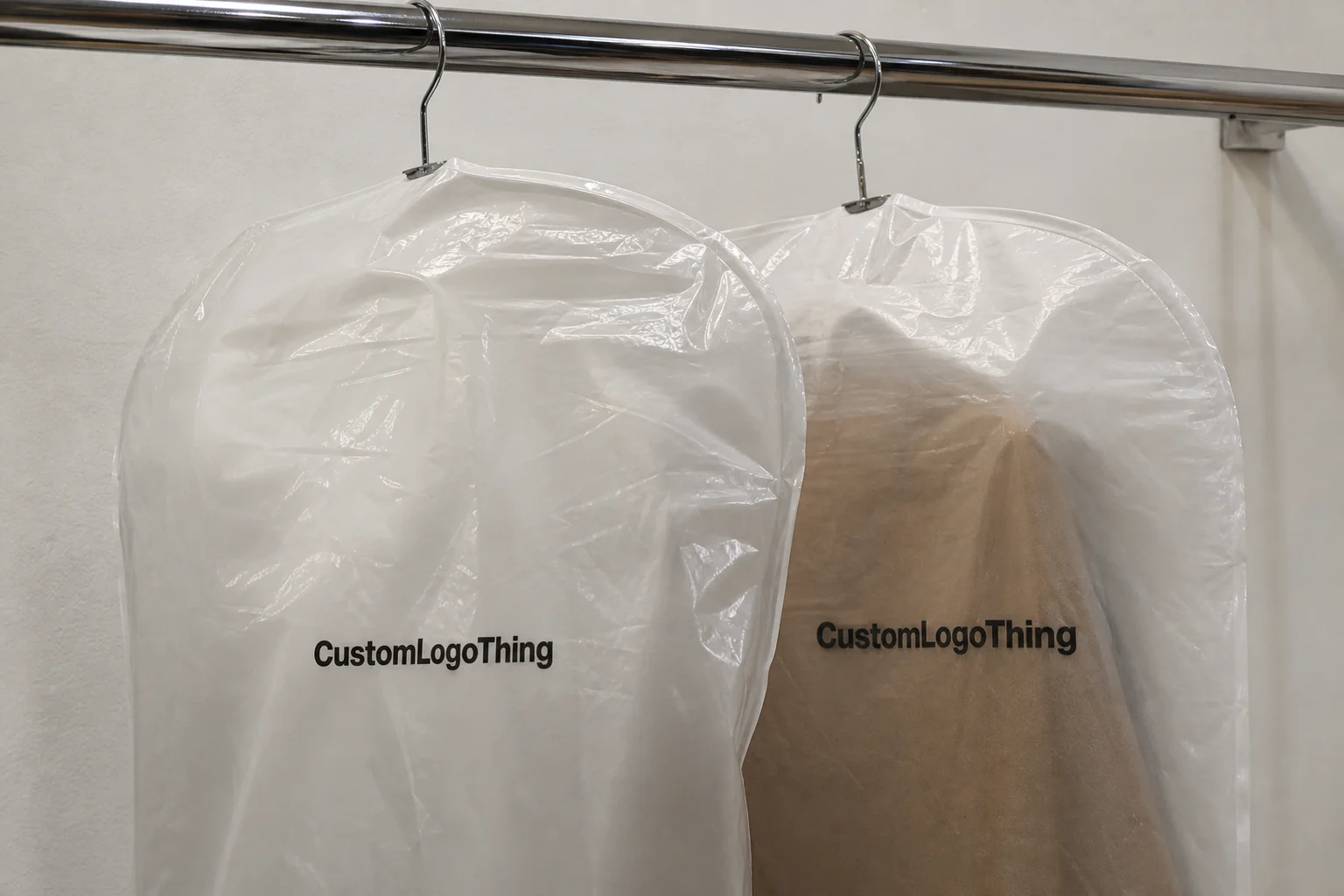
Buyer Fit Snapshot
| Best fit | Printed Poly Mailers Manufacturer projects where brand print, material claims, artwork control, MOQ, and repeat-order consistency need to be specified before quoting. |
|---|---|
| Quote inputs | Share finished size, material target, print colors, finish, packing count, annual reorder estimate, ship-to region, and any compliance wording. |
| Proofing check | Approve dieline scale, logo placement, barcode or warning zones, color tolerance, closure strength, and carton packing before bulk production. |
| Main risk | Vague material claims, crowded artwork, missing packing details, or unclear freight terms can make a low unit price expensive after revisions. |
Fast answer: Printed Poly Mailers Manufacturer: Material Claims, Seal Quality, and Freight Cost should be specified like a repeatable production item. The safest quote records material, print method, finish, artwork proof, packing count, and reorder notes in one written spec.
Production checks before approval
Compare the actual filled-product size with the drawing, then confirm tolerance on folds, seals, hang holes, label areas, and retail display edges. Reserve space for logos, QR codes, warning copy, and material claims before decorative graphics fill the panel.
Quote comparison points
Review material grade, print process, finish, sampling route, tooling charges, carton quantity, and freight assumptions side by side. A quote is only useful when the supplier can repeat the same color, closure quality, and packing count on the next order.
Why Most E-Commerce Brands Struggle with Their First Poly Mailer Order
I still remember the phone call that started like most crisis calls do—with a panicked small business owner on the other end. She'd launched her indie beauty brand six months earlier, and her Custom Poly Mailers had finally arrived after an eight-week wait. But when she opened the shipping boxes, she found that her signature coral color had shifted to a pinkish-orange that looked nothing like her brand guide. Three thousand units sat in her garage, unusable, and she had no idea how to fix it or who to call.
That situation was entirely preventable, and that's exactly what I want to help you avoid.
According to packaging industry surveys, nearly 40% of first-time poly mailer buyers end up with production issues severe enough to require reprints. Whether it's color mismatches, incorrect dimensions, poor print registration, or unexpected material quality problems, the failure rate for uninitiated buyers is genuinely concerning. When you're spending $2,000 to $15,000 on custom Printed Poly Mailers, those preventable mistakes can quietly devastate a small business's margins.
Years ago, I worked with a sustainable fashion startup that thought they'd found a dream deal on poly mailers from an overseas supplier. (Spoiler alert: there is no dream deal. There's only learning experiences dressed up in different price tags.) The price was almost impossibly low—$0.08 per unit for 20,000 pieces with full custom printing. What they didn't account for was the three-month lead time, the communication delays across time zones, and ultimately, a quality inspection that revealed 12% of their mailers had printing defects visible only under certain lighting. They ended up scrapping half the order and rushing emergency reprints from a domestic supplier at triple their original budget.
The core issue isn't that finding a good Printed Poly Mailers Manufacturer is impossibly difficult—it's that most buyers approach the process completely blind. They don't understand manufacturing timelines, they don't know what questions to ask, and they don't realize how much the relationship between buyer and manufacturer actually matters until something goes wrong.
I'm going to walk you through what a manufacturer actually does, how the production process works, what drives quality and pricing, and the practical steps you need to take to get your first order right. By the end, you'll have the knowledge to have intelligent conversations with suppliers, spot red flags early, and build the kind of working relationship that leads to consistently excellent results.
What Is a Printed Poly Mailers Manufacturer?
A Printed Poly Mailers manufacturer is fundamentally a production partner—someone who takes your artwork and specifications and transforms them into the actual packaging your products ship in. But that simple definition hides a lot of complexity. The manufacturing side of the packaging industry involves specialized equipment, trained technicians, material science knowledge, and supply chain expertise that most e-commerce brands never consider until they suddenly need it.
The choice between domestic and overseas manufacturers is one of the first decisions you'll confront, and it carries real consequences for your business. When I started in this industry, I assumed overseas manufacturing was always the better financial choice. After watching dozens of clients navigate this decision, I understand it's far more nuanced. Honestly, I think the "overseas is always cheaper" mentality has caused more harm than good for small and mid-sized brands.
Domestic manufacturers—typically operating in the United States, Canada, or Mexico—offer several distinct advantages. Communication happens in real time, without the friction of time zone differences and language barriers. Lead times compress dramatically, often from months to weeks. Quality control is more immediate, and resolving issues doesn't require international logistics coordination. For brands that need flexibility, fast turnaround, or complex customizations, domestic production often makes more sense economically despite higher per-unit costs.
Overseas manufacturers, particularly in China and Southeast Asia, can offer dramatically lower pricing on large-volume orders. Factories in these regions benefit from economies of scale, lower labor costs, and established supply chains for raw materials. For established brands with predictable demand and lengthy planning horizons, overseas manufacturing can reduce packaging costs by 40-60% compared to domestic equivalents. (But let's be real—how many startup founders actually have "predictable demand" figured out?)
The printing technology discussion matters because it affects almost every aspect of your final product. The two dominant processes you'll encounter are flexographic printing and digital printing, and the differences matter significantly for your project.
Flexographic printing uses raised rubber or photopolymer plates to transfer ink onto the polyethylene substrate. This process excels at high-volume runs—the per-unit cost drops substantially once you've absorbed the plate setup fees. Flexo printing handles extended runs without quality degradation, and it's compatible with a wide range of ink types, including water-based formulations that align with sustainability goals. The trade-off is that initial setup requires more time and expense, making flexo less economical for small quantities.
Digital printing has transformed the custom packaging landscape over the past decade. Direct-to-substrate digital printers can produce full-color graphics without printing plates, which means design changes and small batches become financially viable. For a startup testing different artwork concepts or a brand running limited seasonal promotions, digital printing opens possibilities that traditional flexo simply couldn't support. The current technology limitations include slightly lower image resolution compared to flexo, limited substrate compatibility, and per-unit costs that remain higher than flexo at high volumes.
Understanding these distinctions helps you match your project requirements to the right manufacturing capability. A 50,000-unit reorder of your standard mailer should flow through flexographic production. A 500-unit limited edition run for a product launch might benefit from digital printing. Your printed poly mailers manufacturer should be asking you the right questions to guide this decision, not simply quoting the lowest price they can make work.
Inside the Manufacturing Process: From Design to Door
I remember visiting a manufacturing plant in Shenzhen about fifteen years ago and being genuinely surprised by how methodical the production workflow actually was. I'd expected chaos—machines everywhere, workers moving frenetically—but instead, I found something closer to orchestrated precision. Each production run followed a structured sequence that, when respected, consistently produced excellent results. (I also remember the instant coffee they served me being an assault on my taste buds, but that's neither here nor there.)
Understanding this process does more than satisfy curiosity—it empowers you to plan realistically, communicate effectively with your supplier, and diagnose problems when they occur. Here's what actually happens between the moment you approve artwork and the day those boxes arrive at your warehouse.
The production workflow typically begins with artwork preparation and file review. Your design files undergo prepress examination where technicians check resolution, color profiles, bleeds, and font status. This stage catches problems early—missing fonts, low-resolution images, or artwork that doesn't account for proper bleeds can all be corrected before any plates are made. Prepress review typically requires 2-5 business days depending on complexity and the manufacturer's workload. Rushing this stage almost always creates downstream problems.
On file requirements, let me be specific: most manufacturers want Adobe Illustrator files at 300 DPI minimum, with all fonts converted to outlines or embedded. They require CMYK color mode (not RGB, which converts unpredictably during printing). Include at least 0.125-inch bleeds on all sides and maintain a 0.25-inch safe zone away from trim edges. Your design layout should account for the actual mailer dimensions—don't assume you can simply shrink a standard business card design down to mailer size. I cannot tell you how many times I've seen this mistake. It never ends well.
After design approval, the manufacturer moves into plate creation. For flexographic printing, this involves producing photopolymer plates that match your artwork. Each color in your design requires its own plate—simple one or two-color designs need fewer plates than complex full-color graphics. Plate creation typically costs $75-150 per plate depending on size and complexity. The plate-making process itself requires 1-3 days, and these plates are specific to your design. Design changes mean starting this stage fresh, which is why many manufacturers charge revision fees.
The color matching process deserves special attention because it's where most first-time buyers encounter confusion. Pantone color specifications provide a standardized reference system that manufacturers can match with reasonable consistency. Without Pantone references, your "forest green" might match differently to each technician using their own color perception. Request physical color proofs before full production—digital proofs give you an approximation, but nothing matches viewing actual printed material under standard lighting conditions. Most reputable manufacturers include one set of color proofs in their standard pricing; additional proofs typically cost $50-100 each.
Quality control checkpoints appear throughout the production process. Initial samples, often called "pull samples" or "production samples," are pulled during the first portion of the print run and examined against your approved proofs. Manufacturers following ISTA (International Safe Transit Association) protocols will document these inspections. For brands with specific quality requirements—retail-grade packaging often has stricter tolerances than standard e-commerce shipping materials—this is where those specifications matter. Ask your manufacturer what their inspection sampling rate is: good operations inspect every 500-1000 units; excellent operations inspect more frequently.
Production schedules vary between manufacturers for reasons that might not be obvious. A busy manufacturer with multiple presses might have faster total throughput but longer queue times before your job starts. A smaller operation might start your job quickly but run slower through outdated equipment. When you're evaluating quotes, ask about current queue times and typical job throughput. This explains why the manufacturer offering the lowest price might actually deliver later than a competitor—the pricing and scheduling decisions aren't always made together.
Key Factors That Determine Manufacturer Quality
Not all packaging suppliers operate at the same level of competence, and distinguishing genuinely excellent manufacturers from merely adequate ones requires understanding what actually drives quality. I've toured dozens of facilities over the years, and the differences between top-tier operations and struggling ones typically come down to a handful of concrete factors.
Material grade specifications are where quality begins, and I can't stress this enough—polyethylene film is not a commodity. The same thickness can be manufactured to wildly different quality standards. A 2.5 mil mailer from a quality-focused manufacturer might have consistent thickness across the entire roll, proper molecular alignment for tear resistance, and UV stabilizers that prevent degradation during storage. A budget equivalent might vary ±15% in thickness, exhibit inconsistent tear propagation, and yellow noticeably within six months. Your products are depending on this packaging to arrive intact—that 15% cost savings on material isn't savings if 3% more packages arrive damaged.
Ask your manufacturer for their material specifications sheet. Look for details like density (typically 0.92-0.94 g/cm³ for standard polyethylene), dart impact values (measures resistance to sharp object penetration), and tensile strength figures. If a supplier can't or won't provide these specifications, that's a red flag worth investigating.
Ink selection reflects both environmental values and practical performance considerations. Water-based inks have lower volatile organic compound (VOC) emissions, meeting increasingly strict environmental regulations and aligning with sustainability branding. From a performance standpoint, modern water-based poly mailer inks have improved dramatically—they offer adequate adhesion and durability for e-commerce shipping applications when properly formulated. Solvent-based inks provide superior chemical resistance and adhesion in some applications, but the environmental and health considerations make them less ideal for consumer-facing packaging.
The EPA provides guidance on packaging ink regulations, and manufacturers committed to environmental compliance should be familiar with relevant standards. If sustainability credentials matter for your brand—and they increasingly do for consumers—ask your manufacturer about their ink systems and environmental certifications.
Equipment age and maintenance practices directly impact production quality. A modern flexographic press with servo-controlled registration can hold tighter tolerances than older equipment relying on mechanical adjustments. Digital printers using current technology produce sharper images than models from five years ago. When evaluating manufacturers, it's reasonable to ask about press age and maintenance schedules. Top operations maintain detailed equipment logs and perform preventive maintenance on defined schedules—not just reactive repairs when things break. I walked into one facility once where the maintenance log was literally a sticky note on the wall that said "oops" next to a broken sensor. I did not place an order there.
Communication practices reveal organizational quality as surely as any equipment inspection. I've observed that manufacturers with consistent quality also tend toward clear, proactive communication. They send status updates without being prompted. They flag potential problems early with proposed solutions. They respond to questions within hours, not days. Conversely, communication struggles often predict or accompany quality issues—organizations that aren't on top of production coordination often aren't on top of quality control either.
Certifications matter as third-party validation of quality and ethical practices. ISO 9001 certification indicates a manufacturer has implemented quality management systems—it's a baseline standard, not a guarantee of excellence, but its absence is notable. BSCI (Business Social Compliance Initiative) and Sedex certifications address labor practices and social responsibility, increasingly relevant for brands with ESG commitments or those selling through retailers with supply chain requirements. ISTA testing protocols, though not a manufacturer certification, indicate a supplier understands package performance testing—important if your mailers will be shipped through rigorous distribution networks.
Understanding Printed Poly Mailers Cost and Pricing
Here's where I see buyers make their most costly assumptions—treating packaging pricing like buying office supplies when it's actually closer to custom manufacturing. The cost structure matters, and understanding it transforms how you approach quotes, negotiations, and production planning.
Every poly mailer order contains several distinct cost components that manufacturers combine into their final quote. Material costs typically represent 40-55% of the total production cost, varying with polyethylene market pricing (which fluctuates with oil markets), specific film formulations, and order quantity. Print setup costs include plate creation, ink mixing, machine calibration, and operator time—a fixed cost per production run regardless of quantity. Labor costs cover the operators, quality inspectors, and finishing work like folding, bagging, and boxing. Overhead allocation captures facility costs, equipment depreciation, utilities, and administrative functions.
For a concrete example, consider pricing on a standard 12" x 15" poly mailer with two-color flexographic printing:
| Order Quantity | Estimated Per-Unit Cost (Domestic) | Estimated Per-Unit Cost (Overseas) |
|---|---|---|
| 1,000 units | $0.45 - $0.65 | $0.28 - $0.40 |
| 5,000 units | $0.22 - $0.32 | $0.12 - $0.18 |
| 10,000 units | $0.18 - $0.26 | $0.08 - $0.12 |
| 25,000 units | $0.15 - $0.22 | $0.06 - $0.09 |
| 50,000 units | $0.12 - $0.18 | $0.05 - $0.07 |
These ranges reflect current market conditions and should be treated as starting points for your own quote requests. Specific requirements—unusual sizes, premium materials, complex artwork—can shift pricing significantly. Always request itemized quotes that break down setup fees, material costs, and per-unit pricing separately.
Hidden costs trip up first-time buyers regularly. Tooling charges apply for custom die cuts, specialty closures, or reinforced sections. Plate storage fees vary—some manufacturers keep your plates on file for future reorders free of charge, others charge $25-75 annually. Rush order premiums typically add 25-50% to standard pricing. Design file preparation fees sometimes apply when submitted artwork doesn't meet production specifications—budget $75-300 for redesign assistance if needed. Sample shipping costs for physical prototypes before bulk production can add $30-100 depending on quantity and shipping speed.
When comparing domestic versus offshore pricing, remember to account for total cost of ownership, not just unit price. Overseas orders typically require sea freight ($0.50-2.00 per cubic meter for ocean shipping), customs duties (typically 5-8% of declared value for packaging materials), import brokerage fees ($200-500 per shipment), and longer production lead times that tie up working capital. For a $10,000 overseas order, these additional costs might add $1,500-2,500 to your actual total investment. Let me tell you, nothing kills a "great overseas deal" faster than watching the landed cost calculator.
Negotiation with a printed poly mailers manufacturer works differently than haggling at a flea market. Suppliers have real cost floors, and pushing below those floors typically results in quality compromises or suddenly "discovered" additional charges. Effective negotiation focuses on building volume commitments in exchange for better per-unit pricing, offering advance payment for reduced setup fees, and establishing multi-order agreements with pricing locks. Manufacturers value predictable order patterns—the brand that orders reliably every quarter often negotiates better than the brand that places sporadic large orders.
Step-by-Step: How to Order from a Printed Poly Mailers Manufacturer
The actual ordering process has patterns I've seen work successfully—and places where it tends to stumble. This is practical process knowledge, the kind that only comes from watching dozens of orders progress from initial inquiry to warehouse delivery.
Defining your requirements seems straightforward but deserves careful attention. You need to specify dimensions (length and width when flat, then the final gusseted depth), material thickness (typically 2, 2.5, or 3 mil for most e-commerce applications), closure style (standard self-seal, peel-and-seal, or tamper-evident options), and print specifications including color count and Pantone numbers where applicable. Don't forget about special requirements: hanging holes for retail display, perforation for easy opening, reinforced corners for heavy products, or custom QR codes that need specific minimum sizes to scan reliably.
When I worked with a fitness equipment brand last year, their initial spec sheet only mentioned "sturdy mailers" for their resistance bands and small weights. The manufacturer selected 2 mil material based on standard assumptions, but the actual product weight plus packaging contents required 3 mil minimum thickness. The entire first production run needed to be scrapped and reprinted—a $4,500 mistake that specification clarity would have prevented entirely. (Their faces when I explained what happened were genuinely painful to witness.)
Requesting samples sounds obvious, but in my experience, nearly half of first-time buyers skip or rush this critical step. Physical samples let you evaluate material quality, tactile feel, print appearance under actual lighting, and functional performance (does the seal work reliably? does the size accommodate your products?). Ask your manufacturer for 3-5 physical samples cut to your exact specifications. Reputable suppliers provide these at low or no cost; suppliers who resist providing samples deserve your skepticism.
When evaluating samples, check them against your quality standards: hold the sample up to light and look for thin spots or inconsistencies in the film, compare the printed colors against your approved Pantone references under daylight conditions, test the seal mechanism multiple times with slightly different application angles, and simulate the stress of normal shipping by compressing and shaking the filled package.
Artwork submission follows once samples are approved. Your printed poly mailers manufacturer should provide a template showing the actual mailer layout, including fold lines, seal positions, and any permanent graphics (like recycling symbols or brand warnings). Prepare your artwork following their specific guidelines—which typically include AI or PDF files at 300 DPI, CMYK color mode, embedded fonts, proper bleeds, and a 0.25-inch safe zone. Include a separate file with just the artwork and another showing the template placement—this makes prepress review faster and reduces errors.
The approval process deserves particular attention because it's where scope creep and production delays often collide. Once your manufacturer sends proofs—usually within 3-5 business days of artwork submission—you have a defined window to review and approve. Mark any discrepancies clearly: "APPROVED with noted color correction" or "REVISION REQUESTED - see attached comments." Vague feedback like "looks good" before full review creates downstream disputes when the final product doesn't match expectations. Most contracts place responsibility for approved-proof errors on the buyer, so approval requires genuine attention. I've seen friendships strain over less than a misread proof approval email.
Shipping options and lead time planning integrate both your production timeline and your inventory needs. Standard lead times from domestic manufacturers typically run 12-15 business days from proof approval to shipment, with an additional 2-7 days depending on shipping method (ground freight, expedited trucking, or air freight). Overseas production requires 25-40 business days from approval to port departure, plus 3-6 weeks for ocean transit and customs processing. Build buffer time into your planning—suppliers occasionally encounter press issues, weather delays, or material shortages that push schedules. For a product launch or seasonal promotion, your order should arrive at least two weeks before you need to start fulfilling shipments.
Common Mistakes When Working with Poly Mailer Manufacturers
After two decades in packaging, I've developed a mental catalog of the mistakes that repeatedly derail first-time buyers. Most of them are entirely predictable—which means they're also preventable. Here are the patterns I've witnessed so you can sidestep these pitfalls.
Underestimating lead times might be the single most common error. Buyers accustomed to Amazon Prime shipping expectations encounter manufacturing timelines that feel almost medieval by comparison. A domestic manufacturer quoting "2 weeks" doesn't account for design revision time, proof approval delays, potential production queue waits, or shipping complications. Experienced buyers build realistic timelines that include 20-30% buffer for unexpected delays. When a client tells me they need packaging in two weeks for a product launch, my honest answer is that they should have started conversations eight weeks ago. Yes, this frustrates people. I'm not wrong, though.
Skipping physical samples before bulk orders is a false economy that regularly costs more than it saves. A sample costs $5-50 to produce and ship. A bulk order of 10,000 defective mailers costs $2,000-5,000 to replace. The math isn't complicated. I once watched a client receive 15,000 mailers with their logo printed backwards—the prepress team had mirrored the file incorrectly, and no one caught it because the buyer approved digital proofs without requesting a physical sample first. That $15,000 mistake would have been caught with a simple sample check. I've never seen anyone not cry at that revelation, by the way.
Ignoring color consistency between production runs creates brand consistency problems that accumulate over time. Each print run involves ink mixing, press calibration, and environmental variables that shift colors slightly. If you reorder without specifying your previous run's Pantone values, you might receive mailers that look noticeably different from your existing inventory. Maintain a file with your approved color specifications, including actual measured values if available, and reference them on every order. "Use exact specifications from order #12345" provides clearer direction than "match the color from our last order."
Unclear specifications invite production errors. When I review spec sheets that say "similar to what we had before" or "use your standard material," I know we're setting ourselves up for potential misalignment. Your manufacturer can't read your mind, and neither can their production team. Every specification should be explicit and documented: exact dimensions, material type, thickness, print colors with Pantone codes, closure style, and any special requirements. Ambiguity in specifications typically resolves in the manufacturer's favor, which may not align with your expectations.
Not maintaining backup suppliers leaves you vulnerable to circumstances entirely outside your control. I've seen brands that had single-source relationships discover the hard way that their manufacturer's facility burned down, their supplier went out of business, or their production schedule got bumped for a larger client's emergency order. Establishing relationships with at least two qualified manufacturers—even if you only use the backup for smaller orders—provides insurance against supply chain disruptions. When your primary supplier suddenly can't meet your timeline, knowing who else to call transforms an emergency into an inconvenience. Speaking from experience here—I once had a supplier go under three days before a client's biggest product launch of the year. That was a fun weekend.
Expert Tips for Long-Term Manufacturer Relationships
The brands that consistently get excellent results from their packaging suppliers have learned something fundamental: this relationship works best when it's genuinely collaborative. Transactional purchasing—treating every order as an arm's-length commodity buy—leaves money on the table and creates vulnerability to quality issues. Here's what I've picked up about building supplier relationships that genuinely benefit your business.
Building rapport sounds soft and optional, but it directly impacts production priority and problem resolution. The manufacturer who knows you as a person, understands your business goals, and has a positive relationship with your team responds differently to urgent requests than one processing your order as just another ticket number. I'm not suggesting you manufacture false friendship—genuine relationship building happens through consistent professional interaction over time. Respond to your sales representative's emails promptly. Pay invoices on time without requiring multiple reminders. Provide feedback, positive and constructive, about your order experience. These basic professional courtesies compound over time into preferential treatment. (Yes, I've seen companies literally get bumped ahead in the queue because they sent a thank-you note. It's not all about spreadsheets.)
Volume commitment unlocks pricing improvements that upfront quotes rarely reflect. When you tell a manufacturer "We're committing to 50,000 units per quarter for the next year," they can spread setup costs across multiple runs, optimize their production scheduling around your predictable volume, and potentially invest in equipment or materials that specifically serve your account. That commitment deserves pricing consideration—and asking for volume-based pricing adjustments is entirely reasonable once you've established a track record.
Design file archives represent an underappreciated asset that protects your operational efficiency. Maintain organized records of every approved design file, template, color specification, and proof approval. These files should be stored in multiple locations (your local system, cloud backup, and ideally also with your manufacturer). When you need a reorder three years later, having preserved the original artwork saves significant time and prevents "wait, did we make changes after that approval?" confusion. I recommend creating a standard naming convention that includes order date, version number, and approval status—something like "Mailer_Primary_PantoneProcess_v3_APPROVED_2025-03-15.ai" makes organization intuitive.
Diversification versus consolidation requires honest assessment of your current scale and future trajectory. Very small brands with limited order volumes probably don't need multiple suppliers—the overhead of managing multiple relationships exceeds the benefits when your per-supplier volume is low. Growing brands reaching $50,000+ annual packaging spend should seriously consider secondary supplier relationships for supply security. Enterprise-scale operations may consolidate to two or three preferred suppliers while maintaining occasional relationships with alternatives for specific capabilities or geographic requirements. There's no universally correct answer—match your supplier strategy to your actual business needs.
Red flags signaling it's time to switch manufacturers deserve attention before problems become crises. Communication deteriorating—longer response times, less information provided, fewer proactive updates—often precedes quality issues. Quality trends slipping—increasing defect rates, color consistency problems, material variations—deserve immediate investigation. Business practices changing unexpectedly—sudden price increases without explanation, additional fees appearing, minimum orders shifting—may indicate financial pressure within the supplier that could affect their stability. Trust your instincts when interactions start feeling uncomfortable or unreliable. Transitioning to a new manufacturer is inconvenient but far less damaging than discovering your supplier has become unreliable mid-production-run.
Building great manufacturer relationships ultimately comes down to treating suppliers as partners rather than vendors. The printed poly mailers manufacturer who understands your brand, anticipates your needs, and invests in your success creates value that extends well beyond any individual transaction. That relationship requires effort from both sides—but the brands who invest in these partnerships consistently outperform competitors who treat packaging as a commodity purchase.
Frequently Asked Questions
What are the minimum order quantities for printed poly mailers?
Domestic manufacturers typically establish minimum order quantities between 1,000 and 5,000 units, though some smaller operations with digital printing capabilities can accommodate runs as low as 500 units at premium per-unit pricing. Overseas factories routinely impose minimum orders of 10,000 to 20,000 units to justify their setup processes and shipping logistics. Digital printing technology has democratized smaller custom runs considerably, and several manufacturers now offer consolidation programs allowing multiple small brands to share production runs, reducing individual minimum requirements to 1,000-2,500 units.
How long does production typically take from order to delivery?
Standard lead time from domestic manufacturers spans 2-3 weeks from proof approval to shipment departure, with delivery adding 2-7 additional days depending on shipping method chosen. Overseas production requires 4-8 weeks just for manufacturing and port transit before accounting for customs processing, which can add another 1-3 weeks depending on port congestion and inspection requirements. Design file preparation typically consumes 3-5 business days before production even begins, and rushed orders command 25-50% premiums while still requiring at least 1-2 weeks for domestic production. Air freight dramatically reduces transit time compared to sea freight but increases costs by 3-5 times.
What file formats do printed poly mailers manufacturers prefer?
Adobe Illustrator (.ai) files with embedded fonts and placed images represent the industry standard for print production, with PDF files (high-resolution, print-ready) as the preferred alternative format. Manufacturers consistently request artwork at minimum 300 DPI resolution with CMYK color mode exclusively—RGB submissions require conversion that may shift colors unexpectedly. Include 0.125-inch bleeds extending beyond trim marks on all sides, and maintain a minimum 0.25-inch safe zone keeping critical design elements away from edges. Converting all fonts to outlines prevents missing typeface issues across different systems.
What material thickness should I choose for poly mailers?
Two mil thickness suits lightweight items and promotional mailings where cost efficiency matters most—clothing, soft accessories, and paper products typically work well at this weight. Two and a half mil represents the most popular compromise, offering good durability for general e-commerce applications while maintaining reasonable material costs. Three mil thickness handles heavier items, products with sharper edges or corners, or brands seeking a premium tactile feel that justifies higher material expense. Consider actual product weight and shipping stress when choosing—over-specifying thickness wastes money, while under-specifying results in damaged packages and customer complaints.
Can I get color matching between different production runs?
Pantone (PMS) color specifications enable consistent matching across separate production runs by providing standardized reference values your manufacturer can match against physical color guides. CMYK process printing may show visible variation between batches since it recreates colors through percentage combinations of four inks rather than matching a specific target. Always request physical color proofs from each production run and maintain detailed records including Pantone numbers, ink formulations, and approved samples for future reference. Some manufacturers offer color consistency guarantees for an additional 5-10% premium, essentially promising that your reorder will match previous production within specified tolerances.