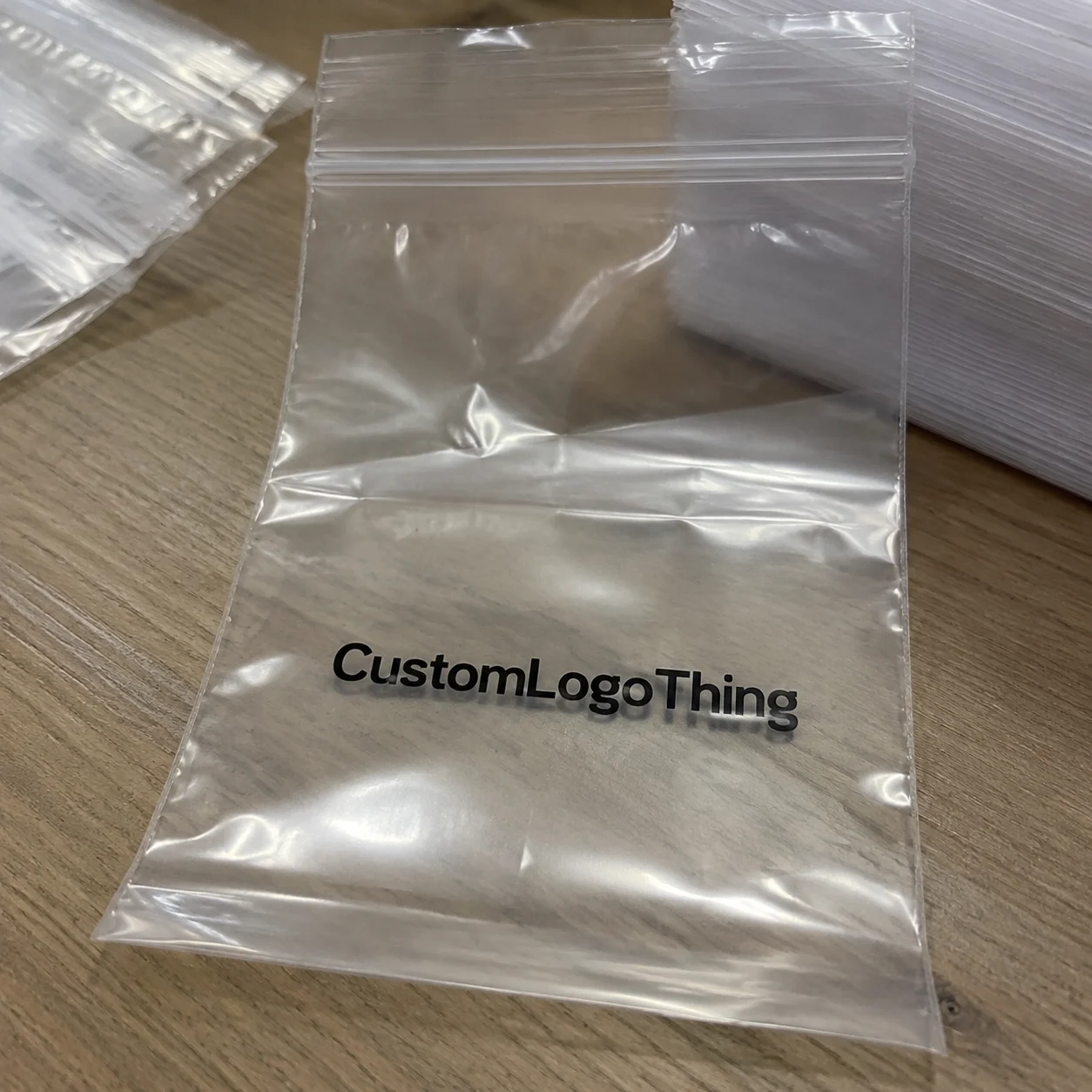
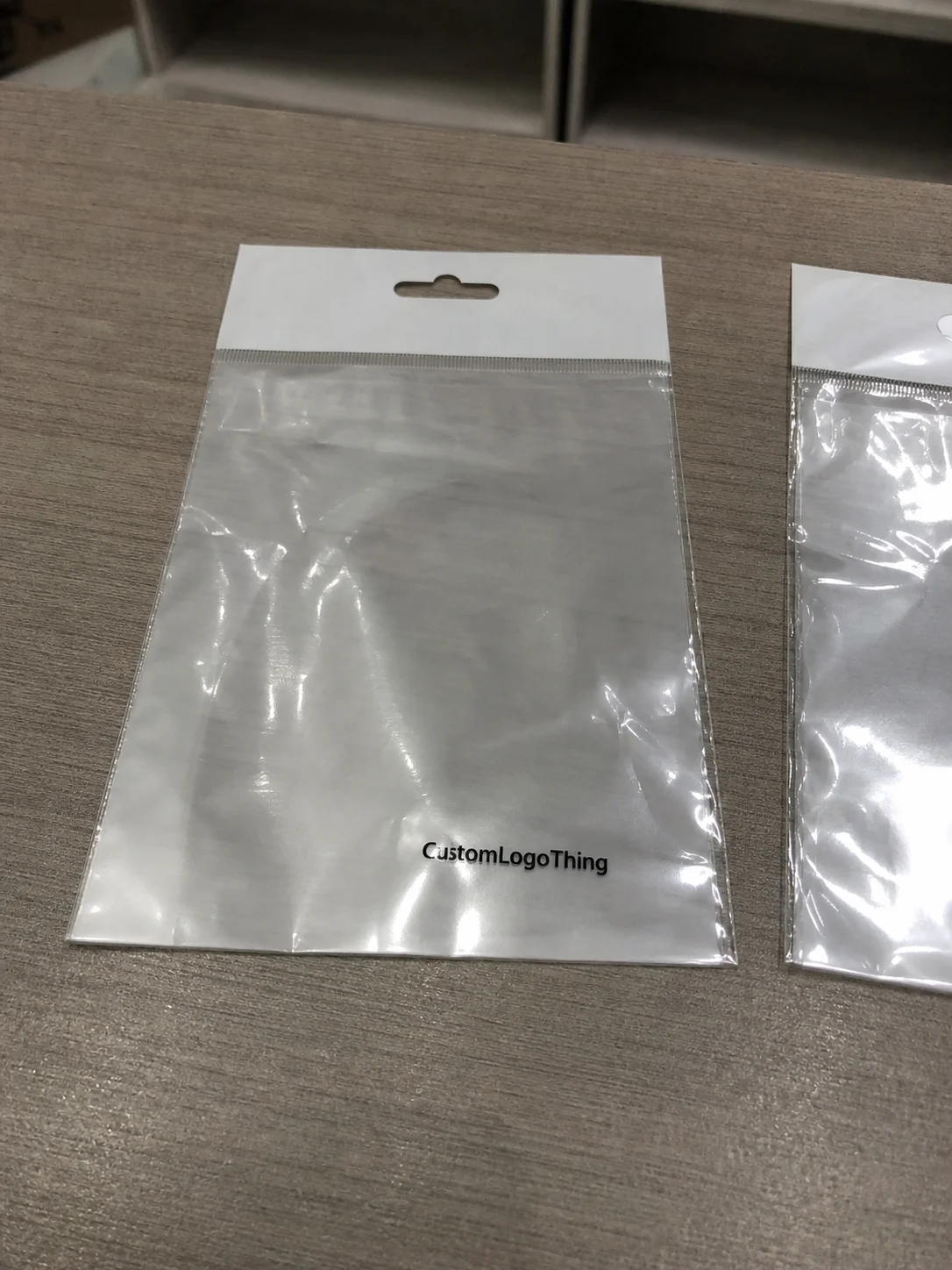
Buyer Fit Snapshot
| Best fit | Printed Poly Mailers for Ecommerce projects where brand print, material claims, artwork control, MOQ, and repeat-order consistency need to be specified before quoting. |
|---|---|
| Quote inputs | Share finished size, material target, print colors, finish, packing count, annual reorder estimate, ship-to region, and any compliance wording. |
| Proofing check | Approve dieline scale, logo placement, barcode or warning zones, color tolerance, closure strength, and carton packing before bulk production. |
| Main risk | Vague material claims, crowded artwork, missing packing details, or unclear freight terms can make a low unit price expensive after revisions. |
Fast answer: Printed Poly Mailers for Ecommerce: Production Spec, Color Control, and Delivery Risk should be specified like a repeatable production item. The safest quote records material, print method, finish, artwork proof, packing count, and reorder notes in one written spec.
Production checks before approval
Compare the actual filled-product size with the drawing, then confirm tolerance on folds, seals, hang holes, label areas, and retail display edges. Reserve space for logos, QR codes, warning copy, and material claims before decorative graphics fill the panel.
Quote comparison points
Review material grade, print process, finish, sampling route, tooling charges, carton quantity, and freight assumptions side by side. A quote is only useful when the supplier can repeat the same color, closure quality, and packing count on the next order.
I still remember a factory audit in Dongguan where two fashion brands shipped nearly identical black leggings: same AOV band ($42–$48), same carrier mix, same delivery zones. One posted a 22% higher repeat-order rate over 90 days. A meaningful slice of that gap traced back to Printed Poly Mailers for ecommerce and immediate brand recognition at the doorstep. Same product quality. Different packaging memory. I wrote that note in my audit log three times because I honestly didn’t trust it at first.
I’m Sarah Chen. I built and sold a packaging brand after 12 years spent arguing over plate fees, resin surcharges, and late-night WeChat photos of color proofs under terrible warehouse lighting (the kind that makes every color look like sad gray soup). I’ve negotiated with suppliers in Shenzhen, Wenzhou, and Ho Chi Minh City, and I’ve watched brands burn $18,000 on the wrong mailer spec because they chased the lowest quote. Printed Poly Mailers for ecommerce often get treated like a design accessory when they’re actually an operations decision wearing a design costume.
If you’re deciding on Printed Poly Mailers for ecommerce, this guide gives you practical detail: specs, costs, lead times, testing standards, and the repeat mistakes that show up quarter after quarter. I’ve made a few of those mistakes myself, which is why I’m mildly allergic to “trust me, it’ll be fine” packaging conversations.
What Printed Poly Mailers for Ecommerce Really Do
Printed poly mailers for ecommerce are lightweight plastic shipping envelopes, typically made from PE film (polyethylene) or co-extruded layers, printed with logos, brand colors, campaign messaging, QR codes, and handling prompts like “Open Here” or return instructions. Simple format. Big downstream effects when specified correctly.
They sit between plain polymailers and full corrugated cartons. For non-fragile products, they frequently beat boxes on shipping cost because dimensional weight stays lower. Against padded mailers, Custom Printed Poly mailers for ecommerce are often cheaper per unit at volume, especially once you cross roughly 10,000 units.
Typical use cases I’ve seen perform well:
- Apparel (tees, dresses, activewear) packed in 2.0–2.5 mil film
- Soft goods (scarves, socks, plush accessories)
- Low-break-risk accessories (phone cases, fabric belts, hats)
- Subscription refills (beauty pouches, wellness sachets)
- Document + soft product combo shipments under 1.5 lb
The upside is measurable: lower package weight, weather resistance, faster pack-and-seal handling, and stronger brand recall. I’ve seen fulfillment lines cut 1.8 seconds per order after switching from box-and-tape workflows to peel-and-seal mailers. That sounds tiny until you run the math at 8,000 orders a day. Then it stops sounding tiny real fast.
Still, printed poly mailers for ecommerce are not protective armor. Ship glass droppers or ceramic jars in bare mailers and damage claims will follow. Pair mailers with internal protection—kraft wrap, honeycomb paper, foam sleeves, or molded inserts—based on fragility. One client insisted a 3.0 mil mailer could protect candle jars. It couldn’t. Their first carrier damage report hit 9.4%. We moved breakables to E-flute cartons and kept mailers for wax melts only. Damage dropped below 1.2% within five weeks.
Most teams miss the bigger point: packaging is treated as a pure expense line, yet it can act like a micro-billboard in every apartment lobby and on every porch. You can measure that effect. Add a QR code with UTM tracking and compare scan rates by design version. A beauty brand I worked with recorded 3.1% scan-through on a bold magenta mailer versus 0.9% on plain white. Same product. Same offer. Different visual trigger.
How Printed Poly Mailers for Ecommerce Work in Real Shipping
Construction first. Most printed poly mailers for ecommerce use either mono-layer PE film or co-extruded film. Co-extruded variants usually pair an outer printable layer with an inner strength layer. Thickness is measured in mil (1 mil = 0.001 inch). Common ranges:
- 2.0 mil: lightweight apparel, shorter domestic routes
- 2.5 mil: common ecommerce baseline, balanced cost and puncture resistance
- 3.0 mil+: heavier garments, longer routes, rough-handling zones
Seal-strip performance gets underestimated constantly. A quality hot-melt adhesive can hold through 35°C summer trailers and cold drops near 0°C if the formulation fits the lane. Dual-seal strips (one outbound, one return) add cost—usually +$0.01 to +$0.03 per unit depending on width and order volume—but they can reduce return friction for DTC brands running 12%+ return rates.
Print method drives both quality and MOQ economics:
- Flexographic: strong fit for high volume and simpler artwork, usually 1–4 colors; plate costs apply.
- Rotogravure: richer solids and finer detail; higher setup cost, excellent output at scale.
- Digital: short runs and frequent artwork changes, no plates; higher per-unit price.
I’ve run all three. For a 5,000-unit launch test with frequent creative updates, digital often protects your timeline and your sanity. For stable 100,000-unit programs, flexo or gravure usually wins on unit economics. I remember one quarter where marketing changed artwork four times in six weeks; digital saved us from a warehouse full of obsolete bags and from me writing an apology email at 1:30 a.m.
Your fulfillment workflow still determines final outcomes: pick, pack, seal, label, sort, carrier handoff, last-mile delivery. Print placement on printed poly mailers for ecommerce needs a quiet zone for shipping labels and barcode scans. I recommend a blank panel of at least 4 x 6 inches with strong contrast. Dark full-bleed art under labels can hurt scan rates and trigger manual handling delays. I watched this happen in a New Jersey 3PL: misread labels climbed from 0.4% to 2.2% after a redesign added dense patterns behind the label area. Beautiful bag. Terrible scan performance.
Transit conditions are rarely gentle: conveyor abrasion, bag-to-bag friction, rain at the doorstep, tote compression. Ink chemistry and surface treatments matter. If your design uses heavy dark coverage, request rub-resistance testing and define acceptable scuff levels in your QC sheet. Skip that, and you get the classic outcome: “looked great at factory, looked tired at delivery.”
Sustainability options for printed poly mailers for ecommerce are available, but claim language gets sloppy quickly. You can source PCR-content mailers (for example, 30% post-consumer recycled LDPE) or recyclable mono-material formats where store-dropoff streams exist. Ask for documentation, not marketing copy. For responsible forestry claims tied to paper inserts, verify through FSC. For recycling-language references, cross-check guidance through EPA resources. And a quick reality check: recycling access varies by ZIP code, so your on-pack claim should match actual disposal routes in your core markets.
Cost Breakdown: What Printed Poly Mailers for Ecommerce Actually Cost
This is the first question in almost every kickoff call: “What do printed poly mailers for ecommerce cost?” Honest answer: price depends on size, mil thickness, print method, color count, resin movement, and order volume. Useful ranges still exist.
| Scenario | Spec Example | Setup / Plate Cost | Unit Price Range | Estimated Lead Time |
|---|---|---|---|---|
| Small test run (digital) | 10 x 13", 2.5 mil, full print | $0–$150 | $0.28–$0.45 @ 2,000–5,000 pcs | 10–18 business days + freight |
| Mid-volume (flexo) | 10 x 13", 2.5 mil, 2-color | $250–$900 plates | $0.12–$0.21 @ 10,000–30,000 pcs | 15–25 business days + freight |
| Large volume (gravure/flexo) | 10 x 13", 2.5–3.0 mil, 3-color | $800–$2,500 cylinders/plates | $0.06–$0.13 @ 50,000–250,000 pcs | 20–35 business days + freight |
At 5,000 units, printed poly mailers for ecommerce may land around $0.18–$0.32 each for a standard size. At 50,000 units, you may see $0.08–$0.14. Scale changes the decision quickly.
Hidden costs that get ignored until finance escalates:
- Freight from factory (ocean + local drayage or air express)
- Color-matching proofs (Pantone targets can add $60–$300 per round)
- Rush production fees (10%–30% premiums are common)
- Warehouse storage and palletization charges
- Versioning SKUs for seasonal campaigns
Material choice can move price fast. Virgin resin often offers more stable color and process behavior. PCR blends can cost more or less depending on market conditions and quality grade. White film usually prints more consistently than custom base-color film. A second adhesive strip raises unit cost but may reduce return-friction costs if your customer base returns frequently.
Total cost of ownership separates strong teams from reactive teams. If printed poly mailers for ecommerce reduce shipping weight versus cartons, postage savings can offset higher custom print spend. I’ve seen a streetwear brand cut average postage by $0.62 per order after moving 70% of shipments from cartons to 2.5 mil mailers. They spent about $0.05 more per package on custom printing and still improved margin. That’s the finance conversation worth having: not “What’s the cheapest bag?” but “What’s the cheapest shipped order?”
“The cheap quote cost us twice. First in reprints, then in angry customer photos.” — DTC founder I worked with after a failed 20,000-unit run
Negotiation tip from hard experience: request volume ladders in writing (10k, 25k, 50k, 100k), and lock a resin-index adjustment formula before the PO is signed. If a vendor says “we’ll decide later,” that later usually arrives as a price surprise. Usually at the worst possible timing, because of course it does.
If you’re evaluating formats beyond mailers, review your lineup at Custom Packaging Products. If mailers are the priority, start with Custom Poly Mailers and align spec sheets before quoting.
Step-by-Step: Design, Sampling, and Production Timeline
Most delays tied to printed poly mailers for ecommerce happen before production starts: wrong files, incomplete dimensions, no fit matrix, unclear approval ownership. Then timelines slip and everyone acts surprised. I used to be surprised too. I’m not anymore.
Step 1: Define a product fit matrix
Map top SKUs by packed dimensions, not flat product measurements. Include polybag, fold style, and tolerance. I usually add 10–20 mm expansion tolerance plus seal margin that avoids overstuffing. Overstuffed mailers fail first at seals and corners.
Step 2: Build artwork files correctly
Use vector logos (AI, EPS, print-ready PDF), Pantone references, outlined fonts, and clear bleed/safe zones. Mark barcode exclusion zones and shipping-label quiet areas. For printed poly mailers for ecommerce, I recommend a locked no-art panel for 4x6 labels to protect scan reliability.
Step 3: Choose print process by MOQ and reorder rhythm
Monthly reorders with stable graphics usually favor flexo or gravure economics. Campaign artwork changing every four weeks can make digital cheaper overall despite higher unit cost, since you avoid repeated plate charges and dead stock.
Step 4: Review prepress proof and physical sample
Screen approval alone is risky. Get a physical sample. Test seal strength, rub resistance, and label-scan readability. I use a basic rub test plus simulated conveyor contact. If dark ink transfers too easily, fix it before mass production. I once rubbed a sample against a corrugated edge ten times and ended up with black ink on my palm like I’d been fingerprinted at a police station.
Step 5: Pilot batch and pack-out simulation
Run a pilot with actual products and real shipping labels. Test at least two carrier services if possible. With printed poly mailers for ecommerce, pilots catch practical issues early—seal contamination from garment lint, label wrinkling on textured ink zones, or awkward pack motions that slow throughput.
Step 6: Full production with QA checkpoints
Define AQL before production (for example, AQL 2.5 major defects, 4.0 minor). Confirm color tolerance, dimension tolerance, and adhesive standards in writing. If a supplier can’t explain their in-line QC method clearly, treat that as a warning sign.
Lead times vary by region and process. Common ranges:
- Artwork + prepress: 2–5 business days
- Physical sample: 4–10 business days
- Production: 10–30 business days (digital faster, gravure/flexo slower)
- Air freight: 3–10 days door-to-door
- Ocean freight: 20–45 days depending on lane and customs
Add buffer every time. Customs holds and internal approval delays are normal operating conditions, not rare exceptions. I advise teams to keep at least 4–6 weeks of safety stock once printed poly mailers for ecommerce are live at volume. The one time you don’t build buffer is the one time your shipment decides it’s gonna take an unexpected vacation at port.
Simple launch checklist for lean teams:
- Identify top 20 SKUs by order volume.
- Pick 2–3 mailer sizes covering about 80% of orders.
- Finalize artwork zones (logo, label area, QR code, legal text).
- Request digital proof and physical sample.
- Run a one-week pilot with real orders.
- Track damage, scan failures, packing speed, and customer feedback.
- Approve scaled PO with reorder triggers.
Key Factors That Make or Break Performance
Right-sizing comes first. Too large, and products shift, corners catch, and postage can creep upward. Too tight, and seals strain or pop. I’ve audited operations using one oversized mailer for 14 SKUs “for simplicity,” and average shipping cost rose by $0.37 per order. That isn’t simplification; it’s margin leakage.
Film thickness and puncture resistance come next. Printed poly mailers for ecommerce handling lightweight tees on short routes can survive at 2.0 mil. Heavy hoodies or long-haul routes often need 2.5–3.0 mil. Specs should match route distance and handling profile, not guesswork.
Adhesive performance under temperature swings matters more than spec sheets suggest. A strip sealing well at 22°C may underperform in hot trailers or cold dock conditions. Request test data and run your own stress checks. Tamper-evidence expectations also shift by category; beauty and wellness usually demand stronger closure confidence than low-risk accessories.
Color consistency across runs and factories deserves strict controls. If your brand color is tight, document Pantone targets and acceptable Delta E range. I’ve seen teams split orders across two plants with no color tolerance spec, then wonder why one batch looked muted and the other oversaturated. Same PMS callout on paper, two very different porch experiences.
Compliance language and markings are not optional details. Destination markets may require suffocation warnings, recycling marks, or specific text placement. For shipping benchmarks and transit-validation frameworks, review standards from ISTA. Copying compliance text from a competitor bag is a risky shortcut.
Operational fit rounds out the list. Printed poly mailers for ecommerce need to work with your real line setup: auto-baggers, label applicators, scanner stations, and pick-pack pace. A design that looks premium but slows packers by two seconds per order can erase projected gains quietly and fast.
Common Mistakes Brands Make with Printed Poly Mailers for Ecommerce
Mistake #1: choosing solely on the lowest quote. I’ve watched a $0.03/unit savings turn into $9,400 in reprints after seal failures and smeared graphics. Cheap can become expensive very quickly.
Mistake #2: overdesigning. Heavy full-coverage ink can look great in mockups, then scuff on conveyors. Keep critical visuals high-contrast and move dark blocks away from high-friction zones where possible.
Mistake #3: trusting desk samples only. Printed poly mailers for ecommerce need transit tests: abrasion, drop simulation, label-scan checks, moisture exposure. Conference-room aesthetics don’t predict lane performance. I know this sounds obvious, but I still see teams approve from a Zoom screenshot and a single hero photo.
Mistake #4: forcing one universal size for everything. That choice often adds shipping cost, increases product movement, and raises damage risk on awkward fits.
Mistake #5: skipping reorder planning. Stockouts follow, then teams scramble into plain emergency mailers at double freight cost. Reorder points tied to weekly burn and lead-time buffer prevent this pattern.
Mistake #6: vague eco claims. “Eco-friendly” without documentation is fluff. Request PCR-percentage proof, material declarations, and market-specific recycling claim guidance.
Mistake #7: no print-standards document. Without a spec sheet, runs drift over time. Build a one-page control doc listing size tolerance, thickness, color targets, label quiet zone, adhesive requirements, and defect thresholds.
Expert Tips and Next Steps for Launching Printed Poly Mailers for Ecommerce
Need a practical 30-day rollout for printed poly mailers for ecommerce? Use this framework:
- Days 1–3: Audit current shipments by SKU, size, weight, and damage rate.
- Days 4–6: Select 2–3 core sizes covering roughly 80% of volume.
- Days 7–10: Request dielines and quotes from 2–4 suppliers.
- Days 11–14: Finalize artwork and barcode-safe layout.
- Days 15–20: Receive sample batch and run one week of pack tests.
- Days 21–24: Compare metrics: damage rate, fulfillment speed, and cost/order.
- Days 25–30: Place scaled PO with reorder triggers and QC clauses.
Supplier brief template I use in client kickoffs (steal it):
- Mailer size(s): e.g., 10 x 13", 14.5 x 19"
- Film spec: e.g., co-ex PE, 2.5 mil, white exterior/grey interior
- Print: 2-color flexo, Pantone refs included
- Adhesive: single or dual strip, peel-force expectations
- Artwork rules: vector files, bleed, label quiet zone
- MOQ target: e.g., 10,000 per size
- Quality standards: AQL levels, defect definitions, color tolerance
- Lead time commitment: production + freight windows
- Documentation: PCR certs, compliance labels, test reports
Post-launch KPIs for printed poly mailers for ecommerce should be simple and numeric:
- Delivery damage rate (% of orders)
- Fulfillment speed (seconds per packed order)
- Packaging cost per order (fully loaded)
- Repeat purchase rate (30/60/90-day windows)
- Return handling speed and customer effort score
Rollout strategy: start with best-selling SKUs first. Don’t force a full-catalog switch on day one. Validate on high-volume items, then expand once the data supports scaling. That protects margin and avoids dramatic all-hands packaging fire drills. I’ve been in those fire drills; nobody looks back on them fondly.
Final takeaway: treat printed poly mailers for ecommerce like an operating system, not a decoration. Write the spec sheet, run a pilot with real orders, and approve scale only after you have data on damage rate, scan success, pack speed, and total shipped cost. If you do those four things, you’ll know exactly which mailer program is worth rolling out—and you won’t be making a kinda expensive guess.
FAQ
Are printed poly mailers for ecommerce cheaper than custom boxes?
Usually, yes. Unit cost and shipping weight are often lower for non-fragile products. Run the comparison on fully landed cost: postage, damage rates, and packing labor time. For fragile items that require inserts, savings can narrow or disappear.
What size printed poly mailers for ecommerce should I order first?
Start with 2–3 sizes that cover about 80% of your order volume. Use packed dimensions, then add expansion tolerance and seal margin. Run a one-week pack test before placing a large PO.
How long does it take to produce printed poly mailers for ecommerce?
A typical timeline includes artwork setup, proofing, sampling, production, and freight. Digital runs can move faster at low MOQ. Flexo and gravure often take longer but usually scale better. Build in safety buffer for customs and internal approvals.
Can printed poly mailers for ecommerce be eco-friendly?
Yes, with caveats. Common options include PCR-content film and recyclable mono-material formats. Verify supplier documentation and claim language before publishing sustainability statements, and confirm local recycling access in your key markets so claims stay accurate.
What artwork files do suppliers need for printed poly mailers for ecommerce?
Standard files include vector AI/PDF/EPS, Pantone references, and outlined fonts. Include dieline placement, barcode-safe zones, and bleed/safe margins. Request both a digital proof and a physical sample before mass production.