Buyer Fit Snapshot
| Best fit | Product Packaging Pricing projects where brand print, material claims, artwork control, MOQ, and repeat-order consistency need to be specified before quoting. |
|---|---|
| Quote inputs | Share finished size, material target, print colors, finish, packing count, annual reorder estimate, ship-to region, and any compliance wording. |
| Proofing check | Approve dieline scale, logo placement, barcode or warning zones, color tolerance, closure strength, and carton packing before bulk production. |
| Main risk | Vague material claims, crowded artwork, missing packing details, or unclear freight terms can make a low unit price expensive after revisions. |
Fast answer: Product Packaging Pricing: Production Spec, Color Control, and Delivery Risk should be specified like a repeatable production item. The safest quote records material, print method, finish, artwork proof, packing count, and reorder notes in one written spec.
Production checks before approval
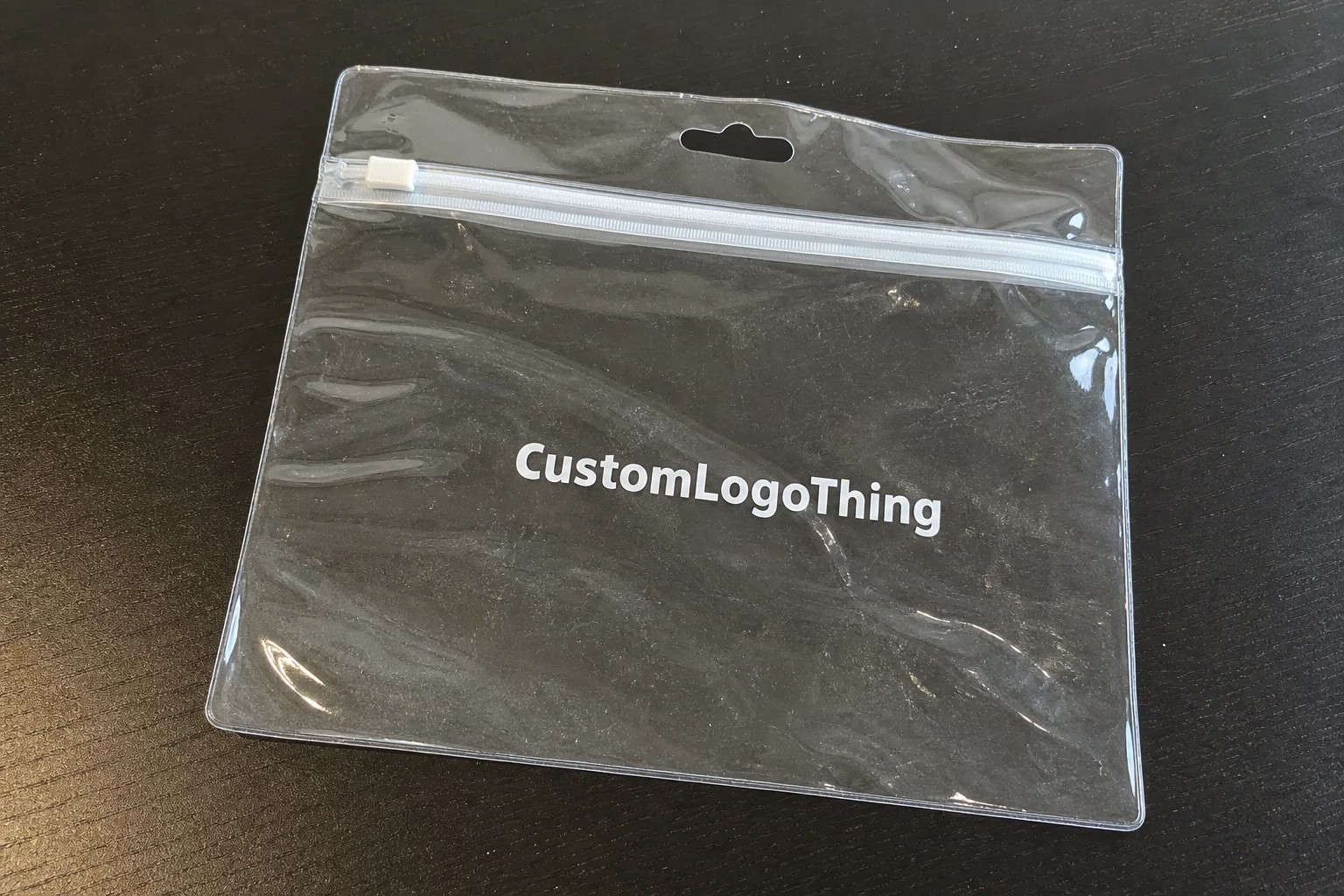
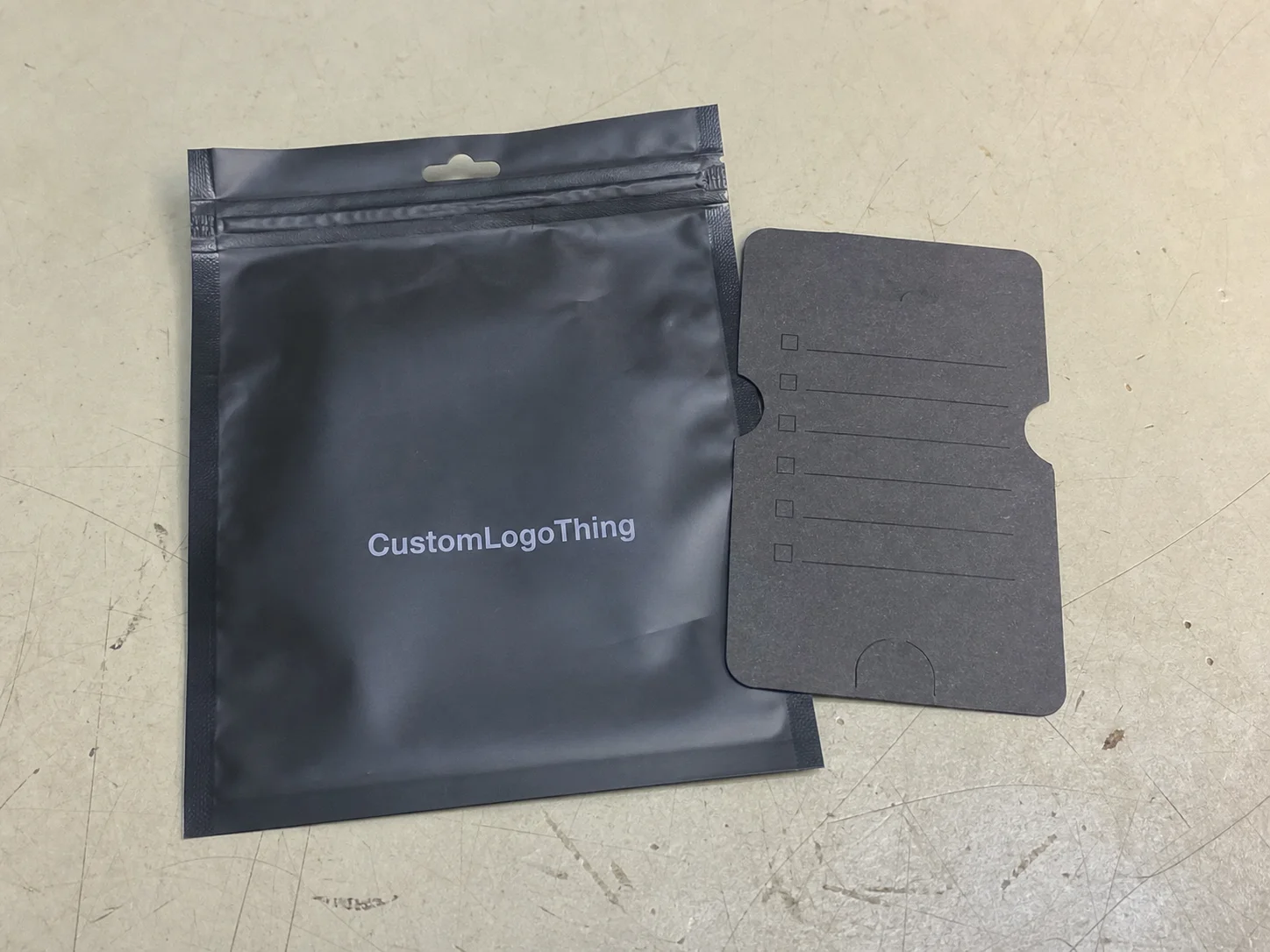
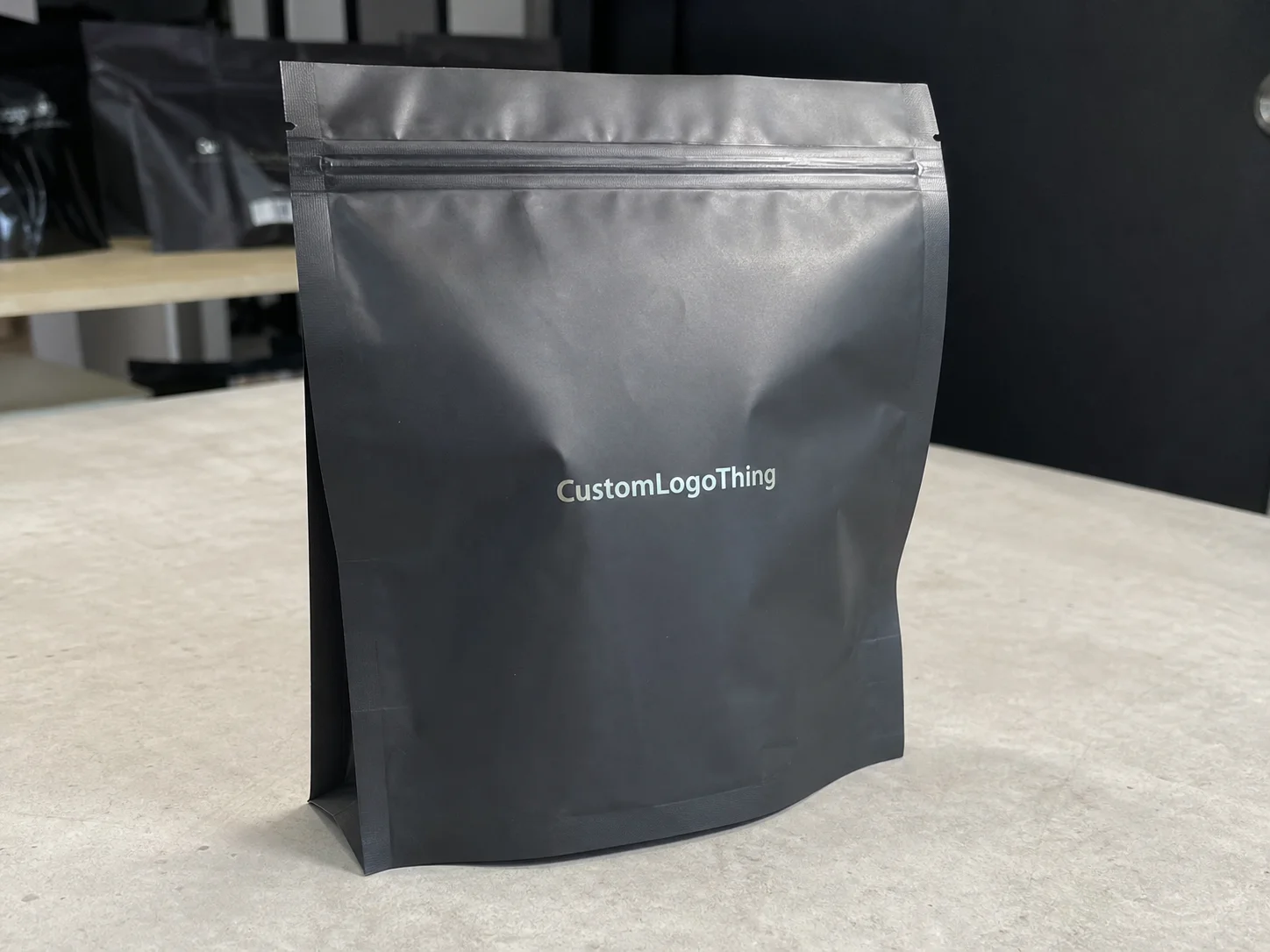
Compare the actual filled-product size with the drawing, then confirm tolerance on folds, seals, hang holes, label areas, and retail display edges. Reserve space for logos, QR codes, warning copy, and material claims before decorative graphics fill the panel.
Quote comparison points
Review material grade, print process, finish, sampling route, tooling charges, carton quantity, and freight assumptions side by side. A quote is only useful when the supplier can repeat the same color, closure quality, and packing count on the next order.
I’ve spent 12 years in custom printing, and one thing still makes buyers blink: two boxes that look almost identical can differ by 30% to 60% in price. That’s why a product packaging pricing guide matters. It keeps you from getting hypnotized by a pretty mockup and missing the boring stuff that actually changes the invoice. And honestly, the boring stuff is where the money hides. On a 5,000-unit order, a difference of $0.17 per unit is $850. That pays for freight, sample revisions, or a very uncomfortable lunch with finance.
I remember a factory visit in Shenzhen where I stood next to two Custom Printed Boxes that both looked like “simple matte cartons” to the untrained eye. One used 400gsm paperboard with a soft-touch film and a tight spot UV pattern. The other used 350gsm C1S with standard aqueous coating. Same footprint. Same retail shelf goal. The quote difference? Just under 41% before freight, with the softer-touch version landing at $0.68/unit and the simpler carton at $0.41/unit on a 10,000-piece run. That’s not a typo. That’s the kind of gap a product packaging pricing guide exists to explain.
If you’re budgeting product packaging for a launch, a reorder, or a full packaging redesign, You Need to Know what’s inside the quote. Materials, tooling, labor, freight, finishing, margin. All of it. “Same size” does not mean “same cost.” I’ve seen brands pay premium rates for a simple-looking box because they quietly asked for a metallic film, a custom insert, and a magnetic flap. Pretty? Sure. Cheap? Not remotely. A 6 x 4 x 2 inch folding carton in 18pt SBS is a different job from a 6 x 4 x 2 inch rigid setup box with wrapped chipboard, EVA foam, and a satin ribbon pull. Packaging has a nasty habit of laughing at wishful thinking.
Product Packaging Pricing Guide: Why Quotes Swing So Widely
A quote is not a single number pulled out of the air. It’s a bundle. A real product packaging pricing guide starts there, because quotes usually include structural design, paper or board stock, printing method, finishing, assembly, quality checks, freight, and the supplier’s margin. If one vendor says $0.62 per unit and another says $0.89, the difference is usually hiding in one of those buckets. On a 7,500-piece run, that spread becomes $2,025 before you even add pallets, carton counts, or customs.
I remember a client meeting in Chicago where two buyers argued for 20 minutes over a $0.14 gap on a folding carton. Then we compared the specs. One quote had offset printing, matte AQ coating, and flat-packed shipping from a domestic converter in Ohio. The other had digital print, soft-touch lamination, and overseas freight baked in from a supplier near Dongguan, China. Same outer dimensions. Completely different economics. That’s why any serious product packaging pricing guide has to compare line items, not vibes.
“Same size” means nothing without board grade and construction details. A 6 x 4 x 2 inch box made from 16pt SBS with no insert is not the same animal as a 6 x 4 x 2 inch box in rigid setup with wrapped chipboard and a custom foam tray. One might cost $0.38 at 5,000 units. The other can land at $1.75 or more, depending on finish and shipping. Packaging does not care about your expectations. It only cares about materials and labor. If you need a proof timeline, that simple SBS carton can often be sampled in 3 to 5 business days, while the rigid version may need 7 to 10 business days before production starts.
“I only need a simple box” is usually code for “I haven’t looked at the spec sheet yet.”
Smart buyers compare total landed cost, not just the unit price. That means packaging cost plus freight, customs if applicable, pallets, assembly, and any pre-production charges. I’ve seen brands choose the “cheapest” quote and then get buried by $1,200 in freight, $450 in tooling, and $300 for rush proofing. Lovely surprise. Terrible budgeting. On a shipment moving from Shenzhen to Los Angeles, ocean freight on a 20-foot container can add $2,400 to $4,800 depending on fuel surcharges and season, which makes a low unit price look a lot less heroic.
One more real-world example from a negotiation with a Midwest converter in Milwaukee: the quote looked high until I asked whether it included plate charges and stored tooling for repeat orders. It did. The competitor’s quote was lower by $0.06 per unit, but they wanted a fresh setup fee on every reorder. Over three runs, the “cheaper” vendor turned out to be $2,700 more expensive. That’s the kind of thing a proper product packaging pricing guide should help you catch.
How Product Packaging Pricing Works
The pricing flow usually starts with a design brief. Dimensions, product weight, shipping destination, retail display needs, target budget, and the level of protection you need. From there, the supplier builds a quote based on structure, print, materials, and finishing. A good product packaging pricing guide breaks this down because people often think the quote begins with a box size. It doesn’t. It begins with the use case. A skincare carton heading to Sephora in New York needs different print consistency than an e-commerce mailer shipping out of Dallas-Fort Worth for a subscription box program.
Here’s the normal sequence I use with buyers: first the spec sheet, then a structural recommendation, then a quote, then samples or dielines, then proof approval, then production. Skip any of those steps and you get problems. Usually expensive ones. In my experience, the worst pricing disputes come from incomplete briefs that leave the supplier guessing about insert type, coating, or shipping method. A clean proof cycle typically takes 2 to 4 business days for artwork review and another 3 to 7 business days for physical samples if the job needs a custom die.
Most suppliers price packaging using some version of these models:
- Per-unit pricing — the headline number you see, like $0.44/unit at 10,000 pieces or $0.71/unit at 2,000 pieces.
- Setup or tooling fees — die cutting, plate setup, embossing dies, or custom insert tooling, often $150 to $800 depending on complexity.
- Plate charges — more common for offset or flexographic printing, typically $75 to $300 per color for smaller jobs.
- Shipping and freight — domestic truck freight, air freight, ocean freight, palletization, or courier delivery.
Quantity changes everything. A run of 500 units can be brutally expensive on a per-unit basis because setup gets spread across fewer pieces. I’ve seen a 500-unit custom mailer quote come back at $2.10/unit while a 5,000-unit version of the same spec dropped to $0.58/unit. That’s not the supplier being dramatic. That’s basic math. A product packaging pricing guide should make that curve obvious before you fall in love with the wrong order size. On a 1,000-unit order, a $265 die charge alone can add $0.265 to every box.
Some suppliers, including large converters like WestRock or specialized regional shops such as McLean Packaging, may structure pricing differently. Bigger operations often have stronger economies of scale and standardized workflows. Smaller local converters in places like Milwaukee, Charlotte, or Orange County can sometimes be more flexible on short runs, rapid revisions, or special handling. Neither is automatically better. It depends on whether you need speed, low unit cost, premium finishing, or a little of all three. Packaging buying is annoyingly non-romantic that way.
MOQ matters too. Minimum order quantities are often set to protect the supplier from setup losses, especially on custom structural packaging. If a vendor says their MOQ is 1,000 or 3,000 units, they’re usually not trying to be rude. They’re telling you where the job stops making sense for their press time and labor model. A solid product packaging pricing guide helps you decide whether to accept the MOQ, redesign for a simpler build, or pay a premium for a smaller volume. If your annual volume is only 2,400 units, a 3,000-piece MOQ may make more sense than re-quoting every quarter.
| Quote Model | Typical Use | Common Cost Range | Watch For |
|---|---|---|---|
| Per-unit only | Simple comparisons | $0.25 to $2.50/unit | May hide setup or freight |
| Unit price + setup | Custom packaging runs | $150 to $800 setup | Tooling can change reorder economics |
| All-in landed quote | Clear budget planning | Varies by destination | Best for apples-to-apples comparison |
If you want a sanity check on sustainability claims while evaluating materials, I also recommend reading the EPA’s packaging waste resources at epa.gov. Material selection affects cost, recyclability, and disposal, and too many brands pretend those are separate conversations. They’re not. A 350gsm C1S artboard carton with aqueous coating behaves very differently from a 2.0mm chipboard rigid box wrapped in laminated printed paper, both in price and in end-of-life handling.
Product Packaging Pricing Guide: Key Cost Factors
Here’s where the product packaging pricing guide gets useful. Cost drivers are predictable if you know what to look for. Material choice is usually the first big lever. Paperboard, corrugated, rigid setup board, recycled stock, specialty substrates, and coated papers all land at different price points. A 18pt SBS folding carton will not price like a 1.5mm rigid box wrapped in printed paper. That sounds obvious, but you’d be amazed how often it gets mixed up in quote reviews. On 5,000 units, the SBS version might sit around $0.36 to $0.49 each, while the rigid build can start near $1.20 before inserts.
I’ve stood on press lines where a buyer approved recycled kraft because it fit the brand story, then later asked why the box print looked less saturated than the coated sample. Because kraft absorbs differently. Because the ink behaves differently. Because physics is rude. If you need a rich black or a sharply detailed logo, your packaging design needs to match the substrate. This is exactly why a product packaging pricing guide should connect aesthetics to material behavior, not just cost. In Hangzhou, I watched a deep black print shift greener on uncoated kraft within 30 minutes of press time because the ink laydown changed with humidity. That’s the kind of detail that matters.
Printing method matters just as much. Digital printing is often the friendliest option for small runs, fast proofing, and variable data. Offset usually wins when the quantity is high enough to absorb plate and setup costs. Flexo is common for corrugated and shipping cartons, especially when speed and volume matter. I’ve seen small digital jobs start around $0.42/unit and offset jobs drop below that at scale once the print run passes 10,000 or 20,000 units. There’s no magic method. Just the right one for the volume. A 2,000-piece digitally printed mailer can be approved in 5 to 7 business days, while offset on a 15,000-piece carton may take 12 to 15 business days from proof approval.
Finishes and embellishments can make a package look expensive fast. Foil stamping, embossing, debossing, spot UV, soft-touch laminate, window patching, and magnetic closures all add cost. Sometimes that cost is worth it. Sometimes it’s pure decoration. I once quoted two skincare brands side by side in Los Angeles. One wanted a full foil logo, soft-touch lamination, and a window patch. The other wanted clean matte print, one spot color, and a simple insert. The second brand saved $0.31/unit and got a stronger margin. Their customers never complained. Funny how that works. A single foil color often adds $0.08 to $0.18 per unit, while soft-touch lamination can add another $0.05 to $0.14 depending on the sheet size and factory location.
Structural complexity is another big one. Custom inserts, multi-piece builds, hidden trays, or die lines with tight tolerances require more labor and more QC. If your packaging design asks for a weird fold sequence or a five-panel insert that only one operator can assemble without losing their patience, the quote will reflect it. In one factory visit in Dongguan, a line supervisor showed me a stack of rejected trays because the fold tolerance was off by 1.5mm. That tiny error created an entire pallet of scrap. A useful product packaging pricing guide has to account for waste, because waste is part of the real cost. If scrap runs 4% on a 20,000-piece job, that is 800 units worth of material sitting in the bin.
Order size and repeatability shape price in a very obvious way. Larger runs spread setup costs out, which drops unit price. Reorders are usually cheaper if the tooling is stored and the spec stays frozen. If the supplier has to remake dies, plates, or samples every time, you’re paying for the privilege of changing your mind. I say that with love. I’ve paid those fees myself. A stored die in Chicago might save $180 to $350 on the next run, and a saved plate set can trim another $120 to $240 depending on color count.
Freight and assembly are the hidden troublemakers. Flat shipping can save space and money for folding cartons, while rigid boxes and assembled kits may need more volume and more handling. Domestic logistics can be easier to manage, but overseas freight sometimes beats local pricing on pure unit cost if the order is large enough. Then you add customs, transit time, and the risk of damage. That’s why your product packaging pricing guide should always ask: is this price ex-factory, FOB, or landed? A carton price in Ningbo is one thing; the same carton delivered to Atlanta is another.
For brands that care about certification and sourcing, FSC can matter both for compliance and for buyer confidence. If you need chain-of-custody claims, check the standard at fsc.org. I’ve had retail buyers reject packaging specs that were otherwise fine because the documentation trail was incomplete. The paper looked good. The paperwork did not. A chain-of-custody certificate dated within the last 12 months is often enough to keep a retailer’s compliance team from asking ten extra questions.
Three things can change the number faster than people expect: finish choice, insert complexity, and shipping method. Those are the first places I look when a quote feels weird. Not always the cheapest material. Not always the printer. Usually one of those three. A move from soft-touch lamination to aqueous coating alone can save $0.07 to $0.12 per unit on a 10,000-piece carton.
Step-by-Step Process: From Quote to Delivery
A good product packaging pricing guide isn’t just about cost. It also helps you manage the timeline. A package that arrives two days after your launch is not a bargain. It’s a headache with a freight bill. I’ve watched a brand spend $9,500 on a shoot and then hold the product back for 11 days because the cartons were still on the water. The box savings did not feel impressive after that.
Step 1: Define your packaging needs. Start with product dimensions, weight, fragility, and where the package will live. Shelf display? E-commerce shipping? Subscription kit? Gift packaging? A 300g serum bottle has very different requirements than a ceramic mug or a Bluetooth speaker. If you need protection, say so. If retail presentation matters more, say that instead. Clear inputs save money immediately. A 6.5 x 2.25 inch serum bottle in a mailer is not the same quote as a 12-ounce candle in a gift rigid.
Step 2: Choose your style and priorities. Folding carton, mailer box, rigid box, corrugated shippers, insert trays, sleeves, or something else. Then separate must-haves from nice-to-haves. I often tell clients to choose three priorities maximum: lower cost, premium appearance, or shipping durability. You can have all three sometimes. Just not for free. If your target is under $0.55/unit at 5,000 pieces, you probably need to limit extra finishing and keep the insert simple.
Step 3: Quote with identical specs. This is where most buyers mess up. One supplier gets “matte box with logo,” another gets “350gsm C1S folding carton, 4-color CMYK, matte AQ, no insert, shipped to Dallas.” Those are not the same request. A proper product packaging pricing guide should push you to send the exact same spec sheet to every vendor so the numbers mean something. I always include the same carton count, pallet height, and delivery ZIP code, because shipping from Shenzhen to Dallas is not the same as shipping from Philadelphia.
Step 4: Review dielines, samples, and proofs. I never approve production from a pretty render alone. Physical samples catch real issues: incorrect flap fit, weak glue lines, awkward insert tension, or a logo sitting too close to the fold. In one supplier review, a client approved a dieline that looked fine onscreen but created a 2mm overlap at the tuck flap. The fix cost $180. Catching it before production saved nearly $900 in rework. A sampled rigid box often takes 5 to 8 business days, while a simple folding carton sample can come back in 3 to 4 business days if the factory already has the die ready.
Step 5: Understand the timeline. Sampling may take 3 to 7 business days, depending on complexity. Production can run 10 to 20 business days for many custom jobs. Transit adds another 2 to 30 days depending on origin and destination. If a supplier promises a “fast” turnaround but can’t explain proof time, tooling time, and freight time, that’s not a schedule. That’s optimism with a logo. For standard orders out of Guangdong, production is often 12 to 15 business days from proof approval, plus 3 to 5 days for carton consolidation before pickup.
Step 6: Build buffer time. Trade shows, launch dates, retailer receiving windows, and fulfillment prep all eat time. I’ve seen brands spend $14,000 on a product launch campaign and then gamble the packaging on a tight freight window to save $300. That math hurts me every time. Good project planning protects the packaging budget and the rest of the launch. If your launch is in Austin on June 14, your cartons should be in-house by June 1, not “some time that week.”
Here’s a quick comparison of common packaging paths:
| Packaging Path | Typical Timeline | Best For | Main Tradeoff |
|---|---|---|---|
| Digital custom boxes | 7 to 14 business days after proof | Small runs, fast testing | Higher unit cost at scale |
| Offset folding cartons | 12 to 20 business days after approval | Mid to large runs | Setup fees and plates |
| Rigid custom packaging | 15 to 25 business days after sample sign-off | Luxury retail packaging | More labor and freight volume |
That table is the short version. The real world adds revisions, supplier backlog, and shipping delays. Your product packaging pricing guide should never assume perfect conditions. Perfect conditions are rare. Packaging factories are busy. Your project is important, but so is everyone else’s. In peak season around Q4, a factory in Guangzhou might add 3 to 5 extra business days just because every buyer suddenly remembered they needed gift boxes in November.
Common Pricing Mistakes Buyers Make
The most expensive mistake is comparing quotes without checking the spec. I’ve seen buyers choose a “better” price only to realize the competitor quote used thinner board, a simpler finish, and no insert. That’s not a lower price. That’s a different product packaging definition. A good product packaging pricing guide should protect you from that comparison trap. A 16pt carton at $0.31/unit is not a fair comparison to a 24pt carton at $0.39/unit if one ships in a retail-ready tray and the other does not.
Another classic: forgetting tooling, freight, or assembly until after the PO is signed. I once had a client cheerfully approve a quote for branded packaging, then discover the tooling fee for a custom insert was an extra $420. Not outrageous, but not invisible either. The quote had just tucked it into a separate line item. The lesson? Read every line. Packaging quotes are very polite about hiding money in footnotes. If the supplier is in Suzhou and your warehouse is in Columbus, the freight line is not decoration.
Cheapest unit price is not always cheapest total cost. If a low-cost box has a higher damage rate, you’ll pay for reprints, returns, or customer complaints. I’ve seen a subscription brand save $0.09/unit by switching to thinner board, then lose much more on crushed corners during fulfillment. The product packaging pricing guide should help you weigh cost against protection. A pretty box that fails in transit is just expensive recycling. One brand I worked with had a 6% damage rate on lightweight mailers out of a warehouse in Phoenix. Switching to stronger corrugated cut losses by nearly 4 points and paid for itself in one quarter.
People also overspecify finishes. Just because a box can have foil, embossing, spot UV, and a magnetic clasp does not mean all four belong on the same job. I’m not anti-decoration. I love a great finish when it supports package branding. But if the retail shelf is already crowded and your logo is strong, simple can work better. I’ve seen clean two-color packaging outperform overly decorated boxes because it looked more premium, not less. A single deep navy ink plus a matte varnish can beat a five-effect build that costs $0.29 more per unit.
And then there’s the margin problem. Some buyers build packaging first and pricing second. That’s backwards. Your packaging budget should connect directly to the product’s gross margin and channel economics. If your item sells for $24 and you’re trying to force a $3.25 rigid box into the budget, something has to give. Usually that “something” is profitability. A practical product packaging pricing guide starts with the margin, not the mood board. If your target COGS allows $1.10 for packaging, don’t let a shiny sample push you to $1.72.
During one negotiation with a distributor in Atlanta, I pushed them to compare a matte laminated carton versus a lighter uncoated version with stronger print contrast. They had been ready to spend an extra $0.27/unit on finish alone. We changed the color system, reduced a foil accent, and kept the shelf presence. They saved enough to improve inserts and still shaved $1,350 off the first run. That is what good packaging design does: it spends money where customers notice it.
Expert Tips to Lower Packaging Costs Without Cheapening the Brand
If I had to summarize every useful product packaging pricing guide into one sentence, it would be this: reduce waste before you reduce quality. Waste in materials. Waste in finish. Waste in labor. Waste in freight. That’s where the money goes. Not into some mysterious “packaging tax.” On a 12,000-piece job, trimming $0.06 in unnecessary finishing saves $720 without touching the core brand look.
Use standard sizes when you can. Custom does not have to mean exotic. If your product fits a standard footprint with a small insert adjustment, you can save on board use and tooling. I’ve seen brands shave $0.12 to $0.28 per unit simply by aligning the box dimensions with common sheet sizes. That’s real money on a 10,000-unit order. A 10 x 8 x 3 inch mailer that nests well on a 40 x 48 inch pallet also reduces freight waste.
Limit print colors and effects. Every additional color, foil pass, or special finish raises complexity. If your logo is already strong, maybe you don’t need a foil-stamped dragon on the flap. A single premium touch can do the job. I usually recommend one “hero” effect, not three competing ones. Simple packaging often photographs better too. Less clutter. More confidence. A one-color black logo with a matte AQ finish can look more expensive than a crowded four-color design with spot UV everywhere.
Design for production efficiency. Fewer components mean fewer assembly steps. Clean die lines reduce waste. Inserts that lock from one direction are easier to pack than fiddly multi-part trays. On one factory visit in Xiamen, I watched workers assemble a six-piece insert by hand. They were fast, but still only managing about 180 units per hour. We redesigned it into a two-piece folded insert and cut labor time enough to lower the quote by 11%. Small changes. Big impact. If a factory can assemble 220 units per hour instead of 180, the labor savings show up fast on a 6,000-piece run.
Ask for alternate material quotes. Never accept one substrate option if the budget is tight. Ask your supplier to price SBS, recycled kraft, and a lower-caliper option side by side. That doesn’t mean choosing the cheapest. It means seeing the tradeoff clearly. A decent product packaging pricing guide treats alternatives like a menu, not a marriage. On a folding carton order in Dallas, I once compared 350gsm C1S, 400gsm CCNB, and 16pt SBS. The price spread was $0.09 per unit at 8,000 pieces.
Negotiate repeat pricing and tooling storage. If you expect ongoing volume, ask whether the supplier will keep dies, plates, or samples on file. Some shops will store tooling for free. Some charge a modest fee. Either way, it can save time and money on reorders. I’ve negotiated reorder discounts as small as 3% and as large as 12% when the client committed to quarterly volume. Suppliers like predictability. So do I. A stored die in New Jersey is worth more than a rushed remake in week 11.
Build a target cost sheet before design starts. This is one of the smartest moves a brand can make. Set a ceiling price by packaging type before creative work begins. For example: mailer box under $0.85/unit, folding carton under $0.42/unit, rigid gift box under $1.90/unit, depending on quantity. That way the design team is creating within a financial frame, not freelancing with your margin. I’ve seen beautiful concepts get killed late because nobody mentioned the budget until after approval. Brutal, avoidable, common.
For buyers building out broader branded packaging or comparing formats, our Custom Packaging Products page is a useful starting point. It helps you map style options before you ask for quotes, which saves everyone from vague email chains and contradictory specs. If you’re comparing a mailer in Los Angeles, a folding carton in Chicago, and a rigid box sourced from Guangdong, a quick format review can keep the pricing conversation grounded.
Here’s a quick cost-control checklist I use with clients:
- Lock dimensions before artwork.
- Choose one premium finish, not four.
- Request at least three material options.
- Compare all quotes on landed cost.
- Confirm sample approval before production.
- Ask about reorder pricing and tooling retention.
That checklist sounds basic because it is basic. Basic is good. Basic keeps packaging budgets from drifting into fantasy territory. The best product packaging pricing guide is the one that gets used, not the one that sits in a forgotten folder. A clean checklist can save a 3,000-unit run from turning into a $1,200 mistake.
If your team is also balancing sustainability, the right materials can support cost control and lower waste. The Packaging Industry Alliance has useful technical resources at packaging.org. I like using industry references when buyers start making claims about “eco” without specs to back them up. Sustainability is a material choice, a sourcing choice, and a communication choice. Not just a sticker. A recycled board spec in Toronto may cost 4% more, but it can also reduce waste fees and help with retailer requirements.
What To Do Next With Your Product Packaging Pricing Guide
If you want this product packaging pricing guide to actually save money, stop treating it like a reference article and start treating it like a working document. Packaging budgets work best when they’re built from facts, not hope. I’ve sat in enough pricing calls in Shanghai, Chicago, and Los Angeles to know that hope is not a sourcing strategy.
First, create a one-page spec sheet. Include dimensions, product weight, packaging style, board grade, print method, finish, insert type, quantity, shipping destination, and whether you need assembly or flat pack. Add your target unit cost too. A clear spec sheet can cut quote confusion in half. I’ve seen it happen in a single day. If your box is 8 x 8 x 2 inches, say so. If you want 350gsm C1S with matte AQ and no insert, write that down before the supplier invents something fancier.
Second, collect three quotes using the exact same details. Same dimensions. Same board. Same finish. Same destination. Then compare every line item, including setup, freight, and any sample charges. If one supplier is cheaper by a lot, ask why. Sometimes they found a smarter build. Sometimes they left out half the job. A strong product packaging pricing guide makes that difference visible. I usually ask for quotes with the same shipping term, like FOB Shenzhen or delivered to a warehouse in Columbus, so the numbers aren’t lying to me.
Third, rank the options by total landed cost. Not unit price alone. Not the prettiest PDF. Total landed cost. Add your damage risk, your assembly time, and your launch deadline if you want the full picture. That’s how you avoid the classic “cheap box, expensive headache” problem. A quote at $0.39/unit can become $0.57/unit fast once freight, labor, and sample revisions are included.
Fourth, decide what you’ll spend money on. Maybe your best move is upgrading the print finish. Maybe it’s a stronger insert. Maybe it’s better board strength for e-commerce shipping. One brand can spend $0.18 more per unit on a more durable carton and save far more in reduced breakage. Another should cut costs by simplifying the insert and keeping the premium exterior. You don’t need every upgrade. You need the right ones. If the box is surviving a UPS drop test from 30 inches, don’t spend money on decorative ribbon that adds nothing but trouble.
Fifth, set your ceiling budget before samples are approved. Once people fall in love with a physical sample, they get emotionally slippery. Suddenly the “must-have” foil edge turns into a sacred cow. Kill that habit early. Decide the budget first, then review the sample against it. That order keeps the project honest. A sample that looks great in the conference room but pushes your packaging from $0.48 to $0.79 per unit is not a win if your margin can’t carry it.
I’ve had launch meetings where everyone wanted the premium box until we wrote the numbers on a whiteboard. Then the room got quiet. Good quiet, though. That’s the sound of a team finally seeing the tradeoffs. A practical product packaging pricing guide does that. It turns mystery into decisions.
So if you’re planning a new product, a seasonal refresh, or a reorder, use the product packaging pricing guide as your checklist, your negotiation tool, and your sanity check. Packaging can support branding, retail performance, and margin at the same time. It just won’t do it by accident. Build the spec. Ask better questions. Compare landed cost. Then pick the version that protects the product, fits the margin, and won’t come back to haunt you on the receiving dock.
FAQ
What affects product packaging pricing the most?
Material type, print method, order quantity, and finishing options usually drive the biggest swings in a product packaging pricing guide. Freight and tooling can also move the total a lot, especially on small runs where setup costs get spread across fewer units. A 350gsm C1S carton with matte coating might land near $0.39/unit at 8,000 pieces, while a rigid setup box with foil and an insert can jump above $1.50/unit fast.
Why does a small packaging order cost so much per unit?
Setup costs get spread across fewer boxes, so the unit price jumps fast. Digital printing can help on smaller jobs, but there is still labor, prep, proofing, and shipping to pay for. A 500-piece order often costs far more per unit than a 5,000-piece run for the exact same structure. A die charge of $180 on 500 units adds $0.36 before the first sheet is printed.
How can I compare custom packaging quotes correctly?
Match every spec: size, stock, print, finish, inserts, quantity, and delivery location. Then compare total landed cost, not just the headline unit price. If one quote is missing freight or tooling, it is not really comparable, no matter how good it looks in the inbox. I also like to keep the ship-to city the same, whether that’s Houston, Newark, or Phoenix, so the freight math stays honest.
How long does the packaging process usually take?
Simple digital jobs can move faster, but custom structural packaging often needs sampling, revisions, and production time. Plan extra buffer for freight, proof approvals, and unexpected changes. In many cases, 12 to 25 business days is realistic after approval, depending on complexity and shipping method. For a standard carton out of Shenzhen or Dongguan, production is often 12 to 15 business days from proof approval, with another 3 to 7 days for ocean or truck transit depending on destination.
What is the easiest way to lower packaging costs without hurting branding?
Use standard dimensions, simplify finishes, and reduce unnecessary components. Ask for alternate material quotes so you can choose the best balance of cost and presentation. If you need help building a starting point, a product packaging pricing guide and a clean spec sheet will save a lot of wasted back-and-forth. A switch from soft-touch lamination to matte AQ on a 10,000-piece run can shave $0.08 to $0.12 per unit without making the box look cheap.