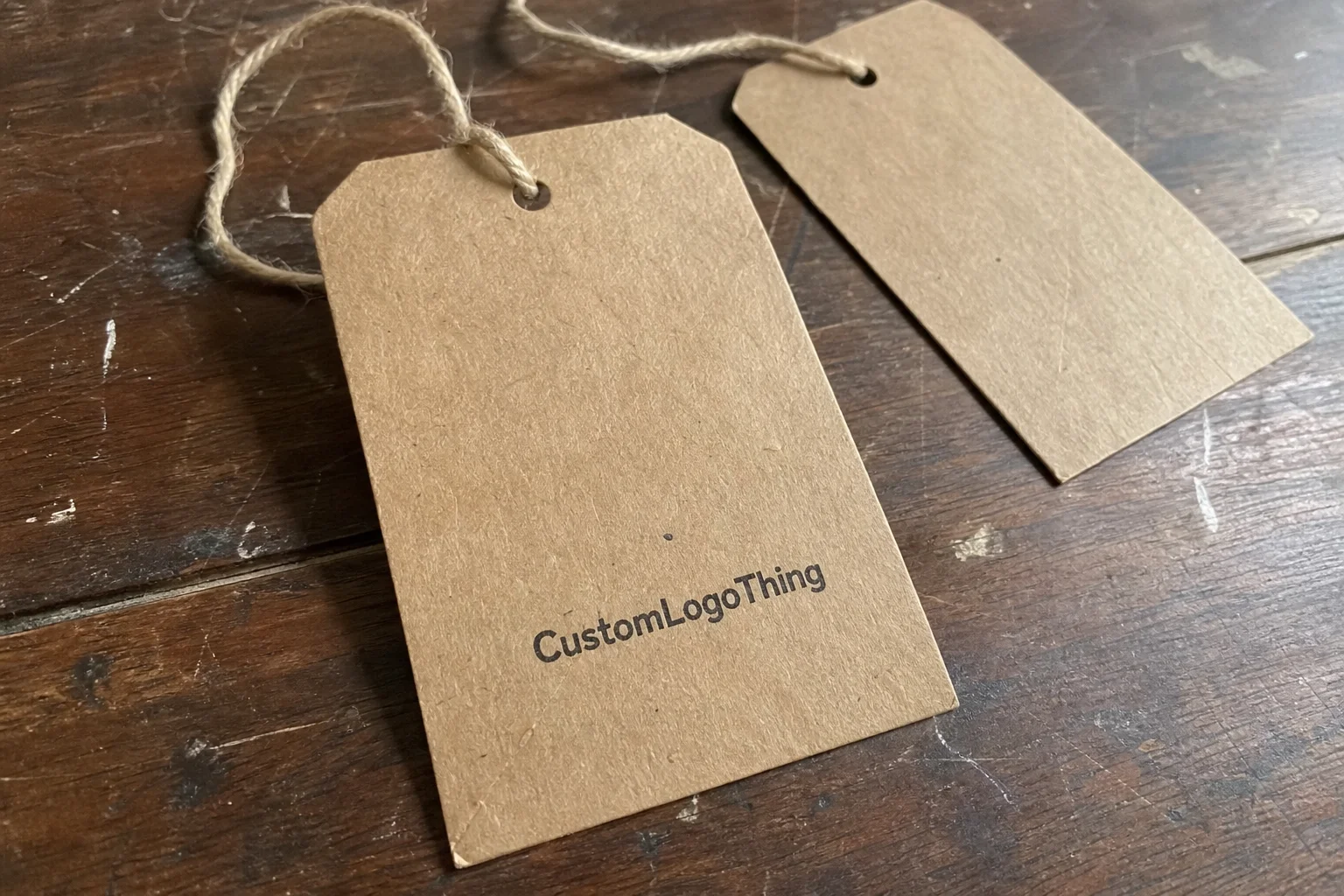
Buyer Fit Snapshot
| Best fit | product packaging with logo branding for packaging buyers comparing material specs, print proof, MOQ, unit cost, freight, and repeat-order risk where brand print, material, artwork control, and repeat-order consistency matter. |
|---|---|
| Quote inputs | Share finished size, material target, print colors, finish, packing count, annual reorder estimate, and delivery region. |
| Proofing check | Approve dieline scale, logo placement, barcode or warning zones, color tolerance, and any recyclable or compostable wording before bulk production. |
| Main risk | Vague material claims, crowded artwork, or missing packing details can create delays even when the unit price looks attractive. |
Fast answer: Product Packaging with Logo Branding: Dieline, Finish, Proof, and Buyer Review should be specified like a repeatable production item. The safest quote includes material, print method, finish, artwork proof, carton packing, and reorder notes in one written spec.
What to confirm before approving the packaging proof
Check the product dimensions against the actual filled item, not only the sales mockup. Ask for tolerance on folds, seals, hang holes, label areas, and retail display edges. If the package carries a logo, QR code, warning copy, or legal claim, reserve that space before decorative graphics fill the panel.
How to compare quotes without losing quality
Compare board or film grade, print process, finish, sampling route, tooling charges, carton quantity, and freight assumptions side by side. A lower quote is only useful if the supplier can repeat the same color, closure quality, and packing count on the next order.
I remember standing on a busy converting line in Guangzhou while a buyer walked past a stack of product packaging with logo samples, pointed to the biggest logo, and said, “That’s the one.” The press operator next to me gave that tiny smile operators give when they know the real story is hiding in the board caliper, the coating, and whether the ink will survive a two-foot drop on a corrugated test rig. That moment sums it up pretty well: the logo matters, sure, but the substrate, print method, and finishing usually decide whether the brand feels premium, cheap, sturdy, or forgettable in the customer’s hands.
At Custom Logo Things, I’ve seen brands spend $8,000 on artwork and then lose the effect because the packaging structure was wrong, the color match was off by a shade of Pantone 186 C, or the lamination scuffed in transit from Shenzhen to Los Angeles. Honestly, I think that’s one of the most annoying parts of packaging work. You can do everything “right” on the design side and still end up with a package that looks tired before it even leaves the dock. Good product packaging with logo is not just decoration. It’s branding, protection, shelf communication, and customer experience all rolled into one package, and if one of those parts is off, the whole thing can feel flat.
That’s why smart operators care about packaging so much. A carton, mailer, pouch, sleeve, or insert is never just a container; it’s the first physical handshake between the brand and the buyer. That’s where product packaging with logo earns its keep, whether the package is traveling from Chicago, Ontario, or Dongguan.
What Product Packaging with Logo Really Means
In practical terms, product packaging with logo means any package format that carries a brand mark, a color system, and supporting messaging in a consistent way. That can be a folding carton from a Chicago short-run plant, a corrugated shipper coming off a flexo folder-gluer in Ontario, a rigid presentation box wrapped in printed paper from Dongguan, a stand-up pouch with a matte finish from Ho Chi Minh City, or even a pressure-sensitive label applied to a jar on a semi-auto line in Mexico City. The common thread is simple: the package tells customers who made the product before they ever read a spec sheet.
Here’s what many people get wrong: they treat the logo as the whole story, but on the production floor the logo is only one layer. In product packaging with logo, the board stock, film gauge, adhesive, coating, and print registration all affect how that logo feels. I’ve seen a beautiful mark printed on 18pt SBS look crisp and rich, while the same mark on a cheap uncoated stock looked fuzzy and dull under store lighting. Same artwork. Very different brand impression. The press didn’t care about the mood board, and frankly, neither did the shipping dock.
That’s why product packaging with logo is part brand identity and part manufacturing discipline. It can include:
- Cartons for cosmetics, supplements, electronics, and retail kits
- Mailers for direct-to-consumer subscription boxes and e-commerce shipments
- Rigid boxes for luxury goods, gift sets, and high-margin launches
- Pouches for food, coffee, powdered products, and lightweight items
- Labels and sleeves for jars, bottles, tins, and multipacks
- Inserts that stabilize the product and add messaging or instructions
The branding role goes beyond decoration. A well-executed package gives the customer a faster read on trust, quality, and category. On a retail shelf in Sydney or Dallas, product packaging with logo can improve recognition from six feet away. In e-commerce, it can make the unboxing feel intentional instead of improvised, which matters more than many buyers admit. A package that looks finished and balanced feels more premium, even if the product inside costs the same to make.
There’s also a practical side. With product packaging with logo, you can guide the customer through the product faster: where to open, what’s inside, how to use it, and what to keep for reference. I visited a skincare co-packer in Secaucus, New Jersey where they added a simple top-tab graphic and a small insert with batch code placement; customer service calls dropped by 14% because people stopped opening the box upside down and missing the inner tray. That’s not flashy branding. That’s useful branding. And yes, I wish more teams would care about the useful part before they start obsessing over foil colors.
And no, one format does not fit every product. A luxury candle line, a corrugated shipping carton, and a food-grade pouch all solve different problems. Product packaging with logo has to match the product’s weight, sensitivity, channel, and price point, or you end up paying for aesthetics that don’t survive real-world handling.
How Product Packaging with Logo Is Made
The production chain for product packaging with logo starts long before ink hits paper. First comes structural design: the dieline, folds, flaps, lock styles, tuck depth, glue areas, and any insert geometry. Then artwork setup, where the designer places the logo, checks clear space, aligns color systems, and prepares files for the exact print process. After that comes proofing, press scheduling, printing, converting, finishing, and final quality control. That sequence sounds neat on paper, but in a factory in Foshan or Warsaw it’s a careful dance between prepress, operators, and finishing crews, and sometimes a lot of walking back and forth with samples, because somehow the first sample is always just a little off.
In offset lithography, which I’ve seen used constantly for folding cartons, you get very crisp image detail and strong brand color control, especially when the job needs tight registration and clean solids. Flexographic printing is the workhorse for corrugated shippers and many label jobs because it handles larger runs efficiently and works well on rougher substrates. Digital printing makes sense for short runs, seasonal tests, and fast revisions because there are no plates, which can save both time and upfront expense. For high-volume flexible packaging, gravure or rotogravure still earns a place when the run is large enough to justify cylinder costs and very consistent ink transfer. I’ve quoted jobs where a 3,000-piece digital run landed at $0.62 per unit, while a 50,000-piece flexo run dropped closer to $0.14 per unit after plates and setup were spread out.
The finish can change the whole mood of product packaging with logo. A matte varnish gives a restrained, modern look. Gloss makes color pop harder under retail lights. Soft-touch lamination adds a velvet feel that buyers often associate with premium cosmetics or tech accessories. Spot UV draws attention to specific elements, like a logo or icon, while embossing and debossing create depth you can feel with your fingertips. Foil stamping, whether gold, silver, or a custom holographic effect, adds shine and contrast. Window patching can help show the product while still keeping the package branded. A small foil logo on a 350gsm C1S artboard carton can add about $0.06 to $0.18 per unit at 5,000 pieces, depending on tool size and coverage.
Material choice matters just as much. For product packaging with logo, I’ll usually think in terms of job function first, beauty second. SBS paperboard and coated artboard are common for retail cartons because they print cleanly and convert well. Kraft board works nicely when a brand wants a natural or recycled look. Corrugated E-flute and B-flute are staples for shipping strength, with E-flute offering a finer print surface and B-flute giving more stacking strength. Rigid chipboard is the usual choice for premium presentation boxes, while PET and PE films show up often in flexible packs and pouches. Coated label stocks help brands on bottles, jars, and tins keep a uniform package branding system across SKUs. A lot of the time, the sweet spot is 18pt SBS for mid-range retail and 24pt or 32pt chipboard for presentation packs made in Dongguan, Xiamen, or Richmond, British Columbia.
One production-floor detail people often miss is drying and curing time. If a job has heavy ink coverage, foil, or special varnish, the press team may need extra dwell time before converting or packing. I once watched a rush order in a Midwest plant in Wisconsin get delayed because a dark navy flood coat on a rigid lid was still picking up scuff marks after trim. The buyer thought the delay was “just logistics.” The operator knew it was chemistry. That’s the reality of product packaging with logo when you want the logo to look sharp, not smeared.
Typical process and timeline checkpoints
For a straightforward digital job, product packaging with logo may move from approved artwork to finished output in 7 to 10 business days if the substrate is in stock and the structure is simple. More custom structural work, especially custom printed boxes with a new die, can stretch to 12 to 15 business days from proof approval because the team has to verify the dieline, run a prototype, and sometimes adjust the fold geometry before full production. In my experience, the safest workflow includes these checkpoints:
- Sample proofing for layout and copy accuracy
- Prepress checks for bleed, resolution, overprint, and trap
- Dieline approval so the structure matches the product
- Press scheduling based on ink, stock, and finishing load
- Curing or drying before lamination or folding
- Freight planning so cartons don’t sit exposed in a dock area
That timeline varies, of course. A label reprint on standard stock is not the same as a rigid gift box with foil and a molded insert. Still, the sequence stays similar because product packaging with logo has to survive both the plant and the shipment, whether that shipment leaves from Shenzhen, Toronto, or Dallas.
For broader packaging references and industry context, I often point teams to the Institute of Packaging Professionals and the ISTA packaging test standards, because a pretty render is only one part of the equation.
Key Factors That Shape Product Packaging with Logo
The biggest driver in product packaging with logo pricing is usually quantity, followed closely by print method, substrate, number of colors, and finishing. A 5,000-piece run of folding cartons in 4-color offset will price differently from a 500-piece digital job, and not because the printer is being difficult. Plates, setup, make-ready waste, die cutting, and finishing all have to be spread over the order. If you need foil, embossing, a custom insert, or a rigid build, the price steps up because more labor and more tooling are involved. The machine doesn’t magically get cheaper just because the buyer said “it’s for a launch.” If only.
For reference, I’ve seen simple kraft mailers with one-color printing land around $0.15 to $0.38 per unit at 5,000 pieces, while a rigid box with soft-touch lamination and foil can move into the $1.85 to $4.20 range depending on size and quantity. A 350gsm C1S artboard folding carton with a matte aqueous coat and one-color inside print often lands around $0.32 to $0.78 per unit at 5,000 pieces. Those are not fixed rates, and they depend on spec, but they give you a practical frame. The point is that product packaging with logo can be cost-managed if you know which parts are functional and which parts are decorative.
| Packaging option | Typical use | Approx. unit cost at 5,000 pcs | Strengths | Tradeoffs |
|---|---|---|---|---|
| Kraft mailer | DTC shipping, subscription | $0.15–$0.38 | Low cost, quick print, light weight | Limited premium feel, lower moisture resistance |
| Folding carton | Retail, cosmetics, supplements | $0.32–$0.78 | Clean print, good shelf presence | May need secondary protection for shipping |
| Rigid box | Luxury and gifting | $1.85–$4.20 | High-end presentation, strong perceived value | Heavier, more expensive, longer production |
| Flexible pouch | Food, powders, lightweight goods | $0.22–$0.88 | Space-efficient, strong barrier options | Requires attention to seals, valves, and compliance |
Minimum order quantities matter too. A short run of product packaging with logo can be expensive per piece because the setup costs don’t disappear just because the order is smaller. I’ve sat in supplier negotiations in Shenzhen where a brand wanted 1,000 custom printed boxes, expected a giant price break, and then got surprised when the die, setup, and freight were a large share of the total. Smaller orders are often smart for testing, but they rarely produce the best unit economics. Larger orders lower the unit price, but only if your demand really supports them.
Brand consistency is another big one. If the logo looks one way on the outer carton, another way on the inner insert, and a third way on the shipping tape, the whole package branding system starts to feel disconnected. I like to lock in PMS values, typographic rules, logo clear space, and a simple placement grid before the first proof. That keeps product packaging with logo clean across every format, from retail packaging to warehouse shippers, whether the job is being produced in Canada, Mexico, or South China.
Protection should never be an afterthought. A package that looks great on a monitor but fails in a parcel network is still a failed package. Compression loads, vibration, corner crush, moisture, and temperature swings all affect the finished result. When I visited a fulfillment center outside Dallas, I saw outer boxes with gorgeous branding arrive slightly bowed because the board spec was too light for the stacked pallet height. The logo survived. The structure did not. For product packaging with logo, the package has to survive the journey, not just the photo shoot.
Sustainability and compliance can also shape the final build. FSC-certified boards, recycled content, recyclable inks, food-safe films, child-resistant features, and labeling rules may all change material and finishing choices. The FSC standard matters for brands that need paper sourcing confidence, and EPA guidance helps teams think more clearly about materials and environmental claims. If you want the package to support the brand long-term, those details deserve a real conversation instead of a line item buried in the PO.
Functional factors matter too. Product packaging with logo should be efficient in the warehouse, easy to stack, compatible with pallet patterning, and sensible for the shipping channel. Retail packaging wants shelf impact. E-commerce wants a memorable opening. Wholesale wants speed and durability. Subscription packaging often wants a balance of all three.
For companies building out Custom Packaging Products, I usually recommend sorting these priorities before design starts. It saves rounds of revisions and keeps the final package from drifting into “looks nice, works poorly” territory.
Step-by-Step: Planning Product Packaging with Logo
Good product packaging with logo starts with the product itself. Measure length, width, height, and weight. Note whether the item is fragile, oily, powdery, liquid, sharp-edged, or temperature-sensitive. Check how it closes, how it’s merchandised, and whether it ships by itself or in a multipack. I’ve seen brands skip that basic homework and then spend two extra rounds fixing insert depth because the product sat 4 mm taller than the drawing said it would. Nothing like a “quick packaging project” turning into a surprise geometry lesson.
Next, define the objective. Do you need premium retail presence, shipping protection, a subscription experience, a promotional giveaway, or a package that does a bit of everything? That question determines the structure before the color palette even enters the conversation. A retail beauty box and a corrugated ecommerce mailer may both carry product packaging with logo, but they are solving different problems and should be engineered differently.
Then choose the format. Folding carton, rigid box, mailer, corrugated shipper, pouch, sleeve, or label system each has a different manufacturing logic. If the product is small and shelf-facing, a carton may be right. If the product is heavy, a corrugated insert with a branded sleeve may be better. If you want high perceived value, rigid boxes and custom printed boxes often make sense. If you need flexibility across multiple SKUs, a shared outer system with variable inserts can reduce complexity.
Design for the press, not just the screen
This is where I see the most costly mistakes in product packaging with logo. Artwork that looks perfect on a monitor can fail in production because RGB colors don’t translate cleanly to CMYK, tiny reverse type fills in, or the logo sits too close to a fold line. Build safe zones. Add bleed. Use vector logos. Check line weights. Confirm metallic inks, gradients, and overprint settings before approval. A designer can make a package look elegant in Adobe Illustrator; a printer has to make it work on paper, board, or film at speed, often on a 1,200 sheets-per-hour offset line or a 180-meter-per-minute flexo press.
Request proofs and samples in stages. A digital proof checks copy and placement. A hard proof or press proof helps with color accuracy. A physical prototype checks fit, closure, hand feel, and shelf presence. I once watched a client fall in love with a rigid box sample in the conference room, then change the insert depth after the first sample showed the product rattling by 6 mm during a shake test. That saved them from a return issue later. Real product packaging with logo should be validated in the hand, not just approved on a screen.
Finalize the production details with the printer or converter: exact quantity, lead time, shipping method, packing configuration, and inspection checkpoints. If the product is fragile or the shipment is high value, ask about first article approval and carton drop testing. For a more technical benchmark, ISTA protocols are a good reference point because they connect packaging design to actual transit conditions. A supplier in Vietnam may quote a 15-business-day production window, while a plant in Mexico can sometimes do 10 to 12 business days if the board and coatings are already in stock.
The best projects I’ve seen all had one thing in common: the brand team, the product team, and the manufacturer were aligned early. That’s how product packaging with logo becomes a useful asset instead of a recurring problem.
Common Mistakes with Product Packaging with Logo
One of the easiest mistakes is making the logo too small, too busy, or too close to an edge. It may look fine in a mockup, but once the carton is folded, the logo can disappear into a seam or get visually crowded by text. In product packaging with logo, the mark needs breathing room so it can read fast under real lighting conditions. A crowded front panel almost always feels less confident.
Another trap is choosing a beautiful material that cannot handle the actual product load or environment. I’ve seen soft-touch rigid boxes scuff on the first outbound pallet because they were packed too tightly and shipped through a humid dock in Savannah. I’ve also seen thin paperboard collapse under a heavier glass product because the spec looked good in a presentation deck but wasn’t tested against the product’s real weight. Pretty materials are fine. Weak materials are expensive mistakes.
People also underestimate the difference between screen design and print production. RGB colors can shift, low-resolution artwork can blur, and thin line art can break up on press. This is especially true with product packaging with logo when a brand uses fine typography or delicate iconography. If the art file is not built correctly, the printer has to compensate, and that almost always costs time and money.
Another mistake: forgetting the customer journey. A package that looks fantastic in render form but opens awkwardly, tears unpredictably, or refuses to reseal can frustrate customers quickly. I remember a client in the wellness category who had gorgeous branded packaging but a weak tuck flap; by the third open-close cycle, the closure gave out. The product was fine, but the package experience felt cheap. That’s the sort of issue that erodes trust in product packaging with logo.
Over-ordering fancy finishes before validating demand can hurt cash flow, and under-ordering can force rush reprints, expensive freight, and schedule pain. I’d rather see a brand start with one strong finish and a simple structure than stack foil, embossing, spot UV, metallic stock, and custom inserts just because they all sounded good in a meeting. The logo gets lost in the noise. Smart product packaging with logo usually has restraint.
Skipping tests is another classic error. Drop testing, compression testing, rub resistance, and seal integrity checks matter because parcel networks do not treat boxes gently. If the package will move through distribution centers, postal carriers, or retail backrooms, it should be tested before the first full production run. That is not overengineering. That is basic risk control.
Expert Tips for Better Product Packaging with Logo
My first recommendation is to start with one hero format and one or two finish upgrades. That keeps product packaging with logo focused. A strong box shape plus one premium finish usually beats three competing effects that fight for attention. A matte carton with a single foil-stamped logo often feels more refined than a loud package that tries to prove everything at once.
Use a prototype to judge shelf presence under real conditions. Store lighting, warehouse lighting, and home lighting all change how the package reads. I’ve stood in a retail aisle at 8 p.m. in Toronto with a buyer holding two samples under fluorescent lights, and the package that looked amazing in daylight lost a lot of its impact in that environment. A well-built sample helps you see whether product packaging with logo still reads from three feet away, not just from a designer’s desktop.
Design for a family of sizes if you can. One logo system that scales across four SKUs is far easier to manage than four unrelated package designs. That’s especially useful for branded packaging in skincare, supplements, coffee, and consumer goods. You can maintain the same typography, logo placement, and color bands while changing the dieline or content area. It makes reorders simpler and protects consistency across the range.
Pay attention to ink coverage, especially on dark solids and metallic elements. Those areas often need longer drying time and more press attention. Ask about scuff resistance early, because heavy coverage can rub off if the surface treatment is wrong. I’ve seen a deep black carton with a silver logo look perfect on press and then pick up scuffs in a finishing bin because no one planned the stack time correctly. Small production details can make a big difference in product packaging with logo.
Choose the Right channel strategy. Retail, DTC, wholesale, and subscription all reward different design decisions. Retail packaging needs fast shelf reading and clear hierarchy. DTC wants a memorable opening moment. Wholesale wants efficiency and durability. Subscription can use layered surprise, but not at the expense of packing speed. If the package has to do several jobs, be honest about which one matters most.
Plan inventory around reorders. I like to keep core packaging components stable and swap seasonal outer elements when needed. That way, you don’t rebuild the entire system every time you refresh a promotion. It also helps with warehouse planning and reduces the risk of obsolete stock. For product packaging with logo, stability in the core structure often saves more money than chasing novelty every quarter.
One more practical suggestion: ask your supplier how the logo will behave on the chosen substrate before you sign off. On coated board, small details usually hold better. On kraft, ink can sink in and soften the edges. On film, stretch and seal heat can affect registration. A good converter will tell you the truth, and a good buyer will want that truth early.
“The best packaging isn’t the loudest one on the shelf. It’s the one that makes the product feel believable, durable, and ready to buy.”
That quote came from a brand manager I worked with on a retail line that moved from basic labels to layered product packaging with logo. Their sales lift did not come from one giant design trick. It came from tightening the structure, matching the finish to the product price, and making the package feel like it belonged to the brand.
What Makes Product Packaging with Logo Effective?
Effective product packaging with logo does three jobs at once. It gets noticed, protects the product, and makes the brand feel believable. That sounds simple. It usually isn’t. A package can have a great logo and still fail if the print quality is muddy, the structure is weak, or the opening experience feels clumsy. On the other hand, a clean, well-balanced package can make a mid-priced item feel more valuable without adding a lot of cost.
The best packaging branding systems are usually the ones that know what to emphasize and what to leave alone. If the logo is the hero, keep the rest of the panel calm. If the product needs more regulatory text, make the hierarchy do the heavy lifting. If the pack needs shelf pop, use contrast and controlled finishes instead of stuffing every surface with visual noise. That’s how product packaging with logo feels intentional instead of overworked.
Effective packaging also respects the way people actually interact with it. Retail buyers glance fast. Warehouse teams stack and move. Customers open, tear, reseal, and sometimes keep the box on a shelf for weeks. A package that survives those real-world use cases is doing more than looking good. It is doing brand work.
When I audit a packaging program, I look at four things first: visibility, durability, clarity, and cost. Visibility asks whether the package stands out on shelf or in a mailbox. Durability asks whether it survives the supply chain. Clarity asks whether the logo and message are easy to read. Cost asks whether the format makes sense for the margin. If those four line up, product packaging with logo usually performs well.
I also pay attention to consistency across formats. A carton, shipper, sleeve, and insert should feel related, not like four separate arguments. Same logo treatment. Same tone. Same brand cues. That consistency builds recognition over time, and recognition is what makes a customer stop, pick up the box, and buy it again later.
There’s no magic trick here. There’s just discipline, testing, and a little common sense. Which, in packaging, apparently qualifies as innovation.
Next Steps for Product Packaging with Logo
If you want product packaging with logo to work harder for your brand, start by inventorying what you already have. Which package styles are performing? Which ones are failing in transit, looking dull on shelf, or slowing down packing? That first audit usually reveals whether you need better branding, stronger protection, lower shipping cost, or a mix of all three.
Then write a short packaging brief. Include product dimensions, product weight, target quantity, preferred material, desired finish, budget range, and timeline. If the product has regulatory copy, barcodes, nutrition panels, warning statements, or retail requirements, gather those files now. A clean brief makes quoting faster and reduces back-and-forth later.
Compare two or three structures side by side before you commit. Don’t judge solely on appearance. Look at unit cost, assembly time, freight efficiency, and customer experience. A package that saves fifteen cents in materials but adds thirty seconds to packing time may cost more in the long run. That math matters with product packaging with logo.
Set a sampling schedule. Review the dieline first, then the printed proof, then the physical sample. If you can, test the sample in the same way the final pack will be used: on the line, in the warehouse, in the mail, or on the shelf. That step catches real-world issues early and gives you time to correct them before mass production.
If you’re building a new line or refreshing an old one, I’d strongly recommend treating product packaging with logo as a manufacturing decision as much as a branding decision. When the design, material, and process line up, the package feels right in the hand, survives the journey, and sells the product better. When they don’t, you end up paying for rework, rush freight, and customer complaints that a tighter plan could have prevented.
Start with the next best version, not the fanciest one. That approach usually gets you better results, lower waste, and packaging that supports the brand instead of fighting it. And if you build your product packaging with logo carefully from the beginning, you’ll save time, money, and a lot of avoidable headaches later.
FAQs
How much does product packaging with logo usually cost?
Cost depends on material, size, print method, order quantity, and finishing. Short runs usually cost more per piece than higher-volume orders because setup and tooling get spread across fewer units. For example, a 5,000-piece run of a 350gsm C1S artboard carton with 4-color print and matte aqueous coating may land around $0.32 to $0.78 per unit, while a rigid box with soft-touch lamination and foil can move into the $1.85 to $4.20 range. Ask for pricing at multiple quantity breaks so you can compare total spend against per-unit savings on product packaging with logo.
What is the fastest timeline for product packaging with logo?
Simple digital-printed packaging can move quickly once artwork is approved, especially if no custom tooling is needed and materials are in stock. In many cases, the turnaround is 7 to 10 business days from proof approval for basic cartons or labels. More complex jobs with new dies, special finishes, or rigid construction need extra time for prepress, sampling, and finishing, and a more realistic window is typically 12 to 15 business days from proof approval. For product packaging with logo, the fastest path is usually the one with the fewest variables.
Which materials work best for product packaging with logo?
Paperboard works well for folding cartons and retail presentation, while corrugated is better for shipping protection and larger-format boxes. Rigid chipboard is a strong choice for premium presentation, and flexible films or pouches suit lightweight or moisture-sensitive products. A common retail spec is 18pt SBS or 350gsm C1S artboard for cartons, with E-flute corrugated for shipper boxes and 1.5mm to 2.0mm chipboard for rigid builds. The right material depends on the product’s weight, channel, and brand position. Good product packaging with logo starts by matching the board or film to the job, not the other way around.
How do I make sure my logo prints correctly on packaging?
Use high-resolution vector artwork, confirm Pantone or CMYK values, and check clear space around the mark. Request proofs and, when possible, physical samples to verify color, size, and placement before full production. Ask the printer how the chosen press and substrate will affect small details, metallics, and fine text. A coated board printed in Dongguan will usually hold small type better than kraft stock from an uncoated run in Portland, Oregon. That extra review step protects product packaging with logo from surprises once the press starts running.
Is product packaging with logo worth it for small businesses?
Yes, because even modest packaging upgrades can improve first impressions, customer trust, and repeat recognition. Small brands often benefit from starting with a scalable format like labels, sleeves, or digital-printed cartons before moving to more complex structures. A 1,000-piece test run can be a smart way to validate demand, especially if the unit cost is in the $0.45 to $0.90 range and the lead time is under two weeks. The smartest approach is to invest where customers notice it most: the outer mailer, the opening moment, and the visible front panel. For a growing business, product packaging with logo can be one of the most efficient ways to look established without overspending.