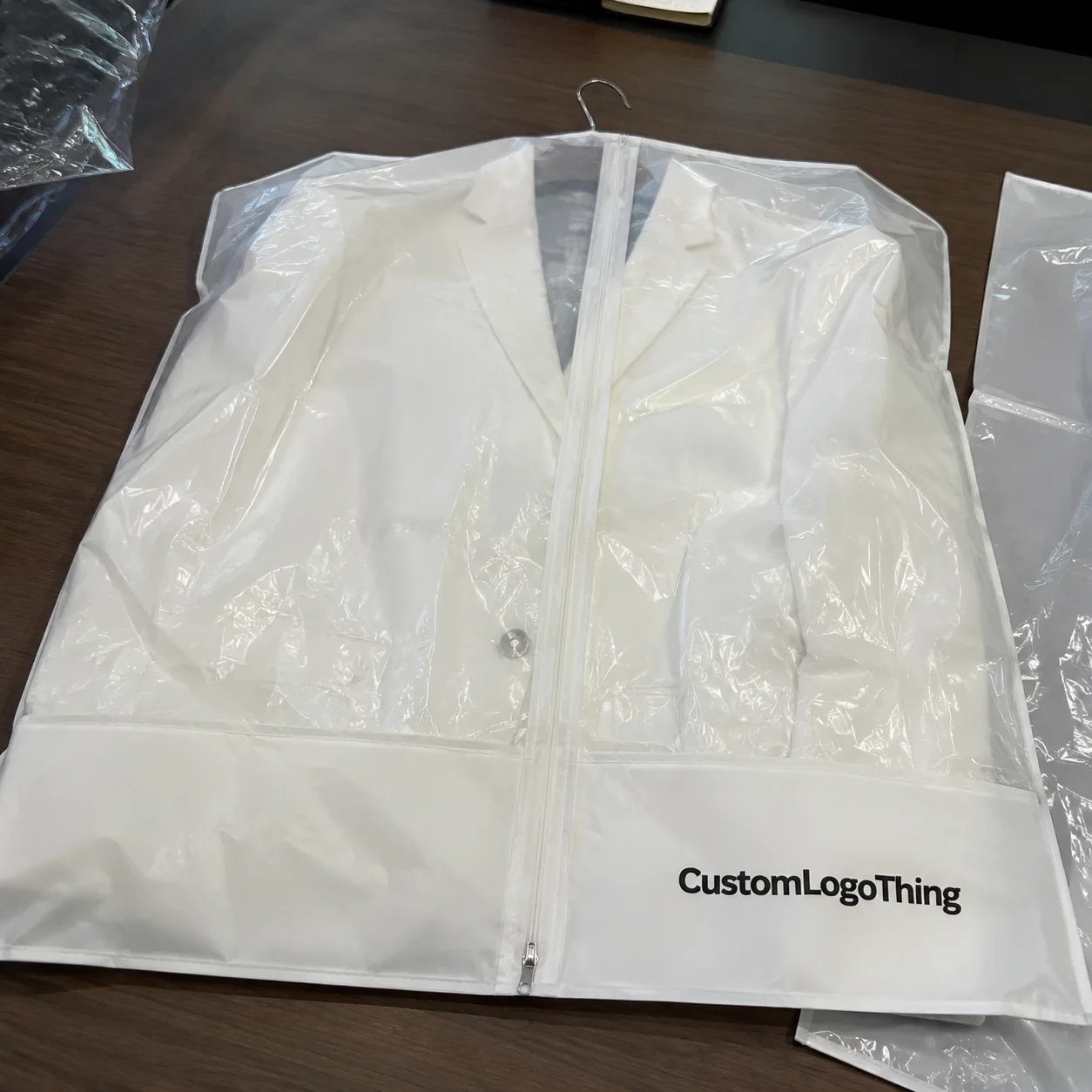
Buyer Fit Snapshot
| Best fit | Recyclable Packaging Bulk Order projects where brand print, material claims, artwork control, MOQ, and repeat-order consistency need to be specified before quoting. |
|---|---|
| Quote inputs | Share finished size, material target, print colors, finish, packing count, annual reorder estimate, ship-to region, and any compliance wording. |
| Proofing check | Approve dieline scale, logo placement, barcode or warning zones, color tolerance, closure strength, and carton packing before bulk production. |
| Main risk | Vague material claims, crowded artwork, missing packing details, or unclear freight terms can make a low unit price expensive after revisions. |
Fast answer: Recyclable Packaging Bulk Order: Costs, MOQ, and Timeline should be specified like a repeatable production item. The safest quote records material, print method, finish, artwork proof, packing count, and reorder notes in one written spec.
Production checks before approval
Compare the actual filled-product size with the drawing, then confirm tolerance on folds, seals, hang holes, label areas, and retail display edges. Reserve space for logos, QR codes, warning copy, and material claims before decorative graphics fill the panel.
Quote comparison points
Review material grade, print process, finish, sampling route, tooling charges, carton quantity, and freight assumptions side by side. A quote is only useful when the supplier can repeat the same color, closure quality, and packing count on the next order.
Last month, I stood on a packing line in Dongguan, Guangdong, watching a stack of glossy mailers get rejected by a retailer because the structure mixed paperboard, plastic film, and a foil-like coating. The line operator had already counted 2,400 units, and every one of them was headed back for rework. That kind of packaging looks premium for about five seconds. Then it becomes a landfill problem and a buyer headache. If you’re planning a recyclable packaging bulk order, the smart move is to build around real recyclability, not marketing poetry. Too many brands still confuse “looks eco” with “actually works,” and the recycling bin is not impressed by branding fluff.
I’ve spent 12 years talking to mills, converters, and brand teams from Shenzhen to Suzhou, and the pattern is painfully consistent: brands want cleaner claims, better unit economics, and packaging that doesn’t embarrass them in front of customers. A recyclable packaging bulk order gives you that, if you Choose the Right board, the right print method, and the right box style. It also helps when you’re trying to avoid a “technically recyclable” product that customers still can’t figure out. Confusing instructions are not sustainability. They’re just expensive confusion, and usually a customer service ticket waiting to happen.
Here’s the business case in plain terms. Bulk ordering spreads setup costs across more units, lowers the per-box price, and gives your team a chance to standardize artwork and dielines instead of paying for constant one-off changes. If you’ve ever had a supplier quote $0.42 per unit for 1,000 pieces and then $0.19 per unit for 10,000, you already know where the savings are hiding. A well-planned recyclable packaging bulk order can also reduce waste-claim risk, make retail buyers happier, and make end-of-life messaging much easier for customers. I remember one launch in Los Angeles where the packaging budget went from manageable to a small mortgage just because three SKUs each had their own custom box. Standardizing fixed the mess fast, and it cut the combined run cost by nearly 18%.
“We don’t need prettier boxes. We need boxes that survive shipping, pass retailer checks, and don’t create compliance drama.” That was a skincare client in Austin after her first shipment arrived with crushed corners and a plastic-laminated insert nobody could recycle.
Recyclable Packaging Bulk Order: Why Brands Switch
When I visited a paper converting shop outside Shenzhen, the floor was covered with what I call packaging regret: mixed-material mailers, laminated cartons, and windowed sleeves that looked strong until you asked what happened at the recycling facility. The operator told me mixed-material waste was one of the most common reasons a customer’s recyclable packaging bulk order failed during internal sustainability review. Not because the design was ugly. Because it was messy to sort and hard to explain. In one week alone, that shop had scrapped 6,800 rejected sleeves from a single fashion client because the adhesive window conflicted with the buyer’s paper-only policy.
That is the part most buyers miss. A box can be “recyclable” in theory and still fail in practice if consumers need a chemistry degree to understand it. A recyclable packaging bulk order works best when the packaging is mostly paper-based, clearly labeled, and built from materials that fit local recycling systems. For brands selling through retailers, that matters even more. Buyers at larger chains do not enjoy vague claims. They want clear specs, better end-of-life messaging, and less risk on shelf, especially when the cartons move through fulfillment centers in Chicago, Dallas, or Rotterdam.
In my experience, brands switch for three reasons. First, they want less waste-claim risk. Second, they want packaging that retail buyers accept faster. Third, they want unit pricing that makes sense once volume increases. A recyclable packaging bulk order lets you keep print quality high without paying boutique prices for every unit. That matters whether you’re shipping skincare, supplements, apparel, or subscription kits. I’ve seen clients save $0.06 to $0.14 per unit simply by moving from a short-run specialty print vendor to a repeated bulk order in the same factory in Dongguan.
I once negotiated with a paperboard supplier in Zhejiang after a client’s first quote came in too high by about $0.07 per unit. The problem wasn’t the paper itself. It was three separate dieline revisions, two ink changes, and a custom insert that could have been avoided with a standard size. Once we standardized the artwork and adjusted the panel layout, the supplier dropped the board cost by roughly 11% on a 20,000-piece run. That’s the kind of saving a proper recyclable packaging bulk order can unlock, and it usually shows up most clearly once the run passes 10,000 units.
The best-fit products are usually mailer boxes, folding cartons, shipping boxes, paper bags, and paper-based filler. I’ve also seen a solid recyclable packaging bulk order work well for inserts, sleeves, and outer cartons, especially when brands want branded packaging without mixed plastics. If the structure is too complicated, the recyclability story gets muddy fast. I’m not exaggerating here: the more layers you add, the more likely someone somewhere has to explain them to a frustrated buyer, a warehouse team, or a customer trying to open the box with one hand while holding coffee in the other.
What most people get wrong is thinking bulk means inflexible. It doesn’t. Bulk gives you room to refine the packaging design, test a few structural options, and settle on one format that scales. The point of a recyclable packaging bulk order is not just volume. It is consistency, lower waste, and a cleaner supply chain. And yes, consistency is boring. But boring packaging that shows up on time and gets recycled properly? I’ll take boring every day of the week, especially if it reduces cartoning errors at a 15,000-unit fulfillment run.
Product Options for Recyclable Packaging Bulk Order
The right format depends on the product, the shipping lane, and how much abuse the box will take. A recyclable packaging bulk order for e-commerce shipping is usually different from one for retail shelves. Shipping cartons need crush resistance. Retail packaging needs shelf appeal. Subscription packaging needs easy opening and consistent internal dimensions. Cosmetics may need a tighter fit. Food packaging may need lining considerations. You do not pick all of those with one generic spec sheet and a prayer, especially if the goods are moving from Guangzhou to a warehouse in New Jersey.
For e-commerce apparel, I usually lean toward kraft mailer boxes or corrugated shippers. For supplements, a 400 gsm folding carton often works, especially if the product is light and the outer carton is mostly for presentation and compliance copy. For skincare, I’ve used 2.5 mm corrugated shippers when the product includes glass bottles and needs a little more structure. A well-planned recyclable packaging bulk order should match the board to the actual use case, not just whatever looks nice on a render. If the serum bottle weighs 180 grams and the shipper has to survive a 60 cm drop test, the board spec matters more than the mockup’s color temperature.
Material choice is where sustainability either holds together or falls apart. Kraft paperboard, SBS paperboard, corrugated board, recycled-content paper, and water-based inks are all common. Paper tape-compatible structures help too, especially for shipping boxes. If you’re building a recyclable packaging bulk order, I’d avoid plastic coatings, foil laminates, heavy mixed inserts, and permanent adhesive windows unless the product absolutely requires them. Those extras create recycling headaches and add cost you may never recover. I’ve seen a client proudly approve a “premium” finish, then wince later when the recycler rejected half the structure in Vancouver and half again in Manchester. That was not a fun email thread.
Print and finish options can still look sharp without ruining recyclability. Soy-based or water-based inks work well. Spot color printing is efficient for brand consistency. Embossing adds tactile detail without mixing materials. An uncoated or aqueous-coated surface usually keeps the packaging easier to recycle. That’s why I prefer simple, strong custom printed boxes with tight registration over overdesigned structures that look expensive but behave badly in sorting facilities. My opinion? Fancy is overrated if it sabotages the one job the box has to do. A clean 2-color print on 350gsm C1S artboard can look more expensive than a laminated 6-color carton if the structure is well proportioned.
Here’s a quick comparison I use with clients planning a recyclable packaging bulk order:
| Format | Best For | Typical Material | Recyclability Notes | Approx. Unit Cost at 10,000+ Units |
|---|---|---|---|---|
| Mailer Box | Apparel, subscription, gifts | 150-250 gsm kraft or white board | Good when kept mono-material | $0.22-$0.48 |
| Folding Carton | Supplements, cosmetics, retail | 300-400 gsm SBS or recycled board | Excellent if unlaminated or aqueous coated | $0.12-$0.35 |
| Corrugated Shipper | Heavy e-commerce, fragile items | 2.0-3.0 mm corrugated board | Strong and widely accepted | $0.45-$1.10 |
| Paper Bag | Retail, events, takeaway | 120-250 gsm kraft paper | Simple and widely recyclable | $0.08-$0.26 |
I’ve seen brands overpay for “premium” packaging that adds nothing to the customer experience. A recyclable packaging bulk order does not need every possible finish. It needs the right finish. If you want texture, embossing is cleaner than plastic lamination. If you want color, use controlled spot inks instead of a foil stamp that complicates recycling. If you want structure, build smarter walls and folds rather than stuffing in extra material. Simple is not lazy. Simple is efficient, and in packaging, efficient often looks surprisingly good, especially on a 180 gsm kraft mailer with a 2 mm corrugated insert.
Sample approval matters here. I always ask for a physical prototype before mass production, especially if the packaging will hold product weight or ship long distances. That’s not me being fussy. That’s me saving everyone from a 10,000-piece mistake. A proper recyclable packaging bulk order should pass structural testing, transit testing, and basic brand review before it goes into full production. I’ve learned the hard way that a gorgeous mockup can still collapse like a cheap lawn chair once real product gets involved, especially on routes that run through hot warehouses in Phoenix or humid ports in Shenzhen.
Specifications That Matter Before You Order
If you want your recyclable packaging bulk order to come out right, start with specs. Not vibes. Specs. I’m talking dimensions, caliper or board thickness, bursting strength, ECT rating, print coverage, and inner or outer finish. Those details control cost, performance, and whether the box survives shipping. A supplier cannot quote intelligently if you hand over a logo and say, “Make it sustainable.” That is not a brief. That is a cry for help. I’ve heard versions of that line more times than I can count, and every single time I wanted to hand the caller a ruler and a cup of coffee.
One thing I explain to almost every buyer: recyclable, recycled-content, and compostable are not the same thing. Recyclable means the material can be processed again in an appropriate recycling stream. Recycled-content means the material already contains recovered fiber. Compostable means it can break down under the right conditions, which often do not exist in ordinary home bins. If your recyclable packaging bulk order is built from paperboard but has a plastic barrier, the recyclability claim may change depending on where it’s sold. Local rules matter. A lot. And yes, that part is annoying. But packaging regulations do not care about our feelings, whether you’re selling in Berlin, Toronto, or Melbourne.
For compliance and labeling, I always recommend clear material identification and simple disposal instructions. If the box is 100% paper-based, say so in plain language. If the recycling outcome depends on the consumer removing an insert, state that clearly. If you’re shipping into multiple regions, ask for market-specific guidance instead of forcing one universal claim. I’ve seen a retailer reject a recyclable packaging bulk order because the label implied “all components recyclable” when the adhesive window was not accepted locally. That kind of mistake is small on paper and very expensive in real life. One supermarket chain in Sydney refused an entire pallet of 8,000 cartons over that exact wording.
Keep the design mono-material whenever possible. That’s the cleanest route. Avoid laminated barriers unless the product genuinely needs moisture or grease resistance. Simplify inserts, too. A tray that can be made from the same board as the outer box is usually better than a fancy mixed insert that looks impressive in a presentation deck and becomes a sorting headache later. If the product only needs a 1.5 mm paperboard cradle, there is no reason to engineer a three-part insert with a plastic clip and a decorative window.
Before production, request a spec sheet and a dieline. Always. Compare options apples-to-apples. If one supplier offers 350 gsm SBS with aqueous coating and another offers 300 gsm recycled board with no coating, the prices are not directly comparable. A proper recyclable packaging bulk order needs a real comparison on grade, thickness, finish, and print method. Otherwise you’re just comparing numbers with no context. That is how people end up feeling smug about a low quote and angry about the final invoice. I’ve seen the difference between 350gsm C1S artboard and 300gsm recycled board change a quote by $0.04 per unit on a 12,000-piece order, and that “small” gap turned into a major margin issue once freight was added.
Some product categories need special attention. Liquids can require inner protection. Greasy foods may need a barrier lining, and that can change recyclability. Fragile glass products may need dividers or molded paper pulp inserts. I’m not pretending paper solves every problem. It doesn’t. A good recyclable packaging bulk order balances function, claims, and cost instead of pretending those three things always align perfectly. They rarely do, which is why good packaging work is part engineering, part diplomacy, and part damage control. For a candle brand in Portland, the board spec changed three times before we found a fold-lock insert that held a 320-gram jar without added plastic.
For authority checks, I often point clients to industry standards from organizations like ISTA for transit testing and EPA recycling guidance when they need a reality check on end-of-life claims. If your product is entering a certified sustainability program, also ask about FSC sourcing through FSC. Standards do not replace good packaging design, but they do keep everyone honest, especially once the order volume crosses 20,000 units and more stakeholders are looking at the numbers.
Recyclable Packaging Bulk Order: Pricing and MOQ
Let’s talk money, because this is where most buyers start sweating. The price for a recyclable packaging bulk order depends on material grade, size, print complexity, coating, finishing, and total quantity. If you want a clean quote, you need those inputs locked down. If you don’t, suppliers pad the price to protect themselves, and nobody enjoys that conversation. I’ve seen a quote swing by 22% just because the buyer forgot to specify whether the finish was matte aqueous or gloss varnish.
Here’s a practical example from a recent run I reviewed: a 4-color printed kraft mailer box at 5,000 pieces came in around $0.31 per unit, with a one-time die cost of $180 and sample charges of $35. At 20,000 pieces, the unit price dropped to about $0.18. Same structure. Same board family. Same print count. That is why a recyclable packaging bulk order often beats repeated small runs by a mile. Setup costs stop eating the order alive, which is a relief for everyone except the person who insisted on doing the same job three times the hard way. On a 50,000-piece reorder, that same box can fall to about $0.15 per unit if the artwork stays unchanged and the board is sourced in a steady production window.
MOQ is tied to the production method. Standard box styles usually carry lower MOQs because the tooling is simpler and material waste is lower. Custom dielines raise the threshold because the factory must cut new tooling, test fit, and manage yield. A recyclable packaging bulk order for folding cartons may start lower than a fully custom corrugated shipper with specialty inserts, simply because the press setup and tooling burden differ. In a factory in Foshan, I’ve seen a standard folding carton accept a 3,000-piece MOQ, while a fully custom shipper with insert die-cutting required 5,000 pieces just to cover setup efficiently.
I keep telling clients that custom sizes are not automatically expensive nonsense. Sometimes a custom size saves money by removing filler material and reducing dimensional weight in shipping. I had one cosmetics brand cut freight costs by 14% after moving to a tighter carton that fit the bottle and insert properly. The box cost went up by $0.02. The freight savings were worth far more. That is what a smart recyclable packaging bulk order should do. If the packaging saves pennies but burns dollars in freight, the math is not hard. It’s just being ignored.
There are hidden costs, too. Freight. Palletization. Prototype shipping. Color matching if you need Pantone accuracy. Rush fees if artwork comes in late. Storage if you’re ordering ahead for seasonal launches. Buyers often compare unit price only and ignore the rest. That’s how you end up with a “cheap” recyclable packaging bulk order that costs more after landing, customs, and warehouse handling. I’ve seen that movie, and frankly it’s a terrible sequel. A $0.21 unit price can become $0.29 landed once inland trucking from Ningbo, customs documentation, and warehouse receiving are all added in.
Recycled-content boards can also shift pricing based on pulp market availability and supply constraints. I’ve seen a 250 gsm recycled-content paperboard run at a slightly higher rate than virgin SBS for a short window because demand spiked and a mill allocation tightened. So yes, sustainable choices can cost more sometimes. Not always. But sometimes. The honest answer is better than a fake promise every time, and it is far more useful when you’re planning a 30,000-unit roll-out across multiple fulfillment centers.
Here’s a simple pricing logic breakdown I use:
- Lower unit cost: bigger quantity, standard size, fewer inks, simpler finish
- Higher unit cost: custom structure, specialty coating, complex inserts, multiple revisions
- Best savings move: standardize the dieline and repeat the same recyclable packaging bulk order across multiple SKUs where possible
If you want to see broader packaging categories and wholesale programs we support, our Custom Packaging Products and Wholesale Programs pages give a clearer picture of how different order sizes affect pricing. That matters because not every brand needs the same format, and not every recyclable packaging bulk order should be built from the same playbook. A 2,000-piece boutique run in London should not be priced or built like a 40,000-piece retail order heading to Atlanta.
How do you choose the right recyclable packaging bulk order?
The best choice starts with product weight, shipping distance, and the recycling rules in your target markets. A recyclable packaging bulk order should fit the product tightly enough to reduce damage, but not so tightly that it adds cost through over-engineering. That means matching board strength, box style, and print method to the actual use case. A gift set going to retail shelves needs different specs than a corrugated shipper moving through a fulfillment center. Choose the simplest structure that still protects the product and supports your brand claims.
In practice, I start with four questions: What does the product weigh? How far does it travel? What does the customer need to see on the shelf or doorstep? And what will the local recycling system accept without a fuss? Those answers usually narrow the field fast. For a light apparel line, a kraft mailer may be enough. For glass skincare, a corrugated shipper with a paper insert is safer. For retail supplements, a folding carton with water-based inks and a simple insert often hits the sweet spot. That sounds almost too plain, but plain works.
If you’re unsure, ask for samples across two or three structures and compare them side by side. One box might save board cost but increase damage risk. Another might add a few cents but cut breakage and returns. I’ve watched a brand choose the cheaper carton, only to spend more replacing crushed product. That’s a nasty little math lesson. A recyclable packaging bulk order is only “good value” if the total landed cost and product protection both hold up.
Process and Timeline for Bulk Orders
A smooth recyclable packaging bulk order usually follows a predictable path: inquiry, specification review, quoting, dieline approval, sample production, mass production, inspection, and shipment. That sounds simple because, in theory, it is simple. In practice, the delays show up in the same places over and over: missing dimensions, artwork revisions, and last-minute material changes. Humans love changing things after the quote. Suppliers love charging for it. I’ve watched both sides do the dance, and it is never graceful.
For timeline planning, I usually map it like this. Quote review: 1 to 2 business days if specs are complete. Dieline adjustment: 1 to 3 business days. Sample or prototype: 5 to 10 business days, depending on complexity. Mass production: typically 12 to 15 business days from proof approval for standard paper-based packaging, and 18 to 20 business days for more complex structures. Shipping varies by route, but sea freight may add 15 to 35 days, while air freight is faster and more expensive. A well-managed recyclable packaging bulk order can move quickly if approvals are prompt and the product is not changing midstream.
Proof approval is where the clock matters most. If the art team takes four days to review a PDF and then asks for a font change, you lose time and potentially push back the whole slot. Final sign-off is the point of no return. Once mass production starts, the factory is cutting, printing, and folding on your approved version. I always warn buyers that a recyclable packaging bulk order should only move forward when the dieline, artwork, and material spec are all locked. One client in Singapore lost three production days because a logo moved 4 mm off-center after proof sign-off.
Quality control should happen in stages, not at the very end. Incoming material inspection checks board thickness and consistency. Print registration checks make sure colors line up correctly. Structural verification confirms folding accuracy and box strength. Finished-box packing makes sure bundles are counted properly and palletized for shipping. That is the difference between a clean recyclable packaging bulk order and a warehouse mess with missing cartons and bad corners. And if you’ve ever had to explain a pallet of crooked boxes to a very unimpressed operations manager, you know exactly why this matters.
Logistics can also ruin a good plan. If your warehouse only accepts deliveries Tuesday through Thursday, the shipment schedule needs to reflect that. If it’s peak season, factory capacity gets tighter and lead times stretch. If you need retailer compliance labels, add that time before production, not after. A recyclable packaging bulk order is easier to manage when the timeline is built around real operations rather than optimistic guesses. My personal rule: assume one thing will go sideways, because one thing usually does, whether the order is shipping from Shenzhen, Taipei, or Ho Chi Minh City.
I had a subscription client in Los Angeles who insisted they needed production in 8 days. After checking the artwork, I found three missing measurements and a board spec that would have failed transit testing. We fixed the design, moved to a more suitable kraft board, and shipped the order three days later than the original fantasy schedule. The boxes arrived intact. The customer was happier. The recyclable packaging bulk order cost less than replacing broken product would have cost, which is usually the best kind of delay: the one that prevents a much more expensive mistake.
One more tip: build in approval time for everyone. Marketing, operations, compliance, and finance all need a look if claims appear on the box. If you’re printing FSC marks, recycling instructions, or retailer-specific copy, those details need sign-off before production. I’ve seen one small label typo trigger a reprint that added $620 to an order. Not fun. Avoidable, though. And if you’re wondering whether people really miss that sort of thing: yes, they absolutely do, usually at the worst possible moment.
Why Choose Us for Recyclable Packaging Bulk Order
We’re not here to sell vague eco-friendly feelings. We focus on packaging that ships well, prints cleanly, and holds up under real use. A recyclable packaging bulk order should give you better control over cost and consistency, not create another pile of unclear promises. That’s where direct factory relationships matter. When you work with the right paper supplier and converter, you get tighter control over board grade, print quality, and spec changes before they become expensive problems. In practice, that means better coordination between mills in Shandong and converting lines in Dongguan or Qingdao.
I’ve spent enough time in factories to know the difference between a supplier that talks sustainability and one that actually manages it. The real advantage is material sourcing from established paper mills, clearer communication on board availability, and fewer surprises when the order scales. If a mill changes the caliper tolerance or shifts the recycled-content blend, you need to know before production starts. That’s how a strong recyclable packaging bulk order stays consistent, especially when the same spec gets repeated every 6 to 8 weeks.
We also help with structural consultation, dieline adjustment, artwork guidance, and sample testing. That matters because most brands don’t need a flashy pitch. They need a box that fits the product, prints correctly, and survives transit. I’ve sat through client meetings where the package looked perfect on screen but failed when we dropped it from 80 cm during a simple test. A good recyclable packaging bulk order fixes those issues early. Saves money, saves nerves, saves the awkward “so… about that shipment” email nobody enjoys writing.
There’s also a negotiation side nobody likes to talk about. Volume buying can stabilize pricing if the supplier knows your specs will repeat across multiple runs. I’ve seen board costs drop by 6% to 9% when a brand agreed to standardize sizes across three SKUs and place one consolidated order instead of three separate ones. That’s not magic. That’s just what happens when procurement stops making the factory guess. On a 25,000-piece annual program, that difference can easily add up to more than $1,000 in avoided paper waste and press downtime.
Clear specs, one point of contact, and fewer surprises. That is what buyers care about. Color consistency matters. Durable construction matters. Clean fulfillment matters. Your packaging should make it to the customer intact and make your brand look organized. If your recyclable packaging bulk order does that, the sustainability story becomes stronger because the product itself is no longer creating avoidable waste. That’s the part I respect most: practical sustainability beats performative sustainability every time, whether the packaging is going to a boutique in Brooklyn or a distribution hub in Frankfurt.
For buyers who need support beyond one packaging run, our FAQ can help with common order questions and spec basics. It saves time when you’re comparing options and trying to move quickly on a recyclable packaging bulk order. If your team needs a 350gsm C1S artboard reference, a print-ready dieline, or a quoted lead time from proof approval, getting that information early makes the whole order cleaner.
Next Steps to Place Your Recyclable Packaging Bulk Order
If you want to move fast, send the right inputs the first time. Prepare your box type, dimensions, target quantity, artwork files, material preference, and shipping destination. If you already know your product weight and any retailer requirements, include those too. A complete brief makes a recyclable packaging bulk order much easier to quote accurately, and it cuts the back-and-forth that slows everything down. I’ve seen a 14-question clarification thread shrink to one email when the buyer included the exact carton dimensions and target board grade.
I recommend asking for two or three size options if you’re unsure about fit. That lets you compare pricing quickly and see whether a slightly smaller or slightly larger box improves freight or material yield. I’ve seen a brand save $0.03 per unit just by trimming one panel width and reducing board waste on press. Tiny changes matter in a recyclable packaging bulk order. They matter more than people think, which is probably why I keep saying the same thing until someone finally grabs a measuring tape. A 2 mm change can shift nesting efficiency enough to alter a 10,000-piece quote.
If the packaging will hold weight, travel long distances, or face retailer acceptance checks, ask for a sample or prototype. Do not skip this step because the render looks good. I’ve been on the factory floor when a perfect-looking carton collapsed under load because the board choice was too thin for the bottle inside. That error is cheap to catch in sampling and expensive to catch after shipment. A proper recyclable packaging bulk order earns its savings by avoiding that mess, and by catching problems before the 12- to 15-business-day production clock starts.
Confirm the material claims and recycling instructions before final approval. If the structure includes a coating, insert, or adhesive feature, make sure the wording still matches reality. Compliance teams hate being surprised. So do retailers. A clean recyclable packaging bulk order should have the claim language checked before the run starts, not after boxes are already in a warehouse. That matters whether the destination is a fulfillment center in Ontario or a retail floor in Munich.
Here’s the action plan I give clients:
- Send box specs, artwork files, and quantity targets.
- Review the quote and compare at least two size options.
- Approve the dieline and material spec.
- Confirm the sample or prototype.
- Lock the production slot and shipment plan.
That’s it. No drama. No guessing. A recyclable packaging bulk order works best when the buyer brings measurements, not assumptions, and timelines, not hope. If you’re ready to get the process moving, start with the specs, and let the factory do what it’s supposed to do. It’s not glamorous, but neither is reworking 15,000 boxes because someone eyeballed the dimensions, which should probably be a crime in packaging.
FAQ
What is the minimum recyclable packaging bulk order quantity?
MOQ depends on the box style, board type, print complexity, and whether custom tooling is required. Standard structures usually have lower MOQs than fully custom dielines. For many folding carton projects, the minimum starts around 3,000 pieces; for custom corrugated programs, 5,000 pieces is common. Ask for a quote on multiple quantity tiers so you can compare unit price drops.
Is recyclable packaging bulk order cheaper than small runs?
Yes. Bulk runs spread setup, tooling, and press costs across more units. The biggest savings usually come from standardized sizes and fewer print passes. For example, a run at 5,000 pieces might land at $0.31 per unit, while 20,000 pieces can drop closer to $0.18. Freight and storage should still be included when comparing total landed cost.
How do I know if the packaging is actually recyclable?
Check whether the structure is mostly paper-based and free of non-recyclable laminates or permanent mixed materials. Confirm if coatings, windows, or inserts affect local recycling acceptance. Request material specifications, such as 350gsm C1S artboard or kraft board with aqueous coating, and recycling guidance in writing for each target region. If you’re unsure, ask for a region-specific disposal recommendation rather than relying on a generic claim.
What files do I need to start a recyclable packaging bulk order?
Provide dimensions, product weight, artwork files, logo files, and any required compliance text. A dieline or reference sample speeds up quoting and sampling. If you do not have a dieline, the manufacturer should help create one, usually within 1 to 3 business days after the dimensions are confirmed.
How long does a recyclable packaging bulk order take from quote to delivery?
Timing depends on sample approval, artwork revisions, production volume, and shipping method. In most cases, production takes 12 to 15 business days from proof approval, while sampling often takes 5 to 10 business days. Sea freight can add 15 to 35 days, so plan early if you need custom sizing, color matching, or freight coordination.
If you want Packaging That Actually supports your brand instead of creating more waste, a recyclable packaging bulk order is the practical move. Get the measurements right, keep the structure simple, confirm the materials, and don’t let a fake premium finish wreck the recycling story. That’s how you save money and ship packaging people can actually use, whether it is heading to a store in Chicago, a warehouse in Warsaw, or a customer doorway in Sydney. Start with a measured spec sheet, a realistic quantity target, and a prototype you can hold in your hand; that’s the cleanest path to a bulk order that performs in transit and still makes sense at end of life.