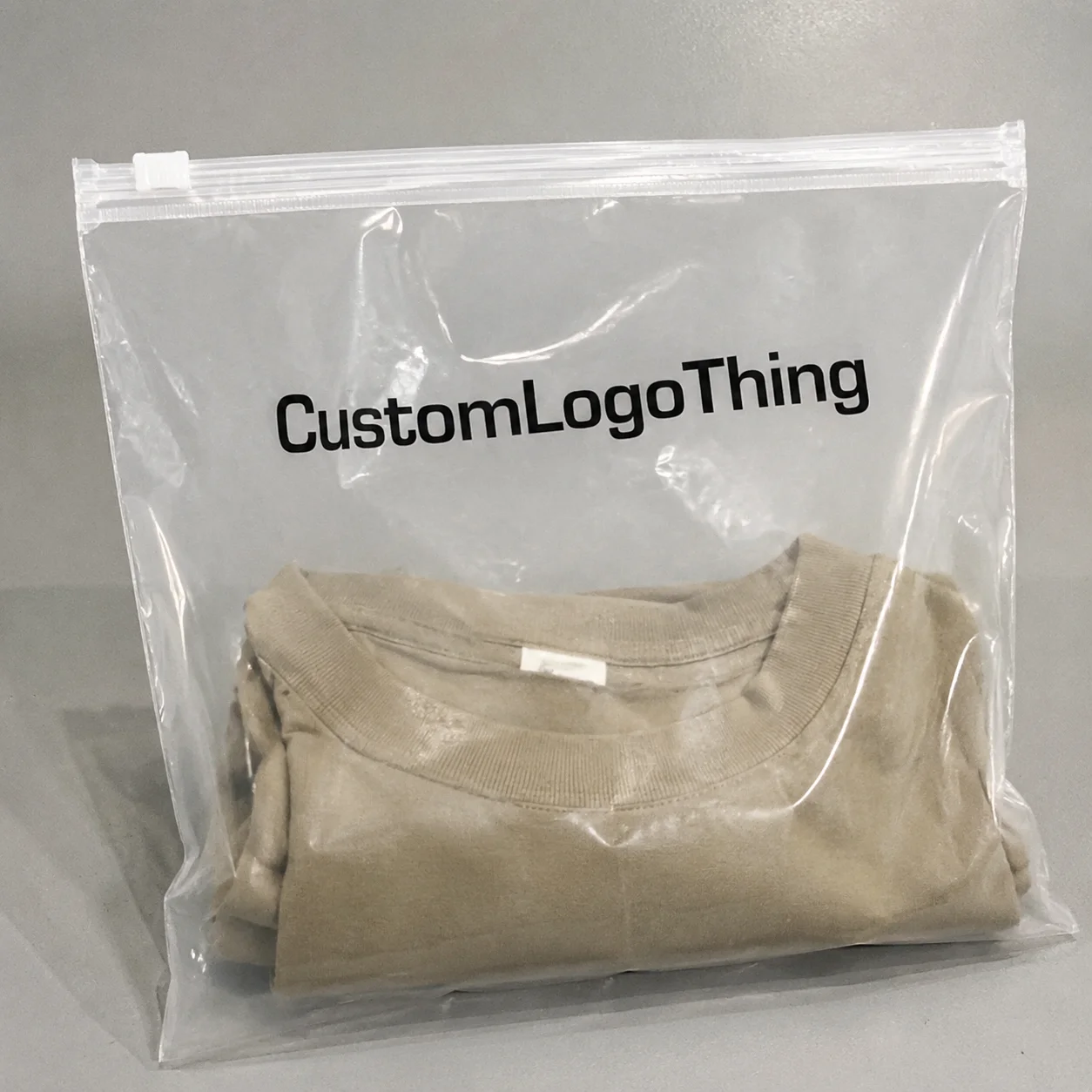
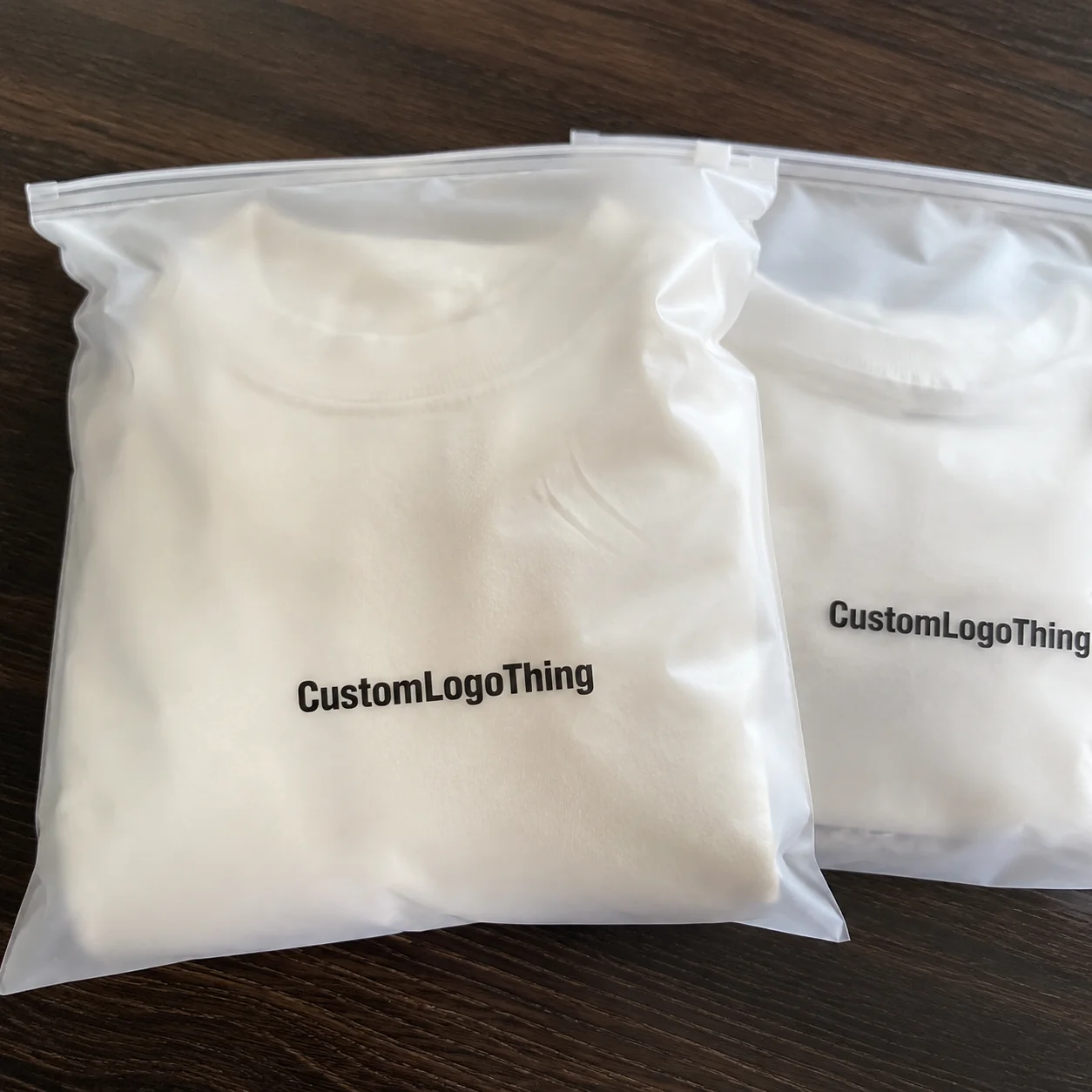
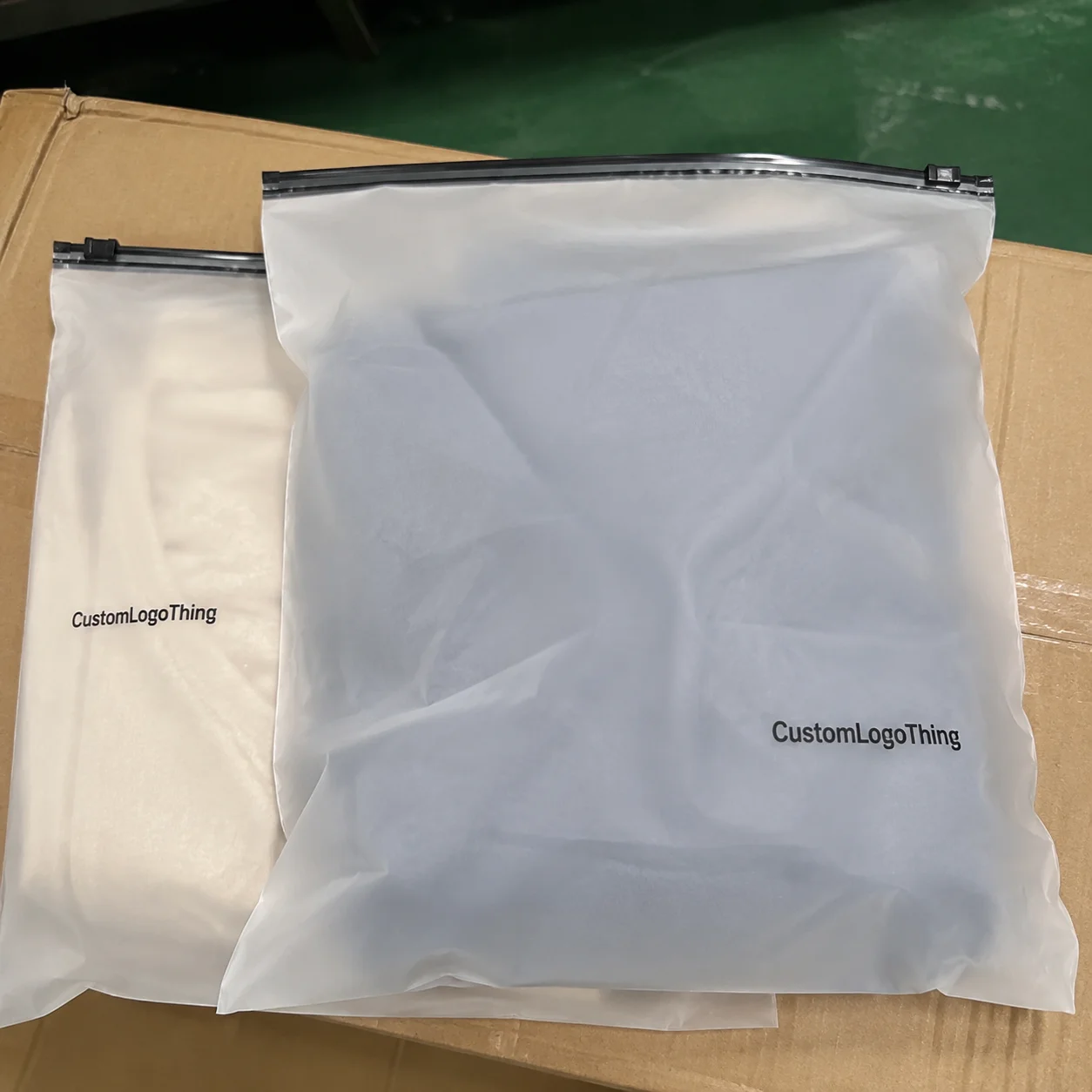
Buyer Fit Snapshot
| Best fit | Mailing Bags Selection Poly Mailer projects where brand print, material claims, artwork control, MOQ, and repeat-order consistency need to be specified before quoting. |
|---|---|
| Quote inputs | Share finished size, material target, print colors, finish, packing count, annual reorder estimate, ship-to region, and any compliance wording. |
| Proofing check | Approve dieline scale, logo placement, barcode or warning zones, color tolerance, closure strength, and carton packing before bulk production. |
| Main risk | Vague material claims, crowded artwork, missing packing details, or unclear freight terms can make a low unit price expensive after revisions. |
Fast answer: Mailing Bags Selection Poly Mailer: Film, Print, MOQ, and Carton Packing should be specified like a repeatable production item. The safest quote records material, print method, finish, artwork proof, packing count, and reorder notes in one written spec.
Production checks before approval
Compare the actual filled-product size with the drawing, then confirm tolerance on folds, seals, hang holes, label areas, and retail display edges. Reserve space for logos, QR codes, warning copy, and material claims before decorative graphics fill the panel.
Quote comparison points
Review material grade, print process, finish, sampling route, tooling charges, carton quantity, and freight assumptions side by side. A quote is only useful when the supplier can repeat the same color, closure quality, and packing count on the next order.
Mailing bags how to choose is one of those decisions that looks simple until the first damage claim lands in your inbox. I’ve seen a $0.22 mailer cause a $38 reshipment, plus a refund, plus a very annoyed customer who posted photos of a torn seam before the brand even had time to investigate. In packaging, the bag is rarely just a bag. It is protection, branding, postage math, and labor speed wrapped into one material choice.
A lot of businesses stare at the quote per unit and stop there. That is usually the wrong place to stop. The real cost shows up after the label is scanned, when the parcel meets conveyors, sorters, humid warehouses in Jacksonville, and the occasional overstuffed cart in a Dallas 3PL. Mailing bags how to Choose the Right one is less about finding the cheapest poly mailer and more about matching the right film, thickness, closure, and format to the item, the route, and the customer expectation.
I’ve been on packing floors where a team was losing 40 seconds per order because the mailer was two inches too small. I’ve also sat in supplier meetings in Guangzhou and Shenzhen where a brand insisted on ultra-thin bags to save money, then spent the next quarter paying for returns because the seams split in humid transit lanes. Small choices. Large consequences. And yes, someone always says, “It’ll probably be fine,” right before it is very much not fine.
This is a practical decision-making process, not a product catalog. If you are trying to figure out mailing bags how to choose for apparel, soft goods, accessories, or lightweight non-fragile items, you’ll get the framework here: sizing, material, print, performance, pricing, and the points where it makes sense to upgrade. Think of it as the difference between buying a bag and buying the right bag for a SKU that ships 5,000 units a month.
Mailing Bags How to Choose: What They Are and Why It Matters
Poly mailers are flexible shipping bags made from polyethylene film, usually LDPE or a coextruded blend, sealed with an adhesive strip and designed to protect lightweight products during transit. They sit in a useful middle ground. Compared with boxes, they save space and money. Compared with paper envelopes, they usually offer better moisture resistance. Compared with padded mailers, they can be lighter and more compact, which matters when you are shipping 10,000 units a month from hubs in Los Angeles, Toronto, or Ho Chi Minh City.
Here’s the surprise many operators learn the hard way: a large share of shipping damage claims start with the wrong mailer, not the carrier. I’ve seen this pattern in audits more than once. The box arrives crushed, the bag has a weak seal, the product shifts in transit, and suddenly everyone is arguing about accountability. If the packaging format was wrong from the start, the carrier simply exposed the weakness. That part is infuriating, honestly, because the fix was sitting there in procurement the whole time, often in a quote from a supplier offering a 350gsm C1S artboard insert and a better mailer at only $0.03 more per unit.
Mailing bags how to choose correctly matters because the bag affects four things at once. First, product protection. Second, postage, especially for dimensional and weight-sensitive shipments. Third, packing speed at the station, which can make or break fulfillment labor costs. Fourth, the customer experience, because a clean, right-sized, branded bag feels deliberate rather than improvised. On a 2,000-order day, a 6-second improvement per pack can recover more than 3.3 labor hours, which is not a rounding error in a warehouse paying $18 to $24 per hour.
There are other options, of course. Boxes are better for rigid, fragile, or high-value items with crush risk. Padded mailers work well for books, cosmetics, electronics accessories, and items that need surface protection. Paper mailers appeal to brands focused on fiber-based packaging claims. Yet poly mailers remain a workhorse for a reason: they are light, fast, and cost-efficient when the product suits the format. A 12 x 15 inch poly mailer can cost about $0.11 per unit at 5,000 pieces, while a comparably sized padded mailer may run closer to $0.26 per unit.
“The cheapest packaging is not the one with the lowest quote. It’s the one that avoids a second shipment.” That’s a line I heard from a fulfillment manager in Guangzhou while we were comparing seal strengths on two mailer lines, and it stuck with me because the math was brutally accurate. A $0.15 bag can save a $19 reshipment if it prevents one seam failure.
Mailing bags how to choose is also about setting the right expectation internally. If your team treats bag selection as a one-time purchase decision, you’ll keep re-litigating the same problems every quarter. If you treat it as a repeatable standard, you can train packers, forecast inventory, and keep print specs consistent. I’m a big fan of boring standards, which sounds less glamorous than it is, but it saves money and migraines in warehouses from Manchester to Melbourne.
How Poly Mailers Work in Shipping and Fulfillment
A standard poly mailer is simpler than most people think, but the details matter. The film can be one layer or several, depending on the design. A coextruded structure may include a softer inner layer and a tougher outer layer. The adhesive strip is usually a pressure-sensitive seal with a release liner. The opacity comes from pigment load or layered film. Seams are heat-sealed, and the quality of that seal often decides whether the bag survives rough handling or fails at the corner after 18 minutes on a conveyor in Atlanta or Lyon.
Mailing bags how to choose depends partly on what the bag is meant to resist. Poly mailers are excellent against moisture, scuffs, dirt, and tampering. They can handle light knocks and the usual movement inside a parcel network. What they do not do well is resist heavy crush force. If a 12 kg carton lands on top of a soft mailer, the bag is not the hero in that story. For that reason, many teams move from a 2.0 mil film to a 3.5 mil film once their return rate passes 1.5% on apparel orders.
In one factory visit in Dongguan, I watched a team pack 600 T-shirts an hour into standard 10 x 13 inch bags. The moment they switched to an awkward oversize mailer, throughput fell because the bags had to be folded, reoriented, and manually flattened before sealing. Same product. Same staff. Different format. That’s why mailing bags how to choose should always include pack-line behavior, not just product dimensions. A bag that shaves 3 seconds off the pack cycle can matter more than a $0.02 price difference.
Mailers fit especially well for:
- Apparel such as tees, leggings, socks, and lightweight outerwear.
- Soft goods including scarves, small textiles, and fabric accessories.
- Non-fragile accessories like belts, straps, phone cases, and hats.
- Low-risk e-commerce orders where moisture protection matters more than crush resistance.
For warehouse operations, the right mailer can shave seconds off each pack cycle. That sounds minor until you multiply by 2,000 orders a day. If a packer saves 8 seconds per parcel, that is more than 4.4 labor hours recovered across 2,000 packs. At $20 per hour, that is roughly $88 in labor value every day. Mailing bags how to choose, then, is partly a labor productivity question disguised as a packaging question.
When I reviewed return shipments for a subscription apparel brand, the biggest issue was not product breakage. It was bag puncture from sharp accessories inside the same order. Once we changed the packout standard and moved those items to a stronger film with better seam width, returns dropped noticeably. The bag had been fine for shirts. It was not fine for metal hardware. Context matters. A 14 x 19 inch mailer with a 3.0 mil film handled the mixed packs; the 2.25 mil version did not.
Mailing Bags How to Choose Based on the Key Factors
Mailing bags how to choose gets much easier once you break the decision into five variables: size, material thickness, security and weather resistance, branding, and total cost. Most bad purchases happen because one of those variables gets ignored. Usually cost. Sometimes size. Occasionally branding, which is surprising until you realize the mailer is often the first physical touchpoint a customer sees after a 3-day transit from Chicago or Rotterdam.
Size and fit
Size is the first test. Oversized bags waste material, take longer to seal, and can look sloppy. Undersized bags stress the seams, distort the adhesive closure, and make packers fight the format. A good rule is simple: fit snugly without stretching. If you need to wrestle the product into the bag, the bag is already failing before it leaves the pack station. A 10 x 13 inch mailer can work beautifully for a folded tee set; the same bag can be too tight for a hoodie with a 0.5 inch cardboard insert.
Measure the packed item, not the bare product. A folded sweater might measure 11 x 9 x 1.5 inches before the sleeve is tucked or the insert card is added. That extra half inch is where many teams get caught. In mailing bags how to choose, I always tell clients to measure the final packout, not the SKU spec sheet. Otherwise you end up with “almost fits” packaging, which is a cheerful way to create chaos. If your finished pack is 12 x 15 x 2 inches, a 14 x 19 inch mailer is often a safer starting point than a 12 x 15.
Material and thickness
Poly film thickness is often listed in mils or microns. A common standard mailer may sit around 2.0 to 3.0 mil, while heavier-duty options can go higher. Thickness alone is not enough, though. Film formulation, seam quality, and puncture resistance matter just as much. A thicker bag with poor seal integrity can still fail faster than a slightly thinner but better-constructed alternative. In supplier samples, I’ve seen 2.5 mil bags outperform 3.0 mil bags because the heat seal held better along a 10 mm seam width.
Mailing bags how to choose for heavier or sharper items usually means moving up in film grade. For light apparel, standard film is often enough. For return-heavy categories, premium brands, or items with edges, a stronger coextruded mailer with better tear behavior is worth the extra cents per unit. If your annual volume is 50,000 bags, paying $0.04 more per unit adds $2,000 to the bill, but cutting just 100 damage claims at $18 each already recovers $1,800 before you count support time.
| Mailer Type | Typical Use | Approx. Unit Cost at 5,000 pcs | Strength Profile | Best For |
|---|---|---|---|---|
| Standard poly mailer | Apparel, soft goods | $0.09–$0.16 | Light to moderate | Low-fragility orders |
| Heavy-duty poly mailer | Bulkier clothing, accessories | $0.14–$0.24 | Moderate to high | Sharper edges, higher return risk |
| Padded mailer | Small goods needing surface protection | $0.18–$0.42 | Moderate with cushioning | Books, cosmetics, small electronics |
| Custom printed poly mailer | Brand-led e-commerce | $0.12–$0.30+ | Depends on film grade | Brand recall and presentation |
Security and weather resistance
Opaque versus clear is not just a visual choice. Opaque mailers hide contents, reduce opportunistic tampering, and create a cleaner branded look. Transparent bags can work for retail kits or inventory visibility, but they offer less privacy. Water resistance is another major point. Poly film handles rain, humidity, and wet sorting areas in Singapore, Houston, and Mumbai better than many paper-based alternatives, though the seal still needs to be tight.
Mailing bags how to choose for security-heavy shipments should also consider tamper evidence. A strong adhesive strip helps, but so does a clean, full-width seal and a design that shows obvious opening if the pack is disturbed. If you are shipping higher-value apparel, supplement the bag with a printed outer warning, internal labels, or serialized inserts where appropriate. A 20 mm adhesive strip is better than a thin 8 mm strip if the parcel will move through multiple handoffs.
If your sustainability team asks whether all poly mailers are recyclable, the honest answer is: not always, and not everywhere. Claims depend on local collection systems, the exact resin, print coverage, and whether the bag meets a relevant store-drop-off or curbside stream. For packaging sustainability references, I point teams to the EPA recycling guidance and the FSC site for fiber-based materials. Do not assume a claim will travel cleanly across markets in California, Ontario, and the UK just because the supplier brochure says “eco-friendly.”
Branding and presentation
Branding changes how a mailer feels in the customer’s hands. A plain gray bag communicates function. A custom-printed bag communicates intent. That does not mean every brand needs four-color artwork across the whole surface. Sometimes a one-color logo, a custom tone, or a clear return address area is enough. In my experience, customers read packaging faster than they read copy. Color and print do a lot of the lifting, especially when the bag arrives in 2 to 4 business days and becomes the first physical proof of the brand.
Mailing bags how to choose for branded shipping should factor in unboxing value, social sharing, and perceived quality. For some brands, a custom mailer reduces the need for extra inserts. For others, especially premium labels, a stronger tactile feel and better print coverage can help justify the price point. If you’re evaluating custom options, see Custom Poly Mailers as a starting point for film, print, and sizing options. A matte finish on a 3.0 mil film often feels more premium than glossy stock at the same price tier.
Cost and pricing
Unit price matters, but landed cost matters more. That includes bag price, freight, storage, setup fees, and labor time. A bag priced at $0.11 can be more expensive in practice than a bag priced at $0.15 if the cheaper option slows packing by 6 seconds or increases damages by 2%. Mailing bags how to choose is really about the full system cost, not the invoice line. In bulk, a quote of $0.15 per unit for 5,000 pieces can be stronger value than $0.12 if the higher-quality bag reduces returns in a market like Berlin or Sydney.
When I negotiated with a supplier for a mid-sized fashion client, the lower quote came with a 4-week lead time, a higher minimum order, and softer seams. The “cheaper” option would have tied up cash and created an avoidable re-run. We chose the slightly higher per-unit bag and saved the client from a stockout during peak season. That’s the kind of tradeoff people miss if they only compare prices. In that project, samples shipped from Ningbo, and the approved production run took 12 business days after proof sign-off.
For bulk orders, ask for a breakdown like this:
- Base unit price at 1,000, 5,000, and 10,000 pieces.
- Custom setup cost for plates, cylinders, or print preparation.
- Freight cost to your warehouse or 3PL.
- Lead time from proof approval to shipment.
- Replacement or remake policy if the print or seal quality misses spec.
Step-by-Step Process to Pick the Right Mailing Bags
Mailing bags how to choose becomes much less overwhelming when you treat it like a sequence. I prefer a five-step method because it keeps decisions grounded in actual product behavior, not guesswork. The best teams do not start with color or price. They start with what they ship. A warehouse in Phoenix that ships mostly tees will need a different bag standard than a 3PL in Tilburg shipping mixed apparel and accessories.
1) Group your products by shipping profile
Start by listing the items you ship most often and grouping them by dimensions, fragility, weight, and return likelihood. A T-shirt, a hoodie, and a small accessory may all be “apparel,” but they do not behave the same way in transit. One is flat and forgiving. One is bulky. One may have hard components or sharp corners. The hoodie might fit a 14 x 19 inch bag; the tee may only need a 10 x 13 inch bag.
If you ship five core SKUs that account for 70% of your volume, those are the items that should decide the bag spec. Mailing bags how to choose based on edge cases is a mistake. Build around the items that move volume, then make exceptions for the outliers. A catalog with 200 SKUs can still be packaged well with 2 or 3 primary mailer sizes if the segmentation is done properly.
2) Measure the final packed item
Measure with packaging allowance. That means accounting for folds, inserts, instruction cards, poly sleeves, and closure space. If your item is 10 x 12 inches flat, the final packed form may need a 12 x 15 inch bag once the fold is added and the adhesive strip is accounted for. A lot of damage happens because people ignore the sealing flap area. A 1.5 inch flap plus a 0.5 inch product swell can change the answer quickly.
I once watched a team order 9 x 12 bags for 8.5 x 11 printed inserts and folded garments. It looked close on paper. In practice, the bags bowed, the seals were under stress, and packers started using half-open bags to make quota. That is not a process. That is a future claims file. The re-order ultimately moved to 10 x 13.5 inch bags with a 2.75 mil film, and pack speed improved within two shifts.
3) Match the material to the route and risk
Short domestic shipping and low-fragility apparel can often use standard poly. Longer transit routes, return-heavy categories, or humid regions may require heavier film and stronger seals. Mailing bags how to choose also depends on how the parcel moves. Air transit, hub sorting, and regional last-mile handling each introduce different kinds of stress. An order going from Paris to Marseille faces different handling than one going from Shanghai to São Paulo.
For quality references, it helps to keep basic testing standards in mind. The packaging industry often uses ISTA testing protocols for transit simulation and performance review, while ASTM methods are common for material and seal testing. You do not need to run a full lab program for every order, but you should know whether the mailer has been tested against realistic handling. A 12-drop ISTA-style test is a lot more revealing than a single hand squeeze.
4) Test 2 to 3 samples in real packing conditions
One sample order is not enough. Test real inventory, not just demo items. Put actual products in the bag, seal them at normal speed, stack them on a cart, and let them sit overnight if that is typical in your operation. Then check the seams, corners, and closure after packing and after transit simulation if possible. A supplier sample made with a single folded tee does not tell you much about a 1.8 kg mixed order.
Mailing bags how to choose should include a short field trial. I like to see at least 2 to 3 samples from different suppliers or different film grades. You learn quickly whether the adhesive sticks in a humid room, whether the tear notch behaves well, and whether the bag feels premium or flimsy in the hand. You also learn which bag makes the packers groan, which is surprisingly useful data when training seasonal staff in November.
5) Write a reusable reorder standard
Once the right spec is chosen, document it. Size, thickness, material, print coverage, seal type, minimum order quantity, and approved substitutes should all be written down. Otherwise, someone will reorder a slightly different version six months later and wonder why packing speeds or damage rates changed. A clear spec sheet saves time, especially when the original buyer is out of office and the reorder lands with a new procurement manager in Austin or Warsaw.
Mailing bags how to choose becomes a repeatable process only when the standard is visible. I’ve seen teams lose weeks because the original purchasing manager left, and the replacement had to reverse-engineer a mailer spec from an old invoice. That is an avoidable problem. Put the bag code, dimensions, film thickness, and approved supplier in a shared file that operations can open in 30 seconds.
- Identify the top shipping SKUs.
- Measure packed dimensions, not product-only dimensions.
- Select material grade based on route and risk.
- Test 2 to 3 samples in live operations.
- Lock the chosen spec into a reorder sheet.
Mailing Bags How to Choose Without Making Costly Mistakes
The biggest mistake is buying on unit price alone. Cheap mailers can increase damage, re-ships, and refunds fast enough to erase any savings. I’ve seen brands save $600 on an initial purchase and then lose more than $6,000 in downstream costs because of tears, seal failures, and customer complaints. That is not a savings strategy. That is a hidden tax. A price difference of $0.02 per bag disappears quickly when a single return costs $11 to process.
Another common error is ignoring seal quality, especially in humid environments or high-volume packing lines. If the adhesive strip lifts before the parcel reaches the sort center, the customer may receive a partially opened bag or a bag that has to be re-taped by the carrier. Mailing bags how to choose means checking the seal in real conditions, not trusting a glossy spec sheet. Test the closure after 30 minutes in a 28°C packing room, not just at the sample desk.
Do not assume all poly mailers are equally recyclable. Material claims vary by resin, print coverage, local collection infrastructure, and the exact wording used in your marketing. If you want to make sustainability claims, verify the packaging format against actual local systems and internal legal guidance. Packaging industry groups such as the Packaging School and industry resources can help frame the discussion, but your claim still has to match the jurisdiction. A claim that works in Oregon may not translate cleanly in Ontario or Bavaria.
Another trap is choosing a bag that fits one SKU beautifully and every other SKU badly. Multi-SKU businesses often need two or three mailer standards. A single universal size sounds efficient until it creates excess air, extra folds, and a messy presentation for half of your catalog. Mailing bags how to choose is really about building a smart range, not hunting for a mythical one-size-fits-all solution. A 10 x 13 inch, 14 x 19 inch, and 19 x 24 inch lineup often covers far more than most teams expect.
Finally, do not trust a demo sample alone. Test actual inventory with actual packers. I repeat that because it saves money. A sample stuffed with lightweight swatches does not tell you how the bag behaves with a zipper, a hanger hook, a card, and a return label all inside the same parcel. Real-world testing is the only test that matters. If the sample performs for 100 packs in one afternoon, you still need to know what happens on day 12 of a peak launch.
One brand manager told me, “The sample looked great until we packed real hoodies.” That sentence has probably saved more budgets than any slide deck ever did. In their case, the difference was a 2.25 mil sample versus a 3.0 mil production bag from a plant in Ningbo.
Expert Tips for Better Performance, Branding, and Timeline Planning
My first tip is simple: order a small testing batch before the first large production run. Ten to fifty pieces is enough to expose obvious issues in fit, seal strength, artwork registration, and packer comfort. Mailing bags how to choose gets easier once you have a real bag in real hands under real conditions. A sample batch from Hanoi, for example, is far more useful than a PDF proof alone.
Second, plan artwork proofing early. Custom printing can add time for plate setup, color matching, and proof approvals. Plain stock mailers are faster, but printed options usually need extra lead time. In practical terms, I’d budget 12 to 15 business days from proof approval for many Custom Poly Mailer runs, though complex printing, special colors, or freight delays can extend that. Build in a buffer if you are approaching a seasonal sales peak, because supply chains do enjoy humblebragging by failing on Friday afternoons. If your launch is tied to Black Friday or Singles’ Day, add another 5 to 7 business days of cushion.
Third, standardize the packing station. Use measured pack stations, consistent fold instructions, and a clear closure method. If you add inserts, define exactly where they go and how many can fit before the bag should be upgraded. A bag that works at one insert count may fail at two. A 2 mm difference in fold method can change a 12 x 15 fit into a forced 14 x 19 upgrade.
Fourth, consider whether your brand should upgrade to stronger mailers. Subscription boxes, return-heavy apparel, and premium labels often benefit from better film and more intentional print. If your customer expects a higher-end experience, the mailer needs to meet that standard. A rough bag on a premium order feels like a mismatch. People notice. A crisp matte bag with a clean white logo on a 3.0 mil film can do more for perception than a $1.50 insert card.
There is also a workflow angle that gets missed. A more consistent mailer can reduce packing decisions. Fewer choices at the station usually means fewer errors. In one client review, moving from four bag sizes to two reduced picker hesitation and made training much easier for temporary staff. Mailing bags how to choose should support operations, not complicate them. In that review, training time fell from 3 hours to 90 minutes per new packer.
If you are working with custom packaging partners, ask very specific questions:
- What is the exact film thickness in mils or microns?
- What is the seal width?
- Are the inks or prints compatible with the chosen resin?
- What is the minimum order quantity?
- What is the remake policy if the print is off-spec?
Those details tell you far more than a generic “strong mailer” label ever will. Mailing bags how to choose is a technical decision dressed up as a branding choice, and the best suppliers know that. In a good quote, you should see the resin type, the film gauge, the bag dimensions, and the expected lead time from proof approval to dispatch.
How do you choose mailing bags for different product types?
Start with the product’s packed dimensions, then weigh fragility, moisture exposure, and how often the item is returned. Apparel often works well in standard poly mailers, while bulkier or sharper items may need heavy-duty poly mailers or padded mailers. Mailing bags how to choose is easiest when you group products by shipping profile rather than by category name alone. A hoodie, a tee, and a belt may all be “fashion,” but they need different levels of protection.
What to Do Next After You Decide on Mailing Bags
Once you settle on a direction, build three mailing bag specs: everyday, premium, and high-durability. That gives you room to match the package to the product instead of forcing every SKU into one boxy idea. For many businesses, the everyday spec will handle 70% or more of volume. The other two cover the outliers, like heavier hoodies in winter or accessory bundles with sharper edges.
Next, audit your shipping data. Look at damage rates, packaging spend, pack times, and return reasons. If your damage rate is already low, you may not need a heavier mailer. If pack times are slow, the issue may be sizing or station design rather than film thickness. Mailing bags how to choose should follow the data, not the other way around. A dashboard that tracks damage claims per 1,000 orders is more useful than a gut feeling from one busy week in July.
Request samples from at least two suppliers and test them on your top five shipped items. Then create a reorder sheet that captures size, thickness, print details, minimum order quantity, and lead time. Keep that document where procurement and operations can both see it. That one sheet can prevent a lot of expensive confusion later. If the supplier is in Dongguan and the freight lane goes through Long Beach, write that down too.
If you want the decision to hold up under real pressure, treat mailing bags how to choose as a process you repeat, not a one-time procurement event. Product type, cost, and customer experience should all be in the same conversation. When those three line up, the bag does its job quietly. And in packaging, quiet is usually a very good sign.
If I had to reduce the whole thing to one sentence, it would be this: mailing bags how to Choose the Right poly mailer means matching the bag to the product, the route, and the brand promise, then confirming that choice with real samples and real shipping data. Start with your top-shipped SKUs, measure the finished pack, test two or three mailers in live conditions, and lock the winning spec into a shared reorder sheet. That is the part that keeps the next round of claims, confusion, and surprise costs from showing up.
Mailing bags how to choose the right size for my products?
Measure the item at its widest packed point and add room for folds, inserts, and the closure flap. A snug fit is ideal; stretching the seams or leaving excess empty space creates problems. Always test with the actual packed product, not just the raw dimensions. If your finished pack is 11 x 14 x 2 inches, start with a 12 x 15 or 14 x 19 sample and compare both.
What thickness should I look for when choosing mailing bags?
Use thicker film for heavier, sharper, or higher-value items. Standard apparel can often use lighter poly mailers, while return-heavy or premium orders may need stronger film. Thickness matters, but pair it with seam strength and puncture resistance rather than judging by thickness alone. A 2.5 to 3.0 mil film is common for everyday apparel, while tougher packs may need 3.5 mil or more.
Are custom printed mailing bags worth the extra cost?
Yes, if branding, repeat recognition, or unboxing experience matters to your business. Custom printing can also reduce the need for extra inserts or labels. Compare the extra unit cost against the marketing value and presentation benefit, not just the packaging budget. At 5,000 pieces, a printed bag at $0.18 can be worth it if it reduces insert spend by $0.04 per order and improves repeat purchase rates in your top market.
How do I estimate mailing bags pricing for bulk orders?
Use total landed cost. That means unit price, freight, storage, custom setup charges, and any remake risk. Compare quotes at different quantities, such as 1,000, 5,000, and 10,000 pieces, and include labor savings or damage reduction in the calculation. A quote of $0.15 per unit for 5,000 pieces may beat $0.12 if the cheaper option causes even a small rise in claims.
How long does it take to get custom mailing bags made?
Lead time depends on print complexity, order volume, proof approval speed, and freight transit. Plain stock mailers usually arrive faster than custom printed ones. Build in extra time for sampling, revisions, and shipping so you do not run short before a peak sales period. In many cases, production is typically 12-15 business days from proof approval, with another 3 to 10 business days for freight depending on the manufacturing city and destination.