Buyer Fit Snapshot
| Best fit | Recyclable Packaging Selection projects where brand print, material claims, artwork control, MOQ, and repeat-order consistency need to be specified before quoting. |
|---|---|
| Quote inputs | Share finished size, material target, print colors, finish, packing count, annual reorder estimate, ship-to region, and any compliance wording. |
| Proofing check | Approve dieline scale, logo placement, barcode or warning zones, color tolerance, closure strength, and carton packing before bulk production. |
| Main risk | Vague material claims, crowded artwork, missing packing details, or unclear freight terms can make a low unit price expensive after revisions. |
Fast answer: Recyclable Packaging Selection: Quote Scope, Sample Proof, MOQ, and Lead Time should be specified like a repeatable production item. The safest quote records material, print method, finish, artwork proof, packing count, and reorder notes in one written spec.
Production checks before approval
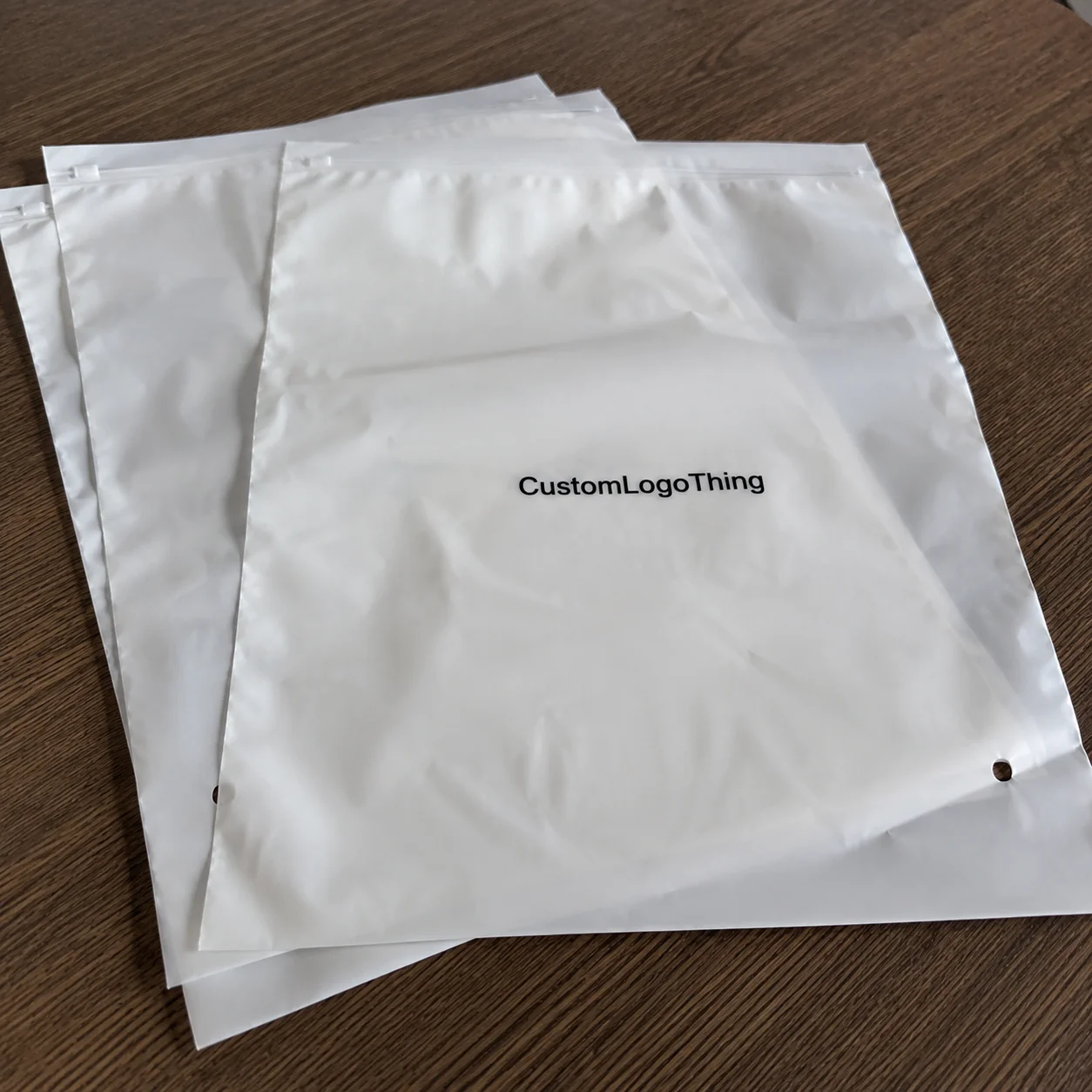
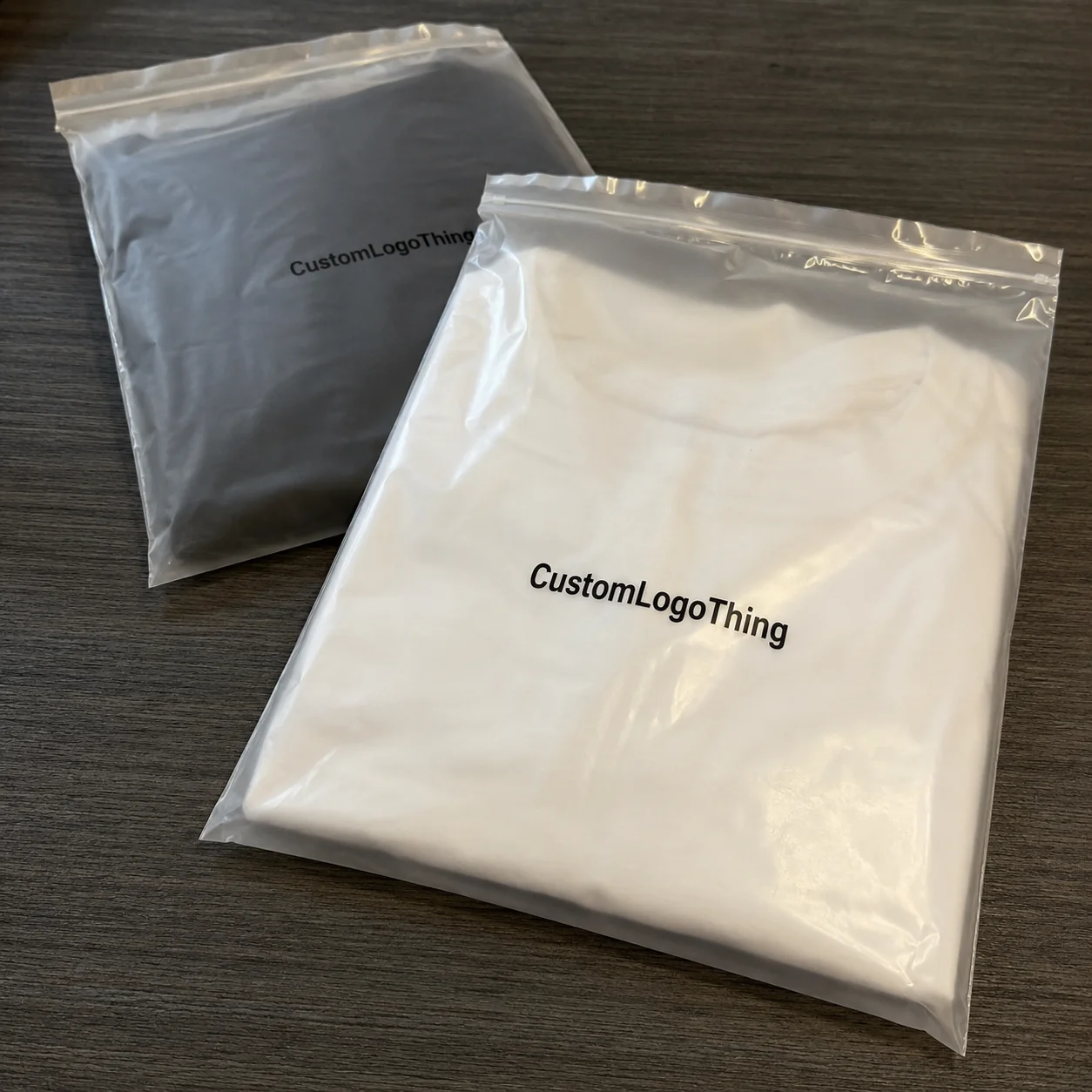
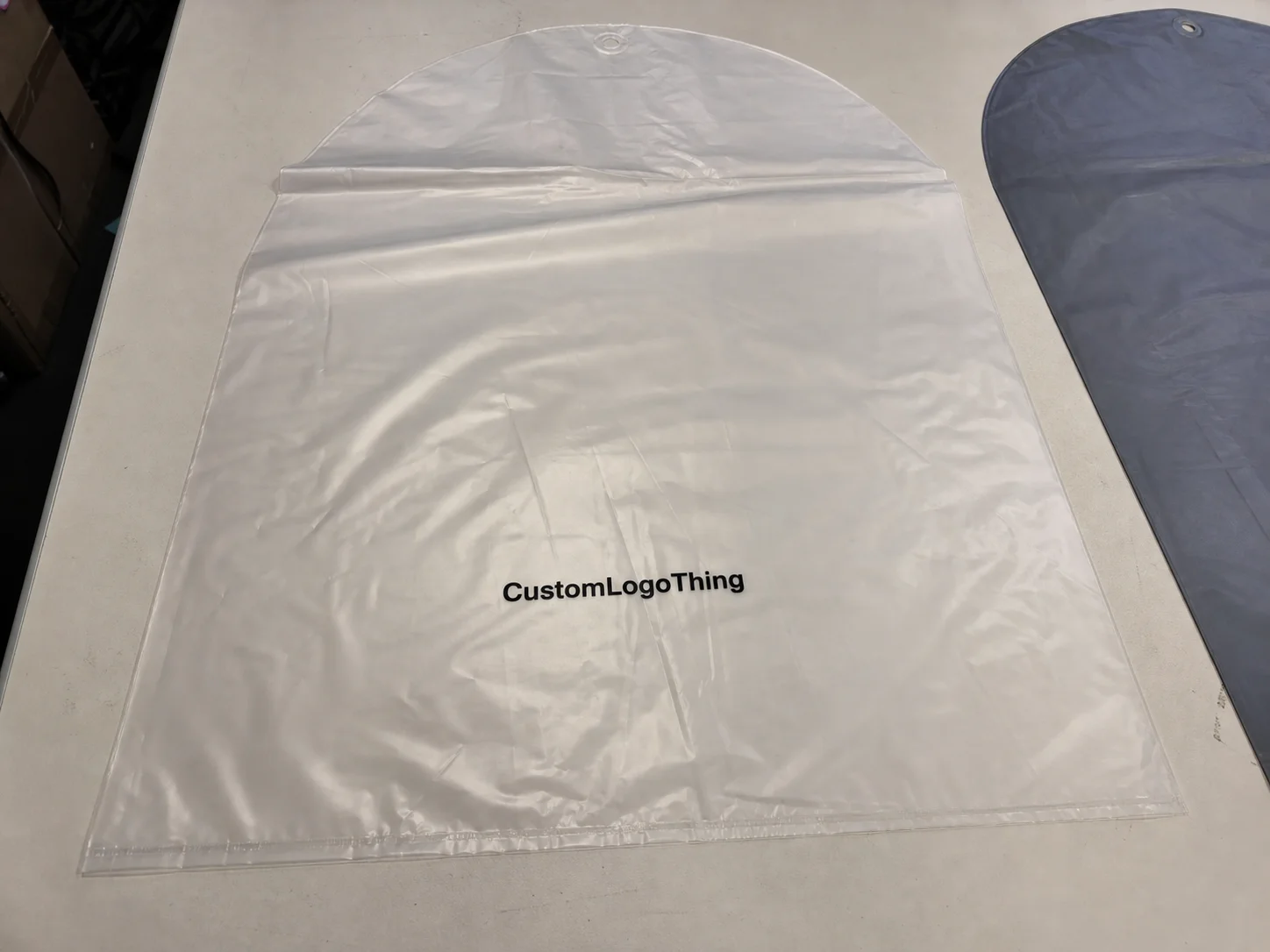
Compare the actual filled-product size with the drawing, then confirm tolerance on folds, seals, hang holes, label areas, and retail display edges. Reserve space for logos, QR codes, warning copy, and material claims before decorative graphics fill the panel.
Quote comparison points
Review material grade, print process, finish, sampling route, tooling charges, carton quantity, and freight assumptions side by side. A quote is only useful when the supplier can repeat the same color, closure quality, and packing count on the next order.
I've spent twelve years in custom printing, and if there's one thing that drives me crazy, it's watching brands slap "recyclable" on their packaging without actually understanding what that means. Last year, I visited a supplier in Shenzhen and watched a entire container of "eco-friendly" mailers get flagged for contamination—they had metallic ink layers that absolutely no recycling facility in North America could process.
The confusion around recyclable Packaging How to Choose is costing businesses money, hurting the environment, and creating tons of unnecessary waste. Most of the "green" packaging advice out there is written by people who've never touched a printing press or negotiated with a materials supplier. I'm going to give you the practical, no-BS guide I wish I'd had when I started.
Here's what most people get wrong: just because something can technically be recycled doesn't mean it will be. Let's dig into the reality.
Why Most 'Recyclable' Packaging Isn't Actually Recycled
Here's a number that should make you uncomfortable: roughly 85% of packaging labeled as recyclable ends up in landfills. Eighty-five percent. Let that sink in.
When I first heard this statistic at a packaging summit in Chicago, I thought the speaker was exaggerating. She wasn't. The issue comes down to three problems: contamination, infrastructure mismatch, and consumer confusion.
During my third year in business, I worked with a cosmetics client who insisted on using a pearlescent finish on their folding carton packaging. Beautiful boxes, excellent shelf presence. But when they tried to recycle the overruns, the recycling facility rejected the entire batch. The pearlescent coating contained compounds that couldn't be processed at standard paper recycling plants. All those "recyclable" boxes went straight to the dumpster.
That's when I started asking harder questions about material composition.
The difference between recyclable, compostable, and biodegradable isn't just semantics—it's the difference between your packaging actually getting a second life versus feeling good while it rots in a landfill.
- Recyclable means the material can be collected, processed, and remanufactured into new products through existing municipal recycling infrastructure
- Compostable requires specific conditions (industrial composting facilities with precise temperature and humidity) to break down—these conditions rarely exist in home compost bins
- Biodegradable is the weakest claim—it just means something will eventually break down, which is true of almost everything given enough time
The problem is that marketing teams love using the word "recyclable" because it sounds good without being specific. I've seen boxes with mixed-material laminations labeled with recycling symbols, knowing full well those boxes couldn't be processed anywhere in the continental United States.
When you're figuring out recyclable packaging how to choose, the first question needs to be: "Where will this actually end up, and can my customer's municipal facility handle it?"
Understanding the Recyclability Hierarchy: Materials That Actually Get Reprocessed
Not all recyclable materials are created equal. Your packaging design choices dramatically impact whether materials actually get a second life.
Let me break down the hierarchy based on real recycling infrastructure realities:
High-Value Recyclables (Infrastructure Exists)
HDPE (#2 plastic) and PET (#1 plastic) are the workhorses of the recycling world. These materials have established collection streams, processing facilities, and end markets. Milk jugs, soda bottles, detergent containers—these get reprocessed consistently because there's genuine demand for the recycled pellets.
When a client asks me about plastic Packaging for Retail products, I almost always steer toward PET unless there's a specific barrier requirement that demands HDPE. The recycling rates for these materials hover around 30% nationally, but that's climbing as processing infrastructure improves.
Paper and Cardboard: The Mixed Bag
Corrugated cardboard and paperboard have impressive theoretical recycling rates—around 65% for OCC (old corrugated containers). But the operative word is "theoretical."
The reality is that paper recycling requires clean, dry materials. Grease contamination from food packaging, wet cardboard from rain exposure, and paper with plastic laminations all get diverted to landfill. I visited a material recovery facility in Oakland last year, and the operator showed me bales of cardboard that looked clean but failed the moisture content test. Entire loads rejected.
For branded packaging applications, corrugated with at least 70% post-consumer recycled content is achievable and cost-competitive. We offer this at Custom Logo Things—you can check our Custom Packaging Products page for specific options.
Glass and Aluminum: The Closed-Loop Success Stories
Here's what the packaging industry doesn't talk about enough: aluminum and glass actually have better closed-loop systems than most plastics. An aluminum can can be back on shelves in six to eight weeks after collection. Glass can be recycled endlessly without quality loss.
The limitation? Weight and shipping costs make these materials impractical for many e-commerce applications. But if you're doing local retail packaging, aluminum bottles or glass jars with aluminum lids represent the gold standard for true circular economy.
Emerging Bioplastics: Proceed With Caution
PLA (polylactic acid) bioplastics made from corn starch are often marketed as compostable alternatives. They're not the solution they're cracked up to be for most applications.
Current industrial composting facilities that can actually process PLA represent less than 5% of the composting infrastructure in the United States. Material that looks and feels like plastic but ends up in a standard recycling stream contaminates the entire batch. I've seen recycling facilities reject entire loads of mixed plastics because someone threw in PLA cutlery.
The honest answer on bioplastics: they're promising for specific food-service applications where composting infrastructure is guaranteed, but they're not ready for mainstream product packaging use.
Key Factors to Evaluate Before Choosing Recyclable Packaging
Before you start requesting samples from every supplier in the world, you need to answer four fundamental questions. Skip this step and you'll waste thousands on packaging that doesn't perform.
1. What's Your Local Recycling Infrastructure Actually Accept?
This is the question nobody asks until it's too late. I worked with a client in Phoenix who designed beautiful packaging using a specific HDPE blend. When they switched from virgin to recycled content, the recycled version had different additive packages that affected the recycling code classification. Their municipal facility didn't accept that specific grade, so despite being "recyclable," their packaging was ending up in landfill.
Check your city's waste management website. Each municipality contracts with different MRFs (materials recovery facilities), and accepted material lists vary significantly.
2. What Barrier Properties Does Your Product Require?
If you're packaging food, cosmetics, or anything with moisture or oxygen sensitivity, your material options narrow considerably. Standard recyclable materials often lack the barrier properties needed to maintain product shelf life.
The solution isn't necessarily non-recyclable materials—it's understanding which recyclable options meet your specific barrier requirements. For food applications, this might mean metallized barriers (which complicate recycling) or alternatively, separate primary and secondary packaging where only the outer wrapper needs to be recyclable.
3. How Does This Integrate With Your Supply Chain?
I learned this lesson the hard way. A client switched to recycled content corrugated for their subscription boxes, which seemed like a win-win. But the recycled material had different compression strength and surface smoothness. Their automated filling equipment was calibrated for the previous material spec, and they started experiencing seal failures and shipping damage.
Always test with your actual production process before committing to a material change.
4. What Instructions Do Your Customers Need?
Here's the uncomfortable truth: approximately 60% of consumers throw packaging in the wrong bin. They see a recycling symbol and assume everything goes in, or they get confused by material codes and give up entirely.
When you're solving recyclable packaging how to choose, consumer education is part of the equation. Your packaging needs clear, simple disposal instructions—and honestly, sometimes the best choice is packaging simple enough that disposal is obvious.
Step-by-Step: How to Choose the Right Recyclable Packaging for Your Product
Alright, let's get tactical. Here's the exact process I walk clients through when they're ready to make the switch to recyclable materials.
Step 1: Audit Your Current Packaging
Pull out every packaging component and document the material composition. For each item, identify:
- Primary substrate (paper, plastic, glass, metal)
- Additives, coatings, or laminations
- Printing inks and finishes
- Adhesives used in construction
I had a client who thought their packaging was "mostly recyclable" until we did this audit. Turned out the pressure-sensitive label on their corrugated shipper used an acrylic adhesive that couldn't be processed at standard paper recycling facilities. The "recyclable" box had a non-recyclable component attached.
Step 2: Research Your Municipal Guidelines
Go to your city's official waste management website. Download the accepted materials list. Call the facility if you have questions—most MRF operators are surprisingly helpful when you ask specific questions about material compatibility.
Bookmark the How2Recycle database—it's the most comprehensive resource for understanding what different facilities accept. Search by specific material codes, not just general categories.
Step 3: Request Samples From At Least Three Suppliers
Don't go with the first supplier who says "we have green options." Request physical samples with full material spec sheets. What you're looking for:
- Specific recycling codes (not just "recyclable" claims)
- Third-party certifications (FSC, APR, SCS Global)
- Recycled content percentages
- Compatibility documentation with your product type
When I started Custom Logo Things, I spent weeks visiting suppliers and requesting samples. The ones worth working with had documentation ready. Suppliers who got defensive about questions or couldn't provide spec sheets? I moved on.
Step 4: Test With Your Production Process
Order sample quantities—usually 50 to 100 units is enough for testing. Run them through your filling and sealing equipment. Drop-test with your actual product packaged inside. Evaluate:
- Seal integrity
- Compression strength during shipping
- Compatibility with existing automation
- Print quality on the recyclable substrate
I've seen beautiful sustainable packaging fail spectacularly when it hit a shrink-wrap tunnel or an ultrasonic sealer. Lab testing doesn't always predict production realities.
Step 5: Calculate the Cost Delta
Get quotes for both your current packaging and the recyclable alternatives, then calculate:
- Per-unit cost difference
- Tooling or die-cut modifications needed
- Minimum order quantity implications
- Lead time differences
- Projected annual spending impact
We'll dig into specific numbers in the pricing section, but expect to pay more upfront. The question is whether the premium is sustainable for your business model.
Step 6: Design Clear Consumer Instructions
This step gets skipped constantly. Your recyclable packaging needs:
- Recycling code prominently displayed
- Simple disposal instructions (maximum two sentences)
- Any preparation steps required (rinse, flatten, remove labels)
- QR code linking to more detailed instructions if needed
When you're deciding recyclable packaging how to choose, remember that your choice is only valuable if customers actually recycle the material correctly.
Cost and Pricing: What Recyclable Packaging Actually Costs
Let's talk money. I hate when packaging suppliers hide behind vague terms like "competitive pricing" or "value-driven solutions." Here's what recyclable packaging actually costs based on current market realities.
Price Comparison by Material Type
| Material Type | Standard Pricing (per 1,000 units) | Recyclable Equivalent | Premium Percentage |
|---|---|---|---|
| Corrugated Mailers | $180 - $220 | $240 - $300 | 25-35% |
| Kraft Paper Bags | $85 - $120 | $110 - $160 | 30-35% |
| HDPE Plastic Containers | $120 - $180 | $145 - $220 | 15-25% |
| PET Plastic Bottles | $95 - $140 | $110 - $175 | 15-30% |
| Folding Cartons | $200 - $350 | $280 - $480 | 30-40% |
These ranges assume standard four-color process printing with 5,000-unit orders. Volume discounts from suppliers like Berlin Packaging can bring these numbers down, but the premium over virgin materials remains consistent across the industry.
Hidden Costs That Surprise Most Buyers
Beyond the per-unit price, watch for these additional expenses:
- Tooling modifications: If your current dies work with virgin materials, recycled substrates may require adjustments. I've seen die modification fees run $500 to $2,000 depending on complexity
- Extended lead times: Recycled content materials often have longer production schedules. Budget an additional one to three weeks
- Minimum order quantities: Some suppliers require higher MOQs for custom recyclable materials—sometimes 2,500 units versus 1,000 for standard options
- Sample and testing costs: Don't skip this, but factor in $300 to $800 for sample runs before full production
Where Long-Term Savings Show Up
The premium isn't pure expense. Here's where recyclable packaging can create value:
- Consumer preference: Studies consistently show 65-70% of shoppers will pay more for sustainable packaging, with Gen Z showing the strongest preference
- Regulatory compliance: Several states have extended producer responsibility laws, with more coming. Getting ahead of these requirements avoids scramble costs
- Tax incentives: Some jurisdictions offer tax credits for using recycled content. Your accountant should know what's available in your area
- Brand differentiation: Sustainable packaging is a real marketing asset, especially in crowded markets where your product otherwise looks similar to competitors
At Custom Logo Things, our corrugated mailer boxes with recycle-ready construction run approximately $0.42 to $0.68 per unit for 3,000-piece orders, depending on custom printing complexity. That's roughly $0.08 to $0.15 above comparable non-recyclable options, but includes the recycling certifications that matter for actual diversion.
Timeline and Production Process for Ordering Recyclable Packaging
I've had clients get frustrated because they expected sustainable packaging to follow the same timeline as standard options. It doesn't. Here's the realistic production schedule you should plan around.
Standard Lead Times: Stock Items
For stock recyclable packaging with minor customization (stickers, bands, simple printing): three to five business days after proof approval. This is comparable to standard stock items.
Custom Printed Recyclable Packaging
Custom printing on recyclable materials requires more calendar time:
- Artwork and proofing stage: 5 to 7 business days for design revisions and print-ready file preparation
- Production run: 4 to 6 weeks depending on material availability and printer capacity
- Quality control and shipping: 3 to 5 business days
Total timeline from artwork approval to delivery: six to ten weeks for most custom recyclable packaging orders.
Why Recycled Materials Add Time
The extra time isn't arbitrary. Recycled content materials behave differently during printing and finishing:
- Consistency variations: Post-consumer recycled content can vary batch-to-batch, requiring printer calibration adjustments
- Extended cure times: Some soy-based inks and water-based coatings used in eco-friendly printing need longer drying periods
- Limited capacity: Fewer facilities specialize in recycled substrate printing, so booking slots takes longer
Rush Orders: The Premium Reality
Need it faster? Be prepared to pay. Rush orders on custom recyclable packaging typically command a 25% to 35% premium, with two-week turnaround available on most custom orders (versus six to eight weeks standard). Stock item rush orders run 15-20% premium with three to five day turnaround.
My recommendation: build the timeline into your product planning. Trying to rush sustainable packaging rarely ends well—you either pay the premium or end up with compromised quality on materials that weren't properly acclimated for your production process.
Common Mistakes When Selecting Recyclable Packaging
Over twelve years, I've watched clients make the same expensive mistakes when transitioning to recyclable materials. Let's save you some pain.
Mistake #1: Assuming 'Recyclable' Means Accepted Everywhere
Just because a material has a recycling code doesn't mean your local facility processes it. I worked with a brand that specified PET plastic for their bottles—technically one of the most recyclable plastics. Their bottles used a specific colorant package that their municipal MRF couldn't handle, and the collection truck driver told me afterward that entire batches were going straight to landfill.
Always verify with your actual collection facility, not just general industry guidelines.
Mistake #2: Choosing Materials That Look Green but Require Specialized Processing
Some packaging looks environmentally friendly but requires composting infrastructure that doesn't exist in most markets. I've seen brands use PLA-lined paper cups and proudly announce their "compostable packaging"—then discover that fewer than 3% of their customers had access to industrial composting facilities.
If the composting infrastructure isn't in place, compostable packaging is functionally identical to landfill waste. Stick with materials that work with existing infrastructure.
Mistake #3: Ignoring Recycling Symbol Codes
Those resin identification codes (#1 through #7) aren't decorations. Each number represents specific plastic chemistries with different processing requirements:
- #1 PET: Widely accepted, strong end markets
- #2 HDPE: Widely accepted, strong end markets
- #3-V (PVC): Limited acceptance, few end markets
- #4 LDPE: Increasingly accepted, film markets growing
- #5 PP: Limited acceptance but expanding
- #6 PS (polystyrene): Rarely accepted, avoid if possible
- #7 Other: Usually not accepted, high-risk choice
Mistake #4: Underestimating Consumer Confusion
I've watched focus groups where participants confidently threw the right-looking packaging in the wrong bin. One study found that 60% of consumers incorrectly sorted packaging marked with recycling symbols.
Don't rely on recycling symbols alone. Include actual disposal instructions on your packaging. A simple "Check Locally - Remove Label Before Recycling" or "Rinse and Recycle" is more effective than a vague recycling triangle.
Mistake #5: Skipping Supplier Certification Verification
Here's what I've learned: some "green" claims are pure marketing. When a supplier tells me their packaging is "eco-friendly" or "sustainable," I ask for documentation. Specific certifications to look for:
- FSC certification for paper/cardboard (ensures responsible forestry sourcing)
- APR (Association of Plastic Recyclers) recognition for plastic materials
- Third-party lifecycle assessments from organizations like SCS Global Services
- How2Recycle certification for standardized labeling
Suppliers who can't provide documentation for their environmental claims don't get my business. It's that simple.
Your Actionable Next Steps to Switch to Recyclable Packaging Today
Enough theory. Let's get you moving. Here's your action plan for the next 30 days.
This Week: Research and Audit
Monday: Spend 10 minutes on your city waste management website. Find the accepted materials list. Bookmark it.
Tuesday: Pull out your current packaging and do the material audit I described earlier. Write down material types and any non-recyclable components.
Wednesday-Thursday: Check the EPA's recycling infrastructure resources for your region. Understand what's actually collectible in your area.
Week Two: Supplier Outreach
Contact two to three suppliers requesting:
- Material spec sheets with recycling codes
- Third-party certifications
- Sample quantities (budget $300 to $500 for testing)
- Custom recycled content options if you need specific branding requirements
At Custom Logo Things, we respond to material requests within 24 business hours with full documentation. That's not universal in this industry—some suppliers take weeks or never respond with spec sheets.
Week Three: Testing
Run samples through your actual production process. This is non-negotiable. Document any issues with:
- Seal integrity
- Compression performance
- Print quality
- Compatibility with your automation
Week Four: Calculations and Decisions
Calculate your per-unit cost delta. Project the annual spending difference. Factor in:
- Premium pricing
- Potential consumer preference lift
- Shipping cost changes if material weight differs
- Tooling modification costs
If the numbers make sense, update your artwork to include proper recycling codes and disposal instructions. New print-ready files typically take 5 to 7 business days for revisions.
Final Word
Here's what I've learned after a dozen years in this industry: there's no such thing as "perfect" sustainable packaging. Every material choice involves tradeoffs. The goal isn't perfection—it's making better choices than you were making before, with actual data about what happens to your packaging at end of life.
When you're evaluating recyclable packaging how to choose, ask the hard questions. Verify the claims. Test with real production processes. The brands that get this right aren't the ones with the most sophisticated marketing—they're the ones who did their homework and chose materials That Actually Work with existing infrastructure.
Make the choice. Then make it work.
What's the difference between recyclable and recycled content packaging?
Recyclable means the material can be processed at standard recycling facilities. Recycled content means the material already contains previously used materials (post-consumer recycled content). The best practice is choosing packaging that is both recyclable AND contains recycled content—closing the loop in the material lifecycle.
Can I use recyclable packaging for food products?
Yes, but you need materials with proper barrier coatings to prevent contamination. HDPE (#2) and PET (#1) are food-safe and recyclable in most municipalities. Avoid mixed-material packaging (like pouches with metal layers) as these rarely get recycled. Always verify with your specific food safety requirements before making material changes.
How do I know if my local recycling facility accepts my packaging choice?
Check your municipal waste management website for accepted material codes (#1-7). Call your recycling facility directly and ask specifically about your packaging type. Use the How2Recycle database which lists accepted items by material and location. Don't assume—verify with your actual facility.
What certifications should I look for in recyclable packaging suppliers?
Look for FSC certification for paper/cardboard materials (ensures responsible sourcing from managed forests). APR recognition from the Association of Plastic Recyclers indicates plastics designed for recyclability. Third-party lifecycle assessments from organizations like SCS Global Services provide verified environmental claims. Be skeptical of suppliers making environmental claims without supporting documentation.
How much more expensive is recyclable packaging compared to standard options?
Expect to pay 15-40% more depending on material type and volume. HDPE and PET recyclable plastics are typically closer to 15% premium. Corrugated cardboard with recycled content typically runs 20-30% higher. Custom printing on recyclable materials adds 10-15% to base material costs. The premium varies significantly by supplier and order volume—always get specific quotes.