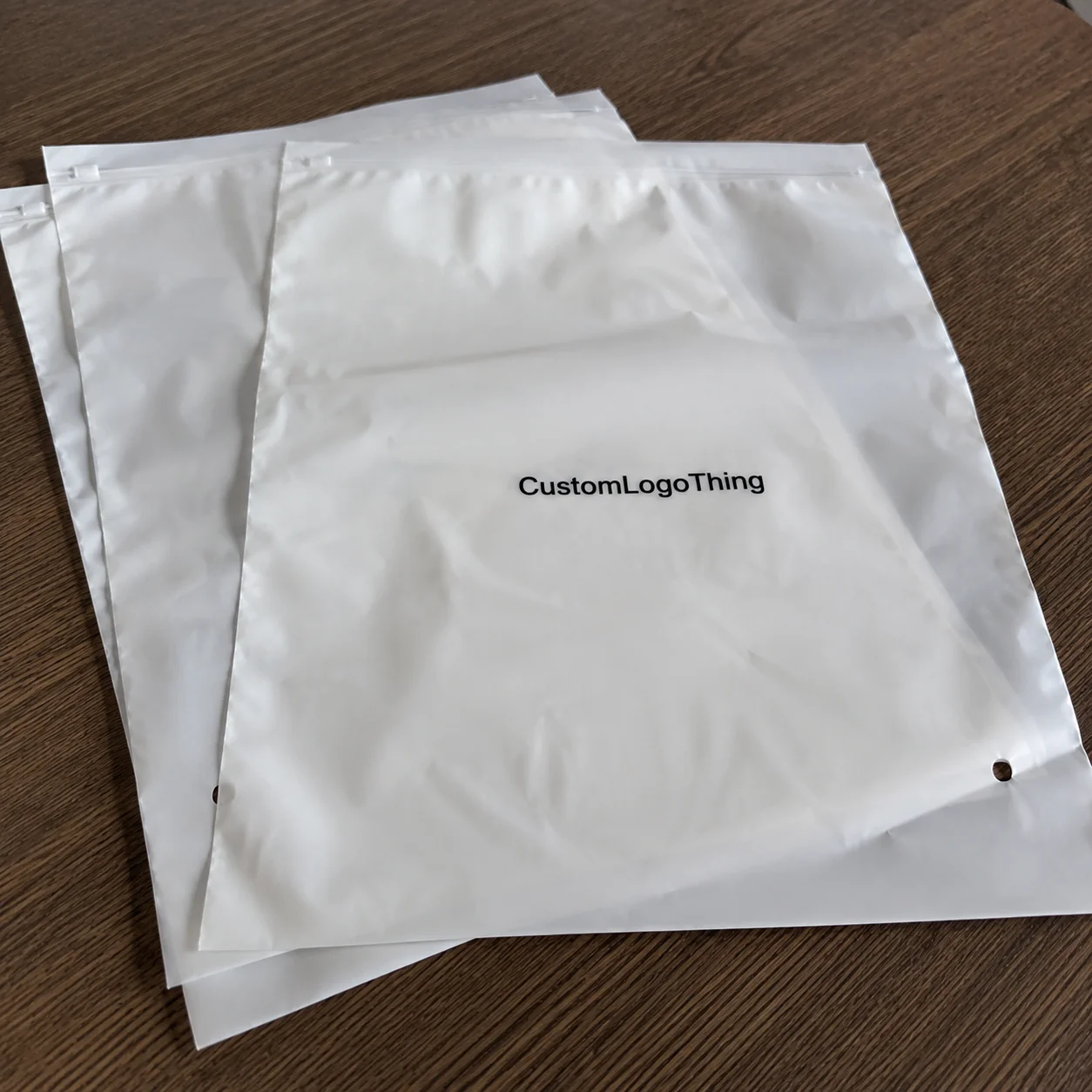
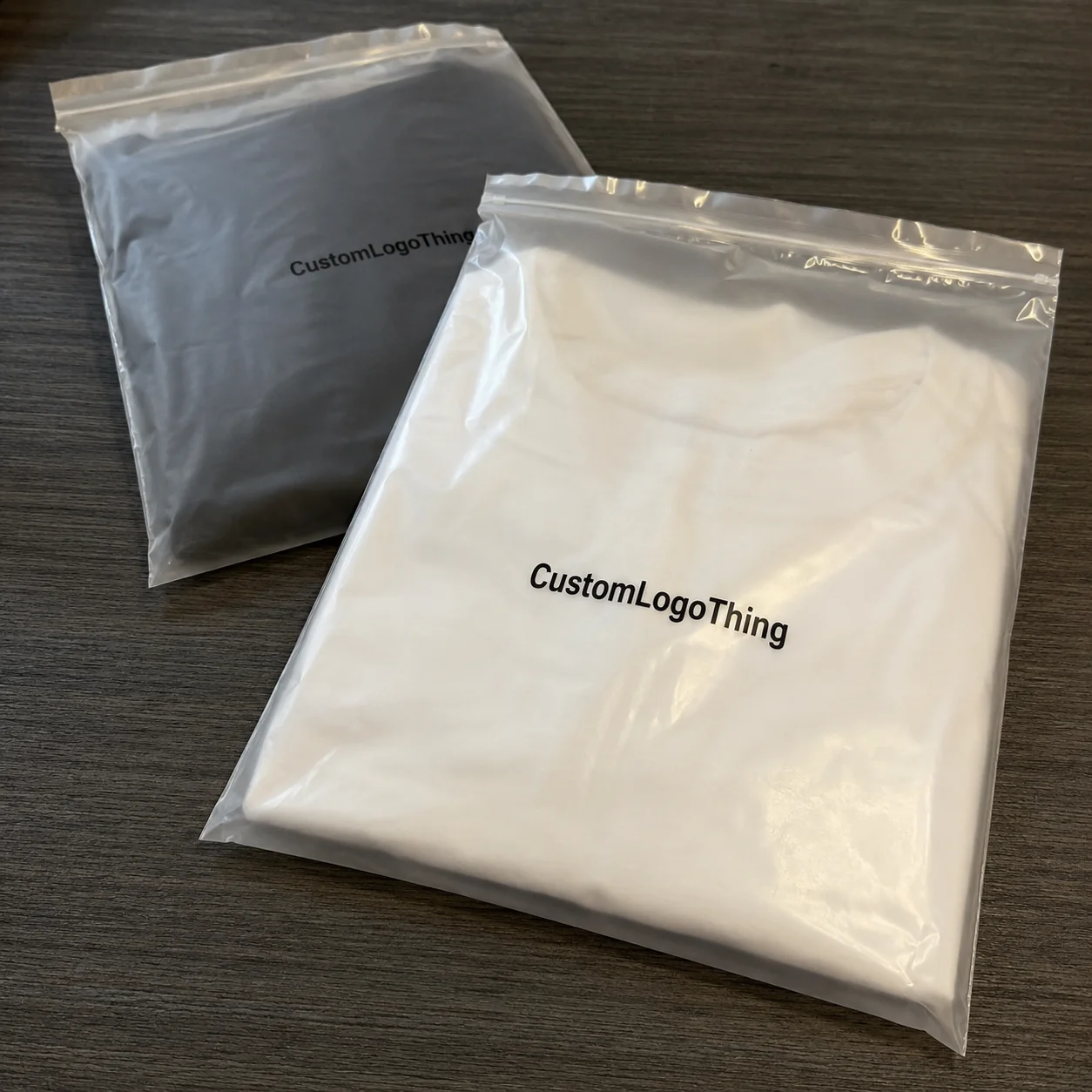
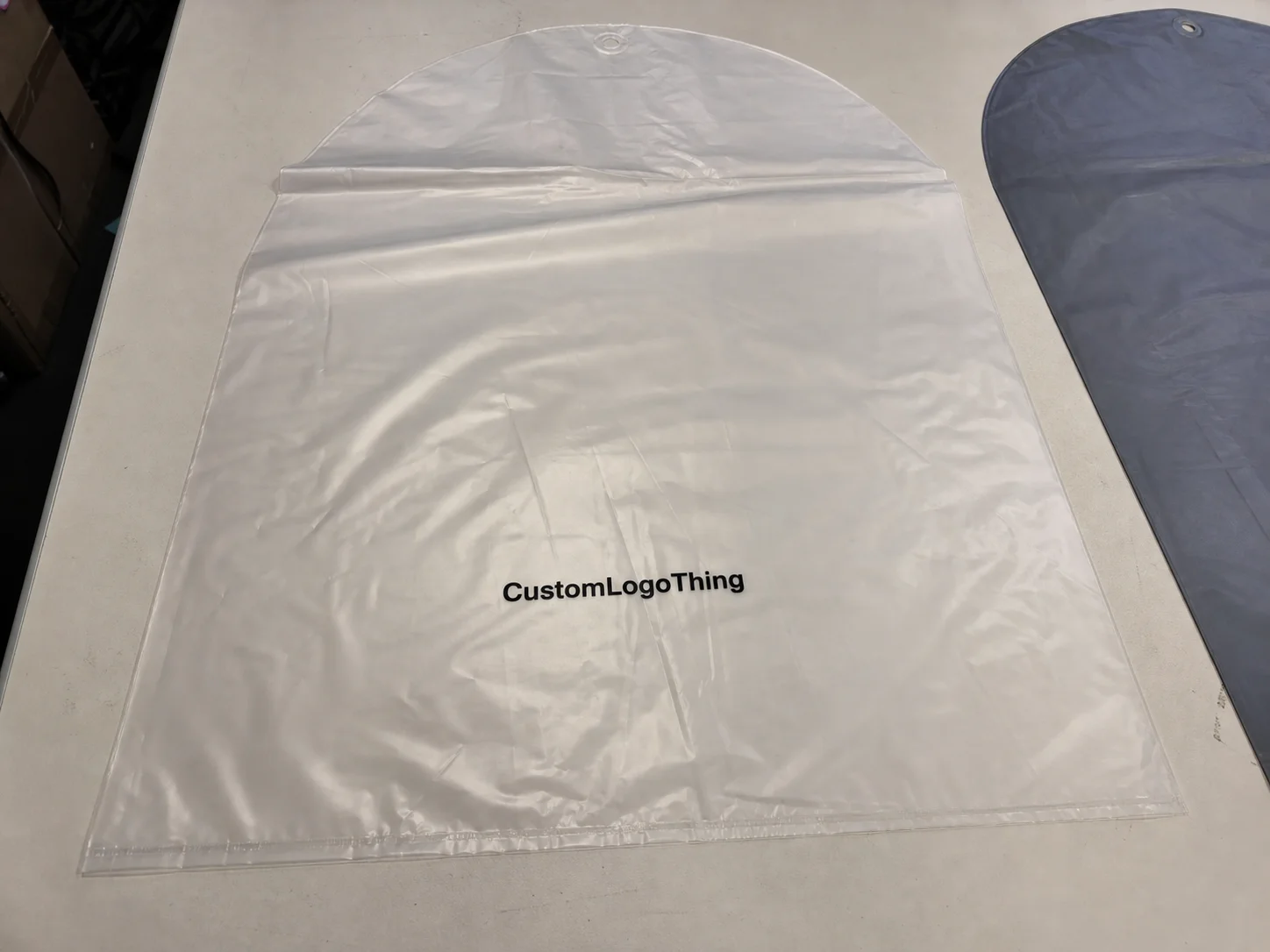
Buyer Fit Snapshot
| Best fit | Eco Conscious Ecommerce Packaging projects where brand print, material claims, artwork control, MOQ, and repeat-order consistency need to be specified before quoting. |
|---|---|
| Quote inputs | Share finished size, material target, print colors, finish, packing count, annual reorder estimate, ship-to region, and any compliance wording. |
| Proofing check | Approve dieline scale, logo placement, barcode or warning zones, color tolerance, closure strength, and carton packing before bulk production. |
| Main risk | Vague material claims, crowded artwork, missing packing details, or unclear freight terms can make a low unit price expensive after revisions. |
Fast answer: Eco Conscious Ecommerce Packaging: Material, Print, Proofing, and Reorder Risk should be specified like a repeatable production item. The safest quote records material, print method, finish, artwork proof, packing count, and reorder notes in one written spec.
Production checks before approval
Compare the actual filled-product size with the drawing, then confirm tolerance on folds, seals, hang holes, label areas, and retail display edges. Reserve space for logos, QR codes, warning copy, and material claims before decorative graphics fill the panel.
Quote comparison points
Review material grade, print process, finish, sampling route, tooling charges, carton quantity, and freight assumptions side by side. A quote is only useful when the supplier can repeat the same color, closure quality, and packing count on the next order.
I'll be straight with you. Three years ago, I received a shipment from a subscription box company I loved, and their product was perfect—but the packaging was straight out of a nightmare. Non-Recyclable Poly Mailers, plastic bubble wrap, and styrofoam peanuts. I cancelled my subscription that same day.
That $84 annual subscription taught me something I've since reinforced with hundreds of brand clients: your eco-conscious ecommerce packaging decisions aren't just environmental statements—they're brand reputation, customer retention, and yes, ultimately your bottom line.
In this guide, I'm sharing practical tips for eco-conscious ecommerce packaging That Actually Work in real businesses, not just in sustainability PowerPoint presentations. I've toured facilities in Shenzhen's Pingshan District, negotiated with suppliers in Binh Duong Province, Vietnam, and helped dozens of brands make the switch. Here's what actually matters.
Why Your Ecommerce Packaging Choices Matter More Than You Think
Here's a number that stopped me in my tracks when I first saw it: 165 billion packages ship annually in the US alone. That's according to 2021 data from Pitney Bowes, and I'd bet the actual figure is higher now. Packaging represents roughly 30% of all landfill waste, and ecommerce is growing that number every single quarter.
During a visit to a poly mailer factory in Shenzhen's Longhua District back in 2019, I watched production lines running 24/7. The machinery was impressive—industrial extruders churning out virgin plastic at what felt like an alarming rate. But what struck me wasn't the volume. It was the smell. That chemical tang of fresh polymer hitting the cooling baths. I remember thinking: "Every single one of these mailers will exist in some form for the next 500 years."
That trip changed how I approached every packaging conversation with clients afterward. Brands miss this point constantly: consumers increasingly judge entire companies by packaging decisions, not just the products inside. A 2022 study by Trivium Packaging found that nearly two-thirds of consumers surveyed (about 65%) said they'd pay more for sustainable packaging. The catch? That same study showed they're not actually checking whether brands follow through.
So while competitors slap "green" on their marketing while shipping in virgin plastic, your commitment to genuine eco-conscious ecommerce packaging becomes a competitive advantage, not just an ethical choice.
The shift is already happening. Major retailers like Amazon have announced packaging reduction initiatives, and regulatory pressure is mounting across multiple states. California's SB 54 (effective 2024), Colorado's Producer Responsibility Program (2025), and Washington's EPR law (2025) have all enacted legislation that holds brands accountable for packaging end-of-life costs. Building sustainable practices now means you're ahead of compliance rather than scrambling to catch up later.
What Is Eco-Conscious Ecommerce Packaging? A Clear Definition
Let me clear up some confusion I see constantly in client briefs. There's a significant difference between "sustainable," "green," and legally certified compostable packaging—and conflating these terms is where most brands get into trouble.
Eco-conscious ecommerce packaging refers to materials designed to minimize environmental impact through one or more of these mechanisms:
- Recycled content: post-consumer resin (PCR) that diverts waste from landfills
- Biodegradable inputs: materials that break down naturally over time
- FSC-certified paper: sourced from responsibly managed forests
- Compostable materials: certified to break down in specific conditions
- Reduced material usage: less weight, thinner gauges, right-sized dimensions
The term "biodegradable" is particularly problematic in this space. I've seen brands advertise poly mailers as "biodegradable" when they're made from conventional polyethylene with some additive meant to fragment faster. Without third-party certification, this claim is essentially meaningless—and FTC guidelines are catching up with enforcement. The Green Guides were last updated in 2012, and revisions are pending last I checked, though I'd verify current enforcement status before making any claims.
True compostable packaging meeting ASTM D6400 standards in the US or EN 13432 in Europe will completely break down into CO2, water, and biomass within 180 days in commercial composting facilities at temperatures of 140°F (60°C) or higher. That's a fundamentally different claim than "biodegradable," which has no regulated definition. You'll wanna keep these straight.
Now, here's a rundown of what you might actually encounter when evaluating your options:
- Recycled poly mailers: Made from 30-100% post-consumer recycled resin. The recycled content percentage varies wildly—Ecoenclose offers options up to 100% PCR with GRS certification, while others might only use 30% recycled with the rest virgin material sourced from Chinese petrochemical plants.
- Paper-based alternatives: Kraft paper mailers (typically 50-80 GSM), corrugated mailers (32 ECT rating), and paper-based cushioning. Generally recyclable through standard paper streams and often made from FSC-certified sources.
- Compostable films: Typically made from plant-based materials like corn starch (PLA) blended with PBAT at roughly 70:30. They require specific conditions to compost properly at commercial facilities—not just your backyard pile.
- Mushroom packaging: Mycelium-based cushioning that's fully compostable and made from agricultural waste like hemp hurds or cottonseed hulls. More expensive but increasingly viable for fragile items in the $0.35-$0.65 per unit range.
- Inflatable air pillows from recycled content: A middle-ground option that provides protection while using PCR film at 70-80% recycled content from suppliers like NoIssue.
The material you choose depends heavily on your product type, shipping conditions, and customer expectations. A delicate skincare product needs different protection than a hardcover book. Your packaging design must serve both protective function and sustainability goals—these aren't mutually exclusive, but you gotta think through both.
How Eco-Conscious Packaging Actually Works in Your Supply Chain
Let's address the operational reality now, because this is where a lot of well-intentioned sustainability initiatives stall out. Understanding end-of-life pathways isn't optional—it's essential for making claims you can actually stand behind.
Every sustainable material has specific disposal requirements. Recycled Poly Mailers made from conventional polyethylene are recyclable in most curbside programs (though you should check your local municipality just to be sure). Paper-based packaging is recyclable. But compostable materials? They require commercial composting infrastructure that doesn't exist everywhere.
When a brand tells me "our packaging is compostable," my first question is always: "Compostable where?" A compostable mailer in San Francisco, where commercial composting facilities are available through Recology across the Bay Area, follows a very different end-of-life pathway than the same mailer ending up in a landfill in rural Tennessee. Without oxygen and microbial activity in a commercial facility, even certified compostable materials won't break down as specified. That's just how it works.
This is where certifications matter. The ASTM D6400 standard (US) and EN 13432 standard (EU) certify that materials will compost within 180 days in commercial conditions at controlled temperatures. Look for the certification number—usually found on the Din Certco or BPI certification databases—and verify it on the certifying body's website. I've seen suppliers claim compliance without having actual test results. That's a liability nightmare waiting to happen, and I've helped clients clean up that mess before.
On the sourcing side, I've worked with several suppliers who genuinely deliver on eco-friendly claims. Ecoenclose (based in Boulder, Colorado) has built a solid reputation for transparency, offering detailed sustainability documentation on their recycled and compostable options with full third-party verification. NoIssue (operating from Portland, Oregon) focuses specifically on sustainable packaging for ecommerce brands with clear certification pathways. For recycled poly specifically, FlexiShield (manufacturing facility in Dongguan, Guangdong Province) offers competitive pricing on PCR-content mailers at $0.09-$0.13 per unit for 10,000-piece orders with verifiable chain of custody documentation.
Integration challenges are real. Here are the ones I see most often:
- Storage requirements: Compostable films can be more sensitive to temperature and humidity than conventional poly. PLA-based materials perform best below 85°F and below 60% relative humidity. Some require climate-controlled warehouses, which adds operational cost of approximately $0.03-$0.05 per unit.
- Heat sealing differences: Compostable films often require different temperature settings on heat sealers—typically 20-30°F lower than conventional poly. Plan for equipment adjustment time of 2-3 days during transition.
- Ink adhesion: Recycled content materials sometimes require different ink formulations for custom printing. Always request printed samples before production runs—ask for 5-10 samples minimum.
- Supply reliability: Some specialty eco-materials have longer lead times than conventional options. Build buffer inventory accordingly—I'd recommend 3-4 weeks of safety stock versus the standard 1-2 weeks.
Key Factors to Consider Before Switching to Sustainable Packaging
Here's the uncomfortable truth that most sustainability consultants won't tell you: eco-conscious ecommerce packaging only matters if your product arrives intact. I've seen brands so focused on green credentials that they forgot the fundamental purpose of packaging—protection during transit. That's kinda missing the point.
Before you make the switch, work through these four factors:
Durability Requirements
Your eco-materials must protect products first and be green second. A compostable mailer that's too thin and tears during shipping creates worse environmental outcomes than conventional packaging if the product inside gets damaged and returned. Returns generate additional shipping emissions (average return shipment produces about 1.5 kg CO2 equivalent), new packaging, and waste.
Match your material thickness (measured in mils or microns) to your product weight and fragility. A 2-mil recycled poly mailer works beautifully for soft goods like apparel under 2 pounds. That same thickness is inadequate for a 5-pound ceramic mug set—those products typically require 4-6 mil mailers or corrugated boxes rated for 65 PSI minimum. Don't downgrade protection to save cost or boost sustainability scores.
Cost Implications
Prepare for a price premium. The exact numbers vary by material, but expect anywhere from 10-40% increases depending on your choices. Here's what I've seen: recycled poly mailers (30% PCR) range from $0.08-$0.12 per unit versus virgin at $0.05-$0.08. Fully compostable options meeting ASTM D6400 certification typically cost $0.12-$0.20 per unit for standard 10"x13" sizes from US-based manufacturers.
Don't evaluate eco-conscious packaging purely on unit cost, though. Factor in potential waste disposal fee reductions (averaging 10-15% in urban areas), customer retention value ($25-$50 lifetime value increase per retained customer), and possible tax incentives for sustainable business practices. The total cost of ownership tells a different story than the purchase price alone.
Supplier Reliability
I've worked with suppliers where the "eco-friendly" option was a different SKU on the same production line with minimal differentiation. Others have genuinely invested in sustainable supply chains with third-party verification and transparent sourcing documentation. You really gotta vet these carefully.
Ask potential suppliers for:
- Third-party certification documentation (FSC, ASTM D6400, GRS)
- Supply chain transparency statements with country of origin
- Sample test results from accredited laboratories (ISTA or similar)
- Client references from similar ecommerce brands
- Production lead times and minimum order quantities (typically 5,000-10,000 for custom orders)
If a supplier gets defensive about providing documentation, that's a red flag. Legitimate eco-claims can withstand scrutiny.
Brand Alignment
Your branded packaging tells a story. Does your sustainable packaging align with your overall brand positioning? A luxury skincare brand switching to economy-looking recycled mailers sends the wrong message. Conversely, a values-driven outdoor brand using virgin plastic packaging creates cognitive dissonance that customers notice.
Eco-conscious packaging comes in various aesthetic levels. Some recycled poly mailers have a noticeably grainier texture than virgin alternatives. Compostable films sometimes have a different feel and sheen. Paper-based options can be customized with water-based inks to create beautiful custom printed boxes that enhance rather than compromise brand perception using flexographic printing at 150 line screen.
Align the aesthetic with the message. Sustainability doesn't mean boring—but it does mean intentional.
Step-by-Step: How to Transition Your Ecommerce Packaging to Eco-Conscious Options
My recommended process, refined through helping dozens of brands make this transition: skipping steps is where problems emerge. I learned this the hard way with a client who jumped straight from decision to full production run—without testing—and ended up with 50,000 mailers that wouldn't seal properly at their fulfillment center.
Step 1: Audit Your Current Packaging
Before you can improve, you need baseline data. Audit your current product packaging to identify:
- What's absolutely necessary for protection
- What's habit that could be eliminated
- What's excessive or over-engineered
- Where materials can be reduced or replaced
I've seen brands using triple the cushioning necessary because "that's how we've always done it." Right-sizing your packaging not only improves sustainability—it reduces dimensional weight charges from shipping carriers, which directly impacts your costs. A 2" reduction in each dimension can reduce DIM weight from a 10-pound charge to a 5-pound charge on UPS Ground. That's not nothing.
Step 2: Research Material Alternatives
Based on your audit, research materials that meet your protection requirements with better sustainability profiles. Create a shortlist of 3-5 options per packaging type. For each option, document:
- Material composition and certifications (request technical data sheets)
- Thickness and durability specifications (in mils or GSM)
- Compatibility with your products (request sample testing)
- Supplier information and pricing (request quotes for your volume)
- Minimum order quantities (typically 2,500-10,000 for custom sizes)
Step 3: Source Samples from At Least 3 Suppliers
Never commit to a production run without physical samples. Budget $75-$150 for testing materials—this is a fraction of what a bad decision costs later. Request samples from multiple suppliers and compare:
- Print quality for any custom branding
- Material feel and durability (conduct pinch tests)
- Sealing performance (for poly mailers, test 50 units minimum)
- Moisture resistance (store samples in humid conditions for 48 hours)
- Overall presentation (show to internal stakeholders)
Step 4: Conduct Drop Tests and Stress Tests
This step is non-negotiable if you're shipping anything fragile. I work with an ISTA-certified testing laboratory for client projects, but you can conduct basic tests in-house:
- Drop tests: Package products normally, then drop from various heights (36", 48", 60") onto hard concrete surfaces. Check for damage after each drop. Document with photos.
- Compression tests: Stack packaged products and apply 50-100 lbs of weight to simulate warehouse stacking and shipping pallet pressure. Test for 24-hour duration minimum.
- Vibration tests: Simulate truck transport vibration. Use a basic vibrating platform for 30-minute sessions at 2.5 G-force acceleration.
- Real-world shipping trials: Ship packages to yourself or team members in different zip codes to test across varying climates—Arizona heat, Minnesota cold, Seattle humidity.
Document everything with photos. These records are valuable if you ever need to adjust material specifications or defend packaging choices to insurance carriers.
Step 5: Plan a Phased Rollout
Don't flip a switch. Start with 10% of orders using your new eco-conscious ecommerce packaging—this means running dual inventory for 2-4 weeks. This allows you to:
- Monitor for fulfillment center issues
- Catch any customer complaints before they scale
- Fine-tune handling procedures
- Calculate real-world cost differences
Run this phase for 2-4 weeks minimum before expanding. Gather data on damage rates (target under 1%), customer feedback (request specific packaging feedback in post-purchase survey), and operational efficiency (measure time-per-pack for 100 units).
Step 6: Train Fulfillment Staff
Your sustainable packaging is only as effective as your team's ability to use it correctly. Train fulfillment staff on:
- New material handling requirements
- Heat sealer temperature adjustments (if applicable, typically reducing by 15-25°F)
- Proper sealing techniques (apply pressure for 2-3 seconds)
- Storage requirements for specialty materials (keep in original packaging until use)
- Escalation procedures for problems (within 4 hours)
We underestimate how much habit drives fulfillment operations. A team that's sealed 100,000 poly mailers one way will default to that method unless you explicitly retrain them and observe for compliance for 2-3 weeks.
Common Mistakes When Switching to Eco-Conscious Packaging
These mistakes come from watching brands—including a few of my own early client projects—struggle with the transition. Learn from them so you don't repeat history.
Choosing Aesthetics Over Protection
The most common failure mode I see. Brands get excited about beautiful recycled kraft paper packaging or minimalist compostable mailers and forget that the packaging's primary job is protecting products during transit. If your product arrives damaged, nobody cares about your sustainability credentials. The damage rate matters way more than the material credentials.
Test relentlessly. If a material fails protection requirements, it's not ready regardless of how good it looks in photos. A damaged product return generates approximately 1.5 kg CO2 equivalent in additional shipping emissions plus new packaging—worse environmental impact than using slightly thicker conventional materials.
Greenwashing Traps
"Biodegradable" printed prominently on packaging with zero certification is greenwashing. This isn't just an ethical problem—it's a legal one. The FTC has issued fines exceeding $200,000 per violation in environmental claims cases. Required disclosures, qualifying language, and third-party verification protect you legally while making honest claims to consumers.
Any environmental claim you make should be backed by documentation. "Made from recycled materials" requires knowing the recycled content percentage and verifying it with GRS certification numbers. "Compostable" requires citing the specific standard (ASTM D6400 or EN 13432) and certification number that can be verified on BPI's website.
Ignoring Supply Chain Complications
Compostable materials stored in a hot warehouse in Phoenix over summer may degrade before use. Recycled poly mailers with high PCR content sometimes perform differently on automatic sealers—the recycled content creates slightly higher coefficient of friction. Paper-based cushioning generates more dust in fulfillment centers, requiring additional cleanup protocols.
Every material has operational implications. Map them out before you commit. Talk to fulfillment partners. Visit warehouses if possible. The details really matter here.
Skipping the Unboxing Experience
Sustainable doesn't mean spartan. Some brands go so minimal with eco-conscious packaging that they sacrifice the unboxing moment entirely. For many ecommerce products—especially gifts, personal care items, and premium goods—the unboxing experience is part of the product value. Customers remember how a brand made them feel.
Work with your retail packaging designer to create sustainable packaging that's both responsible and impressive. Paper-based mailers can be beautifully printed with water-based flexographic inks. Compostable tissue paper exists (typically $0.02-$0.04 per sheet). There are options that satisfy both environmental and experiential goals—you just gotta look for them.
Going All-In Too Fast
That 50,000 mailer story I mentioned earlier? The client was so committed to sustainability that they ordered a full year's supply before testing. When the seal failures started appearing in fulfillment, they had two options: accept losses on 30,000 mailers ($2,400-$4,500 in write-offs) or rush to find an alternative while the rest gathered dust.
Phased rollouts catch problems before they become catastrophic. Trust the process.
What Eco-Conscious Ecommerce Packaging Actually Costs (With Real Numbers)
I promised specific numbers, so here they are. These are based on quotes I've seen from verified suppliers for quantities of 5,000-10,000 units. Prices vary by region, quantity, and customization—treat these as directional benchmarks, not guaranteed quotes. I'd always recommend getting current quotes for your specific situation.
| Material Type | Price Range (per unit) | Premium vs. Virgin | Best For |
|---|---|---|---|
| Standard Poly Mailer (2mil virgin) | $0.05 - $0.10 | Baseline | Budget brands, non-fragile soft goods |
| Recycled Poly Mailer (30% PCR) | $0.08 - $0.12 | 20-40% | Mid-market apparel, accessories |
| Recycled Poly Mailer (100% PCR) | $0.10 - $0.15 | 40-70% | Values-driven brands, premium positioning |
| Compostable Film Mailer (ASTM D6400) | $0.12 - $0.20 | 60-120% | Zero-waste commitments, food-adjacent products |
| Kraft Paper Mailer (FSC-certified, 60 GSM) | $0.08 - $0.18 | 30-80% | Books, documents, sustainable brand positioning |
| Compostable Void Fill (corn starch, 2mm) | $0.15 - $0.25 per cubic foot | Varies by comparison | Replacing bubble wrap, packing peanuts |
| Recycled Paper Void Fill | $0.08 - $0.12 per cubic foot | Similar to conventional | General cushioning, easy adoption |
These costs compound quickly at scale. A brand shipping 10,000 orders monthly at a $0.05 premium per mailer spends an extra $6,000 annually. For some brands, that's an acceptable cost for sustainability positioning. For others, it requires optimization elsewhere.
Cost-Reduction Strategies
Working with clients on cost management, I've identified several approaches that reduce the sustainability premium:
- Volume discounts: Most suppliers offer 15-25% discounts at 25,000+ unit quantities. Consolidate orders with other brands if possible, or plan annual contracts with price-lock clauses.
- Direct manufacturer relationships: Eliminating distributors adds 10-15% to your effective margin. Some suppliers sell direct; others work through distributors who add markup.
- Right-sized packaging: Moving from a 10"x13" mailer to a properly sized 8"x10" can reduce material costs by 25% while improving protection through better fit and reducing DIM weight charges.
- Combined orders: Several small ecommerce brands have successfully negotiated shared orders through buying cooperatives, splitting both the savings (typically 12-18% reduction) and shipping costs.
- Supplier negotiation: Don't accept first quotes. I've seen suppliers drop prices 10-15% when clients mention competitive quotes from other suppliers. It works.
Hidden Savings
The unit cost comparison doesn't tell the whole story. Factor in these often-overlooked savings:
- Reduced waste disposal fees: Some commercial waste services charge 10-20% less for recyclable materials versus mixed waste. In some cities, commercial composting programs can reduce waste costs by $50-$80 per month for mid-volume shippers.
- Dimensional weight optimization: Right-sized packaging reduces dimensional weight charges from carriers. UPS and FedEx calculate shipping costs based on package size, not just weight. A 2" reduction in each dimension can drop DIM weight significantly.
- Customer retention value: Remember my cancelled subscription box? Sustainable packaging is a retention tool. Studies show roughly 55% of consumers are willing to pay more for sustainable packaging. Even a modest 3% improvement in repeat purchase rate generates more revenue than the packaging premium.
- Potential tax incentives: Some jurisdictions offer tax credits or deductions for sustainable business practices. I'd recommend consulting with your accountant about applicable incentives in your area.
Your Action Plan: Next Steps to Make the Switch Today
Knowledge without action is worthless. Here's your concrete implementation plan:
This Week: Audit and Research
Download or create your own packaging audit worksheet. Document every packaging component: mailers, void fill, tape, tissue, boxes, labels. For each component, note material type (with specifications), cost per unit, and whether it's replaceable with a more sustainable alternative.
Request samples from at least three suppliers. Budget $75-$150 for this testing phase—it's insurance against expensive mistakes. When requesting samples, ask specifically about:
- Certification documentation (request copies of actual certificates, not summaries)
- Custom printing capabilities (water-based inks, flexographic vs. digital, minimum print runs of 2,500 for flexo)
- Lead times (typically 10-15 business days from proof approval for standard sizes) and minimum orders (2,500-5,000 typically)
- Volume pricing tiers (request quotes at 2,500, 5,000, 10,000, and 25,000 units)
Weeks 2-3: Testing Phase
Conduct your drop tests and stress tests with new materials. Ship test packages to multiple addresses (recommend 5 different zip codes across varying climates). Document everything—what works, what doesn't, what needs adjustment.
Run a 30-day trial with 100 orders using your chosen eco-material. Track damage rates (target under 1%), customer feedback (add optional packaging feedback question in post-purchase email), and fulfillment efficiency (measure packing time for 25 units, compare to baseline).
Weeks 4-6: Evaluate and Adjust
Review your trial data. If damage rates increased above 1.5%, investigate whether material thickness needs adjustment (recommend increasing by 0.5-1 mil) or handling procedures require modification. If customer feedback mentions packaging, document the specific comments for stakeholder review.
Calculate your real cost-per-shipment difference including any changes in shipping costs from dimensional weight optimization.
Week 7: The Review Meeting
Schedule a structured review meeting with stakeholders. Evaluate the switch against criteria you defined before starting:
- Did damage rates stay acceptable (below 1.5%)?
- Is the cost difference within budget (within 20% of projections)?
- Is operational performance satisfactory (packing time within 10% of baseline)?
- What's the customer feedback telling you (minimum 50 survey responses for validity)?
Make a go/no-go decision based on data, not assumptions.
Going Forward: Continuous Improvement
Sustainability isn't a destination—it's a direction. Set quarterly reviews to evaluate new materials, supplier innovations, and optimization opportunities. The eco-conscious packaging market is evolving rapidly; options available in 12 months may not exist today, and new alternatives are emerging all the time.
If you're ready to explore Custom Packaging Products that align with your sustainability goals, our team can help you evaluate options for your specific products and shipping requirements. We've helped brands across categories—from apparel to supplements to home goods—find the right balance between protection, presentation, and environmental responsibility.
Frequently Asked Questions
Does eco-conscious ecommerce packaging cost significantly more than standard options?
Expect a 15-40% cost increase depending on material choice. Recycled poly mailers sit at the lower end of the premium range—often just 20-40% more than virgin materials ($0.08-$0.12 versus $0.05-$0.08 per unit at 10,000 quantity). Compostable films with full ASTM D6400 certification hit the higher end, sometimes doubling the cost per unit. However, these figures don't account for potential shipping discounts, waste disposal fee reductions, or customer retention improvements—so the true cost difference may be smaller than it first appears. I'd recommend running a total cost of ownership analysis for your specific situation before making assumptions.
How do I know if a supplier's eco-claims are legitimate?
Ask for documentation. Specifically, request third-party certification numbers (FSC, ASTM D6400, GRS, or BPI) that you can verify on the certifying organization's website. If a supplier can't provide this documentation or gets defensive when asked, that's a serious red flag. I've seen too many brands get burned by greenwashing claims that seemed legitimate until they faced regulatory scrutiny or customer backlash. Legitimate eco-claims can withstand scrutiny—they're happy to provide documentation.
What happens if my eco-friendly packaging fails to protect products during shipping?
This is why testing before full rollout is non-negotiable. If damage rates increase with new materials, you have options: increase material thickness, adjust cushioning, or reconsider the material choice entirely. A damaged product return typically generates about 1.5 kg CO2 equivalent in additional shipping emissions plus new packaging—so using slightly thicker conventional materials might actually be better environmentally than using inadequate eco-materials that cause more returns. Protection comes first. Sustainability is important, but not if it compromises the product.
Can small brands afford to switch to eco-conscious packaging?
Absolutely, though it requires smart strategy. Start with high-impact, lower-cost switches like recycled poly mailers for outer packaging (20-40% premium versus 60-120% for compostable). Consolidate orders with other brands for volume discounts. Right-size your packaging to reduce costs and DIM weight charges simultaneously. And don't forget potential tax incentives in your jurisdiction—some areas offer credits for sustainable business practices. The brands I've worked with that successfully managed the transition were the ones who approached it strategically rather than trying to overhaul everything at once.
What are the regulatory risks of making eco-friendly packaging claims?
The FTC