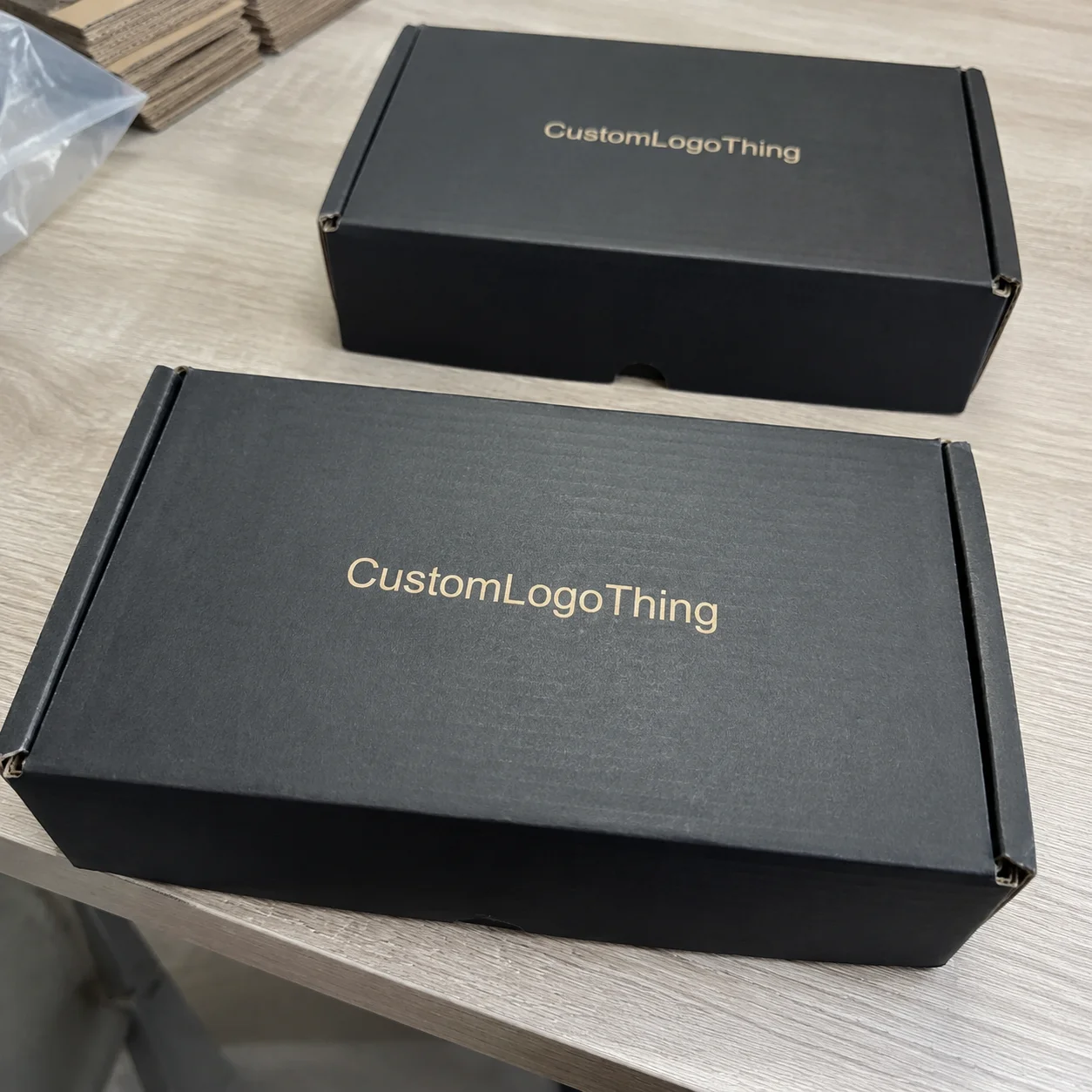
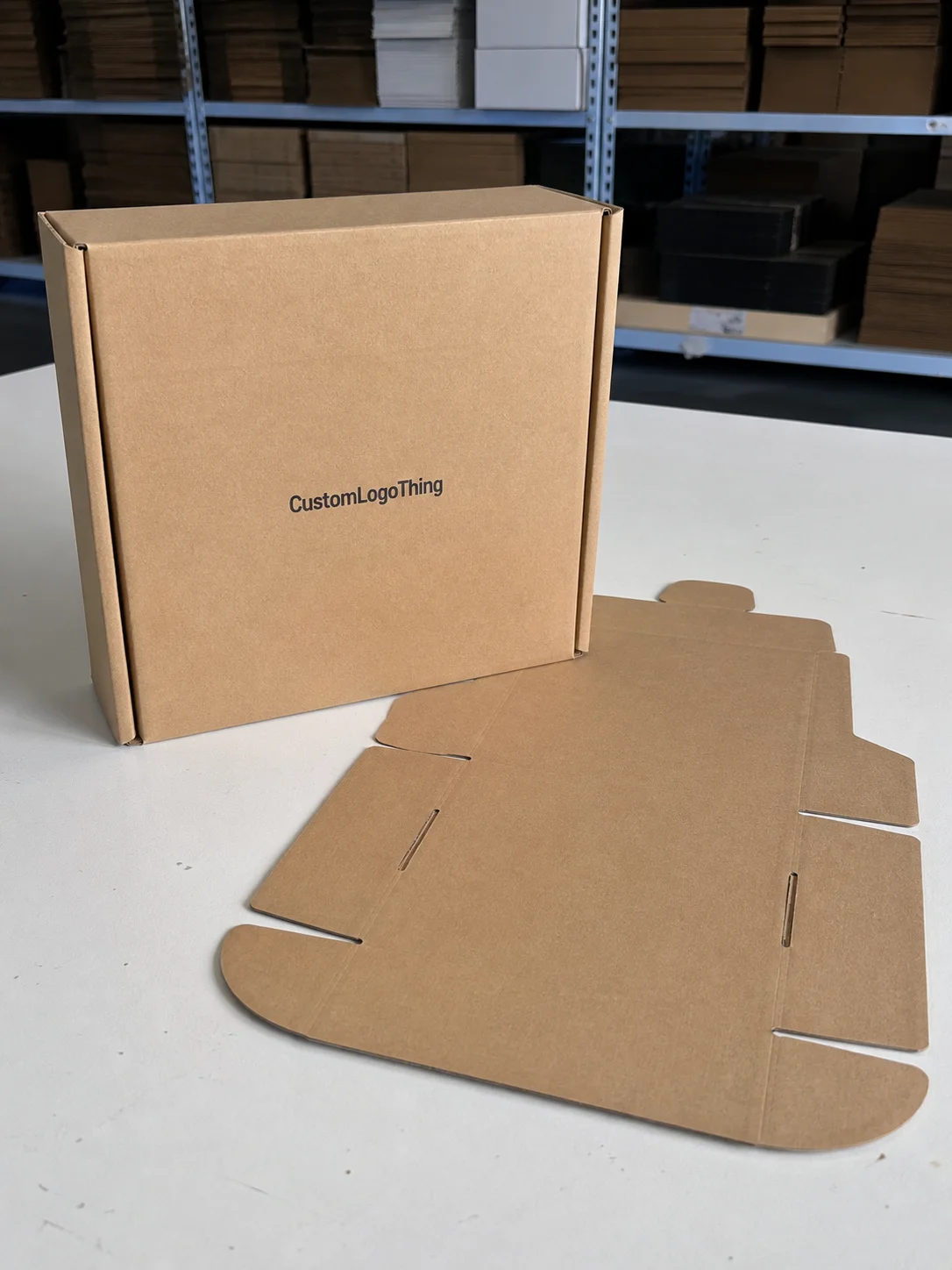
Buyer Fit Snapshot
| Best fit | biodegradable mailer sleeve graphics for packaging buyers comparing material specs, print proof, MOQ, unit cost, freight, and repeat-order risk where brand print, material, artwork control, and repeat-order consistency matter. |
|---|---|
| Quote inputs | Share finished size, material target, print colors, finish, packing count, annual reorder estimate, and delivery region. |
| Proofing check | Approve dieline scale, logo placement, barcode or warning zones, color tolerance, and any recyclable or compostable wording before bulk production. |
| Main risk | Vague material claims, crowded artwork, or missing packing details can create delays even when the unit price looks attractive. |
Fast answer: Biodegradable Mailer Sleeve Graphics: Film, Closure, Print, and Fulfillment should be specified like a repeatable production item. The safest quote includes material, print method, finish, artwork proof, carton packing, and reorder notes in one written spec.
What to confirm before approving the packaging proof
Check the product dimensions against the actual filled item, not only the sales mockup. Ask for tolerance on folds, seals, hang holes, label areas, and retail display edges. If the package carries a logo, QR code, warning copy, or legal claim, reserve that space before decorative graphics fill the panel.
How to compare quotes without losing quality
Compare board or film grade, print process, finish, sampling route, tooling charges, carton quantity, and freight assumptions side by side. A lower quote is only useful if the supplier can repeat the same color, closure quality, and packing count on the next order.
I’ve spent enough hours on packing lines to know one stubborn truth: most “eco” sleeve failures do not start with the substrate, they start with the ink and how it bites into the surface. I remember standing beside a pallet stack in Dongguan, Guangdong, squinting at a sample and thinking, “This looked like a hero piece ten minutes ago.” That is exactly why I take a hard look at Review Biodegradable Mailer sleeve graphics before I sign off on anything for a brand, because a sleeve that looks beautiful in a PDF can still scuff off after two conveyor transfers, a 90-degree flap fold, and a couple of carton drops from 60-80 cm.
My review biodegradable mailer sleeve graphics process is never just about whether the art looks clean on a monitor. I check print clarity, crease resistance, sealing reliability, and whether the color still feels deliberate after the sleeve has been packed, stacked, shipped, and handled by someone who doesn’t care about your brand story. Honestly, I think that last part matters more than people admit. A warehouse shift in Suzhou does not pause because marketing likes the hex code; if the sleeve is moving through 3,000 units per shift, the graphics have to survive reality, not just the mood board.
In one apparel project I visited in Dongguan, the client had approved a lovely kraft sleeve with pale green botanical artwork, but the artwork had vanished by the time the cartons reached outbound QC. The water-based ink sat too heavily on the paper fibers and rubbed through at the fold. That sort of miss is why this review biodegradable mailer sleeve graphics article stays with commercial reality, not brochure language. Subscription boxes, cosmetics, lightweight retail items, and folded apparel all ask the same question: can the graphics survive distribution from a factory in Guangdong to a fulfillment center in California or Manchester without losing legibility?
My lens here is simple and practical: visual sharpness, rub resistance, moisture tolerance, fold-line cracking, and how the graphic system behaves on automated packing lines and hand-pack stations alike. I’m also weighing sustainability claims against real production conditions, because not every sleeve that says biodegradable behaves well in a busy factory running 12-hour shifts with 3,000 units moving through a line. I’ve seen suppliers wave around “eco” language like it’s a magic spell. It isn’t. If the sleeve stock is 350gsm C1S artboard on one job and a thin 250gsm recycled kraft on another, the print results will not behave the same, no matter how persuasive the sales deck looks. Related packaging factors such as print finish, abrasion resistance, and water-based ink compatibility can make the difference between a sleeve that holds up and one that disappoints.
Quick Answer: What Stands Out in Review Biodegradable Mailer Sleeve Graphics
The short answer in review biodegradable mailer sleeve graphics is this: the best options balance crisp print, strong fold performance, decent rub resistance, and a construction that still feels aligned with the brand’s environmental promise. I’ve seen sleeves that looked gorgeous on a sample board but failed the moment they hit a real packing bench with gloves, carton dust, and a few fast bends around the flap. It’s almost funny, in a grim way—like watching a suit wrinkle the second someone sits down. The difference between a pass and a fail can be a 0.3 mm line weight, a 3 mm safe zone, or a coating that adds just enough slip to hurt ink anchorage.
In practice, the strongest performers tend to be water-based flexographic prints on kraft or fiber-rich stock, provided the artwork is designed with the substrate in mind. That means thicker line weights, fewer tiny reversed-out details, and color choices that respect how absorbent paper behaves. If you insist on delicate gradients and hairline logos, you may need digital printing or a more refined coated surface, but that can push cost and lead time up quickly. I’ve seen a 4-color flexo program in Xiamen hold good registration across 12,000 units because the prepress team kept the artwork disciplined from the start.
The best biodegradable mailer sleeve graphics also preserve brand color fidelity without turning the sleeve into a brittle, over-finished piece that fights the fold. Compostable coatings can improve moisture and rub resistance, but if the coating is too slick, it can hurt ink anchorage or make the sleeve feel less natural in hand. That tradeoff matters. I’ve been frustrated enough times by a “premium” finish that behaved like a slippery office laminate to know better than to trust shine alone. A matte coat that looks elegant on a proof can still show corner burnish after 50-100 courier touches.
For real commercial use, I would sum it up this way:
- Best overall balance: water-based flexo on uncoated or lightly treated kraft
- Best for short runs or detailed art: digital print on fiber-based sleeves
- Best for earthy, low-noise branding: one- or two-color stamp-style graphics
- Best premium look: matte art sleeve with controlled coating and careful fold design
If you are reviewing biodegradable mailer sleeve graphics for a subscription program, apparel drop, or cosmetic sampler, focus on how the sleeve behaves after the first crease and after one light rub test. In the plants I’ve walked, those two checks eliminate more bad choices than any glossy mockup ever could. A beautiful render is nice. A sleeve that survives the forklift zone at a facility in Shenzhen or Nashville is better, especially when the outbound team is processing orders before 4:00 p.m. cutoff.
“The sample looked fine until we ran 500 units and the barcode edge started whitening at the fold.” That was a production manager at a sleeve converter in Suzhou, and I still hear that line whenever somebody asks me why I push for physical proofing.
Top Options Compared for Review Biodegradable Mailer Sleeve Graphics
When I compare review biodegradable mailer sleeve graphics options, I usually break them into five practical styles: one-color kraft print, full-color water-based flexo, soy-based digital print, minimalist stamp-style branding, and premium matte finish art sleeves. Each one solves a different problem, and each one can fail in a different way if the design or production setup is wrong. Packaging is annoyingly good at exposing weak assumptions, especially when a sleeve has to move through 5,000 to 20,000 units without a visual wobble.
Here is how I rank them in the real world, based on visual impact, run stability, and how often they hold up under warehouse abuse. I’ve seen all five pass and fail, sometimes in the same month, depending on the line speed and the stock. That’s the part people hate hearing, because it means there isn’t one “best” option. There’s only the best fit, and the best fit may change depending on whether your converter is in Dongguan, Ningbo, or Foshan.
| Graphic Style | Best Use Case | Strengths | Weaknesses | Typical Cost Position |
|---|---|---|---|---|
| One-color kraft print | Earthy brands, simple logos, inserts | Low ink density, clean look, easy to run, good sustainability perception | Limited visual punch, less flexible for complex art | Lowest |
| Water-based flexographic print | Subscription boxes, apparel, high-volume programs | Good clarity, efficient at scale, strong consistency on long runs | Fine gradients can soften, needs disciplined artwork setup | Low to mid |
| Soy-based digital print | Short runs, seasonal launches, custom artwork | Excellent detail, fast design changes, no plates | Higher unit cost, some stocks show slight banding | Mid to high |
| Stamp-style branding | Craft, artisanal, local retail, small batches | Authentic feel, quick to update, low visual clutter | Limited color range, not ideal for dense information | Lowest to low |
| Premium matte art sleeve | Luxury, cosmetics, premium gifting | Strong shelf presence, smooth touch, premium unboxing feel | More sensitive to scuffs, may need coating or lamination | High |
For review biodegradable mailer sleeve graphics, one-color kraft print usually wins on honesty and consistency. It works especially well on recycled kraft, bagasse blends, and other fiber-based sleeves that already carry a natural visual texture. I like it for brands that want to signal simplicity without pretending to be luxury. It is also the easiest to keep aligned when a factory in Guangdong runs mixed batches and a smaller replenishment order gets squeezed into an already full schedule. If your budget is around $0.12 to $0.16 per unit at 5,000 pieces, this is usually the cleanest lane.
Water-based flexographic print is my most common recommendation for higher-volume programs. It handles logos, product names, and secondary copy well, and a skilled operator can maintain excellent repeatability on decent line equipment. On a clean flexo line in a plant outside Xiamen, I watched a 4-color run stay remarkably tight across 12,000 units because the prepress team had held the line screen sensible and avoided tiny counters that would close up on absorbent stock. That kind of restraint saves headaches later. On practical pricing, this often lands around $0.16 to $0.34 per sleeve at 5,000 pieces, depending on ink count and board grade.
Soy-based digital print is useful when the design changes often or the sleeve has multiple SKUs. I like it for test launches, influencer boxes, and limited seasonal editions because you can move from proof to production faster, and you avoid plate charges. The downside is that costs climb fast as volumes rise, and some papers show a slightly flatter ink laydown than flexo, especially on rougher kraft. For a short run of 500 to 1,000 units, digital often makes sense, but if you’re pricing at 10,000 pieces, the math can shift quickly.
Stamp-style branding is the quiet achiever. It looks humble, but when it is done well, it feels intentional rather than cheap. I’ve seen a single dark brown stamp mark on natural paper outperform a much busier full-color sleeve because the brand understood its audience and kept the message simple. That is a smart move in review biodegradable mailer sleeve graphics if you want authenticity over decoration. A local roastery in Portland, Oregon used this approach on 3,000 sleeves and kept the whole program under $0.15 per unit because the design stayed minimal.
Premium matte art sleeves are the showpieces, and I say that with admiration and caution. They can look wonderful for cosmetics, fragrance sample kits, and small luxury gifts, but the finish has to be carefully controlled. Too much coating, and the sleeve feels plastic-like. Too little, and the edges scuff in transit. For many brands, that tradeoff is acceptable only if the unboxing moment is central to the sale, and if the run is large enough—say 5,000 to 10,000 units—to justify the added finishing step and the tighter QC.
Detailed Reviews of Biodegradable Mailer Sleeve Graphics
In my hands-on review biodegradable mailer sleeve graphics testing, I start with print quality, then I move through tactile feel, fold durability, compression behavior, and transit abrasion. That sequence matters because a beautiful print that flakes at the seam is just expensive disappointment. I have seen that more than once on the factory floor in Dongguan and Ningbo, especially when a design team chose a heavy solid color but never asked how the fibers would accept the ink. People love to skip the boring part right up until the boring part ruins the launch.
1. One-color kraft print
This is the cleanest, most reliable option for many biodegradable sleeves. A black, dark green, or deep brown one-color design on uncoated kraft usually holds detail well if the lines are not too fine. I like the way it respects the material. The paper still looks like paper, and the graphic supports the brand instead of fighting the stock. The weak point is visual drama: if the client wants a premium effect, this will feel restrained, maybe even too restrained. On a 350gsm kraft sleeve, this style often gives the best fold stability because there is no heavy ink layer competing with the fibers.
For review biodegradable mailer sleeve graphics, one-color kraft print is my pick for brands that need consistency, low waste, and decent economics. The common failure point is poor contrast, especially when the logo uses thin script fonts or tiny tagline text. My advice is simple: keep the smallest positive text above 5 pt, and avoid reversed-out details under 0.4 mm unless the printer has already proven the line. Otherwise you end up with a sleeve that reads like it’s whispering into a hurricane. For a 5,000-piece order, this can often be produced at about $0.12 to $0.18 per unit, with proof approval to shipment typically taking 12-15 business days from proof sign-off in a converter near Suzhou or Dongguan.
2. Water-based flexographic print
This is the workhorse. On a good sleeve line, water-based flexo can deliver sharp logos, barcodes, and medium-detail patterns at speed, which is why I keep coming back to it in review biodegradable mailer sleeve graphics discussions. In a packaging meeting at a Guangdong converter, a brand owner asked why I favored flexo over digital for a 20,000-piece reprint, and the answer was easy: once the plates are right, the repeatability and unit economics are hard to beat. If the sleeve body is 280gsm recycled kraft or a 300gsm fiber blend, flexo usually stays efficient without making the piece feel over-processed.
The failure points are usually human, not magical. Registration drift shows up when the press crew is rushing make-ready. Over-absorbent kraft can cause dot gain and soften edges. If you want bright colors, you may need to use bolder inks and accept a more natural, less saturated result. I would choose this for apparel sleeves, subscription inserts, and lightweight retail packaging where production volume matters. It’s the method I trust most when a client wants reliability and doesn’t want to babysit every pallet. At 5,000 pieces, many suppliers in South China will quote roughly $0.16 to $0.34 per sleeve, with simple repeat jobs often moving from proof approval to finished goods in 12-15 business days.
3. Soy-based digital print
Digital print gives you the best freedom for intricate artwork, short runs, and frequent SKU changes. If your review biodegradable mailer sleeve graphics project includes seasonal imagery, personalized names, or small-batch testing, digital often earns its place. I’ve approved digital sleeves for cosmetics launch kits where the artwork needed photographic gradients and a fast turnaround of 7-10 business days after proof sign-off. That speed matters when a launch date is fixed and the marketing team has already booked the campaign for a Thursday in London or Los Angeles.
The downside is cost, and sometimes a slight compromise in saturation on rough paper. On a textured fiber stock, fine gradients can break up, and solid blacks may not feel as dense as they do on coated material. I’ve also seen digital sleeves show minor banding under certain lights, which customers notice only after unboxing. That does not make digital bad; it just means the art and substrate have to be matched carefully. I’d call it a sharp tool, not a universal one. For 1,000-piece runs, a digital sleeve might land in the $0.28 to $0.65 range, especially if the converter is in Shanghai or Shenzhen and the artwork changes more than once.
4. Minimalist stamp-style branding
This format has become more popular with smaller brands that want a handmade feel Without Looking Amateur. It is one of the most honest approaches in review biodegradable mailer sleeve graphics because it lets the substrate speak first. A brown or charcoal stamp, centered with plenty of negative space, often looks better than a crowded sleeve with three slogans and a QR code trying to shout at once. Sometimes restraint is the loudest thing in the room, and a simple die cut on a 250gsm recycled board can make the whole piece feel intentional.
I like this option for short-run artisan goods, specialty food sleeves, and local retail programs. It holds up well because there is less ink coverage to crack or rub away. The main caution is to ensure the stamp impression is clean, not blotchy. If the die or plate is weak, the whole effect turns sloppy very quickly. I have had to say, more than once, “No, that doesn’t look handmade; it looks undercooked.” In price terms, this can be one of the most economical routes, sometimes coming in around $0.10 to $0.18 per unit for 5,000 pieces in plants around Ningbo or Foshan.
5. Premium matte finish art sleeves
These are the most visually polished sleeves in the review biodegradable mailer sleeve graphics pool, and they can be beautiful when the finish is restrained. A soft matte coating with controlled opacity can create a premium feel for beauty, fragrance, and gift packaging. I once reviewed a matte sleeve for a skincare client that used only two colors and a very subtle debossed mark, and it looked expensive without screaming about it. The substrate in that case was a 350gsm C1S artboard sleeve with a light-touch matte varnish, produced in Suzhou and packed in cartons of 200.
The caveat is durability. Matte surfaces show finger scuffs more readily than many brands expect, and some coatings do not love friction from corrugated shipping or tight bundling straps. If you go this route, insist on a rub test and a fold test before final approval. Otherwise, your elegant sleeve may arrive looking tired. I’m being gentle here; in practice, it can look downright sad. For premium projects, the total cost can climb to $0.30 to $0.80 per sleeve, and the lead time can stretch to 15-20 business days if the finish needs extra curing or custom color matching.
From a standards perspective, I also like to align these discussions with practical testing references like ISTA transport test methods and packaging material expectations discussed by the Institute of Packaging Professionals. You do not need to turn every sleeve into a lab project, but you should know what kind of abuse the packaging will face before you sign off on it. A sleeve tested for 1-meter drop resistance and light abrasion is a different animal from a shelf-only wrap.
Price Comparison for Review Biodegradable Mailer Sleeve Graphics
Price in review biodegradable mailer sleeve graphics is never just a print number. It is a stack of choices: substrate, color count, plates, setup, finishing, minimum order quantity, and how many times your artwork gets changed before the job is released. I have sat in enough quoting meetings to know that a sleeve can look cheap on page one and get expensive by page three. My least favorite surprise? The “oh, one more revision” email after the plates are already in motion. If a supplier in Shenzhen quotes aggressively but then adds fees for plate tweaks, the final unit cost can jump by 10-18% before production even starts.
Here is the practical breakdown I give clients when they ask what they should budget. The numbers below are directional and based on common commercial runs, because exact pricing always depends on dimensions, stock weight, location, and artwork complexity. For a 5,000-piece order with a 350gsm C1S artboard sleeve printed in South China, the cost can land very differently than a 250gsm kraft sleeve printed in Jiangsu.
| Option | Typical Setup Cost | Typical Unit Range at 5,000 pcs | Notes |
|---|---|---|---|
| One-color kraft print | $80-$180 | $0.12-$0.22 | Best value for simple branding and repeat orders |
| Water-based flexo, 2-4 colors | $180-$450 | $0.16-$0.34 | Strong balance of clarity and scale economics |
| Soy-based digital print | $0-$150 | $0.28-$0.65 | Better for short runs and frequent design changes |
| Stamp-style branding | $40-$120 | $0.10-$0.18 | Low-cost, but only if the artwork stays simple |
| Premium matte art sleeve | $220-$600 | $0.30-$0.80 | Higher visual return, higher risk of scuffing and tighter QC |
In review biodegradable mailer sleeve graphics, I see the best value return most often in the flexo and one-color kraft categories. Why? Because they leave enough budget for better board quality, cleaner die cutting, and a safer margin for inspection. A sleeve that saves two cents but tears at the fold is not a savings. It is a rework invoice waiting to happen. I would rather spend an extra $0.03 per unit on cleaner folding and better ink hold than discover 400 warped sleeves at outbound QC in Guangzhou.
Three cost drivers deserve special attention:
- Substrate choice: recycled kraft and fiber-rich sleeves are usually less expensive than specialty coated stocks.
- Number of colors: each added color can raise setup and registration complexity, especially on short runs.
- Special finishes: compostable coatings, spot varnish, windows, and custom die cuts all add cost and risk.
Here is the honest rule I use: if your sales depend on shelf appeal or unboxing theatre, spend more on print and finish, but keep the construction simple. If your product ships in volume and the sleeve is mainly a branding layer, save money on the graphics and put that budget into stock quality and packing consistency. For many brands, a cleaner one-color solution is stronger than a flashy but brittle design. I’ve seen teams in Seoul, Chicago, and Manchester all arrive at the same conclusion once they compare a $0.15 per unit sleeve with a $0.42 premium option that still needs extra rework.
If you already use Custom Poly Mailers for some programs, it can also help to compare total packaging spend across lines, because the sleeve and mailer often compete for the same branding budget. I have seen teams overinvest in exterior graphics and then underfund the insertion process, which creates more complaints than a simpler package ever would. The irony is brutal: the fancy sleeve gets the applause, and the weak process gets the returns.
How to Choose Review Biodegradable Mailer Sleeve Graphics That Fit Your Brand
Choosing the Right review biodegradable mailer sleeve graphics starts with brand personality, but it ends with production reality. A natural skincare brand and a playful DTC sock company do not need the same sleeve language, and they should not use the same line weight, ink density, or finish. I tell clients to begin with the emotional target, then work backward into print decisions. That sounds neat on a whiteboard; in a plant in Dongguan or Yiwu, it becomes a lot more specific very quickly, especially once the first proof is on the table.
Match the graphics to the brand voice
If your brand is earthy and ingredient-led, keep the graphics simple, use muted colors, and let the kraft texture stay visible. If your brand is luxury minimal, use controlled spacing, precise typography, and a matte finish that feels deliberate. If you are playful and bold, a stronger digital print with cleaner contrast may suit you better. In review biodegradable mailer sleeve graphics, mismatched tone is one of the fastest ways to make a package feel off. A sleeve with a 3-color pastel palette can read very differently on a recycled fiber stock than on a 350gsm C1S artboard, and that difference shows up fast under warehouse lighting.
One meeting I remember well was with a cosmetics startup in Shanghai that wanted “natural but premium,” which is a phrase I hear at least twice a month. We tested three sleeves: a raw kraft one-color print, a 4-color flexo version, and a soft matte digital sample. The winner was the middle option because it retained the fiber look while still delivering enough polish to support the price point. That sort of middle ground is common, and honestly, it’s where a lot of brands end up after they stop romanticizing the render. The final quote landed at $0.24 per unit for 5,000 pieces, which was high enough to feel intentional but low enough to preserve margin.
Get the production file right the first time
Artwork setup matters more than most creative teams expect. For review biodegradable mailer sleeve graphics, I ask for proper bleed, safe zones near folds, vector logos when possible, and color specifications that name the system clearly rather than saying “match the brand green.” If you want reliable results, provide Pantone references, minimum line thickness, and a note about whether the sleeve will be folded by hand or inserted mechanically. Otherwise, everyone starts guessing, and guessing is expensive. A file built for hand packing in Suzhou should not be treated the same as one running through an auto-folder in Shenzhen.
Here are the file checks I insist on before quoting:
- Confirm dieline dimensions and fold orientation.
- Keep critical text away from the crease by at least 3-5 mm.
- Use strong contrast for barcodes and QR codes.
- Avoid ultra-fine reverse type on textured stock.
- Specify whether the artwork must hold under abrasion and moisture.
Build the timeline around real production stages
A typical workflow for review biodegradable mailer sleeve graphics includes design approval, digital proofing, plate making or file prep, sample production, press proof or pre-production sample, and then full production. For a straightforward flexo job, I often see 10-15 business days after artwork approval, while digital short runs can be a bit faster if the supplier already has material in stock. Specialty coatings, custom structures, or complex color matching can extend that window. If the supplier is in Guangzhou and the finishing is outsourced to a second facility in Foshan, add a few days for handoff and pallet transfer.
Do not skip physical samples. I have watched good brands get burned by beautiful screen images that did not translate to absorbent paper or real fold pressure. Ask for at least two constructions if possible: one with the exact graphic method you plan to use, and one alternate that tests a simpler, more durable approach. If your graphics include fine rules, gradients, or dark solids, request a press proof before committing to the full lot. I know it feels like extra time. I also know how annoying it is to explain a failed launch to leadership later, especially when the original mistake could have been caught during a 24-hour sample turn.
For sustainability-conscious buyers, it also helps to ask for documentation such as FSC sourcing, compostability claims where applicable, and any relevant material declarations. If the supplier cannot explain the substrate and ink system clearly, that is a warning sign. The Forest Stewardship Council is a useful reference point if your brand needs responsibly sourced fiber, and the EPA sustainability resources can help frame environmental claims responsibly. Ask specifically whether the sleeve uses water-based ink, soy-based ink, or a hybrid system; that answer tells you more than the word “eco” ever will.
Our Recommendation After Testing Review Biodegradable Mailer Sleeve Graphics
After testing and reviewing these options, my best overall choice in review biodegradable mailer sleeve graphics is water-based flexographic print on uncoated or lightly treated kraft. It gives most brands the strongest mix of print clarity, scalable pricing, and practical durability. It is not the flashiest option, and that is exactly why it performs so well in everyday packing conditions. If I had to bet on one format surviving a tired warehouse shift in Dongguan and still looking respectable at 6:30 p.m., that would be the one.
For budget-conscious buyers, I would choose a one-color kraft print or a strong stamp-style design. Those options keep setup simple, reduce the chance of registration issues, and usually hold up better than overcomplicated graphics on absorbent stock. If the brand story is quiet, natural, or artisan, that simplicity can actually strengthen perception. At $0.10 to $0.18 per unit for a 5,000-piece run, the economics can be persuasive without feeling stripped down.
For subscription boxes and apparel programs, review biodegradable mailer sleeve graphics should lean toward flexo unless the design changes frequently. For luxury inserts or cosmetic samples, a controlled matte art sleeve can work beautifully, but only if you accept the higher price and manage scuff risk with testing. For lightweight shipping sleeves, the practical winner is usually the one that survives insertion, stacking, and courier handling without needing a hero finish to compensate. If your brand is shipping from Shenzhen to London or from Los Angeles to Toronto, transit wear will expose weak choices fast.
My honest caveat is that the most attractive sleeve is not always the best sleeve. Sometimes a premium effect demands a higher MOQ, a slower timeline, or a more delicate print method that looks lovely on day one and tired by day three. I have watched brands fall in love with a render and forget to ask how the sleeve behaves after 48 hours in a distribution center. That disconnect can sting, especially when the budget is already spent. I’ve seen a beautiful 350gsm matte sleeve fail because the clear coat looked premium but started scuffing at the corners after less than 100 handling cycles.
The practical takeaway is simple: the right review biodegradable mailer sleeve graphics choice is the one that keeps your brand intact through packing, shipping, and unboxing without pushing total packaging cost beyond reason. If the sleeve can do that, it earns its place. If it cannot, no amount of pretty artwork will rescue the program.
Next Steps for Review Biodegradable Mailer Sleeve Graphics
Before you request quotes, audit your current artwork with a manufacturing eye. Check line weight, contrast, fold placement, and whether any important text sits too close to the crease. In review biodegradable mailer sleeve graphics, this single step can save you weeks of revision and a pile of avoidable sampling costs. It can also save you from that deeply unpleasant moment when everyone looks at the approved file and says, “Wait, how did we miss that?”
I recommend ordering at least two sample constructions and one press proof if your launch matters. Compare the tactile feel, the fold memory, and the real color under warehouse light, not just under a designer’s calibrated monitor. A sleeve that looks warm and balanced on screen can look muddy in fluorescent packing bays. I still trust warehouse lights more than mood boards, which may say something about my personality (and possibly my blood pressure). If your launch date is fixed, build the sample process around a 7-10 day window for digital proofs and 12-15 business days for flexo proof-to-production after approval.
Prepare a short spec sheet before reaching out to suppliers:
- Exact sleeve dimensions and fold style
- Preferred substrate and finish
- Ink system preference, if any
- Target quantity and reorder expectations
- Shipping environment and handling conditions
- Sustainability claims that must be supported
That kind of brief makes quoting faster and more accurate. It also helps the supplier tell you whether your review biodegradable mailer sleeve graphics concept is realistic on the first pass or whether it needs simplification. I have seen a 15-minute spec review save a client a full week of back-and-forth. That is not glamorous, but it’s the sort of boring win that keeps a project from turning into a fire drill. It also makes pricing clearer, whether the job is coming out of Guangzhou, Shanghai, or a converter in Ningbo.
From there, approve the dieline, confirm the lead time in business days, and run a small pilot if the sleeve will be used on a live order. Do not scale straight to a large order if the graphics include delicate details or a new stock. A pilot of 300 to 1,000 units can expose problems that no render will ever reveal. If the first pilot shows fold whitening, ink rub, or barcode smearing, fix that before you sign off on 5,000 or 10,000 pieces.
If you handle multiple packaging formats, it can help to compare the sleeve program with your broader packaging line, including cartons, inserts, and Custom Poly Mailers, so the final system feels coherent rather than pieced together from isolated decisions.
In my experience, the brands that win with review biodegradable mailer sleeve graphics are the ones that respect both the aesthetic and the manufacturing side. They know what their customers will notice, and they also know what a packing crew will tolerate at 6:30 a.m. on a Friday. That balance is boring, practical, and surprisingly rare. The action to take is straightforward: tighten the artwork, request a real sample, and approve only the version that still looks good after fold and rub testing. That’s the version worth printing.
FAQs
How do I review biodegradable mailer sleeve graphics for durability?
Check fold-line cracking, rub resistance, and whether inks smear after light abrasion. Test a packed sample through handling, stacking, and a short transit simulation before approving the design. If possible, run at least 50 hand-rub passes and one carton-drop test from about 60 cm to see whether the graphics hold up.
What print method works best for review biodegradable mailer sleeve graphics?
Water-based flexographic printing is often the best balance of sustainability, clarity, and production efficiency. Digital printing can work well for shorter runs or highly detailed graphics, but Cost Per Unit is usually higher. On runs of 5,000 pieces or more, flexo often comes in at a lower total cost, especially when the sleeve uses 250gsm to 350gsm stock from a converter in South China.
How much should I budget for biodegradable mailer sleeve graphics?
Budget depends on substrate, color count, finish, and order volume, with setup charges often affecting small runs the most. Simple one- or two-color graphics on kraft typically cost less than full-color sleeves with specialty coatings or custom effects. For practical planning, a 5,000-piece order can range from about $0.10 to $0.80 per unit depending on method and finish, with one-color kraft on the low end and premium matte art sleeves on the high end.
How long does the process take for custom biodegradable mailer sleeve graphics?
Expect time for artwork setup, proofing, and sampling before production starts. Complex print jobs or specialty materials may add lead time, so build in extra time if you need color matching or a tight launch date. Straightforward digital jobs may take 7-10 business days after proof approval, while flexo programs often need 12-15 business days from approved proof to finished production.
What should I ask a supplier before ordering biodegradable mailer sleeve graphics?
Ask for substrate specs, ink system details, proof options, minimum order quantity, and expected lead time. Request sample photos or physical samples so you can verify print quality and packaging performance before committing. It also helps to ask where the sleeves are being manufactured, whether in Dongguan, Suzhou, Ningbo, or another production hub, because location can affect both timing and freight.
If you are serious about review biodegradable mailer sleeve graphics, my advice is to judge them the same way a factory does: by how they print, fold, rub, and ship, not just by how they look in a mockup. The strongest sleeve is the one that keeps the graphics intact, the material honest, and the total cost under control. In the real world, that usually means balancing a clear spec, a realistic timeline, and a supplier who can actually deliver the promised 12-15 business days from proof approval without drama.